Beyond a Paradise: The Reality of Poverty in Seychelles
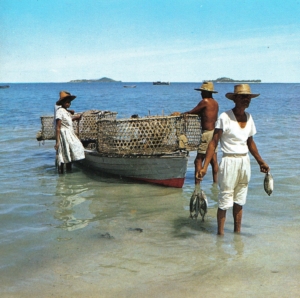 Seychelles is an idyllic tourist destination in the Western Indian Ocean off the coast of Africa, with its turquoise ocean water, luxury resorts and luscious landscapes. Underneath that is a persistent issue that the population of Seychelles faces: continued poverty. Many of the nation’s residents struggle daily with living costs, unemployment and basic services.
While Seychelles ranks lower than many countries with poverty on a global standard, the reality for many Seychellois is more complex than average statistics.
The Reality and the Numbers
A report released in 2021 by the National Bureau of Statistics and the World Bank claimed that “25.3% of the population in Seychelles was living below the national poverty line in 2018.” The monetary amount they used to determine the poverty line was SCR 4,376 per month (about $206).
Aside from the monetary aspect, a Multidimensional Poverty Index (MPI) survey was done in 2019. It found that 11.88% of Seychellois are multidimensionally poor. Indeed, they’re not just deprived monetarily, they are being deprived of multiple areas like education, employment and health care.
Although these numbers are much lower than other poverty averages seen in many other nations, due to the small population, it is a reality for a big minority. Not only do money and unemployment add to the poverty line, but the rising cost of living and continued hardships affect many as well.
Who Is Most Affected
Larger family households are much more likely to be multidimensionally poor. The MPI counted more than 30% of large family households in this category, compared to under 5% of small family households.
The unemployed face very high vulnerability. More than 57% of those without employment were identified as multidimensionally poor. Populations with lower or no education have much higher rates of deprivation.
Government Safety Nets and Help
The Seychellois government has tried to arrange safety nets to address these issues and bring change:
- Social Protection: In 2021, the World Bank gave Seychelles a $30 million credit to improve effectiveness and coordination in programs ranging from disability aid and pensions to welfare for orphans.
- Welfare Assistance: The Agency for Social Protection (ASP) provides welfare to households unable to meet basic needs.
- Increase in Benefits: In 2022, welfare allowances for families and individuals were increased to help with the rising cost of living.
- Temporary Financial Aid: Workers earning below certain thresholds are eligible for extra monthly support, as are elderly individuals with electricity bills in their name.
- Electricity Rebates: The ASP offers rebates on electricity tariffs for many low-income families and has simplified the application process by reducing documentation requirements.
Challenges and Limitations Remain
Despite NGOs and government support, poverty in Seychelles has not yet been solved. Many challenges and limitations remain:
- Rising Cost of Living: Purchasing power is limited even with monetary assistance. Basic costs such as housing, utilities and food remain a struggle.
- Fragmented Program Delivery: While many social programs exist, their implementation is fragmented, with varying levels of coordination, awareness and effectiveness.
- Eligibility Gaps: Not everyone qualifies for assistance. Workers, particularly in the tourism sector, are excluded from certain benefits and were hit especially hard after COVID-19.
Conclusion
Poverty in Seychelles may be less visible than in many other nations. However, it remains a persistent issue for most of the population. While monetary poverty has declined and many live above extreme thresholds, multidimensional poverty is still widespread. The government’s safety nets are making important strides. However, until these programs adapt more effectively to rising costs and ensure equitable access, many people in Seychelles will continue to live in poverty.
– Brody L. Gates
Brody is based in Fort Worth, TX, USA and focuses on Good News and Politics for The Borgen Project.
Photo: Wikimedia Commons
