• Link to X
  • Link to Facebook
  • Link to Instagram
  • Link to TikTok
  • Link to Youtube
  • About
    • About Us
      • President
      • Board of Directors
      • Board of Advisors
      • Financials
      • Our Methodology
      • Success Tracker
      • Contact
  • Act Now
    • 30 Ways to Help
      • Email Congress
      • Call Congress
      • Volunteer
      • Courses & Certificates
      • Be a Donor
    • Internships
      • In-Office Internships
      • Remote Internships
    • Legislation
      • Politics 101
  • The Blog
  • The Podcast
  • Magazine
  • Donate
  • Click to open the search input field Click to open the search input field Search
  • Menu Menu

Tag Archive for: Education

Posts

Developing Countries, Education, Global Poverty, Poverty Reduction

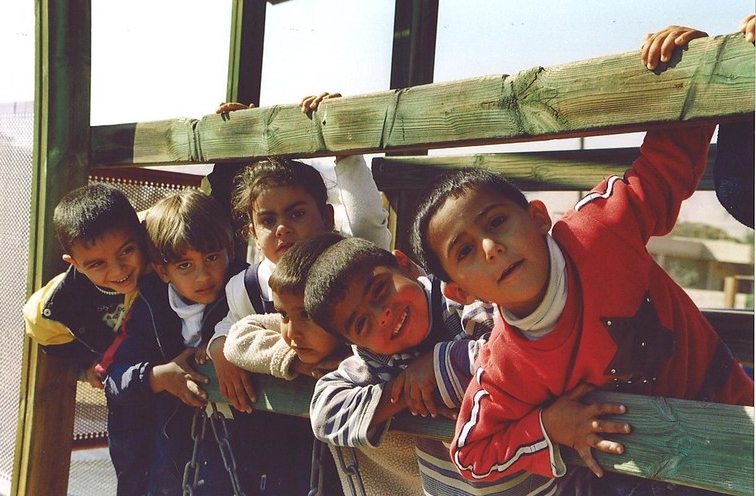
Tackling Poverty Through Education in the Middle East

Education in the Middle EastEducation is a key determinant of economic stability and growth. In the Middle East, where poverty levels are high, access to education can significantly affect an individual’s economic prospects. According to Maher Hamoud, a professor of political economy at the University of Leuven, Belgium, “People tend to be easily manipulated when the level of education is low.” However, the relationship between education and poverty is not merely about individual empowerment; it also affects broader sociopolitical dynamics.

Hamoud notes that “a serious educational development plan must be implemented for at least a generation” to see significant societal changes. Unfortunately, the political instability in many Middle Eastern countries often disrupts long-term developmental planning, leading to inconsistent progress. For example, the 1967 Six-Day War between Egypt and Israel severely interrupted Egypt’s educational programs, demonstrating how conflict can derail efforts to improve schooling and, by extension, economic stability.

Current Educational Programs

Several initiatives throughout the region aim to address disparities. The World Bank’s Arabic Initiative focuses on improving the quality of education in the Middle East. This program emphasizes curriculum development, teacher training and technology integration in the classroom to provide students with the skills needed to compete in a globalized economy.

Amideast is another crucial player in the region. It offers academic opportunities that promote cross-cultural understanding and scholarly achievement. By providing professional training, English language instruction and scholarships, Amideast helps students from underprivileged backgrounds access quality education and improve their economic prospects. The organization’s initiatives have benefitted more than 1,900 exchange and scholarship students and empowered 19,000 youths and women through special programs.

Save the Children, known for its work in crises, has also been instrumental in the Middle East. The organization runs programs that provide schooling to youth in conflict zones, ensuring that even in the most challenging circumstances, young people have the opportunity to learn. These initiatives are crucial in regions where conflict and displacement have disrupted traditional education systems.

New Possibilities to Bridge the Inequality Gap

While existing programs have made significant strides, much work still exists to ensure all youth have access to quality education in the Middle East. One promising approach is the implementation of cash transfer programs, which provide financial incentives for families to keep their children in school. Cash transfer programs give money to increase a household’s income, reduce poverty and improve well-being. They have been successful in other regions and could help reduce economic barriers in the Middle East.

Investments from governments and nongovernmental organizations (NGOs) are also essential. Hamoud highlights the importance of sustained efforts, noting that “governments tend to avoid seriously investing in education.” He points to examples like Singapore, Malaysia and Kuwait, where long-term investment in education has led to significant improvements. Similar commitments in the Middle East could yield substantial benefits, facilitating a more educated and economically stable population.

Digital solutions offer another route for expanding educational access. Online learning platforms, mobile teaching initiatives and cyber classrooms can reach students in remote areas or conflict zones. These technologies can also standardize education across the region, ensuring that all students have access to the same high-quality resources. Despite physical and logistical challenges, today’s technology offers avenues to bridge inequality.

Looking Forward

Access to education in the Middle East is critical in reducing poverty levels. While current programs have made significant contributions, there is still a need for innovative solutions and sustained investment. With new possibilities such as cash transfers, investments and digital solutions, the region can work toward a future where every child can receive a quality education, regardless of socioeconomic background. Hamoud pointed out, “A serious educational development plan must be implemented for at least a generation.” With the right strategies, the Middle East can make significant strides toward alleviating poverty and achieving long-term economic stability.

– Asiya Siddiqui

Asiya is based in Fremont, CA, USA and focuses on Technology and Global Health for The Borgen Project.

Photo: Flickr

August 30, 2024
https://borgenproject.org/wp-content/uploads/borgen-project-logo.svg 0 0 Hemant Gupta https://borgenproject.org/wp-content/uploads/borgen-project-logo.svg Hemant Gupta2024-08-30 07:30:182024-08-30 06:24:56Tackling Poverty Through Education in the Middle East
Global Poverty, Technology, Women's Empowerment

Second Round of Women in the Digital Economy Fund

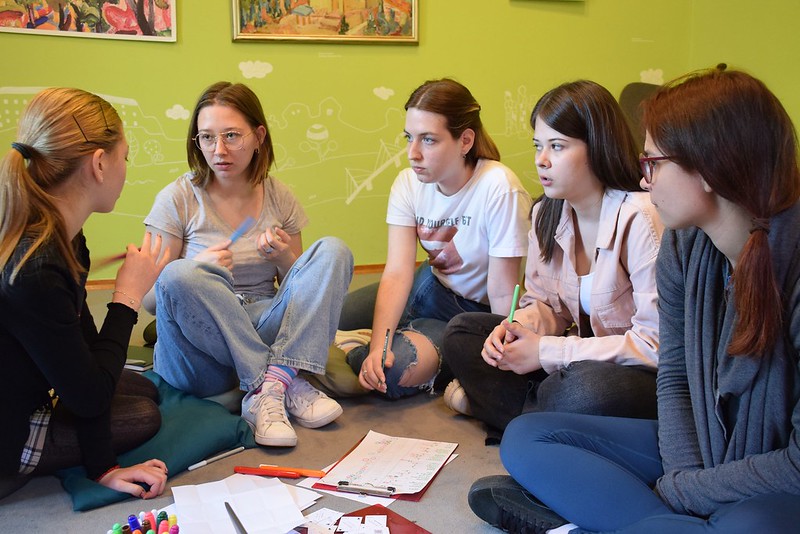
Women in the Digital Economy FundAn estimated 1.1 billion women in low- and middle-income households lack access to mobile internet. In response, the Women in the Digital Economy Fund (WiDEF), a program funded by the United States Agency for International Development (USAID) and the Bill & Melinda Gates Foundation, has committed to improving women’s access to digital technologies and teaching digital literacy strategies.

Launched in March 2023, the first round of WiDEF initiatives focused on funding local organizations to support women in nearby communities on a more personal level. The newly released second round is aimed at the private sector. The gender digital divide significantly hampers global economic progress, limiting an entire market of consumers and producers due to longstanding gender inequality.

Establishment of the Women in the Digital Economy Fund

Though WiCEF is a relatively new program, announced less than two years ago, it has already shown significant success in advancing digital education at both individual and community levels. USAID has committed more than $50 million in funding as part of its advocacy for gender equality, while the Gates Foundation has added $10 million to support the initiative. As part of its budget, WiCEF ensures that more than half of its funding is dedicated to improving digital opportunities in Africa, where some of the world’s largest mobile internet gender gaps exist.

With a focus on addressing gender disparities, WiCEF continuously researches the best ways to introduce gender-equitable digital solutions, prioritizing women-led and women-oriented innovations and products. Each selected candidate receives between $50,000 and $150,000 in digital support.

Overarching Goals and Initiatives

USAID highlights five core outcomes of its WiCEF program:

  1. Access and Affordability: Ensuring digital devices and internet-enabled services are affordable, sustainable and accessible for diverse communities of women.
  2. Relevant Products and Tools: Designing and providing women access to digital products and tools, including smartphones and other mobile technologies, that can contribute to income-generation purposes
  3. Literacy and Skills: Enhancing women’s digital skills and literacy to help them participate meaningfully in the digital economy and other digital spaces.
  4. Safety and Security: Addressing technology-facilitated gender-based violence while promoting digital user protection.
  5. Data and Insights: Leveraging sex-disaggregated data to identify social barriers that cause disparities in technology use and to inform the development of more gender-equitable programs.

Consequences of the Gender Digital Divide

Samantha Power, Administrator of USAID, highlighted that the gender digital divide “hinders developmental progress… ingraining existing inequities into the fabric of societies of the future,” emphasizing the deepening of gender inequalities in the digital age. Access to digital technologies, along with the tools to navigate them, has become a privilege many women are denied, further exacerbating economic, political and social disparities. The International Telecommunication Union (ITU) estimates that there are approximately 244 million more men than women using the Internet as of 2023, a statistic that will only increase if not addressed adequately in the following years.

The lack of digital education for women has additionally inhibited economic growth, specifically for developing nations, with the Global Digital Inclusion Partnership approximating that countries have lost more than $1 trillion in gross domestic product (GDP) from female exclusion in the digital world. Closing the gender digital divide—the overarching goal uptaken by WiCEF—will deliver around $700 billion in GDP growth while generating up to 64 million new jobs for women in the next five years.

Opening of Second Round of Applicants

The opening of the second round of applicants for WiCEF will only further the work of USAID and the Gates Foundation on an economic scale, now expanding technical assistance into private sector enterprises. Businesses across developing nations aiming to close the gender digital divide will now have access to tools for effective research and evaluation, with data-driven feedback to assess their usage of products among women. Additionally, WiCEF provides education on user design, product adaptation and business modeling, strengthening the foundation of these companies and the women impacted by them.

– Eileen Lincoln

Eileen is based in Oakton, VA, USAs and focuses on Technology and Solutions for The Borgen Project.

Photo: Flickr
August 29, 2024
https://borgenproject.org/wp-content/uploads/borgen-project-logo.svg 0 0 Hemant Gupta https://borgenproject.org/wp-content/uploads/borgen-project-logo.svg Hemant Gupta2024-08-29 03:00:482024-08-29 02:03:09Second Round of Women in the Digital Economy Fund
Charity, Global Poverty, Nonprofit Organizations and NGOs

MCIC Leading the Way in North Macedonia

MCICNestled in the heart of the Balkans, North Macedonia is marked by its rich cultural heritage and historical significance. Yet, like many nations in the region, it grapples with significant socioeconomic challenges, including poverty, high unemployment rates and limited access to essential services such as health care and education. Despite these obstacles, several dedicated charities and organizations are making strides to improve the lives of North Macedonians. Through their focused efforts in health care, education and social inclusion, these organizations address immediate needs and lay the groundwork for long-term, equitable development.

MCIC

Established in 1993, the Macedonian Center for International Cooperation (MCIC) promotes sustainable development, civil society and democracy in North Macedonia. The organization implements a wide range of programs for poverty reduction, social inclusion and community development. MCIC’s efforts include supporting small-scale agricultural projects, advocating for improved water management and promoting gender equality and social justice.

By working with local communities and international partners, MCIC helps create opportunities for marginalized groups and contributes to the overall development of North Macedonia. Since its inception, MCIC has established more than 1,300 projects as part of 60 programs in several sectors, including health and education and immediate aid. The organization has also enhanced rural communities’ ability to address internal issues, leading to improved access to drinking water for 250 villages across the country.

SOS Children’s Villages North Macedonia

SOS Children’s Villages North Macedonia is part of the global SOS Children’s Villages network. It provides long-term care, education and family support for children without parental care or those at risk of losing it. The organization has been active in North Macedonia since 1995, focusing on creating a loving home environment for needy children.

The organization offers family-strengthening programs that support vulnerable families in maintaining stability, ensuring children can grow up in a secure environment. SOS Children’s Villages North Macedonia also provides educational support and vocational training, empowering young people to become self-reliant adults. The organization currently supports 330 adults and children, with about 160 young people attending its training.

Red Cross of the Republic of North Macedonia

The Red Cross of the Republic of North Macedonia has been vital to the country’s humanitarian efforts since its establishment in 1945. The organization provides various services, including disaster relief, health and social care and support for vulnerable groups such as the elderly, disabled and refugees. Through its extensive network of volunteers, the Red Cross delivers essential aid during emergencies, conducts blood donation drives and offers first aid training to the public.

The organization also runs various programs promoting health and well-being, such as disease prevention campaigns and mental health support services. In 2022, the Red Cross of the Republic of North Macedonia reached more than 60,000 people with its long-term services and development programs and 1,200 people with its disaster response and early recovery programs.

Project HOPE

Project HOPE has been active in North Macedonia since 1992, focusing on improving health outcomes and building resilient health care systems. The organization works closely with local partners to train health care professionals, enhance medical facilities and ensure access to essential medicines and services. Project HOPE’s efforts include addressing chronic health issues such as cardiovascular diseases and diabetes and supporting maternal and child health programs.

In 2007, Project HOPE, through its Medical Re-Supply Program (SMRP), delivered $97 million “worth of essential medicines and medical supplies throughout the country.” By strengthening the health care infrastructure and empowering medical staff with the necessary skills and resources, Project HOPE is improving health care quality in North Macedonia.

Shaping a Brighter Future

In the face of significant socioeconomic challenges, these organizations exemplify the resilience and dedication needed to foster positive change in North Macedonia. Through their diverse and impactful programs, they are addressing immediate needs and laying the groundwork for long-term, equitable growth across the country. These charities empower individuals and communities by focusing on essential areas such as health care, education, social inclusion and humanitarian aid, paving the way for a more prosperous and inclusive future for all North Macedonians.

– Benjamin DeMarais

Benjamin is based in Rogers, MN, USA and focuses on Business and New Markets for The Borgen Project.

Photo: Flickr
August 20, 2024
https://borgenproject.org/wp-content/uploads/borgen-project-logo.svg 0 0 Hemant Gupta https://borgenproject.org/wp-content/uploads/borgen-project-logo.svg Hemant Gupta2024-08-20 01:30:492024-08-19 13:11:07MCIC Leading the Way in North Macedonia
Developing Countries, Disability, Global Poverty

Disability and Poverty in Cuba

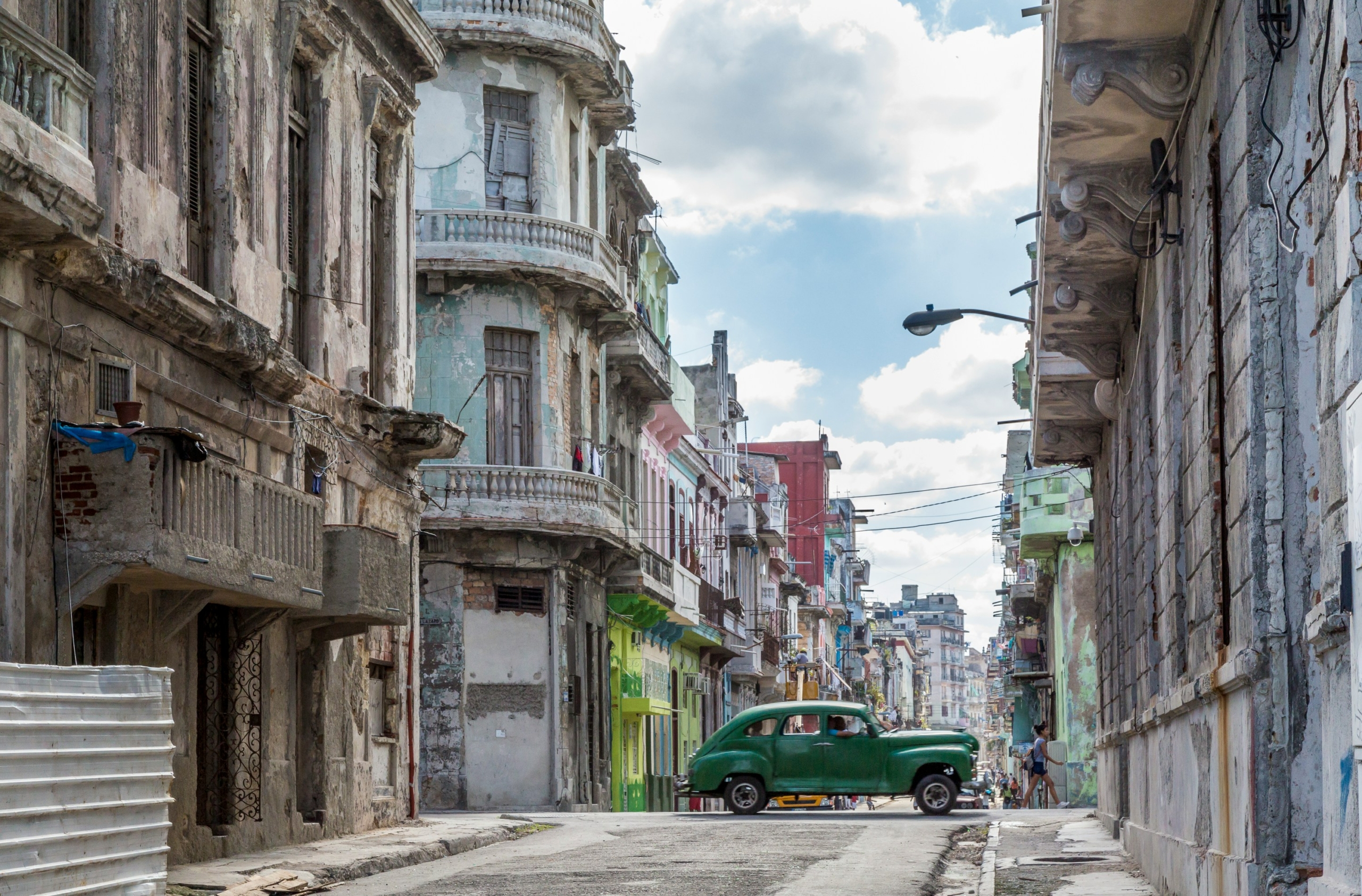
Disability and Poverty in CubaCuba is a developing country in the Caribbean, with a population of 10.9. Cuba’s economy relied heavily on the Soviet Union, which started in 1960. However, during the early ’90s, the Soviet Union fell and Cuba’s economy suffered. Since 2018, the Cuban economy has been severely impacted by international blockade and sanctions. The COVID-19 pandemic has also hindered Cuba’s economic growth. In 2020, Cuban gross domestic product (GDP) decreased by 11% and only increased by 0.4% in 2021 and 1.8% in 2022. Moreover, Cuba’s economy has recently experienced inflation and the population has had limited access to essential resources like food and health products. The nation’s fuel supply has also struggled to meet the needs of citizens, causing periodic energy and transport crises.

In 2023, more than 360,000 people with disabilities lived in Cuba and they were all impacted by these economic challenges. The Data Disability Initiative published that women with physical disabilities experience a higher level of multidimensional poverty than women without physical disabilities. Despite these challenges, the Cuban government has made efforts to develop education policies that better cater to children with disabilities. International organizations like the United Nations Children’s Fund and Humanity and Inclusion (HI) have been helping improve the quality of life for people living with disability and poverty in Cuba.

Challenges

According to Human Rights Watch (HRW), Cuba has not established its domestic laws in agreement with the United Nations (U.N.) Convention on the Rights of Persons With Disabilities, nor has the nation’s government developed effective disability rights policies related to accessibility, legal capacity, education, independent living and employment. As of 2022, Cuban law suggests that public buildings, health services and transportation services should all accommodate people with disabilities. However, the government generally has not enforced this law effectively, resulting in the needed facilities and accommodations being rarely available for people with disabilities.

According to the 2019 Multiple Indicator Survey 6 results, 10% of women ages 18 to 49 with much functional difficulty have less than primary school as their highest level of education received, while only 1% of women with some functional difficulty and 0% of women with no functional difficulty have less than primary school as their highest level of schooling. Significant differences exist in the number of women with adequate housing and asset ownership. Women who have some functional difficulty are less likely to have these resources and women with much difficulty have even lower rates of access to these resources. Women with some functional difficulty and much functional difficulty were also more likely to report being discriminated against or harassed based on any ground, with rates of 3% and 15%, respectively.

Government Support for Education

Cuba’s 2012 Population and Housing Census took note of 41,374 children and adolescents with disabilities and many live in rural areas. About 57% of this total are visually impaired children and children with intellectual disabilities. Cuba has 355 schools for children who have disabilities, with 33,975 children and students enrolled in these schools in the 2017-2018 school year. Also, 1,978 mainstream schools at all levels educate 11,037 students with disabilities.

Education is state policy in Cuba. The government puts much effort into financing education, resulting in residual illiteracy of 0.2%, an average of 10.1 years of schooling and 10% of the GDP being used for school funding since 2004. Cuba has special and inclusive schools that work together to educate children with disabilities. In 2019, out of 10,598 schools, 342 (3%) of the total schools in the country were special schools. Special schools use the same teaching materials and curriculum as mainstream schools. However, they are flexible so that they can adapt to the specific needs of each student.

Special schools were established as resource centers with exit strategies that help students with disabilities smoothly transition into mainstream schools. In 2019, the number of students attending different centers was 102,477 in mainstream schools, 33,639 in special schools, 1,070 in technical and professional education and 180 in higher education. According to data collected from UNICEF Cuba in 2020, 15% of the students who attended trade schools were graduates of special schools.

Nonprofit Aid

HI is an international nonprofit that focuses on helping vulnerable populations, especially people with disabilities. It has been working in 60 countries around the world, including Cuba. This nonprofit helps Cubans with disabilities, especially women and young people, find employment by giving them kits with the necessary tools to become economically self-sufficient. HI’s teams also raise awareness about disability issues for local employers and help develop new adapted activities and jobs. In 2016, HI’s project helped more than 1,400 people with disabilities in Cuba. The organization’s project partnered with 800 health professionals and community officers, further assisting people with a disability and reducing poverty in Cuba.

Similarly, in 2019, UNICEF helped train 548 specialists across all 16 provinces of Cuba to provide the necessary care for students with disabilities who attend mainstream schools. UNICEF has been working on improving the capacities of teachers, principals and families in rural areas to ensure that students with intellectual disabilities attending mainstream schools receive the educational services they need. UNICEF also uses a communication-for-development strategy to encourage social and academic inclusion for children with disabilities.

Summary

While there seems to be further work to do to strengthen the country’s policies on transportation, employment and independent living for people with disabilities, progress has been made in addressing the needs of children and adolescents through institutions like special schools. International organizations like UNICEF and HI have also been helping to fill the gaps in providing the resources citizens living with disability and poverty in Cuba need.

UNICEF is improving education for children with disabilities by training teachers, principals and families in rural areas to understand intellectual disabilities better. HI’s program in Cuba supports people with disabilities by helping them find employment and providing materials for economic self-sufficiency. Overall, progress is being made in supporting people with disabilities in Cuba and continued support will be crucial for sustaining this advancement.

– Elisabeth Nwasokwa

Elisabeth is based in Bellerose, NY, USA and focuses on Good News for The Borgen Project.

Photo: Unsplash

August 15, 2024
https://borgenproject.org/wp-content/uploads/borgen-project-logo.svg 0 0 Hemant Gupta https://borgenproject.org/wp-content/uploads/borgen-project-logo.svg Hemant Gupta2024-08-15 01:30:082024-08-15 00:27:53Disability and Poverty in Cuba
Global Poverty, Nonprofit Organizations and NGOs, Women's Empowerment

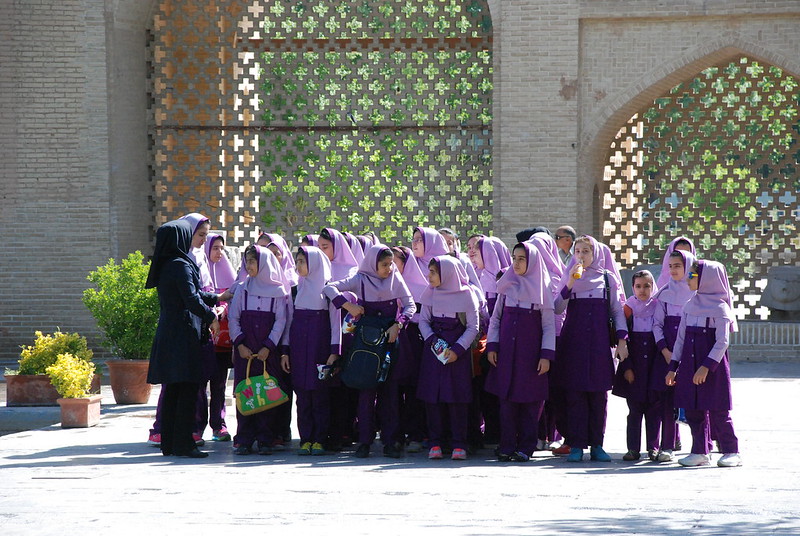
Empowering Girls, One Uniform at a Time: Impact of SHE in Togo

SHE in TogoAround 129 million girls worldwide are not enrolled in school. In Togo, girls spend an average of 2-3 years in school and only 33% attend junior high school. Tuition fees, school supplies and mandated school uniforms are the largest financial barriers preventing impoverished families from sending their girls to receive an education. Studies have shown that providing free uniforms can reduce dropout rates by 16% and absences by more than 35%. In response, the nonprofit organization Style Her Empowered (SHE) has committed to offering free uniforms to support students’ educational outcomes.

How SHE Began With Just a Uniform

Payton Mc Griff, the founder of SHE, was a sophomore at the University of Idaho, United States (U.S.). After reading the novel “Half the Sky,” McGriff learned the shocking truth of the daily oppression women in developing countries face. Hence, she resolved to join the effort to empower young women and break the cycle. In 2017, as part of a class project for her marketing major, she went to Nôtse, Togo, to do field research. Togo was the perfect launchpad for SHE because, though it ranks low on the Human Development Index, the government had reduced tuition rates for girls to incentivize education. Also, most entrepreneurs there are women eager to welcome new programs for girls’ education – Togo had both the need and potential for change.

While there, she saw the reality for many girls, including Elolo, whose family’s financial struggles forced her to quit school so that her brothers could continue. Every girl she interviewed agreed that a required uniform was the greatest obstacle preventing them from attending school. That was where her idea for a uniform that grows was born. With $35,000 in seed money and the help of local sewists and students, the uniform that grows was made a possibility. The dress is designed to fit a girl for up to three years, adjusting six sizes, with adjustable cords along the side and a foot of extra fabric hemmed underneath.

SHE’s Mission and Vision

Today, SHE operates in 20 rural villages in Southern Togo, including Nôtse. In these areas, girls are more likely to drop out of school, with 69% of households living below the poverty line. SHE strives to remove as many financial barriers for young girls as possible to create a world where every girl and woman can survive and flourish. The nongovernmental organization (NGO) focuses on three main areas:

Girls’ Education

SHE’s Holistic Girls’ Education Program provides every student with:

  • SHE uniform that grows
  • Full-tuition scholarship
  • A year’s worth of school supplies
  • Year-round tutoring from SHE’s local team
  • Reusable menstrual health kit
  • Durable, waterproof backpack

The program serves 1,500 girls annually from kindergarten to high school and has helped 6,095 girls since 2017. In 2023, SHE’s students achieved the highest success rates in the NGO’s history, with a 99.1% student pass rate, 40% higher than the national average in 2022.

Women’s Employment

Togo has one of the highest rates of gender inequality in the world and only 20% of Togolese women have completed primary school, leaving 1.6 million women without an education. Seamstress training is one of the most popular careers for women in Togo. However, there are no opportunities for support or growth and laborers are often exploited.

SHE’s Paid-To-Learn Employment Model creates dignified jobs for women employed in Togo. SHE guarantees its 33 Togolese women employees:

  • Salaries 75% above Togo’s minimum wage
  • 10% of the work week devoted to adult learning programs
  • Unlimited paid sick leave, social security benefits, national health care and retirement enrollment
  • Three months of fully paid maternity leave
  • Free child care
  • No more than 40 hour work weeks

Sustainability

Alongside the growing uniform, SHE has developed more sustainable products that help girls, women and the planet. These include:

  1. Reusable Menstrual Pads: Period poverty prevents millions of girls from attending school. Only 35% of girls in Togo continue beyond elementary education, most dropping out when they reach puberty. Hence, 100% of fabric scraps from SHE factories are recycled into reusable menstrual pads crafted by SHE sewists for students who were previously forced to miss school during their period due to a lack of sanitary supplies. In 2021, SHE produced more than 5,000 reusable menstrual pads.
  2. Recycled Plastic Backpacks: SHE’s latest development in 2022 includes the collection of single-use plastic bags fused to make durable, waterproof backpacks for girls, provided through its education program.

Final Remark

SHE demonstrates how effective grassroots organizations are at improving people’s lives in developing countries. The female-founded and female-led charity is an inspiring testament to women coming together to uplift and empower one another.

– Fatima Naqavi

Fatima is from London, UK and focuses on Good News for The Borgen Project.

Photo: PickPik

August 12, 2024
https://borgenproject.org/wp-content/uploads/borgen-project-logo.svg 0 0 Hemant Gupta https://borgenproject.org/wp-content/uploads/borgen-project-logo.svg Hemant Gupta2024-08-12 07:30:282024-08-11 12:48:23Empowering Girls, One Uniform at a Time: Impact of SHE in Togo
Charity, Global Poverty, Refugees

Organizations Supporting Haitians in the Dominican Republic

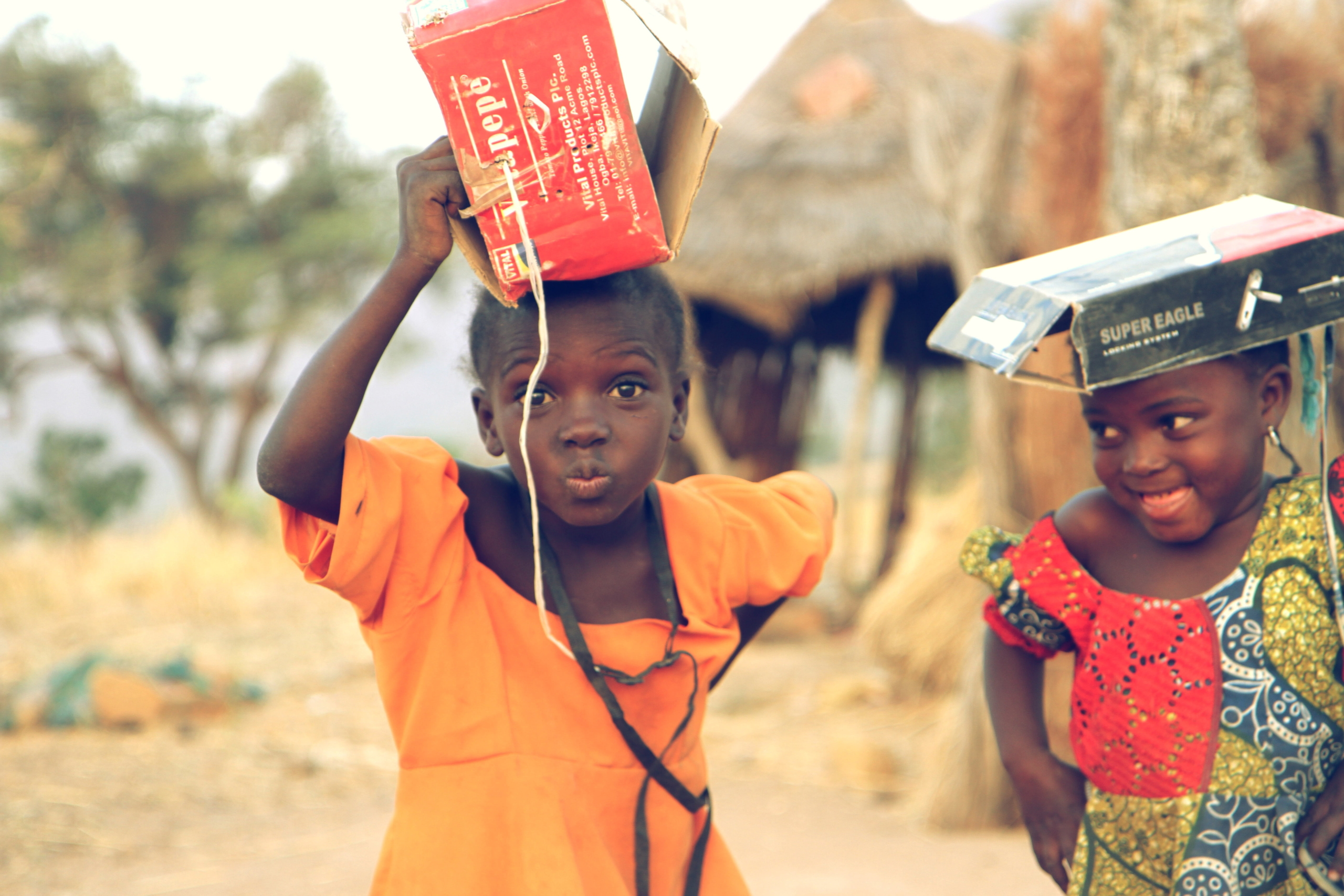
Haitians in the Dominican RepublicIn Haiti, turmoil punctuates the past and pervades the present. Successive natural disasters and social upheavals have stunted the Caribbean nation’s development and rendered its political landscape a minefield. Chaos exploded in 2019 when an onslaught of armed gangs rose against the acting prime minister. They now occupy around 80% of the country’s capital. The International Organization for Migration (IOM) reports the displacement of more than 360,000 people, 93% of whom are fleeing violence and, according to the World Bank, food insecurity has tripled since 2016. Many Haitians seek refuge in the Dominican Republic, Haiti’s comparatively stable neighbor. However, deeply entrenched hostilities, inflamed by this recent surge of immigration, await them across the border. Therefore, many international organizations and local charities have taken action, fervently supporting Haitians in the Dominican Republic.

A Population in Crisis

The tensions straining the island of Hispaniola, which Haiti and the Dominican Republic share, can be traced back to its complex colonial past and reached boiling point during the virulently anti-Haitian regime of Rafael Trujillo, a dictator who ruled the Dominican Republic from 1930 until 1961. Today, Haitians exist largely on the periphery of Dominican society, according to the Minority Rights Group.

Amid the violence in Haiti, organizations such as the United Nations (U.N.) and Amnesty International have expressed their concern over the forced deportation of Haitians from the Dominican Republic, including asylum seekers, pregnant women and unaccompanied children. They have also spoken out against reports of racial profiling and xenophobia on the part of authorities.

Moreover, Dominicans of Haitian descent are often highly vulnerable to poverty and exploitation. A 2013 law revoked the nationality of all Dominicans born to undocumented parents, rendering generations of people stateless overnight. In 2014, the government introduced a citizenship reclamation process. However, an estimated 130,000 people remained barred from legal work, education and property ownership as of 2023.

Haitians and Haitian Dominicans lacking civil status are heavily concentrated in “Bateyes,” isolated rural settlements once erected around sugar plantations to house Haitian migrant workers. These marginalized communities lack basic resources and are paralyzed by chronic insecurity. However, there are numerous nongovernmental organizations (NGOs) that support Haitians and Dominican descendants of Haitian migration.

Project Esperanza

Project Esperanza, a charity based in Puerto Plata, a city in the Dominican Republic, facilitates the integration of Haitian refugee and immigrant children into Dominican society through education. Its vision is self-sustaining empowerment for vulnerable Haitian families engulfed in poverty.

The organization operates two schools where teachers from various cultural backgrounds deliver elementary-level education in Haitian Creole and Spanish, giving students a basis for engagement in Dominican life.

Given that many of these young people have not attended school regularly, Project Esperanza operates a specific program for older students, allowing them to access the essential knowledge they have thus far been excluded from. The organization also runs a six-week summer program where students develop their English skills alongside native speakers. Tourism is central to the local economy, so this initiative multiplies their prospects.

ASCALA

ASCALA is another NGO working across the country’s Eastern Region. It advocates for the rights of immigrants and refugees by offering legal advice, representation, assistance with obtaining residency or citizenship and preparing necessary documentation. Furthermore, the NGO works with state and civil societies to develop education-based initiatives to equip adults and children with the necessary literary level to participate in Dominican society.

ASCALA also provides social services such as counseling and support navigating health services. Another of ASCALA’s focuses is food insecurity within the country’s borders. It supports food and income-generating family and community gardens. It helps to organize “solidarity markets,” where essential products can be accessed at low prices.

Batey Relief Alliance

Another nonprofit supporting Haitians in the Dominican Republic is the Batey Relief Alliance (BRA), a U.S. charity established in 1997 to bridge the socioeconomic gulf dividing Dominican Bateyes from the rest of society. It has since expanded into several American countries, aiding 2.5 million people. BRA established its clean water initiative in 2006 to combat the spread of water-borne infections in impoverished rural enclaves lacking sufficient WASH infrastructure. To date, it has installed 19 water systems supplying 70,000 families. Similarly, it has distributed more than 23 million water purifier sachets across three countries, including the Dominican Republic.

In 2006, the charity installed the first modern health center in a Dominican hospital, serving more than 35,000 patients yearly. The charge of the center shifted to the Dominican Ministry of Health in 2017 and it continues to serve vulnerable populations. Furthermore, the “Women Empowerment” program, established in 2018, fosters community development by delivering vocational training and microloans to rural women. So far, the organization has engaged 850 women in agriculture-based economic activity, benefiting 25,000 people in Dominican Bateyes and Haiti’s border regions.

Looking Ahead

As the crisis in Haiti unfolds, binational tensions are keenly felt by those who seek safety in the Dominican Republic. Many organizations are therefore advocating for and supporting Haitians who find themselves impacted. Working from various angles and on differing scales, they are united in their common commitment to peace and compassion.

– Leila Powles

Leila is based in Cheltenham, Gloucestershire, UK and focuses on Global Health and World News for The Borgen Project.

Photo: Flickr
August 11, 2024
https://borgenproject.org/wp-content/uploads/borgen-project-logo.svg 0 0 Hemant Gupta https://borgenproject.org/wp-content/uploads/borgen-project-logo.svg Hemant Gupta2024-08-11 07:30:442024-08-10 14:40:29Organizations Supporting Haitians in the Dominican Republic
Development, Economy, Global Poverty

Singapore’s Social Safety Net: A Blueprint for Reducing Poverty

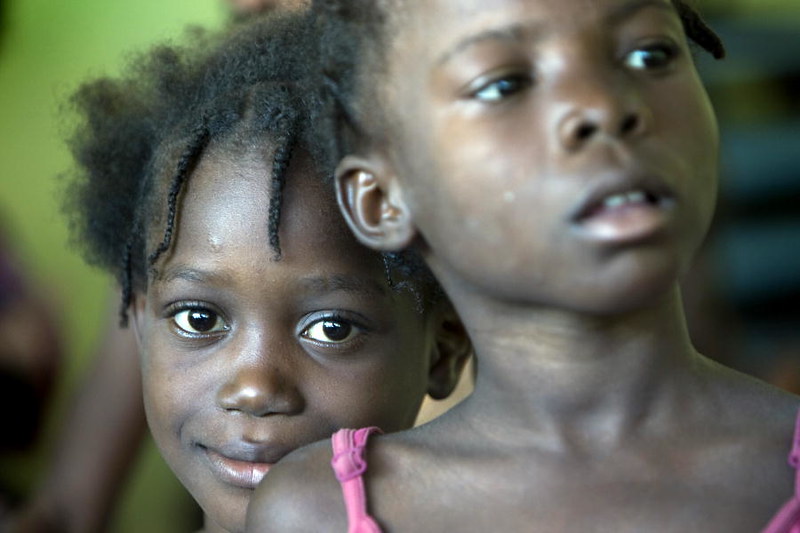
Singapore’s Social Safety NetSingapore, often hailed as an economic miracle, boasts a diverse economy that has propelled the nation to high-income status. Additionally, the country’s financial landscape is distinguished by a blend of globally leading industries, including manufacturing, services and emerging sectors. Manufacturing, a cornerstone of Singapore’s economy, spans electronics, chemicals and biomedical sciences. Furthermore, it contributes significantly to gross domestic product (GDP) and employment.

Meanwhile, the services sector encompasses finance, insurance, tourism and, more recently, data hosting and digital services. The sector has made Singapore a hub for innovation and business. This diversity is a critical factor in Singapore’s resilience. Additionally, it has enabled the country to weather global economic fluctuations and adapt to new trends, such as digital transformation and green technologies. The government’s strategic investments in education, research and infrastructure have further bolstered the economy’s adaptability, ensuring sustainable growth and job creation.

Singapore’s Social Safety Net

Singapore’s approach to social welfare is built on a unique social compact designed to provide opportunities for all citizens, regardless of background. This compact is underpinned by five pillars: asset building, education, health care, housing and employment. These pillars form a robust safety net that protects vulnerable groups, promoting social mobility and financial security.

  • Education: Education is a cornerstone of Singapore’s social policy. Indeed, it reflects the belief that education is a key driver of economic mobility. The government invests heavily in education at all levels, ensuring access to quality schooling and lifelong learning opportunities. Initiatives like SkillsFuture encourage citizens to upgrade their skills continuously, keeping pace with the evolving job market. This emphasis on education equips Singaporeans with the knowledge and skills necessary to thrive in a competitive global economy.
  • Health Care: Singapore’s health care system is renowned for its efficiency and accessibility. The government employs a multi-tiered approach to health care financing, combining personal responsibility with state support. This approach ensures all citizens have access to basic health care services. Programs like MediShield Life and the Community Health Assist Scheme (CHAS) help alleviate the financial burden of medical expenses, particularly for the elderly and lower-income groups. Furthermore, this guarantees that no Singaporean is denied health care due to monetary constraints, contributing to a healthy and productive population.
  • Housing: Homeownership is another key pillar of Singapore’s social safety net. The government’s public housing program, managed by the Housing & Development Board (HDB), provides affordable residences for most Singaporeans. Subsidies and grants allow lower- and middle-income families to own homes. This policy improves living standards and serves as asset-building, helping citizens accumulate wealth over time.
  • Employment: The government has implemented various programs to support lower-wage workers, ensuring they can achieve a decent standard of living. The Workfare Income Supplement (WIS) scheme, introduced in 2007, provides cash and Central Provident Fund (CPF) contributions to supplement the incomes of lower-wage workers. The Progressive Wage Model (PWM), launched in 2012, sets minimum wage levels for specific industries and outlines career progression pathways. These initiatives are part of a broader effort to reduce income inequality and promote social inclusion.

The Many Helping Hands Approach

In addition to government-led initiatives, the Many Helping Hands (MHH) approach supports Singapore’s social safety net. This community-based framework involves government bodies, donors, grantmakers, enablers, volunteers and Voluntary Welfare Organizations (VWOs).

The MHH system ensures that social assistance reaches the most vulnerable members of society, providing comprehensive support beyond just financial aid. One notable program under this framework is ComCare, which was launched in 2005. ComCare consolidates various welfare projects to offer more streamlined and effective support for those in need. It provides financial assistance, medical support and social services, catering to the diverse needs of low-income families, elderly citizens and individuals facing health care challenges.

Looking Forward

Singapore’s success in achieving a high-income and financially secure population is largely due to its diverse economy and comprehensive social safety net. Additionally, the government’s forward-looking policies in education, health care, housing and employment, combined with community-based support through the MHH approach, have created a resilient and inclusive society. This model aims for all citizens to lead fulfilling lives, regardless of socioeconomic background. As Singapore continues to evolve alongside global challenges, its commitment to social equity remains a guiding principle for sustained prosperity and social harmony.

– Asiya Siddiqui

Asiya  is based in Fremont, CA, USA and focuses on Business and Good News for The Borgen Project.

Photo: Flickr
August 11, 2024
https://borgenproject.org/wp-content/uploads/borgen-project-logo.svg 0 0 Hemant Gupta https://borgenproject.org/wp-content/uploads/borgen-project-logo.svg Hemant Gupta2024-08-11 07:30:242024-08-10 14:44:24Singapore’s Social Safety Net: A Blueprint for Reducing Poverty
Child Poverty, Conflict, Global Poverty

Olive Kids Foundation Supports Displaced Palestinian Children

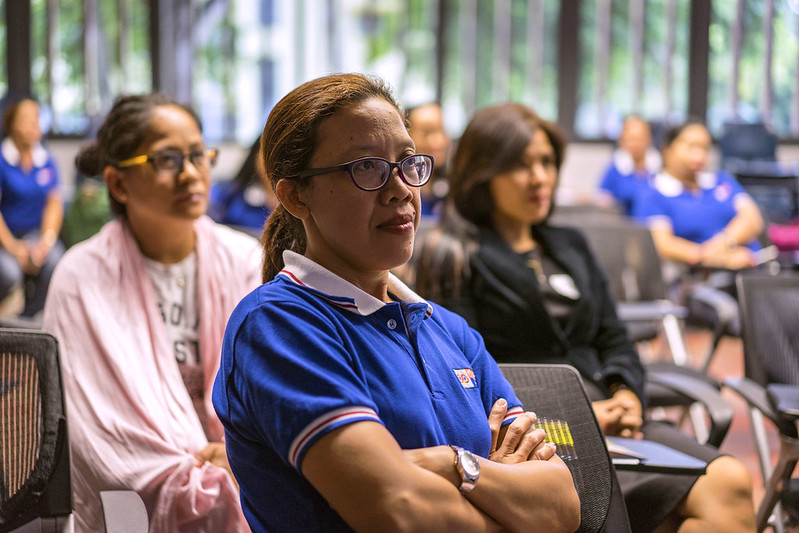
Displaced Palestinian ChildrenThe United Nations (U.N.) confirms a rise of more than 155% in violations against children in Israel and Palestine. The effects of the October 7 attack and the push for emancipation of the Gaza Strip since 1949 have sparked conflict. Despite multiple ceasefire attempts in Gaza, more than one million Palestinian children had been displaced by December 6 and more than 13,800

The situation in Gaza remains critical. Millions have fled, but those civilians who continue to live in the northern side of the Gaza Strip are surrounded by rubble, limited access to electricity and food and water shortages, which the U.N. reports are on the brink of famine. According to the United Nations Children’s Fund (UNICEF), about nine in 10 Palestinians are displaced, with children making up half of the estimated 1.9 million people affected. Furthermore, this displacement leads to separation, loss of property, abuse, exploitation and a lack of psychosocial support. Many displaced families struggle with the high costs of frequent relocations.

The Olive Kids Foundation

Amid this turmoil, the Olive Kids Foundation stands as a beacon of hope, providing essential support to the most vulnerable. Here’s how it is making a difference:

  • Child Sponsorship: A Lifeline for Orphaned Children: Orphaned children under the Olive Kids Association receive sponsorship from donors to cover their living expenses in Al-Amal. Additionally, 40% of the funds go toward their higher education, accessible once they turn 18. The foundation has successfully raised $90,000, ensuring these children have a stable future and access to quality education.
  • Medical Aid: Life-Saving Surgeries and Training: Olive Kids facilitates medical missions by sending Australian pediatric surgeons to local Palestinian hospitals and shelters. These missions include performing complex surgeries and training local medical professionals. In partnership with the Children First Foundation, severely injured Palestinian children are brought to Australia for life-changing surgeries. Additionally, the program provides immediate medical relief and builds local capacity through skill transfer.
  • Nutrition Initiative: Combating Malnutrition: Years of blockades have led to widespread malnutrition among Palestinian children. Furthermore, the recent conflict has worsened the situation, making nutritional support more critical. In response, Olive Kids has implemented a comprehensive nutrition initiative in its local orphanage, focusing on improving dietary habits. This program provides balanced meals and educates orphans, their families and staff about healthy eating practices.
  • Education: Building a Brighter Future: Olive Kids supports a range of educational initiatives to ensure that displaced children receive a well-rounded education. The Girls P/E Teacher program funds salaries for physical education teachers and provides sports kits, encouraging healthy social activities. Additionally, a supplementary program helps children with learning difficulties, offering specialized teaching methods to expand their skills.
  • Scholarships: Empowering the Next Generation: To encourage more Palestinian students to enter the medical field, Olive Kids offers scholarships. This initiative has seen a significant increase in graduates since its inception, with only three medical students graduating in 2019. The scholarship program has since expanded, providing crucial financial support and educational opportunities for aspiring medical professionals.

Making a Lasting Impact

The Olive Kids Foundation’s alumni often return to assist other children in similarly dire situations, creating a cycle of support and empowerment. Through their continuous efforts, the foundation aims to raise more donations to support displaced Palestinian children during this ongoing crisis.

– Lydie Udofia

Lydie  is based in London, UK and focuses on Global Health for The Borgen Project.

Photo: Flickr
August 10, 2024
https://borgenproject.org/wp-content/uploads/borgen-project-logo.svg 0 0 Hemant Gupta https://borgenproject.org/wp-content/uploads/borgen-project-logo.svg Hemant Gupta2024-08-10 07:30:542024-08-10 03:09:47Olive Kids Foundation Supports Displaced Palestinian Children
Development, Education, Global Poverty

Education for the People of Guyana

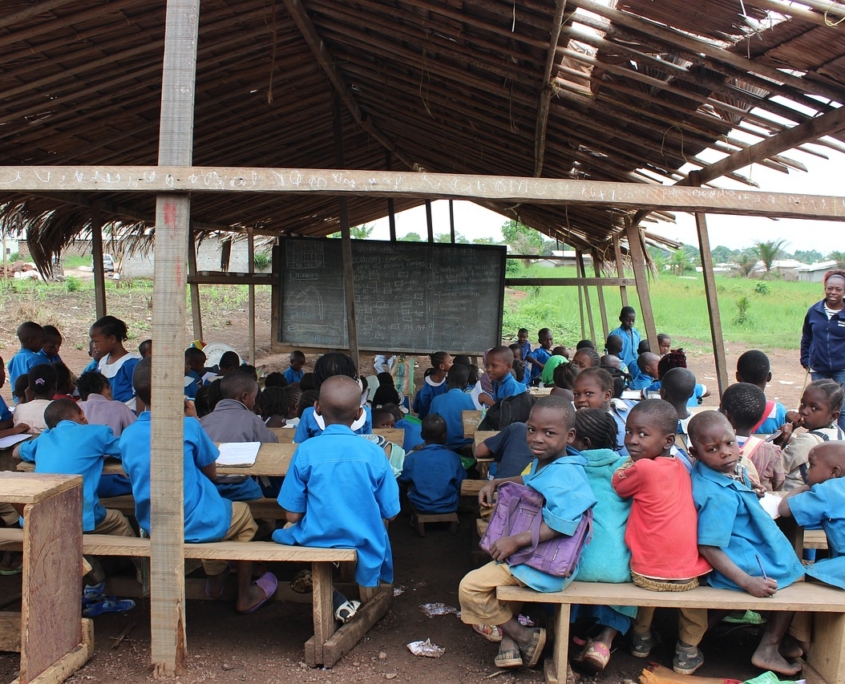
Education for the People of Guyana In 2023, the United Nations Educational, Scientific and Cultural Organization (UNESCO) initiated a significant educational reform in Guyana. Funded by a System Capacity Grant from the Ministry of Education, this reform aims to enhance the skills of school and district leaders and to overhaul the mechanisms for allocating resources to schools and districts. This initiative seeks to provide further education for the people of Guyana.
The Evolution of Educational Media

The technical lead of UNESCO’s reform includes placing middle-tier actors in the space of education systems including classrooms. Alongside these actors, maybe having a television system can help provide education for the people of Guyana. In the 1950s, Boston University President Dr Daniel L. Marsh warned about the television craze turning young Americans into a nation of morons.

However, National Educational Television (NET) emerged just four years after his claim, challenging its uniqueness. Educational television aims to blend learning with entertainment and as of 2024, social media has surpassed television as the primary learning source for the youth. Popular children’s programs like Sesame Street and Bluey now offer educational content through YouTube channels, granting free access to young viewers.

Technology Gaps in Guyana

Unfortunately, many areas do not have access to the internet or a television license. The country of Guyana, whilst it does have access to both TV and the internet, is reportedly below the regional benchmark for example despite a significant increase from 13.8% in 2007 to 37.3% in 2019 the overall internet usage is minimal indicating a gap in technology advances between Guyana and other countries.

In many countries, a television license is not required unless one watches taxpayer-funded or local television, such as the BBC in the U.K. or Fox News in the USA, which is available for free viewing.

Guyana’s primary television network, Channel One, offers its audience news, talk shows and events at no cost. The nation also features a variety of channels available either through subscription or for free. While areas like Guyana’s capital, Georgetown, enjoy relatively better access to technology and current events, rural regions face significant challenges. These hardships are often a result of poverty exacerbated by climate change impacts on the natural environment and oil spills in Guyana’s waters.

Bridging Guyana’s Educational Gap

For regions impacted by poverty with limited access to technology, such as televisions or the internet, portable televisions equipped with VHS or DVD inputs can prove invaluable. Video-based learning enhances communication skills through visual and auditory stimulation and supports the acquisition of fundamental academic skills in reading, writing and mathematics.

The Common-Sense Census: Media Use by Tweens and Teens reports that television media educates and entertains 62% of children globally, with 58% of teenagers also acquiring many of their skills from television. Despite a minor decrease, a significant majority of young people worldwide still rely on television for learning. Therefore, equipping educational settings with a DVD or VHS player connected to an electric cable can provide access to numerous educational videos without the need for Wi-Fi or internet access.

The country of Guyana makes primary education mandatory with approximately 1000 students enrolled a year. The idea of using visual materials in education seems to be becoming a reality as in 2011, Guyana’s Ministry of Education set up an organisation called the Guyana Learning Channel which became widely available to Guyana families providing them with a mixture of physical and virtual education content.

The Learning Channel, unlike private schools in Guyana, offers its educational services for free, dedicating itself to enhancing resources through the recruitment of teachers and community outreach that involves students’ families. Since 2020, the Learning Channel has broadened its curriculum beyond basic math and literacy to include science, chemistry and language classes. During the COVID-19 pandemic, it offered online classes for students with Wi-Fi access and with support from the Guyana Ministry of Education, it provided radio and television programs for students without internet access.

Looking Forward

The education of young people is considered worldwide as a vital importance as it goes beyond teaching Maths and Literature. It also provides them with social interaction, promises them a higher-paid job in the future and keeps them away from destructive influences. Education for the people of Guyana is also receiving a focused push.

The ongoing efforts by the Guyana Ministry of Education, alongside partners like Learning Channel and UNESCO, shine as crucial steps toward securing a brighter future for Guyana’s youth. By investing in education, these initiatives not only aim to reduce poverty and criminal activity but also open up global opportunities for all children. As this collaboration continues, it holds the promise of crafting a safer, more prosperous world for the next generation.

– Phoebe Vaughan
Photo: Unsplash

March 2, 2024
https://borgenproject.org/wp-content/uploads/borgen-project-logo.svg 0 0 Precious Sheidu https://borgenproject.org/wp-content/uploads/borgen-project-logo.svg Precious Sheidu2024-03-02 01:30:512024-06-11 00:12:43Education for the People of Guyana
Development, Education, Global Poverty

UNESCO Global Education Monitoring Report’s Call to Action

UNESCO Global Education Monitoring Report’s Call to Action Throughout our human history, education has always stood as a fundamental pillar for progress, equity and empowerment. However, as we progress into the 21st century, a formidable chasm emerges—one that threatens to jeopardize the very foundations of this cornerstone. The United Nations Educational, Scientific and Cultural Organization (UNESCO) Global Education Monitoring Report’s Call to Action serves as a critical reminder of the urgent need to bridge this gap.

In fact, the UNESCO Global Education Monitoring Report highlights a critical concern—a $97 billion funding shortfall necessary to meet the ambitious Sustainable Development Goal 4 (SDG 4) by the year 2030. This analysis delves into the critical need to address this educational funding gap and the intricate challenges introduced by the COVID-19 pandemic, identifying key strategies for creating a more equitable future in education.

The $97 Billion Question

The 2023 UNESCO Global Education Monitoring Report illuminates a significant financial shortfall obstructing the achievement of global educational goals by 2030. To guarantee universal access to quality education at the pre-primary, primary and secondary levels in low and lower-middle-income countries from 2023 to 2030, an additional $97 billion in funding is necessary. This figure is particularly concerning compared to the initial annual financing gap of $39 billion estimated for the period from 2015 to 2030.

This shortfall poses a risk of leaving numerous countries behind in their commitment to SDG 4. This dire financial situation necessitates a comprehensive reassessment of how education is financed globally, with sub-Saharan Africa most in need, facing a $70 billion yearly shortfall to meet its educational needs: it is estimated, that around 20% of children of primary school age and nearly 60% of upper secondary school age are currently not attending school.

A Crisis Within a Crisis

The onslaught of the COVID-19 pandemic has deepened pre-existing educational inequities, bringing to the forefront additional complexities in both funding and educational access. On top of the GEM Report, insights from UNESCO and the World Bank shed light on the significant toll the pandemic has taken on educational outcomes, with projections indicating potential losses amounting to $21 trillion in lifetime earnings for learners at the moment.

This alarming scenario underscores the critical need for a substantial increase in pre-primary teaching staff in economically disadvantaged countries and a concerted effort to address the widespread learning deficits that have emerged globally as a result of the pandemic.

A Rallying Cry for Action

Responding to emerging crises, the World Bank has outlined a five-pillar strategy to revitalize global education. This strategy focuses on preparing and motivating learners, enhancing teacher skills, improving the relevance and availability of learning resources, creating safe and inclusive schools and managing education systems effectively.

This plan demonstrates the Bank’s dedication to systemic reform and outcomes-based methods, providing a guide to navigate the current challenges toward a future where everyone has access to quality education.

Furthermore, the UNESCO Global Education Monitoring Report emphasizes the crucial role of technology in unlocking the full potential of education systems worldwide. This includes digital learning platforms, online resources and teacher training in ICT, aiming to reduce the pandemic-induced funding gap by up to 75%.

It highlights three foundational pillars necessary for the effective integration of technology in education:

  1. Access to Technology: Ensuring universal access to digital tools and the internet is fundamental. In fact, without widespread access, the benefits of educational technology cannot be fully realized, perpetuating existing inequalities.
  2. Governance and Regulation: The establishment of robust governance frameworks and regulatory mechanisms is essential to guide the use and integration of technology in educational settings. These frameworks should address quality assurance, data privacy and equity concerns.
  3. Teacher Preparation: Teachers are at the heart of educational transformation, and preparing them with the necessary skills and resources to integrate technology into teaching practices is vital. This includes training in digital pedagogies and providing ongoing professional development opportunities.

Investing in the Future

The UNESCO Global Education Monitoring Report highlights a journey fraught with challenges yet brimming with opportunities for transformative reforms. Tackling these obstacles requires evidence-based policymaking and enhanced international cooperation, now more critical than ever.

These actions represent a worldwide commitment to ensure education is an inalienable right, available to everyone regardless of their socioeconomic status.

– Matilde Liboni
Photo: Pixabay

March 1, 2024
https://borgenproject.org/wp-content/uploads/borgen-project-logo.svg 0 0 Precious Sheidu https://borgenproject.org/wp-content/uploads/borgen-project-logo.svg Precious Sheidu2024-03-01 07:30:122024-02-29 03:23:57UNESCO Global Education Monitoring Report’s Call to Action
Page 7 of 67«‹56789›»

Get Smarter

  • Global Poverty 101
  • Global Poverty… The Good News
  • Global Poverty & U.S. Jobs
  • Global Poverty and National Security
  • Innovative Solutions to Poverty
  • Global Poverty & Aid FAQ’s
Search Search

Take Action

  • Call Congress
  • Email Congress
  • Donate
  • 30 Ways to Help
  • Volunteer Ops
  • Internships
  • Courses & Certificates
  • The Podcast
Borgen Project

“The Borgen Project is an incredible nonprofit organization that is addressing poverty and hunger and working towards ending them.”

-The Huffington Post

Inside The Borgen Project

  • Contact
  • About
  • Financials
  • President
  • Board of Directors
  • Board of Advisors

International Links

  • UK Email Parliament
  • UK Donate
  • Canada Email Parliament

Get Smarter

  • Global Poverty 101
  • Global Poverty… The Good News
  • Global Poverty & U.S. Jobs
  • Global Poverty and National Security
  • Innovative Solutions to Poverty
  • Global Poverty & Aid FAQ’s

Ways to Help

  • Call Congress
  • Email Congress
  • Donate
  • 30 Ways to Help
  • Volunteer Ops
  • Internships
  • Courses & Certificates
  • The Podcast
Scroll to top Scroll to top Scroll to top