• Link to X
  • Link to Facebook
  • Link to Instagram
  • Link to TikTok
  • Link to Youtube
  • About
    • About Us
      • President
      • Board of Directors
      • Board of Advisors
      • Financials
      • Our Methodology
      • Success Tracker
      • Contact
  • Act Now
    • 30 Ways to Help
      • Email Congress
      • Call Congress
      • Volunteer
      • Courses & Certificates
      • Be a Donor
    • Internships
      • In-Office Internships
      • Remote Internships
    • Legislation
      • Politics 101
  • The Blog
  • The Podcast
  • Magazine
  • Donate
  • Click to open the search input field Click to open the search input field Search
  • Menu Menu

Tag Archive for: Education

Posts

Global Poverty

Education for Pregnant Students in Tanzania

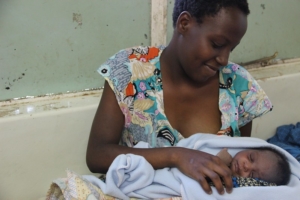
Education for Pregnant StudentsThe African Court on Human and People’s Rights had to make a pivotal decision regarding the right to education for pregnant students in Tanzania. On November 19, 2020, Equality Now and Tike Mwabipile, executive director of Tanzania Women Lawyers Association (TAWLA), filed a joint application to the African Court on Human and People’s Rights to abolish a discriminatory ban. Three human rights groups, the Initiative for Strategic Litigation in Africa (ISLA), Human Rights Watch (HRW) and Women’s Link Worldwide (WLW), joined the application as joint amici. This application is in direct response to the discriminatory ban in Tanzania, whereby the government of Tanzania is disregarding the rights of females who are pregnant, married or mothers.

The Discriminatory Ban and Joint Amicus

The discriminatory ban in question has been in practice for decades across Tanzania, but in 2017, former president John Magufuli introduced an official ban against the education of pregnant girls, married girls or mothers, stressing immorality as reasoning. The ban draws its power from the Tanzania Education Act, which states that expulsion for a student is deemed necessary when they have “committed an offense against morality.”

Tanzania’s current and first female president, Samia Suluhu Hassan, who stepped into her role in March 2021 after Magufuli’s death, has made it her mission to incentivize the progression of women’s rights in Tanzania and distance herself from the controversial policies of the previous presidency.

The three human rights organizations, attempt to highlight the injustices that have come to fruition as a result of the discriminatory ban and to prioritize the need for education for pregnant students in their joint amicus, which highlights:

“Tanzania’s international and human rights obligations to guarantee the freedom from discrimination; to prevent and respond to violence against girls, including in school settings; and to safeguard the sexual and reproductive health and rights of girls and young women.”

This legal endeavor represents one of the many collective efforts for women’s rights progression in Tanzania in recent times. The discrepancy in policy regarding Tanzania’s education laws appears to represent a significant obstacle to overcome on the road toward progress.

However, in November 2021, Tanzania announced that it would make a critical step toward safeguarding the right to education by lifting the ban. Human Rights Watch says Tanzania has “recently removed restrictive policies, but [has] a policy gap,” indicating that this supposed breakthrough may have more effect on paper as opposed to in practice.

Tanzania’s History of Educational Subordination

Tanzania as a nation has a long and troubled history in regard to the education of women and young girls. Several core aspects of its education policy are founded on the decisions of a fundamentally patriarchal government in the 1960s, after the nation’s official independence from Great Britain in 1961.

These prior actions have resulted in a situation where, today, across Tanzania, the guarantee of education for pregnant students is far from a reality. According to a 2013 report by the Center for Reproductive Rights, a large percentage of schools across Tanzania interpret the act of pregnancy for students as immoral.  This has manifested as a situation that sees student dropout numbers at an alarming number according to figures provided by the World Bank in 2021: “More than 120,000 girls drop out of school every year in Tanzania. 6,500 of them because they are pregnant or have children.”

The 2013 report also noted a widespread belief within the education system in mainland Tanzania that expulsion is mandatory if a student is pregnant. However, the report found that there is in fact no legal mandate for expulsion, and on the contrary, according to the World Bank, “Tanzanian laws and policies promote and protect adolescent girls’ rights to education, health, nondiscrimination and privacy.”

Due to the widespread misconception in Tanzania that expulsion is legally necessary for pregnant students, and with standardized pregnancy tests standing as common practice within the education system, societal norms instilled by previous presidencies shape and control the educational rights of thousands of young girls.

The lifting of the ban not only leads to legal progress within Tanzania but also upholds the rights of women across the nation.

– James Garwood
Photo: Flickr
August 24, 2022
https://borgenproject.org/wp-content/uploads/borgen-project-logo.svg 0 0 Kim Thelwell https://borgenproject.org/wp-content/uploads/borgen-project-logo.svg Kim Thelwell2022-08-24 07:30:202022-08-22 13:17:07Education for Pregnant Students in Tanzania
Global Poverty

Improving Haitian Children’s Quality of Life

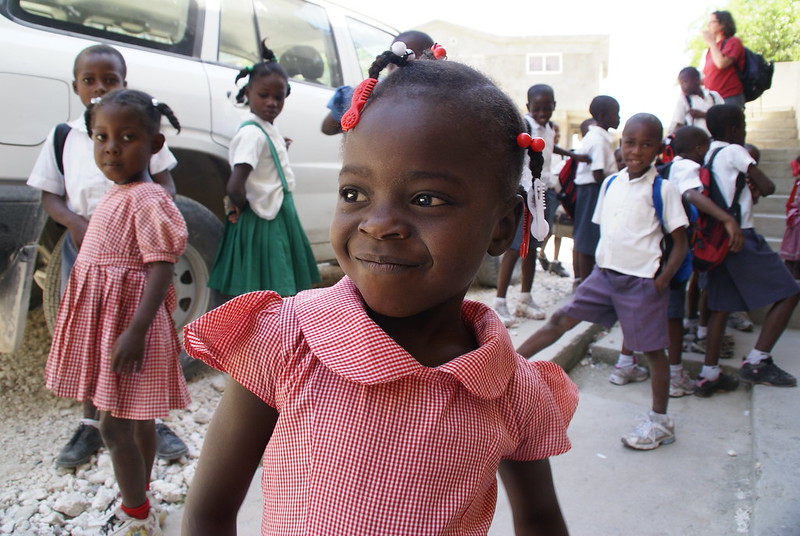
Haitian Children’s Quality of LifeHaiti struggles with many issues: gang violence, poverty, lack of education and poor health care. All of these issues intertwine to ultimately create a knot of seemingly irreversible damage for Haitian youth. However, Together for Haiti is working to improve Haitian children’s quality of life through four key pillars.

Haitian Gang Violence

The capital of the island, Port-au-Prince, suffers from gang violence at the cost of its children. Most recently, since April 24, 2022, violence from warring gangs has led to the displacement of close to 17,000 people and the deaths of 188 people at minimum, as of June 3, 2022. Displaced Haitians have sought refuge in schools converted into shelters while others fled to the north of the city, causing massive travel problems. In May 2022 alone, Port-au-Prince noted 200 random-based kidnappings.

The prevalence of gangs and the violence that follows is often a product of areas suffering from poverty — Haiti is one of the most impoverished countries in the world, with a GDP per capita of $2,925 in 2020. Furthermore, Haiti ranks 170 out of 189 countries on the 2020 United Nations Human Development Index. Haiti’s Human Capital Index indicates that “a child born today in Haiti will grow up to be only 45[%]as productive as they could be if he or she had enjoyed full access to quality education and health care.”

In these circumstances, gang life can become a way to survive and make money when there are limited opportunities to forge another way of life and secure a brighter future. Gang membership provides protection in the dangerous environments that Haitian children are forced to grow up in, and soon enough, gangsterism becomes a generational occupation. In Haiti, particularly, gangs hold significant power. With no real army or strong police force, there is little hope of stopping large gangs who are better equipped than the small government forces trying to protect the 11 million people who live on the island.

Mortality and Health of Children

Widespread gang violence leads to the deaths of countless civilians, including children. But, Haiti also has infantile, child and maternal mortality rates higher than anywhere else in the Western Hemisphere. In fact, these rates are more comparable to Afghanistan and many African nations.

Like so many other places suffering from poverty, this is due to a lack of funding for the health care sector. In 2020, Haiti’s under-5 mortality rate stood at 60.5% deaths per 1,000 live births. In numbers, this equates to 16,214 deaths for children under 5.

Poverty raises the likelihood of premature death for Haitian children as impoverished households tend to lack the resources or access to services necessary for the proper health and well-being of a young child. Families dealing with poverty often experience malnutrition and several illnesses that can turn fatal as many impoverished families cannot afford the costs of health care and medicine.

Poverty in Haiti does not just affect its citizens, but also the medical facilities. Underfunding means the health care system lacks “adequate staffing, supplies and infrastructure” necessary to aid the nation’s people.

Together for Haiti Assists

Together for Haiti works toward providing resources to impoverished Haitian families so that they may secure a brighter future. The organization’s leader, Jean Alix Paul, has established four schools, two children’s homes and one human trafficking shelter, among many other initiatives. The organization focuses on spiritual development, educational development, economic development and physical development to create a better quality of life for impoverished Haitians, especially the nation’s most vulnerable children.

Through its focus on education, Together for Haiti provides schooling to about 2,000 children with four schools situated in four disadvantaged Haitian communities. Together for Haiti also provides teacher training, university bursaries and vocational training. The organization aims to strengthen Haiti’s economy by offering micro-loans, helping people create businesses and providing training on improved farming practices.

The efforts of Together for Haiti, and other organizations with similar goals, are improving Haitian children’s quality of life, giving them hope for a brighter tomorrow.

– Kelsey Jensen
Photo: Flickr

July 9, 2022
https://borgenproject.org/wp-content/uploads/borgen-project-logo.svg 0 0 Kim Thelwell https://borgenproject.org/wp-content/uploads/borgen-project-logo.svg Kim Thelwell2022-07-09 07:30:232024-05-29 23:15:45Improving Haitian Children’s Quality of Life
Children, Development, Education, Global Poverty, Health

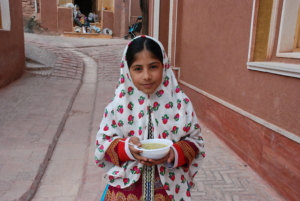
Child Poverty in Iran

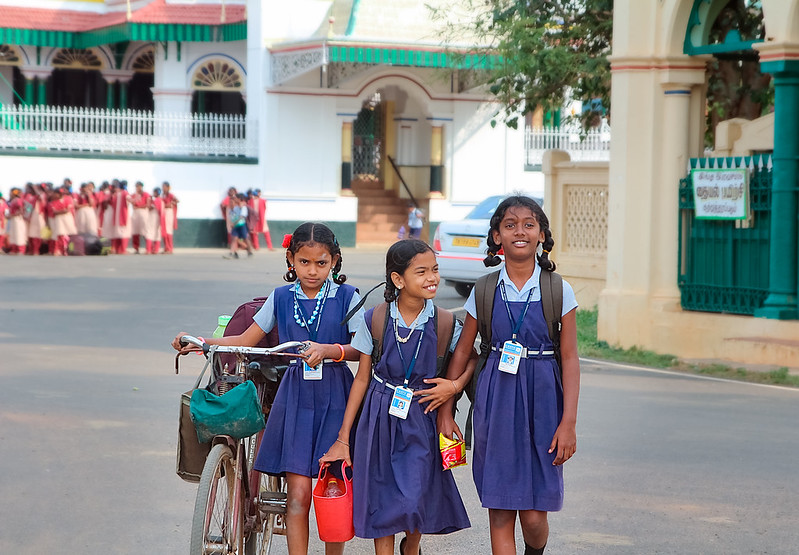
Child Poverty in IranChild poverty in Iran runs rampant among young residents. In 2020, 50% of Iran’s population lived under the poverty line. The effects of poverty on children are dire and 9 million Iranian families currently struggle amid poverty, but organizations are stepping in to assist.
Contributors to Child Poverty in Iran

Families cannot earn enough money because of gender discrimination, unemployment and other factors. Only men can work well-paying jobs because of the large pay gap. In 2021, the Global Gender Report stated that women earn 19% of the wages a man earns for the same job.

With the significant differences in pay between men and women, women are often unable to help support their families. Additionally, the unemployment rate among men and women is very high. According to the World Bank, the unemployment rate for women was 16.1% and for men was 7.8%.

Along with the unemployment rate and gender discrimination, the cost of basic needs is high, so the majority of families’ wages go toward securing this. In Iran, high inflation rates directly impact the cost of food and groceries, making it difficult to afford basic essentials. In 2019, 33% of underprivileged communities’ income was allocated for food.

Poverty forces many children to make money for their families, but their wages are unlivable. Garbage collecting, run by the municipality contractors, is one of the main jobs children work to earn a living. In 2020, however, children made only 6% of the profits of garbage collectors. Of the children in the workforce, 60% are their families’ only source of income. Working to support their families has an impact on a child’s education. In 2017, “37% of Iranian students drop out before getting their diplomas.”

Impact on Iranian Children

The vast number of contributors to child poverty in Iran has destroyed the quality of life for children.

Food is all too often a scarcity among these children. They are unable to eat the minimum caloric intake, and numbers have only increased since the pandemic. According to the Global Hunger Index, in 2020, one out of three children were undernourished which can leave to a multitude of health complications, including children’s growth stunting.

Child marriage and trafficking are common in Iranian society. For little money, families sell their children, mostly girls, into marriage. In the summer of 2020, according to the Statistic Center of Iran, 9,058 girls were married before the age of 15. In some cases, child spouses run away from home or attempt suicide because of their treatment during their marriage.

Hope for the Future

The government and other organizations are working to stop child poverty in Iran. In 2020, the Guardian Council, the body in charge of approving legislation passed by the Parliament, approved a Child and Adolescent Protection Bill. The bill was later passed, inflicting penalties on people who prevent children from attending school or putting children in unsafe environments With this law, children in Iran are protected from various circumstances that could potentially be a danger to them and instead, can go to school to get an education

Organizations like Relief International work globally to dissolve poverty. Relief International was established in 1958 with its work in Iran beginning in 1990 after a large-scale earthquake in the country. Currently, Relief International works primarily to aid Afghan refugees in Iran while also mobilizing resources if a countrywide emergency occurs.

Recently, in 2021, because of Relief International, 22,000 people were taught hygienic practices, 3,500 families received cash support and thousands more received health care, education and other services. This is just one of the many organizations and institutions working to end poverty in Iran by providing support to those who reside there.

According to UNICEF, as of 2020, the mortality rate for Iranian children under 5 is 12.9%. Iranian children face increased risks of death due to a lack of food and basic needs. However, the Iranian government and other organizations are working to put an end to poverty.

– Janae O’Connell
Photo: Flickr

July 3, 2022
https://borgenproject.org/wp-content/uploads/borgen-project-logo.svg 0 0 Kim Thelwell https://borgenproject.org/wp-content/uploads/borgen-project-logo.svg Kim Thelwell2022-07-03 01:30:102024-05-30 22:29:50Child Poverty in Iran
Education, Global Poverty, Poverty

How Can $4 Billion Help Education in Underdeveloped Countries?

How Can $4 Billion Help Education in Underdeveloped Countries?The 2021 Global Education Summit raised more than $4 billion for the Global Partnership for Education (GPE) and 19 world governments pledged to allocate a minimum of 20% of their budgets to education. The GPE provides for education in 90 countries and territories, aiming to raise “at least $5 billion over the next five years.” Reaching this goal will allow education in underdeveloped countries to thrive, safeguarding the education of 175 million children and enabling the learning of 88 million additional children by 2025.

The Importance of Education

In developing countries, there is a significant gap in learning and schooling. Roughly 53% of all children in these countries “cannot read and understand a short story by the time they” complete primary education. This rate of learning poverty could potentially rise to 63% without immediate global action. However, despite these statistics, more children are in school globally than ever before.

Equality in education is critical for the development of individuals and societies. Education in underdeveloped countries helps assist with poverty reduction, improving health and gender equality. With education, more people will be able to secure higher-paying, skilled employment and health outcomes will improve across nations. With more girls in school, the rate of global child marriage will reduce.

In the wake of the COVID-19 pandemic, education is suffering, but the United States commits to efforts to improve education for all.

How the United States is Helping

In the past, although the U.S. has made efforts to advance global education, considering its status as a global powerhouse, many view these efforts as insufficient. Realizing the need for improvement, the U.S. is advancing its focus on education in underdeveloped countries.

At the recent Global Education Summit, the United States pledged $305 million to the GPE for 2021. The Let Girls Learn Initiative was started in 2015 by former President Obama and First Lady Michelle Obama. The initiative invested millions of dollars while partnering with the private sector to improve education for girls in more than 50 countries.

On Sep. 8, 2017, the Reinforcing Education Accountability in Development (READ) Act was signed into law. The Act ensures that the United States uses its resources to improve global education through programs focusing on literacy skills, mathematics and basic fundamental skills.

The International Basic Education Caucus was launched in 2015 with the ultimate goal of alleviating global poverty through education. Congressman Dave Reichert and Congressman Mike Quigley began this bipartisan caucus with the belief that education is the unrivaled way to promote freedom, peace and stability around the world.

When the United States invests in worldwide learning, it brings benefits not only for other countries but for the U.S. as well. Education can improve global and national security and it can contribute to better global health while providing more economic safety.

What Does This Mean for Poverty?

Education not only provides children with the necessary tools to learn and develop but also has significant impacts on poverty. Education paves the road to successful careers, allowing individuals to earn an income and break cycles of poverty.

Each additional year of education an individual receives provides “a 9% increase in hourly earnings.” This increase in earnings allows an individual to contribute more to the economy, affecting entire societies as health improves and others are inspired to look to education to provide a brighter future.

The recent contribution of more than $4 billion toward global education is one major step toward ending poverty. Advancing education in underdeveloped countries will lead to immense progress in countries around the world by breaking cycles of poverty.

– Delaney Gilmore
Photo: Flickr


October 13, 2021
https://borgenproject.org/wp-content/uploads/borgen-project-logo.svg 0 0 Kim Thelwell https://borgenproject.org/wp-content/uploads/borgen-project-logo.svg Kim Thelwell2021-10-13 01:30:132021-10-18 04:23:52How Can $4 Billion Help Education in Underdeveloped Countries?
Children, Education, Global Poverty

Standardized English and Poverty

Standardized English and Poverty
Standardized English and Poverty can be attributed to the fact that English ranks as the most commonly spoken language in the world. English originated in England and then spread worldwide through colonization, the internet, print and the spoken word. Because it has spread through colonization, it has also become a marker of social standing globally. English was not always this unified language.

The Bare Beginnings

English has gone through many changes and evolutions throughout its time. Its letters come from the Roman alphabet with partial pronunciation from Anglo-Saxons. For a long time, many different English-speaking groups lived in England. After the conquests in the middle ages and moving the court seat to London, the new speaking norms came from the English of London instead of ancestral Wessex. Manuscripts underwent revisions to translate them in the dialect of London English. Through printing, this way of speaking spread nationwide. Language is constantly evolving, especially vowels, and many shifts occurred. This period also saw the rise of language purists against the perceived threat of different ethnicities and cultures.

British or American?

English contains two orthographies: British English and American English. Both have the same core rules but hold to some different spelling and terms. A great example of this can be seen in the television series, “The Great British Bake Off.” Aside from a change in accents, bakers use different words for the same thing. For example, a baker may say “sponge” instead of “cake.” Even the show has a name change in the U.S., from “The Great British Bake Off” to “The Great British Baking Show.”

These changes are due to time, distance and America’s colonization. The Englishmen who first came to America were poor and desperate for a new life. Therefore, a new dialect quickly formed in America based primarily on the linguistic styles of rural England. Over time, these dialect differences became bigger and bigger until they diverged officially into British English and American English.

Language and Class

Despite only having two specific orthographies, English sports a ton of different dialects. A dialect is a way of speaking specifically to a region or group. One example of this is AAVE or African-American Vernacular English. This dialect likely formed after the transatlantic trade of enslaved people from Africa, who mingled English with their native languages to form a new dialect. Many groups impacted by colonization, such as India and South America, experienced variations of this phenomenon.

Eventually, English’s various strains and dialects were applied to social class in industry-based societies. These linguistic variants are still closely related to questions of education and race in social stratification. Someone speaking AAVE demonstrates that they have less education and are therefore lower in class. Linguistic discrimination occurs when those who don’t use standardized English are barred from promotion for not appearing as educated or intelligent. At times, linguistic prejudice can even result in unfair legal rulings when particular vernaculars are discredited.

How It Haunts Us

The results of language colonization still exist today. India links English to education and class. Ever since Great Britain’s colonization of India, British culture is still considered high class. Skin-whitening products remain popular in India for this reason. Only 20% of the population speaking any English, and only 4% can boost fluency. Of the fluent speakers, 34% earn more money than those who are not. Fluent English-speakers enjoy more opportunities in jobs and education, which both factors heavily into poverty. Therefore, 96% of the population that doesn’t speak English suffer an immediate disadvantage. Fluency offers greater means to escape poverty. Many other countries and minorities harmed by colonization share this classist structure.

Towards Linguistic Equality

Many organizations, such as colleges, are growing increasingly aware of this linguistic class issue. In 2018, Yale Law School’s Environmental Justice Clinic mounted a legal fight against New Mexico’s Environment Department on the basis of language discrimination against native Spanish-speakers. The conversation increasingly revolves around making college a safe place for all dialects and opening the class barrier. Equalizing education access, especially in areas with sparse funding, offers the first step towards mending the classist language barrier. Additionally, advocates hope to stop discrimination through legal bills as well as encouraging more acceptance among the standardized English-speaking populace.

-Audrey Burran
Photo: Flickr

October 8, 2021
https://borgenproject.org/wp-content/uploads/borgen-project-logo.svg 0 0 Lynsey Alexander https://borgenproject.org/wp-content/uploads/borgen-project-logo.svg Lynsey Alexander2021-10-08 01:30:142024-05-30 22:25:04Standardized English and Poverty
Global Poverty, Health

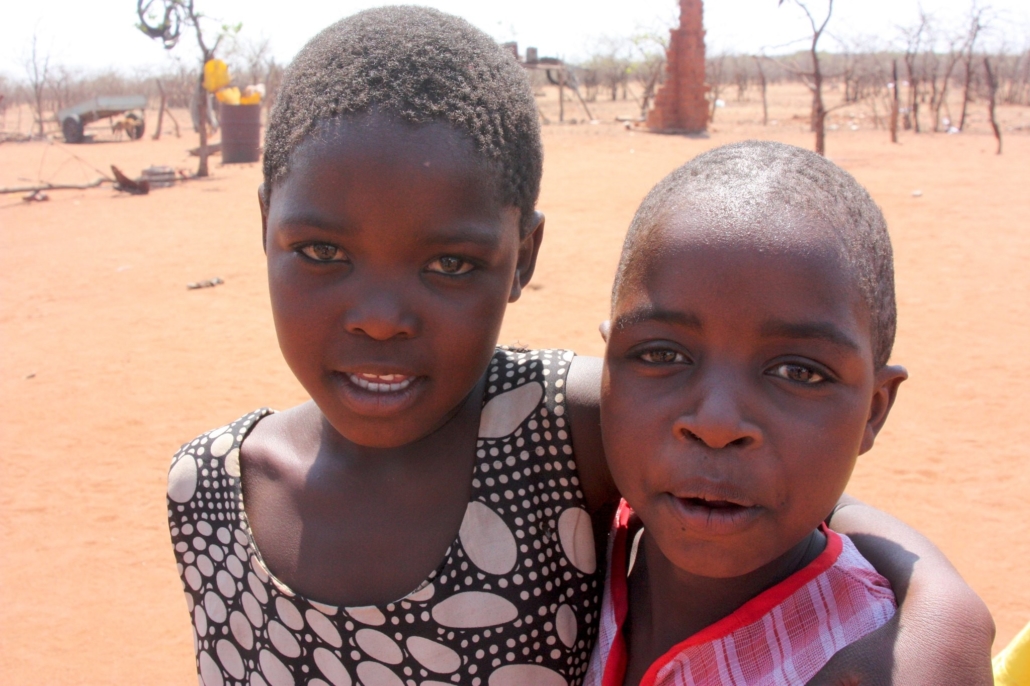
Child Marriage in Zimbabwe

Child Marriage in ZimbabweChild Marriage in Zimbabwe has been affected by the COVID-19 pandemic. Without schools functioning in person, children have less protection and experience more human rights violations such as child marriage and pregnancy.
Child marriage in Zimbabwe greatly predates the COVID-19 pandemic, suggesting that efforts to eliminate the practice will require a wide range of economic and cultural mitigation tactics rather than focusing solely on the eradication of the coronavirus.

Current Events

The topic of child marriage in Zimbabwe caught international attention recently when 14-year-old Memory Machaya died during childbirth. The practice is common in Zimbabwe’s Apostolic Church and has led to an online petition entitled “justice for Memory Machaya” garnering nearly 60,000 signatures.

“Female persons are not seen as fully human, with individual rights, choice, right to control our own bodies,” said Zimbabwean feminist activist Everjoice Win in a tweet on August 6, 2021 “The enemy is patriarchy, and the attendant systems within the state and religious institutions and wider society, which do not see us as humans.”

Introduction to Child Marriage in Zimbabwe

Almost one in three Zimbabwean women are married by the time they turn 18. The practice most often occurs in the poorer regions of Mashonaland Central and Mashonaland West regions, where 50% and 42% of girls, respectively, marry as children, according to a 2014 UNICEF report. Despite the fact that the Zimbabwean Constitutional Court deemed the practice of child marriage as unconstitutional in January 2016, setting the minimum age for marriage at 18, child marriage in Zimbabwe persists.

What Drives Child Marriage?

The risks for child marriage in Zimbabwe have the potential to exist domestically but require unequivocal participation from healthcare providers. In a 2016-2020 healthcare plan, The Zimbabwe National Family Planning Strategy allowed 16-year-olds to receive contraception without parental consent. However, providers remain reluctant and child services are scarce.

Lack of education also drives child marriage in Zimbabwe. The same 2014 survey found that “the average age at marriage is 17.2 years for girls with no education and 23.6 for girls with more than a secondary education.” Nearly half of 15- to 19-year-olds without a secondary education began having children compared to only one in five girls the same age who completed their secondary education.

Potential Solutions

UNICEF published a list of strategies that it plans to implement throughout Western and Central Africa to reduce child marriage. The organization cites the growing child population in Africa behind the urgency in their efforts.

The following practices will help UNICEF reduce child marriage in the year 2021:

  1. Enable At-Risk Girls to Stay in School Through Secondary Education: UNICEF sees education as an opportunity for at-risk girls to develop vital life skills to make their own life choices and stand up for their rights. As this article previously mentioned, the rate at which girls marry depends on the presence or lack of secondary education.
  2. Fuel Positive Opinions Regarding the Investment in Girls: Through community discussion, the opinions of whether to invest and value the lives of girls could help in promoting and implementing practices that limit or eliminate child marriage.
  3. Provide Adequate and Affordable Health and Education of High Quality: Not only is the presence of education and health care important, but the quality is as well. Without providing affordable and effective health care and education systems, girls are at a greater risk of falling into the cycle of child marriage.
  4. Promote Laws to Match “International Standards” and Ensure the Implementation of the Measures: An effective strategy could be to identify countries or regions with an anti-child-marriage framework and incorporate the successes of those systems in the context of Western and Central Africa.
  5. Partner with Governments to Monitor Progress and Data: By utilizing the services of surveillance and relevant technologies of other countries, Western and Central African nations can adequately track progress to ensure that they are meeting set goals.

While the practice of child marriage in Zimbabwe has deep roots, the international community has taken notice and has a plan to reduce its prevalence. With increased empowerment and investment in young Zimbabwean girls, child marriage will soon enough become much less commonplace and eventually, experience eradication.

– Jessica Umbro
Photo: Flickr

September 3, 2021
https://borgenproject.org/wp-content/uploads/borgen-project-logo.svg 0 0 Lynsey Alexander https://borgenproject.org/wp-content/uploads/borgen-project-logo.svg Lynsey Alexander2021-09-03 11:51:332021-10-26 03:07:16Child Marriage in Zimbabwe
Global Poverty

3 Groups Creating Jobs in Underdeveloped Countries

3 Groups Creating Jobs in Underdeveloped CountriesPoor infrastructure and lack of job opportunities are among the top reasons that underdeveloped countries remain in poverty. Creating jobs in underdeveloped countries is key to achieving developmental goals and providing economic and political stability that can help many developing countries out of destitution. Furthermore, jobs provide income, independence and choice to individuals. It is for these reasons that creating jobs in underdeveloped countries can improve conditions and help in eliminating hunger and poverty. Creating new job opportunities can also help advance gender equality and many other pending societal issues.  In September 2015, many organizations came together to establish the U.N. 2030 Agenda for Sustainable Development, which recognized the importance and impact of jobs on these economies. Since then, corporations and organizations have been launching efforts to try and reduce global poverty by creating more jobs in developing countries.

3 Groups Creating Jobs in Underdeveloped Countries

  1. The Overseas Private Investment Corporation (OPIC): This U.S.-based finance development organization has long created jobs in underdeveloped countries that have boosted countries’ economies. OPIC has supported major infrastructure projects such as airports and hospitals, which have created many construction jobs. It also has provided and allocated financial resources to entrepreneurs in developing countries. These resources give entrepreneurs the means to start and grow their businesses, which will, in turn, produce more jobs. In 2019, OPIC merged with the Development Credit Authority, which was a part of the United States Agency for International Development (USAID), to form the Development Finance Corporation (DFC). The DFC partners with the private sector to invest in energy, healthcare and technology initiatives, as well as infrastructure and jobs.
  2. The World Bank: The international organization works to reach goals in the employment sector by launching efforts to improve financial access, provide financial training and build more robust infrastructures for lacking governments. Due to the World Bank’s international efforts, countries are recognizing the top challenges they face using job diagnostics. After evaluating data, governments can focus on more pressing socioeconomic issues. This will create jobs that benefit people in need and give them more economic stability. The World Bank counsels governments to invest in transportation, information and communications to connect more people to job markets. Finally, the World Bank is responsible for developing programs that promote entrepreneurship in small-and-medium-sized businesses.
  3. Mother’s Service Society (MSS): Founded in 1970, MSS is a social science research institute in Pondicherry, India, that leads research and conferences on subjects from global leadership to economic theory. MSS research projects and conferences develop action plans to increase employment and create jobs in developing nations. These plans detail multiple factors that, when combined, generate employment and boost the economies of these countries. According to MSS, the Newly Industrializing Economies (NIEs) in East Asia have demonstrated that more comprehensive strategies for job generation have yielded the most progress. More comprehensive strategies for job generation can include ideas such as having more of an emphasis on agriculture, promoting small businesses, improve marketing efforts, develop exports and employment planning.

More Strategies

Besides the great work of these groups, other comprehensive strategies for creating jobs in underdeveloped countries include extending basic education, improving higher education, raising productivity and upgrading the skill level of workers. By implementing these strategies, economies can close socioeconomic gaps, join the global market and create more job opportunities.

– Annamarie Perez
Photo: Flickr 

August 4, 2021
https://borgenproject.org/wp-content/uploads/borgen-project-logo.svg 0 0 Lynsey Alexander https://borgenproject.org/wp-content/uploads/borgen-project-logo.svg Lynsey Alexander2021-08-04 01:30:412021-07-30 16:19:213 Groups Creating Jobs in Underdeveloped Countries
COVID-19, Education, Global Poverty

E-learning in Mexico: A Path for Poverty Reduction

E-learning in Mexico
In Mexico, education has led discourse within the public and private sectors. Improvement efforts in education depend greatly on government administrations. However, the country’s government has been hindered in its efforts to improve education. Mexico has grown a lot in the last decades, but structural inequality and regional economic disparities are prevalent. Four out of every five people are in situations of poverty or are vulnerable to poverty. Additionally, only 40% of people in rural areas have internet access and the pandemic has only exacerbated this issue. Due to COVID-19, internet service has become crucial to guarantee proper education, as well as tools for students and entrepreneurs. Increased use of e-learning in Mexico is imperative now more ever.

Previous Projects in Education

Approximately two decades ago, Mexico began to carry out several academic-related projects. Universities, such as Tecnológico de Monterrey, and the government worked together to provide information and communication technologies (ICTs) in rural and remote communities. More precisely, the Virtual University of the Tecnológico de Monterrey established an initiative that built over 1,000 Community Learning Centers.

These centers guaranteed online education to rural communities by providing computers with internet access. Faculty members, teachers and students all contributed to this effort. They provided support and guidance to these rural and remote communities, which directly contributed to the development. The beneficiaries of this initiative reported that these centers helped them obtain employment opportunities, carry out their businesses and facilitated educational involvement.

In 2012, México Conectado (Mexico Connected) was implemented. The project’s aim was to provide a national network that guaranteed internet connectivity for the entire population, especially for those in rural communities. This achievement would promote greater access to all people and also contribute to social inclusion. By the end of 2012, there were approximately 14,000 connection points around the nation. Three years later in 2015, the 14,000 connection points skyrocketed to a total of 101,000 connection points. This initiative helped reduce the digital gap and promoted e-learning in Mexico’s public schools and universities.

Current Status

The pandemic has generated a shift in social demands. Actions are needed to provide e-learning — not for comfort, but out of necessity. Public health, social equalities, economic prosperity and effective education all rely on increased access to e-learning in Mexico. Currently, around 30 million Mexicans in public schools must learn from their homes. In cities, the number of people enrolled in online courses skyrocketed, but distance learning in rural areas has become challenging. The cost to rent a computer with internet access — a requirement for remote learning — is approximately $0.50 an hour. This cost may seem low but the reality is that the income in some areas in Mexico can be only $5 a day. Furthermore, nearly half of the educational institutions previously utilizing México Conectado for internet access no longer have internet service.

As a result, Internet para Todos (Internet for All) replaced México Conectado. The new program seeks to provide internet service to remote and highly marginalized areas. It aims to facilitate government actions and promote economic development. Nonetheless, budgetary insufficiencies and improper management of resources have hindered contract renewal with the suppliers as well as the overall availability of e-learning in Mexico.

As a result, the Mexican government was forced to create a distance learning program through television and radio. Although it is a way of solving the problem, it is an outdated method that does not contribute in the same way as e-learning does to the economic development of communities. Investment into the education sector is undervalued as an effective mechanism for poverty reduction. Improved e-learning infrastructure is crucial in order to achieve integrated economic development and sustainable growth.

A Call for Increased E-Learning

Education is a fundamental pillar for the progress and integral growth of societies. It is necessary to implement strategies to fulfill the current social and economic needs of communities. Currently, the education sector is shifting to e-learning due to remote schooling during the pandemic. Even after quarantine measures end, innovative internet technologies will have permanently shifted education strategies. Location will no longer inhibit access to education, as quality education is becoming accessible anytime and anywhere.

Social programs should provide these tools to all the national territories to give students and entrepreneurs the necessary tools to continue creating prosperous communities. E-learning in Mexico enables economic development and poverty reduction, making it the way to a brighter future.

– Isabella León Graticola
Photo: Flickr

April 13, 2021
https://borgenproject.org/wp-content/uploads/borgen-project-logo.svg 0 0 Kim Thelwell https://borgenproject.org/wp-content/uploads/borgen-project-logo.svg Kim Thelwell2021-04-13 12:22:072024-05-30 22:23:13E-learning in Mexico: A Path for Poverty Reduction
Education, Global Poverty, Poverty Reduction

Efforts to Improve Education in Bangladesh

Read more
February 28, 2021
https://borgenproject.org/wp-content/uploads/borgen-project-logo.svg 0 0 Kim Thelwell https://borgenproject.org/wp-content/uploads/borgen-project-logo.svg Kim Thelwell2021-02-28 01:30:202025-11-02 10:11:37Efforts to Improve Education in Bangladesh
Children, Developing Countries, Education, Global Poverty, Nonprofit Organizations and NGOs

GiveLight Foundation: Empowering Orphans Globally

GiveLight FoundationWhen Alfin Nur was 11 years old, he lost his mother, father and one of his siblings in the 2004 Indian Ocean tsunami. Two years later, the GiveLight Foundation found Alfin and began to invest in his life. He studied at a boarding school in Banda Aceh, Indonesia, which GiveLight fully sponsored, while also providing him with love and emotional support. In 2015, he graduated from Al-Azhar University in Cairo.

The GiveLight Foundation

GiveLight Foundation is a nonprofit organization that provides orphans with stability so that they can rise out of the cycle of poverty. Its mission is to build quality homes for these children and support them in receiving proper education that will serve them long-term. It emphasizes raising children in a loving and supportive environment and providing a sense of belonging.

“GiveLight Foundation is one big home for all orphans,” described Fatima Jaber, the founder of the GiveLight Baltimore Chapter, in an interview with The Borgen Project.

The same disaster that destroyed Nur’s family, hit and devastated the hometown of Dian Alyan, in Aceh, Indonesia. The tsunami killed a quarter of a million people overall, leaving many orphans. Alyan decided to build an orphanage called Noordeen Orphanage. A year later, with the help of friends, family and generous donors, the orphanage was housing 50 orphans. Through that, the GiveLight Foundation was founded.

It now has orphanages in many countries including Pakistan, Bangladesh, Indonesia, Morocco, Sri Lanka and Cambodia, providing a loving home for around 1000 children.

The Baltimore Chapter

GiveLight provides opportunities for people to start “chapters” in their own city. The chapters focus on raising funds and sponsoring the orphans of GiveLight. Most of these chapters are located within the United States in cities like Chicago, Southern California, Seattle, Baltimore, New Jersey and Orlando. GiveLight is also beginning to focus on opening chapters internationally. Currently, there is one in South Africa, Paris and Toronto and there are efforts to open chapters in Istanbul, Sydney, Brussels and Dubai, UAE.

Jaber, the founder of the Baltimore Chapter, talked about how she opened up the chapter in Baltimore around three years ago. “I heard Dian Alyan’s story when I lived in California in 2012 and knew I wanted to be involved. After moving to Baltimore and meeting supportive friends and a generous community, I thought it would be great to start a chapter here.”

Raising Funds for Orphanages

The Baltimore Chapter raises funds by hosting galas, game nights, scavenger hunts and walkathons. Soubia Balkhi, one of the other members of the Baltimore Chapter, told The Borgen Project in an interview that the last two galas had been very successful, with the team raising more than $10,000.

Because the cause is so broad, beforehand the team decides which GiveLight project the funds will contribute to. They typically like to focus on where the need is the most for that year. “For example, this year Bangladesh needs it the most and so the money from this year’s fundraiser will go to building an orphanage in Bangladesh,” said Balkhi.

The funds are then sent to the headquarters which has on-site representatives distribute the money specifically where it is needed.

Despite the limits due to COVID-19, the Baltimore Chapter continues to raise funds. Jaber discussed its latest event, taking place next month. “I’m excited to announce our next virtual scavenger hunt event! It is a fun and interactive social event where families can join, create teams and still follow all COVID-19 protocols.”

Empowering Orphans Alleviates Poverty

GiveLight is not a typical orphanage that solely provides children with a place to stay. It ensures that the orphans under its care are given a home and a proper life. The strategy that GiveLight uses allows the orphans to become self-sufficient through education, enabling them to be independent and to be able to give back. This is especially important considering that education is proven to positively contribute to reducing poverty.

Alfin Nur was not the only orphan who was able to graduate due to the opportunities that GiveLight provided for him. Rahmat Mico is now on his way to become a scientist and  Nursawami is a working mother who continuously gives back to GiveLight.

With more time, orphanages, chapters and supporters, GiveLight will be able to broaden its support in the qualitative manner that it has been doing since the very beginning.

– Maryam Tori
Photo: Flickr

February 18, 2021
https://borgenproject.org/wp-content/uploads/borgen-project-logo.svg 0 0 Jennifer Philipp https://borgenproject.org/wp-content/uploads/borgen-project-logo.svg Jennifer Philipp2021-02-18 01:31:582024-05-30 07:56:24GiveLight Foundation: Empowering Orphans Globally
Page 9 of 67«‹7891011›»

Get Smarter

  • Global Poverty 101
  • Global Poverty… The Good News
  • Global Poverty & U.S. Jobs
  • Global Poverty and National Security
  • Innovative Solutions to Poverty
  • Global Poverty & Aid FAQ’s
Search Search

Take Action

  • Call Congress
  • Email Congress
  • Donate
  • 30 Ways to Help
  • Volunteer Ops
  • Internships
  • Courses & Certificates
  • The Podcast
Borgen Project

“The Borgen Project is an incredible nonprofit organization that is addressing poverty and hunger and working towards ending them.”

-The Huffington Post

Inside The Borgen Project

  • Contact
  • About
  • Financials
  • President
  • Board of Directors
  • Board of Advisors

International Links

  • UK Email Parliament
  • UK Donate
  • Canada Email Parliament

Get Smarter

  • Global Poverty 101
  • Global Poverty… The Good News
  • Global Poverty & U.S. Jobs
  • Global Poverty and National Security
  • Innovative Solutions to Poverty
  • Global Poverty & Aid FAQ’s

Ways to Help

  • Call Congress
  • Email Congress
  • Donate
  • 30 Ways to Help
  • Volunteer Ops
  • Internships
  • Courses & Certificates
  • The Podcast
Scroll to top Scroll to top Scroll to top