Everything to Know about Hunger in Palestine
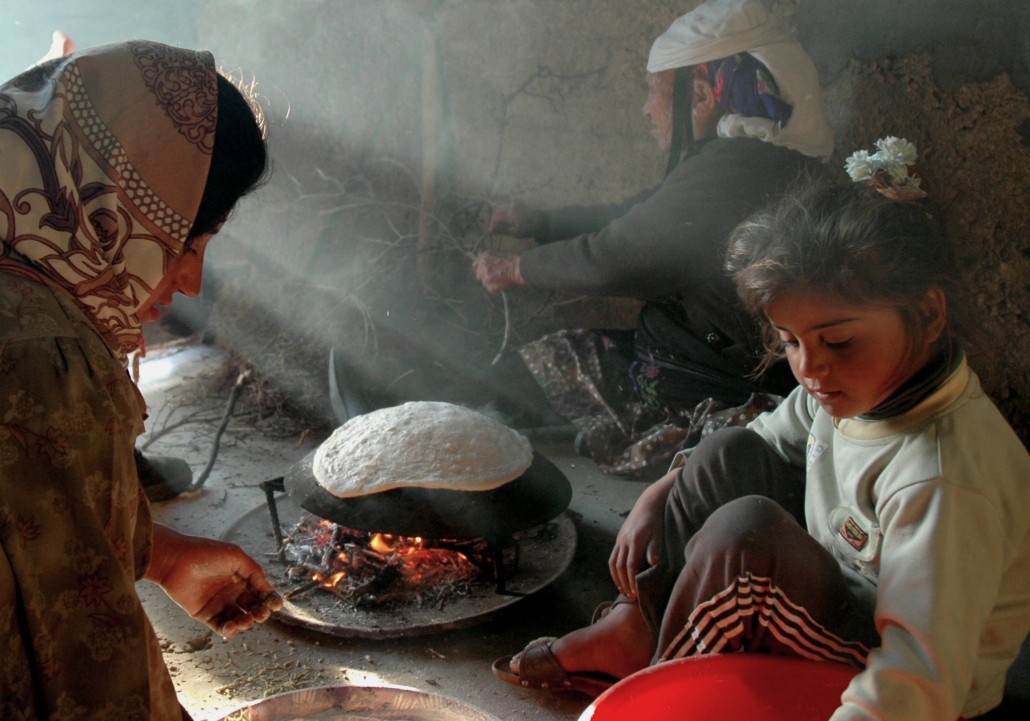 As all eyes turn to Palestine and Israel amid the ongoing Israel-Hamas war, basic resource management and distribution will undoubtedly be essential for the survival of millions. As of October 9th, 2023, Israel laid a “complete siege” on Gaza, known as “the world’s largest open-air prison.” With no food, water or electricity allowed into the area, the UN World Food Programme (WFP) is racing against time to serve more than 800,000 people in need of basic resources.
Facts on the Gaza Strip
The Palestinian territories are split into two main regions, the Gaza Strip and the West Bank. The Gaza Strip is home to 2.3 million people and is considered one of the most “densely populated territories” internationally. According to the United Nations, 80% of Gazans live in poverty. However, food insecurity and insufficiency, while undoubtedly in need of critical attention right now, are not new needs in the Palestinian territories.
Hunger Crisis in Palestine
Here are four numbers you need to know about the hunger crisis in Palestine.
- About 76% is the percentage of those suffering from food insecurity in Gaza. According to the Food Security Cluster’s 2022 analysis, the clear majority of those suffering from food insecurity in the Palestinian territories are located in Gaza. Thus, 24% of “food insecure people” are located in the West Bank.
- As many as 400,000 in Gaza and the West Bank are routinely receiving UN World Food Programme assistance. The WFP has served Palestine since 1991. It provides general food assistance, mainly through the form of electronic vouchers, encouraging Palestinians through economic hardship and restricted accessibility to resources, and supporting the Palestinian Authority’s national safety net.
- Roughly 42% of children are receiving a “minimum diversity diet.” The flip side is that 58% of young children are not receiving the nutrients necessary for development. According to UNICEF, minimum dietary diversity is defined as regularly eating food from at least four of the seven food groups: “1) grains, roots and tubers, 2) legumes and nuts, 3) dairy products (milk, yogurt, cheese), 4) flesh foods (meat, fish, poultry and liver/organ meats), 5) eggs, 6) vitamin-A rich fruits and vegetables, and 7) other fruits and vegetables.”
- About 95% is the percentage of wheat that Palestine must import. This statistic is extremely important as it expresses the fragility of Palestine’s food access and its integral reliance on Israel for resources and products. The Israel-Hamas war undoubtedly will have negative effects on Israel and Palestine’s food exchange. The Palestine Authority (PA) does not own any food storage infrastructure, so it must rely on Israel’s facilities and the PA’s private sector.
Chain Reaction in Israel and Palestine from the Russia-Ukraine War
But the chain reaction does not stop there. Because Israel imports “half of its grain and cereals from Ukraine,” Israel, and thus Palestine, suffered great decreases in food reception because of the ongoing Ukraine crisis. According to the World Food Programme, the war between Russia and Ukraine resulted in increased food prices in the Palestinian territories with “wheat flour (up by 23.6%), corn oil (26.3%), lentils (17.6%) and table salt (30%), decimating Palestinians’ purchasing power.”
There is one more number to consider: 522,000. This is the number of people that the WFP has assisted in Palestine with cash and food since the start of the crisis. The organization’s current goal, in Palestine specifically, is to reach 805,000 people with food by the end of November 2023.
Focusing on Those in Need During the Israel-Hamas War
The World Food Programme is the world’s largest humanitarian organization. It has been active in serving others since 1961. The group is entirely reliant on donations from governments, institutions, groups and individuals, and “a total 93.5% of all government contributions go directly to supporting life-saving and life-changing operations.” The WFP aims to raise $74 million over the next three months to provide adequate assistance to those in need in Palestine.
As Palestine and Israel continue to dominate headlines, humanitarian aid is poured out to those in need. However, the severe humanitarian and hunger crisis in Palestine is not a new or temporary occurrence. The Palestinian territories, now more than ever, need assistance from other countries and governmental organizations for access to food, water and sanitation.
– Kaitlyn Garrett
Photo: Flickr
