Tackling Poverty Through Education in the Middle East
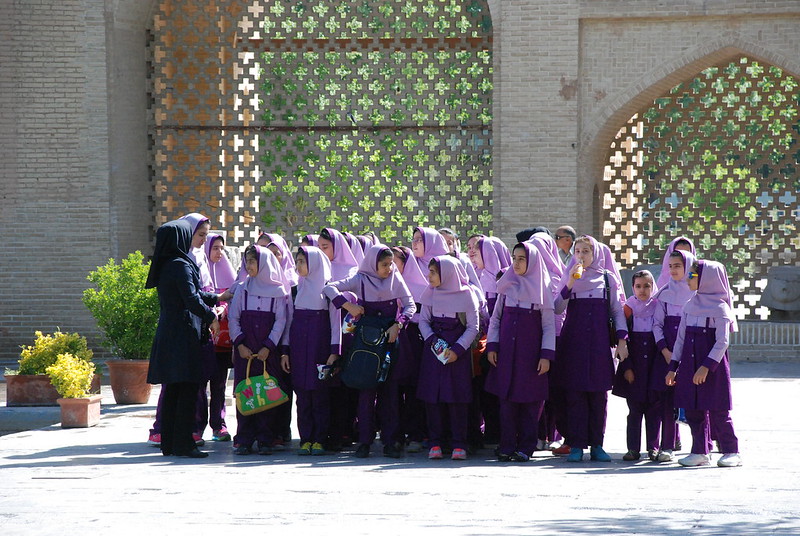 Education is a key determinant of economic stability and growth. In the Middle East, where poverty levels are high, access to education can significantly affect an individual’s economic prospects. According to Maher Hamoud, a professor of political economy at the University of Leuven, Belgium, “People tend to be easily manipulated when the level of education is low.” However, the relationship between education and poverty is not merely about individual empowerment; it also affects broader sociopolitical dynamics.
Hamoud notes that “a serious educational development plan must be implemented for at least a generation” to see significant societal changes. Unfortunately, the political instability in many Middle Eastern countries often disrupts long-term developmental planning, leading to inconsistent progress. For example, the 1967 Six-Day War between Egypt and Israel severely interrupted Egypt’s educational programs, demonstrating how conflict can derail efforts to improve schooling and, by extension, economic stability.
Current Educational Programs
Several initiatives throughout the region aim to address disparities. The World Bank’s Arabic Initiative focuses on improving the quality of education in the Middle East. This program emphasizes curriculum development, teacher training and technology integration in the classroom to provide students with the skills needed to compete in a globalized economy.
Amideast is another crucial player in the region. It offers academic opportunities that promote cross-cultural understanding and scholarly achievement. By providing professional training, English language instruction and scholarships, Amideast helps students from underprivileged backgrounds access quality education and improve their economic prospects. The organization’s initiatives have benefitted more than 1,900 exchange and scholarship students and empowered 19,000 youths and women through special programs.
Save the Children, known for its work in crises, has also been instrumental in the Middle East. The organization runs programs that provide schooling to youth in conflict zones, ensuring that even in the most challenging circumstances, young people have the opportunity to learn. These initiatives are crucial in regions where conflict and displacement have disrupted traditional education systems.
New Possibilities to Bridge the Inequality Gap
While existing programs have made significant strides, much work still exists to ensure all youth have access to quality education in the Middle East. One promising approach is the implementation of cash transfer programs, which provide financial incentives for families to keep their children in school. Cash transfer programs give money to increase a household’s income, reduce poverty and improve well-being. They have been successful in other regions and could help reduce economic barriers in the Middle East.
Investments from governments and nongovernmental organizations (NGOs) are also essential. Hamoud highlights the importance of sustained efforts, noting that “governments tend to avoid seriously investing in education.” He points to examples like Singapore, Malaysia and Kuwait, where long-term investment in education has led to significant improvements. Similar commitments in the Middle East could yield substantial benefits, facilitating a more educated and economically stable population.
Digital solutions offer another route for expanding educational access. Online learning platforms, mobile teaching initiatives and cyber classrooms can reach students in remote areas or conflict zones. These technologies can also standardize education across the region, ensuring that all students have access to the same high-quality resources. Despite physical and logistical challenges, today’s technology offers avenues to bridge inequality.
Looking Forward
Access to education in the Middle East is critical in reducing poverty levels. While current programs have made significant contributions, there is still a need for innovative solutions and sustained investment. With new possibilities such as cash transfers, investments and digital solutions, the region can work toward a future where every child can receive a quality education, regardless of socioeconomic background. Hamoud pointed out, “A serious educational development plan must be implemented for at least a generation.” With the right strategies, the Middle East can make significant strides toward alleviating poverty and achieving long-term economic stability.
– Asiya Siddiqui
Asiya is based in Fremont, CA, USA and focuses on Technology and Global Health for The Borgen Project.
Photo: Flickr
