• Link to X
  • Link to Facebook
  • Link to Instagram
  • Link to TikTok
  • Link to Youtube
  • About
    • About Us
      • President
      • Board of Directors
      • Board of Advisors
      • Financials
      • Our Methodology
      • Success Tracker
      • Contact
  • Act Now
    • 30 Ways to Help
      • Email Congress
      • Call Congress
      • Volunteer
      • Courses & Certificates
      • Be a Donor
    • Internships
      • In-Office Internships
      • Remote Internships
    • Legislation
      • Politics 101
  • The Blog
  • The Podcast
  • Magazine
  • Donate
  • Click to open the search input field Click to open the search input field Search
  • Menu Menu

Tag Archive for: Economics

Posts

Global Poverty

The Main Causes of Poverty in Samoa

Causes of Poverty in Samoa

Samoa is one of the most stable islands in the Pacific region. Its economy is reasonably healthy and the average family earns lower-middle incomes. As a developing nation, Samoa has made many impressive strides toward meeting the Millennium Development Goals.

Extreme poverty is very uncommon in Samoa. However, according to the Asian Development Bank, approximately 22% of the country’s population lived below the national poverty line in 2018. The causes of poverty in Samoa ultimately boil down to lack of access to education, youth unemployment and underemployment, gender inequity and threats to natural resources and farming land, such as natural disasters.

Disparity in Education

The gap between education in rural and urban areas is staggering, with few schools in the countryside and a need for updated curricula and textbooks in many areas. In a 2016 report, 7% of individuals aged 3 and older residing in rural Samoa had never attended school, compared to 6% in urban areas.

Further, many rural children go into agricultural jobs too early, jobs that ultimately are not sufficient to support families later on. Working out of necessity instead of continuing with education furthers the cycle of poverty in rural areas of Samoa.

Youth Unemployment

Another cause of poverty in Samoa is youth unemployment or underemployment, particularly between the ages of 15 and 24. The unemployment rate for people aged 15 to 24 is approximately 20%, while the overall unemployment rate stood at 10% in 2022. Unemployment is more prevalent among women aged between 15 and 24, at 24.5%, compared to men at 16.7%.

There is a noticeable lack of opportunity and social benefits in rural areas that disadvantage the growing youth community in Samoa, especially as the youth population increases and puts pressure on existing resources. There is also a disparity between men and women in Samoa, with many jobs, especially in agriculture, restricting women. This disparity results in a significant difference between male and female incomes in the country, contributing to family poverty.

Natural Disasters

Increasing natural disasters such as cyclones threaten marine and agricultural resources, causing communities to take a long time to recover from the devastation they inflict. While Samoa’s soil is fertile, it is very shallow and prone to erosion. These features are only intensified by rising temperatures and population increases, causing land degradation and shortages of resources.

Most Samoans rely on agriculture for their income, so any threat to their livelihoods affects them. To prevent environmental degradation and preserve Samoa’s natural resources, sustainable farming, fishing and logging practices must be implemented immediately.

Looking Ahead

Overall, Samoa is a moderately productive and stable country in the context of the Pacific region. However, more work can be done to ensure that the next generation of youth is employed and has the same natural resources at their disposal as their ancestors did.

Hopefully, these changes will be made with the implementation of sustainable agricultural practices. Samoans can expand from agriculture into manufacturing to continue working toward achieving their Millennium Development Goals.

– Saru Duckworth

Photo: Flickr
Updated: May 29, 2024

August 19, 2017
https://borgenproject.org/wp-content/uploads/borgen-project-logo.svg 0 0 Borgen Project https://borgenproject.org/wp-content/uploads/borgen-project-logo.svg Borgen Project2017-08-19 07:30:352024-05-28 22:33:38The Main Causes of Poverty in Samoa
Global Poverty

High Risk, No Reward: Causes of Poverty in Canada

Causes of Poverty in Canada
The causes of poverty in Canada, according to a set of six-year studies by Canada’s Survey of Labour and Income Dynamics (SLID), stem from being in a “high-risk” group. The Canadian government’s 2015 socioeconomic database states that 5,956,320 Canadians are low-income, with a median family income of $15,880. For the majority of Canadians, being low income is a non-permanent state. The SLID found that 36.9 percent of Canadians who fell below the low-income cutoff bracket were out the following year.

SLID reported that between 2005 and 2010, only 1.5 percent of Canadians were stagnant in the low-income bracket, with an average interval of low income of 2.4 years. The overall data that SLID reported seemed to suggest the causes of poverty in Canada are usually temporary, such as loss of a job or a decrease in wage, and that Canadians who were experiencing poverty would recover.


Poverty in Canada


However, deeper investigation into the demographic of those experiencing low income and poverty revealed that only certain Canadians would recover. Within the studies were groups of Canadians with certain characteristics, deemed high-risk, that had higher rates of persistent low income than the general population.

There are five of these groups, defined as such: “These groups include people with activity limitations (physical or mental disability), singles (unattached individuals), persons in lone-parent families, people with less than high school education and visible minorities who are immigrants.”

For Canadians, being in one of these groups is not a prerequisite for low income or poverty; however, the high-risk groups experience poverty at a much higher rate than the general population. It is also important to state that these groups, such as singles and visible minorities who are immigrants are not exclusive, and that Canadians who fall into multiple groups are at an even higher risk.

There are many causes of poverty in Canada. Each high-risk group has a different set of concerns to be addressed by the aid organizations and the Canadian government.

– Yosef Mahmoud

Photo: Google

August 15, 2017
https://borgenproject.org/wp-content/uploads/borgen-project-logo.svg 0 0 Borgen Project https://borgenproject.org/wp-content/uploads/borgen-project-logo.svg Borgen Project2017-08-15 01:30:222019-08-14 10:49:17High Risk, No Reward: Causes of Poverty in Canada
Global Poverty

Why Is El Salvador Poor?

Why Is El Salvador Poor
Why is El Salvador Poor? In a country with a highly urbanized workforce and a small wealthy elite who became rich through coffee and sugar, it is surprising that almost 40 percent of the population falls below the poverty line.

More than half a million Salvadorans live on less than $2 a day, making it very difficult to buy food with proper nutrition. Even with the land reform and property redistribution that occurred in the 1980s and helped some rural people make sustainable incomes, there is still a large divide between the wealthy and the poor in El Salvador.


Why is El Salvador Poor? Top 3 Reasons


USAID reports that El Salvador’s per capita income is the fifth-lowest in the western hemisphere. The economy is stagnating in a decade-long cycle of low growth that has restricted the creation of higher paying jobs, which translates to low productivity and higher crime, especially in terms of the “Maras,” or the violent criminal gangs that have high profiles in El Salvador and around Central America.

Many youth in rural areas live in poverty and choose to migrate rather than stay in a harsh cycle of unemployment or join a gang. This problem is in large part due to a weak education system that sees less than 50 percent of Salvadorans graduate from the sixth grade, one out of three completing the ninth grade and only one out of five completing high school.

What other factors can answer the question: why is El Salvador poor? The Salvadoran healthcare system is another public service that needs to be stronger in order to support financial gains that take people out of poverty. Medical unions and the Salvadoran government have been going back and forth for a long time, with the unions resisting privatization of healthcare and conducting medical personnel strikes frequently.

Hospital budgets primarily go toward paying salaries, leaving little extra funding for basic drugs and medical equipment. While the infant mortality rate has fallen by more than 70 percent in the last three decades, the overall death rate for children is still extremely high at 81 deaths per 1,000 children.

The Salvadoran government is working with international organizations to reduce poverty, especially in rural areas. In 2011, it launched the Plan de Agricultura Familiar (Family Farming Plan) to improve agricultural production and supplement the income of poor rural families while also increasing the competitiveness of domestic agriculture in markets. By localizing many services and improving the healthcare system while working to reduce crime, rural families can begin to utilize a public safety net that will help them out of poverty and create a middle class in Salvadoran society.

– Saru Duckworth

Photo: Google

August 13, 2017
https://borgenproject.org/wp-content/uploads/borgen-project-logo.svg 0 0 Borgen Project https://borgenproject.org/wp-content/uploads/borgen-project-logo.svg Borgen Project2017-08-13 07:30:442020-07-17 15:12:52Why Is El Salvador Poor?
Global Poverty

Why Is Benin Poor?

Why Is Benin PoorBenin is a small, mostly rural country on Africa’s west coast. It has nearly 11 million people and around half live on less than a dollar a day. The relatively new nation is among the world’s poorest countries. Why is Benin poor? The following are a few main reasons.

One reason is poor agricultural practices. Cotton makes up about 70 percent of Benin’s export earnings, so the country’s economy is at risk of low levels of crop production.

The country’s emphasis on cotton has led to land degradation, making it even more difficult for small-scale Beninese farmers to earn a living. Monoculture and pesticide use damages the land’s fertility and reduces cotton and other crop production.

Eighty percent of Benin’s population earns a living through agriculture, and this puts millions of people in a vulnerable position. Farmers may face low rainfall in dry seasons and disastrous floods in wet seasons. Poor farmers may not be able to afford fertilizer, farm machinery or good seeds. All those things would improve crop yields and hence profits when used correctly.

Another obstacle for farmers is a lack of education on what is necessary for optimal crop growth. They may adhere to monoculture farming or plant seeds too close together when it is best to practice crop diversification and give plants enough room to grow.

Another answer to the question of why is Benin poor is low education rates. The literacy rate for people aged 15 and up is 38 percent.

Six years of free primary education is required in Benin, but around one in every four children does not complete it. Some children have to help financially support their families if their parents do not earn enough or a parent died from a disease such as HIV/AIDS, hepatitis A or malaria.

More than one million Beninese children are employed. They work in family farms, construction sites, small businesses, markets and more. According to the World Factbook, many families even send their children to work in wealthy households as servants. Children leaving school to work greatly reduces their chances of getting an education and, consequently, breaking the cycle of poverty.

Uncertain trade is another cause of poverty. Benin’s economy could benefit from increasing trade. Benin’s annual exports reach $1.8 billion, but it imports $2.6 billion, creating a trade deficit.

According to the World Bank, “Benin’s economy relies heavily on informal re-export and transit trade with Nigeria, which makes up roughly 20 percent of GDP.” Despite this, Benin’s trade with its neighbor Nigeria is not as high as it could be. Nigeria imposes import bans and high tariffs on goods ranging from used cars to cigarettes.

Benin is susceptible to market shocks because of its reliance on Nigeria’s much larger economy. Low oil prices and low growth in Nigeria indirectly affect Benin, according to the World Bank.

International cooperation is tackling the root causes of poverty in Benin. The Food and Agriculture Organization of the United Nations has taught thousands of farmers how to increase productivity by diversifying crops and implementing better agronomic practices.

Other programs in Benin aim to increase primary school enrollment to get as many children as possible on the path to education. The Global Partnership for education has grown the primary school completion rate from 40 to 54 percent in target districts and has trained more than 10,000 teachers.

Although Benin remains one of the world’s poorest countries, its economic outlook is improving. The government’s 2016 to 2021 action program is expected to boost the economy 6.2 percent in 2018. The plan aims to reduce poverty by focusing on the Benin’s agricultural potential, trade position and industrial sector. Maybe soon no one will have to ask: Why is Benin poor?

– Kristen Reesor

Photo: Flickr

August 13, 2017
https://borgenproject.org/wp-content/uploads/borgen-project-logo.svg 0 0 Borgen Project https://borgenproject.org/wp-content/uploads/borgen-project-logo.svg Borgen Project2017-08-13 07:30:222019-08-08 12:18:50Why Is Benin Poor?
Developing Countries, Global Poverty

Different Approaches to Measuring Poverty

Measuring PovertyWhile the word “poverty” is for many a familiar term that invokes strong imagery, the exact definition remains elusive. Today, no consensus exists on the guidelines for measuring poverty around the world. However, measuring poverty is of utmost importance to those on the forefront of global development — primarily governments or international organizations like the World Bank — and essential to tracking the progress of aid programs. As a result, there are several varying methods used to quantify poverty around the world.
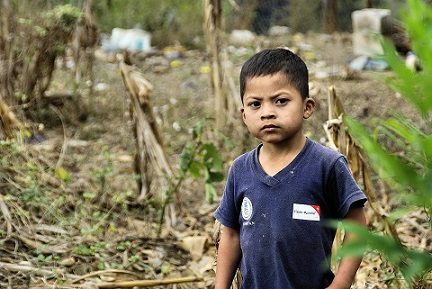
The typical method for getting a headcount of impoverished people within a single nation is using a calculated number called an absolute threshold. Typically referred to as a ‘poverty line’, this threshold indicates that those whose incomes fail to meet a certain standard are poor. The standard varies with country, taking into account economic factors like inflation.

Absolute thresholds were historically used by the World Bank and most governments around the world as a means of taking a “poverty census”.

However, critics like Mark Greenberg, senior fellow of the American Progress organization, call the absolute threshold method “essentially arbitrary.” Many point out that an absolute threshold is limited as a headcount evaluation because it fails to take into account factors outside of income that may still be related to poverty.

The absolute measurement’s counterpart is that of relative poverty. This approach focuses on quality of life as the determining factor for a poverty headcount. According to UNESCO, evaluating poverty this way takes into account income as well as two additional perspectives: basic needs and empowerment.

The U.N. asserts that humans have eight basic needs: food, safe water, sanitation, health, shelter, education, information and access to services.

The level of access to each need is evaluated using clearly defined standards, such as body mass index for measuring access to food, or distance from a clean water source. The state of living with two or more ‘severe deprivations’ (substandard measurements) is termed ‘absolute poverty’.

The final aspect of relative poverty — the empowerment perspective — views poverty as limiting social and political rights. Therefore, groups that experience high levels of discrimination or are denied basic rights, such as that of political participation, are also considered impoverished.

While methods of measuring poverty certainly vary, the general consensus is that living on less than $1.90 per day is extreme poverty.

Though it is by no means an easy task and there is ample room for improving methodology, measuring poverty is essential to understanding and approaching this complex, global issue.

– Kailey Dubinsky

Photo: Flickr

August 13, 2017
https://borgenproject.org/wp-content/uploads/borgen-project-logo.svg 0 0 Borgen Project https://borgenproject.org/wp-content/uploads/borgen-project-logo.svg Borgen Project2017-08-13 07:30:082024-05-25 00:09:55Different Approaches to Measuring Poverty
Global Poverty

Why Is Kenya Poor? Looking at Poverty in Kenya

Why Is Kenya Poor
Why is Kenya poor? The short answer to this question is geographic luck. However, this is not a satisfactory answer when looking for a solution to poverty in Kenya.

Kenya has a population of 44 million, 42% of whom live below the poverty line. Certain qualities that those living in the United States consider basic, such as healthcare, education, clean water and sanitation, are luxuries for many living in Kenya.

On the positive side, however, the World Bank and the International Monetary Fund consider Kenya on the right path to economic growth. This is due to investments in Kenya’s infrastructure, and the country’s role as a regional business hub. As of 2010, Kenya established a new Constitution specifically aimed at a long history of human rights violations. There were fairly peaceful governmental proceedings in the following years. However, there is still a long way to go.

Longstanding corruption within Kenya’s government such as bribery, fraud, and tribal favoritism is one of the leading causes of continuing poverty in Kenya, as problems such as these hinder attempts at reform and positive change. While reforms in the 2000s started to address these issues, it remains difficult for the average citizen of Kenya to pull him or herself out of poverty.

Why is Kenya poor? Another reason that Kenya is and remains poor is that about 75% of the population relies on agriculture to make a living. Yet Kenya’s erratic weather and arid climate make it a very unstable living to rely on. Jobs outside the agriculture industry are rare, and the education required for such jobs is even rarer, especially for poor families. The lack of economic diversity, opportunity, and education along with rapid population growth are crippling for the average citizen.

On the other hand, the flower industry in Kenya is flourishing especially with exports to European countries, along with coffee and tea farming. Another industry currently on the rise in Kenya is the tourism industry. The government recently introduced free and mandatory education which will lead to further development.

– Ellen Ray

Photo: Flickr

August 8, 2017
https://borgenproject.org/wp-content/uploads/borgen-project-logo.svg 0 0 Borgen Project https://borgenproject.org/wp-content/uploads/borgen-project-logo.svg Borgen Project2017-08-08 07:30:402024-06-05 02:36:39Why Is Kenya Poor? Looking at Poverty in Kenya
Global Poverty

Exploring the Poverty Rate in Guatemala

Poverty Rate in Guatemala
The poverty rate in Guatemala is high by most standards. Guatemala is a country in Central America that is bordered by El Salvador, Honduras, Belize and Mexico. It is known for its massive Lake Atitlán and ancient Mayan ruins. It is home to 16.5 million, people making it the most populous country in Central America. Although Guatemala’s official language is Spanish, 40% of its inhabitants speak Indigenous languages.

The poverty rate in Guatemala is very high. According to the World Bank, 59.3% of the population lives below the poverty line. In addition, 23% live in extreme poverty.

The indigenous people in Guatemala are most affected by poverty. In fact, 79% of them live in poverty, while 40% of them live in extreme poverty. Eight in ten indigenous children suffer from chronic malnutrition, a condition that weakens their immune system and does not allow their bodies to fully develop.

The indigenous population also suffers from discrimination and exclusion in Guatemalan society, which makes it difficult for them to rise out of poverty. The country’s topography also keeps indigenous people living in rural areas isolated from the rest of society, making it more difficult for them to receive help.

Income inequality is high in Guatemala. According to a study conducted by the Union Bank of Switzerland (UBS), 260 Guatemalans own 56% of the national economy. This means that 0.001% of the population owns more than half of the country’s wealth.

Agriculture is a very important source of revenue for Guatemala. It accounts for 20% of the GDP and employs more than 40% of the population. Main food exports include sugar, bananas, coffee and vegetables. However, due to the country’s susceptibility to natural disasters, including hurricanes, earthquakes, floods and landslides, many citizens are in a constant struggle to survive and make a living.

Many NGOs stepped in to help improve the poverty rate in Guatemala. For example, The World Food Programme (WFP) delivers emergency food supplies to Guatemalans and teaches farmers how to grow more crops and better market the food they harvest. The NGO Food for The Poor brings food, medicine, and education supplies to needy communities in Guatemala.

– Anna Gargiulo

August 8, 2017
https://borgenproject.org/wp-content/uploads/borgen-project-logo.svg 0 0 Borgen Project https://borgenproject.org/wp-content/uploads/borgen-project-logo.svg Borgen Project2017-08-08 07:30:372024-05-28 00:15:15Exploring the Poverty Rate in Guatemala
Global Poverty

Incomes Affect Cost of Living in Jordan

Cost of Living in Jordan
It may not come as a surprise to many expats in the city to know that the cost of living in Jordan ranked globally in the top 50. Prices are abnormally high for imported products, particularly for alcohol and other foreign-made groceries.

According to the 2016 Mercer Cost of Living Survey, the cost of living in Jordan ranks right up with major European countries; it is number 50 out of 209 countries surveyed in total. In another report by The Economist Intelligence Unit, the cost of living in Amman ranked number one out of the Arab nations. For what is considered to be a developing country, these numbers may come as a surprise to the average American. However, these numbers are largely due to the gap in the average salary versus the average cost of products.

Compared to the staggering cost of living ranking, Jordan ranks number 65 in the world when it comes to the average monthly salary, according to an article in The Jordan Times. The average monthly salary is around $637. This is problematic for many considering that the average cost of rent is above $500, and utilities for two people averages $129.

For tourists visiting the country, it is important to note that although some products may look as though they are the same price, there is the currency exchange to take into account. In fact, the dinar is currently equivalent to $1.41. This means a meal that is 10 Jordanian dinars will really cost around $14.

However, there are ways to keep costs down, as noted in a site for expats. Outside of rent, it is usually cheaper to buy local products. When buying fresh fruit and vegetables, it is advised to buy products that are in season. This way, the products will not be imported and therefore more expensive.

As of 2017, the unemployment rate in Jordan has climbed to just under 20%. This means that even more people are without the means to meet the high cost of living in Jordan. It will be interesting to monitor Jordan in the years to come to see how citizens and government respond to this gap in salary, employment and cost of living.

– Sydney Roeder

Photo: Flickr

August 7, 2017
https://borgenproject.org/wp-content/uploads/borgen-project-logo.svg 0 0 Borgen Project https://borgenproject.org/wp-content/uploads/borgen-project-logo.svg Borgen Project2017-08-07 07:30:422020-07-15 07:52:24Incomes Affect Cost of Living in Jordan
Global Poverty

Cost of Living in Thailand

Cost of Living in ThailandThailand is one of the most popular countries in the world for expatriates. While the beauty of the natural environment is crucial, another important reason is the relatively inexpensive cost of living. In 2015, the International Living Magazine rated Thailand as the 10th best country in which to retire. While Thailand has experienced remarkable economic growth over the past few decades, the cost of living in Thailand still remains relatively low. According to Numbeo, an international price comparison website, the cost of living in Thailand is 36.73 percent lower than in the United States, and rent in Thailand is 58.53 percent lower than in the United States.

Public transportation

A bus fee ranges from approximately THB 8 to 30, depending on the type of the bus. Since one Thai Baht is worth about $0.03, public transportation can cost less than a dollar. Tuk-tuks, the three-wheeled taxis that are common in the country, normally cost THB 40 to 100 for a short ten-minute ride, which is also highly affordable. The base fare for metered taxis is THB 35.

Housing

Cheap rental and housing prices also contribute to the low cost of living in Thailand. Numbeo states that an expensive one-bedroom apartment inside the City Center in Bangkok costs around THB 14,317 (equivalent to approximately $430), which is much cheaper than the rent in major U.S. cities.

Food prices

The food prices in Thailand are also much less expensive than those in most developed countries. For example, the prices of most popular grocery items are as follows: a loaf of bread costs $1.12, which is only half of its average price in the United States, Additionally, a dozen eggs costs $1.65, compared to the average price of $2.23 in the United States.

The street foods are also known for their affordability. A simple meal consisting of rice, vegetables and meat on a single plate ranges from approximately THB 30 to 50, which equals to just more than one dollar. A fancier meal with a selection of dishes that may often include an entire fish would cost from THB 60 to 200 ($2 to $6).

The aforementioned factors are main contributors to the low cost of living in Thailand. However, the high possibility of continued economic growth would gradually increase the cost of living in Thailand.

– Minh Joo Yi

Photo: Flickr

August 6, 2017
https://borgenproject.org/wp-content/uploads/borgen-project-logo.svg 0 0 Borgen Project https://borgenproject.org/wp-content/uploads/borgen-project-logo.svg Borgen Project2017-08-06 01:30:592024-05-28 00:15:13Cost of Living in Thailand
Global Poverty

Rural Poverty in Peru

Poverty in Peru Rural
Peru is home to sections of the Amazon rainforest, the Andes mountains and sites of the former Incan empire, which was the largest empire in pre-Columbus America. Although colonial architecture such as Machu Picchu and the infamous llamas attract tourists, poverty in Peru is devastating. Nearly 1.2 million Peruvians, 3.8 percent of the population, lived in extreme poverty in 2016.

The Peruvian economy continues to suffer from the devastating floods and landslides that have wreaked havoc across the country, and the central bank’s economic activity index fell to its lowest level in eight years. Currently, $1 is equivalent to 3.25 Peruvian Sol. This benefits American tourists seeking cheap food and accommodations but harms the Peruvian people.


Poverty in Peru Disproportionately Affects Rural Areas


Poverty in Peru runs deepest amongst the indigenous population living in remote rural areas. Peru is divided into 25 sections, and five of these are home to 45% of indigenous Peruvians: Apurimac, Ayacucho, Cuzco, Huancavelica and Puno.

The poorest areas are in the Andean Highlands, where a large majority of the indigenous Quechua and Aymara populations are living below the poverty line. Many of these communities are located in remote and isolated regions, so the quality and quantity of material and human resources are inadequate.

Rural poverty in Peru has led the indigenous populations to suffer disproportionately compared to the populations that live in urbanized areas.

In 2009, UNICEF calculated that 78% of children whose first language was Quechua or Aymara lived in poverty, compared to 40% of those whose mother tongue was Spanish. UNICEF also reported that only 32% of indigenous children between three and five attend school, with the number being 55% for non-indigenous children.

This data shows that the rural poverty in Peru has roots in high rates of illiteracy, particularly in women who make up a majority of the family income, and a lack of essential services such as education and electrical power.

In the last decade, there has been a drop in poverty in Peru, which has led to seven million Peruvians who are no longer poor.

– Stefanie Podosek

Photo: Flickr

August 4, 2017
https://borgenproject.org/wp-content/uploads/borgen-project-logo.svg 0 0 Borgen Project https://borgenproject.org/wp-content/uploads/borgen-project-logo.svg Borgen Project2017-08-04 01:30:582024-05-28 00:03:35Rural Poverty in Peru
Page 12 of 18«‹1011121314›»

Get Smarter

  • Global Poverty 101
  • Global Poverty… The Good News
  • Global Poverty & U.S. Jobs
  • Global Poverty and National Security
  • Innovative Solutions to Poverty
  • Global Poverty & Aid FAQ’s
Search Search

Take Action

  • Call Congress
  • Email Congress
  • Donate
  • 30 Ways to Help
  • Volunteer Ops
  • Internships
  • Courses & Certificates
  • The Podcast
Borgen Project

“The Borgen Project is an incredible nonprofit organization that is addressing poverty and hunger and working towards ending them.”

-The Huffington Post

Inside The Borgen Project

  • Contact
  • About
  • Financials
  • President
  • Board of Directors
  • Board of Advisors

International Links

  • UK Email Parliament
  • UK Donate
  • Canada Email Parliament

Get Smarter

  • Global Poverty 101
  • Global Poverty… The Good News
  • Global Poverty & U.S. Jobs
  • Global Poverty and National Security
  • Innovative Solutions to Poverty
  • Global Poverty & Aid FAQ’s

Ways to Help

  • Call Congress
  • Email Congress
  • Donate
  • 30 Ways to Help
  • Volunteer Ops
  • Internships
  • Courses & Certificates
  • The Podcast
Scroll to top Scroll to top Scroll to top