• Link to X
  • Link to Facebook
  • Link to Instagram
  • Link to TikTok
  • Link to Youtube
  • About
    • About Us
      • President
      • Board of Directors
      • Board of Advisors
      • Financials
      • Our Methodology
      • Success Tracker
      • Contact
  • Act Now
    • 30 Ways to Help
      • Email Congress
      • Call Congress
      • Volunteer
      • Courses & Certificates
      • Be a Donor
    • Internships
      • In-Office Internships
      • Remote Internships
    • Legislation
      • Politics 101
  • The Blog
  • The Podcast
  • Magazine
  • Donate
  • Click to open the search input field Click to open the search input field Search
  • Menu Menu

Tag Archive for: Disease Prevention

Posts

Disease, Global Poverty

CSIS and Kaiser Family Foundation Discuss Financing for HIV/AIDS

financing for hiv/aids
On April 18, 2018, the Center for Strategic and International Studies (CSIS) partnered with the Kaiser Family Foundation to host a discussion of the current state and future of financing for HIV/AIDS. The Borgen Project was invited to attend this critical summit and hear from the leading voices in this space.

About 36.7 million people worldwide were diagnosed with HIV/AIDS by the end of 2016; one million of those cases resulted in fatality. A disease that still affects so many requires adequate funding for care, treatment and prevention.

The fight against AIDS began in 1981 when the Centers for Disease Control and Prevention (CDC) published a Morbidity and Mortality Weekly Report which detailed one of the first cases of the disease. From there, the CDC began to work on discovering risk factors.

Between 1996 and 2000, spending on HIV/AIDS from major donor countries increased from $248.45 million to $749.37 million. According to Christopher J.L. Murray, one of the panelists and a professor at the University of Washington, “If you cumulate total spend since 2000, the world has spent just around half a trillion dollars on HIV/AIDS.”

The amount of financing for HIV/AIDS continuously increased through the years up until 2011. Murray pointed out current spending trends using a graph. “From basically 2011, with the exception of 2012, we have been flat,” meaning that total spending from donor assistance channels, such as the WHO and World Bank, has not increased since 2011. Though some individual channels may have increased financing for treatment and prevention, others have decreased spending, making total spending fairly consistent in recent years.

Another concern for financing for HIV/AIDS is the limited spending coming from countries with the highest numbers of affected people. The majority of financing is coming from the upper and upper-middle income countries. J. Stephen Morrison, the Senior Vice President and Director of the Global Health Policy Center, pointed out some of the most striking realizations that have come from new data on HIV/AIDS.

“It also begins to show us a way in which there has been an erosion of the financial and political commitment dedicated to those low-income countries with the greatest burden and the greatest prevalence,” Morrison noted. “The most dramatic point was in saying that since 2012, 2013, a 23.7 percent decline in the levels of donor assistance into those countries from just over 12 billion to 9.1 billion dedicated to HIV.”

The stagnant spending is a severe problem considering the rate of population growth. Mark Dybul, one of the panelists and a professor at Georgetown University, pointed out the hypothetical: “You double the population, you’re going to double the size of the infection rate.” A Business Insider estimation claims that more than half of the population growth that will occur between now and 2050 is going to occur in Africa. As Africa is also the site of the highest number of HIV/AIDS cases, this means that the rate of those infected with HIV/AIDS will likely increase significantly.

The future of financing for HIV/AIDS is looking challenging to Dybul given the difficulties in raising funds. “The reality is, there is no argument that’s going to get an increase in donor funding for HIV. We are at the highwater mark, we are not going up.” Dybul suggested that, instead, change will come through smarter investing, including focusing on prevention first, and treatment second.

Additionally, Dybul suggested that some change is needed in how we talk about the epidemic. As he pointed out “Young people in Africa don’t think about HIV anymore, they think about other things.” In this way, raising awareness may be crucial in fighting HIV/AIDS.

Moving forward with financing for HIV/AIDS will be a challenge considering stagnant spending across the board, little spending from low-income countries, and the drastic population growth expected in Africa in the coming years. But with changes in how organizations and governments invest and heightened awareness of the epidemic, it is possible to win the war against HIV/AIDS.

– Olivia Booth

Photo: CSIS
May 10, 2018
https://borgenproject.org/wp-content/uploads/borgen-project-logo.svg 0 0 Borgen Project https://borgenproject.org/wp-content/uploads/borgen-project-logo.svg Borgen Project2018-05-10 01:30:282019-08-01 10:07:22CSIS and Kaiser Family Foundation Discuss Financing for HIV/AIDS
Disease, Global Poverty, Malaria

The Elimination 8: Ways of Shrinking Malaria in Africa


The Elimination 8 was created in 2007 by eight African countries with an initiative of abolishing malaria in Africa by 2030. By 2020, the E8 hopes to terminate malaria in the four low transmission countries of Botswana, Namibia, South Africa and Swaziland. By 2030, the E8 aims to terminate malaria in the four middle to high transmission countries of Angola, Mozambique, Zambia and Zimbabwe.

The E8 created a strategic plan to focus on strengthening efforts at cross-border and regional levels. The five core objectives of the plan are:

E8’s Five Core Objectives

  1. Strengthen regional coordination in order to achieve elimination in each of the E8 member countries. While countries continue to pursue their own malaria elimination efforts, the E8 serves as a platform of communication and guidance between countries to advance regional-level efforts. The E8 coordinates a regional structure for all countries to follow in an attempt to stop malaria from spreading across borders. It also partners with the E8 scorecard, which actively monitors the malaria statistics and progress of the countries’ efforts on an annual basis.
  2. Elevate and maintain the regional elimination agenda at the highest political levels within the E8 countries. The E8 relies on partnering with several organizations in order to continue shrinking malaria in Africa. The Ministers of Health and their partners act as additional leadership for malaria elimination. Through ALMA and SARN, the E8 has the ability to publish the E8 scorecard, which is crucial in holding countries accountable for their malaria efforts. Senior political officials help raise awareness for the E8 and can help to secure financial partners.
  3. Promote knowledge management, quality control and policy harmonization to accelerate progress towards elimination. Africa experiences heavy population movement throughout its countries that contribute to the spread of malaria. The E8 created regional maps that outline statistics such as the risk of transmission across borders and human mobility patterns. The main goal is to uncover the “sources and sinks of malaria,” or the areas that export malaria to other countries and the areas that receive malaria from outside sources.
  4. Facilitate the reduction of cross-border malaria transmission. The E8 countries are expected to follow a minimum set of standards in their efforts of shrinking malaria in Africa including the use of insecticides, insecticide resistance and management planning and case classification. The E8 provides guidance through managing information and relaying it across countries.
  5. Secure resources to support the regional elimination plan, and ensure long term sustainable financing for the region’s elimination ambitions. In order for the initiative to succeed in shrinking malaria in Africa, the E8 requires substantial funding. The E8 has decided on a resource mobilization strategy that attempts to fund regional activities from long-term partners. Although this strategy does not fund individual country initiatives, the E8 provides intelligence to support each country.

The Back-and-Forth

The E8 countries experienced a 50 percent decrease in malaria cases over a five year period, from 14 million cases in 2007 to eight million cases in 2012. One particular country, Swaziland, experienced a drastic decline in malaria cases. In 2010-11, Swaziland reported 478 malaria cases during the transmission season with only three malaria-related deaths.

However, in the 2016-2017 malaria season, seven out of the eight countries reported an increase in malaria cases with outbreaks reported in Botswana and Namibia. Through the E8, health ministries held a meeting to determine the source of the alarming rates.

Two main factors were found in the cause of the increase. First, mosquitos were becoming resistant to insecticides and countries were not meeting their spraying targets; and second, insufficient use of surveillance systems caused late responses and a lack of epidemic identification.

Hope for the Future

In spite of the increase of malaria rates, the E8 is continuing to better their efforts to continue shrinking malaria in Africa. “I’m still optimistic and looking at 2025-2030,” says Richard Nchabi Kamwi, former Namibian Health Minister and now the E8 Ambassador for Malaria Elimination.

“Swaziland, for example, is far ahead– for the past five years it did not record a single malaria death. Botswana unfortunately during the last season experienced some local deaths, but I was impressed with the aggressive way in which they responded to the epidemic and how they persevered with their plan. Now it’s 2017, so maybe eradication by 2020 will not happen, but I am looking at 2025, with the final four countries following suit by 2030.”

The countries have modified their action plans for the next malaria season and have prepared epidemic response plans — hopeful omens for the future.

– Anne-Marie Maher

Photo: Flickr

April 14, 2018
https://borgenproject.org/wp-content/uploads/borgen-project-logo.svg 0 0 Borgen Project https://borgenproject.org/wp-content/uploads/borgen-project-logo.svg Borgen Project2018-04-14 01:30:512024-06-06 00:07:55The Elimination 8: Ways of Shrinking Malaria in Africa
Developing Countries, Disease, Global Health, Global Poverty

What Are the World’s Deadliest Diseases?

What Are the World’s Deadliest Diseases?
In 2015, the top five of the world’s deadliest diseases accounted for more than 23 million deaths. The top two deadliest, heart disease and stroke, have been the two leading causes of death in the world since 2000 and account for 65 percent of the 23 million deaths.

The world’s deadliest diseases can be either communicable or non-communicable. Communicable disease are contagious and threaten the population with the spread of the disease. Common communicable diseases include respiratory infections and diarrheal diseases. Non-communicable disease are not contagious.

In 2015, as compared to 2000, there are fewer communicable disease in the top global causes of death. This means that medical treatments are working and more people have the ability to access treatments and preventive measures for those diseases.

The World’s Deadliest Diseases as of 2015

  1. Heart disease
    The risk of heart disease comes from both genetic and lifestyle factors. While genetic factors cannot be controlled, changing unhealthy habits to lower the risk of heart disease can be life-saving.
  2. Stroke
    Stroke is caused by a temporary disruption of blood flow to the brain, depriving it of oxygen. That oxygen deprivation can lead to long-term brain damage or death. Education about the warning signs of stroke can lead to life-saving early identification.
  3. Lower respiratory infections
    These infections, such as pneumonia, are contagious but treatable. Greater access to medical care will lead to early diagnosis to prevent their spread among the population and antibiotic treatments that can help lower their prevalence.
  4. Chronic obstructive pulmonary disease (COPD)
    COPD is an inflammatory lung disease that killed more than three million people in 2015. It is caused by exposure to irritating gases, most often from cigarette smoke or burning fuel. Ensuring healthy environments and education on the harms of tobacco can decrease COPD.
  5. Lung cancers
    This includes trachea and bronchus cancers as well, most often caused by smoking or exposure to secondhand smoke. Avoiding smoking and being in the presence of others smoking is the most effective way to prevent lung cancer from developing.

Even though these are the world’s deadliest diseases, diseases do not affect the entire population equally. In countries of lower economic status, the diseases most likely to harm the population differ due to varying access to life-saving resources, such as healthcare and knowledge of best health practices.

In low-income economies, the prevalence of communicable diseases is higher and affects the population more severely. In these countries, the top two killers are lower respiratory diseases and diarrheal diseases. Also in the top 10 deadliest diseases in low-income economies are HIV/AIDS, tuberculosis and malaria, all of which are communicable.

Even though these communicable diseases currently threaten the populations of low-income countries, they are all treatable diseases. With appropriate access to healthcare, healthy environments and knowledge of health practices, the spread of these diseases can be slowed. Preventing these diseases would greatly increase the average lifespan for citizens of low-income countries.

Globally, access to healthcare is important in preventing and treating any of the world’s deadliest diseases. Even though they are the diseases most likely to kill, they can often be avoided with healthy lifestyles and increased access to medicine.

– Hayley Herzog

Photo: Flickr

April 4, 2018
https://borgenproject.org/wp-content/uploads/borgen-project-logo.svg 0 0 Borgen Project https://borgenproject.org/wp-content/uploads/borgen-project-logo.svg Borgen Project2018-04-04 01:30:232024-05-29 22:40:05What Are the World’s Deadliest Diseases?
Global Poverty

Treating HIV in Saint Petersburg Showing Positive Results

Treating HIV in Saint PetersburgIf Saint Petersburg were the same today as it was ten years ago, it would be known as one of the top five cities in the Russian Federation affected by the HIV virus. However, it is now the fourteenth most affected city. Treating HIV has been a top priority for the city, and as a result it has been able to get the epidemic under control. Saint Petersburg is the first city in the Russian Federation to achieve a steady decline in HIV infections, and fewer people are becoming infected with the virus throughout the city.

Last year, about 1,750 people were newly diagnosed with HIV in Saint Petersburg alone, a number that was even higher in the years before. In total, 42,000 people in the city were living with HIV. The city was able to get 80 percent of the people affected access to services at the Center for AIDS Prevention and Control.

The Center for AIDS Prevention and Control provides antiretroviral therapy (medicine that directly treats HIV), useful information and specialized medical care as well as prevention medicines for both pre-exposure and post-exposure.

Affected citizens in Saint Petersburg can also visit the city AIDS center, where they are able to get new syringes, sterile equipment and other preventative tools such as condoms. Saint Petersburg has also partnered with community organizations that have contributed to treating HIV by testing women for HIV, giving out free condoms and talking to consultants. Unfortunately, Saint Petersburg is one of the only cities in the Russian Federation that provides affected citizens with such a wide range of prevention and treatment.

An important factor in reducing the number of people affected by HIV was the availability of quick HIV testing. That way, someone who is affected can know immediately to begin taking antiretroviral therapy to both treat the disease and prevent any new infections.

The government has been supporting an outdoor advertising campaign teaching residents about HIV prevention services and public service announcements. The advertising has three main messages regarding HIV: the importance of testing, the availability of treatment and the elimination of stigma and discrimination against people with HIV.

Saint Petersburg is a good example of a city that was greatly affected by the HIV epidemic, but through a variety of preventative and treatment measures was able to take control of the epidemic and achieve a drastic shift in the number of people diagnosed.

– Chloe Turner

Photo: Flickr

February 28, 2018
https://borgenproject.org/wp-content/uploads/borgen-project-logo.svg 0 0 Borgen Project https://borgenproject.org/wp-content/uploads/borgen-project-logo.svg Borgen Project2018-02-28 01:30:302024-05-29 22:39:34Treating HIV in Saint Petersburg Showing Positive Results
Aid, Global Poverty, Humanitarian Aid

The Success of Humanitarian Aid to Nicaragua

Humanitarian aid to NicaraguaRotavirus is the leading cause of diarrhoeal disease in the world. Killing more than 500,000 people annually, rotavirus is particularly deadly in the poorest countries in the world. The disease is easily transmitted, so immediate treatment is vital to prevent complications and death. The Centers for Disease Control and Prevention (CDC) suggests that the most effective way to prevent it is the rotavirus vaccine.

In Central America, the rotavirus vaccine has been tremendously successful. The 2006 introduction of the vaccine to Nicaragua has resulted in the decrease of severe rotavirus illness and deaths, and the country has been instrumental in setting vaccination standards throughout the world. This example of humanitarian aid to Nicaragua has resulted in a domino effect that can benefit all developing countries in the fight against preventable diseases.

In addition to the rotavirus vaccine, Nicaragua has stood apart as a country intent upon eliminating deaths due to diarrhoeal disease. In the past decade, the Central American country has implemented new treatments to supplement the vaccine, including improved water treatments and an oral rehydration solution. Today, 98 percent of Nicaraguan children are vaccinated against the virus and studies show that diarrhoeal disease due to rotavirus has been all but eliminated.

Humanitarian aid to Nicaragua has been very successful in the years since the country’s vaccination expansion. Long understood as a hotbed for crime and violence, Nicaragua is living an era of peace and crime rates are down. It has become a country of innovation; in addition to a stabilized economy, Nicaragua is becoming a world power in terms of renewable energy. In 2016, the bulk of its energy came from alternative sources such as hydroelectric dams and wind farms.

Social and gender equality is also booming in the country. The mindset change has clearly had wide-reaching impacts. While its approach to the rotavirus vaccine is but a small example of Nicaragua’s dedication to innovation and improvement, its place as a world standard can influence every stage of the country’s development.

A focus on vaccination has clear and expedient effects. In the case of Nicaragua, ensuring that every child is vaccinated all but eliminated diarrhoeal disease due to rotavirus. The fact that the country was not satisfied with its own status but strove to innovate and serve as an example to countries around the world should be commended.

Humanitarian aid to Nicaragua has been widespread and the country is reaping the benefits. Coupled with U.S. resources, Nicaragua has the potential and the experience needed to bring lasting relief to countries struggling with rotavirus and other barriers to healthy and prosperous living.

– Eric Paulsen

Photo: Flickr

January 4, 2018
https://borgenproject.org/wp-content/uploads/borgen-project-logo.svg 0 0 Borgen Project https://borgenproject.org/wp-content/uploads/borgen-project-logo.svg Borgen Project2018-01-04 01:30:222024-05-29 22:30:01The Success of Humanitarian Aid to Nicaragua
Disease, Global Poverty

Pneumonia Vaccine Saving Half a Million Lives

Pneumonia VaccineAccording to Dr. Seth Berkley, CEO of Gavi, within the last 10 years, the pneumonia vaccine has saved the lives of more than 500,000 children in developing countries. More than 109 million children have been given the PCV (pneumococcal conjugate vaccine) with Gavi’s support.
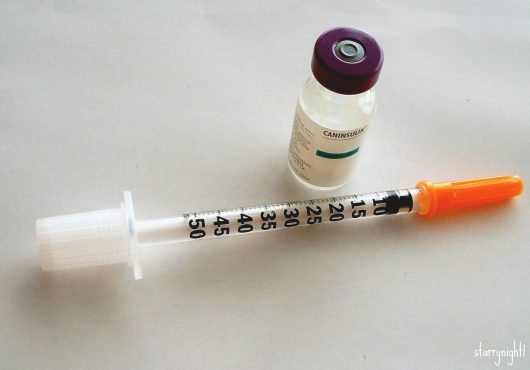
Although the numbers have now reached 41 percent from 2015’s 35 percent of receiver rates, millions of children are still not receiving the pneumonia vaccine. This is an issue because the disease is both treatable and preventable, but remains the leading cause of death in children throughout the world.

The pneumococcal vaccination protects the body against different types of the pneumococcal bacteria itself. The pneumonia disease is most common in children, and therefore the CDC recommends that all children be vaccinated. Although there are many different types of pneumococcal bacteria, there are only two types of the vaccination itself. The first vaccination to fight pneumonia is called Prevnar 13. This vaccination protects against 13 different types of the pneumococcal bacteria. The second type, Pneumovax 23, protects against 23 different types of the bacteria. Although this vaccine can save lives and prevent the disease, children in developing countries are nine times more likely to get the disease than people in developed countries.

Normally, children in developing countries receive vaccinations 10 years after children in wealthy countries do, but with the Advance Market Commitment, funded by Italy, Canada, Russia, Norway and the Bill and Melinda Gates Foundation, they were able to get the PCV vaccine as soon as a year after it was developed. The market legally binds commitment purchases of the vaccinations through preset terms. This concept has been around for a long time, but the Advanced Market Commitment’s tactics seem to be very effective. Gavi has reached 58 countries throughout Africa and Asia with their immunization programs. The continued push to immunize all children in developing countries will greatly affect these nations’ outcomes in the future.

– Chloe Turner

Photo: Flickr

December 4, 2017
https://borgenproject.org/wp-content/uploads/borgen-project-logo.svg 0 0 Borgen Project https://borgenproject.org/wp-content/uploads/borgen-project-logo.svg Borgen Project2017-12-04 20:22:392024-05-29 22:29:27Pneumonia Vaccine Saving Half a Million Lives
Disease, Global Poverty

Common Diseases in Portugal

Common Diseases in Portugal

Portugal has a population of 10.5 million as of 2016, and a mortality rate of 548.6 deaths per 100,000 people. The top ten most common diseases in Portugal in 2016 were ischemic heart disease, cerebrovascular disease, Alzheimer’s disease, lower respiratory infections, COPD, colorectal cancer, lung cancer, diabetes, chronic kidney disease and stomach cancer.

The rates of ischemic heart disease, cerebrovascular disease, diabetes and stomach cancer have all gone down in recent years, though they still rank in the top ten. The top ten causes of disability in 2016 were low back and neck pain, sense organ diseases, depressive disorders, migraines, skin diseases, anxiety disorders, oral disorders, diabetes, falls and other musculoskeletal issues.

Broadly speaking, the deadliest diseases are cardiovascular diseases, cancer and neurological disorders.

Addiction: A Major Success Story

While Portugal has made strides in reducing the rates of the diseases described above, its biggest success has been in tackling addiction, particularly to heroin.

In the 1980s and 1990s, a major opioid epidemic made addiction one of the most common diseases in Portugal. By the mid-1990s, over one percent of Portugal’s population was addicted to heroin, and cocaine use was also prevalent.

To address this epidemic, Portugal took the opposite approach to other countries struggling with a similar epidemic, such as the United States. Whereas the U.S. cracked down on drug use and initiated a war on drugs, Portugal completely decriminalized all drugs, including heroin, in 2001. Dealing drugs was still illegal and punishable with jail time, but users caught with less than a 10-day supply of any drug were sent to mandatory medical treatment.

This system completely bypassed the legal system, treating addiction as a health issue instead of a crime. This approach led to a 75 percent reduction in drug cases and a 95 percent reduction in drug-related HIV infections. Deaths due to overdoses or drug-related infections in Portugal are currently five times lower than the average across the European Union.

A model for change?

While any radical change in policy must be considered in the context of each country’s current legal system and culture, aspects of Portugal’s approach to addiction constitute a model that could be successfully implemented across the world.

The basis of this model are outreach programs whose employees keep track of local drug users and encourage them to quit. If they accept, they provide them with free counseling and treatment and daily methadone to wean them off the opioids. If they refuse to quit at that time, then outreach workers hand out clean needles and condoms to reduce the spread of HIV/AIDS.

This model is also economically efficient. The U.S. currently spends approximately $10,000 per household to uphold its current drug policy, while Portugal currently spends $10 per citizen.

The most common diseases in Portugal are similar to those across the European Union. What makes Portugal stand out is its reaction to one particular disease: addiction. If Portugal brings this innovation to other realms of disease prevention, it could be poised to drastically lower its disease burden in the coming decades.

– Olivia Bradley

Photo: Flickr


November 16, 2017
https://borgenproject.org/wp-content/uploads/borgen-project-logo.svg 0 0 Borgen Project https://borgenproject.org/wp-content/uploads/borgen-project-logo.svg Borgen Project2017-11-16 01:30:362024-06-05 23:55:33Common Diseases in Portugal
Disease, Global Poverty

How to Avoid the Top Diseases in Kuwait as a Traveler


Kuwait is located on the Arabian Gulf and sits between Iraq, Iran and Saudi Arabia. According to the World Travel Guide, Kuwait has a number of tourist attractions, even though its location might hinder it from topping the list for many travelers. Kuwait sits on a beautiful coastline and has many impressive buildings and eateries. As with any other destination, travelers should take the necessary precautions to avoid contracting the top diseases in Kuwait.

The Center for Disease Control (CDC) recommends that all travelers to Kuwait get vaccinated for hepatitis A and typhoid. Both diseases can be contracted through contaminated food or water, and thus it is important for travelers to be careful when choosing where to eat. Luckily, the World Travel Guide lists many restaurants known for both safety and fine dining, including Pepper Steak House and Ayam Zaman Restaurant. The CDC recommends using available resources such as this guide to determine where it is safe to eat to avoid contracting the top diseases in Kuwait as a traveler. The CDC also warns that travelers staying with family or friends or in more rural areas are at a greater risk of catching typhoid.

Another pervasive disease in Kuwait is Middle East Respiratory Syndrome (MERS). MERS is a respiratory virus unlike any other known viruses, according to the CDC. It causes a fever, cough, shortness of breath and, in some cases, can be fatal. The first case was reported in 2012 in Saudi Arabia, and it is quickly becoming one of the top diseases in Kuwait. A fatal case of MERS was reported to the World Health Organization (WHO) in September 2015. The WHO issued a warning which states that individuals who have diabetes, renal failure, chronic lung disease or are immunocompromised have the greatest risk of contracting a MERS infection. The report cautions those at risk against contact with animals, especially camel,s and recommend good hygiene practices, along with avoiding the consumption of raw milk and undercooked meats.

In 2015, the WHO did not recommend any travel restrictions for Kuwait, as there is no evidence that indicates MERS can be transferred through person-to-person contact. However, in May 2016, the CDC issued a level two alert after cases of MERS were seen in several countries around the Arabian Gulf. These cases occurred in travelers and also in people they had been in close contact with. The CDC does not discourage travel to these areas, but they recommend that travelers consult with a doctor to determine risk factors and if additional precautions are necessary.

– Helen Barker

Photo: Flickr

June 9, 2017
https://borgenproject.org/wp-content/uploads/borgen-project-logo.svg 0 0 Borgen Project https://borgenproject.org/wp-content/uploads/borgen-project-logo.svg Borgen Project2017-06-09 01:30:492024-06-07 05:07:40How to Avoid the Top Diseases in Kuwait as a Traveler
Global Poverty, Inequality

What is the Digital GAP Act?

Digital GAP Act
While the developed world sends emails to colleagues, updates friends on Facebook and conducts research using online databases, the 4.2 billion who lack access to the internet linger behind on economic, health and education development. The 60% of the population currently offline is predominantly low-income, rural, female, elderly and illiterate, according to the House Foreign Affairs Committee. Seventy-five percent of the 4.2 billion are condensed into only 20 countries.

Rep. Ed Royce, R-CA, Chairman of the Foreign Affairs Committee, authored the Digital Global Access Policy Act, better known as the Digital GAP Act, to increase internet access in developing countries using a “build-once” policy. The Digital GAP Act would also require more transparency in the U.S. accomplished through projects to open more possibilities for private firms to invest in internet infrastructure to aid developing economies.

During a $100 million road construction project years ago, Liberian officials decided not to lay cables that would have added $1 million to the project’s cost. The lack of connectivity in Liberia and other developing countries has cost lives and economic growth. The build-once policy would help avoid the need to later add cables for internet connectivity for tens of millions of dollars.

However, history has shown a lack of internet connectivity has repercussions reaching far beyond development as the world suffers the impacts of crises longer and more deeply. In 2014, the outbreak of the Ebola virus infected more than 28,000 people in West Africa, killing more than 8,000. This was due in large part to the lack of reliable internet access that hindered coordination between community health centers.

Those treating Ebola patients did not send patient information to other health facilities at the click of a button, but instead physically transported the information. This was not only less efficient, but also exposed those outside of the quarantined red zones to the virus. Increased internet connectivity during the Ebola outbreak could have cut exposures, improved the tracking of the viruses’ spread and opened the possibility of international analysis anywhere with scanned and uploaded patient documents.

The world faces a similar struggle in containing the Zika virus. The current strategy involves notifying travelers where the virus is, but officials in many developing countries have no way of tracking the effect of the virus in their own communities. Containing the virus and notifying vulnerable populations could be as Recode writes, “as easy as the click of a mouse or a swipe of a mobile application.”

In addition to improving crisis response, the Digital GAP Act’s purpose is to aid developing countries in expanding economies, creating jobs, improving health and education, reducing poverty and gender inequality and promote good governance of a populace. The U.S. is to “promote first-time internet access to mobile or broadband internet for at least 1.5 billion people in developing countries by 2020 in both urban and rural areas,” the House Foreign Affairs Committee wrote in an official press release.

The Digital GAP Act also stresses the importance of U.S. cybersecurity for the U.S. in its provisions. If passed, the Under Secretary for Economic Growth, Energy, and the Environment’s title would change to include “Cyberspace.” The Department of State would be required to designate an Assistant Secretary for Technology, International Communications and Cyberspace to lead diplomatic cyberspace efforts, and the president would include information on internet access, cybersecurity policy and internet freedom in the next White House Cyberspace Strategy session.

The U.S. Agency for International Development (USAID) would integrate efforts under the Digital GAP Act to increase internet access and the protection of private information. The Peace Corps Act would include an amendment that would allow the Peace Corps to develop volunteer positions for the purpose of increased internet connectivity. The president would share with Congress plans to promote U.S. partnerships to provide internet infrastructure for increased access in developing countries and direct the House in advocating for these efforts abroad.

The House of Representatives passed the Digital GAP Act and the Senate is expected to vote soon.

– Ashley Leon

Photo: Flickr

October 28, 2016
https://borgenproject.org/wp-content/uploads/borgen-project-logo.svg 0 0 Borgen Project https://borgenproject.org/wp-content/uploads/borgen-project-logo.svg Borgen Project2016-10-28 01:30:302024-05-27 09:33:21What is the Digital GAP Act?
Disease, Global Poverty

Progress for India’s Largest Public Health Campaign

India's Largest Public Health CampaignIn 2014, the Indian Ministry of Health and Family Welfare paired with the Global Network for Neglected Tropical Diseases to create a communication campaign aimed at the prevention of Lymphatic Filariasis.

The video for India’s largest public health campaign by the Mass Drug Administration to eliminate Lymphatic Filariasis (LF) begins with a trail of oversized footprints attracting a group of curious spectators. The growing crowd follows the giant tracks to find their owner and the intent investigation of the crowd captures the matched attention of viewers off-screen.

Lymphatic Filariasis, commonly known as elephantiasis, is a disfiguring and debilitating neglected tropical disease that puts three in five people in India at risk of infection. While prevention of the disease is fairly simple — a pill once every year — public participation in the government’s drug distribution programs was low.

In 2002, India set a goal to eliminate preventable diseases by 2015. Their current campaign plan began in 2004. Although the Filaria has not yet been eliminated in India, significant progress has been made since India’s largest public health campaign began.

The video leads the villagers to a man with LF, who stresses the ease of prevention and emphasizes that contracting the disease can happen to anyone. The narrative is largely positive with the patient himself acting as a champion for awareness and change. Distributed widely in ten different languages on television and online, the public service announcement reached over 300 million people.

The number of people reached by the MDA increased from 72 percent in 2004, to 89 percent in 2015. Subsequently, the microfilaria rate decreased from 1.2 percent in 2004 to 0.26 percent in 2015, according to India’s National Vector Borne Disease Control Program (NVBDCP).

As of May 2016, 72 districts (each with an approximate population of 164 million) completed the Transmission Assessment Survey for LF and were qualified to stop the MDA program, said the NVBDCP. India’s dedication and success in decreasing LF likely increased global attention on Lymphatic Filariasis and other neglected tropical diseases. On June 3, the World Health Organization reported that LF was eliminated in Sri Lanka and Maldives.

With the largest Mass Drug Administration in the world, the Indian government continues its efforts to eliminate Lymphatic Filariasis by distributing LF preventative medication to 460 million people in 17 Indian states.

– Erica Rawles

Photo: Flickr

August 31, 2016
https://borgenproject.org/wp-content/uploads/borgen-project-logo.svg 0 0 Borgen Project https://borgenproject.org/wp-content/uploads/borgen-project-logo.svg Borgen Project2016-08-31 01:30:442024-05-27 09:35:00Progress for India’s Largest Public Health Campaign
Page 2 of 41234

Get Smarter

  • Global Poverty 101
  • Global Poverty… The Good News
  • Global Poverty & U.S. Jobs
  • Global Poverty and National Security
  • Innovative Solutions to Poverty
  • Global Poverty & Aid FAQ’s
Search Search

Take Action

  • Call Congress
  • Email Congress
  • Donate
  • 30 Ways to Help
  • Volunteer Ops
  • Internships
  • Courses & Certificates
  • The Podcast
Borgen Project

“The Borgen Project is an incredible nonprofit organization that is addressing poverty and hunger and working towards ending them.”

-The Huffington Post

Inside The Borgen Project

  • Contact
  • About
  • Financials
  • President
  • Board of Directors
  • Board of Advisors

International Links

  • UK Email Parliament
  • UK Donate
  • Canada Email Parliament

Get Smarter

  • Global Poverty 101
  • Global Poverty… The Good News
  • Global Poverty & U.S. Jobs
  • Global Poverty and National Security
  • Innovative Solutions to Poverty
  • Global Poverty & Aid FAQ’s

Ways to Help

  • Call Congress
  • Email Congress
  • Donate
  • 30 Ways to Help
  • Volunteer Ops
  • Internships
  • Courses & Certificates
  • The Podcast
Scroll to top Scroll to top Scroll to top