• Link to X
  • Link to Facebook
  • Link to Instagram
  • Link to TikTok
  • Link to Youtube
  • About
    • About Us
      • President
      • Board of Directors
      • Board of Advisors
      • Financials
      • Our Methodology
      • Success Tracker
      • Contact
  • Act Now
    • 30 Ways to Help
      • Email Congress
      • Call Congress
      • Volunteer
      • Courses & Certificates
      • Be a Donor
    • Internships
      • In-Office Internships
      • Remote Internships
    • Legislation
      • Politics 101
  • The Blog
  • The Podcast
  • Magazine
  • Donate
  • Click to open the search input field Click to open the search input field Search
  • Menu Menu

Tag Archive for: Disease Prevention

Posts

Disease, Health

New Model to Predict Outbreaks of Zoonotic Diseases

Zoonotic diseasesResearchers from the University College London (UCL) conducted a study in which they developed a new model that could be used to predict future outbreaks of zoonotic diseases, diseases that are transferred by animals to humans. The study demonstrates how changes in climate, population density and land usage alters the probability of contracting zoonotic diseases.

Zoonotic diseases account for 60 percent of the infectious diseases contracted by humans. Zika and Ebola, for instance, are both zoonotic. Lesser-known zoonotic diseases include Rift Valley fever and Lassa fever, the latter of which was used to conduct the study.

The scientists observed 408 outbreaks of Lassa fever in Africa between 1967 and 2012 according to Reuters. Humans can contract Lassa fever through direct contact with Mastomys rats, which carry the disease, by consuming the rats or by coming into contact with food or household products that have been contaminated with rat excrement. After infection, the disease can also be spread from person to person by the transferring of bodily fluids.

The model can be useful in policy-making decisions by demonstrating how different policy options will likely impact the spread of zoonotic diseases. Professor Kate Jones, co-author of the study hailing from University College London, told The Telegraph, “Our model can help decision-makers assess the likely impact of any interventions or change in national or international government policies, such as the conversion of grasslands to agricultural lands, on zoonotic transmission.”

Through observing the impacts of environmental changes on the hosts of the disease and humans, they were able to create a model that links the changes in the distribution of the disease host to the changes in mechanics of how that specific zoonotic disease spreads. This has not been done before, according to The Telegraph.

Now they can predict the frequency in which people are likely to be exposed to disease-carrying animals and the risk of them actually contracting it. The models also considers additional factors such as travel infrastructure, human interaction rates and poverty in order to accurately predict disease risk, according to UCL news.

According to the study, the number of people infected with Lassa fever will double because of climate change and population growth.

The good news is that this model provides insights on where to focus prevention efforts. Jones told the BBC, “We hope it can be used to help communities prepare and respond to disease outbreaks, as well as to make decisions about environmental change factors that may be within their control.”

– Laura Isaza

Photo: Flickr

July 18, 2016
https://borgenproject.org/wp-content/uploads/borgen-project-logo.svg 0 0 Borgen Project https://borgenproject.org/wp-content/uploads/borgen-project-logo.svg Borgen Project2016-07-18 01:30:142024-12-13 17:54:48New Model to Predict Outbreaks of Zoonotic Diseases
Disease, Family Planning and Contraception

How to Prevent the Zika Virus

Prevent the Zika Virus

According to the Center for Disease Control (CDC), the “Zika virus disease (Zika) is a disease caused by the Zika virus which is spread to people primarily through the bite of an infected Aedes species mosquito.” The disease can cause symptoms like fever, rash and joint pain, although most symptoms go unnoticed. Learning to prevent the Zika virus, then, is imperative.

The most severe symptom is microcephaly, which is a birth defect that causes babies to be born with smaller than average-sized heads. This is of grave concern to pregnant women or women who are trying to become pregnant who have traveled or have partners who have traveled to countries where the disease is present.

Although there are currently no vaccines for the disease, there are five easy steps you can take to prevent the Zika virus from reaching you or your loved ones:

  1. Wear the right repellant. The CDC recommends wearing repellant registered by the Environmental Protection Agency because it contains ingredients such as lemon eucalyptus oil and DEET. Repellants registered with EPA are also evaluated for effectiveness.
  2. Use clothing as a repellant. Wearing long sleeves and pants in a place where mosquitos present can also reduce your risk of a Zika virus infection. It is even more effective if the clothes are treated with permethrin.
  3. Avoid exercising outdoors. Mosquitoes are attracted to carbon dioxide and heat, both of which are heavily emitted when exercising. To avoid being swarmed by mosquitoes, it is best to exercise indoors in an air-conditioned room.
  4. Properly secure buildings. Residing in buildings that have screens over its doors and windows and are properly ventilated with air-conditioning can prevent mosquitoes from entering and protect you while you sleep. Placing netting over cribs and strollers can help protect babies as well, especially since they may be too young to safely use mosquito repellant.
  5. Practice safe sex. The Zika virus disease can be transferred from men during unprotected sex. To prevent transferring the disease, using condoms and abstaining from sex are the best methods after or during visitation to a country with the Zika virus. This information is crucial for women who are trying to become pregnant.

The fight to eliminate the Zika virus has skyrocketed, resulting in incredible scientific innovations. For instance, scientists from the U.K. have released genetically modified male mosquitoes who cause populations of local mosquitoes to fall.

Another technique includes inserting a gene drive into mosquitoes to make them unable to host the Zika virus within their bodies.

Researchers are also utilizing cellphones to track and record people’s movements and use this data for documenting Zika hotspots throughout the world.

As more techniques on how to prevent the Zika virus are discovered, all hope that the spread of the disease can be contained effectively.

– Julia Hettiger

Photo: Flickr

July 6, 2016
https://borgenproject.org/wp-content/uploads/borgen-project-logo.svg 0 0 Borgen Project https://borgenproject.org/wp-content/uploads/borgen-project-logo.svg Borgen Project2016-07-06 01:30:582024-12-13 17:54:34How to Prevent the Zika Virus
Disease, Global Poverty, Malaria

NetsforLife: Making Strides Toward Malaria Eradication

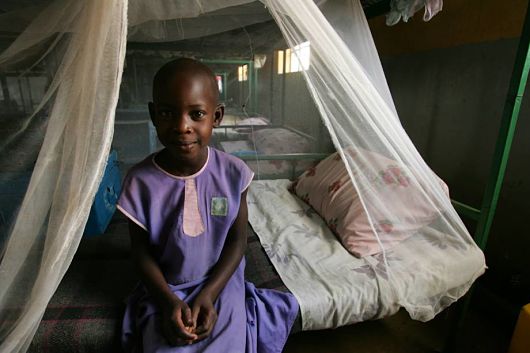
Mosquito_net_in_Subsaharan_AfricaAccording to the World Health Organization (WHO), approximately 3 billion people across the globe are at risk for contracting malaria. One-third of this group is considered to be at high risk and 90 percent of malaria deaths occur in Africa.
NetsforLife Steps In

NetsforLife is working to reduce the number of malaria deaths in Africa. Since its inception in 2005, this partnership of corporations, foundations, NGOs and faith-based organizations has distributed nearly 22 million mosquito nets in 17 malaria-endemic countries of sub-Saharan Africa.

However, the organization’s efforts to eradicate malaria extend beyond net distribution. According to its website, NetsforLife also ensures that communities receive adequate training on the value of these nets as well as “the right way to use and maintain them.”

Too often, mosquito nets have been used for fishing or as bridal veils instead of the vital purpose for which they were created.

In addition to educating communities on the proper use of nets, the organization also specifically targets remote areas that typically do not receive care from national healthcare systems.

NetsforLife calls on the help of local leaders and community volunteers or “malaria agents” to provide the necessary education and support to civilians.

Malaria Prevention is Key

According to the WHO, prevention is an important aspect of combatting malaria. The malaria parasite, Plasmodium, multiplies quickly, allowing it to build up resistance to malaria medicines. Mosquito nets and more specifically, insecticide-treated nets (ITNs), play a crucial role in prevention efforts.

While significant headway has already been made with the number of malaria cases declining to 214 million in 2015 from 262 million in 2000, there is still much work left to be done to eradicate the disease. To that end, the WHO launched “The Global Technical Strategy for Malaria, 2016 – 2030” which aims to reduce malaria incidence and mortality by 90 percent.

With over 100,000 volunteers, NetsforLife continues to do its part to help achieve these goals. So far, the organization has reached 41.7 million individuals and counting.

– Jocelyn Lim

Sources: NY Times, NetsforLife, World Health Organization (WHO) 1, World Health Organization (WHO) 2, World Health Organization (WHO) 3
Photo: Google Images

January 12, 2016
https://borgenproject.org/wp-content/uploads/borgen-project-logo.svg 0 0 Borgen Project https://borgenproject.org/wp-content/uploads/borgen-project-logo.svg Borgen Project2016-01-12 01:30:142024-05-27 09:28:40NetsforLife: Making Strides Toward Malaria Eradication
Developing Countries, Disease, Global Health, Global Poverty

NCDs 101: How Do We Solve This Growing Problem?

ncd
The devastating effects of non-communicable diseases (NCDs) can be seen all around the globe. NCDs are responsible for the majority of deaths in developing countries, and they are not receiving the attention they need in order to be stopped.

NCDs are diseases that cannot be passed from person to person. Also known as chronic diseases, they last a long time and progress slowly. The four main types of NCDs are cardiovascular diseases, cancers, chronic respiratory diseases and diabetes. They can affect anyone of any age, gender, ethnicity, location or income.

However, the distribution of NCDs is not so equally spread. 80 percent of deaths caused by NCDs occur in low and middle-income countries, according to the World Health Organization (WHO).

As well as being concentrated in areas of poverty, NCDs have a large global impact. Sixty-eight percent of global deaths in 2012 were due to NCDs, and 42 percent were premature (before the age of 70) and avoidable, the WHO reports.

The combination of the prevalence of these diseases with the location (countries that are unable to help themselves), means that this problem is quickly growing out of control. Disease-specific solutions are being administered (vaccinations for AIDS, tuberculosis and malaria) in lieu of improving conditions so that NCDs are not even given a chance to affect a population.

Of course, vaccinations for communicable diseases are necessary as well, but they cannot be the sole solution in working toward better health. NCDs are proving to be more of a problem globally than other diseases, and, as such, the health conditions in suffering countries need our attention.

It is a fact that when measures are taken to prevent them, NCDs no longer majorly affect an area. This can be seen by the low numbers of deaths caused by NCDs in the U.S.–only 413 per 100,000 population in 2012 versus 967 per 100,000 in Mongolia, according to the WHO.

The difference between the U.S. and these affected countries is fewer risk factors. Tobacco use, unhealthy diet and physical inactivity are the top offenders, and lower-income countries lack the capacity to prevent and control these risks.

Although the UN has seen progress with its aid efforts, the focus on NCDs is lost. Goal six of the Millennium Development Goals (MDGs) lays out the initiative to combat HIV/AIDS, malaria and other diseases, but NCDs are not mentioned in the statistics.

For such a globally present cause of death, it would seem natural that NCDs would be a priority for 2015. However, that is simply not the case.

So, where do we go from here?

We know that if the major risk factors for NCDs were eliminated, around three-quarters of heart disease, stroke and type 2 diabetes would be prevented, as well as 40 percent of cancers, according to the WHO.

Health Affairs argues that Universal health coverage provides the opportunity for these diseases to be eradicated long-term. As far as combating NCDs, people in areas of extreme poverty need to be supplied with ways to obtain the necessary medicines without having to pay out-of-pocket.

More attention needs to be given to making accessible health care in developing countries a reality and taking care of those who are losing their lives due to preventable diseases.

In doing so, we must remember: we can conquer NCDs.

– Ashley Tressel

Sources: Health Affairs, UN, WHO, WHO 1, WHO 2, WHO 3, WHO 4
Photo: NotEnoughGood.com

September 29, 2015
https://borgenproject.org/wp-content/uploads/borgen-project-logo.svg 0 0 Borgen Project https://borgenproject.org/wp-content/uploads/borgen-project-logo.svg Borgen Project2015-09-29 02:16:102024-12-13 18:05:07NCDs 101: How Do We Solve This Growing Problem?
Global Health, Global Poverty

Safe Surgery: A New Focus for Global Health

Safe Surgery
In 2010, 16.9 million people in developing countries died from surgically treatable conditions. If 2015 is anything like 2010, the death toll this year will be higher than that of malaria, HIV/AIDS and tuberculosis combined.

According to a study done by The Lancet in 2012, about two-thirds of the world’s population do not have access to even basic surgery. Where the average amount of surgeons per 100,000 people in the United States is 35, the average in developing nations typically lies anywhere from 1.7 in Bangladesh, to 0.1 in Sierra Leone (before the Ebola outbreak). Even those countries that have access to the surgeons are often lacking in anesthetic and sanitation, which opens up an entirely new world of problems including infection and psychological trauma.

President of the World Bank Jim Young Kim and Dr. Paul Farmer, founder of Partners in Health, are calling surgery “the neglected stepchild in global health.”

Surgery’s subservient status is turning commonplace conditions into killers. Complications like obstructed labor, hernias, and cataracts—the cures to which are readily available in any surgeon’s toolkit—will take over 28 times more lives than cancer this year.

“People are dying, and living with disabilities that could be avoided if they had good surgical treatment,” said Andy Leather director of the King’s Centre for Global Health in the United Kingdom during an interview with the BBC.

While surgery may still be the “neglected stepchild” in a global health family that includes AIDS and Ebola, the problems facing surgical conditions in the developing world are much more straightforward than finding a vaccine for Ebola or a cure for AIDS. Researchers Halie Debas, Richard Gosselin, Colin McCord, and Amardeep Thind have outlined four “surgically significant interventions” which could reduce the preventable death toll overnight. They recommend focusing efforts on providing “competent initial surgical care to injury victims,” dealing with obstetrical complications (like obstructed labor), competent management of abdominal life-threatening conditions (like Peritonitis), and providing services for simple surgical conditions like cataracts and clubfoot.

In addition to these four areas of interest, the World Health Organization has compiled a “safe surgery checklist” to help reduce mortality caused by unsafe surgery. Complied in three parts, the checklist provides sets of instructions for the pre-anesthetic procedure, pre-incision procedure and proper sanitation. This checklist was developed by doctors from the WHO in collaboration with surgeons and anesthesiologists from Botswana, Kenya, Malawi, Namibia, Rwanda, Swaziland, Tanzania, Uganda, Zambia and Zimbabwe.

In general, the local experts agreed that the checklist addressed the poor organizational culture, lack of effective communication and negative personal attitudes that have acted as barriers to safe surgery in Africa, specifically. The checklist has been administered to 198 facilities in Africa and is looking to expand its dissemination in the coming months.

Health officials have warned that as disease prevention becomes more advanced, a new focus of global health initiatives must be dealing with these easily preventable deaths. There is no reason that clubfoot, which can be easily cured by surgery, should kill more than AIDS, an illness where a cure may be years in the making.

– Emma Betuel

Sources: WHO 1, BBC, The Lancet, WHO 2, The Irish Times, National Center for Biotechnology Information
Photo: Flickr

July 25, 2015
https://borgenproject.org/wp-content/uploads/borgen-project-logo.svg 0 0 Borgen Project https://borgenproject.org/wp-content/uploads/borgen-project-logo.svg Borgen Project2015-07-25 10:54:452024-12-13 17:51:59Safe Surgery: A New Focus for Global Health
Developing Countries, Disease, Global Poverty

India Pushes to Eliminate Elephantiasis Epidemic

Elephantiasis
Lymphatic Filariasis (LF), better known as Elephantiasis, is a painful and profoundly disfiguring disease and yet is a fairly common occurrence in poverty-stricken India. In fact, nearly half of India’s population, about 553 million people, is at risk of contracting LF.

In recent years there has been a mass drug administration (MDA) to people living in the poorest communities of the country. This initiative has been created to stop not only LF, but also many other preventable, chronic and debilitating infections known as neglected tropical diseases (NTD).

However, LF is still one of the most particularly challenging NTDs India has yet to face. Although almost half of India’s population is at risk of becoming infected, LF is one of the easiest NTDs to prevent. This could potentially lead to India eliminating LF within the next few years, and the government has increased efforts by launching the largest MDA in the world.

Yet, there has been little change, for most of the members of the poor Indian communities have been unwilling to take the free medicine. This unwillingness is due to little education, lack of disease awareness and risk perceptions, coupled with general public suspicion of the government distribution program.

Over the last 10 years, advances have led to new diagnostic and treatment tools, along with control strategies for dealing with LF. In October 2014, the Indian Ministry of Heath and Family Welfare (MOHFW) launched a communications campaign known as “Hathipaon Mukt Bharat” or “Filiaria Free India” to create and spread awareness about LF and the new tools to diagnose, treat and prevent the spread of the disease.

The initial campaign was a success, leading to a significant spike in people taking the medicine. With nearly 200,000 health workers in 14 of India’s states providing the information and medicine, the MOHFW was able to reach out to over 300 million people.

Today, India has revitalized its efforts with MOHFW’s Hathipaon Mukt Bharat campaign and has continued to work toward eliminating the LF issue. Recently, the Hathipaon Mukt Bharat initiative won a Silver Lion at the Cannes Lions International Festival of Creativity, earning it national praise for the work it has achieved and will continue to achieve within India.

– Alysha Biemolt

Sources: Impatient Optimists, WHO, JPGM Online, MedInd
Photo: Imagekb

July 24, 2015
https://borgenproject.org/wp-content/uploads/borgen-project-logo.svg 0 0 Borgen Project https://borgenproject.org/wp-content/uploads/borgen-project-logo.svg Borgen Project2015-07-24 18:26:332024-06-04 03:53:06India Pushes to Eliminate Elephantiasis Epidemic
Malaria

Malaria on its Way Out; Good News to Come

malaria
Malaria is spread through mosquitoes that carry the disease. In the United States, the swamps and marshes that housed malaria-carrying mosquitoes were destroyed to eradicate the disease, a trick that worked well. However, this is not a tactic that will work worldwide, especially in hot and humid places where the majority of the landscape is marshland.

In places like these, a promising solution has been created: long-lasting, insecticide-treated nets (LLINs). An insecticide-treated net is a bed net that has been treated with safe, residual insecticide to kill and repel the infected mosquitoes while also physically blocking them out. LLINs are designed to remain effective for multiple years without needing to retreat.

Malaria kills about 660,000 people a year, most being children. LLINs are cost-effective in production and distribution and are considered to be one of the most cost-effective ways to save lives. The process of distribution is simple and thorough: survey the people to determine the need for the nets, deliver the LLINs, and then promote their use.

In the 2012 World Malaria Report that looked at 17 sub-Saharan African countries determined that 68-84 percent of people that owned the nets were using them, an increase since 2010. Along with this increase came fewer malaria-related deaths; however, the exact figures collected were fairly unreliable.

However, with a long-term solution at hand, scientists can focus on eradicating the disease entirely. In the Southern U.S. and Europe, where malaria has been eradicated, a big factor in defeating the disease was a change in human behavior, a shift in land use, and in housing. Scientists believe that more research is needed to understand the factors affecting transmission before the disease will be fully eradicated.

There is a long way to go before malaria is gone for good, but the long-lasting, insecticide-treated nets have proven to be successful in the lives of individuals. They are cost-effective and well-used. Eradication of malaria is within the foreseeable future.

– Hannah Resnick

Sources: Give Well, TDR
Photo: Fast Coexist

June 17, 2015
https://borgenproject.org/wp-content/uploads/borgen-project-logo.svg 0 0 Borgen Project https://borgenproject.org/wp-content/uploads/borgen-project-logo.svg Borgen Project2015-06-17 16:00:072024-12-13 17:51:25Malaria on its Way Out; Good News to Come
Global Poverty

The Fight for Vaccination

vaccination
In some of the most rural areas of the world, people suffer from preventable diseases due to exposer to unsanitary drinking water and poor living conditions. While organizations continue the fight to bring clean water and food to these areas, it is also important that rural populations have access to vaccinations to help them combat these diseases. According to UNICEF, immunizations have the potential to save up to three million children yearly. However, there has been a decline in the progress of maintaining the spread of vaccinations.

The World Health Organization (WHO) is working to improve the distribution of immunizations in developing countries. According to the WHO, all of the 194 member states belonging to the WHO endorsed the Global Vaccine Action Plan (GVAP) in 2012. Moreover, member states have set goals to eliminate six diseases by the end of 2015. Although there continues to be a gap with one in five children missing vaccines, WHO hopes to see a world free of preventable diseases by 2020.

The goal to spread vaccination around the world by 2020 is also known as the Decade of Vaccines– implemented in 2011 and already eliciting substantial progress. The Gates Foundation has invested in vaccines and immunizations to help achieve the goals of the Decade of Vaccines. The Foundation understands the restrictions that keep vaccinations from people in rural areas, especially since some vaccines need refrigeration which is lacking in these places.  The Gates Foundation  continues to “support the innovation needed to develop new vaccines and new delivery technologies and approaches.”

The Center of Disease Control (CDC) also continues to take action against vaccine-preventable diseases, disability and death. It is important “to protect the health of Americans and global citizens by preventing disease, disability, and death through immunization,” says the CDC, as stated in their Global Immunization Strategic Framework for 2011-2015. Organizations like these provide hope that the world will some day be free of preventable diseases. Although there are many places that continue to be hard to reach, the fight to vaccinate the world by 2020 continues in full force.

– Kimberly Quitzon

Sources: UNICEF, WHO, The Gates Foundation, CDC
Photo: Flickr

June 2, 2015
https://borgenproject.org/wp-content/uploads/borgen-project-logo.svg 0 0 Borgen Project https://borgenproject.org/wp-content/uploads/borgen-project-logo.svg Borgen Project2015-06-02 04:00:432024-12-13 17:51:24The Fight for Vaccination
Disease, Technology

Senegal Fights Ebola With Text Messages

ebola
In late August, Senegal’s first case of Ebola was confirmed in a man who had previous direct contact with a patient in Guinea and then traveled to Dakar, the capital city of Senegal. In collaboration with the World Health Organization, the Government of Senegal took immediate measures to stop the virus dead in its tracks.

Nearly 5,000 people have died from the Ebola virus and over 10,000 people have been infected. To prevent the spread of Ebola within Senegal, the Ministry of Health sent out over 4 million SMS messages to the general population warning of the new Ebola case and ways to individually prevent the contraction of the virus. The messages, based off a social campaign previously used for diabetes, were sent to citizens in Dakar and Saint-Louis, another heavily populated region in the country. The SMS campaign entailed multiple partnerships with local mobile phone companies and urged people to contact health authorities with news of anyone showing signs of fever and bleeding by calling the number provided. The messages received were then broadcast in large public events, such as sports games and rallies.

Dr. Mbayange Ndiaye Niang, a project leader at the Ministry of Health, says the “SMS campaign was part of a much larger national project in Senegal focused on awareness, prevention and care for people with Ebola.” Other awareness methods included flyers, radio announcements and messages posted on government websites. Washing hands regularly and avoiding contact with infected persons and animals was heavily reinforced.

The SMS campaign was extremely successful and, to date, there has only been one Ebola case in Senegal. The efficient and quick reaction by the Ministry of Health was possible due to the existing platform designed to help people manage their diabetes, called mDiabetes. The campaign began during the holy month of Ramadan, where fasting elevated risks associated with having diabetes. By registering with the program, persons with diabetes could receive free tips and advice via text messages on how to control problems associated with fasting. Thus, when Ebola reached Senegal, the government already had mechanisms in place to send text messages on a large scale.

The SMS campaign in Senegal proves that the technology platform can present an opportunity to target awareness on any disease, ranging from HIV/AIDS to the flu. In a world where phones and mobile devices have taken over all forms of paper, governments should invest in more technology-based initiatives.

– Leeda Jewayni

Sources: World Health Organization, UN Multimedia

Photo: Text Magic

November 14, 2014
https://borgenproject.org/wp-content/uploads/borgen-project-logo.svg 0 0 Borgen Project https://borgenproject.org/wp-content/uploads/borgen-project-logo.svg Borgen Project2014-11-14 12:00:482024-05-27 09:23:00Senegal Fights Ebola With Text Messages
Development, Global Poverty, Health, Sanitation

Effects of India’s Poor Sanitation

Poor sanitation can sometimes be the initial domino that starts a cascading wave of other problems. In the case of India, poor sanitation and open defecation have allowed for an overwhelmingly unhygienic environment and a variety of widespread health problems.

In India, there are more people who openly defecate on a regular basis than live in the entirety of Africa. Out of the 1.2 billion inhabitants, 103 million lack safe drinking water and 802 million lack any sanitation services.

For starters, combining an unhygienic environment with a high population density creates a breeding ground for preventable disease epidemics. Two common hygiene-related diseases, typhoid and diarrhea, prevent their victims from absorbing necessary nutrients which leads to malnutrition. India has higher rates of malnutrition in children than Sub-Saharan Africa.

The effect of having proper hygienic practices is shown when comparing the states within India. States where 80 percent or more of the rural population can access toilets have much lower levels of childhood malnutrition than cities where open defecation is commonly practiced.

Not only are there health consequences to open defecation, but social safety consequences as well. When women and children have to relieve themselves, they are forced to venture into the streets rather than using a toilet in the safety of their own home, which compromises their safety. A senior police officer in Bihar stated that about 400 women would have avoided rape last year if they had toilets in their homes.

The root of the problem is the lack of available or accessible toilets to the general population. Unfortunately, use of the toilets found in developed countries would be impractical and nearly impossible to achieve in India. A waste disposal system would need to be put into place, and toilets like these require large amounts of water, which is rarely consistent in developing countries.

While India is not known for being wealthy, the country ranks fourth in the world for manufacturing competitiveness. With many citizens capable of designing and manufacturing innovative solutions, the possibility of a low-cost toilet is promising.

One type of toilet that could potentially work well with India is the composting toilet, which is a toilet that is used for about a year, and subsequently sealed for 6-9 months, where the heat and decomposition of the feces kills off harmful bacteria and creates rich fertilizer that can be used in gardens.

While India’s poor sanitation has deep-rooted negative effects, the country has the innovative capacity to find an efficient and widespread solution.

– Courtney Prentice


Sources: Live Mint and The Wall Street Journal, British Broadcasting Corporation, The Child Fund, Water
Photo: OMICK


June 12, 2014
https://borgenproject.org/wp-content/uploads/borgen-project-logo.svg 0 0 Borgen Project https://borgenproject.org/wp-content/uploads/borgen-project-logo.svg Borgen Project2014-06-12 08:38:262024-05-26 23:45:12Effects of India’s Poor Sanitation
Page 3 of 41234

Get Smarter

  • Global Poverty 101
  • Global Poverty… The Good News
  • Global Poverty & U.S. Jobs
  • Global Poverty and National Security
  • Innovative Solutions to Poverty
  • Global Poverty & Aid FAQ’s
Search Search

Take Action

  • Call Congress
  • Email Congress
  • Donate
  • 30 Ways to Help
  • Volunteer Ops
  • Internships
  • Courses & Certificates
  • The Podcast
Borgen Project

“The Borgen Project is an incredible nonprofit organization that is addressing poverty and hunger and working towards ending them.”

-The Huffington Post

Inside The Borgen Project

  • Contact
  • About
  • Financials
  • President
  • Board of Directors
  • Board of Advisors

International Links

  • UK Email Parliament
  • UK Donate
  • Canada Email Parliament

Get Smarter

  • Global Poverty 101
  • Global Poverty… The Good News
  • Global Poverty & U.S. Jobs
  • Global Poverty and National Security
  • Innovative Solutions to Poverty
  • Global Poverty & Aid FAQ’s

Ways to Help

  • Call Congress
  • Email Congress
  • Donate
  • 30 Ways to Help
  • Volunteer Ops
  • Internships
  • Courses & Certificates
  • The Podcast
Scroll to top Scroll to top Scroll to top