• Link to X
  • Link to Facebook
  • Link to Instagram
  • Link to TikTok
  • Link to Youtube
  • About
    • About Us
      • President
      • Board of Directors
      • Board of Advisors
      • Financials
      • Our Methodology
      • Success Tracker
      • Contact
  • Act Now
    • 30 Ways to Help
      • Email Congress
      • Call Congress
      • Volunteer
      • Courses & Certificates
      • Be a Donor
    • Internships
      • In-Office Internships
      • Remote Internships
    • Legislation
      • Politics 101
  • The Blog
  • The Podcast
  • Magazine
  • Donate
  • Click to open the search input field Click to open the search input field Search
  • Menu Menu

Archive for category: Women’s Empowerment

Education, Global Poverty, Health, Women, Women's Empowerment

How Reusable Sanitary Pads Help Girls Stay in School

reusable sanitary padsIt is estimated that one in 10 girls in African countries miss school monthly due to a lack of supplies and education related to menstruation. The negative connotations of “becoming a woman” and the mystery surrounding these changes can not only create girls’ unhealthy perceptions of themselves and their bodies but can affect more concrete aspects of their lives, including their education.
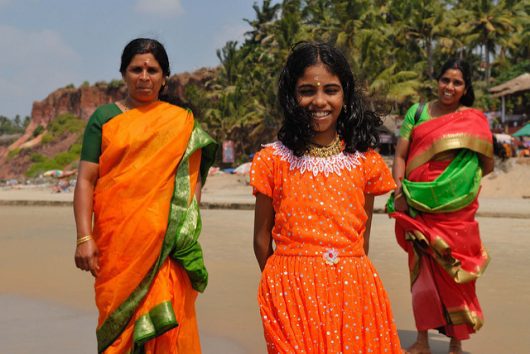
Effects of Lack of Education on Menstruation

Many girls will skip school to avoid the potential embarrassment and shame associated with having one’s period show. Due to its monthly recurrence, many young women are unable to catch up on the material they have missed and will eventually drop out of school altogether.

In Uganda, 70 percent of girls leave school between the ages of 13 and 18. Low enrollment for both genders is common due to a variety of circumstances in many African countries.

However, with menstruation typically beginning around 13 years old and girls’ limited access to sexual health education and supplies, dropout rates increase for young women at a rate 10 percent higher than boys of the same age. Access to reproductive health education and cost effective menstruation supplies such as reusable sanitary pads can be powerful tools in keeping young women in school.

Benefits of Reusable Sanitary Pads

Disposable menstruation supplies are often too expensive for families to afford, forcing many young women to use unsanitary alternatives such as old clothes or to go without sanitary pads altogether. Reusable sanitary pads are a cheap, effective and empowering tool for young African women.

NGOs such as Girls2Women and Mums for Mums have assisted in teaching girls how to sew their own reusable sanitary pads for less than $1 from basic patterns and locally sourced materials that attach easily to undergarments with velcro. The Peace Corp has also been an important player in educating and empowering young women through Girls Leading Our World, or GLOW, camps.

Started in Romania in 1995, GLOW camps have since opened in over 60 countries around the world. Each camp is focused on empowering young women and combating local issues such as malaria and HIV/AIDS prevention, reproductive health, stress tolerance and healthy living through education and training.

Positive Effects of GLOW Camps

In African countries with GLOW camps, learning to make reusable sanitary pads often features in the education of the young women. In countries such as Tanzania and Uganda, the creation of reusable sanitary pads begun by GLOW camp educations has been picked up by local charities and community organizations, helping normalize menstruation for girls and boys in the community alike and ultimately keep more young women in school.  

By making the reusable sanitary pads themselves, girls are able to move forward in their lives with more knowledge and confidence in themselves and their bodies, and menstruation becomes less of an unknown force to be feared. The inclusion of parents, teachers and boys is also valuable to the program’s effectiveness and longevity as well as the confidence and empowerment of the young women.

In Uganda, the charity Mountains of Hope offers educational programs on reproductive health and teen pregnancy and training in making reusable sanitary pads. These include men and boys so as to better educate and support young women of the community.

With this vital education and training in making reusable sanitary pads, as well as other aspects of reproductive health, girls in many African countries are better able to pursue their education without compromising their wellbeing. Organizations such as the Peace Corp, Girls2Women and Mountains of Hope have created opportunities for communities to feel empowered and create change with their young women, giving them the chance to achieve the education all children deserve.

– Anna Lally
Photo: Flickr

July 1, 2018
https://borgenproject.org/wp-content/uploads/borgen-project-logo.svg 0 0 Borgen Project https://borgenproject.org/wp-content/uploads/borgen-project-logo.svg Borgen Project2018-07-01 01:30:102024-06-05 02:36:43How Reusable Sanitary Pads Help Girls Stay in School
Global Health, Global Poverty, Nonprofit Organizations and NGOs, Women's Empowerment

10 Facts About the Myna Mahila Foundation

Myna Mahila Foundation
The Myna Mahila Foundation is an NGO that was founded by Suhani Jalota in 2015 during her studies at Duke University. The organization’s goal is to create a social enterprise that can improve women’s access to menstrual healthcare.

In India, 23 million girls drop out of school early because they begin menstruating. The Myna Mahila Foundation aims to address this problem of girls missing school and limiting their potential because of their periods. The foundation has recently gained global attention due to high involvement with Meghan Markle, the Duchess of Sussex. The following are 10 facts about the Myna Mahila foundation that everyone should know.

10 Facts About the Myna Mahila Foundation

  1. The three goals of the foundation are improving menstrual hygiene affordability, generating female employment in slums and building women’s networks. The foundation manufactures low-cost high-quality sanitary napkins and sells them door to door, thus employing women in the Mumbai slums and providing affordable sanitary products to those in need.
  2. The foundation not only aims to have a direct impact by providing employment and affordable hygiene products, but it also wants to start a conversation about this issue and how it affects women in India and around the world.
  3. In 2018, founder Suhani Jalota was honored by Forbes 30 under 30 Asia. She was also previously honored with the Queen Young Leaders Award, the Melissa and Doug Entrepreneurship Fellowship and a Glamour Magazine Award.
  4. Meghan Markle wrote about the Myna Mahila Foundation for TIME in 2017. Additionally, Suhani Jalota attended the royal wedding of Prince Harry and Meghan Markle in May along with three other members of the foundation, Archana Ambre, Deborah Das and Imogen Mansfield.
  5. Less than a year after its creation, the foundation had already reached 1,500 women across five slums in Mumbai both through employment and hygienic products.
  6. There are over 3,000 regular users of Myna pads in India.
  7. Over 500,000 pads have been manufactured since the foundation was created.
  8. In addition to the menstrual hygiene initiative, the Myna Mahila Foundation also provides opportunities for women to work from home so they can take care of their children. The organization also collects donations such as books, toys and clothes and makes these available to people from the slums.
  9. The foundation empowers its staff by providing education in English, Math, health, computers and self-defense.
  10. The Myna Mahila Foundation was chosen by the Duke and Duchess of Sussex, Meghan Markle and Prince Harry, as one of the charities where guests were to send contributions in place of wedding gifts. This has brought a large amount of attention to the foundation and its efforts.

These important facts about the Myna Mahila Foundation reveal the organization’s enormous impact on Indian women and on the issue of menstrual hygiene. The organization is expanding beyond its original goal, changing lives with education and work opportunities and improving the way women feel about their bodies.  

– Luz Solano-Flórez
Photo: Flickr

June 24, 2018
https://borgenproject.org/wp-content/uploads/borgen-project-logo.svg 0 0 Borgen Project https://borgenproject.org/wp-content/uploads/borgen-project-logo.svg Borgen Project2018-06-24 01:30:092019-10-06 19:36:0910 Facts About the Myna Mahila Foundation
Gender Equality, Women's Empowerment

Male Champions of Change: Transforming Gender Norms in Zimbabwe

Transforming Gender Norms in Zimbabwe
Zimbabwe faced a devastating drought in 2016 and food security continues to be a major problem in the South African country, primarily affecting young children. Since 2010, the U.S. Agency for International Development (USAID) has been heavily involved in assuring Zimbabweans’ food security, focusing on supporting farmers, strengthening agricultural markets and managing natural resources.

USAID increased its spending in Zimbabwe by $21.5 million in 2015, expanding interventions to water sanitation and hygiene. However, gender norms in Zimbabwe also affect the lack of food security, especially for children.

Gender Norms in Zimbabwe

Most men in Zimbabwe have little to do with feeding or caring for their children, leaving mothers to do the majority of child-rearing. But for three meals a day, Zimbabwean mothers must search for firewood, make a fire, collect water, cook and clean dishes. The rest of most mothers’ days are spent tending to their families’ crops, leaving little time for mothers to focus on childcare and healthy nutrition.

Social and gender norms in Zimbabwe combine to mean that men are not heavily involved in child rearing, which is viewed as a women’s responsibility. The concept that men get involved with their children is so foreign to Zimbabwean culture that men who do involve themselves get accused of being under a love spell or potion.

USAID’s members realized that working with men is essential to transforming gender norms and thereby ensuring healthy feeding practices for children. The agency started implementing the Male Champions of Change (MCC) strategy to change gender norms in Zimbabwe, using the motto, “Indoda Emadodeni,” meaning Man Among Men.

Male Champions of Change

Australia was the first to formally implement the MCC Institute under the Australian Human Rights Commission. The MCC Institute is a collaborative initiative that strives to address entrenched gender inequalities. Now, MCC’s strategy is used by a number of organizations worldwide, such as the U.N. and USAID.

As its name suggests, MCC targets men. The MCC Institute was actually founded by a woman and women are heavily involved in the Institute, but the founder recognized that political power still rests largely in the hands of men and engaging men would help accelerate change. Changing gender norms in Zimbabwe is more than just a women’s issue, and men have a responsibility to step up beside women to advocate for equality.

MCC involves appealing to men rationally and emotionally. Its strategy defines the business, economic and social benefits of gender equality and urges male leaders to confront and understand the challenges women close to them face every day.

MCC encourages men to support:

  • Changing workplace conditions, cultures and mindsets
  • Increasing the number of women on boards and executive committees
  • Recruiting, developing and retaining diverse candidates
  • Prioritizing health and safety in workplaces and prohibiting all forms of violence, including verbal and sexual
  • Sharing experiences and strategies for advancing gender equality
  • Being spokespersons for gender equality
  • Assessing and publicly reporting on progress and results on gender equality

MCC in Zimbabwe

In Zimbabwe, USAID’s MCC campaign focuses primarily on gender equality within households. In comparison, the MCC Institute of Australia focuses more on equality in the workplace and in society in general.

Participants of USAID’s MCC campaign, called Male Champions, recruit their peers and hold monthly meetings and group training. At the meetings, Male Champions discuss their roles and responsibilities at home and the interactive training sessions challenge the men to debate and resolve gender-related problems. The meetings also specifically address gender and social norms that present barriers to good nutrition and gender equality.

Male Champions in Zimbabwe come to recognize that their manhood will not be diminished by cooking. One Male Champion said that he learned how to make his daughter porridge and feed her. A USAID survey also found statistically significant improvements in supportive behaviors such as:

  • Collecting water
  • Fetching firewood
  • Caring for children
  • Cooking
  • Accompanying wives to health facilities

USAID also saw an increase in joint decision-making between spouses from 30 percent to 82 percent in just one year. Overall, USAID’s MCC campaign has made a significant difference in changing gender norms in Zimbabwe to ensure gender equality and nutritional security for children.

– Kathryn Quelle
Photo: Flickr

June 22, 2018
https://borgenproject.org/wp-content/uploads/borgen-project-logo.svg 0 0 Borgen Project https://borgenproject.org/wp-content/uploads/borgen-project-logo.svg Borgen Project2018-06-22 18:00:132024-12-13 17:58:49Male Champions of Change: Transforming Gender Norms in Zimbabwe
Gender Equality, Women's Empowerment

The Importance of Gender Inequality in Egypt

Gender Inequality in Egypt
Gender inequality has been an important issue in Egypt for centuries. There are many organizations that recognize how important gender inequality in Egypt is for the economic growth and development of the country. There are many forms of gender inequality that are expressed daily, such as the limitations on women in economic participation, sexual harassment, gender-based violence and unequal access to education.

The Wide-Ranging Effects of Gender Inequality in Egypt

Egypt ranks 136th out of 145 countries in the Global Gender Gap Index. Gender inequality in Egypt is most prominent in the low rate of female participation in the labor force. It is estimated that 26 percent of women participate in the workforce, compared to 79 percent of men. The average yearly income for women in Egypt is $5,218 versus an estimated $17,353 per year for men. This disparity is also seen in literacy rates, which are estimated at 65 percent for women versus 82 percent for men.

The major obstacles to decreasing gender inequality in Egypt are related to economic participation and opportunity, education, health and political empowerment. According to the 2014 Demographic and Health Survey, 92 percent of women interviewed between the ages of 15 and 49 had experienced female genital mutilation. This is a major issue that underlies gender inequality in Egypt.

Global Partnerships Work to Empower Women

Gender inequality is recognized as an issue that inhibits the growth of the entire country. There are several organizations that are developing partnerships and programs that work to empower women and foster growth. The United Nations Development Programme (UNDP) has developed the Sustainable Development Goals that focus on increasing women’s access to social, economic and legal rights. In 2015, the Egypt Network for Integrated Development developed the One Product One Village program to train women in several trades, including handloom embroidery, alabaster, leather accessories, sand pottery, general carpentry and laser cutting.

UNDP has partnered with Microsoft to create programs that address gender inequality in Egypt. One program, known as the Mentorship Program, mentors young women to help them develop a career path. In addition, the Social Innovation Hub was launched at the National Council for Women, which aims to bridge the gap between public education and job market needs. This organization is also a part of the Aspire Women Initiative that empowers female leaders.

USAID has partnered with the Egyptian government to fight gender inequality by acting to remove the constraints on women’s participation in the economy, addressing sexual harassment and gender-based violence and improving access to education for young women. Since 2014, USAID has provided more than 600 scholarships to women seeking higher education. USAID has also developed programs to train community health workers to prevent and respond to gender-based violence, early marriage, domestic violence and female genital mutilation.

Gender inequality in Egypt has been an issue for centuries. However, there are many organizations that are partnering to end this growth inhibiting factor. The goal of ending gender inequality will help Egypt develop not only economically, but socially as well. The progress of these programs is notable, but there is still work to be done to completely eliminate gender inequality in Egypt.

– Kristen Hibbett
Photo: Flickr

June 18, 2018
https://borgenproject.org/wp-content/uploads/borgen-project-logo.svg 0 0 Borgen Project https://borgenproject.org/wp-content/uploads/borgen-project-logo.svg Borgen Project2018-06-18 01:30:342024-05-29 22:42:45The Importance of Gender Inequality in Egypt
Advocacy, Gender Equality, Women's Empowerment, Women's Rights

Justice for Women Must Be Made a Priority

Justice for WomenThe United Nations estimates that there are currently four billion people excluded from the rule of law, with over 150 countries that have one or more laws that discriminate against women. To address this inequality and bring more women access to justice, the High-level Group on Justice for Women (HLG) had its inaugural meeting at the Hague from May 28-29, 2018.
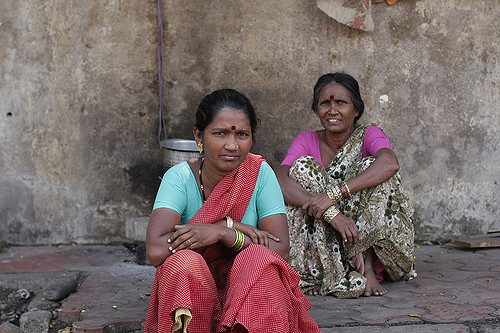
What is the High-level Group on Justice for Women?

This group was started by U.N. Women along with the Pathfinders for Peaceful, Just and Inclusive Societies and the International Development Law Organization (IDLO). Its members include experts on human rights, gender and justice from civil society organizations, governments, academics and intergovernmental organizations.

The main purpose of this group is to act as advocates for women’s access to justice during the High-level Political Forum in 2019 where the 2030 Sustainable Development Goals (SDGs) will be reviewed. In particular, the HLG is focused on SDG 16 with its stated goal being to “promote peaceful and inclusive societies for sustainable development, provide access to justice for all and build effective, accountable and inclusive institutions at all levels.”

One of the HLG’s main purposes is to ensure the implementation, monitoring and reporting of SDG 16 in the years to come. The group wishes to highlight the justice gaps that women and girls face around the world, ways to improve global access to justice and why this is a necessary cause to invest in. To address these issues, the HLG is focused on these approaches:

  • Reforming the legal and policy framework
  • Reforming justice institutions
  • Legally empowering women to access justice and claim rights
  • Addressing customary and informal justice

Why Justice for Women Matters

The HLG argues that ensuring justice for women is at the heart of achieving the Sustainable Development Goals because, without this measure, other SDGs such as education, equality, health and employment will not be realized. The SDGs are key to fighting global poverty, with the first goal being to end poverty in all its form everywhere. Equal justice is a means to recognizing and respecting women’s rights as it allows women to function as equal members of society who can contribute to development and ending poverty.

Beyond equality and respect for human rights, the HLG strongly believes that women’s access to justice is both a requirement and enabler of development. There has been more and more evidence that with greater gender equality comes greater economic development. For instance, when women are permitted to work and contribute to household incomes, studies have shown that more money is allocated for health, education, food and children. Improving justice for women gives social, economic and environmental benefits instead of continuing poverty, social exclusion, bad health, violence and crime.

Closing the Justice Gap

All of this work highlights the contrasts between what is promised in SDG 16 and what women are really experiencing and the contrasts between what women need and want when seeking justice and what they actually receive. In other words, this is known as the justice gap.

Around the world, 104 economies have laws preventing women from working specific jobs like manufacturing, construction, agriculture, water and transportation. Equally shocking, 45 countries have no laws on domestic violence and 59 economies have no laws about sexual harassment in the workplace.

This unequal justice and lack of respect for women’s rights is a hindrance to development and ending global poverty. The HLG is an important ally in the fight to end global poverty and its work to combat the justice gap will hopefully see great results in the years to come.

– Alexandra Eppenauer
Photo: Flickr

June 17, 2018
https://borgenproject.org/wp-content/uploads/borgen-project-logo.svg 0 0 Borgen Project https://borgenproject.org/wp-content/uploads/borgen-project-logo.svg Borgen Project2018-06-17 07:30:452024-05-29 22:42:45Justice for Women Must Be Made a Priority
Global Poverty, Water, Women's Empowerment

How the Women + Water Alliance Is Saving India’s Garment Industry

Women + Water Alliance
More often than not, consumers find “Made in India” inscribed below the brand label on their clothes. This is a common reminder that India is the fifth largest exporter of apparel to the United States; its garment industry was valued at $3.471 billion in November 2017. But the thriving industry is hindered by a lack of access to clean water and poor sanitation and hygiene. To improve the incomes and health of the employees in the Indian garment industry, which is comprised of 80 percent women, the U.S. Agency for International Development (USAID) and Gap Inc. have launched the Women + Water Alliance.

The Need to Support Women

Like other garment exporting countries, India fails to meet basic standards of health, natural resource management and population control. For instance, India contributes close to one-fifth of the world’s freshwater pollution because of the unregulated dyeing of garments. Women and girls, who spend almost 150 million hours collecting water annually, regularly come in contact with dye chemicals present in the water and are most impacted by pollution.

As a result of the contamination, they do not have access to clean, safe water or facilities for the appropriate disposal of hygiene products. WaterAid, an international charity organization, stated that women and girls spend 97 billion hours annually searching for toilets, risking their safety to do so. Women juggle household work with seeking better water, sanitation and hygiene (WASH), losing out on the opportunity to remain healthy and earn a steady income.

The Women + Water Alliance

On March 22, 2017, World Water Day, USAID and Gap Inc. launched the Women + Water Alliance. It was created in the hopes of increasing awareness about WASH and improving the stature of women disadvantaged by a lack of access to clean water. The alliance works through Gap Inc.’s existing Personal Advancement & Career Enhancement (PACE) program in garment-producing communities. PACE provides women with nearly 80 hours of training on communication and time management skills, designed to increase their efficiency in the industry. It also introduces them to logic and reasoning skills required for decision making and problem-solving, important tools for leadership positions. Adolescent girls are also supported by the program and are equipped with valuable skills needed to build a future for themselves in the garment industry.

Another key aim of the alliance is to support women’s access to WASH services. The approach is gender-sensitive, designed to recognize the different requirements of female sanitary needs. The PACE program also teaches young girls the importance of safe hygiene practices, which is being supported through infrastructural implementation by organizations like CARE and Water.org.

By empowering women through such measures, the Women + Water Alliance is aimed at increasing the number of income earners per household, accelerating their freedom from the poverty trap. When women are educated on the importance of hygiene, they remain healthy for many years. One of the biggest obstacles to breaking out of poverty is when unhealthiness and ailments prevent people from working to earn incomes, and with no income there is no treatment for the condition, leading to an early death without poverty relief. By ensuring better health through increased access to clean water and an understanding of good sanitation practices, this alliance is tackling poverty in a major way.

A Trickle-Down Effect

The Women + Water Alliance treats water as a human right, promoting the message that both men and women should have equal access to it. By reducing the gender inequality in Indian society, women are able to become agents of change and assume positions with more power and decision making. When they are more educated, women will feel like they have an equal position in society, making for an overall healthier community not plagued by feelings of oppression and marginalization. Hence, investing broadly in women’s involvement in the apparel industry can have a local trickle-down effect, where more women aspire to be like the skilled workers in the PACE program and so join the program. This multiplies the intended effect of increased income earners per community.

Clothing is a basic commodity, and supporting the industry behind the brands ensures that more people can rise out of poverty. Tackling access to water is a stepping stone to improving conditions in India and liberating more women, but this would not be possible without American funding.

– Sanjana Subramanian
Photo: Flickr

June 16, 2018
https://borgenproject.org/wp-content/uploads/borgen-project-logo.svg 0 0 Borgen Project https://borgenproject.org/wp-content/uploads/borgen-project-logo.svg Borgen Project2018-06-16 01:30:032019-10-12 11:40:33How the Women + Water Alliance Is Saving India’s Garment Industry
Education, Violence Against Women, Women's Empowerment

Addressing the Global Prevalence of Femicide and Its Causes

Global Prevalence of Femicide
Femicide is defined as the killing of women. It has also been called gendercide and it is the most severe form of violence against women. The global prevalence of femicide is evident within all regions and cultures.

The Current Situation

Four of the five regions with the highest levels of femicide also have the highest rates of overall homicides, but in Eastern Europe and the Russian Federation, femicide rates are disproportionately high in respect to general homicide rates. In India, 8,093 cases of dowry femicide were reported in 2007. In China, female children are twice as likely to die in their first year of life compared to male children and the risk of death is three times higher for second born female children than first born.

Furthermore, in Guatemala, two women are murdered on average every single day. In Mexico, an estimated seven women were murdered every day in 2016. In South Africa, the rate of femicide for 2015 was 9.6 per 100,000 women, 4 times more than the global average that same year.

Cultures facilitate femicide through the normalization of violence against women. Dowry femicide, the murder of a woman by her in-laws over dowry-related conflicts, and honor killings, the murder of a woman by a member of her family for a behavioral transgression, can be considered “traditions” in the Middle East and South Asia. Intimate partner femicide is relabeled as a “crime of passion” in Latin America.

The pressure to desire male children for their dominant advantages over female children is a major cause of femicide in many nations. In societies such as China and India, girls are seen as burdens due to their inability to help support their families financially. The expense of dowries makes female infanticide a viable option for families seeking a more lucrative future.

Combatting the Global Prevalence of Femicide

Governments have a responsibility to protect women’s rights to life and liberty. By creating and enforcing laws that protect women from violence and discrimination, a precedent can be set and the complacency shown to the oppression of women can cease.

In Central America, femicide has been criminalized and prosecutors have been trained to take cases to trial. In Pakistan, sweeping new legislation has been passed to prevent the use of acid on attacks on women. Meanwhile, in Palestine, the first national strategy to combat violence against women in the Middle East was adopted with survivors of violence taking part in the legislation’s drafting. These are important positive steps toward legal recourse and representation in instances of femicide and violence against women.

Improving Female Representation in Government

As of June 2016, only 22.8 percent of all national parliamentarians were women, and as of June 2017, only two countries have 50 percent or more women in parliament. Room for women is slowly growing. 11 countries in Latin America and 13 countries in sub-Saharan Africa have applied for some form of gender quotas to open more space for women in governmental positions of power and influence.

Evidence has shown and continues to show that women’s leadership and inclusion in political decision-making processes improves governments. Female empowerment in government creates room for a discussion of many issues connected to gender equality and puts people with deep personal connections to these issues in positions with the power to fight the global prevalence of femicide.

The Causes of Femicide

Two of the largest risk factors for femicide and sexual violence are a lack of education and poverty which, in many cases, are intertwined afflictions. Education is a two-way street when seeking to end violence against women. It has been found that both men and women with higher levels of education are less likely to commit or experience violence.

By making education available to women, they have more opportunity for economic independence, are less likely to be forced into early marriage and learn skills that make them valuable members of society. In conjunction with educating women, educating men on the human rights of women can stunt the normalization of violence against women in the minds of young men and boys.

A perfect example of such an education can be seen in Nairobi, Kenya, where the nonprofit organization No Means No Worldwide implemented a program to prevent sexual assault on girls and women. The curriculum for males aimed to shift attitudes that lead to the acceptance of assault and rape of their female peers. Those male students in the experimental group who received the aforementioned curriculum were twice as likely as those in the control group to successfully halt instances of verbal harassment and physical or sexual violence against women.

Female empowerment and the re-education of both men and women to the equal rights of women and in culture and society are the keys to ending the abhorrent levels of violence against women and the global prevalence of femicide. Nina Simone once said, “I’ll tell you what freedom means to me. No fear.” Equal power and equal space are a route out from under the oppression of eternal fear, and released from that fear, women can find freedom.

– Carolina Sherwood Bigelow
Photo: Flickr

June 10, 2018
https://borgenproject.org/wp-content/uploads/borgen-project-logo.svg 0 0 Borgen Project https://borgenproject.org/wp-content/uploads/borgen-project-logo.svg Borgen Project2018-06-10 15:33:042024-05-29 22:42:44Addressing the Global Prevalence of Femicide and Its Causes
Global Poverty, Women's Empowerment

Khairahi Village Tackles Issues Surrounding Menstruation in India

menstruation in India
Menstruation in India is not without its barriers. In India, there are more than 355 million menstruating women and girls. Many of these women do not have access to proper sanitation, and negative attitudes and social norms create barriers to women’s agency and independence.

Poor Knowledge of Menstrual Hygiene Isolates Indian Women

An estimated 88 percent of girls in India who are living in poverty do not have access to disposable sanitary napkins and have to rely on homemade methods. In addition, FSG, a mission-driven consulting firm, identified in a study that 71 percent of girls in India have no knowledge about menstruation before their first period, and 70 percent of women say their families cannot afford hygiene products such as sanitary pads. The study identified that large restrictions on agency and mobility are created when women reach the age of menstruation.

Traditional gender roles and social norms are perpetuated by influential people in girls’ lives, such as their fathers, and often have negative associations. The lack of menstrual hygiene education, social norms and the cost of sanitary products create barriers large enough that women are often isolated, often being kept away from religious spaces and out of school during menstruation.

Khairahi Village Head Seeks to Break Down Barries Raised by Menstruation

One man in Khairahi Village, in the northern state of Uttar Pradesh, is seeking to help eliminate these barriers. Hari Prasad, the village head in Khiarahi Village, noticed significant absences of girls from schools in his village and sought to find out why. In Uttar Pradesh specifically, government data shows that 60 percent of girls miss school on account of menstruation.

“The girls felt embarrassed for something which is the very basis of life,” said Prasad.

Seeing this as an opportunity to help, Prasad took it upon himself to try to lessen and mitigate the barriers raised by menstruation and encourage the girls to return to school to get an education.

He began by tackling social norms. Prasad spoke to the families, in particular to the fathers of the girls in the village, about menstruation in India. He explained to them that menstruation is not something to be stigmatized. Rather, it is a normal, natural process that all women experience, and that the girls should receive support in accessing proper menstrual hygiene.

Project Garima Works to End Stigma Surrounding Menstruation in India

Prasad went even further and partnered with UNICEF’s Project Garima. This program fights against the stigma associated with menstruation in the regions of Uttar Pradesh, Mirzapur, Janupur and Sonebhadra.

Through this partnership, Prasad was able to obtain disposable sanitary napkins and other sanitary supplies for the girls in his village. Through his work, 30 girls who had given up on going to school have now returned to continue their education.

Hari Prasad is taking what is a national problem and tackling it at a local level, with significant and positive results. One man is encouraging girls to get an education and is working to make their lives easier.

– Katherine Kirker
Photo: Flickr

June 9, 2018
https://borgenproject.org/wp-content/uploads/borgen-project-logo.svg 0 0 Borgen Project https://borgenproject.org/wp-content/uploads/borgen-project-logo.svg Borgen Project2018-06-09 07:30:142024-05-29 22:39:33Khairahi Village Tackles Issues Surrounding Menstruation in India
Education, Global Poverty, Women's Empowerment

How Saudi Arabia’s Vision 2030 Plan Addresses Poverty

Saudi Arabia’s Vision 2030 plan addresses poverty
The Kingdom of Saudi Arabia has introduced an ambitious restructuring and development plan called Vision 2030. This plan was first released by Crown Prince Mohammad bin Salman and King Salman in April 2016. Saudi Arabia’s Vision 2030 plan addresses poverty by working to boost female participation in the workforce, reforming the health and education system and reducing the national unemployment rate.

The goals also include diversifying the Saudi economy, increasing life expectancy, achieving environmental sustainability and making Saudi Arabia a tourist-friendly destination, among others. These are five of the many ways that Saudi Arabia’s Vision 2030 plan addresses poverty.

How Saudi Arabia’s Vision 2030 Plan Addresses Poverty

  1. Empowering the Nonprofit Sector
    The best way that Saudi Arabia’s Vision 2030 plan addresses poverty is by setting up a regulatory framework that strengthens the nonprofit sector by offering government support and incentives for wealthy families to contribute, and increasing the number of government projects that generate a social impact. The kingdom currently has fewer than 1,000 nonprofits, which contribute only 0.3 percent of the national GDP. The goal is to increase the sector’s contribution to GDP from less than 1 percent to 5 percent, and to rally one million volunteers for this sector each year, compared to the current average of 11,000.
  2. Increasing Women’s Rights and Participation
    The kingdom’s Vision 2030 economic reform plan sets out a goal to increase female participation in the workforce from 22 percent to 30 percent. Additionally, as a part of the kingdom’s Vision 2030 plan, the Saudi government now funds the education of more than 35,000 Saudi women around the globe. New jobs for women have also been created in the government and in the military. Empowering women and allowing them to participate in the workforce can help them provide for their family and be self-sufficient, thus helping to fight poverty worldwide.
  3. Reforming Education
    The kingdom will be investing in childhood education by reforming the country’s academic and educational system. The government has also made numerous scholarships available that are aimed at Saudi students wanting to attend top international universities. To further develop local educational opportunities, Saudi Arabia also aims to have at least five universities ranked among the top 200 in the world by 2030. To do this, the government plans on preparing a modern curriculum with rigorous standards and tracking its progress and improvement throughout the years. Additionally, it plans to work with the private sector to ensure that students are prepared for the job market in each sector. This will help fight poverty by increasing the opportunities available to Saudi students worldwide.
  4. Investing in Small Business and Enterprise
    Small and medium-sized enterprises are essential to economic growth since they create jobs and promote financial independence. However, these enterprises currently account for only 20 percent of the national GDP, compared to up to 70 percent in more developed economies. In order to increase investment in small and medium-sized enterprises, the government has created the SME Authority to encourage entrepreneurship and help create easier access to funding and remove burdensome legal and administrative obstacles that are preventing their growth and creation.
  5. Investing in Saudi Arabia as a Tourist Destination
    In 2018, tourists visas will be issued for the first time ever in Saudi Arabia. Previously, tourist visas could only be acquired by Muslims going on the Hajj. Additionally, the government is investing in several luxury hotels and facilitating access to heritage sites. This part of Saudi Arabia’s Vision 2030 addresses poverty because it will create jobs and increase the amount of money circulating in the Saudi economy.

King Salman described his mission by saying, “My first objective is for our country to be a pioneering and successful global model of excellence, on all fronts, and I will work with you to achieve that.” Saudi Arabia’s Vision 2030 plans to accomplish this objective by alleviating poverty throughout the country.

– Luz Solano-Flórez
Photo: Flickr

June 8, 2018
https://borgenproject.org/wp-content/uploads/borgen-project-logo.svg 0 0 Borgen Project https://borgenproject.org/wp-content/uploads/borgen-project-logo.svg Borgen Project2018-06-08 01:30:062024-12-13 17:58:48How Saudi Arabia’s Vision 2030 Plan Addresses Poverty
Education, Global Poverty, Women's Empowerment, Women's Rights

Rising Awareness and Progress: Girls’ Education in Costa Rica

Girls’ education in Costa Rica
Education in Costa Rica is an important part of the region. Since the late 1800s, the government has made education mandatory and free. The government is now attempting to improve girls’ education in Costa Rica through various ways like the Women’s Empowerment Coalition and offering free schooling.

Women Empowerment

The Women’s Empowerment Coalition is an organization that is combating gender inequality. Its goal is to work with organizations for women’s rights since “of its 4.85 million population, 65 percent of girls in Costa Rica do not finish high school.” This coalition focuses on helping empower women to obtain their education.

Women are slowly attaining their education, but when it comes to the economy, women aren’t really present in making those decisions.

María Isabel Chamorro, the Minister of Women’s Affairs, stated that “women here are reaching higher levels of education, but we have yet to advance in transferring that to women achieving high-level, decision-making positions in the economy.” According to the World Bank, Costa Rica spent about 7 percent of its GDP on education in 2016.

Students Speak Out

In September of 2017, students of the University of Costa Rica and the National University took to the streets to demonstrate their unhappiness with the amount of spending on education. They protested for a higher percentage on education spending for the 2018 national budget.

TeleSur TV reported that students also “urged Legislative Assembly members to approve a law that would allocate 1.5 percent of the country’s GDP for higher education in the 2018 national budget, instead of the 1.37 percent proposed by the incumbent government.” In addition, STEM education lacks women — the gender makes up only 29 percent of the science and engineering workforce.

It’s especially important for girls’ education in Costa Rica to have a foundation where they are able to follow their desired career path, especially if it’s a STEM-related career.

Life Success Paired With Legislation

Sandra Cauffman came from a poor family from Costa Rica. At an early age, she vocalized that she wanted to go to the moon after she had seen the Apollo 11 landing in 1969. Today, she serves as the Deputy Director of the Earth Science Division in the Science Mission Directorate at NASA. Her mother and an elementary school teacher were the encouragement she needed in her early years for her to follow her dreams.

Girls’ education in Costa Rica is becoming even more important because the government is also pushing to help girls utilize education to for success in life. As a step in this direction, the country raised the marriage age to 18 without parental consent in January 2017 to protect young individuals from marrying too young.

According to Their World, the law was put in place to hopefully “prevent teen pregnancy and girls dropping out of school – but enforcement could be a challenge among indigenous communities where child marriage is prevalent.” Under this law, the individual could face a maximum three-year imprisonment for having sex with a minor under the age of 15 if the age difference is more than five years.

Girls’ Education in Costa Rica

In conclusion, Costa Rica is attempting to help girls get an education through free schooling and protection from societal pressures such as child marriage. Students from Costa Rica are also fighting to have more money invested in their education so they’re able to continue pursuing their passions.

Organizations like The Women’s Empowerment Coalition help women acquire their education by actively working with women seeking an education, and hopefully their actions will be repeated by other groups across the globe.

– Valeria Flores
Photo: Flickr

June 6, 2018
https://borgenproject.org/wp-content/uploads/borgen-project-logo.svg 0 0 Borgen Project https://borgenproject.org/wp-content/uploads/borgen-project-logo.svg Borgen Project2018-06-06 01:30:282019-10-13 17:51:30Rising Awareness and Progress: Girls’ Education in Costa Rica
Page 42 of 54«‹4041424344›»

Get Smarter

  • Global Poverty 101
  • Global Poverty… The Good News
  • Global Poverty & U.S. Jobs
  • Global Poverty and National Security
  • Innovative Solutions to Poverty
  • Global Poverty & Aid FAQ’s
Search Search

Take Action

  • Call Congress
  • Email Congress
  • Donate
  • 30 Ways to Help
  • Volunteer Ops
  • Internships
  • Courses & Certificates
  • The Podcast
Borgen Project

“The Borgen Project is an incredible nonprofit organization that is addressing poverty and hunger and working towards ending them.”

-The Huffington Post

Inside The Borgen Project

  • Contact
  • About
  • Financials
  • President
  • Board of Directors
  • Board of Advisors

International Links

  • UK Email Parliament
  • UK Donate
  • Canada Email Parliament

Get Smarter

  • Global Poverty 101
  • Global Poverty… The Good News
  • Global Poverty & U.S. Jobs
  • Global Poverty and National Security
  • Innovative Solutions to Poverty
  • Global Poverty & Aid FAQ’s

Ways to Help

  • Call Congress
  • Email Congress
  • Donate
  • 30 Ways to Help
  • Volunteer Ops
  • Internships
  • Courses & Certificates
  • The Podcast
Scroll to top Scroll to top Scroll to top