• Link to X
  • Link to Facebook
  • Link to Instagram
  • Link to TikTok
  • Link to Youtube
  • About
    • About Us
      • President
      • Board of Directors
      • Board of Advisors
      • Financials
      • Our Methodology
      • Success Tracker
      • Contact
  • Act Now
    • 30 Ways to Help
      • Email Congress
      • Call Congress
      • Volunteer
      • Courses & Certificates
      • Be a Donor
    • Internships
      • In-Office Internships
      • Remote Internships
    • Legislation
      • Politics 101
  • The Blog
  • The Podcast
  • Magazine
  • Donate
  • Click to open the search input field Click to open the search input field Search
  • Menu Menu

Archive for category: Women’s Empowerment

Women's Empowerment

Four Significant Examples of Female Empowerment in Rwanda

Female Empowerment in Rwanda
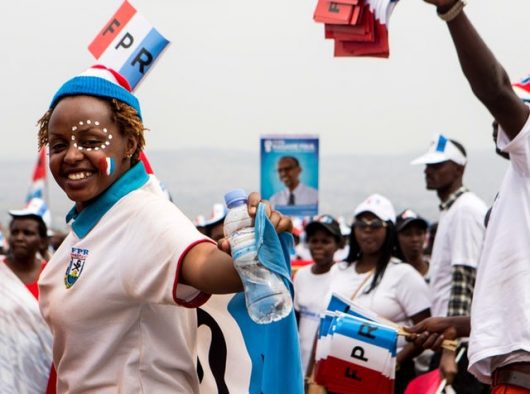
The Rwandan genocide of 1994 sparked the beginning of female empowerment in Rwanda. After this tragedy, much of the population left in this East African country was made up of women. This enabled them to have a voice in the public sector of Rwanda, empowering all Rwandan women to take a stand for their nation.

Four Examples of Female Empowerment in Rwanda

  1. President Paul Kagame led the call for female empowerment in Rwanda. President Kagame realized that women would need to play a large role in Rwanda’s restoration. A new constitution was passed in 2003 which stated that 30 percent of parliamentary seats would be reserved for women. Girls’ education was also very much encouraged as well as women being appointed to leadership roles.The president’s policies were welcomed by all Rwandans and quotas were met and surpassed extraordinarily. In the country’s 2003 election, 48 percent of parliamentary seats went to women; in the next election, 64 percent of seats went to women.
  2. Rwanda leads the world by having the most women in its national legislature. On this same scale, the U.S. ranks ninety-sixth with only 19 percent of its governmental seats held by women.
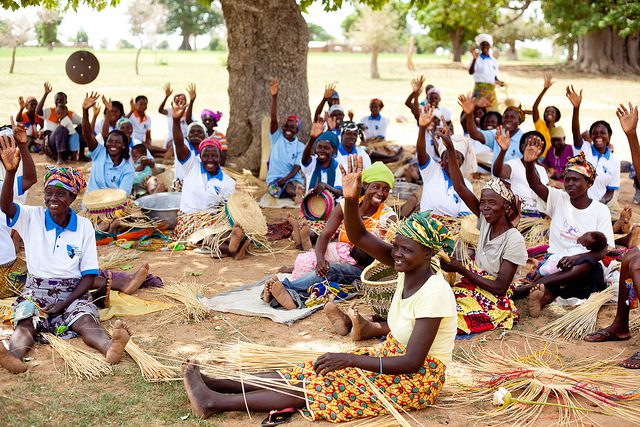
  3. Abishyizehamwe, in collaboration with the ActionAid Fund Leadership Opportunities for Women (FLOW), is a women’s smallholder farmers’ group formed in 2013 in order to mobilize women to learn and adopt sustainable agriculture practices. The organization opened an early childhood care center to provide women with the opportunity to spend less time caring for children and more time generating income for their families. FLOW and Abishyizehamwe have allowed Rwandan women to help support their families financially instead of just being an unpaid caretaker.
  4. Since 1997, Women for Women International has helped more than 76,000 Rwandan women become economically autonomous. The organization’s one-year program has allowed women to strengthen themselves as well as their country by gaining economic and social self-sufficieny. Through this program, women are able to succeed in anything from yogurt-making to brick-making to hospitality management. Women for Women International has allowed Rwandan women to go from being poverty-stricken to having voices in their country and making a real difference in rebuilding Rwanda.

Female empowerment in Rwanda has come a long way since the genocide in 1994, but it still has a long way to go. Women are now very prominent in the public sector, but it is important that they also gain autonomy in their private lives. Nations around the world should look to Rwanda as a prime example of how much women can accomplish when they are given the chance.

– Megan Maxwell
Photo: Google

August 2, 2018
https://borgenproject.org/wp-content/uploads/borgen-project-logo.svg 0 0 Borgen Project https://borgenproject.org/wp-content/uploads/borgen-project-logo.svg Borgen Project2018-08-02 01:30:212019-09-08 21:02:07Four Significant Examples of Female Empowerment in Rwanda
Education, Global Poverty, Women's Empowerment

Empowering Women Through Education and Entrepreneurship Reduces Poverty

Empowering Women Through Education and Entrepreneurship
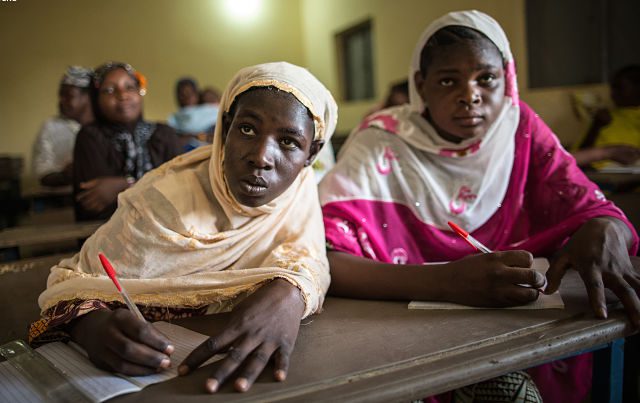
A majority of the world’s poor are women, and gender inequality pervasive in countries around the world is a key reason for this occurrence. Women face barriers to obtaining education and entering the economy that men do not — globally, 33 million fewer girls than boys are enrolled in primary education, and women constitute 61 percent of the illiterate population between the ages of 15 and 24.

Education and Entrepreneurship

Empowering women through education and entrepreneurship reduces poverty by increasing their employability and enabling them to provide for their families and contribute to the economic development of their communities.

Without education, girls are more likely to be trafficked or become child brides; it is also more likely that women and their families will live in poverty. Education is crucial to the reduction of poverty, as it enables women to acquire jobs, help provide for their families and contribute to their local economy.

Women’s incomes rise between 10-20 percent per year of education they receive. This rise in income can be the factor that raises families out of poverty, as women reinvest 90 percent of their incomes into their families (50-60 percent more than men do). This can improve a family’s economic status and increases its food security.

Empowerment in the Workplace

However, many women and girls do not receive the education they need to acquire good jobs. Even women who can obtain an education are not guaranteed work in some developing countries where social norms relegate women to the domestic sphere. In fact, these options can often consign women to duties of housework and childcare and discourage them from entering the workforce.

By empowering women through education and entrepreneurship, women can break down these social norms that restrict not only their own success, but also the prosperity of their communities.

Women who are able to work still face substantial inequality. They often have lower incomes than men in the same positions, and more than one billion women cannot access basic financial services. For example, women farmers in many developing countries are restricted from owning land, accessing credit and acquiring productive resources.

Women also do not receive the same support from national and international development organizations as men do, though they on average produce higher values of output than men. Empowering women through education and entrepreneurship can reduce poverty by allowing women to be productive workers and contribute to the economy.

Economic Benefits of Female Empowerment

The World Bank and the Food and Agriculture Organization estimate that developing countries’ agricultural output would increase by between 2.5-4 percent if female farmers had equal access to productive agricultural resources and services. If such resources became available, it would reduce the number of hungry people worldwide by 150 million.

In Malawi and Ghana, improving women’s access to resources increased the production of corn by more than 15 percent, and Burkina Faso experienced a production gain of six percent when fertilizer and labor were reallocated on an equal basis.

With the rapidly rising global population, this increase in food production is crucial to people’s survival. In addition, if gender inequality and the financial barriers women face are addressed, $28 trillion could be added to the global annual GDP by 2025.

Addressing & Reducing Global Poverty

To reduce global poverty, the world needs women; but women need the opportunity to obtain an education and be a part of the economy. The Protecting Girls’ Access to Education in Vulnerable Settings Act and the Women’s Entrepreneurship and Economic Empowerment Act both empower women. They both have the ability to reduce poverty by helping women achieve equality and would each cost less than $500,000 over a four-year period.

The Protecting Girls’ Access to Education Act would prioritize efforts to provide girls and women — particularly those in vulnerable settings such as conflict zones and refugee camps — access to safe primary and secondary education. It would focus on reducing discrimination against displaced girls and improving their educational and entrepreneurial opportunities.

The Women’s Entrepreneurship and Economic Empowerment Act would require the United States Agency for International Development (USAID) to conduct a gender-analysis to identify and understand gender gaps so as to better address these in the workplace. Gender-specific measures to empower women would be established in USAID programs, and the agency would expand support for businesses owned and managed by women. The act also emphasizes the importance of eliminating gender-based violence.

Goal of Gender Equality

The United Nations, FAO, World Bank, World Economic Forum and others all recognize the importance of gender equality in the reduction of global poverty. The Protecting Girls’ Access to Education in Vulnerable Settings Act and the Women’s Entrepreneurship and Economic Empowerment Act are two bills the United States government could pass to help solve the issue of gender inequality and poverty.

Empowering women through education and entrepreneurship will reduce poverty levels among current and future generations, and will benefit not only developing countries but the whole world as well. ­

– Laura Turner
Photo: Flickr

July 31, 2018
https://borgenproject.org/wp-content/uploads/borgen-project-logo.svg 0 0 Borgen Project https://borgenproject.org/wp-content/uploads/borgen-project-logo.svg Borgen Project2018-07-31 01:30:072019-09-08 21:05:46Empowering Women Through Education and Entrepreneurship Reduces Poverty
Gender Equality, Women's Empowerment

“Evolvin’ Women” Fights Gender Inequality in Ghana

Evolvin’ Women
The social enterprise, “Evolvin’ Women,” connects hospitality partners in Dubai with women from developing countries who lack access to education and employment. Evolvin’ Women’s international work and internship placements provide women in Ghana with training and experience in the hospitality industry.

These connections would otherwise be non-existent in many women’s lives due to personal, political and cultural circumstances in the developing world. Training opportunities empower women to return to their home countries with higher-paying jobs and better suited to support their family, community and national growth.

Evolvin’ Women

Based in Dubai, Evolvin’ Women empowers women to acquire leadership roles both in business and in their communities, especially in the Ghanan hospitality industry. Year-long internships in Dubai provide training across the different functions of hotel operations, via both face-to-face and e-learning methods.

Interns in Dubai receive hundreds of mentorship hours and complete online certified training programs. According to Assia Riccio, founder of Evolvin’ Women, entry level hospitality work in Ghana pays around $400 a month.

Life at Home Post-Dubai

After completing the Dubai program, women can return home with double the pay grade. After 14 months with Evolvin’ Women, entry level workers can return with the skills of a supervisor, which is often a position filled only by men. In addition to a pay increase for those completing the program, the hotels receive a “social impact” report, which illustrates how women are better equipped to support their families and other women in their own communities. By empowering women economically and getting more women “at the table,” the plight of positive social and political change becomes feasible.

Evolvin’ Women measures its impact in how it fulfills the United Nations Sustainable Development Goals (SDGs). The organization focuses on “Quality Education,” “Gender Equality” and “Decent Work and Economic Growth,” and as Professor Jeffery of MiddleSex University in Dubai and mentor to the women says, “Economic growth through the advancement of women will not be possible unless we provide women with opportunities and also empower them to take up those opportunities.”

By educating and promoting the working capacity of women in developing countries, Evolvin’ Women increases gender equality. In places like Ghana, women make up more than half of the population but their role in all walks of society is second to men.

Creating Gender Equality

Out of 110 million out of school children in developing nations, 60 percent are girls. Families often choose to educate their first boy due to financial reasons, which oftentimes leaves girls of the family with little social opportunity. Programs like Evolvin’ Women help break this cycle by providing tools these women desperately need to become influential and mobile in their communities.

Evolvin’ Women is part of Dubai’s Corporate Social Responsibility Program. It receives support from its Dubai Startup Hub that provides entrepreneurial assistance, the Dubai Chamber of Commerce and Industry, and the Market Access program that facilitates corporate connections with the hotel group Sofitel, who hosts Evolvin’ Women at The Retreat Palm Dubai. Evolvin’ Women is also a member of Dubai Business Women Council and Consult And Coach For A Cause.

Going Above and Beyond

All these programs demonstrate how countries like The United Arab Emirates can go above and beyond traditional aid. In providing entrepreneurial opportunities in Dubai, organizations like Evolvin’ Women have the chance to reach developing countries in new and meaningful ways. Founder Riccio sees there is a clear need to help developing countries beyond aid packages.

Aid can be a temporary fix that changes millions of lives, but funds cannot be expected to forever flow from outside resources. Organizations like Evolvin’ Women and Dubai-based entrepreneurship programs take the initiative to empower women in developing countries above and beyond the expectations of aid, setting a precedent for social change through entrepreneurship.

– Joseph Ventura
Photo: Flickr

July 25, 2018
https://borgenproject.org/wp-content/uploads/borgen-project-logo.svg 0 0 Borgen Project https://borgenproject.org/wp-content/uploads/borgen-project-logo.svg Borgen Project2018-07-25 01:30:302019-09-12 10:45:32“Evolvin’ Women” Fights Gender Inequality in Ghana
Gender Equality, Women & Children, Women's Empowerment

Turning Tides for Single Mothers in Japan

Single Mothers in Japan
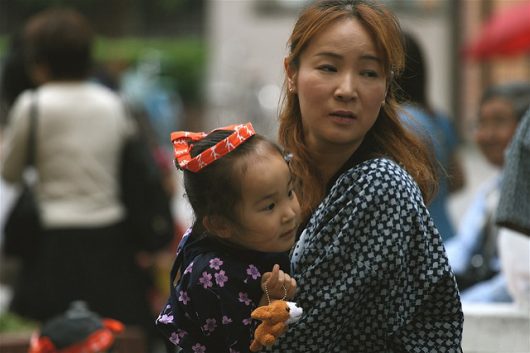
Despite the stigma against single parents, single mothers in Japan are moving forward with the help of the Tokyo-based organization Single Mother by Choice and the new government-provided Child-Rearing Allowance.

Single Mothers in Japan

Since World War II, Japan has grown to be one of the wealthiest countries in the world. It boasts modern buildings, clean streets and is home to some of the richest people on earth. Yet, Japan’s poverty rate has consistently risen for the past 30 years, reaching 16.3 percent in 2017. However, the country still appears to be healthy and thriving. This dissonance between facts and appearances is due to the stigma surrounding poverty in Japan. Rather than admit to being poor, many people in Japan mask their financial needs hoping not to draw attention to themselves.

This problem is even worse for single mothers in Japan, who not only face greater cultural shame more consistently, but also have a harder time providing enough for their families. A whopping 56 percent of single-parent homes in which the parent is working live in poverty. As women have children, they often can no longer work the long, rigorous hours expected of Japanese employees. This time restriction then forces them to assume lower paid jobs with worse benefits — working women in Japan make 30 percent less on average than men doing the same job.

Cultural and Societal Norms

Japanese culture also dismisses female higher education, men often feeling “uncomfortable” to share the classroom with women; girls are pushed into two-year vocational schools instead. This setup is also seen as a benefit to women as they will then, allegedly, have more time to find a husband and start rearing children in the societally accepted timeframe. Such a collective attitude makes it more difficult for women to access education to higher paying jobs, and dismisses women who might pursue relationships and children outside of marriage.

The organization Single Mother by Choice was founded in Tokyo in 2014 to empower women and fight the taboo surrounding being a single mother in Japan. The group provides a community for women who desire to lead lives outside of Japan’s norms, and supplies information on prenatal care.

Single Mother By Choice

The organization focuses specifically on women who have chosen before becoming pregnant to have a child and raise them on their own. This decision can be especially difficult as the only legal use in Japan for sperm banks are for married couples, so many women become pregnant with a partner they do not intend to marry. Members of the group desire to end the myth that children of single parents cannot be happy and that women must be lifelong wives to be mothers.

The Japanese government has also begun to implement changes to help the growing numbers of single parents. Incentive programs have been put in place to bring single-parent families into smaller towns in the country, which helps grow local communities and provides the parent with a job, car and covers moving cost.

Moreover, many cities have implemented child-rearing allowances for single parents. This welfare system supplies families in need with residual income so that they will be able to effectively care for their children. As social stigmas begins to change, single mothers in Japan will continue to fight to live in a country that respects all tracks to motherhood — married or not.

– Sarah Dean
Photo: Flickr

July 19, 2018
https://borgenproject.org/wp-content/uploads/borgen-project-logo.svg 0 0 Borgen Project https://borgenproject.org/wp-content/uploads/borgen-project-logo.svg Borgen Project2018-07-19 01:30:542024-06-06 00:08:01Turning Tides for Single Mothers in Japan
Global Poverty, War and Violence, Women's Empowerment

Golden Women Vision Gives Hope to Northern Uganda

golden women visionFor more than 30 years, the Lord’s Resistance Army (LRA), led by Joseph Kony, terrorized the northern region of Uganda and murdering its people. It is estimated that the LRA has abducted more than 67,000 adolescents to use as child soldiers, sex slaves and porters. Organizations like Golden Women Vision are giving hope back to the citizens of Uganda.
The Destruction Left Behind

Golden Women Vision works to improve the social-economic status of the people left vulnerable from the insurgency. Even after the conflict ended, the terror continued for many victims. Women were left battered and lost, some without limbs or living with bullet wounds. Widows were left without husbands and single mothers had their children taken by the LRA. These women were at a disadvantage for even basic survival.

“The real victims are the many who are in dire need of even finding what they need to eat on a daily basis,” said Joyce Freda Apio, a Kampala-based transitional justice expert, regarding how the insurgency left many without a source of income and stability.

Giving Women Hope

Sylvia Acan was one of those women severely affected by the insurgency. She lost her family to the conflict and was sexually assaulted at the age of 17. Acan had to marry her attacker when she learned she was pregnant. In an effort to learn to provide for herself, Acan signed up with a nongovernmental organization called Caritas. Caritas trained women affected by the conflict in catering services to help them recover and reintegrate with society.

By 2008, Acan learned how to bake, gained business skills and realized the importance of financial savings. She also realized her skills could positively impact the lives of women around her. The traditionally patriarchal society of northern Uganda limited the potential of women. Many females affected by the insurgency were stuck in the cycle of poverty and hopelessness.

Golden Women Vision

Sylvia Acan is the founder and director of Global Women Vision. She started the organization to change the futures of these women. The community-based organization trains women and girls with income-generating skills like baking, making soap or creating paper beads. With 84 members since its beginnings in 2011, the Golden Women Vision helps victims regain a sense of control and sufficiency. She states that she will “spend the rest of her life on this earth” creating activities and possibilities for the survivors of that brutal time.

Golden Women Vision works to provide women the skills and knowledge necessary for self-sustenance. By teaching women how to create financial independence and security through their own means, they can be more successful throughout life. By forging a positive future and peace within the community, the organization not only teaches the women how to financially survive but also builds bonds with each other.

“There is no one helping us so we are helping ourselves,” Acan said. “The world should see what women are capable of doing.”

– Jenny S Park

July 16, 2018
https://borgenproject.org/wp-content/uploads/borgen-project-logo.svg 0 0 Borgen Project https://borgenproject.org/wp-content/uploads/borgen-project-logo.svg Borgen Project2018-07-16 07:30:432020-03-13 15:43:12Golden Women Vision Gives Hope to Northern Uganda
Children, Women's Empowerment

How Cuddle+Kind Feeds Children in Need & Empowers Women

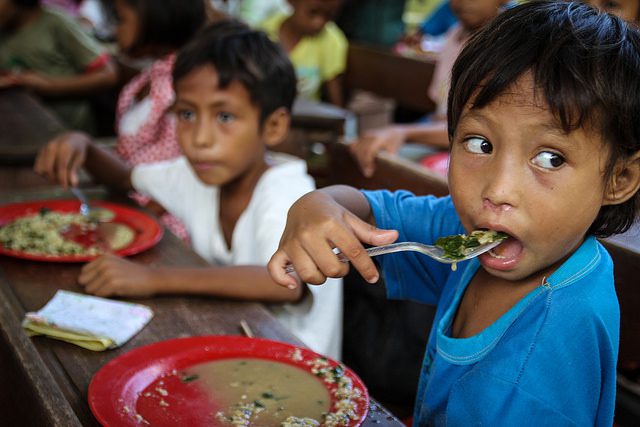
Cuddle+Kind Feeds ChildrenA fast-growing social business, Cuddle+Kind feeds children in need by donating ten meals for every handknit doll sold and empowers female Peruvian artisans through fair-trade jobs.


A Global Need for Food

One in seven people worldwide are hungry, and one in nine do not have enough food to lead a healthy, active lifestyle. A reduced diet causes 45 percent of deaths in children under five, which adds up to 3.1 million children every year.

Cuddle+Kind, founded by Derek and Jennifer Woodgate, was created with the aim of reducing these numbers and feeding hungry children around the world. The couple was inspired by their three young children and how heartbroken they would be if they could not feed and provide for them. The Woodgates have a background in health, so they understood the important role that nutrition plays in a child’s life.

The couple spent a year establishing partnerships with artisans in Peru and designing the dolls. Dolls in all different types of animals are available, including dogs, foxes, cats and bunnies. Each comes with a unique name and personality. Cuddle+Kind officially launched in September 2015 on the crowdfunding website Indiegogo.com. In just seven weeks, the company sold enough dolls to donate 163,543 meals.

How Cuddle+Kind Feeds Children

Since its beginning, Cuddle+Kind has moved to its own website but maintains the same mission of providing ten meals for every doll sold. The company aims to provide one million meals to children in need every year. The meals are provided through several partnerships with nonprofits, including the World Food Program, the Children’s Hunger Fund, the Breakfast Club of Canada and several orphanages in Haiti. Through these organizations, Cuddle+Kind feeds children around the world and has donated more than 4,452,292 meals since 2015.

Proper nutrition leads to an increase in school attendance and improved educational performance. Girls have higher school attendance when food is not an issue. Additionally, a child’s psychosocial and emotional development has been linked to proper diet and eating habits. Children who are not fed regularly do not develop the same bonds with a caregiver that is typically established. When a family or community shares a meal there is a social component that a child is exposed to and learns from. As Cuddle+Kind feeds children, it provides them the ability to reach higher academically and grow to be stronger, more capable people.

Empowering Women in Peru

In addition to improving the lives of children, Cuddle+Kind empowers women in Peru by providing them sustainable, fair-trade income for creating the dolls they sell. The business has created over 500 jobs for Peruvian artisans, which is needed in a country where only 39.6 percent of women work in wage or salaried positions as compared to 50.1 percent of men.

Being a socially-minded organization, Cuddle+Kind feeds children with the motive of continually improving the world. As a business that works for the good of children in need and emboldens creative women, Cuddle+Kind is blazing a path of kindness and generosity that will have unending benefits for those they reach.

– Sarah Dean
Photo: Flickr

July 8, 2018
https://borgenproject.org/wp-content/uploads/borgen-project-logo.svg 0 0 Borgen Project https://borgenproject.org/wp-content/uploads/borgen-project-logo.svg Borgen Project2018-07-08 07:30:252024-12-13 17:58:51How Cuddle+Kind Feeds Children in Need & Empowers Women
Development, Women's Empowerment

Main Reasons Why Development in Saudi Arabia Matters

development in Saudi Arabia
Saudi Arabia is steadily growing to be a formidable player in the 21st century on the world stage, especially with its massive oil industry, staunch relationship with the United States, and the crucial role it plays in middle eastern geopolitics and international affairs. Yet, at the same time, development in Saudi Arabia has been hindered over the decades due to its conservatism and hidebound ideals.

Saudi Arabia On the Global Stage

Although statistics and figures on the country’s poverty rate remain elusive, it is predicted that a quarter of the population may live under the threat of poverty, which is considered to be about $17 a day, or $530 a month. Income disparities also continue to be on the rise and the unemployment rate currently stands at about 12.7 percent.

Moreover, even though government-run welfare programs and spending systems like Zakat have helped aid development in Saudi Arabia in the past, the country still prioritizes the strength of its oil industry and its own self-image above all else.

Fortunately, Saudi Arabia now experiences a new wave of revolutionary change via the new crown-prince Salman’s reign. The prince’s new policies usher in a new period gradually shifting away from the traditional pivotal ideologies of Wahhabism, pan Arabism and conservatism that Saudi Arabia once stood for. The Saudi economy has great potential and capacity due to the country’s relatively young, and working-age population.

Vision 2030

In its new era of social and economic changes, the Kingdom hopes to achieve its Vision 2030 reform plan and focus on promoting greater social and political stability, sustainability and transparency. Vision 2030 also concentrates on important factors like improving standard of living and education reform so as to make future workers more skilled and competitive for the labor market.

Moreover, Prince Salman’s policies will hopefully lead to greater social progress and development in Saudi Arabia, owing to its focus on anti-corruption measures, gender equality and the empowerment of women.

Anti-Corruption and Empowerment Efforts

There has been a widespread crackdown on problems like the income gap and corruption as the country’s new anti-graft campaign to ‘clean up the economy’ goes into full swing. The anti-corruption campaigns have already yielded more than an estimated $106 billion in financial settlements from many corporates, executives, businesses, and high profile figures from both the government and the royal family.

Furthermore, with the country’s focus on socially and economically empowering women, notable social transformations will take place in Saudi society as women are given more places in the workforce and granted permits and licenses for investment and commercial activities. Consequently, the National Transformation Program 2020 also aims to boost employment opportunities among women and the youth population.

Saudi Arabia’s Continued Progress

The ban on female drivers is steadily being lifted and women will also be given more places in the municipalities in the future. In 2017, Saudi Arabia was given a place at the U.N. Women’s Rights Commission for a four- year term.

Due to recently falling oil prices, it is vital for the country to reduce its over-reliance and dependence on the oil industry. Development in Saudi Arabia can be stimulated by future growth in the country’s non-oil sectors and further economic and industrial diversification.

Fortunately, the country’s competitiveness is improving as is its growing independence and decline in the level of imports. The government also hopes to further open up the economy and interact with global markets.

Although social and economic changes in Saudi society will take time to materialize, the liberalization of the country is imperative for building a foundation for long-term sustainable growth in a fast-paced and dynamically changing world.

– Shivani Ekkanath

Photo: Flickr

July 4, 2018
https://borgenproject.org/wp-content/uploads/borgen-project-logo.svg 0 0 Borgen Project https://borgenproject.org/wp-content/uploads/borgen-project-logo.svg Borgen Project2018-07-04 01:30:452024-05-29 22:42:58Main Reasons Why Development in Saudi Arabia Matters
Women's Empowerment

Tale of Empowerment: Ghanaian Women in the Workforce

Ghana
In early Ghanaian society women were seen only as child-bearers subservient to male dominance. In fact, a famous Ghanaian proverb states, “A house without a woman is like a barn without cows.” Women in Ghana have faced strict societal gender norms and fought to make great strides towards overcoming them, specifically in the workforce.

Ghanaian Women in the Workforce

Ghanaian women in the workforce are greatly involved, and heavily impact Ghana’s economy. These improvements for Ghanaian women have come in the last decade, and one company, “Divine Chocolate,” has been a huge contributor for this change.

Divine Chocolate has changed the lives of many farmers, and has specifically improved conditions for Ghanaian women in the workforce. The organization started a Women’s Cocoa Farming Training program that not only teaches women reading, writing and arithmetic, but it also teaches small business skills and specific trades: soap making, batik, and vegetable gardening, to name a few. This knowledge can add to Ghanian women’s income and help provide for themselves and their families.

Efforts such as these have not only taught women valuable skills and given them new work opportunities, but it has also greatly empowered Ghana women. In addition to the valuable skills taught by “Divine Chocolate,” another company fighting for Ghana women is called “Global Mamas.”

Global Involvement

Global Mamas helps a village in southern Ghana with their textile industry and connects them with a larger global marketplace to sell their goods. The women are also provided with training for their future work and given a new opportunity in the textile industry.

Ghanaian women in the workforce have persevered in the face of adversity, especially against societal views against them. Women face many more challenges entering into work than their male counterparts do, but this has not stopped them. Global Entrepreneurship Monitor even revealed in a study that Ghana women are more often entrepreneurial than the men in their country.   

Female participation in the workforce in Ghana is at an all-time high of 96.1 percent. Ghanaian women are not only involved in the workforce, but they are also leading it. According to the Mastercard Index of Women’s Entrepreneurship, women in Ghana make up 46.4 percent of all business owners in the country.

Over the past decade, women in Ghana have made great strides working and boosting their economy. Females are powerful, as seen in the entrepreneurial attitude and success of Ghana’s women. These strides in the workforce create new opportunities for women throughout the country and will continue to have an impact for the future of Ghanaian women in the workforce.

– Ronni Winter

Photo: Flickr

July 4, 2018
https://borgenproject.org/wp-content/uploads/borgen-project-logo.svg 0 0 Borgen Project https://borgenproject.org/wp-content/uploads/borgen-project-logo.svg Borgen Project2018-07-04 01:30:412024-05-29 22:42:58Tale of Empowerment: Ghanaian Women in the Workforce
Developing Countries, Gender Equality, Women's Empowerment, Women's Rights

Developing Nations Need Women’s Empowerment

Developing nations need women’s empowerment
A simple truth has been denied across the globe for centuries — the importance of equality and most specifically, women’s empowerment. Developing nations need women’s empowerment because half measures of equality can’t guarantee complete progress.

Global Gender Inequality

Women make up half of the entire world population yet they also, sadly, represent 70 percent of the world’s poor. The world we live in, a world where women living in poverty face inequalities and injustices from birth until they die, has been built on unequal principals — a slow killing sequence of discrimination that any woman might suffer during her lifetime.

Women earn only 10 percent of the world’s income and half of what men regularly earn. This inequality is one of the main reasons women in developing nations live in poverty. In developing countries, women die each year as a result of gender-based violence. Gender discrimination creates blockades for women both physically and mentally, as they begin to believe they are worth less and thus cease believing they have a purpose in society other than to do what is told to them.

Women’s Empowerment in Developing Nations

Developing nations need women’s empowerment, especially for girls living in poverty, as it’s those closest to them who often work against their interests and create dysfunctional and harmful environments.

Can the world change? Yes, plain and simple. But only once women are no longer discriminated against for being the pillars of strength and growth that they are. The World Bank believes “putting resources into poor women’s hands while promoting gender equality in the household and in society results in large development payoffs.” It’s fundamental to nurture young girls and women in self-confidence; empower them — especially those living in poverty; to make informed choices about their lives; and to understand their importance in their communities.

The empowerment of women and the improvement of their political, social, economic and health statuses is a highly important endeavor. In fact, it’s essential for sustainable development. In reproductive standards, both men and women are responsible for half of the creation of life, so it stands to reason that equality among all is essential to the continued growth and cultivation of life as a whole.

In most of the world, women receive less formal education than men, and women’s knowledge and abilities often go unrecognized. Relations that impede women’s attainment of healthy, fulfilled lives operate in multiple levels of society, from personal to highly public. True change requires policy and program actions that improve women’s access to secure livelihoods. Developing nations need women’s empowerment in order to overcome any “legal” impediments to their public life and raise social awareness through effective education and mass communication programs.

Bringing Equality

Here are key ways that countries, developed or undeveloped, help bring women’s empowerment:

  • Establishing mechanisms for women’s equal participation and equitable representation at all levels of the political process, society and community public life; enabling women to articulate their concerns and needs
  • Promoting the fulfillment of women’s potential through education, skill development and employment; giving paramount importance to the elimination of poverty, illiteracy and ill health among women
  • Eliminating all practices that discriminate against women; assisting women to establish and realize their rights, including those that relate to reproductive and sexual health
  • Adopting appropriate measures to improve women’s ability to earn income beyond traditional occupations, achieve economic self-reliance, and ensure women’s equal access to the labor market and social security systems
  • Eliminating violence against women
  • Eliminating discriminatory practices by employers against women, such as those based on proof of contraceptive use or pregnancy status
  • Making it possible, through laws, regulations and other appropriate measures, for women to combine the roles of child-bearing, breastfeeding and child-rearing with participation in the workforce.

Partnerships for Change

Currently, the World Bank Group (WBG) aims to take action working alongside governments, companies and other partners to close remaining gaps in education and maternal health. Efforts are being put in place to enhance women’s economic opportunities by: helping to create better jobs, ensure ownership and control of assets like land and housing, gain access to finance, technology and insurance services, and increase all capacity and opportunity to act independently at home, in the community and in the various levels of governments.

The world needs women, and in more ways than numerous societies have allowed. Developing nations have always needed women’s empowerment for true growth and prosperity, but now it’s needed more than ever.

– Gustavo Lomas
Photo: Flickr

July 4, 2018
https://borgenproject.org/wp-content/uploads/borgen-project-logo.svg 0 0 Borgen Project https://borgenproject.org/wp-content/uploads/borgen-project-logo.svg Borgen Project2018-07-04 01:30:132019-09-26 16:36:00Developing Nations Need Women’s Empowerment
Gender Equality, Women's Empowerment, Women's Rights

Women’s Rights in the Philippines: A March for Equality

Women’s Rights in the Philippines
Women in the Philippines took to the streets on June 11, 2018, to protest the sexist remarks made by Filipino President Rodrigo Duterte in reaction to recent scandals. Women in the march for equality claim that it is time they are treated equally especially by their government and its officials. This is part of a larger movement of women’s rights in the Philippines that has been growing over the past few years.

Protest Day

The day of the protest saw unrelenting rain and gloom yet over 1,000 women and men took to the streets to protest Duterte. Some of the protesters’ main grievances against their president were his remarks about encouraging sexual assault between soldiers and female rebels, and his unapologetic joking about violence against women.

The women’s march was largely mobilized by an online movement that became viral in the Philippines through the hashtag, #BabaeAko, which translates to I am a Woman. This online trend was similar to the #MeToo movement and created a space for women to voice their experiences with misogyny.

The Progress of Recent Years

These movements, however, were not a new trend, as many advancements have been made in women’s rights in the Philippines in recent years. In 2015, the Philippines moved up in the Global Gender Gap Index from ninth place to seventh place. Women’s rights in the Philippines also saw a promising progression in the same year through its advanced ranking in the World Economic Forum report measuring gender equality. Out of 145 countries globally, the Philippines has the best ranking for gender equality in the Asia-Pacific region.

The World Economic Forum reported that the recent progression of women’s rights in the Philippines is largely due to higher female economic participation and opportunity. This was seen most influentially through its rising number of female legislators, officials, and managers. The country also saw an increasing rate of female professional and technical workers.

Noteworthy Legislation

These great advancements are largely due to the many initiatives in the Philippine government that attempt to advance women’s rights and eliminate violence against women. One of the major accomplishments is the passage of the Republic Act No. 9262, which is also known as the Anti-Violence Against Women and Children Act. This act was signed into law on March 8, 2004, as part of International Women’s Day.

This law criminalizes violence against women and children, including abuse and assault, within intimate relationships as well as within the family. This act also created the Inter-Agency Council on Violence Against Women and Their Children. This council is made up of 12 departments, each with a different focus to ensure equal treatment of women under the law. Some of these include Social Welfare and Development, Health, Education, Welfare of Children, Justice, and more.

The Philippine Commission on Women, a committee that is part of the Philippine government, currently is engaged in multiple projects. One of their major projects is titled The Gender Responsive Economic Actions for the Transformation of Women Project 2, set to be completed between 2014 and 2020. This development is a sequel to a project of the same name that was enacted between 2006 and 2013. The current initiative focuses on the need for scaling-up women-led micro-businesses, increasing local resources to develop female leaders, and engaging corporations to accelerate the growth of women’s businesses.

The Philippines is taking great strides at both the governmental and civil level. Philippine citizens demand higher standards regarding the treatment of women from their government officials, and also empower themselves and others through an online community. The Philippine government also works to ensure a progression in women’s rights through its many projects, and the successful outcomes of these initiatives are seen as the Philippines rises in world rankings for gender equality.

These trends for women’s rights in the Philippines seem to only increase in quantity and successfulness as the years go on. As women’s rights move to the forefront in many nations across the globe, the Philippines continues to be a strong advocate.

– Theresa Marino
Photo: Flickr

July 1, 2018
https://borgenproject.org/wp-content/uploads/borgen-project-logo.svg 0 0 Borgen Project https://borgenproject.org/wp-content/uploads/borgen-project-logo.svg Borgen Project2018-07-01 15:28:162024-06-05 02:36:43Women’s Rights in the Philippines: A March for Equality
Page 41 of 54«‹3940414243›»

Get Smarter

  • Global Poverty 101
  • Global Poverty… The Good News
  • Global Poverty & U.S. Jobs
  • Global Poverty and National Security
  • Innovative Solutions to Poverty
  • Global Poverty & Aid FAQ’s
Search Search

Take Action

  • Call Congress
  • Email Congress
  • Donate
  • 30 Ways to Help
  • Volunteer Ops
  • Internships
  • Courses & Certificates
  • The Podcast
Borgen Project

“The Borgen Project is an incredible nonprofit organization that is addressing poverty and hunger and working towards ending them.”

-The Huffington Post

Inside The Borgen Project

  • Contact
  • About
  • Financials
  • President
  • Board of Directors
  • Board of Advisors

International Links

  • UK Email Parliament
  • UK Donate
  • Canada Email Parliament

Get Smarter

  • Global Poverty 101
  • Global Poverty… The Good News
  • Global Poverty & U.S. Jobs
  • Global Poverty and National Security
  • Innovative Solutions to Poverty
  • Global Poverty & Aid FAQ’s

Ways to Help

  • Call Congress
  • Email Congress
  • Donate
  • 30 Ways to Help
  • Volunteer Ops
  • Internships
  • Courses & Certificates
  • The Podcast
Scroll to top Scroll to top Scroll to top