• Link to X
  • Link to Facebook
  • Link to Instagram
  • Link to TikTok
  • Link to Youtube
  • About
    • About Us
      • President
      • Board of Directors
      • Board of Advisors
      • Financials
      • Our Methodology
      • Success Tracker
      • Contact
  • Act Now
    • 30 Ways to Help
      • Email Congress
      • Call Congress
      • Volunteer
      • Courses & Certificates
      • Be a Donor
    • Internships
      • In-Office Internships
      • Remote Internships
    • Legislation
      • Politics 101
  • The Blog
  • The Podcast
  • Magazine
  • Donate
  • Click to open the search input field Click to open the search input field Search
  • Menu Menu

Archive for category: Women’s Empowerment

Education, Global Poverty, Women's Empowerment

Vocational Education in Mexico

Vocational Education in MexicoVocational education and training (VET) centers play a critical role in building the skilled workforce in Mexico. These centers help students and workers gain technical knowledge that adapts to the rapidly changing global economy. Beyond improving job opportunities, investments in VET directly contribute to poverty reduction by increasing employability, raising household incomes and creating more equitable access to education.

While challenges remain, efforts from organizations such as the United Nations Educational, Scientific and Cultural Organization (UNESCO), the National Institute for Standardization and Certification of Labor Competencies (CONOCER) and German cooperation through Sparkassenstiftung show how VET centers are reducing barriers, especially for women. These initiatives are also creating new pathways out of poverty.

Skill Gaps in Mexico’s Workforce

Flexibility, adaptability and technical skills are key to Mexico’s vocational training programs. In the past, government-driven policies often limited the scope of workers’ training, restricting them to narrow skills tied to specific industries. This prevented workers from finding higher-paying jobs and slowed the country’s ability to meet global market demands. Today, VET centers address these gaps by equipping workers with diverse, transferable skills.

There is still a gender gap in vocational education enrollment. Social barriers and perceptions that technical training is “not for women” create unequal access to opportunities. Encouraging women’s participation strengthens the labor force, increases household incomes and promotes social equality.

Solutions Driving Change

During the North American Free Trade Agreement (NAFTA) reforms, Mexico’s certification system shifted from rigid government-imposed curricula to training models supported by companies and industries. This change expanded access to certifications and improved job placement opportunities by making training more relevant to labor market needs.

Expanding the Dual Vocational System

German development organizations such as GIZ are collaborating with Mexican schools to expand dual VET programs. These combine classroom instruction with workplace training, giving students both theoretical knowledge and practical experience. Sparkassenstiftung reports that thousands of young Mexicans have already been trained through this system. Benefits include higher employment rates and stronger partnerships between schools and employers.

The Impact of VET Centers in Mexico

  • They prepare the workforce to compete globally.
  • They provide jobs that strengthen economic stability and equality.
  • Partnerships with global organizations help reduce poverty and mobilize Mexico’s economy.

Mexico has more than 2,500 institutions dedicated to higher education, with approximately 20% of lower secondary students enrolled in VET pathways. By expanding access and making training more inclusive, VET centers are becoming a powerful tool in reducing poverty and improving social mobility.

Conclusion

Vocational education and training centers in Mexico are more than just schools. They are engines of economic growth and social progress. By investing in VET, Mexico is not only building a skilled, adaptable and inclusive workforce but also creating a long-term pathway to poverty reduction. Each investment in VET translates into more opportunities for employment, higher wages and a stronger safety net for vulnerable communities.

These programs prepare students for today’s labor market while giving them the resilience to thrive in tomorrow’s global economy, ensuring that progress reaches families across the country.

– Miranda Yacynych

Miranda is based in Pittsburgh, PA, USA and focuses on Business and Technology for The Borgen Project.

Photo: Flickr

October 2, 2025
https://borgenproject.org/wp-content/uploads/borgen-project-logo.svg 0 0 Hemant Gupta https://borgenproject.org/wp-content/uploads/borgen-project-logo.svg Hemant Gupta2025-10-02 07:30:192025-10-01 23:06:30Vocational Education in Mexico
Gender Equality, Global Poverty, Women's Empowerment

How Roshaneh Zafar Built a Feminist Microfinance Empire

Roshaneh ZafarContrary to popular belief, debt can play an important role in building wealth and enabling upward mobility. When non-usurious, it provides access to education or the startup funds needed to launch new businesses. In the United States, the average small business loan is $458,497. However, in many parts of Asia and the developing world, the loan amount can be small and still have a massive impact.

Microloans can range from $50 to about $50,000. They primarily target underfunded groups, such as women and rural communities. There is ongoing debate about the effectiveness of microloans and as with any system, some bad actors attempt to misuse them. Nevertheless, they currently remain one of the more ethical ways to provide capital to underserved communities.

The gender pay gap is entrenched in the world’s economy. Nowhere is this more true than in Pakistan. Pakistan currently ranks last in overall gender parity.

About Roshaneh Zafar 

Roshaneh Zafar is a Wharton-educated social entrepreneur who helped build a microfinance empire in Pakistan. While Zafar may not have humble origins, she strives to empower women across Pakistan through her work. After earning her graduate degree from Wharton, Zafar worked on Wall Street. However, she became disillusioned with the social impact of investment banking.

She transitioned to social development at the World Bank, where her work against poverty began. Eventually, she would come in contact with Muhammad Yunus, the founder of microfinance and a Nobel Peace Prize winner. Following in his footsteps, she would ignore naysayers and go on to start the microfinance empire known as the Kashf Foundation.

The Kashf Foundation

The Kashf Foundation is a Pakistan-based organization that strives to counter gender inequality in one of the most stratified nations in the world. It aims to bring financial tools, such as microfinance and microinsurance, to female entrepreneurs throughout Pakistan. Access to these tools is just the beginning, as proper education and management are crucial to the success of any company. The Kashf Foundation offers “capacity building,” educational programs that build the skills necessary for operating and growing a business.

Initially, the Kashf Foundation mimicked many of the practices of Yunus’ Grameen Bank. However, since its formation in 1996, the foundation has become a microfinance empire in its own right. Different populations require different solutions. Many told Zafar that microfinance would never work in Pakistan. As of August 2024, the Kashf Foundation has a staff of 4,500 people.

It has worked with more than seven million micro-entrepreneurs and provided almost $1 billion in financing. Not only is the Kashf Foundation a microfinance institution, but it also uses media to raise awareness about social issues in Pakistan. Its television series “Udaari,” focusing on child sexual exploitation, was named one of the most popular programs in 2016.

Final Remarks

The Kashf Foundation and Zafar have received numerous awards, including the Mehergarh Award for Leaders of Change and the COVID-19 Action Award. Their impact extends beyond their own employees. Rizwana Bibi, a Kashf client, won the N-Peace Award in 2016 for her community work in female empowerment.

– Patrick Feeney

Patrick is based in Los Angeles, CA, USA and focuses on Business and New Markets for The Borgen Project.

Photo: Flickr
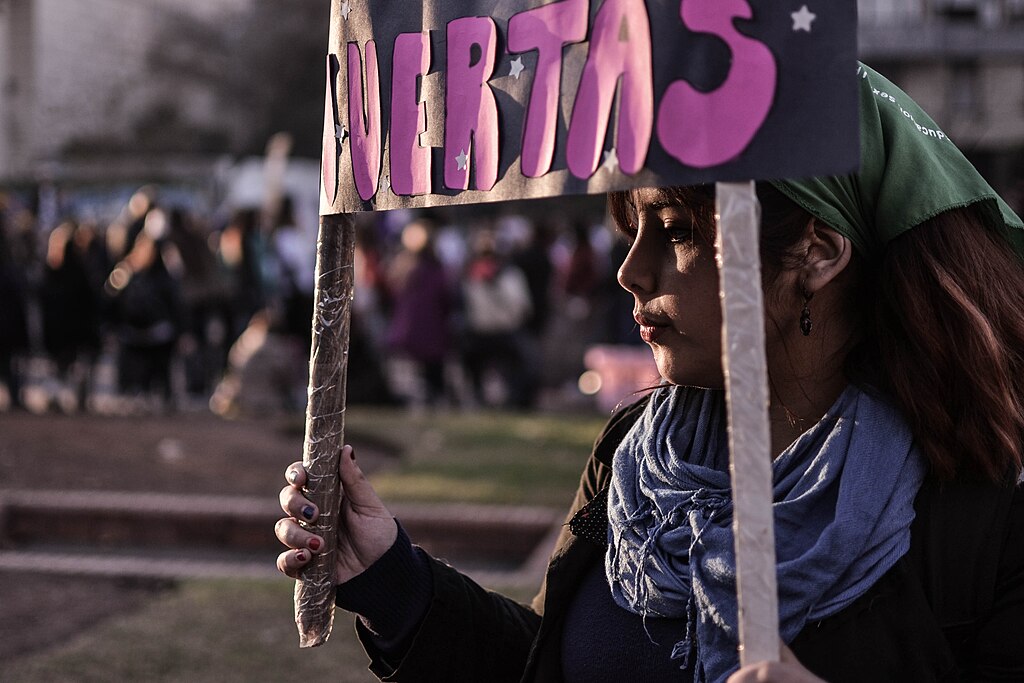
October 2, 2025
https://borgenproject.org/wp-content/uploads/borgen-project-logo.svg 0 0 Hemant Gupta https://borgenproject.org/wp-content/uploads/borgen-project-logo.svg Hemant Gupta2025-10-02 01:30:172025-10-01 22:41:07How Roshaneh Zafar Built a Feminist Microfinance Empire
Education, Global Poverty, Women's Empowerment

Relieving Poverty in Tunisia Through the AMEN Program

Poverty in TunisiaTunisia, a country in northern Africa, supports those experiencing multidimensional poverty through its AMEN social program. Those eligible receive monthly cash transfers and an additional stipend for families with school-aged children to offset the costs of school supplies. AMEN was established in 2019 with the assistance of the World Bank and Tunisia’s Ministry of Social Affairs.

What Does the AMEN Money Go Toward?

AMEN targets poverty in Tunisia through transferring money to its most vulnerable citizens. More than 333,000 households currently receive these cash transfers. Multidimensional poverty levels determine eligibility. In other words, income is not the only factor; access to health services, education and housing is also considered.

Free or subsidized health care is also offered through AMEN. About 620,000 people receive subsidized health care in addition to those receiving free health care. Accessible health care is one of the many ways AMEN goes beyond a “poverty relief” program; it invests in Tunisian’s health and futures to target inequality.

The economy has suffered greatly since the spread of COVID-19 in 2020. Economic growth was at 0% in 2023 and 1.4% in 2024. Unemployment rates reached 16% in 2024, which is quite high. During the pandemic, AMEN provided temporary money transfers to 900,000 households to help families stay afloat.

Empowering Women Through Financial Freedom

Women are often some of the most vulnerable in a population, particularly in low-income areas and those in traditional households who may depend on men to provide financially. AMEN provides opportunities for single women or those whose husbands can no longer work due to illness, death, imprisonment or any other factor.

Mothers no longer have to stress about feeding their children or keeping the household running with AMEN. Women make up more than 50% of households that receive cash transfers. The peace of mind that can only come from financial freedom is invaluable and a necessary step in breaking generational cycles of poverty and inequality.

Sponsoring Children’s Education

Poverty in Tunisia directly affects a child’s ability to attend and excel in school. School supplies can be expensive, an extra cost that families can’t afford. In other circumstances, some low-income families do not prioritize education for their children; instead, they expect them to help earn money for the family instead of attending classes.

AMEN recognizes the importance of education and supports children’s learning through their stipends. One hundred forty-eight thousand children are currently supported by AMEN and encouraged to go to school through the $10 per month stipend.

Moving Forward

AMEN seeks to improve its ability to help those experiencing poverty in Tunisia by revising its systems to determine who is eligible for the program. Ongoing research to strengthen knowledge around social protection is also being done. Continuing to improve AMEN will undoubtedly increase the quality of life for these individuals.

– Sydney Uhl

Sydney is based in Vancouver, WA, USA and focuses on Good News and Technology for The Borgen Project.

Photo: Flickr

September 20, 2025
https://borgenproject.org/wp-content/uploads/borgen-project-logo.svg 0 0 Hemant Gupta https://borgenproject.org/wp-content/uploads/borgen-project-logo.svg Hemant Gupta2025-09-20 03:00:082025-09-20 02:39:33Relieving Poverty in Tunisia Through the AMEN Program
Education, Global Poverty, Women's Empowerment

Free Schooling in Sierra Leone Is Keeping Girls in Class

Free Schooling in Sierra LeoneFree schooling in Sierra Leone began in 2018 and is removing cost barriers so more girls can enroll and stay in school. By abolishing tuition and admission fees in government-approved schools, the Free Quality School Education (FQSE) program makes classrooms more accessible for low-income families.

How Free Schooling in Sierra Leone Works

Launched in August 2018, FQSE covers admission and tuition for primary through senior secondary in government-approved schools. The Ministry of Basic and Senior Secondary Education (MBSSE) implemented FQSE alongside a World Bank–supported Free Education Project that strengthens system management, teaching practices and learning conditions.

To reduce the everyday barriers that keep girls home, the government and its partners are expanding school meals and other support. In 2023, WFP provided meals to 238,000 pupils in five districts and expanded its home-grown school feeding from 28,000 to 53,000 in early 2024.

The Ministry of Finance has also transferred funds to local councils to operate FQSE school bus services, easing family transport costs. Budget documents further note resources for school feeding and hygiene pads for girls to support attendance.

What’s Changing for Girls

Enrollment has surged since FQSE. UNICEF’s 2024 Situation Analysis reports a 58% increase in enrollment across all levels since the program began. By 2022, gross enrollment rates (GER) were high across primary (157%), junior secondary (106%) and senior secondary (86%). Girls’ GER was higher than boys’ at all levels—a sign that policy shifts are bringing girls into classrooms.

Completion and transition rates are improving. UNICEF reports current completion levels of 64% in primary, 44% in junior secondary and 22% in senior secondary—baseline figures that FQSE and allied programs aim to raise.

Keeping girls in school also means putting enough trained adults before each class. The 2023 and 2024 Annual School Censuses counted 90,073 and 91,224 teachers, respectively (78,325 in public schools in 2024), reflecting growth in the workforce. Furthermore, the World Bank-supported reforms are making teacher deployment more evidence-based, guiding where new hires go to reduce overcrowding.

After lifting its ban on visibly pregnant girls attending school, Sierra Leone took a major step toward expanding access to education. It adopted a National Policy on Radical Inclusion in Schools to ensure marginalized learners—pregnant girls, young mothers and children with disabilities—remain in class.

Why This Adds Up

Free schooling in Sierra Leone is removing fees, feeding students, getting them to school and staffing classrooms—the mix that keeps girls learning. Indeed, with enrollment surging and girls’ participation now meeting or exceeding boys’, the next step is turning time in school into strong learning outcomes through continued teacher support and inclusive policies. Ultimately, free schooling in Sierra Leone keeps girls in class today, positioning them for better jobs and incomes tomorrow.

– Riddhi Sharma

Riddhi is based in Richmond, BC, Canada and focuses on Good News for The Borgen Project.

Photo: Flickr

September 19, 2025
https://borgenproject.org/wp-content/uploads/borgen-project-logo.svg 0 0 Hemant Gupta https://borgenproject.org/wp-content/uploads/borgen-project-logo.svg Hemant Gupta2025-09-19 01:30:382025-09-18 11:03:23Free Schooling in Sierra Leone Is Keeping Girls in Class
Global Poverty, Health, Women's Empowerment

Zero Maternal Deaths Goal: Women’s Health in Honduras

Women’s Health in HondurasWomen in Honduras living in poverty often lack the resources to access hospitals, increasing the risk of maternal deaths. In 2023, the country recorded 47 deaths per 100,000 live births due to pregnancy-related causes. According to the World Bank, this reflects major progress since the 2000s, when the maternal mortality rate stood at 199 per 100,000. Still, many women remain without adequate health care and face preventable complications during childbirth, including severe bleeding.

Women’s Health in Honduras

The health of young women and those living in poverty is critical, as it not only shapes their own lives but also affects their families and the wider Honduran community.

In Miskito communities, limited health care resources leave mothers at risk, with preventable deaths during childbirth often caused by prolonged labor and severe bleeding. High transportation costs to hospitals like Puerto Lempira further prevent many impoverished families from accessing essential medical care. Some families lack the funds to send women to hospitals during emergencies, often viewing it as a heavy expense.

Women in Honduras face higher poverty risks than men due to limited job opportunities. As of 2024, only 39.5% of women participate in the labor force, compared to 74.9% of men, a 35.4% gap highlighting barriers women encounter in securing work. This economic inequality makes it harder for women to escape poverty. As a result, their health needs are frequently deprioritized within impoverished households.

The Zero Maternal Health Model

In 2021, skilled physicians and birth professionals attended only 52% of births in Honduras. The new Zero Maternal Health Model seeks to change this, aiming for no mother to die during childbirth. Now the national standard for women’s and obstetric care, the model introduces a practical methodology that has transformed how hospitals manage obstetric emergencies.

Instead of simply revising protocols on paper, it has reorganized hospital systems with a “code red” response, enabling faster, coordinated action to save mothers’ lives. The plan was first introduced in Intibucá, where its success led to rapid adoption nationwide. Today, all 28 hospitals in Honduras’ national health system have implemented the Zero Maternal Health Model, significantly improving women’s health outcomes.

As part of the 2022–2026 National Mortality Reduction Plan, the model and its “code red” system have delivered remarkable results, including a historic 27.4% drop in maternal mortality in 2024. The initiative now ensures access to specialized, life-saving care for women in poverty and those in remote areas without the burden of long and costly travel.

Dr. Nuri Bonilla, an obstetrician-gynecologist at Gabriela Alvarado Hospital, highlighted the transformation brought by the new model. “We went from a hospital where each emergency was chaotic to having organized teams, rapid response alarms and protocols that truly save lives,” she said.

This model has been made possible because of the partnership between the Ministry of Health, Pan American Health Organization (PAHO) and the Government of Canada. Thanks to these efforts, thousands of lives can be saved in Honduras and more women now have access to improved health care.

Initiative Strengthening Women’s Health in Honduras

The partnership between PAHO and Global Affairs Canada is accelerating progress in women’s health in Honduras and strengthening maternal care in five other South American countries: Bolivia, Colombia, Ecuador, Guyana and Peru.

The project has expanded health care access for women across these nations and provided critical support for survivors of gender-based violence. It has also advanced the health of women and adolescent girls in vulnerable situations by increasing access to gender-sensitive, rights-based and culturally appropriate services.

Across the six countries, the project has trained 64,000 health care workers in maternal care, neonatal care, adolescent pregnancy prevention and response to gender-based violence. This project has been in effect from 2021 to 2024. It has helped fight the persistent inequalities affecting the health of women and adolescents, not only in Honduras but also in other neighboring South American countries.

World Renew Grants

World Renew is an organization that addresses global hunger and poverty through community development and disaster response programs. Reports indicate that in Honduras, a woman is killed every 16 hours. Between 2005 and 2016, the female homicide rate increased by 263%, highlighting the country’s severe gender-based violence crisis.

World Renew has given a grant to women in Honduras to help them improve their skills and provide small business management. This is significant as it has helped women in Honduras grow food in their gardens. Schemes like this have resulted in healthier diets and a financial income from selling produce that will help them escape poverty. Not only has this grant improved their health, but it has also given them an income source.

– Alice Haston

Alice is based in Liverpool, UKm and focuses on Good News and Global Health for The Borgen Project.

Photo: Wikimedia Commons

September 17, 2025
https://borgenproject.org/wp-content/uploads/borgen-project-logo.svg 0 0 Hemant Gupta https://borgenproject.org/wp-content/uploads/borgen-project-logo.svg Hemant Gupta2025-09-17 07:30:502025-09-17 04:11:37Zero Maternal Deaths Goal: Women’s Health in Honduras
Global Poverty, Women's Empowerment

Reducing Poverty in Bangladesh via Women’s Empowerment

Reducing Poverty in BangladeshSince attaining its independence in 1971, Bangladesh has made significant strides in its policies and laws that have improved conditions for women in the nation. These changes can be attributed to the women’s movement in the country, which has helped strengthen women’s rights and empowerment across varied spheres. Though the nature of progress made by women is uneven and some inequalities remain persistent, significant changes have been observed.</span></p><h2>Reducing Poverty in Bangladesh

According to the 2025 National Multidimensional Poverty Index (NMPI) for Bangladesh, the country has made significant progress in reducing poverty. For instance, the poverty headcount ratio based on the upper poverty line fell from 31.5% to 18.7% between 2010 and 2022. Additionally, the nation has continuously outperformed its Least Developed Country (LDC) companions, achieving most of the Millennium Development Goals (MDGs) related to the health and education of children.

Within this realm, schools at the primary and secondary levels have observed significant improvements in gender parity in the context of school attendance and completion rates. Explaining how the global Multidimensional Poverty Index (MPI) is a measure of acute poverty, the NMPI’s (2025) data for Bangladesh found that “from 2014 to 2019, nearly 19 million people moved out of poverty, with the fastest progress being in Sylhet, the poorest region.” The report also suggested that Multidimensional poverty based on the gender of the household head was not significantly different between male and female-headed households.

Furthermore, other sources have reiterated the recent surge in progress in the country. A news source, Press Xpress, mentioned how the latest Household Income and Expenditure survey (HIES), 2022, showcased a decrease in poverty rates from 40% in 2005 to 18.7% in 2022. The report echoed similar findings to the previously described research, denoting that this decrease in poverty rates can be attributed to “overall improvement in people’s purchasing power, strengthening their ability to access basic items better.”

The article also noted improvements in women’s empowerment in the country. This is reflected in the growing participation of women in political discussions and arenas. It is also seen in visible advances in the health care sector, such as the recent community clinic initiative, which has contributed to a decline in maternal and child poverty rates in Bangladesh.

The Impact of Women’s Empowerment

A 2021 study centred on the impact of women’s empowerment on poverty reduction in the rural areas of Bangladesh added to the discussion. It signified that women and their spouses’ education was important in reducing income and multidimensional poverty in rural households. It gave women decision-making power regarding entering the labor market, reducing their economic dependence and holding down higher-paying jobs to support themselves.

Overall, the study found that women’s participation in income-generating activities and higher levels of education were essential factors in continuously eradicating gendered poverty. These factors also help strengthen the social standing of women in the community.

The SNAD Foundation Bangladesh

As a nation, Bangladesh has strived to achieve this dual purpose through various projects that have been implemented recently. One example is the SNAD Foundation Bangladesh (SNADF), a nonprofit organization based in Dhaka. SNADF is focused on “community welfare” and “prioritizing women and children, offering comprehensive education, training and skill development opportunities to empower them for a brighter future.” The NGO focuses on women’s economic empowerment through programs catered to skill-based workshops, vocational training courses and business development to help vulnerable women create dependable livelihoods.

The organization is focused on creating entrepreneurial and employment opportunities to enable women to be financially autonomous and stand on their own two feet. This mission aligns with SDG 5, which encourages the development of gender equality initiatives. Furthering the cause of women’s empowerment in Bangladesh, SNADF holds “awareness sessions” for families and community leaders. These sessions engage participants in discussions that question the gender status quo and encourage more open-mindedness.

Through regular monitoring, SNADF has empowered many women to start home-based tailoring businesses, gain stable employment and access microloans for growth. By linking program graduates with buyers and financial institutions the organization ensures a sustainable income for women.

The Naari Uddug Kendra Program

Another program is the Naari Uddug Kendra (NUK), a national nonprofit women’s organization established in 1991. The organization is “mandated to promote gender equality, human rights and foster personal and political empowerment of women and girls in Bangladesh.” Recognized as an advocate for gender equality, the NGO has received backing from individuals, governmental bodies and financial institutions.

An immediate goal of the establishment has been to make space for women’s representation in local government agencies, in the workplace and academic institutions.

Challenges Remain

Despite these developments in recent years and the considerable progress made in reducing poverty and gender equality in Bangladesh, much remains to be done. According to data collated by the World Bank, Bangladesh has experienced many setbacks since the interim government took office in 2025. In early 2025, the World Bank estimated that political upheaval would cause an economic slowdown in the nation, similar to 2020, the pandemic year, pushing extreme poverty to 9.3%.

This negatively impacted women, who are already an underrepresented and vulnerable population, facing unemployment rates and rising inactivity rates as high as 18% and 7.7%, respectively. While challenges persist, especially amid political instability and economic slowdown, Bangladesh’s story is one of resilience and hope. Significant advances made through initiatives like that of SNADF and NUK signal visible reductions in poverty rates and the gender gap in the country.

Through these initiatives and continuous governmental involvement, Bangladesh is creating opportunities for women to gain autonomy, education and move out of the cycle of multidimensional poverty that affects them daily. Though progress may be uneven and setbacks inevitable, Bangladesh is charting a path toward a more equitable future where gender equality is a reality.

– Vasudhaa Shakdher

Vasudhaa is based in Vancouver, Canada and focuses on Good News and Politics for The Borgen Project.

Photo: Flickr

September 14, 2025
https://borgenproject.org/wp-content/uploads/borgen-project-logo.svg 0 0 Hemant Gupta https://borgenproject.org/wp-content/uploads/borgen-project-logo.svg Hemant Gupta2025-09-14 03:00:512025-09-14 01:40:07Reducing Poverty in Bangladesh via Women’s Empowerment
Global Poverty, Women's Empowerment

Primark’s Cotton Project in India: What It Means for Women

Primark’s Cotton Project in IndiaPrimark’s cotton project in India has helped women across the country become empowered and support themselves. In addition, the project teaches women effective farming techniques and fights poverty by spreading transferable skills.

Life for Women in India

Life for women in India has recently undergone a monumental change: women’s employment rate has doubled from 22% in 2017-18 to 40.3% in 2023-24, according to the Indian Press Information Bureau (PIB). The scale of this shift is even more striking given that it occurred in just seven years.

Female employment has risen by 96% in rural India and 43% in urban India. This progress can be attributed to multiple factors, one of which is Primark’s cotton project in India. The project is one of the ways equal opportunities are being created for women while also helping combat global poverty.

How the Cotton Project Helps

To understand why Primark’s cotton project in India is so effective, it’s important to look at where Indian women are employed. According to the Institute for Youth in Policy (YIP), more than 50% of India’s GDP comes from the informal sector, which makes up 85% of the country’s workforce. Within this, most women are concentrated in just four sectors:

  • Apparel
  • Textiles
  • Tobacco
  • Food products

According to Data for India, these sectors account for 78% of women in manufacturing. More than half of these women work in two activities: custom tailoring (apparel) and bidi production (tobacco). As of 2024, apparel remains women’s most popular manufacturing sector, employing 42.39% of them.

The Primark Cotton Project in India supports women by partnering with organizations that advocate for female workers, most notably, the Self-Employed Women’s Association (SEWA). Together with Primark, SEWA has helped train 300,000 farmers since the project’s launch in 2013, with support from CottonConnect.

The project is also beneficial because it:

  • Teaches women how to farm more effectively, using less water and fewer chemicals
  • Develops farming skills that can be applied immediately
  • Provides a pathway to improved incomes and lifestyles for women across India

From Primark’s perspective, the project has benefited many and serves as a way to empower women.

The Bigger Picture

According to CottonConnect, the Primark Cotton Project in India has been an even greater success. For example, the project is estimated to have reached 26,000 people in rural India. This reach is especially significant given that 32.5% of rural Indians live in poverty.

Another success has been the cultural shift toward women becoming authoritative figures who are well respected. This shift helps combat poverty by opening up higher-paying roles for women, positively impacting family support and education.

The Future

Going forward, Primark’s Cotton Project in India will remain one of the many ways women in India can feel empowered, support their families and improve their lifestyles. For Primark, this initiative also brings benefits as the company works toward a healthier environment while strengthening communities of Indian women.

The key takeaway is that big brands and recognizable names like Primark can drive change in multiple ways. All it takes is one voice; eventually, more will follow, leading to meaningful improvements for those in need or less fortunate.

– Ibrahim Sule

Ibrahim is based in Manchester, UK and focuses on Good News and Technology for The Borgen Project.

Photo: Wikimedia Commons

September 14, 2025
https://borgenproject.org/wp-content/uploads/borgen-project-logo.svg 0 0 Hemant Gupta https://borgenproject.org/wp-content/uploads/borgen-project-logo.svg Hemant Gupta2025-09-14 01:30:022025-09-14 01:32:16Primark’s Cotton Project in India: What It Means for Women
Global Poverty, Women's Empowerment

Empowering Rural Women in India

Empowering Rural Women in IndiaSelf-Help Groups (SHGs) have been pivotal in empowering urban and rural women in India. India is a country where women often face a variety of injustices, including gender-based discrimination and norms, violence and lack of opportunity, which puts them at an economic disadvantage. Due to these circumstances, many women in the country are unable to lead independent lives and have to depend on family members or spouses for survival. Therefore, Self-Help Groups (SHGs) aim to empower poor women and bring them out of this dependency cycle.

Background

SHGs originally focused on “savings and credit groups,” which have since expanded to include health and nutrition-based initiatives, “improving governance and addressing social issues related to gender- and caste-based discrimination,” according to World Development.

One of the programs that has been especially influential for the upliftment of rural women in India has been the National Rural Livelihood Mission (NRLM), launched in 2013. This program specifically works towards achieving the SDGs, including “no poverty, zero hunger, good health and well-being, providing quality education and promoting gender equality, all closely linked to the welfare of the most disadvantaged segments of society.”

A 2024 study revealed that greater involvement of tribal women in Self-help groups under the NLRM scheme led to positive impact on their political empowerment in the rural parts of the state of Jharkhand. The literature revealed that community engagement by these women led to increased networking across villages, higher levels of cooperation and the promotion of equality based on shared norms and values.

Credit Outreach Program

A more recent example is the Mega SHG credit outreach program in the city of Madurai, where the Indian Bank handed over a sanction worth Rs. 10 billion to more than 3,000 women SHGs in the state of Tamil Nadu.

Similar efforts were laid out under the program in the city of Bhubaneswar, where the outreach event delivered roughly Rs. 5.10 billion in loans to 9,961 SHGs. The event was organized under the pan-India initiative to extend formal credit access to women in Self-Help Groups.

This initiative marked a major milestone for the Indian Bank, which is credited with introducing the SHG-Bank Linkage Program in India, back in 1989, further aligning under the NRLM umbrella, as emphasized by the Department of Financial Services Secretary M. Nagaraju.

Positive Impacts

A World Development article found that SHGs had an overall positive impact on aggregate measures of women empowerment. This implied greater control over their incomes, over decision-making in the context of credit and greater participation within the community in general. Importantly, the article signified that SHG participation positively impacted the intrahousehold inequality between men and women.

Although these are important advancements for women in the Indian subcontinent, the article also cautions against assuming that women’s empowerment occurred in every realm. Despite the ascent, there are areas where SHG participation has yet to make a dent. For instance, women’s participation in asset and production ownership was still weaker. The article accounted for deep-seated gender norms as the reason, citing these societal norms are harder to change.

The Future

These examples of empowering rural women in India are not just words on paper. They signal a new era of transformation—one where women, especially those from rural communities, no longer suffer from centuries-old norms and economic dependence.

Through strategic implementation of these programs, the Indian government is not only investing in but also sowing the seeds for long-term social change. The journey is far from over, and challenges remain. However, the success of SHGs indicates how the combination of grassroots initiatives with policy support can create real change in society. While the road ahead is long, it lays the foundation for a hopeful future rooted in women’s empowerment, where every woman can live a life of dignity and independence.

– Vasudhaa Shakdher

Vasudhaa is based in Vancouver, B.C, Canada and focuses on Good News and Politics for The Borgen Project.

Photo: Flickr

September 9, 2025
https://borgenproject.org/wp-content/uploads/borgen-project-logo.svg 0 0 Naida Jahic https://borgenproject.org/wp-content/uploads/borgen-project-logo.svg Naida Jahic2025-09-09 07:30:222025-09-09 08:36:43Empowering Rural Women in India
Business, Global Poverty, Women's Empowerment

Loans + Health: Asasah’s Microfinance Model for Pakistani Women

Asasah’s Microfinance ModelMore than 115 million women worldwide rely on microfinance loans. At first glance, this may look like an empowering opportunity. However, research shows a darker side: many women from improvised households running these small businesses report health challenges linked to the stress of heavy debt.

This raises an urgent question: how do we ensure that microfinance does not come at the cost of women’s well-being? One answer lies in Asasah’s Microfinance Model.

What is the Problem?

A study involving 442 women across multiple cities and provinces in Pakistan asked open-ended questions to explore the health consequences faced by small business owners. The findings revealed numerous challenges categorized into social, physical, mental and economic issues.

Specific concerns included stress, infectious diseases, inadequate housing and limited access to gas lines and health care facilities. Loans alone are insufficient to secure a thriving business and a healthy life.

Asasah’s Microfinance Model

Asasah is a Pakistan-based social enterprise that supports entrepreneurs through financial services to reduce poverty. Its mission is to boost productivity while driving sustainable poverty alleviation. What truly sets Asasah apart is its exclusive focus on women and its unique blend of financial services and health support.

Grounded in the belief that empowering women is one of the most powerful catalysts for social change, Asasah provides microloans and integrates health services to ensure long-term well-being and productivity. Every client receives mandatory health and credit life insurance, with coverage extending to their spouses.

Beyond insurance, Asasah also conducts health workshops to raise awareness and promote healthier living, ensuring that women remain productive and supported. The impact of Asasah’s approach is measurable.

Between its founding in 2003 and June 2013, the institution successfully disbursed 170,000 microloans, issued 170,000 life insurance policies and provided 35,000 health insurance plans.

Why It Is Important

Building on its findings, the study recommended several ways to address the challenges that arise after loans are provided in the microfinance sector. One key recommendation was to pair financial services with health interventions. These could include health insurance, housing loans and improvements to basic living conditions such as water and gas lines.

In other words, microfinance must be combined with health services to prevent the triple burden of debt, disease and destitution faced by many hard-working women. Only by acting on these recommendations can women sustain their businesses without being trapped in the cycle of poverty.

Thanks to Asasah’s approach and efforts, the institution has gone beyond simply providing tools for survival. Instead, it has asked a deeper question: How can we ensure women continue in their efforts? While the fight against poverty is far from over, Asasah’s microfinance model demonstrates how addressing immediate needs and long-term challenges can create lasting impact.

– Majida Mohamed

Majida is based in Minneapolis, MN, USA and focuses on Good News and Global Health for The Borgen Project.

Photo: Pixabay

August 30, 2025
https://borgenproject.org/wp-content/uploads/borgen-project-logo.svg 0 0 Hemant Gupta https://borgenproject.org/wp-content/uploads/borgen-project-logo.svg Hemant Gupta2025-08-30 03:00:392025-08-29 13:46:46Loans + Health: Asasah’s Microfinance Model for Pakistani Women
Education, Global Poverty, Women's Empowerment

Empowering Rural Girls in India To Complete Their Education

Rural Girls in IndiaIn many rural areas in India, despite making strides in increasing school enrollment over time, many girls still face challenges hindering them from completing secondary school. Adversities such as social norms, financial hardship and safety contribute to the lack of graduation among this demographic.

Approximately 29% of children drop out before completing elementary school. As for secondary education, around 50% of adolescents do not complete secondary education. Nearly half of primary school children fail to achieve sufficient grade-level learning levels. Initiatives and efforts aim to address gender equity and poverty reduction holistically.

Challenges Facing Rural Girls’ Education

Despite progress in enrollment, education in India for many rural girls is harsh. Social expectations often prioritize early marriage and household duties over schooling. Girls are often seen as economic burdens and early marriage (before 18 years old) is seen as a way to secure a stable financial future.

The study “Students and Brides: A Qualitative Analysis of the Relationship Between Girls’ Education and Early Marriage in Ethiopia and India” is crucial for understanding the link between education and early marriage in rural India, particularly in Jharkhand, where early marriage persists despite increasing awareness of education’s benefits.

The study found that while girls often viewed education as a way to gain confidence and life skills, its perceived value was frequently tied to improving their marriage prospects or household management, rather than fostering independence and knowledge. For instance, one participant remarked that an educated girl “will be able to manage her house and family well and chances of conflicts with husband and in-laws will reduce substantially,” highlighting how strongly gender roles shape expectations.

The study also documented how poverty and social pressure continue to push girls out of receiving an education in India. Some girls were withdrawn due to financial constraints, while others were married off to avoid gossip about their character. In contrast, girls who were able to delay marriage, such as the girl who canceled her engagement with the help of Project RISHTA peer educators, often had strong personal motivation and support from parents or teachers.

These specific examples underscore why education alone is not enough; tackling early marriage requires interventions that address social norms, offer economic support and provide continued education pathways even after marriage.

Safety Concerns

In March 2025, the Luena Foundation collaborated with the Women Development Welfare Society (WDWS) to help 46 girls in Choppadandi village, Telangana, stay in school by providing bicycles for transportation. Many of these girls previously walked up to six kilometers to school each day, facing safety risks and long travel times that often led to dropout or early marriage. With a $4,000 investment, the project supplied bicycles and ran awareness campaigns to encourage families to support girls’ education.

The impact was significant because the girls now get to arrive at school on time, feel safer and have more time and energy for studies and sports. Families save money on transportation, which they can use for essentials or future education costs. The project also shifted attitudes as parents became more supportive and some began saving for their daughters’ futures rather than planning early marriages. The initiative improved safety, access to education and community mindsets around girls’ schooling through a simple yet effective solution.

A Brighter Tomorrow

Although education in India has made considerable progress in boosting enrollment, many rural girls continue to face major barriers that prevent them from completing secondary school. Social norms, financial hardship, early marriage and safety concerns limit their educational opportunities. However, there are promising efforts underway. Programs like Project RISHTA provide safe spaces and peer-led education that help delay early marriages and promote healthier adolescent decision-making.

Additionally, initiatives such as the Luena Foundation’s bicycle distribution project in Telangana offer practical solutions with immediate impact. By addressing safety and transportation challenges, this project enabled girls to attend school regularly and on time. Despite the ongoing challenges, these targeted interventions show that change is possible!

– LaRayee Lee

LaRaymee is based in Missouri City, TX, USA and focuses on Global Health for The Borgen Project.

Photo: Wikimedia Commons

August 27, 2025
https://borgenproject.org/wp-content/uploads/borgen-project-logo.svg 0 0 Hemant Gupta https://borgenproject.org/wp-content/uploads/borgen-project-logo.svg Hemant Gupta2025-08-27 01:30:032025-08-22 17:03:19Empowering Rural Girls in India To Complete Their Education
Page 4 of 54«‹23456›»

Get Smarter

  • Global Poverty 101
  • Global Poverty… The Good News
  • Global Poverty & U.S. Jobs
  • Global Poverty and National Security
  • Innovative Solutions to Poverty
  • Global Poverty & Aid FAQ’s
Search Search

Take Action

  • Call Congress
  • Email Congress
  • Donate
  • 30 Ways to Help
  • Volunteer Ops
  • Internships
  • Courses & Certificates
  • The Podcast
Borgen Project

“The Borgen Project is an incredible nonprofit organization that is addressing poverty and hunger and working towards ending them.”

-The Huffington Post

Inside The Borgen Project

  • Contact
  • About
  • Financials
  • President
  • Board of Directors
  • Board of Advisors

International Links

  • UK Email Parliament
  • UK Donate
  • Canada Email Parliament

Get Smarter

  • Global Poverty 101
  • Global Poverty… The Good News
  • Global Poverty & U.S. Jobs
  • Global Poverty and National Security
  • Innovative Solutions to Poverty
  • Global Poverty & Aid FAQ’s

Ways to Help

  • Call Congress
  • Email Congress
  • Donate
  • 30 Ways to Help
  • Volunteer Ops
  • Internships
  • Courses & Certificates
  • The Podcast
Scroll to top Scroll to top Scroll to top