Zero Maternal Deaths Goal: Women’s Health in Honduras
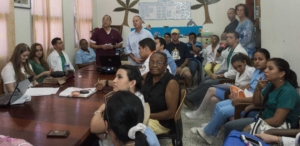 Women in Honduras living in poverty often lack the resources to access hospitals, increasing the risk of maternal deaths. In 2023, the country recorded 47 deaths per 100,000 live births due to pregnancy-related causes. According to the World Bank, this reflects major progress since the 2000s, when the maternal mortality rate stood at 199 per 100,000. Still, many women remain without adequate health care and face preventable complications during childbirth, including severe bleeding.
Women’s Health in Honduras
The health of young women and those living in poverty is critical, as it not only shapes their own lives but also affects their families and the wider Honduran community.
In Miskito communities, limited health care resources leave mothers at risk, with preventable deaths during childbirth often caused by prolonged labor and severe bleeding. High transportation costs to hospitals like Puerto Lempira further prevent many impoverished families from accessing essential medical care. Some families lack the funds to send women to hospitals during emergencies, often viewing it as a heavy expense.
Women in Honduras face higher poverty risks than men due to limited job opportunities. As of 2024, only 39.5% of women participate in the labor force, compared to 74.9% of men, a 35.4% gap highlighting barriers women encounter in securing work. This economic inequality makes it harder for women to escape poverty. As a result, their health needs are frequently deprioritized within impoverished households.
The Zero Maternal Health Model
In 2021, skilled physicians and birth professionals attended only 52% of births in Honduras. The new Zero Maternal Health Model seeks to change this, aiming for no mother to die during childbirth. Now the national standard for women’s and obstetric care, the model introduces a practical methodology that has transformed how hospitals manage obstetric emergencies.
Instead of simply revising protocols on paper, it has reorganized hospital systems with a “code red” response, enabling faster, coordinated action to save mothers’ lives. The plan was first introduced in Intibucá, where its success led to rapid adoption nationwide. Today, all 28 hospitals in Honduras’ national health system have implemented the Zero Maternal Health Model, significantly improving women’s health outcomes.
As part of the 2022–2026 National Mortality Reduction Plan, the model and its “code red” system have delivered remarkable results, including a historic 27.4% drop in maternal mortality in 2024. The initiative now ensures access to specialized, life-saving care for women in poverty and those in remote areas without the burden of long and costly travel.
Dr. Nuri Bonilla, an obstetrician-gynecologist at Gabriela Alvarado Hospital, highlighted the transformation brought by the new model. “We went from a hospital where each emergency was chaotic to having organized teams, rapid response alarms and protocols that truly save lives,” she said.
This model has been made possible because of the partnership between the Ministry of Health, Pan American Health Organization (PAHO) and the Government of Canada. Thanks to these efforts, thousands of lives can be saved in Honduras and more women now have access to improved health care.
Initiative Strengthening Women’s Health in Honduras
The partnership between PAHO and Global Affairs Canada is accelerating progress in women’s health in Honduras and strengthening maternal care in five other South American countries: Bolivia, Colombia, Ecuador, Guyana and Peru.
The project has expanded health care access for women across these nations and provided critical support for survivors of gender-based violence. It has also advanced the health of women and adolescent girls in vulnerable situations by increasing access to gender-sensitive, rights-based and culturally appropriate services.
Across the six countries, the project has trained 64,000 health care workers in maternal care, neonatal care, adolescent pregnancy prevention and response to gender-based violence. This project has been in effect from 2021 to 2024. It has helped fight the persistent inequalities affecting the health of women and adolescents, not only in Honduras but also in other neighboring South American countries.
World Renew Grants
World Renew is an organization that addresses global hunger and poverty through community development and disaster response programs. Reports indicate that in Honduras, a woman is killed every 16 hours. Between 2005 and 2016, the female homicide rate increased by 263%, highlighting the country’s severe gender-based violence crisis.
World Renew has given a grant to women in Honduras to help them improve their skills and provide small business management. This is significant as it has helped women in Honduras grow food in their gardens. Schemes like this have resulted in healthier diets and a financial income from selling produce that will help them escape poverty. Not only has this grant improved their health, but it has also given them an income source.
– Alice Haston
Alice is based in Liverpool, UKm and focuses on Good News and Global Health for The Borgen Project.
Photo: Wikimedia Commons
