How are the USAID cuts impacting Afghan girls and women?
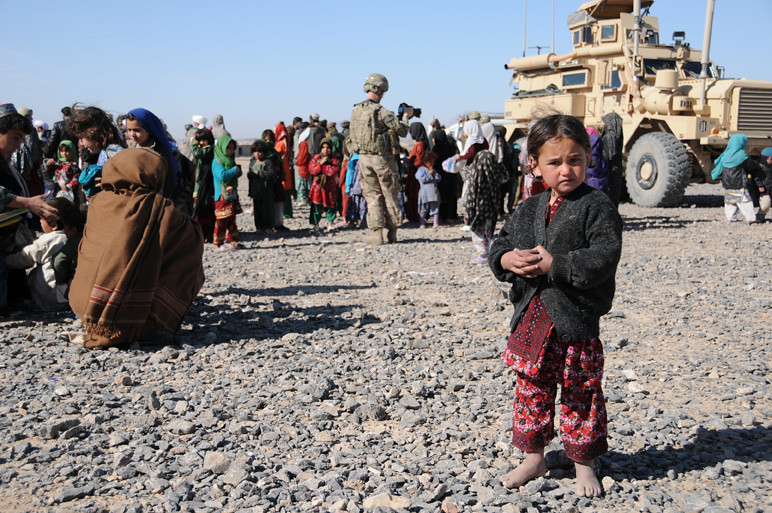 The dissolution of the USAID was a devastating blow to global humanitarian efforts. It hit Afghanistan particularly hard, where the funding supported vital programs, including education and health. It made the consequences even harsher for Afghan girls and women, for whom the suspended funding only exacerbated their vulnerability.
USAID
An independent agency of the government, USAID, was the primary organization which, over the decades, delivered tens of billions of dollars in humanitarian assistance. Between 2014 and 2023, USAID’s top sectors of assistance were Health, at $80.7 billion, and Humanitarian Assistance, at $65.1 billion.
Since its establishment, USAID has helped save millions of lives through diverse programs. This includes war relief in Ukraine, improving maternal and child health, running HIV prevention programs that saved the lives of more than 25 million, and providing support during the humanitarian crisis in Congo.
In March 2025, the Trump administration announced that it would eliminate 83% of USAID programs. Of the 6,200 global programs, close to 5,200 were cancelled, while the remaining would be taken over by the State Department.
Helping Afghanistan
The United States of America, through USAID, has been the largest donor of humanitarian aid to Afghanistan since 2013. According to the United Nations Office for the Coordination of Humanitarian Affairs, in 2024 alone, the U.S. funded more than $700 million in humanitarian aid in Afghanistan, which accounted for 45.6% of the country’s total aid. With the aid Afghanistan received that year, more than 20 million people received assistance and support, with women making up 29%.
In 2025, the U.S. suspended $562 million in remaining aid to Afghanistan. This impacted programs that supported education, healthcare, and famine preparedness. It severely affected women, as the government had already curtailed their freedoms.
Education
Soon after the Taliban took control of the government in Afghanistan, it suspended education for girls and women beyond primary school, making Afghanistan the only country in the world to restrict female secondary and higher education. It banned more than 2 million girls and women from receiving education. According to UNESCO, by 2066, this could result in estimated losses of almost $10 billion, a figure amounting to two-thirds of the country’s present GDP. This could risk driving more people into poverty.
USAID cuts have disrupted funding that attempted to tackle the inaccessibility to education through online and underground programs for Afghan girls and women. The cuts also led to the termination of scholarships of more than 80 girls from Afghanistan who were studying in Oman. Despite a reprieve, their future remained uncertain, filling them with dread.
Health
Following the cuts, out of 900 UNFPA-supported clinics in Afghanistan, it may no longer be possible to support 500 of them.
Every two hours, a woman in Afghanistan dies from pregnancy, childbirth or related complications, most of which are preventable with skilled healthcare. The country has one of the highest maternal mortality rates globally, and the funding would have been used to run these clinics, provide psychosocial support, family health services and mobile care. The cuts will therefore impact 6.9 million women and children in Afghanistan.
Food Insecurity
The funding cuts have also eliminated food aid, affecting famine-prevention programs and leaving millions without support. While the United States resumed global food aid, it did not do so in two countries, including Afghanistan. The women and children there, who already bear the brunt of the hunger crisis, face an added risk of malnutrition, illness and death. While women-headed households are already facing difficulties, two-thirds cannot meet the cost of basic food needs, a statistic 20% higher than that for male-headed households. In response, women have been forced to resort to dangerous strategies to survive, some of which include seeking cash handouts or arranging marriages for their young daughters.
Looking ahead
While USAID cuts have been a devastating blow to women’s socioeconomic conditions in Afghanistan, other initiatives continue to work to support and empower Afghan women and girls.
U.N. Women Afghanistan and the Government of Japan have launched a notable initiative to strengthen women’s leadership and resilience in Afghanistan. It aimed to reach over 25,000 people by directly supporting 3,700 women. The program equips women with resources and opportunities to not only improve their own livelihoods but also to build a sustainable future for their communities. Running for one year, it would increase women’s access to finance and technology.
UNDP also continues to provide a lifeline for 8 million women, with its core funding exhibiting long-term results. A $4 million seed investment in 2024 enabled more than $34 million in additional funding to support nearly 80,000 female-led micro and small businesses, create almost 400,000 jobs, and positively impact over 2.7 million people. Some of the initiatives taken include developing women’s digital skills, providing solar power, implementing microcredit programs, and enhancing their financial literacy, among others. Through these efforts, the UNDP has fostered women’s entrepreneurship in Afghanistan, helping women achieve economic independence.
– Priya Doshi
Priya is based in Edinburgh, Scotland and focuses on Good News and Politics for The Borgen Project.
Photo: Flickr
