Women’s Economic Empowerment in Nepal
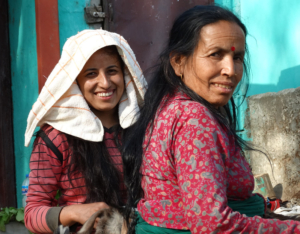 After the adoption of the Beijing Declaration and Platform for Action 30 years ago, Nepal has made strong progress in women’s economic empowerment. The Beijing Platform, agreed upon by 189 countries in 1995, remains the most important global plan for advancing women’s rights. In 2025, global leaders reviewed progress during the 69th session of the Commission on the Status of Women (CSW69), also known as the Beijing+30 review.
Although progress has been made worldwide, major gaps remain. According to U.N. Women, women still perform 2.8 times more unpaid care work than men, and nearly 30% of women globally have experienced physical or sexual violence. These challenges underscore why countries like Nepal must continue to strengthen women’s economic and social rights.
Stronger Political Representation
Nepal’s 2015 Constitution requires that women make up at least 33% of seats in the federal parliament and provincial assemblies. By 2018, women held 33% of parliamentary seats and 41% of local government positions. This increase in representation gives women a stronger voice in national and local decision-making.
Greater political participation supports women’s economic empowerment in Nepal because women leaders often advocate for education access, property rights and equal employment policies. Nepal has also institutionalized gender equality and women’s empowerment through the Gender Equality and Social Inclusion (GESI) frameworks to support equal opportunity across sectors, reinforced by the National Women’s Commission and parliamentary committees that implement gender-sensitive policies and programs. This legal commitment is further anchored in Nepal’s Gender Equality Act (2006), which abolishes discriminatory legal provisions and promotes equal treatment for women in areas such as employment, property rights, and public participation. These policies help expand access to education, protect legal rights and support women’s participation in development programs, including disaster response and climate action. By building stronger laws and institutions, Nepal is creating long-term systems that support gender equality.
Expanding Financial Access and Entrepreneurship
Access to finance plays a key role in women’s economic empowerment in Nepal. According to the World Bank, expanding financial inclusion allows women to start businesses, invest in agriculture and improve household stability. In 2026, the World Bank approved a $95 million operation to support sustainable and inclusive finance in Nepal, including measures that help women-led businesses access credit and grow their enterprises. Microfinance programs and cooperative banking models have helped increase women’s financial access in recent years.
Women entrepreneurs are also receiving new investment support. The International Finance Corporation (IFC) has invested in programs that expand financing for women-led businesses. These investments help women grow enterprises in agriculture, retail and small-scale manufacturing.
In addition to funding, many programs offer business management and vocational training. For instance, Goldman Sachs 10,000 Women initiative provides entrepreneurs with business education, mentoring, networking opportunities, and access to capital. The program includes courses in leadership, marketing, and financial management. Combining financial services with practical training increases the chances that women-owned businesses will succeed long term.
Closing the Digital Gap
Digital access is becoming more important for economic participation. However, global data from the International Telecommunication Union shows that 65% of women use the internet compared to 70% of men. This gap limits women’s access to online work, digital banking and e-commerce opportunities.
Nepal is responding by expanding digital literacy and technology training programs for women and girls. These initiatives aim to reduce the gender digital divide and prepare women for jobs in an increasingly digital economy.
Simultaneously, legal protections remain important. The United Nations in Nepal has urged stronger enforcement of laws addressing gender-based violence, including domestic violence and human trafficking. Protecting women’s safety allows them to participate more fully in the workforce and public life.
Women and Climate Leadership
Women in Nepal are also playing important roles in disaster response and climate adaptation. Community-based women’s groups often lead local preparedness efforts, especially in rural areas affected by floods and earthquakes. However, women are still underrepresented in national climate planning and funding decisions.
Regional discussions during the Asia-Pacific Ministerial Conference on the Beijing+30 Review in 2024 emphasized the need for women’s inclusion in sustainable economic transitions. Expanding women’s access to green jobs and climate-focused industries can support both gender equality and environmental progress.
Through continued reforms and participation in global forums such as the World Federation of United Nations Associations International Model United Nations, Nepal has shown commitment to reviewing and strengthening its policies. By improving financial access, increasing political representation and expanding digital opportunities, the country is building a foundation for lasting women’s economic empowerment in Nepal. Continued enforcement of laws and investment in women-led initiatives will help ensure that progress remains steady and inclusive.
– Anaisha Kundu
Anaisha is based in Skillman, NJ, USA and focuses on Business and Politics for The Borgen Project.
Photo: Flickr
