• Link to X
  • Link to Facebook
  • Link to Instagram
  • Link to TikTok
  • Link to Youtube
  • About
    • About Us
      • President
      • Board of Directors
      • Board of Advisors
      • Financials
      • Our Methodology
      • Success Tracker
      • Contact
  • Act Now
    • 30 Ways to Help
      • Email Congress
      • Call Congress
      • Volunteer
      • Courses & Certificates
      • Be a Donor
    • Internships
      • In-Office Internships
      • Remote Internships
    • Legislation
      • Politics 101
  • The Blog
  • The Podcast
  • Magazine
  • Donate
  • Click to open the search input field Click to open the search input field Search
  • Menu Menu

Archive for category: Women’s Empowerment

Developing Countries, Global Poverty, Women's Empowerment, Women's Rights

Strengthening Women’s Rights in Zimbabwe

Women’s Rights in ZimbabweLike many other African nations, Zimbabwe faces an ongoing battle for women to see equal opportunity and protections as men. Traditionally, society considers women dependent on men. Because of this historical reliance, women often find themselves in abusive or harmful relationships and the marriage of girls younger than the legal age often comes from necessity. As of 2019, cases of marriages of girls younger than 15 have risen to 5.4%, despite laws classifying the act as illegal. However, recent developments evidence that an increase in women’s autonomy is possible in the Southern African country. This has come both in the form of laws and activist organizations taking steps to advance women’s rights in Zimbabwe. Forward progress could help to ensure equality and protection for girls and women in the nation.
New Law Ensures Divorced Women a Fair Share of Property

Traditionally in Zimbabwe, in marriage, property ownership rights are to the advantage of males and the law considers the husband the owner of the property. This secures a position wherein women are solely dependent on men and sole ownership of property by a female is rare. While men and women are just as likely to enter joint ownership deals, 22% of men are sole landowners compared to only 11% of women.

This could all begin to change after a decision by the Zimbabwe Supreme Court that entitles both partners to an equal share of their property upon divorce. Under this decision, women in Zimbabwe can now choose to divorce partners without the risk of giving up all possessions and property that is rightfully theirs.

Women in violent or abusive relationships now have more of a chance to move on and provide for themselves and their children after divorce. This large step in women’s land rights will enable women to achieve independence, countering traditional beliefs in Zimbabwe.

No Expulsion for Pregnant Female Students

In the face of school closings during the COVID-19 outbreak, the Zimbabwean Government is trying to ensure all female students feel safe to return to school once educational facilities reopen. Many young women in Zimbabwe find themselves victims of sexual abuse, therefore, unexpected pregnancy is not uncommon. Often this will lead to women seeing no options other than early marriage and dropping out of school. In 2018, a study found that nearly 13% of school dropouts are linked to unexpected pregnancy or marriage. However, Zimbabwean schools often expel female students due to pregnancy.

In August 2020, Zimbabwe restrengthened an amendment stating that it is illegal to expel female students due to pregnancy. The amendment, introduced in 1999, does not have strong backing and many schools continue to punish pregnant female students rather than give them the further support they need.

This insurance to a proper education gives many women an option beyond economic dependence on an educated man, granting them the opportunity to become more self-reliant. It is also intended for the increased support of female students to reduce the dropout rate. This is a step in the right direction away from reliance on early marriage for the survival of many impoverished women in Zimbabwe.

18+ and Roots Africa Work to Protect More Women

Several organizations are working in the nation to advocate and work toward increased women’s rights. One such group, 18+, focuses on lowering child marriage in the country as a whole. A study found that, in 2019, nearly 25% of young women entered marriages before the age of 18 years old. 18+ is using Zimbabwe’s media to get its message across and is working to provide young women with information and resources on reproductive health and female empowerment.

Roots Africa is another advocacy group working to advance women’s rights in Zimbabwe. Seeing some success in lobbying for legal amendments in the past, the group currently has its sights set on the review of the Zimbabwean Termination of Pregnancy Act. This would allow more women access to safe abortions in Zimbabwe.

Currently, the only way to legally have an abortion is if the mother or child has a health risk or the mother can prove the pregnancy was a result of rape. Roots Africa also fights the normalcy of domestic abuse against women, supporting legislation such as the Domestic Violence Act in Zimbabwe.

The Future of Women’s Rights in Zimbabwe

The work of women’s rights groups in the country promises a better future for Zimbabwean women. Along with continued support from the Zimbabwean Government, this could mark a turning point for women’s equality in the nation. Though it is currently too soon to note any effect of these new laws, if the country correctly enforces these laws, the nation could note a significant advancement in women’s rights in Zimbabwe.

– Matthew McKee
Photo: Flickr

December 15, 2020
https://borgenproject.org/wp-content/uploads/borgen-project-logo.svg 0 0 Yuki https://borgenproject.org/wp-content/uploads/borgen-project-logo.svg Yuki2020-12-15 07:21:432022-04-06 05:33:57Strengthening Women’s Rights in Zimbabwe
Gender Equality, Global Poverty, Women's Empowerment

Pledge for Women’s Empowerment in Thailand 

Women’s Empowerment in ThailandIn Thailand, chief executives of 110 companies have signed an important pledge that agrees to the implementation of U.N. principles regarding women’s empowerment in its economy and businesses. Some of these principles include equal pay for equal work, improved workplace conditions in terms of safety and inclusivity as well as gender equality with a heavy emphasis on executive positions.

The Women’s Empowerment Principles (WEPs)

This pledge is known as the Women’s Empowerment Principles (WEPs), which was founded by the U.N. Global Compact and U.N. Women in 2010 and is funded by the European Union. The aim is to push businesses to be responsible for women’s empowerment and gender equality. The pledge is part of a wider movement established by U.N. Women, known as the Promoting Economic Empowerment of Women at Work in Asia (WeEmpower Asia) Initiative.

The WEPs are made up of a total of seven principles. These principles encompass several key areas which include gender equality in corporate leadership, equality, respect of human rights, nondiscrimination, health and safety of all workers including women, training and professional development of women, equality through advocacy efforts and the public reporting on the progress of these principles.

WeEmpowerAsia

Currently, the movement is working towards helping private businesses and organizations increase women’s participation in leadership positions with an overall aim of gender equality. Currently, the WeEmpowerAsia Initiative is working in a number of Asian countries including India, Thailand, China, Indonesia, the Philippines, Vietnam and Malaysia.

Another country that is participating in the WeEmpowerAsia Initiative is Malaysia. The Initiative is being led by a company known as LeadWomen. LeadWomen’s partnership with U.N. Women has cemented its work toward increasing women’s representation in leadership in Malaysia. As per the pledge, LeadWomen will be running webinars for the 300 Malaysian companies that signed. LeadWomen will also be providing support to these companies in order to make sure that the WEPs are being implemented in all aspects. In Malaysia, over 30% of women in public sector companies are in executive positions.

In Thailand, approximately 24% of CEOs are women, which makes them the third-highest in the world in terms of the percentage of female CEOs. This is comparatively better than both the Asia-Pacific average and global average which stands at 13% and 20% respectively. Thailand also has the world’s highest percentage of female CFOs, which equates to 43%.

Female Inequality Issues in Thailand

Even though Thailand is doing well in terms of female representation in executive roles, that is not the case in government administration, including parliament and judiciary. Only about 24% of executive civil roles are filled by women. In rural areas, female equality is even worse. Many rural women, especially those that belong to ethnic minorities, deal with poverty, exploitation and discrimination, according to the Commission on the Status of Women. Employment of women in these areas is mostly in the informal sector where they hold vulnerable jobs with only a handful in senior positions. Moreover, violence against women is also prevalent in Thailand which hinders opportunities for women’s empowerment.

The Future of Women’s Empowerment in Asia

To combat these challenges and put an end to gender-based discrimination, U.N. Women introduced the Women Empowerment Principles under the WeEmpowerAsia Initiative. The Initiative hopes that by promoting women’s engagement in economic activities in Thailand, it will empower women and put an end to the discriminatory practices that remain in the country.

– Abbas Raza
Photo: Flickr

December 15, 2020
https://borgenproject.org/wp-content/uploads/borgen-project-logo.svg 0 0 Kim Thelwell https://borgenproject.org/wp-content/uploads/borgen-project-logo.svg Kim Thelwell2020-12-15 06:32:142020-12-15 06:32:14Pledge for Women’s Empowerment in Thailand 
Developing Countries, Global Poverty, Women's Empowerment, Women's Rights

Room to Advance Women’s Rights in Libya 

Women’s Rights in Libya The movement for women’s rights in Libya has deep roots that date back a century. Libyan women acquired the right to vote in 1920, and women’s rights groups in Libya date back to the 1950s. In spite of this, the Gaddafi regime instituted a series of repressions that targeted women across its four-decade rule, rolling back civil rights and exacerbating their de facto exclusion from the Libyan political and economic spheres. Since a popular uprising violently deposed strongman leader, Muammar Gaddafi, in 2011, instability in the North African nation has left its women in a state of political flux.

Women’s Rights in an Unstable Nation

In Libya’s post-Gaddafi era, attempts at consolidating rival administrations into a unified national government have systematically failed. Since 2014, two governments, the General National Congress based in Tripoli and the House of Representatives (or Tobruk Government) based in Tobruk, have fought for control of Libya against one another and other regional factions. Because of consistent fighting, the situation in Libya has at times resembled anarchy.

International relations think tank, Freedom House, in its 2020 annual Freedom in the World Report, designated Libya as “not free” with a score of 9/100. Its sub-scores in political rights and civil liberties rank at 1/40 and 8/60 respectively. Regarding women, Freedom House summarizes that “Women are not treated equally under the law and face practical restrictions on their ability to participate in the workforce.”

Further, the report states that many of the laws implemented under Libya’s warring governments are based on Sharia (Islamic Law) and personally disadvantage women in bodily autonomy, marital and financial status as well as civil liberties. Domestic violence is not directly criminalized and most instances go unreported. Further, Libyan law imposes penalties for extramarital sex and allow rapists to escape punishment by coercing their victims into marriage. As a general trend, Freedom House notes, “communities that lacked an affiliation with powerful militia were especially marginalized.”

International Organizations Report on Women in Libya

Because of Libya’s rampant factional violence, the Netherlands-based global advocacy organization, Cordaid, reports that violence against women at the hands of militias frequently goes unpunished. Cordaid also notes that restricted freedom of movement, driven by fear of violence, is leading to declines in schooling among women and girls.

The Atlantic Council, another globally-oriented policy think tank, points out that sexual and gender-based violence, sexual exploitation and forced prostitution are common practices in many conflicts. Of the hundreds of thousands of Libyan civilians currently displaced in refugee camps, a large proportion are women and children at risk of militia aggression. And after 2019 the abduction of Representative Seham Serghewa, a rights activist, Atlantic Council cites a larger pattern of violence and disappearances leveled against Libyan women in government.

Present Women’s Rights Work

In the face of continual conflict, networks of advocacy organizations continue to work on behalf of women’s rights in Libya. Some examples are:

  • The Libyan Women’s Union, established in 2012, works to support women in and around Tripoli by providing resources for women affected by violence, hosting courses and workshops to facilitate women’s political participation and professional development and spreading awareness for Libyan women in elections.
  • The Libya Women’s Forum, since its founding in 2011, runs courses in English language and legal literacy, trains women to communicate more effectively, facilitates joint dialogue sessions between women and men and helps draft laws advancing women’s rights in Libya.
  • International organization Jurists Without Chains publishes research advocating on behalf of women’s rights, female candidates, expanded suffrage and active political participation of women in Libya, along with holding workshops on women’s roles in human development.
  • Women’s Initiatives for Gender Justice supports local women’s advocacy organizations in Libya through technical planning and consultancy, advocacy and network-building. These efforts culminate in the hosting of national conferences containing over 100 local organizations working to advance women’s rights in Libya.  

The Future of Gender Equality in Libya

In spite of the advocacy, education, support and other work being completed on behalf of Libyan women, issues associated with gender, including violence, sexual and marital repression and politically motivated violence, are endemic to Libya’s larger structural issues such as its ongoing civil war. Advancing women’s rights in Libya means ending the conflict and returning the country to a baseline of stability.

– Skye Jacobs
Photo: Flickr

December 15, 2020
https://borgenproject.org/wp-content/uploads/borgen-project-logo.svg 0 0 Kim Thelwell https://borgenproject.org/wp-content/uploads/borgen-project-logo.svg Kim Thelwell2020-12-15 05:51:172024-05-30 07:53:20Room to Advance Women’s Rights in Libya 
Developing Countries, Gender Equality, Global Poverty, Women's Empowerment, Women's Rights

Addressing Gender Inequality in Egypt

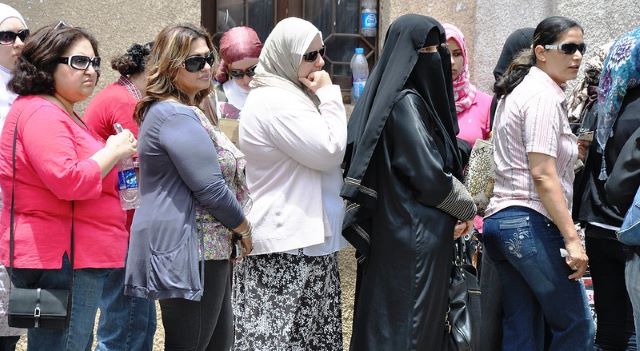
addressing gender inequality in EgyptEgypt recently launched the “Closing the Gender Gap Accelerator” to reinforce its stance on female economic gender discrimination. This initiative is a partnership between the World Economic Forum (WEF), National Council of Women, the Egyptian Government and the private business sector. The financial and human capital investment in this undertaking shows that the country is committed to addressing gender inequality in Egypt.

Closing the Gender Gap Accelerator

In 2019, Egypt’s Minister of Tourism, International Cooperation and Investment, Dr. Rania Al-Mashat, signed a letter of intent along with the WEF and the National Council of Women to empower women. More than 48 million women represent this emerging countries’ population and the good news is that their involvement will expedite the growth of the economy and gather momentum in eliminating poverty.

Each party has a specific role in the program’s success. Businesses will be tasked with the presence of additional women in the workforce, equal pay and professional development. Other benefits included are extended maternity leave for either parent and subsidized childcare to offset barriers that will cause women to fall behind, lose their position or not enter the labor force.

Egypt’s government, which has invested more than $3 billion in this project, will incentivize strategies and track the program’s evolution. In addition, the legislature has the commitment of more than 90 businesses.

Objectives of the Accelerator

Closing the Gender Gap Accelerator’s mission has four objectives: eliminate the gender pay gap, ensure more women are promoted into business management roles, expand their growth in the workforce and make sure that women are poised to work in a society that is will be powered by the likes of digital technology and artificial intelligence along with robotics.

One of the co-chairs of the private sector for the Accelerator, the Commercial International Bank known as Qalaa Holdings, firmly believes in empowering women in the workplace and it has demonstrated that by having 25% of the company’s executive board and leadership positions filled by women.

While the Accelerator is focused on women’s success in the economy, it also takes into account how women are viewed in the male-dominated workforce. Creating a safe climate in companies is just as important so the unfair barometers that women are measured by have to be eliminated as well as dismantling the discriminatory behavior toward them.

Global Gender Equality

Egypt is one out of nine countries, and the first country in Africa to set in motion a project of this magnitude created by the WEF.  After more than 10 years of researching global gender inequality issues, WEF realized that it would take nearly 100 years for political gender parity to be achieved. Women comprise 50% of the global population in most countries and to purposely exclude them from the equation would seriously compromise a society’s overall economic and societal impact worldwide.

WEF’s Accelerators to Close the Gender Gap

To combat this shortcoming, WEF created accelerators and issued a challenge to nations that want to close the economic gender gap. Public and private entities form accelerators to be inclusive of women in business, from job recruitment to job promotions and work on eliminating prejudice against them. Each country is on a three-year timetable (countries start date varies) and the WEF preserves the global structure of the project while the countries operate independently in the communities.  So far, Iceland has seen the most success out of the nine participating countries, by consistently closing the gender parity gap for 11 consecutive years.

A Bright Future for Egyptian Women

The Accelerator is an important tool for addressing gender inequality in Egypt. This initiative is good news for the women of Egypt as it shows the country’s continuous commitment to removing societal hurdles that have unjustly smothered women’s attempts at succeeding in the economy and stifled their much-needed contribution to society.

-Kim L. Patterson
Photo: Flickr

December 15, 2020
https://borgenproject.org/wp-content/uploads/borgen-project-logo.svg 0 0 Kim Thelwell https://borgenproject.org/wp-content/uploads/borgen-project-logo.svg Kim Thelwell2020-12-15 05:13:202020-12-15 05:13:20Addressing Gender Inequality in Egypt
Advocacy, Developing Countries, Global Poverty, Women's Empowerment, Women's Rights

Female Activism: Women in Uzbekistan

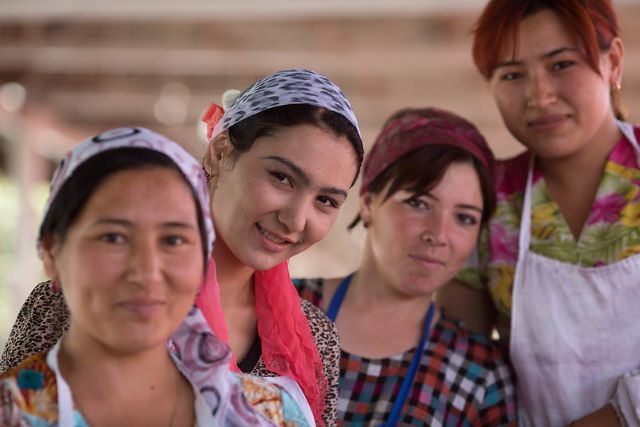
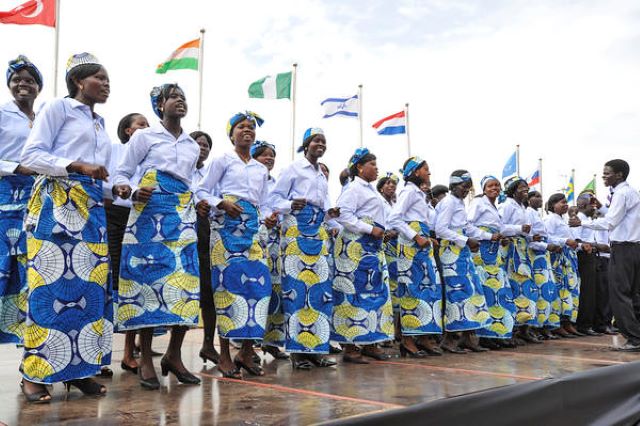
Women in UzbekistanAfter the dissolution of the Soviet Union, Uzbekistan, like many post-Soviet nations, experienced a surge of conservative culture amongst the ruling elites and the general population. This surge led to the implementation of policies that were more restrictive to women than the previous Soviet policies had been. Women in Uzbekistan have long been excluded from policymaking. Now, women in Uzbekistan are taking to activism to ensure their voices are heard.
ACTED Uzbekistan

ACTED Uzbekistan is an organization that works to uplift the voices of women and girls throughout the country. It is a European Union-funded project that raises awareness for women’s issues and helps to mobilize women who otherwise may have been unsure how to begin. In addition to fieldwork, ACTED Uzbekistan also works to generate a report every year that analyzes the gender equality status in the country and offers suggestions on how to increase equality. Through the implementation of this project, a greater number of female activists have been able to claim platforms and affect policy.

Child Brides in Uzbekistan

One of the largest issues for activists currently is child marriage within the country. Though the law requires that girls be at least 17 years old before they are married, families have begun to pursue more religious ceremonies that legally eliminate the need for a civil union. As more girls are married off young, the amount of women in higher education and public office decreases and the cycle of discrimination continues. To combat this, organizations such as UNICEF and Girls Not Brides have partnered with the country’s Committee of Women to raise awareness of the detriments of child marriage, help young brides in danger and push for legislation that will end this practice once and for all.

HIV/AIDs in Uzbekistan

Another issue that has generated a lot of female activism has been the fight against HIV/AIDS in the country. Roughly 50,000 people in the country are currently living with the disease, according to UNAIDS, but through activism, the numbers have come down in the past few years. Organizations such as the Day Center for HIV Affected Families gather volunteers, many of them HIV positive themselves, and they work to provide assistance to struggling families while also providing educational material on HIV/AIDS and how to prevent it. Many of these activists are young women who were born HIV positive and who are committed to helping others like them.

Domestic Violence

In addition to the aforementioned activist initiatives, a large movement has begun in the country to identify and counter domestic violence. Like many nations, domestic violence in Uzbekistan is still seen as a personal issue and there are no provisions in the law that prohibit violence perpetrated by a spouse or parent. Both the official Women’s Committee and nongovernmental organizations have worked to combat this issue, with the Women’s Committee focused mostly on establishing crisis centers and shelters and NGOs promoting awareness and education on the issue. With both of these measures applied in conjunction, the country is slowly starting to recognize domestic violence as an issue.

The Necessity of Women’s Activism

As the United Nations and many NGOs have stated, women’s activism is necessary for progress. In Uzbekistan, this is evident by all of the work women have done to increase female participation, counter disease and help other women in need. The work gives evidence to a brighter future for women in the country but also for the people of Uzbekistan at large.

– Mary Buffaloe
Photo: Flickr

December 14, 2020
https://borgenproject.org/wp-content/uploads/borgen-project-logo.svg 0 0 Yuki https://borgenproject.org/wp-content/uploads/borgen-project-logo.svg Yuki2020-12-14 01:58:422020-12-14 01:58:41Female Activism: Women in Uzbekistan
Developing Countries, Global Poverty, War and Violence, Women's Empowerment

Women Peacemakers in South Sudan

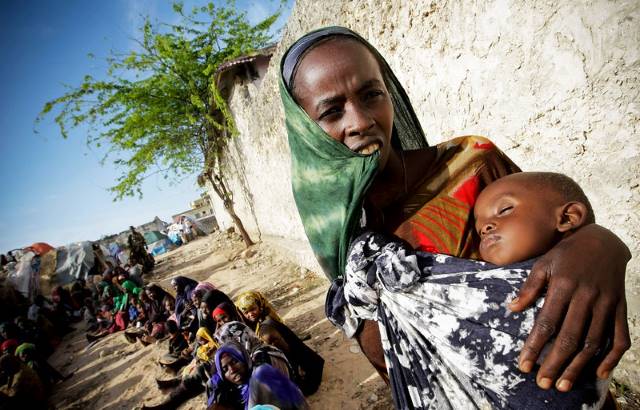
Women PeacemakersSince the beginning of the Sudanese civil war in 1983 that split the north from the south, the conflict in South Sudan has cost thousands of civilian lives and fractured the society in the region. The fallout from the civil war led to tribal conflict that is still ongoing and oftentimes the victims of these “total wars” are women. For this reason, women peacemakers in South Sudan are very important.
Feminist Movements in South Sudan

Prior to the civil war, feminists movements were gaining ground in South Sudan, so much so that South Sudan was seen as the center of African feminism during the 60’s and 70’s. These activists secured legal equality for all women across the country, though, with a change of leadership in the late 70’s, women saw their positions in society diminish. With the beginning of the civil war, South Sudanese feminists began to pursue outside avenues to affect policy.

One such group was a collective of female South Sudanese refugees who fled to Nairobi, Kenya. There they drafted a document that outlined how women were essential to the peacemaking and governing process. These women called for the government to acknowledge that “It is first and foremost women who suffer during wars or conflicts. Because of this, they are best placed to act as agents for a conclusive peace process and to spread a culture of peace in the country.” This was the first declaration of its kind, and its message has continued to be influential in how South Sudanese women advocate for increased involvement of women.

Feminist Organizations

Throughout the war period, multiple feminist organizations emerged that called for peace and women’s rights, such as Nuba Women for Peace, Women Empowerment for Peace and Development Network and the National Democratic Alliance. At the turn of the century, many women who had previously participated in these groups came together to form the Sudanese Women Empowerment for Peace (SuWEP), which is an organization with branches in North and South Sudan that collaborate to empower women in the region and promote the role of women peacemakers in South Sudan.

Sudanese Women Empowerment for Peace (SuWEP)

SuWEP’s main goals are to promote the inclusion of women from all layers of society, train women in conflict resolution and mediation, raise awareness, write position papers on its work to be presented to international bodies and advocate for and publicizing its message of gender equality. Due to these efforts, peace centers have now been established throughout both North and South Sudan, food aid has been able to reach the most vulnerable populations throughout the region and the legislature of South Sudan met its quota of 25% of its seats belonging to women.

UN Women Africa

U.N. Women Africa has also been one of the larger advocates for gender equality in South Sudan, with its focus primarily being on increasing female involvement in democracy, increasing literacy and protecting women and girls from gender-based violence. The organization has come before the Security Council to demand greater protections for women because it believes women are essential to the peacemaking process as they have been the greatest advocates of peace since the inception of the conflict. In addition, in a report to the Security Council, it was brought up that the women of these warring tribal and ethnic factions have been able to cooperate and make change together, meaning they can help the rest of the country do so.

Moving into the future, many women peacemakers in South Sudanese see the Revitalized Agreement as the best option for lasting peace because it would require that women hold 35% of government seats and the country would transition towards an expanded democracy. With more women in positions of power, feminists believe there would be an increased focus on women’s issues as well as a greater emphasis on diplomacy and peace.

– Mary Buffaloe
Photo: Flickr

December 14, 2020
https://borgenproject.org/wp-content/uploads/borgen-project-logo.svg 0 0 Kim Thelwell https://borgenproject.org/wp-content/uploads/borgen-project-logo.svg Kim Thelwell2020-12-14 01:21:102020-12-14 01:30:21Women Peacemakers in South Sudan
Developing Countries, Gender Equality, Global Poverty, Women's Empowerment, Women's Rights

An Introduction to Women’s Rights in Somalia

women's rights in SomaliaSomalia is a country located in the Horn of Africa with a population of almost 14 million people. Although women and girls in Somalia consist of 50% of the country’s population, women and men are far from equal. Globally, Somalia places fourth highest on the gender inequality index. In Somalia, gender inequality is exacerbated by poverty, disability, social class and harmful practices that violate women’s rights in Somalia. Today, women in Somalia are susceptible to gender-based violence and sexual violence, an issue that is heightened in areas of conflict.

Genital Mutilation in Somalia

Common problems that perpetuate gender inequality in Somalia include female genital mutilation, child marriage, maternal mortality rates and a lack of access to fundamental tools for success, such as education, health care, credit and more. Women in Somalia, especially adolescent girls, are susceptible to undergoing genital mutilation. Often, these girls undergo this procedure before turning 13 years old, according to a 2013 report by the World Health Organization.

Somalia has the highest rate of genital mutilation, with 98% of girls undergoing the procedure. With the upsurge in coronavirus cases, girls in Somalia are forced to stay home. This leads to higher rates of genital mutilation. According to the United Nations Population Fund, the coronavirus could contribute to 2 million more instances of genital mutilation over the next decade that could have been stopped. Although genital mutilation remains legal in Somalia, the practice has no health benefits and harms women in girls in a plethora of ways as it poses health risks and robs women of the full capacity of their reproductive organs.

Maternal Mortality in Somalia

Another issue plaguing Somalia that perpetuates gender inequality is the maternal mortality rate, which is the highest of any country in the world. For children in Somalia, four in 100 infants die within the first month of their lives. Women in Somalia suffer high rates of maternal mortality due to poor health care infrastructure within the country and a lack of access to adequate services. In the United Nation’s 2030 Agenda, the central principle is “leaving no one behind.” This commitment from the United Nations involves prioritizing the rights, access and abilities of Somalian women.

Lack of Education and Leadership

In Somalia, there is a lack of women involved in political and social leadership roles. One of the reasons behind this is a lack of education. In Somalia, primary schools have one of the lowest rates of enrollment, with only 30% of children in school. Of the children in school, less than half of them are females. For girls living in rural areas, these numbers are lower. Compared to men, women in Somalia have much lower literacy levels. In Somalia, only 26% of women can read compared to 36% of men.

The Future of Women’s Rights in Somalia

Somalia remains a state of male power but there is hope that the country will become more focused on gender equality. The Somali Provisional Constitution, created in 2012, is undergoing revision. In 2021, the country is participating in a one-person-one-vote election. With the revision of the Somali constitution, there is an opportunity for empowering women and girls across the country by implementing gender equality provisions. It is hopeful that 2021 may promise more widespread opportunities for women and girls in Somalia.

– Caitlin Calfo
Photo: Flickr

December 12, 2020
https://borgenproject.org/wp-content/uploads/borgen-project-logo.svg 0 0 Kim Thelwell https://borgenproject.org/wp-content/uploads/borgen-project-logo.svg Kim Thelwell2020-12-12 03:11:352024-05-29 23:00:12An Introduction to Women’s Rights in Somalia
Developing Countries, Global Poverty, Women's Empowerment

4 Facts About the Nike Foundation’s Girl Effect

The Nike Foundation’s Girl EffectAround the world, many young girls are without access to basic health and educational resources. Research has shown that gender equality and women’s empowerment initiatives are key to alleviating global poverty. Over the years, organizations have developed across the globe committed to providing such resources in order to improve the quality of life for millions. One of those organizations is The Nike Foundation’s Girl Effect. This organization is a creative nonprofit working where girls are marginalized and vulnerable.

4 Facts About Girl Effect

1. Girl Effect has been in operation for 12 years. The Nike Foundation launched Girl Effect in 2008 at the World Economic Forum. According to its website, “The Girl Effect is about the unique potential of adolescent girls to end poverty for themselves and the world.” Nike designed the organization to inspire the most influential leaders in the world to get girls in vulnerable nations on the global development agenda and help increase the drive of resources to them. Girl Effect also aims to create media resources for girls around the world in order to increase their access to resources surrounding education and healthcare. Through partnerships with prominent organizations and creating branded media content, Girl Effect has provided millions of girls access to life-saving information.

2. It uses media and the internet to reach girls in developing nations. Girl Effect creates branded media for girls around the world that helps to “navigate the pivotal time of adolescence so they can make positive choices about their health, education and economic future.” Girl Effect currently operates seven different digital programs to reach girls around the world; Chhaa Jaa, Ni Nyampinga, Springster, TEGA, Tujibebe, Yegna and Zathu. The Chhaa Jaa program, which means “go forth and shine” in Hindi, is a “digital-first youth brand that inspires, informs and equips girls in India with the right skills and confidence to navigate adolescence.” These resources include helping girls access information about sexual and reproductive health, how to negotiate with parents about their choices for continuing their education, and how to prepare for their first job. Tujibebe is a program that was born from Tanzanian culture and is a mobile-based brand focused on helping provide adolescent girls with information and resources they need to make positive choices about their future. This includes how to finish their education and setting up their own small business.

3. It partners with numerous organizations to share its message. Girl Effect has worked with organizations from a variety of industries, from nonprofits to social media networks, to help effectively spread its message to girls across the world. One of the largest nonprofit organizations that it partners with is UNICEF. Together the organizations support and promote the Ni Nyampinga program in Rwanda. Through this partnership, UNICEF and Girl Effect have been able to make Ni Nyampinga a nation-wide movement with 80% of the population of Rwanda aware of it, which is almost 6.6 million Rwandans. Another prominent partner of the organization is Facebook. Through the use of Facebook’s Free Basics platform, which provides people with full access to services on their mobile phones, Girl Effect is able to promote its Springster program on a worldwide scale. Through this partnership, Facebook and Girl Effect have been able to reach over 12 million users in the past year alone. The program is available in over 50 countries, including South Africa, Nigeria, the Philippines and Indonesia. A few additional Girl Effect partners include the Bill and Melinda Gates Foundation, Gavi and Mastercard Foundation.

4.  The Nike Foundation’s Girl Effect made great strides reaching developing countries. Since its introduction in 2008, Girl Effect has been able to reach millions of girls in developing nations to provide education and resources. In India and South Africa, its online chatbots have responded to over 1.2 million messages asking for advice on sex and healthy relationships. It has helped connect over 15,000 girls in India with efficient sexual and reproductive health information and services online. In Malawi, girls who read Girl Effect magazine are 32% more likely than non-readers to go to a medical provider and receive their first dose of HPV medication. In Indonesia, those who have seen Girl Effect’s digital nutrition campaign are 32% more likely to make healthier food choices than those who did not view it.

Girl Effect Closes the Gender Gap

Since its beginning, The Nike Foundation’s Girl Effect has helped to create media for girls around the world to provide resources on how to improve their education, healthcare and well-being. For years, the world has struggled to include girls in the many advances that have been made in healthcare and education. However, organizations like Girl Effect help to close this gap.

– Sara Holm
Photo: Flickr

December 11, 2020
https://borgenproject.org/wp-content/uploads/borgen-project-logo.svg 0 0 Kim Thelwell https://borgenproject.org/wp-content/uploads/borgen-project-logo.svg Kim Thelwell2020-12-11 08:55:042024-05-30 07:53:144 Facts About the Nike Foundation’s Girl Effect
Developing Countries, Global Poverty, Women, Women's Empowerment

Kudumbashree: Creating a Future for Indian Women

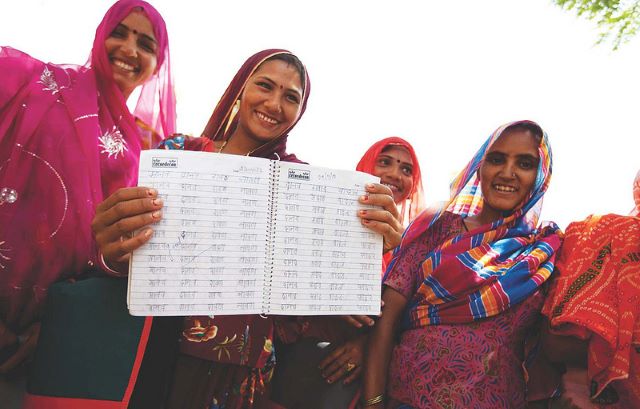
Future for Indian WomenIn 1997, a Kerala state project, recognizing the significance of channeling a significant, often underutilized demographic, began Kudumbashree, a widespread and comprehensive program that seeks to vastly reduce poverty and empower women at the same time. In a state of about 35 million people, Kudumbashree set out on a path to establish local, self-functioning levels of organization that could bring women together, provide access to resources regardless of education, economic status or caste and connect a willing workforce to new and old professional options, opening the future for Indian women across entire regions. In Malayalam, the local language of Kerala, Kudumbashree comprises two unique words, that when combined, translate to “prosperity of the family.” The structure, scale and significance of an enterprise like this is widespread and compelling, not just for one state in India but for an entire country and global community.

Kudumbashree: History and Goals

Kudumbashree is more than just one specific government program; rather, it is also a particular umbrella for cooperating efforts that fall under the jurisdiction of a unifying task force proposition known as the State Poverty Eradication Mission (SPEM). Kudumbashree and SPEM are interchangeable and the second has largely evolved into the first. By one definition, Kudumbashree is a charitable society; by another, it is a facilitator for work. All these descriptions are because of the fundamental and indispensable goal of a budding institution that secures a future for Indian women and their families. Though it may be ambitious and certainly easier said than done, Kudumbashree unabashedly seeks to “eradicate absolute poverty from the State over a period of 10 years.” Even if this goal has not been met yet, a significant amount of resources, community structures and cooperative dynamics have been put into place that brings Kerala closer to success every year.

Programs, Practices and Plans

A little less than half a century ago, Kerala’s poverty levels were at 59.74%. As of 2011 to 2012, that percentage dropped to 11.3%, less than half the national average. A wide range of factors led to this drastic and fortuitous decline and focused public attention and effort have been key among them.

Kudumbashree utilizes the role of the public in a particularly localized, community-centered way, as evidenced by the principal three-tier system the program uses. The three levels in the framework, in order of smallest to largest in terms of local duties, are “Neighborhood Groups,” “Area Development Societies,” and “Community Development Societies.” These hierarchies build upon each other and provide for different prioritizations of tasks.

For instance, Neighborhood Groups are small units with typically less than 30 women members. They meet frequently and are essential in the disbursement of microloans, which the members often save and distribute among themselves. At district-spanning Community Development Societies, more administrative concerns are paramount, such as directing state-financed aid or liaising with governmental bodies. A future for Indian women among Kudumbashree means support and access, not only from the local bodies but from fellow female members of their community.

The Future for Kerala’s Women

At over four and a half million Neighborhood Group members, Kudumbashree spans villages, towns and cities, but more importantly, with every notable award and new business enterprise, it raises greater national awareness. With agribusiness ventures alone, Kudumbashree boasts 778 units serving communities and expanding constantly. The future for Indian women is diverse and full of opportunity, and thanks to initiatives like Kudumbashree, the future is locally-led and integrally focused on the capacities of all people, regardless of gender.

– Alan Mathew
Photo: Flickr

December 11, 2020
https://borgenproject.org/wp-content/uploads/borgen-project-logo.svg 0 0 Kim Thelwell https://borgenproject.org/wp-content/uploads/borgen-project-logo.svg Kim Thelwell2020-12-11 07:14:032020-12-11 07:14:03Kudumbashree: Creating a Future for Indian Women
Developing Countries, Gender Equality, Global Poverty, Women's Empowerment, Women's Rights

Cafe Femenino Foundation Empowers Women

Cafe Femenino FoundationEstimates place women’s involvement in coffee production at as high as 70% of all the labor, making women an integral part of the coffee industry. However, women face high levels of gender discrimination within the industry in terms of access to “land, credit and information”, resulting in lower incomes and crop yields when compared to men. The Cafe Femenino Foundation looks to change this.

Cafe Femenino Foundation

Noticing the inequity, Garth and Gay Smith founded the Cafe Femenino Foundation in 2004 to empower women working in the coffee industry. The nonprofit organization provides grants to women’s coffee collectives in nine countries: Bolivia, Brazil, Colombia, the Dominican Republic, Guatemala, Mexico, Nicaragua, Rwanda and Sumatra. The grants can be used for a vast range of initiatives including food security, income diversification and health, to empower women socially, politically and economically.

Food Security Initiatives

Cafe Femenino Foundation provides grants to combat food insecurity in multiple countries’ coffee-growing regions, which also helps women earn extra income. In Peru, training sessions teach women how to preserve fruits to prevent spoiling and extend the period during which they can be eaten. Preserved fruit can also be sold at markets when the supply of fresh fruit is diminished, allowing the women to sell for higher prices. Women who participated in the training sessions went home with 10 cans of each fruit they preserved, which is credited with helping lower rates of child malnutrition in the regions.

Similarly, in the Dominican Republic, Cafe Femenino Foundation grants supported women’s coffee collectives to start growing passionfruit and breed both cows and goats. Passionfruit is used in many foods and drinks, making it popular among the women themselves and at the markets. Since 2009, more than 200 women and their family members have benefitted from access to passionfruit. The goat and cow breeding initiatives provide women with milk and meat to feed their families and to sell for additional income. As of 2013, almost 30 women participated in the animal breeding programs.

Health Initiatives

In Colombia, grants have been given by Cafe Femenino Foundation to the COSURCA coffee cooperative to improve women’s health through kitchen remodeling. Since kitchens are traditionally women’s spaces, they are often not remodeled and are constructed of poor materials with dirt floors. The kitchens of 18 women have been remodeled as of 2013 to include outdoor ventilation that prevents smoke inhalation and running water to improve cleanliness and hygiene.

Cafe Femenino Foundation has provided similar grants in Peru to improve health conditions by improving stoves. The new stoves decrease smoke inhalation and respiratory illnesses that occur as a result.

Women’s Empowerment Initiatives

Also in Peru, Cafe Femenino Foundation grants have supported the building of community safe spaces, called Casa Cafe Femenino, for women in multiple coffee-growing communities. These spaces provide women with opportunities to meet and talk in places that are not “borrowed from the men”, promoting women’s independence and agency. Casa Cafe Femeninos are also able to act as temporary shelters for women facing domestic violence. As of 2013, these spaces benefitted more than 800 women from two coffee collectives.

Cafe Femenino Foundation also supports the education of women. In Peru, the nonprofit helped five women complete training to be promoted to the role of internal coffee inspector, giving these women more power within the coffee industry. In the early years of the nonprofit, a grant provided scholarships for 600 girls, all of who were the daughters of coffee producers, to attend school.

Equality in the Coffee Industry

The coffee industry is made up largely of women yet these women face gender discrimination and inequality. Cafe Femenino Foundation strives to eliminate the gender gap in coffee production by providing grants to women’s coffee collectives in a range of areas, including food security, health and women’s empowerment based on the needs of the women. The projects, while benefitting the women, also help to teach leadership and problem-solving skills through a democratic process of distribution, furthering women’s empowerment.

– Sydney Leiter
Photo: pixabay

December 11, 2020
https://borgenproject.org/wp-content/uploads/borgen-project-logo.svg 0 0 Kim Thelwell https://borgenproject.org/wp-content/uploads/borgen-project-logo.svg Kim Thelwell2020-12-11 04:49:442024-05-30 07:53:09Cafe Femenino Foundation Empowers Women
Page 27 of 54«‹2526272829›»

Get Smarter

  • Global Poverty 101
  • Global Poverty… The Good News
  • Global Poverty & U.S. Jobs
  • Global Poverty and National Security
  • Innovative Solutions to Poverty
  • Global Poverty & Aid FAQ’s
Search Search

Take Action

  • Call Congress
  • Email Congress
  • Donate
  • 30 Ways to Help
  • Volunteer Ops
  • Internships
  • Courses & Certificates
  • The Podcast
Borgen Project

“The Borgen Project is an incredible nonprofit organization that is addressing poverty and hunger and working towards ending them.”

-The Huffington Post

Inside The Borgen Project

  • Contact
  • About
  • Financials
  • President
  • Board of Directors
  • Board of Advisors

International Links

  • UK Email Parliament
  • UK Donate
  • Canada Email Parliament

Get Smarter

  • Global Poverty 101
  • Global Poverty… The Good News
  • Global Poverty & U.S. Jobs
  • Global Poverty and National Security
  • Innovative Solutions to Poverty
  • Global Poverty & Aid FAQ’s

Ways to Help

  • Call Congress
  • Email Congress
  • Donate
  • 30 Ways to Help
  • Volunteer Ops
  • Internships
  • Courses & Certificates
  • The Podcast
Scroll to top Scroll to top Scroll to top