• Link to X
  • Link to Facebook
  • Link to Instagram
  • Link to TikTok
  • Link to Youtube
  • About
    • About Us
      • President
      • Board of Directors
      • Board of Advisors
      • Financials
      • Our Methodology
      • Success Tracker
      • Contact
  • Act Now
    • 30 Ways to Help
      • Email Congress
      • Call Congress
      • Volunteer
      • Courses & Certificates
      • Be a Donor
    • Internships
      • In-Office Internships
      • Remote Internships
    • Legislation
      • Politics 101
  • The Blog
  • The Podcast
  • Magazine
  • Donate
  • Click to open the search input field Click to open the search input field Search
  • Menu Menu

Archive for category: Women’s Empowerment

Global Poverty, Women's Empowerment

She’s Next Program Empowers Women Entrepreneurs in sub-Saharan Africa

Women Entrepreneurs in sub-Saharan Africa
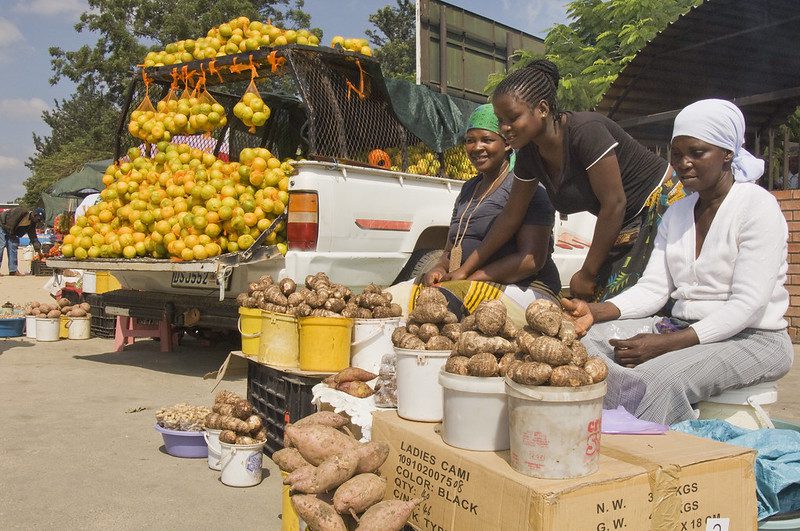
In September 2021, Visa, a large virtual payment and financial services company expanded its She’s Next program to help women entrepreneurs in sub-Saharan Africa (SSA). In August 2022, Visa announced that the development will include a $3.5 million grant to organizations that support small and micro businesses (SMBs), such as the African Women Impact Fund (AWIF), a U.N. Economic Commission for Africa (UNECA) cause. The grant will “fund the working capital needs of women fund managers” and support “55 women who responded to AWIF’s call to action.”

Empowering Female Entrepreneurs in Africa

First introduced in 2019 in the United States, the She’s Next program advocates for women entrepreneurs globally through all stages of business growth. This newly expanded program provides these business owners with “access to insights via research and engagement with small businesses, private and public sector communities and educational resources. ”

Visa’s partnership with She Leads Africa, an online platform that connects African women entrepreneurs, provides users with access to a network of more than 700,000 female business owners, resources for digital accessibility and funding.

Gratifying an Essential Market

According to Forbes, Africa is “the fastest-growing continent” in the world as of 2021. As digital literacy becomes increasingly desired, and mandatory for some, it is imperative that African countries prepare their citizens. The International Finance Corporation has reported that in eight years’ time, digital skills will be essential to “230 million jobs in sub-Saharan Africa.”

As of 2019, only half of the nations in Africa provide computer skill training as a subject in their education curriculums in comparison to “85% of countries globally.” This paired with a high demand for digital skills creates a skill shortage, making it more difficult for companies to hire locally.

The World Bank said that “This translates into an opportunity estimated at $130 billion to provide digital skills through a combination of business-to-consumer, business-to-business and business-to-government training services.”

The Rise of Digital Commerce

Through a research study called “Understanding Women-Owned SMEs,” Visa aims to understand how technology affects women-led businesses’ success in Nigeria, Kenya and South Africa. This study found that, in addition to pandemic-related struggles, “a lack of technological infrastructure,” economic volatility and a “regulatory environment” are the most prominent obstacles to business growth for women entrepreneurs.

The study found that 83% of survey respondents who implemented digital payments experienced increased revenue. About 70% of women foresee their customers using “e-commerce platforms” more frequently post-pandemic, further encouraging these women entrepreneurs to establish an online presence.

Women Entrepreneurs in sub-Saharan Africa

As of 2017, SSA had the “highest rate of women entrepreneurs” globally (27%). In fact, Uganda and Botswana had the highest percentage globally at 34.8% and 34.6% respectively. However, female entrepreneurs in sub-Saharan Africa garner profits 34% lower than males.

A lack of education and skills reduces women’s access to employment opportunities. As a result, women may look to entrepreneurship as a way out of poverty. Initiatives such as Visa’s She’s Next program address the barriers that women entrepreneurs in sub-Saharan Africa face, furthering their economic independence and prosperity.

– Aishah French
Photo: Flickr

October 12, 2022
https://borgenproject.org/wp-content/uploads/borgen-project-logo.svg 0 0 Naida Jahic https://borgenproject.org/wp-content/uploads/borgen-project-logo.svg Naida Jahic2022-10-12 01:30:122024-05-30 22:30:08She’s Next Program Empowers Women Entrepreneurs in sub-Saharan Africa
Global Poverty, Women's Empowerment

UN-Funded Cooperatives Empowering Lebanese Women

Empowering Lebanese Women
The Beirut explosion in August 2020 underlined the symptoms of poor governance and political polarization embedded within Lebanese politics. The explosion resulted in eminent human and material costs amid economic deterioration and social unrest, which the COVID-19 pandemic further exacerbated. The ramifications of hurting stalemate and a global pandemic particularly impact women amid increased inequality pertinent to income and opportunity. For this reason, empowering Lebanese women is critical.

Issues Lebanese Women Face

Unemployment during the pandemic disproportionately affected Lebanese women as women experienced layoffs at a greater rate than men and faced greater wage cuts, further reinforcing discriminatory practices and income disparities. According to the World Economic Forum’s Gender Gap report of 2021, Lebanon ranked 132 among 158 countries in terms of gender inequities.

Period poverty is one of many manifestations of the economic conditions impacting Lebanese women. The local non-governmental organization Fe-male projected that by December 2020, more than 50% of women in Lebanon experienced period poverty as a result of the price of sanitary products surging by 500%, highlighting the primacy of empowering Lebanese women and promoting income equality.

Empowering Lebanese Women on a National Level

To empower Lebanese women and support women-led cooperatives and income equality, U.N Lebanon, through the support of partners, mobilized around $4.4 million worth of funding. Through this effort, U.N. Lebanon delivered support to 94 different cooperatives across varying Lebanese villages, including Deir Al Ahmar and Qana. The project supplies such cooperatives with the necessary equipment, raw material and cash to sustain their operations, especially in light of the pandemic and multiple other crises in the country.

The project has reinforced the financial resilience of a minimum of 6,000 individuals, further strengthening income equality and inclusive growth. Such projects empower Lebanese women as these efforts establish job opportunities in a country where many women struggle to access employment. This is evident in World Bank data from 2019 where 14.3% of the female labor force endured unemployment in comparison to 10.2% of males.

A Specific Outlook on Al Atayeb Cooperative

Al Atayeb, “a Lebanese women-led cooperative based in Kfardebian town, north of Beirut,” produces traditional Lebanese food, such as fruit jam and the traditional Lebanese makdous. Samira Zoughaib Akiki is the chairperson of Al Atayeb cooperative and has about 20 years of experience in the food industry.

During her career, Akiki ran “food processing workshops and training sessions for women,” U.N. News reported. This inspired her to launch the Al Atayeb cooperative to create employment opportunities for other women. She tells U.N. News, “Teaching food processing skills was my way of empowering women.”

Today, the cooperative consists of 13 women whose primary responsibilities entail processing and preparing food. These women receive both salaries and profit shares as financial compensation for their work. The cooperative purchases its ingredients from local farmers as another way to uplift communities.

With the emergence of COVID-19, Akiki sought support from the U.N. to maintain financial capacity. “This addressed our financial needs, replenishing our capital and compensated our losses: we were able to resume our activities at a time when many businesses were shutting down,” Akiki told U.N. News.

Empowering Lebanese women in these ways contributes to greater income equality and equal employment opportunities. In times of political and economic struggle, it is important to sustain support and efforts such as U.N. funding can go a long way in promoting economic security for women.

– Noor Al-Zubi
Photo: Flickr

October 10, 2022
https://borgenproject.org/wp-content/uploads/borgen-project-logo.svg 0 0 Naida Jahic https://borgenproject.org/wp-content/uploads/borgen-project-logo.svg Naida Jahic2022-10-10 01:30:582022-10-07 11:47:52UN-Funded Cooperatives Empowering Lebanese Women
Education, Global Poverty, Women's Empowerment, Women's Rights

How Malala Yousafzai is Fighting for Women’s Education

Malala Yousafzai is Fighting
Former First Lady Michelle Obama, while speaking on the importance of women’s education in Senegal, stated, “When girls are educated, their countries become stronger and more prosperous.” Her speech, titled ‘You Are Role Models,’ sought to encourage females around the world to continue to fight for their education – not only because it was an inherent right, but because it also led to more opportunities. One cannot overstate the importance of women’s education. As Michelle Obama described, educated women can change the lives of millions. They can serve as role models for the world and encourage the expansion of quality education. Malala Yousafzai is a notable woman who is fighting for women’s education to end poverty.

About Malala

Malala Yousafzai is one of the few individuals brave enough to carry the responsibility of women’s education. Malala was born on July 12, 1997, in Mingora, Pakistan. As a child, Yousafazi attended the school her father established – Khushal Girls High School and College – and quickly developed a reputation for dedication to her studies. Malala’s commitment to learning, however, did not only exist in her school building. When reflecting on her childhood, Malala recalled that “From an early age, I was interested in politics and sat on my father’s knee listening to everything he and his friends discussed.”

The Arrival of the Taliban

Malala’s love for education, however, came to a complete stop in 2008, when the Taliban arrived. The Taliban is a radicalized, religious and political group that emerged in 1978, after the Afghan War. Since the early 2000s, the Taliban developed a reputation for asserting strict interpretations of law and order, heavily determined by religious ideology. Using the conservative Pashtun social code, the Taliban created a brutally repressive regime.

Once they arrived in Pakistan, the Taliban implemented strict rules and punishments – especially targeting women. They ordered various rules, but one was particularly crushing to Malala. The Taliban ordered that women were to experience exclusion from public life – essentially, the Taliban banned women from attaining an education.

Malala Becomes an Advocate

In 2012, Malala began to speak out against the Taliban. Using the pseudonym Gul Makai, Malala began writing for the BBC online. Her blogs contained advocacy and a peek into the daily life of living under Taliban rule.

However, as Malala’s popularity increased, so did the threat of the Taliban. After several months of writing, The New York Times revealed that Malala was really “Gul Makai,” resulting in the Taliban naming her one of its main targets.

On October 9, 2012, a Taliban gunman shot Malala as she rode home on a bus after school in Pakistan’s Swat Valley. She was 15 years old at the time.

How Malala Yousafzai is Fighting for Women’s Education Through The Malala Fund

Despite the trauma of the event and the partial loss of brain function, Malala never quit advocating for women’s education. Today, she runs a nonprofit organization called the Malala Fund. The Malala Fund invests in education and activists who are challenging the policies and practices that prevent women from receiving an education. Over the years, the Malala Fund has helped expand access to education for girls and women, improve the quality and relevance of education and strengthen government policy to ensure safe learning environments. Today, Malala focuses on women’s education and politics. She holds a childhood dream of becoming the Prime Minister of Pakistan, and she hopes to ensure the right to education for all children.

Malala’s persistent advocacy truly displays the importance of women’s education. Education has the ability to break the constraints of gender inequality, thus allowing females to acquire more opportunities and responsibilities. Education allows an individual to become economically, socially and politically independent; they are able to support themselves and take on various positions in government, business and civil society. As women rise above gender inequality, they are able to support their families, develop leadership skills and achieve more representation in their government.

Overall, Malala Yousafzai is fighting for women’s education, having risked her life multiple times. Through her efforts, gender inequality is decreasing, thus allowing females around the world to dig themselves out of poverty and avoid the abuse that accompanies the setting.

– Sania Patel
Photo: Wikipedia Commons

October 9, 2022
https://borgenproject.org/wp-content/uploads/borgen-project-logo.svg 0 0 Naida Jahic https://borgenproject.org/wp-content/uploads/borgen-project-logo.svg Naida Jahic2022-10-09 01:30:062022-10-06 22:02:27How Malala Yousafzai is Fighting for Women’s Education
Education, Global Poverty, Women's Empowerment, Women's Rights

The John P. McNulty Prize: Supporting Leaders to End Poverty

Supporting leaders to end poverty
In 2019, the World Bank stated that approximately 700 million people lived in extreme poverty, surviving on $1.90 daily. The future is optimistic though as extreme poverty decreased from 35% in 1990 to 8.6% in 2022. Thanks to the persistent efforts of governments, foundations, international non-governmental organizations and many others, global poverty is diminishing. In 2008, Anne Welsh McNulty established the John P. McNulty Prize “in honor of her late husband” in partnership with the Aspen Institute with the aim of supporting leaders to end poverty. Each year, leaders who address significant world problems, like global poverty, receive funding and “support to amplify their efforts.” Here are five women leaders and McNulty Prize winners who focus on global poverty reduction.

Navyn Salem, Edesia

Navyn Salem’s philanthropy journey began with a trip. In 2007, during a visit to Tanzania, her father’s home country, she witnessed child malnutrition firsthand. “A mother was crying inconsolably over the loss of her child. The child had starved to death,” the Edesia website described. Since that day, Salem made it her mission to prevent global malnutrition. In 2009, she founded Edesia Nutrition, which is the reason why she stood as one of the winners of the John P. McNulty Prize in 2022. Edesia Nutrition is a U.S.-based nonprofit organization that produces ready-to-use therapeutic food, like Plumpy’Nut, to end malnutrition. This organization has addressed hunger and malnutrition among more than 16 million children in 60 nations through successful collaborations with UNICEF, USAID, the World Food Programme (WFP) and more.

Jacqueline Novogratz, Acumen Global Fellowship Program

Jacqueline Novogratz gave up her career on Wall Street in 1986 to assist with launching Rwanda’s first microfinance institution. According to the McNulty Foundation, she “continued her work of using creative methods of financing to encourage development by starting Acumen” in 2001, an impact investment organization that invests in companies and individuals, working on global poverty with its “Patient Capital” model.

For her, this is a bridge between philanthropy and markets. Also, the Acumen Academy provides courses, fellowships and accelerators to support next-generation role models, innovators and leaders who focus on social change in different ways. The Acumen Global Fellowship Program is a one-year program that helps individuals to master the required “skills, attributes and values of moral leadership values”necessary to ignite social change. Through this program, Novogratz won the 2018 McNulty Prize Catalyst Fund, which “builds on a decade of the impact of the John P. McNulty Prize, a $100,000 award given annually to honor the visionary work of individuals moving the needle on intractable global challenges.”

Alexandra Kissling & Maria Pacheco, Vital Voices Central America

Vital Voices Global Partnership is a nonprofit organization that has supported women leaders all around the world since 1997. The organization has supported more than 20,000 women in more than 180 countries and regions. It supports women leaders because it believes “women are the key to progress in their communities and nations cannot move forward without women in leadership positions,” the Vital Voices website said.

Under this partnership, Maria Pacheco developed the Vital Voices Chapter in Guatemala in 2008. With her invitation, several other leaders attended the first Vital Voices conference in Central America. This led to the development of six chapters in the region and the founding of the Vital Voices Central America coalition by Pacheco and Alexandra Kissling.

Kissling is also the co-founder of Vital Voices Costa Rica. Overall, “the Vital Voices Central America network has touched the lives of [more than] 100,000 women and their families” through different programs. Women are now able to gain important skills in communication, entrepreneurship and leadership, career-building and community work. This is a crucial contribution considering that in this region, women are more likely to live in extreme poverty than men. Kissling and Pacheco won the 2019 McNulty Prize thanks to their dedicated efforts to fight against poverty in Central America.

Réjane Woodroffe, Bulungula Incubator

Réjane Woodroffe witnessed the utmost opposite conditions during commutes between Cape Town, South Africa, and a secluded community of villages on the southeast coast of the country. In one place, there were luxurious cars, fancy buildings and many job opportunities, whereas, on the other side, she saw extreme poverty and underdevelopment. The villages lacked roads, proper health care access, schools, electricity and sanitation.

After this eye-opening experience, she started to work on trying to end rural generational poverty. In 2007, Woodroffe founded Bulungula Incubator, which is the reason why she won the 2014 prize. Bulungula Incubator is a nonprofit organization that has goals to end poverty while improving community life through several programs. For instance, early childhood education, health and nutrition, sport, art, culture and economic programs through collaborations with government, non-governmental organizations and other associations. This is another example of supporting leaders to end poverty.

All in all, awards like the John P. McNulty Prize play a significant role in supporting leaders to end poverty. These types of awards not only provide monetary support to further leaders’ humanitarian work but also stand as motivation for future leaders who would like to play a role in poverty reduction. Announcing these types of awards to recognize winners is crucial for motivating the next generation of leaders.

– Irem Aksoy
Photo: Flickr

October 7, 2022
https://borgenproject.org/wp-content/uploads/borgen-project-logo.svg 0 0 Kim Thelwell https://borgenproject.org/wp-content/uploads/borgen-project-logo.svg Kim Thelwell2022-10-07 07:30:172022-10-06 13:30:11The John P. McNulty Prize: Supporting Leaders to End Poverty
Global Poverty, NGOs, Women and Female Empowerment, Women's Empowerment

3 Global Nonprofit Organizations That Empower Women

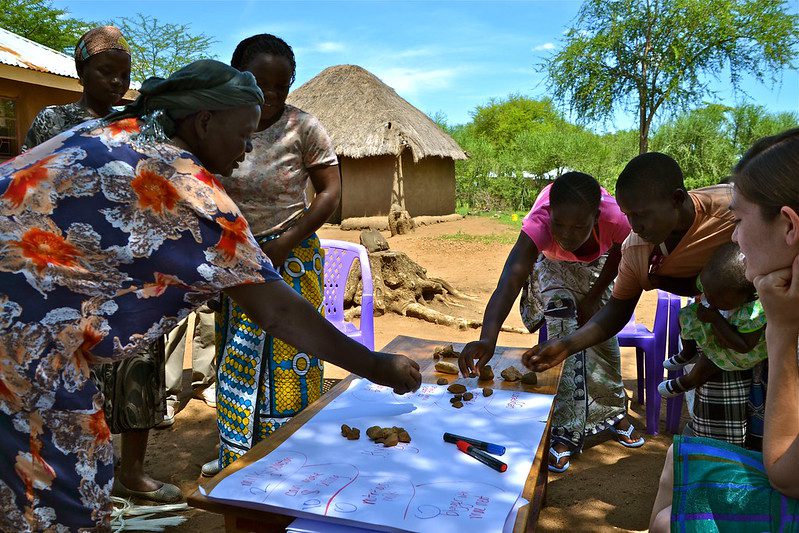
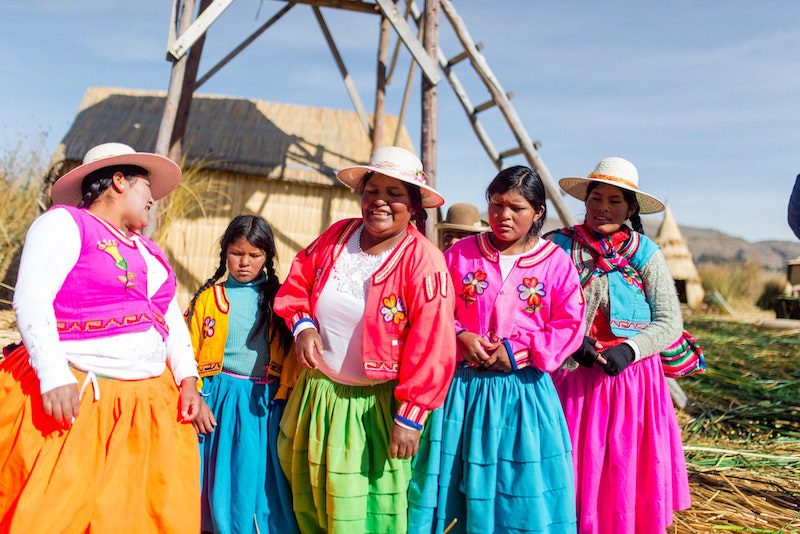
Nonprofit Organizations That Empower WomenThere are numerous international nonprofit organizations empowering women and girls around the world that are doing great work. They all focus on women and girls living in severe poverty who are experiencing barriers to their social and economic well-being. About 70% of all people living in poverty are women and girls. Cultural beliefs may restrict women’s access to basic education and other resources, which leads to profound economic inequality, financial illiteracy and financial dependency. Women around the world are also susceptible to experiencing high rates of sexual and gender-based violence including intimate partner or domestic violence. These experiences and the denial of basic rights contribute to the disempowerment of women. Here is some information about three nonprofit organizations that empower women and girls across the globe.
Women for Women International

Women for Women International serves poor and socially marginalized women in 14 conflict-affected countries. Some of these are Afghanistan, the Democratic Republic of Congo (DRC), South Sudan, Bosnia & Herzegovina, Kosovo, Nigeria, Iraq and Rwanda. The organization’s broad goal is to support female survivors of war and conflict.

Women for Women International provides a 12-month program that invests in women’s skills and community rebuilding. The year-long program uses a “Gendered Graduation Approach,” which combines elements such as social protection, livelihood development and financial access.

Women for Women International is also empowering women by providing them with educational resources that they would otherwise not have exposure to. The program teaches new topics every two weeks, and these not only include traditional education like numeracy and literacy but also subjects that teach the value of women’s work, such as gender equality, women’s solidarity and networking, leadership, advocacy and health and wellness just to name a few. Educating women in financial literacy is also an essential pillar of the organization’s work. The program provides each participant with $10 per month over the course of 12 months; these cash transfers give women the important opportunity to be responsible for their own money. Upon graduating from the program, “79% more women reported being involved in household decisions about having more children, and 56% more reported being involved in financial decisions.”

Participants also report that their daily income more than doubled upon completion of the program, averaging $2 compared to $0.80 at the beginning of the year. Women for Women International also notes that the average savings for the women who participated increased from $13 to $88 by the end of the program.

The Maasai Girls Education Fund (MGEF)

The Maasai Girls Education Fund (MGEF) is empowering women and girls of the Maasai community in Kenya. It works in Kajiado County, “where two-thirds of Kenya’s Maasai population lives” and “only 48% of Maasai girls are enrolled in school.” Only 5% of those who are enrolled in school make it to the secondary level. Maasai girls living in poverty tend to drop out due to financial constraints and detrimental cultural norms such as early/child marriage or the belief that girls do not need to receive an education. The Maasi Girls Education Fund’s broad goals are “to increase enrollment of Maasai girls in Kenya, reduce the dropout rate and support every student until they have the knowledge and skills to enter the workforce in Kenya.”

The organization directly helps Massai girls by providing scholarships from primary school all the way through the university level. It has a network of volunteers who locate young Maasai girls that may not be able to obtain an education otherwise, obtain their parent’s permission and helps them enroll in boarding school.

Providing girls with the opportunity to attend boarding schools removes the physical and cultural barriers that contribute to girls’ low educational attainment. It can also eliminate physical barriers that girls may have to attend school, such as long walks. Boarding schools also provide girls with the space to pursue their education without impeding cultural pressures like early marriage. Educational opportunities for women and girls also result in improved literacy, health and economic independence metrics.

The organization also provides life skills workshops dedicated to educating the Maasai community (girls, boys, mothers, chiefs and elders) about HIV, female genital mutilation and “the social structure that makes girls vulnerable to teen pregnancy.” The program demonstrates to the community the economic value and other benefits of educating girls. The aim is to instill an acceptance of girls’ education within the community. Since 2000, the organization has helped more than 250 Maasai girls receive primary to post-secondary education.

Women’s Global Empowerment Fund

Founded in 2007, the Women’s Global Empowerment Fund is helping those in northern Uganda living in poverty through its programs that have political, social and economic focuses. Its programs provide women in poor and rural areas with microcredit services, leadership development, health initiatives and basic business and literacy education. The Women’s Global Empowerment Fund partners with local on-the-ground organizations so that the communities and cultures inform the programs.

The organization’s Credit Plus program has helped provide thousands of loans to women who “would normally not have access to traditional banking and lending institutions.” This supports women’s economic empowerment by promoting small-scale entrepreneurship. Additional programs include a healthy periods initiative, a literacy program, agricultural loans and training, leadership development programs and other training initiatives. Its programs provide women in “post-conflict northern Uganda” with space for activism.

The literacy program provides participants with materials such as books and pens, and the program includes classes over the course of six months. The organization has claimed that as of 2016, more than 1,400 women have participated in its literacy program.

Each of these nonprofit organizations uplifting women emphasizes the importance of education in the pursuit of women’s social empowerment and economic independence. The Women’s Global Empowerment Fund states that “It is through information and education that self-esteem and empowerment are facilitated, enabling women to stand up and lead themselves out of the vicious cycle of poverty that is often presented before them.”

– Ashley Kim
Photo: Flickr

September 30, 2022
https://borgenproject.org/wp-content/uploads/borgen-project-logo.svg 0 0 Naida Jahic https://borgenproject.org/wp-content/uploads/borgen-project-logo.svg Naida Jahic2022-09-30 20:45:332022-10-08 08:05:113 Global Nonprofit Organizations That Empower Women
Global Poverty, Women's Empowerment

Guinea Pig Farming is Helping Andean Women

Guinea Pig Farming
Guinea pig farming is helping Andean women, children and communities improve their lives, income and confidence to push for change. Women in impoverished or rural Andean communities may struggle or be unable to bring in any income for their families. However, many are starting to utilize guinea pig farming as a form of women’s empowerment and economic growth. With the de-stigmatization of guinea pig meat in the area, increasing demand for guinea pigs in Andean areas is providing a great market for those wishing to find a cost-effective and low-maintenance way to a better life. Multiple women’s rights groups are noticing this opportunity and are helping women recognize their potential and importance.

Sustainability Increases

Women who have started guinea pig farming are noticing large increases in their income, which many have used to better their children’s education and feed their families.

Women are able to have financial independence and fight gender norms without sacrificing time away from their usual household responsibilities. Guinea pig farming is helping Andean women produce additional income in the comfort of their own backyards. The practice also provides additional food security for the family, as guinea pig meat is high in nutritional value.

Organizations Helping Women Lead the Way

Many women in the Andes region find it difficult to find jobs. This is due to their gender and low societal value, especially in poor rural areas. Groups that work towards local investment, poverty reduction and fighting domestic violence have started to use guinea pig farming as a way to inspire women to become independent and see their capabilities.

A U.S. group, World Neighbors, has a program in Peru that has valued the importance of guinea pig farming as a way for women to seek financial independence and take a larger role in reducing poverty. Women under this program have become motivated to break gender norms and solve problems in an environmentally friendly and effective way.

With support from PSSA [Spanish abbreviation for the Strengthening Local Development in the Highlands and High Rainforest Areas Project], the Cerrito de San Bartolo Productive Association has been able to set up a guinea pig farm, IFAD reported. This gave many women the ability to start their own businesses. It is leading to many people becoming successful while remaining in rural areas.

Guinea pig farming is helping Andean women with female empowerment, economic development and even women’s rights. The Central Association of Women of Pucyura is a local organization of women trying to fight against domestic violence and advocate for programs to help protect women, IPS reported. It is using guinea pig farming to help show women their potential. By understanding their worth, Andean women can begin to find the power within themselves to fight for better lives and equality.

Financial independence is only the first step in helping women find success and equality in rural and poor Andean communities. Guinea pig farming is not only producing income for these women. It is also providing their children with a better chance against many aspects of poverty.

Growing Demands and Various Markets

These movements and women are not sporadic or unique success stories. Trends predict that guinea pig farming demand could be able to bring many more women and families out of poverty. Demands are present in more than one country and area. Not all of the business goes towards consumption; guinea pig farmers sell and export multiple different breeds being bred as domesticated pets. The Guardian reported that “A 2019 report by Peru’s ministry of agriculture revealed a growing international demand for cuy [guinea pig] meat, with an 18% growth in sales between 1994 and 2018. Prices have also increased from $5 to $13 per kilo over the same period.”

With multiple exportation opportunities and its significance as a Peruvian delicacy, guinea pig farming can be a viable opportunity for women in the Andes region for a long time to come.

– Karen Krosky
Photo: Unsplash

June 18, 2022
https://borgenproject.org/wp-content/uploads/borgen-project-logo.svg 0 0 Jennifer Philipp https://borgenproject.org/wp-content/uploads/borgen-project-logo.svg Jennifer Philipp2022-06-18 07:30:162022-06-19 04:27:01Guinea Pig Farming is Helping Andean Women
Global Poverty, Women's Empowerment, Women's Rights

Women’s Political Participation in Egypt

Women’s Political Participation in Egypt
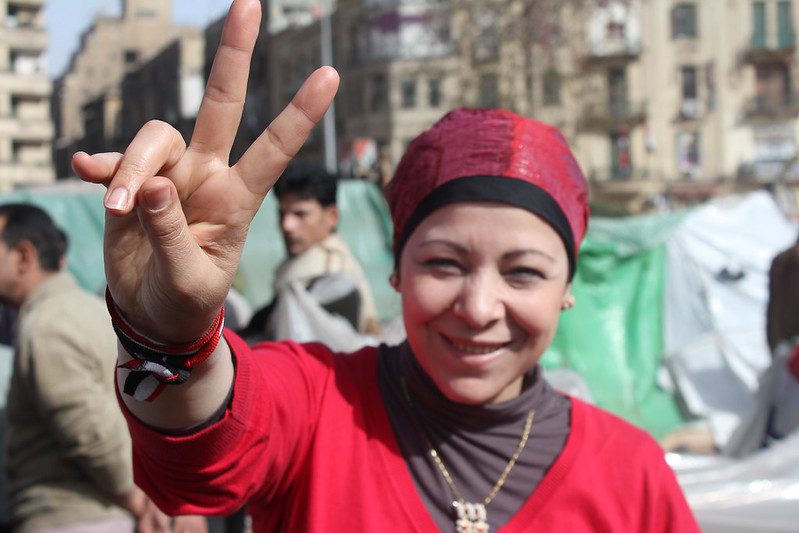
Although the advancement of women’s rights in Egypt has faced barriers in the past, change is on the horizon. The World Economic Forum’s 2021 Global Gender Gap Report notes progress in terms of gender equality. In particular, Egypt has made advancements for women in politics. A closer look at the country’s policies and culture around women’s political participation in Egypt will show how Egypt has garnered such success and point to the areas still in need of improvement.

Electoral Quota System in Egypt

Women in Egypt gained suffrage and the right to run for election with the 1956 Constitution. Before the 1979 elections, Egypt implemented a quota of 30 seats (9% of total seats in the People’s Assembly) reserved for women. In 1984, 36 women held seats. Eventually, arguments arose against the quota and Egypt repealed it in 1987, leading to the decline of female representation down to just nine women out of the 454 members of the People’s Assembly (2%) from 2005 to 2010. Over the next few years, Egypt reinstated the quota system and repealed it again. In 2014, Egypt implemented a new quota system, which includes non-gender-related quotas.

In 2019, Egypt amended the constitution to reserve at least 25% of seats in parliament for women, leading to a dramatic rise in women’s political participation in Egypt. Women hold 162 seats in the new parliamentary term (2016-2021), making up 27% of parliament, marking the first time this percentage surpassed 15%. As a consequence, “Egypt now ranks 67th in the world for women’s representation.”

According to the Global Gender Gap Report of 2021, Egypt is one of three MENA (the Middle East and North Africa) countries that closed its Political Empowerment Gap between 20% and 22.7%, with all other countries at 15.1% or lower.

Voting Registration

Egypt now automatically registers voters once they turn 18, which has increased women’s voting turnout. Although voter registration is about even now, there remain certain barriers that women voters face before turning in their ballots. Egypt requires “a valid digital passport, a valid ID card, or an invalid ID card that bears a valid identification number.”

Although this seems protocol for most countries, women in Egypt face cultural challenges when presented with such requirements. Women are more unlikely to possess a valid ID card, and if they do have one, their husbands often hold onto the cards, which may prevent a woman from voting without her husband’s permission. In order to ensure women’s political participation in Egypt, Egypt must address these barriers.

UN Empowers Egyptian Women

Clearly, women are making great advances in the political realm in Egypt. Now, the challenge is to ensure women’s representation goes beyond tokenism. The quota system Egypt implemented will increase numbers, but ensuring women’s voices receive support goes beyond the election.

U.N. Women Egypt works to address all areas that impact women’s lives in Egypt. Past initiatives have dealt with educational opportunities, economic empowerment, violence against women and political participation. One example of U.N. Women Egypt’s advocacy for women’s political participation in Egypt is its work with the National Council for Women (NCW) and partners to issue ID cards for women. The cards have stamps with the slogan “Your ID, Your Right.”

Again, alongside the NCW, U.N. Women Egypt helped encourage women in 27 governorates to “vote and/or run for candidacy at the municipal level,” reaching 35,000 women. As time passes, the number of women in political representation continues to increase.

Despite cultural difficulties, Egypt is making obvious efforts to include women in its policymaking. As the nation’s efforts continue and women also rise up in the government, Egypt will move toward gender equality in its politics.

– Rachael So
Photo: Flickr

May 22, 2022
https://borgenproject.org/wp-content/uploads/borgen-project-logo.svg 0 0 Kim Thelwell https://borgenproject.org/wp-content/uploads/borgen-project-logo.svg Kim Thelwell2022-05-22 07:30:232022-05-19 07:09:42Women’s Political Participation in Egypt
Global Poverty, Health, Women's Empowerment

Hospitals Empower Women Amid Conflict

Hospitals Empower Women Amid ConflictAmid ongoing crises around the world, hospitals help women deliver babies and maintain good reproductive and sexual health. Supporting hospitals in conflict-ridden countries empowers women and can drastically reduce maternal mortality rates. In Afghanistan, maternal mortality rates have reduced by more than 50% in the past 20 years due to advancements in public health infrastructure. Hospitals empower women amid conflict by providing lifesaving support to new mothers and women of all ages.

Conflict-Ridden Areas

Hospitals and clinics in conflict zones save lives every day, in areas ranging from maternal care to helping the sick and wounded. When conflict strikes, though, medical care facilities experience difficulties procuring medicine, equipment and supplies. The hospitals and clinics may also struggle to maintain a steady supply of fuel and heating. Non-governmental organizations (NGOs) often help hospitals and clinics in conflict-ridden areas obtain supplies.

In 2021, the United Nations Population Fund (UNFPA) provided two hospitals in Afghanistan with emergency kits containing medicine and equipment to support the “reproductive, maternal and newborn health needs” of more than 300,000 people. In combination with NGO efforts, governmental investments in hospitals and other public health infrastructure are necessary to ensure adequate medical care in conflict zones, especially for women. Well-funded hospitals empower women amid conflict by safeguarding their reproductive health and ensuring safe deliveries.

Health Care for Women

Conflict zones make it difficult for women, children and newborns to access health care. For example, the war in Yemen has prevented many women and children with health emergencies from accessing medical facilities. Limited access to medical care for the Yemeni people has led to an increase in deaths, leaving pregnant women, newborns and children the most vulnerable.

Developing countries are unlikely to have enough fully functioning hospitals to support everyone’s medical needs, especially in times of conflict. Many patients in conflict zones must travel through dangerous sites to receive medical attention from a hospital. Such endeavors are particularly dangerous for pregnant women and women traveling with young children. High-functioning, accessible hospitals are highly beneficial to public health and safety in times of conflict, especially for women and newborns.

Improving Health Care in Conflict Zones

Improvements to health care in conflict zones may involve public and private coordination, addressing context-specific needs and developing sustainable responses to medical emergencies. Public and private coordination efforts may include governmental bodies, humanitarian organizations and other global public health actors including the World Health Organization.

When public and private actors collaborate, the efforts can provide optimized health care to those in need. Context-specific health care initiatives tailor medical care and responses to the most common or urgent needs of a community. Such initiatives involve speaking with local actors and communities to gauge their medical needs. States can improve health care sustainability in conflict zones by improving existing health systems, securing funding and prioritizing the treatment of chronic illnesses.

Robust medical systems are necessary to promote health, safety and peace in conflict-ridden areas. Access to health care is particularly important for pregnant women and newborns as these are highly vulnerable groups in conflict zones. Hospitals empower women amid conflict by providing access to maternal and reproductive health care, which saves lives and ensures safe pregnancies.

– Cleo Hudson
Photo: Flickr

May 21, 2022
https://borgenproject.org/wp-content/uploads/borgen-project-logo.svg 0 0 Jennifer Philipp https://borgenproject.org/wp-content/uploads/borgen-project-logo.svg Jennifer Philipp2022-05-21 01:30:052022-05-23 05:20:37Hospitals Empower Women Amid Conflict
Global Poverty, Women's Empowerment, Women's Rights

Poverty Among Single Mothers in South Korea

Single Mothers in South Korea
In 2020, South Korea had 1.5 million single-parent households. One factor that impacts this statistic is that gender inequality is a pressing issue in many Asian countries, South Korea included. In 2017, women in South Korea earned 63% less than their male counterparts did, and, according to a 2018 OECD working paper, “16.5% of poor Korean households spend at least 30% of their income on children’s education.” With such inequality and heavy demands on childcare, single mothers in South Korea continue to struggle. This article will explore the difficulties that single mothers in South Korea face.

Education

South Korea’s widening educational inequality pressures families to spend more on their children’s education with private education becoming increasingly important. On average, Korean households pay for roughly 42% of their children’s primary and secondary education in comparison to the OECD average of 22%.

On top of that, Korean households also pay for “Hakwon” or “cramming schools,” which are private tutoring sessions that cost “18% of median household income per student.” As the educational system grows increasingly more competitive, these cramming school costs also increase in importance. For single mothers, particularly unwed mothers, supporting their children through the educational system is difficult as women cannot avoid the social stigma of having children outside of marriage because Korea’s birth registry, which is visible to schools and workplaces, labels their children as extra-marital.

Financial Support

Almost half of women in South Korea did not work in 2017 as many of them left the workforce to raise children. In Korea, more women than men have tertiary education qualifications. In fact, 76% of Korean women between the ages of 25 and 34 “had a tertiary qualification in 2020 compared to 64% of their male peers.” Yet, many women are not part of the labor force and those within the workforce earn significantly less than their male peers.

As one can imagine, single mothers may not have the option of leaving work due to the burden of financial responsibilities falling on them. Furthermore, South Korea’s workplace demands long hours. According to the OECD, in 2018, 71% of working women in South Korea worked at least 40 hours and 17% worked at least 60 hours; both of these averages are significantly higher than the OECD average.

The government also provides little financial support for single-parent families. If a single parent makes less than 1.55 million won ($1,400) per month, the government gives them 200,000 won ($180). Considering that the average monthly income of a Korean household is 4 million won ($3,640), an amount sufficient to cover most costs, the government payment to single mothers does not equate to much. Lastly, single motherhood, particularly for unwed mothers, carries a social stigma that prevents even families from providing support.

Progress

Although the pressing demands on single mothers in South Korea grow, statistics show wins for single-parent households. The educational attainment of impoverished single parents has risen, reducing from a low-level education rate of 40% in 2006 to 23% in 2012. This has led to a rise in these households’ standards of living and disposable income.

For single mothers, particularly those who face the social stigma of being unwed, the Korean Unwed Mothers’ Families Association (KUMFA) aims to create a society in which unwed mothers can raise their children without the social stigma of their situation impacting their lives.

A group of unwed mothers founded KUMFA in 2009 as a place for unwed mothers to meet monthly. Since that time, it has grown into an organization. According to its website, “KUMFA holds camps for each major holiday in Korea in order to provide family environments for moms and children during holiday seasons.” In addition, the organization “also provides educational, advocacy, and counseling support programs for unwed mothers.”

Single mothers in South Korea face the crunch between rising educational costs and low wages for women. On top of that, the social stigma around single motherhood follows them everywhere and embeds itself even in the registration of their children’s births. Despite this, women have shown resilience and KUMFA is a great example of solidarity between those facing the same circumstances.

– Rachael So
Photo: Wikimedia Commons

May 18, 2022
https://borgenproject.org/wp-content/uploads/borgen-project-logo.svg 0 0 Kim Thelwell https://borgenproject.org/wp-content/uploads/borgen-project-logo.svg Kim Thelwell2022-05-18 01:30:432024-05-30 22:25:59Poverty Among Single Mothers in South Korea
Global Poverty, Women's Empowerment, Women's Rights

Women’s Rights in Japan

Women’s Rights in Japan
The World Economic Forum ranks countries’ progress toward gender equality by assessing gender gaps across four categories: Economic Participation and Opportunity, Educational Attainment, Health and Survival and Political Empowerment. According to its 2021 Global Gender Gap Report, Japan ranks 120th out of the 156 included countries. This lower-end ranking highlights the struggle for the progression of women’s rights in Japan. For example, despite Japan’s former prime minister Shinzo Abe’s intention to implement gender equality reforms, particularly in the workplace, Japan scores very poorly in the Economic Participation and Opportunity index, with only 60.4% of this gap closed as of 2021. A closer look at women’s rights in Japan within the political and workplace environments provides insight into the country’s progress.

Japan’s Political Arena

Women endure significant underrepresentation in Japan’s political environment, with only 45 women elected to the 465-member House of Representatives in 2021. As such, the Inter-Parliamentary Union ranked Japan 165th on its index of women in national parliaments. The 2003 prime minister, Junichiro Koizumi, set the missed target of having 30% females in leadership positions by 2020. Since then, Japan has set several other goals for gender equity with little to no action. Yuriko Koike, the governor of Tokyo, referred to the gender inequality barrier for women as an “iron plate” rather than simply a “glass ceiling.” With such underrepresentation in government, women’s rights in Japan remain an issue with limited advocates for aggressive policy changes.

Women in the Workplace

According to the 2021 Global Gender Gap Report, 72% of Japanese women participate in the workforce, however, “the share of women working part-time roles is almost twice that of men.” Although Shinzo Abe, serving from 2012 to 2020, urged companies to bring more women into management positions, his efforts effectively stopped there. While there are laws that ensure equality between men and women and there are courts to hear cases of discrimination, litigation is a long (averaging five years), expensive and inconsistent process. There also remains the cultural shame of pursuing such a case.

Overwhelmingly, parenting in Japan falls on the women to ensure children succeed in a highly competitive educational system. Certain policies have emerged to alleviate some burdens, such as 12 months of parental leave at 50% income. There are also programs in place for the provision of childcare services. However, these changes have proven to be largely ineffective as the demand for childcare services grows significantly faster than the supply and there is a lack of legally binding authority for parental leave policies. Many employers, especially in small organizations, do not have specific policies around parental leave. The societal view of a woman’s place within the household is still visible in the workplace, which shows in the policies surrounding women’s rights.

Women’s Rights Progress

One success for Japanese women is that there is no gender gap in educational opportunity in terms of primary education. In addition, Japan has closed “95.3% of its secondary enrolment education gender gap and 95.2% of its tertiary enrolment education gender gap.”

For other areas of improvement, there are organizations advocating for more women in leadership positions. For example, the Japanese Women’s Leadership Initiative “empowers Japanese women to become leaders and to make positive social change and innovation in Japan.” The initiative started in 2006 in Boston, Massachusetts, with three women, Atsuko Toko Fish, Mary Lassen and Catherine Crone Coburn. The program invited emerging women leaders in Japan to participate in a four-week training during which they would develop action plans to create social change after returning to Japan. After receiving more funding, JWLI expanded to hold public forums in Japan, reaching hundreds of Japanese citizens.

Politically, the new Japanese prime minister, Fumio Kishida, reinforces his predecessor’s commitment to promote gender equality and “become one of U.N. Women’s top contributors.”

The advancement of women’s rights in Japan may entail a long journey of fundamental reform within Japanese society, but with the pressing need for women’s economic contributions to end poverty and the rise of more women wishing to join the workplace, Japan will need to prioritize changes to women’s rights in the workplace. Although slowly, the Japanese government is taking steps toward transforming the nation into a more equitable society. Often, change does not happen linearly, but rather, exponentially. Perhaps it is Japan’s time for exponential change.

– Rachael So
Photo: Unsplash

May 5, 2022
https://borgenproject.org/wp-content/uploads/borgen-project-logo.svg 0 0 Kim Thelwell https://borgenproject.org/wp-content/uploads/borgen-project-logo.svg Kim Thelwell2022-05-05 01:30:202022-05-09 06:04:35Women’s Rights in Japan
Page 17 of 54«‹1516171819›»

Get Smarter

  • Global Poverty 101
  • Global Poverty… The Good News
  • Global Poverty & U.S. Jobs
  • Global Poverty and National Security
  • Innovative Solutions to Poverty
  • Global Poverty & Aid FAQ’s
Search Search

Take Action

  • Call Congress
  • Email Congress
  • Donate
  • 30 Ways to Help
  • Volunteer Ops
  • Internships
  • Courses & Certificates
  • The Podcast
Borgen Project

“The Borgen Project is an incredible nonprofit organization that is addressing poverty and hunger and working towards ending them.”

-The Huffington Post

Inside The Borgen Project

  • Contact
  • About
  • Financials
  • President
  • Board of Directors
  • Board of Advisors

International Links

  • UK Email Parliament
  • UK Donate
  • Canada Email Parliament

Get Smarter

  • Global Poverty 101
  • Global Poverty… The Good News
  • Global Poverty & U.S. Jobs
  • Global Poverty and National Security
  • Innovative Solutions to Poverty
  • Global Poverty & Aid FAQ’s

Ways to Help

  • Call Congress
  • Email Congress
  • Donate
  • 30 Ways to Help
  • Volunteer Ops
  • Internships
  • Courses & Certificates
  • The Podcast
Scroll to top Scroll to top Scroll to top