• Link to X
  • Link to Facebook
  • Link to Instagram
  • Link to TikTok
  • Link to Youtube
  • About
    • About Us
      • President
      • Board of Directors
      • Board of Advisors
      • Financials
      • Our Methodology
      • Success Tracker
      • Contact
  • Act Now
    • 30 Ways to Help
      • Email Congress
      • Call Congress
      • Volunteer
      • Courses & Certificates
      • Be a Donor
    • Internships
      • In-Office Internships
      • Remote Internships
    • Legislation
      • Politics 101
  • The Blog
  • The Podcast
  • Magazine
  • Donate
  • Click to open the search input field Click to open the search input field Search
  • Menu Menu

Archive for category: Women and Female Empowerment

information and Stories about woman and female empowerment.

Global Poverty, Women and Female Empowerment, Women's Empowerment, Women's Rights

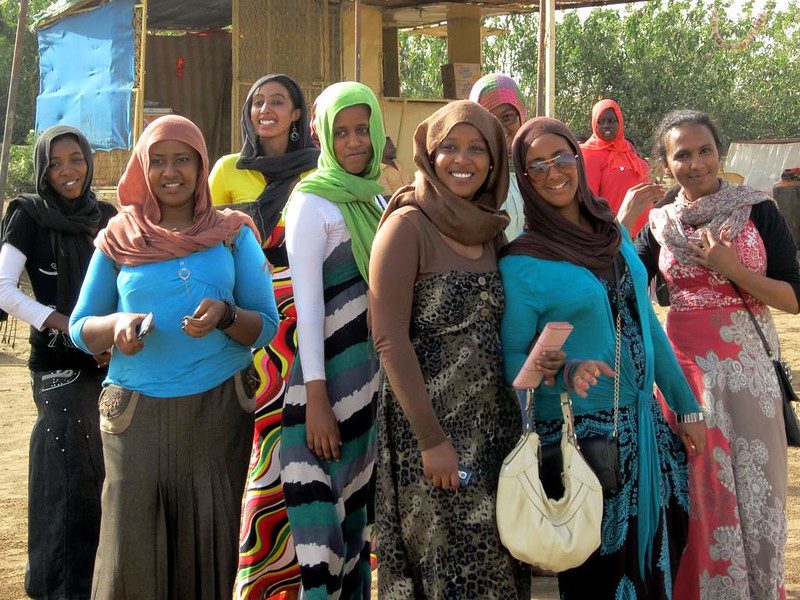
5 Facts About Women’s Rights in Sudan

Women’s Rights in Sudan
For decades, the subject of women’s rights has been at the forefront of media and politics. While progress has been made, women’s rights in Sudan still lag behind other countries. Women in Sudan are fighting for equal rights amid new legislation such as the Personal Status Law of 1991, which allows child marriages and states that women can only marry if they have consent from a father or male guardian. Here are five facts about the women’s rights movement in Sudan.

5 Facts About Women’s Rights in Sudan

  1. Women make up 70% of protesters. As women band together to protest against laws and government officials that want to limit women rights, Global Fund for Women estimates that women account for nearly 70% of protesters in Sudan. The women taking part in these protests have labeled their movement “the women’s revolution.” Although many women have been beaten or flogged, they stand strong and continue to protest.
  2. Many of the laws women are protesting stem from long-lasting traditions. Tradition is important in Sudan’s culture — but tradition does not justify oppressive laws. Laws in Sudan restrict women from wearing pants, enjoying equality and representation in government and escaping child marriage. Modern women demand equal rights; however, rights are difficult to attain when women have a limited voice within government and law.
  3. Women in Sudan have been fighting for their rights for over 30 years. Under the oppressive rule of dictator Omar al-Bashir, women in Sudan have had to fight for basic equal rights since 1989. While inequality did not start with Al-Bashir, he did support and enforce laws that limit women’s rights. Military and government officials beat, rape and murder women for speaking out against years of abuse and inequality.
  4. The women’s revolution movement helped overthrow Al-Bashir. In 2019, women refused to stay silent as Sudan began to rise up against Al-Bashir. Even though they had to deal with persecution from the military, women continued to rise up against their oppressors. According to Harvard International Review, protesters such as Alaa Salah and Lina Marwan stood strong to tell their stories of inequality, continuing to protest even after being harassed by Sudanese military officials.
  5. The “No to Women Oppression Initiative” promises a better future for women in Sudan. As of January 2020, West Kordofan started its first “No to Women Oppression Initiative.” Though currently the only initiative of its kind, this may spark further collaborations between women’s rights organizations across Sudan. These organizations are also continuing to discuss violence against women with Sudan’s government, in hopes of attaining equal rights.

These five facts about women’s rights in Sudan indicate that the country has a long way to go in achieving equal rights for women. But as protests continue and women persist in fighting for their rights, this country can hope for a stronger, more equitable future. Moving forward, it is essential that women in Sudan receive international support for their protests. By working together, conditions for women in Sudan can improve.

– Olivia Eaker
Photo: Flickr

September 16, 2020
https://borgenproject.org/wp-content/uploads/borgen-project-logo.svg 0 0 Kim Thelwell https://borgenproject.org/wp-content/uploads/borgen-project-logo.svg Kim Thelwell2020-09-16 17:36:012020-09-16 17:36:015 Facts About Women’s Rights in Sudan
Education, Global Poverty, Homelessness, Women

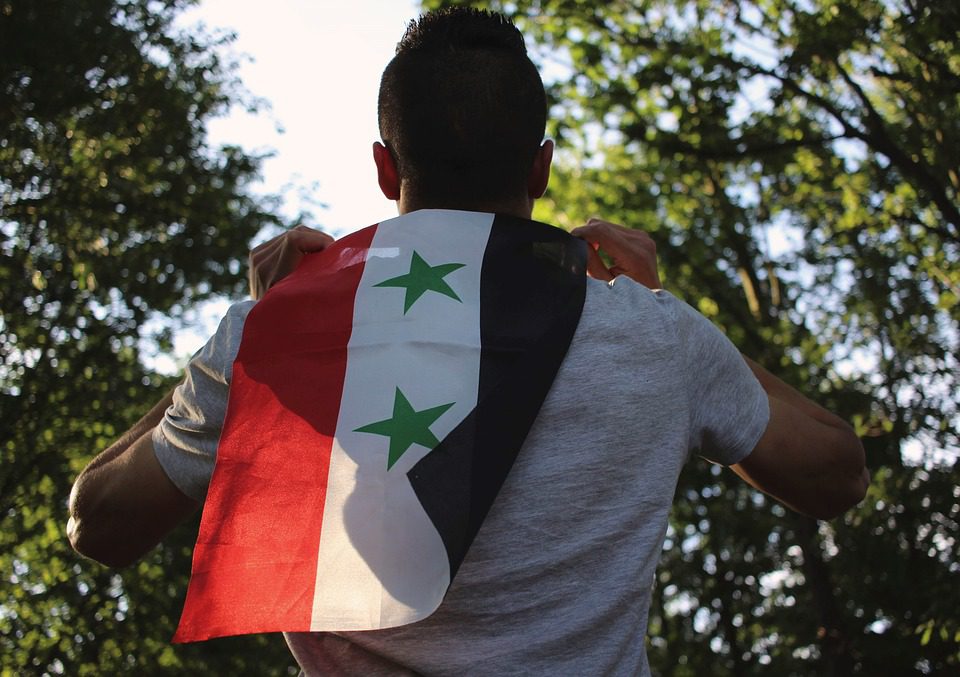
3 Consequences of the Documentation Crisis in Syria

Documentation Crisis in Syria
Syrians are facing striking consequences from the nearly 10-year civil war. With the destruction of the country also came the destruction of legal documents, including IDs, birth certificates and education degrees. This article will articulate the specific consequences of the documentation crisis in Syria, as well as organizations working to help.

Homelessness

For many Syrian refugees, finding housing is not a simple task. While some simply fled their homes in hopes of escaping the war, many had to leave due to the loss of their documentation. As The New Humanitarian stated, receiving proof of homeownership is extremely difficult in Syria as is. As the war progressed, more and more homeownership files experienced destruction or people lost them. Moreover, those living in stable homes had to leave.

Further Marginalization of Women

In Syria, significantly fewer women have proper documentation than men. The UN Refugee Agency (UNHCR) conducted a study in 2017 which showed that one in five Syrian men own passports, while only one in 50 women own passports. Not only are women at a great disadvantage due to Syria’s conservative values but as the war continued, Syrian women also lost their already little documentation. Gaining their passports back will be even more difficult than the process was before the war due to the documentation crisis.

Loss of Prior and Further Education

The war directly affected Syrian education as well. In fact, over 33% of Syria’s schools have experienced damage or destruction due to the decade-long war. Displaced people are primarily using the ones that remained intact. Syrian refugees who choose to come back to Syria may not have the ability to further their education without government documents; as of 2019, nearly half of school-aged children in Idleb, Syria is at risk of not having access to school. For some, a lack of documentation inhibits their ability to continue even elementary or secondary education. For others, the loss of their diplomas and other proof of graduation results in further difficulty in finding jobs. This, then, stunts any sort of academic mobilization for Syrians.

Further, secondary schools in Jordan, one of Syria’s bordering countries, “re-imposed documentation requirements it had previously waived, which risks undermining school access for vulnerable students,” according to Human Rights Watch. Moreover, some Syrian documents certify the most recent classes students have completed. Without these documents, the education ministry will place students based on their perceived age. If students lost their birth certificates along with class documentation, they might end up in a difficult learning environment, as they may be ahead or behind in their given class. Some students were drastically misplaced, as one student was meant to be in class two, but was placed in class five. This resulted in the student dropping out.

The Documentation Crisis and Poverty

With each mentioned issue comes the potential for poverty. Homelessness in Syria directly affects the family and the country itself. According to The Guardian, many families are only living on $200 a month, or $50 each week. This is a direct result of the decade-long war and the accompanying loss of homeownership documentation in the nation.

Moreover, as women in Syria already experienced great marginalization, leaving their homes caused serious effects on their health. According to the UN, nearly 7 million Syrians experience food insecurity. According to a 2017 study, food insecurity directly affects pregnant women, as they may suffer from anemia. The study also found that close to 8% of childbearing-aged women continued acutely malnourished. As the documentation crisis continues, so does the risk of poverty, which causes serious health risks for all people, but especially young women.

Lastly, education is pivotal in mobilizing any community. The UN confirmed 385 attacks on educational institutions since the year 2014. The Syrian war has obliterated all opportunities for young people to continue their education anytime soon. For example, 400,000 students were unable to take their final exams in the northwest region of Syria as of 2020. With education comes the ability to move up in the world both socioeconomically and personally. Now, with the documentation crisis paired with the destruction of schools in Syria, children are not able to participate in furthering their education. Some families (17%, according to the Norweigan Refugee Council, or the NRC) have resorted to obtaining false documentation in an attempt to restart their lives post-war.

Current Aid for Syrian Refugees

Organizations like UNICEF are providing various ways to help the documentation crisis in Syria. Whether it be psychological help or advocating for policy reform, there have been significant efforts to aid Syrian refugees. For example, UNICEF has involved 200,000 young people, youth and adolescents in civic engagement activities. The organization has also given 1 million children in both Syria and nearby countries the psychological help they may need. Additionally, UNICEF (along with partnering organizations) has given children access to informal and formal education.

The Borgen Project also allows individuals to make a difference with a simple email. Using The Borgen Project’s Action Center, one can send an email to their local representative to protect the International Affairs Budget. Further funding towards the budget allows for the U.S. to provide foreign aid and give Syrian children the education they deserve.

– Anna Hoban
Photo: Flickr

September 16, 2020
https://borgenproject.org/wp-content/uploads/borgen-project-logo.svg 0 0 Kim Thelwell https://borgenproject.org/wp-content/uploads/borgen-project-logo.svg Kim Thelwell2020-09-16 13:09:072024-12-13 18:02:143 Consequences of the Documentation Crisis in Syria
Global Poverty, Women and Female Empowerment

3 Beauty Brands Empowering Ghanaian Women in Poverty

Ghanaian women in poverty
It is undeniable that, right now, the makeup, skincare and haircare industries are flourishing globally and are predicted to continue their economic rise well into the future. According to Euromonitor International, in 2020, the beauty industry’s net profit reached $500.5 billion — a more than 5% increase from 2019. Broken down by category: general cosmetic care earned $307 billion, skincare acquired $145.2 billion, haircare collected $79.2 billion and premium beauty earned $139 billion. The industry’s forecast predicts an annual net profit of $756.63 billion by 2026. 

Right now in Ghana, the beauty industry is experiencing a cultural role shift and growth in profit. The increasing population of young people is beginning to explore skin, beauty and hair care — and they’re looking locally. As this industry grows, Ghana-based brands are looking to do more than just provide beauty products. Through outreach programs and innovative business plans and programs, personal care companies are working to provide financial aid, job opportunities, equitable support and empower Ghanaian women. Here are three Ghana-based beauty brands empowering Ghanaian women in poverty.

3 Beauty Brands Empowering Ghanaian Women in Poverty

  1. FC Beauty Group Limited: Established more than 30 years ago in Ghana, FC Beauty Group Limited (FCBGL), not only provides and distributes high-quality hair and beauty products at a wholesale price to local salons but also hosts extensive outreach programs for impoverished women. FCBGL launched the Grace Amey-Obeng Foundation International in the summer of 2007. This foundation has made it a priority to aid Ghanaian women in poverty, with the purpose of providing young women an education, training and a sense of self. Through this program, FCBGL has focused its outreach to young homeless women, some of whom must engage in prostitution to financially support themselves. For women who engage in transactional sex consensually, the foundation provides them with skills to prevent difficulties in their profession. These skills include preventing pregnancy, sexually transmitted diseases and exploitation. For women who do not wish to continue this work, the brand offers job prospects and training that allow them to change their economic direction. The brand continues its outreach work by partnering with the Osu Girls’ correctional facility to provide inmates with hirable skills for future economic success. FC Beauty Group Limited hosts another program titled the “Tutsi Project.” The Tutsi Project’s agenda is to act as insurance for the women who have completed FCBGL’s training programs and are now pursuing a career. Since its conception, the FC Beauty College has trained more than 6,000 economically successful students. Seed money is provided to women looking to start their own businesses. Many trainees are full-time mothers as well as entrepreneurs and FCBGL’s investment at the beginning of their career allows them to feel financially supported.
  2. Nokware Skincare: With old-school natural products and innovative ideas, the brand Nokware, meaning “truth,” creates all products from recipes and raw materials passed down through Ghanaian women’s lineage. Remaining local is an important piece of Nokware’s business plan and the brand solely uses materials that can be found and farmed by local African women. By practicing fair trade and pricing deals, Nokware can work towards its overall mission: economic inclusion. Recognizing the financial disparity many Ghanaian women face, this brand works to exclusively buy locally to put money back into the community and create a space for those who have been neglected in the workforce. By situating “community commerce” at the forefront of its company, Nokware works to stimulate the Ghanaian economy from the inside out. Empowerment of Ghanaian women in poverty is very important to Nokware Skincare. The brand works to accomplish that goal by primarily hiring women who face a substantial wage gap. Recognizing them as powerful resources, Nokware also staffs its executive boards and factory floors with Ghanaian women in an effort to minimize the prevalent wage gap in the country. The company’s “Nokware for Women” fund is an educational scholarship program available to the daughters of Nokware employees to diminish gender inequalities in education.
  3. True Moringa: Named after the extensive benefits of the plant found in northern Ghana, True Moringa is a brand that creates a diverse selection of products that all contain the oil of the True Moringa tree. On a trip with MIT’s D-Lab to Ghana, Kwai Williams and Emily Cunningham learned about the aforementioned tree, known as the “miracle tree,” from local farmers. The plant contains high levels of Vitamin A, calcium and protein. It also has the ability to grow and strengthen other crops in any climate. After learning this, Williams and Cunningham realized that the plant could minimize poverty and malnutrition in the country, and bring economic opportunities to farmers while providing consumers with high-quality skin and hair care products. The founders were aware of the lack of training, reliable commerce and income insecurity Ghanaian farmers face. As a result, they created a business plan that could compete with more established beauty brands and source locally to raise the monetary value of the brand’s contributing farmers. The company’s website states that the creation and application of the True Moringa brand has served more than 5,000 farming families, planted more than 2 million trees and increased local Ghanian farming revenue tenfold. In addition to the economic growth created through local sourcing, True Moringa allows customers to make an impact. With every purchase made, True Moringa will plant a tree which, in turn, combats deforestation and malnutrition in the small farming communities the brand works with. The True Moringa skin and hair care brand not only works to contribute to the beauty industry and empower Ghanaians by providing high-quality products, but also looks outside to create sustainable incomes and resources to empower Ghanaian women in poverty and their families.

All of these brands have created a positive impact on Ghanaian women in poverty. They have done so by looking beyond the cosmetic aspects of their products and focus on empowering women through their incomes, access to food and financial well-being. These brands have given hope to women and families for a better future, and have continued to walk alongside them as they move into a more financially secure future.

– Alexa Tironi
Photo: Flickr

September 16, 2020
https://borgenproject.org/wp-content/uploads/borgen-project-logo.svg 0 0 Kim Thelwell https://borgenproject.org/wp-content/uploads/borgen-project-logo.svg Kim Thelwell2020-09-16 01:31:302024-06-06 00:38:153 Beauty Brands Empowering Ghanaian Women in Poverty
Education, Global Poverty, Women and Female Empowerment

Economic Empowerment One Accessory at a Time

The protection of women’s’ rights and access to opportunities for economic empowerment are vital pieces to the reduction of extreme poverty. Indian women continue to face major challenges in gender equality as inferiority persists between men and women through familial relations and cultural norms. Emphasis on traditional gender roles such as taking care of the home, children, elders and religious obligations often leave women with little time to pursue educational opportunities. As a result, India has one of the lowest female literacy rates in Asia. With a lack of education, finding employment that provides a livable wage can seem hopeless, but organizations like Shakti.ism are creating new hope.

Economic Empowerment as a Solution – Shakti.ism

Shakti.ism, a female-led social enterprise, aims to dismantle these cultural norms through economic empowerment. The organization provides employment opportunities for women in India, many of whom are victims of domestic and gender-based violence. The women work to create unique hand-crafted accessories and develop and establish themselves as artisans. The social enterprise partners with NGOs throughout India to reach as women and girls as possible. Shakti.ism is also committed to abiding by and promoting the 10 Principles of Fair Trade and the U.N.’s Sustainable Development Goals. Founded by Jitna Bhagani, a survivor of gender-based violence herself, she hopes to encourage self-sustainment, independence and entrepreneurship in efforts “to break the cycle of poverty.”

Bhagani recognizes that cultural norms continue to largely impede upon the achievements and rights of women living in India. In a featured post by the Harvest Fund, Bhagani shares the stories of some of the women that Shakti.ism has helped. Many of these women are victims of discrimination as a result of the caste system. Although outlawed in 1950, it still remains deeply culturally embedded today. She notes that a lack of education, sex trafficking, familial relations and religious and cultural beliefs are some of the most prevalent causes of poverty and gender-based violence in India.

Impact

In collaboration with several NGOs, Bhagani’s Shakti.ism aims to tackle these issues by providing women with training focused on strengthening livelihood skills, compensating for a lack of formal education, a safe place to work, and alleviating dependence on male family members which reinforce societal norms. Another core goal of Shakti.ism’s mission is to provide women with the opportunity to become self-sustaining entrepreneurs, granting them access to a global market, financial and emotional support and secured wages.

Shakti.ism’s partnership with several NGOs has allowed the organization’s mission to reach women living in many parts of India, including Pondicherry, Jaipur, Hyderabad, and Chennai. The nonprofit organization has also partnered with another social enterprise called Basha Enterprises, allowing the mission to expand its reach to women in Dhaka, Bangladesh. Many of the women that have been employed by Shakti.ism have pursued entrepreneurship and are now participants in a global market, and working to ensure economic prosperity and a decrease in global poverty.

Future Directions

The United Nations cites that “empowering women in the economy and closing gender gaps in the world of work are key to achieving the 2030 Agenda for Sustainable Growth” which strives to end poverty. As demonstrated by the work and reach of Shakti.ism, the economic empowerment of women is vital in the mission to end global poverty.

– Stacy Moses
Photo: Flickr

September 14, 2020
https://borgenproject.org/wp-content/uploads/borgen-project-logo.svg 0 0 Kim Thelwell https://borgenproject.org/wp-content/uploads/borgen-project-logo.svg Kim Thelwell2020-09-14 15:38:112024-05-29 23:23:10Economic Empowerment One Accessory at a Time
Global Poverty, Women and Female Empowerment

The Effects of Microfinance on Gender Inequality

Microfinance on Gender Inequality
Many women around the world struggle to stay afloat and support their families. However, the effects of microfinance on gender inequality are significant in that a loan could help women start businesses to financially support themselves.

The Story of Nicolasa

At the age of 4, Nicolasa’s mother died, leaving her in the care of her father and older sister. Though Nicolasa’s father did his best to provide for his daughters, they both had to abandon their education in order to keep the family afloat. Nicolasa and her sister worked on the streets of San Antonio Palopó, Guatemala selling a variety of food items.

As Nicolasa grew up and married, she vowed that her child would not live the same life as hers. She wanted to be present for her children, yet the only place she had worked was far from home. To care for her children both physically and financially, Nicolasa decided she would start her own weaving business from home. With no capital or collateral, and no banks to borrow from in her small town, Nicolasa faced an immense obstacle.

Microfinance

Nicolasa’s problem is one that many women in Guatemala and other developing nations face every day. Guatemalan women want to become financially independent but often have nowhere to obtain even a small loan. Without the aid of a financial institution, these women have minimal opportunity to start a business, make small investments or simply support their families.

In 1976, Muhammad Yunus recognized the difficulties these women face and started the first modern run microfinancing bank. His goal was to lend small amounts to those in developing countries who did not have access to banks or had little collateral to support their endeavors. A microloan as small as $60 could now go to a woman opening a fruit stand, for example. Microloans may not cover large purchases, but just a small amount of money can go a long way for women in developing nations. A successful loan may help a woman jump-start her business and become financially independent. Therefore, the effect of microfinance on gender inequality could be very significant.

The Effect of Microfinance on Gender Inequality

Studies have proven microfinance to be a great tool for economic development and the promotion of gender equality. When women are financially independent, they often meet with greater decision making power within their households. Gender equality within households often results in women taking a more prominent stance on societal issues, which in turn, further promotes equality around the world.

Gender equality can also create a healthier and more robust global economy. A study that the McKinsey Global Institute conducted claims that if each country had equal opportunity for women, the global GDP would increase by $28 trillion, or 26% by 2025. From individual households to the global economy, gender equality results in a healthier balance of power across developing nations.

Criticism

Not everyone agrees with the impact that microfinance could have on gender equality. Many critics claim that a country’s cultural disapproval of women who work can minimize the positive effects of microfinance and prevent women from obtaining microloans. To combat these cultural norms and their negative effects on gender equality, many microfinance banks offer loans to women who are hoping to start a business from home. Nicolasa is one of these women.

Nicolasa Now

Nicolasa obtained a loan of $400 from the Foundation for International Community Assistance. She used the money to buy a loom, from which her success was significant enough to seek investment for a second loom. She currently weaves fabric and rents out her other loom to women from her village. Nicolasa is now proudly saving to send her daughter to college.

Nicolasa is one of many women in developing countries experiencing the positive effects of microfinance. She has provided herself with a sustainable income and is giving her daughter the wonderful gifts of higher education and financial support. If one small loan can change a woman’s life for the better, it is easy to see how microfinance is providing the same benefits to women across the world.

– Aiden Farr
Photo: Flickr


September 14, 2020
https://borgenproject.org/wp-content/uploads/borgen-project-logo.svg 0 0 Kim Thelwell https://borgenproject.org/wp-content/uploads/borgen-project-logo.svg Kim Thelwell2020-09-14 07:31:052020-09-12 09:42:27The Effects of Microfinance on Gender Inequality
Global Poverty, War, Women, Women's Rights

Afghan Women Aid War-Torn Communities

afghan womenAlthough Afghanistan’s Constitution, ratified in 2004, forbids discrimination and declares that “man and woman, have equal rights and duties before the law,” gender inequality still persists. Women are repeatedly denied opportunities for social, educational and economic advancement, leaving 80% out of the workforce and only 8% with more than a primary education. Gallup surveys conducted in 2018 identify Afghan women as the “least satisfied women in the world,” with more than half reporting that they would permanently leave the country if given the opportunity due to discrimination, food insecurity and violence. The good news, however, is that the United Nations Mine Action Service has enacted a new initiative in Afghanistan’s Bamiyan province that mobilizes women to escape poverty and empowers them to clear war-torn communities of the remnants of war.

Poverty and Conflict

The World Bank estimates that the number of people living in areas overwhelmed by conflict has doubled since 2007, a rate that has increased alongside poverty expansion. People living in fragile and conflict-affected situations, or FCS, are 10 times more likely to be poor. Forty-three of the world’s most impoverished countries are classified as FCS regions. Proximity to conflict directly affects education, infrastructure, health and the economy. In violent areas, children are less likely to travel to school, families are more likely to suffer long-term medical conditions and communities lose valuable opportunities for monetary mobility and advancement.

The Taliban has sustained a significant presence in Afghanistan for over a decade and has remained a constant threat. More than 1,400 people were killed or injured by landmines in Afghanistan in 2018, a number that has tripled since 2012. Mines and other explosives are certainly detrimental to infrastructure after detonation, but unexploded devices can be equally as destructive. Construction projects are largely avoided for fear of encountering an explosive during the building process. This leaves many areas without roads, essential buildings and airports, all assets that could play a role in reducing poverty.

Dauntless De-Miners

The United Nations Mine Action Service (UNMAS) began a de-mining pilot program in 2018, featuring 14 brave Afghan women in Afghanistan’s Bamiyan province. After receiving training from the UNMAS de-mining experts, the women strap on Kevlar vests and sport protective face shields that enable them to search the soil using massive metal detectors. Once a detector beeps, the team member will kneel and sift through the dirt until the mine or explosive is found and deactivated.

The primary goals of the program are to clear mines, educate villagers and equip Afghan women with the tools they need to escape poverty. The team works approximately nine hours per day, but depending on location, mine removal projects may be short-term. In circumstances where land can be swiftly searched, the team uses the remaining time to learn vocational skills taught by UNMAS workers, training that has the potential to change their status. Additional education for Afghan women, who would otherwise receive very little, is crucial to broadening their job opportunities, increasing household income and helping them rise out of poverty. UNMAS also requires women to participate in meetings that decide how to use the land that is newly mine-free, which showcases their growing presence and immense contribution to their historically war-torn communities.

Fatima Amiri was one of the Bamiyan province’s first team members, and she is frequently highlighted for her dedication. She works tirelessly for her team after witnessing the devastating effects of hidden and unexploded devices. A member of her community traveled to a mountain on the Day of Eid, or the end of Ramadan, and never returned. Amiri realized that day she wanted to rid the surrounding area of mines, and she notes that now, “no one says that women are weak.”

Brace for Impact

Afghanistan’s fearless team is looking to expand its efforts beyond the Bamiyan province in the coming years. Since its inception, the team has covered more than 51,500 square meters and is projected to clear their land of mines and explosives by 2023. Most of the cleared region is now being used to build infrastructure or for farming, a lifestyle that boosts community economies and indirectly improves Afghan women’s social status. The de-mining women are recognized for their success and newly respected for providing their fellow community members with safety, food security and ways to maintain a steady income, three things crucial to overcoming conflict-induced poverty. The community’s appreciation erodes traditional gender norms that have restricted Afghan women for centuries by proving their value as productive members of society capable of protecting thousands in war-torn communities.

– Natalie Clark
Photo: Flickr

September 11, 2020
https://borgenproject.org/wp-content/uploads/borgen-project-logo.svg 0 0 Kim Thelwell https://borgenproject.org/wp-content/uploads/borgen-project-logo.svg Kim Thelwell2020-09-11 09:23:452020-09-11 09:23:44Afghan Women Aid War-Torn Communities
Global Poverty, Women and Female Empowerment, Women's Rights

Closing the Gender Gap in India

Indian women
The coronavirus is disproportionately affecting women across the globe, setting back progress for global gender equality. Confined inside homes, women are shouldering more of the housework and childcare than their husbands, fathers and brothers. In India, a country where women are expected to fulfill homemaking roles, the gender disparities in housework between men and women are only growing more apparent, especially as more women exit the workforce. For Indian women, domestic unpaid labor consumes hours of their days and limits them to a life of financial dependence on their partners or a life of poverty. In India, two-thirds of the population lives in poverty. With the unemployment rate being as high as 18% for Indian women, compared to 7% for men in India, it’s inevitable that women make up a large percentage of this impoverished population.

Women’s Unpaid Role in India

While men in India complete less than an hour of unpaid labor each day, Indian women spend six hours of their day on unpaid labor. In comparison, men around the world typically spend around two hours a day on unpaid labor, while women spend four and a half hours.

Although the time and energy women put into cleaning and caring for children and the elderly are essential roles in economies, housework isn’t widely recognized as a form of labor. As part of their domestic responsibilities, Indian women must also retrieve water from wells, a chore that spans several hours and multiple trips in one day. Often lacking the aid of technology, Indian women must cook, clean and do laundry by hand.

Because women in India bear the burden of housework, they can’t maintain stable jobs outside their homes. This requires them to rely on their partners. This is in part due to the traditional patriarchal system India upholds. From a young age, Indian women are trained to fulfill roles inside the home. As a result, Indian women are excluded from the workforce, and young girls are pulled from schools to work inside the home, jeopardizing their education.

This reality has only grown over the years, as more and more women have exited the workforce. Over the past decade, the percentage of women in the workforce has dropped from 34% in 2004 to 25% in 2018, compared to the nearly 80% of men who work.

Why Female Employment Is Declining

The decline in female employment directly impacts Indian women’s risk of falling into poverty, as they are unable to financially support themselves. But up to 64% of women said they had to be responsible for housework as there were no other family members who would perform these responsibilities.

With a population of over 1.3 billion people, it’s increasingly difficult to secure a position in the Indian job market, and work positions designated for women are slim. On top of this, upon completing the same job as men, women earn 34% less in wages than their male coworkers. For women who manage to secure a job, their time is stretched thin as they complete both paid work and unpaid work. As a result, they are less likely to spend time on education, cultural and leisure activities.

There are exorbitant economic losses, though, when women are not welcomed into the workforce. According to an Oxfam report on female unpaid labor, the value of global unpaid labor performed by women amounts to at least $10.8 trillion annually, or, as the study suggests, “three times the size of the world’s tech industry.” By putting into context the monetary value of unpaid labor in society, the true economic loss of excluding Indian women from the workforce is undeniable.

In a step toward creating a more inclusive workforce environment for Indian women, the country passed the Maternity Benefit (Amendment) Act in 2017. The amendment increased the number of weeks for paid maternity leave from 12 to 26 weeks. But this act hasn’t led to a significant change in female workforce employment. Instead, the act could continue to negatively impact female employment. Newly responsible for covering the cost of additional paid maternity leave, companies may be less inclined to hire female workers.

Combined with the recent growth in female education and declining fertility rates, India’s economy is primed for welcoming women into the workforce. But the country must strike a balance between paid and unpaid labor, a gendered expectation rooted in Indian tradition.

Closing the Gender Gap: One Indian Woman’s Petition

One Indian woman is especially determined to redefine gender roles in India. Juggling unpaid labor at home along with her involvement in a charity for reproductive justice, Subarna Ghosh realized she was shouldering the majority of housework —particularly since the pandemic forced her family to stay home.

In July 2020, Ghosh decided to draft a petition on Change.org and describe her experience as a working woman in India expected to perform the majority of the housework. “Unequal distribution of unpaid household work has rendered the harshest blow to women across India during this lockdown. Yet, women’s care work continues to be invisible and no one wants to address this gross imbalance,” she wrote.

Directing her efforts at India’s Prime Minister Narendra Modi, Ghosh concluded her petition by calling on Modi to encourage Indian men to equally fulfill their share of housework. The petition has received over 75,000 signatures, mostly from women who stand in solidarity with Ghosh and relate to her experience.

Ghosh’s petition reflects the persistent struggle for female equality in India, as one woman’s experience echoes the experience of thousands. Only when women in India are given the same opportunities as men will they be able to earn their own financial independence.

– Grace Mayer
Photo: Flickr

September 11, 2020
https://borgenproject.org/wp-content/uploads/borgen-project-logo.svg 0 0 Kim Thelwell https://borgenproject.org/wp-content/uploads/borgen-project-logo.svg Kim Thelwell2020-09-11 08:51:052024-05-29 23:23:01Closing the Gender Gap in India
Global Poverty, Women and Female Empowerment

Skin Deep: Embracing Color Will Eliminate Skin Bleaching in Africa

skin bleaching in AfricaThe continent of Africa is revered as one of the most diverse continents on Earth, toting genetic, linguistic, cultural and phenotype diversity. Unfortunately, some of that diversity is lost when beauty standards are dictated by other cultures that are not native to Africa. Skin bleaching in Africa is one result. While many African women prefer to refer to this method as “heightening your glow” or “skin lightening,” it involves skin bleaching. Market trends project these bleaching products, many containing mercury, will make $31.2 billion in profits by 2024.

A Legacy of Colorism

Skin bleaching in Africa is not a new beauty phenomenon. The practice finds its roots in the transatlantic slave trade and continued during the European colonization of African nations. The caste systems that entitled European slave owners and traders to reduce African blacks to indentured servants perpetuated disparities in political status, wealth and beauty, furthering discrimination based on skin color.

The legacy of racist views which positions white Europeans as superior has remained a structural belief system among the women who choose to use the skin lightening products. They believe that darker skin is associated with unsatisfactory traits such as inferior beauty, education and social class. In other words, darker skin is stereotypically associated with a life of economic disadvantage and struggle. Consumers of these bleaching products, wanting fairer skin, believe they will achieve a higher level of social capital, be viewed as “pure” and more desirable for marriage.

Doctors who have studied the phenomena of skin bleaching in Africa have concluded that while some women bleach their skin for vanity reasons, others are very calculative in their decision. The retailers selling these products sometimes refer to and promote skin lightening creams as “up-marketing” one’s appearance. The pay-off comes in the form of job security, progress, and power. Skin bleaching in Africa is therefore a business-oriented decision. Anecdotally, the appearance of lighter skin means faster and easier access in landing higher paying jobs, particularly in sales and marketing.

Education Is Key: Addressing the Trend as a Public Health Problem

The messaging surrounding these products, whether via word of mouth or straight from the packaging, appear to be working. Data collected by the World Health Organization (WHO) determined that 40% of African women regularly use skin lightening or bleaching creams. The trend is not isolated to one specific region either. Nigeria leads the purchasing trend with 77% of women using skin bleaching products (cream and non-cream based), followed by 59% in Togo, 27% in Senegal and 25% in Mali. It’s estimated about one of every three women in South Africa uses the products, even though mercury-based products have been banned in the country since the late 1970s.

The modality for these products used in skin bleaching in Africa varies by age group as well. While the older generation prefers lotions and creams, the younger generation opts for injections and pills such as glutathione capsules. More concerning is pregnant women’s use of glutathione capsules to manipulate the skin tones of unborn children.

Common health issues related to regular use of skin lightening products are mostly topical, but nonetheless dangerous. The most common side effect of topical lotions and creams is skin thinning due to the high-dose steroid, hydroquinone and mercury ingredients. Other effects include burning, scaling, scarring and boils. These applied products can also trigger further skin discoloration, also known as exogenous ochronosis, or blue-black pigmentation of the affected areas. Other, more serious health issues including blood cancers like leukemia and cancers of the liver and kidneys have prompted doctors monitoring the skin bleaching trend to call the phenomenon a public health crisis.

Appreciating Natural Beauty

African nations spread across the continent are moving toward full or partial bans against skin bleaching creams and lotions, citing their dangerous topical and chronic health implications. Most notably, the countries of Rwanda, Ghana and the Ivory Coast have banned these products. More recently, the #BlackLivesMatter protests have prompted top beauty and skin brands such as Unilever and Johnson & Johnson to scrub manipulative marketing and even pull some products promoting fairer skin from their portfolios.

Unfortunately, skin bleaching in Africa is persistent, even in countries where these products are banned. Many experts and medical professionals assert that in order to fully eliminate the skin bleaching industry, the idolatry of fair or white skin needs to be eliminated. In other words, we must create a world where dark-skinned women are welcome in all spheres of society, not discriminated against. Thankfully, a number of nonprofit organizations, including The Beautywell Project and Melanin Foundation, are tackling skin bleaching in Africa and its harmful effects.

– Vicki Colbert
Photo: Flickr

September 11, 2020
https://borgenproject.org/wp-content/uploads/borgen-project-logo.svg 0 0 Kim Thelwell https://borgenproject.org/wp-content/uploads/borgen-project-logo.svg Kim Thelwell2020-09-11 06:55:012024-05-29 23:22:56Skin Deep: Embracing Color Will Eliminate Skin Bleaching in Africa
Global Poverty, Women

Senegalese Female Farmers Fight Environmental Difficulties

Senegalese Female Farmers
In a remote village in Senegal, female farmers are banding together to save their village from drought, famine and environmental difficulties. Local Senegalese farmers are struggling with food insecurity, and available land has dwindled. As a result, men are leaving the village to search for opportunities elsewhere. However, one of the biggest problems is the recent decrease in water supply due to rain shortages. Thanks to innovative efforts by these Senegalese female farmers, however, conditions are improving.

Food Insecurity and Environmental Changes in Senegal

Increasing changes to the environment are affecting farmland at an unprecedented rate, with Senegal being one of its main targets. Predictions determine that environmental factors will displace almost 1 billion people by 2050. Rural communities in Senegal and other parts of Africa feel these effects the most. In response to these challenges, Senegalese female farmers have made it their priority to create more sustainable lives. This has proved especially challenging given the little farmland and resources available to them.

While female Senegalese farmers make up a majority of the workforce, they have relatively little access to farmland and other resources. The dwindling supply of farmland does nothing to help this issue. Two and a half million people in Senegal might fall into food insecurity within the next year. Thus, there are a number of initiatives developing to help empower female farmers.

The Solutions

Some of these initiatives include providing women with access to farming equipment and machinery that allows them to tend to their crops more efficiently. Furthermore, educating women on nutrition and self-sufficient farming methods also helps them to become better contributors to their local economy. Many of these women share their knowledge with women in other villages, spreading the impact of their farming efforts. The wide-reaching impact of word of mouth combined with guidance from various nonprofits has helped struggling populations in Senegal by giving them the tools they need to improve their farming techniques.

Since most men in these villages leave for better opportunities, women are left behind to take care of children and provide for themselves. It places an almost unbearable burden on women to be left behind by men in a society in which it is nearly impossible to succeed without them. However, Senegalese women have still managed to come together in order to challenge pre-existing gender norms.

Remaining Barriers and Steps Forward

In spite of numerous obstacles, these women have managed to succeed in cultivating new farmland and revitalizing the local economy. There are still many barriers that prevent women from reaching their full potential. For instance, women produce 80% of the food in the country but have virtually no rights or political power. Nonetheless, recent developments seek to ensure the continued presence and support of women in the agriculture sector in Senegal. These include providing women with plots of land and enabling them to travel to other areas for business. After seeing the positive changes taking place in their communities, men have started to return to their wives. The success of these Senegalese female farmers illustrates how, with the right tools and guidance, women in developing countries can create better lives for themselves and their families.

– Xenia Gonikberg
Photo: Flickr

September 3, 2020
https://borgenproject.org/wp-content/uploads/borgen-project-logo.svg 0 0 Kim Thelwell https://borgenproject.org/wp-content/uploads/borgen-project-logo.svg Kim Thelwell2020-09-03 13:04:052024-05-30 07:52:12Senegalese Female Farmers Fight Environmental Difficulties
Global Poverty, Women and Female Empowerment

Building Inclusiveness in Nepal

Inclusiveness in NepalIn 2015, a 7.8 magnitude earthquake struck the South Asian country of Nepal, killing 9,000 people, injuring 168,00 more and destroying tens of thousands of homes. The tragedy and ongoing reconstruction that followed sparked the scarred nation to adopt a new constitution. This act is in an effort to create more transparency and equality. However, Nepal’s traditional society that remained provided little support for the lower class including women. USAID has stepped in to aid with reconstruction and support Archana Tamang as a USAID-funded gender and social inclusion (GESI) advisor to the government. She wants to ensure that women, as well as other marginalized people, have a voice in creating a sense of inclusiveness in Nepal and helping lead it into the future.

A History of Gender Inequality and Violence

Women, especially those from lower castes in Nepal’s Hindu culture, have little opportunities for education, health care and work outside the home. A woman has no choice but to marry into what are often arranged marriages that define her life. Husbands control the family resources leaving women often shunned and impoverished should they be divorced or widowed. These marriages can often be oppressive and even abusive.

“During the first earthquake in 2015, Archana was traveling to Afghanistan for work; but the quake ‘was a real wake up call.'” Tamang’s choice to fight GESI issues is inspired by her experience. She got married at the early age of 17 to a man from India. Tamang lived with emotional and physical abuse for five years before escaping back to Nepal with her daughter. In Nepal, she later became involved in GESI efforts. She was working in Afghanistan when the earthquake hit and quickly returned to her home to help rebuild.

On the Road to Change

The National Reconstruction Authority is the sector of the Nepalese government that has overseen rebuilding after the earthquake. As Nepal’s government moves toward a more transparent leadership, the National Reconstruction Authority had pledged to help defenseless populations. However, a focused approach was lacking. Tamang developed a research-supported GESI Action Plan for the government where she would “empower women and ensure that they were able to earn a living.”

Tamang makes it her mission to visit women and other powerless people in their home villages to educate them on their liberties and duties. She wants to make sure they are heard in the reconstruction process. Her GESI Action Plan mandates that at least two of five posts in local governments are to be held by women. Plus, women make up at least one of two mayoral or deputy mayoral candidates in each Nepal district. The plan has also called for women to get paid the same as men for their labor helping to rebuild, further nurturing inclusiveness in Nepal.

A Future for Inclusiveness in Nepal

In 2017, Nepal had its first election in over 20 years under the new constitution and more than 1.7 million Nepalis — most of whom were women and lower-class people — registered to vote for the first time. The elections brought more than 14,000 women into government. This demonstrates the effectiveness of Tamang’s Action Plan to the point where it received full government financial support. She is happy to report that in 2019, 40% of elected officials were women. In addition, more and more girls are being educated and finding their voice to help heal their scarred nation.

– Joseph Maria
Photo: Flickr

September 1, 2020
https://borgenproject.org/wp-content/uploads/borgen-project-logo.svg 0 0 Kim Thelwell https://borgenproject.org/wp-content/uploads/borgen-project-logo.svg Kim Thelwell2020-09-01 12:08:402020-09-01 12:08:40Building Inclusiveness in Nepal
Page 30 of 82«‹2829303132›»

Get Smarter

  • Global Poverty 101
  • Global Poverty… The Good News
  • Global Poverty & U.S. Jobs
  • Global Poverty and National Security
  • Innovative Solutions to Poverty
  • Global Poverty & Aid FAQ’s
Search Search

Take Action

  • Call Congress
  • Email Congress
  • Donate
  • 30 Ways to Help
  • Volunteer Ops
  • Internships
  • Courses & Certificates
  • The Podcast
Borgen Project

“The Borgen Project is an incredible nonprofit organization that is addressing poverty and hunger and working towards ending them.”

-The Huffington Post

Inside The Borgen Project

  • Contact
  • About
  • Financials
  • President
  • Board of Directors
  • Board of Advisors

International Links

  • UK Email Parliament
  • UK Donate
  • Canada Email Parliament

Get Smarter

  • Global Poverty 101
  • Global Poverty… The Good News
  • Global Poverty & U.S. Jobs
  • Global Poverty and National Security
  • Innovative Solutions to Poverty
  • Global Poverty & Aid FAQ’s

Ways to Help

  • Call Congress
  • Email Congress
  • Donate
  • 30 Ways to Help
  • Volunteer Ops
  • Internships
  • Courses & Certificates
  • The Podcast
Scroll to top Scroll to top Scroll to top