3 Consequences of the Documentation Crisis in Syria
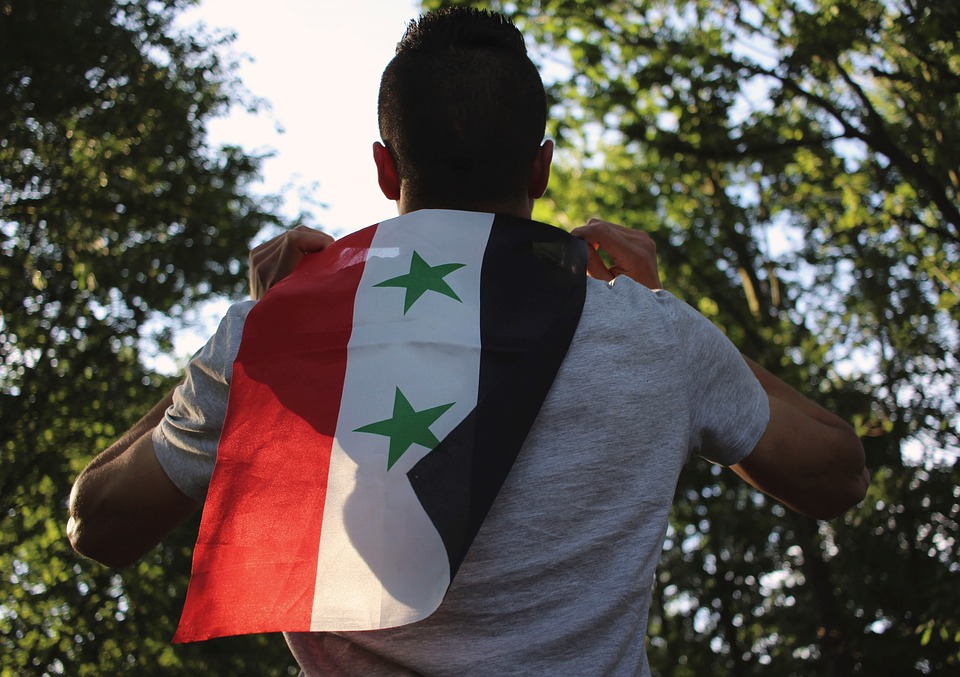
Syrians are facing striking consequences from the nearly 10-year civil war. With the destruction of the country also came the destruction of legal documents, including IDs, birth certificates and education degrees. This article will articulate the specific consequences of the documentation crisis in Syria, as well as organizations working to help.
Homelessness
For many Syrian refugees, finding housing is not a simple task. While some simply fled their homes in hopes of escaping the war, many had to leave due to the loss of their documentation. As The New Humanitarian stated, receiving proof of homeownership is extremely difficult in Syria as is. As the war progressed, more and more homeownership files experienced destruction or people lost them. Moreover, those living in stable homes had to leave.
Further Marginalization of Women
In Syria, significantly fewer women have proper documentation than men. The UN Refugee Agency (UNHCR) conducted a study in 2017 which showed that one in five Syrian men own passports, while only one in 50 women own passports. Not only are women at a great disadvantage due to Syria’s conservative values but as the war continued, Syrian women also lost their already little documentation. Gaining their passports back will be even more difficult than the process was before the war due to the documentation crisis.
Loss of Prior and Further Education
The war directly affected Syrian education as well. In fact, over 33% of Syria’s schools have experienced damage or destruction due to the decade-long war. Displaced people are primarily using the ones that remained intact. Syrian refugees who choose to come back to Syria may not have the ability to further their education without government documents; as of 2019, nearly half of school-aged children in Idleb, Syria is at risk of not having access to school. For some, a lack of documentation inhibits their ability to continue even elementary or secondary education. For others, the loss of their diplomas and other proof of graduation results in further difficulty in finding jobs. This, then, stunts any sort of academic mobilization for Syrians.
Further, secondary schools in Jordan, one of Syria’s bordering countries, “re-imposed documentation requirements it had previously waived, which risks undermining school access for vulnerable students,” according to Human Rights Watch. Moreover, some Syrian documents certify the most recent classes students have completed. Without these documents, the education ministry will place students based on their perceived age. If students lost their birth certificates along with class documentation, they might end up in a difficult learning environment, as they may be ahead or behind in their given class. Some students were drastically misplaced, as one student was meant to be in class two, but was placed in class five. This resulted in the student dropping out.
The Documentation Crisis and Poverty
With each mentioned issue comes the potential for poverty. Homelessness in Syria directly affects the family and the country itself. According to The Guardian, many families are only living on $200 a month, or $50 each week. This is a direct result of the decade-long war and the accompanying loss of homeownership documentation in the nation.
Moreover, as women in Syria already experienced great marginalization, leaving their homes caused serious effects on their health. According to the UN, nearly 7 million Syrians experience food insecurity. According to a 2017 study, food insecurity directly affects pregnant women, as they may suffer from anemia. The study also found that close to 8% of childbearing-aged women continued acutely malnourished. As the documentation crisis continues, so does the risk of poverty, which causes serious health risks for all people, but especially young women.
Lastly, education is pivotal in mobilizing any community. The UN confirmed 385 attacks on educational institutions since the year 2014. The Syrian war has obliterated all opportunities for young people to continue their education anytime soon. For example, 400,000 students were unable to take their final exams in the northwest region of Syria as of 2020. With education comes the ability to move up in the world both socioeconomically and personally. Now, with the documentation crisis paired with the destruction of schools in Syria, children are not able to participate in furthering their education. Some families (17%, according to the Norweigan Refugee Council, or the NRC) have resorted to obtaining false documentation in an attempt to restart their lives post-war.
Current Aid for Syrian Refugees
Organizations like UNICEF are providing various ways to help the documentation crisis in Syria. Whether it be psychological help or advocating for policy reform, there have been significant efforts to aid Syrian refugees. For example, UNICEF has involved 200,000 young people, youth and adolescents in civic engagement activities. The organization has also given 1 million children in both Syria and nearby countries the psychological help they may need. Additionally, UNICEF (along with partnering organizations) has given children access to informal and formal education.
The Borgen Project also allows individuals to make a difference with a simple email. Using The Borgen Project’s Action Center, one can send an email to their local representative to protect the International Affairs Budget. Further funding towards the budget allows for the U.S. to provide foreign aid and give Syrian children the education they deserve.
– Anna Hoban
Photo: Flickr
