• Link to X
  • Link to Facebook
  • Link to Instagram
  • Link to TikTok
  • Link to Youtube
  • About
    • About Us
      • President
      • Board of Directors
      • Board of Advisors
      • Financials
      • Our Methodology
      • Success Tracker
      • Contact
  • Act Now
    • 30 Ways to Help
      • Email Congress
      • Call Congress
      • Volunteer
      • Courses & Certificates
      • Be a Donor
    • Internships
      • In-Office Internships
      • Remote Internships
    • Legislation
      • Politics 101
  • The Blog
  • The Podcast
  • Magazine
  • Donate
  • Click to open the search input field Click to open the search input field Search
  • Menu Menu

Archive for category: Water

Sanitation, Water, Water Sanitation

10 Facts About Sanitation in Honduras

10 Facts About Sanitation in Honduras
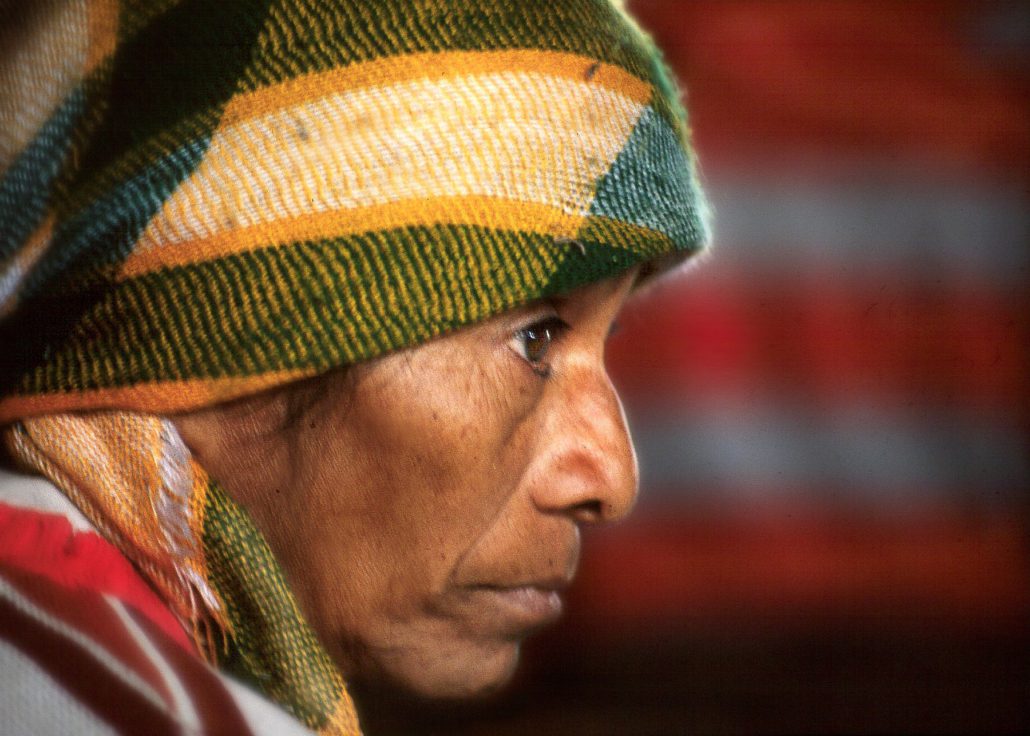
After decades of military rule, Honduras established a freely-elected civilian government in 1982. Honduras remains the second-poorest country in South America, however. Much of the country’s economy still depends on U.S. trade and remittance. The CIA estimates that about 15 percent of investing in Honduras is direct foreign investments from U.S. firms. Honduras’s GDP is on a constant rise, but it also reflects the unequal distribution of wealth. This unequal distribution of wealth contributes to the state of sanitation in Honduras. Here are 10 facts about sanitation in Honduras.

10 Facts About Sanitation in Honduras

  1. A total of 91.2 percent of Honduras’ population has access to an improved drinking water source. However, access to an improved water source is more limited in rural areas where most of the country’s impoverished populace lives. An estimated 63 percent of the rural population lives in poverty.
  2. People in rural communities rely on unprotected sources. The rural populace, which does not have access to improved water facilities and infrastructures, is forced to rely on small springs and wells that are not protected. This reliance on natural water sources means that access to water for the rural populace can be difficult during the dry season.
  3. Decentralizing water and sanitation services helped sanitation in Honduras. In 2003, Honduras passed the Drinking Water and Sanitation Sector Framework Law, which decentralized the water and sanitation services. The World Bank reported that this decentralization improved water services for approximately 108,000 families and sanitation services for 3,786 families. 
  4. The World Bank is contributing to decentralizing water and sanitation in Honduras. Through this project, the World Bank is helping to establish autonomous municipal water and sanitation service providers, thereby increasing sanitation coverage in Honduras.
  5. In 2015, 80 percent of the population had access to basic sanitation services. Similar to access to improved water sources, access to improved sanitation facilities is higher in urban areas than in rural areas. Those who do not have access to basic sanitation services are more likely to contract diseases such as diarrhea, cholera and typhoid.
  6. New technologies help produce clean water for Honduras. Working with the Pentair Foundation, the Water Missions International (WMI) was able to provide water filtration machines in the Honduran district of Colon. The machine uses filtration and chemical disinfection to produce 1,000 gallons of water for less than 75 cents. WMI also established microenterprises in Colon, where local communities obtain ownership over their community’s filtration machine.
  7. Agua de Honduras program aims to provide local communities with data about their water source. Agua de Honduras provides communities, especially in the dry western regions of Honduras, with data on hydrology, soil properties, water demands and future climate scenarios to local communities. The USAID supports this program from 2016 to 2018 with an investment of $800,000.
  8. Mining in Honduras poses a danger to the quality and quantity of water in Honduras. Mining is a lucrative industry in Honduras. In 2016, mining contributed one percent to the country’s GDP and made up five percent of the country’s exports. However, there are reports of local mines in Honduras contaminating the local water source with heavy metals. Furthermore, the water demand from mining operations can lead to water scarcity for the local community.
  9. Environmental activists and communities in Honduras are in danger of violence and death threats. Honduras is one of the most dangerous countries for environmental activism. In 2017, for example, people of the Pajuiles community fought against the construction of a dam that polluted their community’s water source. When the community set up road-blocks to prevent heavy machinery from getting to the construction sights, armed police force and swat teams forcefully removed them from the roadblocks. A protester in the same group was later murdered by a police officer.
  10. Climate change threatens Honduras’s access to water. Inside Climate News’s 2019 interview with the small rural community of El Rosario included a discussion of the effects of climate change for the people of Honduras. Residents of El Rosario reported that the prolonged dry season is hurting their crops and their livelihood. Some experts suggest that this lack of water could lead to further destabilization of Honduras’s political, economic and social climate. As many people will be forced to migrate from the effects of climate change, experts also suggest that there could be nearly 4 million climate migrants by 2050.

These 10 facts about sanitation in Honduras highlight the progress that has been made, as well as the continuing struggles. Moving forward, it is essential that the government and other humanitarian organizations continue to make sanitation in Honduras a priority.

– YongJin Yi
Photo: Flickr
April 7, 2020
https://borgenproject.org/wp-content/uploads/borgen-project-logo.svg 0 0 Lynsey Alexander https://borgenproject.org/wp-content/uploads/borgen-project-logo.svg Lynsey Alexander2020-04-07 10:00:472024-05-29 23:15:2910 Facts About Sanitation in Honduras
Sanitation, Water, Water Sanitation

10 Facts About Sanitation in Kuwait

Sanitation in Kuwait
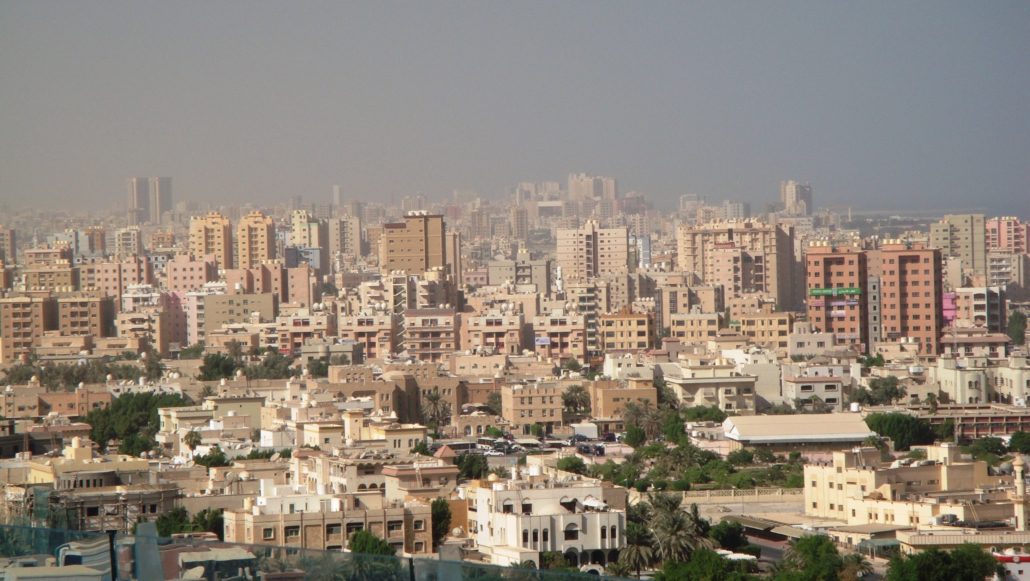
Kuwait, or the State of Kuwait, is a country between Iraq and Saudi Arabia. After obtaining its independence from Britain in 1961, Kuwait was invaded by Iraq in Aug. 1990. In Feb. 1991, a U.S.-led U.N. coalition liberated Kuwait in four days. After their liberation from Iraq, Kuwait’s many tribal groups staged protests demanding their political rights. The oppositionists, mainly composed of Sunni Islamists, tribal populists and liberals, won nearly half of the seats in the national assembly in the 2016 election. Here are 10 facts about sanitation in Kuwait.

10 Facts About Sanitation in Kuwait

  1. There are no permanent rivers or lakes in Kuwait. While there aren’t any permanent water sources in Kuwait, there are Wadis, also known as desert basins. These basins fill with water during winter rains, which occur from Dec. to March. However the low amount of rainfall, which is about 121mm per year, and the high evaporation rate of water in Kuwait’s climate make rainfall an unreliable source of water.
  2. In 2015, Kuwait was on the World Resources Institute’s (WRI) list of countries with the highest water risk by 2040. Countries such as Bahrain, Palestine, Qatar, UAE, Israel, Saudi Arabia, Oman and Lebanon were on the same list. The WRI pointed to the Middle-East’s already limited water supply and climate change as criteria for their country rankings.
  3. In Kuwait, 99 percent of people have access to improved drinking water. Kuwait also has a well-developed water infrastructure. However, the country’s rapidly growing population since 2000 is putting a toll on Kuwait’s water supply. Even as early as 1946, Kuwait was importing 80,000 gallons of fresh water per day.
  4. Kuwait’s over-reliance on groundwater led to its reliance on desalinization for drinking water. Even during the early 20th century, the shallow wells that collected rainwater were drying out. According to the 2019 U.N. report, these desalination plants produce around 93 percent of Kuwait’s drinking water.
  5. Desalination is expensive. While some might think that desalination plants are the answer to Kuwait’s water supply problem, the cost of operating desalination plants can’t be ignored. Per cubic meter, desalinated water can cost up to $1.04. Adding on to this the price of energy, which accounts for three-fourths of the cost, and transportation, it is easy to see how expensive desalination is.
  6. In 2017 and 2018, the WHO recognized the excellent water quality in Kuwait. This recognition is a testament to the Kuwait government’s commitment to water quality in its country. However, the Director of Water Resources Development Center emphasized the importance of landlords, who are responsible for the quality of water for their buildings, in keeping water storage tanks free of bacterial infection.
  7. The Water Resources Development Center (WRDC) uses real-time GIS (Geographic Information System) to monitor water quality and sanitation in Kuwait. While desalination plants produce clean water, multiple factors such as damaged water pipes or an aging water infrastructure can lead to water contamination. The GIS allows WRDC to collect and process water data from numerous sensors throughout Kuwait in real-time.
  8. The CIA estimated in 2015 that 100 percent of the Kuwait population has access to improved sanitation facilities. This reflects the Kuwait government’s commitment to public health and sanitation. In 2013, for example, Kuwait invested $5.28 billion in its water sector. Water treatment plants received the highest investment of $3.4 billion.
  9. Kuwait is expanding its sewage treatment facilities. In 2018, a German-Kuwait consortium closed a $1.6 billion contract to expand Kuwait’s Umm Al Hayman (UAH) sewage treatment plant. When the facility’s expansion finishes, experts estimate that the new plant will process 700,000 cubic meters of sewage per day, compared to the original capacity of 500,000 cubic meters.
  10. Kuwait is working on more efficient usage of water. In 2011, the Kuwait Institute for Scientific Research (KISR) stated that Kuwait had the highest water consumption in the world. UNDP’s 2019 report indicates that efficient usage of water in Kuwait rose from zero percent in 2012 to 15.1 percent in 2016. MOEW (Ministry of Electricity and Water) achieved this by conducting community awareness-raising activities or building water tanks and wells to ensure long-term water conservation.

These 10 facts about sanitation in Kuwait highlight the success the nation has had in maintaining and providing sanitary water. However, Kuwait must now turn its attention toward securing stable sources of water. With the ever-looming threat of climate change, the UNDP recommends that Kuwait focus on sustainable development.

– YongJin Yi
Photo: Flickr

March 31, 2020
https://borgenproject.org/wp-content/uploads/borgen-project-logo.svg 0 0 Lynsey Alexander https://borgenproject.org/wp-content/uploads/borgen-project-logo.svg Lynsey Alexander2020-03-31 09:30:122024-05-29 22:27:1010 Facts About Sanitation in Kuwait
Global Poverty, Water, Water Sanitation

How WATSAN in Rural India is Providing Clean Water

WATSAN in rural India
India utilizes underground water more than any other country in the world. In fact, nearly 25 percent of all water that the globe extracts is in India. Within this, 90 percent of those residing in rural areas use this groundwater as the sole source of replenishment. Problems such as open defecation and the high cost of filtered water lead to a lack of sanitation and access to clean drinking water in rural India. One company, WATSAN in rural India, is targeting this through the creation of a clay-based water purification system.

What is WATSAN?

Chandrasekaran Jayaraman founded WATSAN in India in 2009. A portmanteau of the words ‘water’ and ‘sanitation,’ WATSAN is working to provide clean water and sanitation systems through low, cost-effective methods to locations in rural and urban India. Its water purification devices have successfully fulfilled the U.N. Sustainable Development Goal 6 and has further progressed the mission to provide potable water to all.

The Filtration System 

WATSAN’s water filtration system, the ‘CPO Natural Terafil Water Filter,’ works in a simple yet complex way.  WATSAN’s filters do not use chemicals to purify the water; instead, they rely on natural materials to do the job. Built from nano-clay particles, the Terafil candle contains pores that are smaller than harmful bacteria and microbes. When polluted water pours through the candle, the harmful bacteria and iron particles remain on top while the clean water continues passing through the filter.

WATSAN in rural India has installed unique water filters for those that fall below the poverty line. This ensures that everyone has access to their filter without any complicated assembly. WATSAN’s design also allows for easy storage, ensuring that their filters take up a minimal amount of space.

The Impact

Due to the continued consumption of polluted water, a multitude of waterborne illnesses infects many people living in rural India. WATSAN has crafted a specific formula to alleviate these issues. With its filtration system, WATSAN in rural India has been able to deliver clean drinking water to over 16,000 homes in just a single year. This has effectively eliminated the number of people who waterborne illnesses affect.

Specifically, 25 million people across India have been living with no option but to consume fluoride-saturated water over the accepted parts per million, leaving many susceptible to several illnesses. The Terafil Water Filter filters minerals such as fluoride out and ensures that the water people consume contains the necessary parts per million and prevents diseases such as skeletal fluorosis and severe diarrhea. This exemplifies how simple solutions can dissolve large-scale issues.

WATSAN alone has provided products to over 2.15 million households in over 18 states in rural India. Going forward, WATSAN has committed itself to providing over 100 million rural families with its products over the next three years. Overall, WATSAN is just one of many innovative companies giving back to communities in rural India through its commitment to sanitation and potable water. Although access to clean resources in India is a persistent problem, effective work is combatting this. The Terafil Water Filter is a perfect example of a simple solution with the ability to create change.

– Laurel Sonneby 

Photo: Pixabay

March 28, 2020
https://borgenproject.org/wp-content/uploads/borgen-project-logo.svg 0 0 Lynsey Alexander https://borgenproject.org/wp-content/uploads/borgen-project-logo.svg Lynsey Alexander2020-03-28 18:33:552024-05-29 23:15:39How WATSAN in Rural India is Providing Clean Water
Global Poverty, Sanitation, Water

Improving Water and Sanitation in Malaysia

Malaysia’s Improvements in Water and Sanitation
Malaysia is one of many developing countries on the rise out of poverty and into wealth and prosperity. Like many developing countries, Malaysia had to make adjustments to its way of life. One of those changes was improving access to clean water and hygienic sanitation. Today, improvements to water and sanitation in Malaysia have made the country a model for other developing countries working to ensure stable and healthy livelihoods.

Improvements to Water and Sanitation in Malaysia

Malaysia’s efforts to provide access to clean water and pipe systems can be seen in data that has been collected. According to The World Health Organization/UNICEF Joint Monitoring Program, reports taken in 2015 show that approximately 92 percent of Malaysian people have access to properly managed water supplies and 82 percent have access to hygienic sanitation services. Compared to other developing countries, these numbers are better than expected.

To tackle issues in clean water and sanitation access, Malaysia joined Vision 2020 in 1991 under Prime Minister Mahathir Mohamad, setting out with a goal to reach developed country status by the year 2020. In addition to solving Malaysia’s water and sanitation issues, the agreement set out to address many other issues as well, including climate change, societal division, financial challenges and needed improvements in technological advancements.

World Water Vision

Under Vision 2020 is the World Water Vision process, which was established by the World Water Council. The World Water Council is an international water policy think-tank co-sponsored by the Food and Agriculture Organization, the World Health Organization, the World Meteorological Organization, the World Bank and several United Nations programs. The global project set out to implement extensive consultation and to incorporate innovative ideas in the creation of future technology to ensure water access for all.

On a more national level is the Malaysian Water Visioning process. Supported by the Malaysian Water Partnership and the Malaysian National Committee for Irrigation and Drainage, it carried out consultations to determine the proper distribution of water for food and rural development at the national and regional levels. It also implemented extensive water sector mapping and studies on gender disparities pertaining to water access and control.

Case Study: Orang Asli Communities

Although water and sanitation access has improved tenfold, some important groups are still in need of aid. These groups include the poor, immigrant families and people living in secluded rural areas.

To better understand the problem, a case study was done on the Orang Asli communities of indigenous people. Compared to other parts of Malaysia, their health issues are worse than average, infant mortality was double the national figure and parasitic infections were as high as up to 90 percent in certain communities. Most of these issues, if not all, were largely due to poor access to clean water and sanitation.

The Orang Asli and the Global Peace Foundation worked together to create the Communities Unite for Purewater (CUP). This came after carrying out extensive interviews, workshops and other interventions. CUP combats poor water and sanitation access through the installation of water filters and pumps.

As a result, Orang Asli people no longer have to travel miles to get clean water. The new water pumps draw water from wells and transport it into filtered water storage tanks. These are then distributed to each household through a pipe system. The Orang Asli people have stated that this significant change has made their lives much easier. There are also now less prone to diarrhea and fevers.

Moving Forward

Malaysia has come a long way to improve its water and sanitation systems, making it one of the most promising developing countries in the world today. Malaysia has used many innovative ideas and tactics to overcome its water and sanitation issues, including creating initiatives through partnerships, promoting education and doing extensive research. One thing Malaysia will have to work on while on its road to success is to pay better attention to poorer groups to ensure that they get access to clean water and sanitation as well. In order to strive for peace, there must be equal and fair treatment for everyone, regardless of social class.

– Lucia Elmi
Photo: Pixabay

March 26, 2020
https://borgenproject.org/wp-content/uploads/borgen-project-logo.svg 0 0 Lynsey Alexander https://borgenproject.org/wp-content/uploads/borgen-project-logo.svg Lynsey Alexander2020-03-26 10:30:092020-03-26 10:17:30Improving Water and Sanitation in Malaysia
Clean Water Access, Global Poverty, Water, Water Sanitation

Resolving the Water Crisis in Libya

Water Crisis in Libya
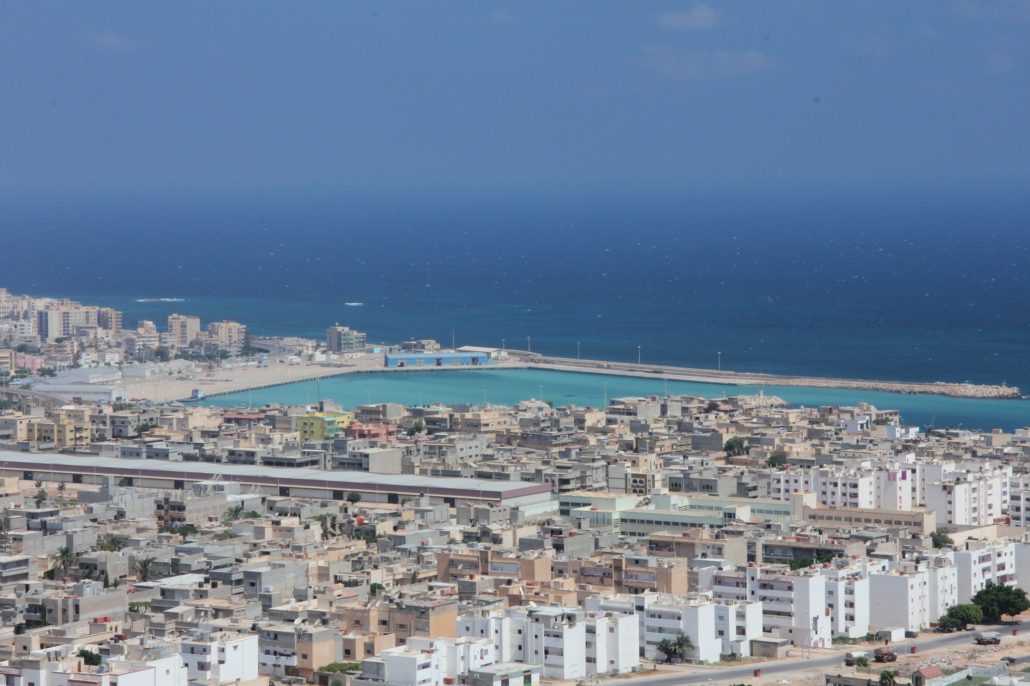
The country of Libya has suffered from civil war since the violent removal of its former dictator Muammar Ghadafi. Challenges with the country’s water supply was one of the many humanitarian problems that have arisen due to this conflict. Yet, even in darkness, there remains some light as one can see in the efforts to resolve the water crisis in Libya.

The Libyan Desert

In order to first understand how resolving the water crisis in Libya has taken place, it is important to understand the environmental qualities of Libya itself. The country is a dry and arid place and the presence of freshwater and rainfall is extremely scarce. However, Libya contains many groundwater aquifers, which offer available quantities of water underneath the ground.

The Water Crisis

The Libyan people have been tapping into this water supply to sustain life and plan on continuous aquifer use. Even with this underground supply, there has always been a struggle to ensure the availability of freshwater. This shortage of water does not mean that the aquifers are emptying, but rather that they are becoming contaminated by seawater intrusion. The extraction of freshwater has caused seawater to invade the aquifers. Due to the intrusion of seawater since the 1930s, it is alarming that no one knows exactly how much freshwater remains in the aquifers. Further, records have determined that seawater intrusion has compromised about 60 percent of freshwater wells. The freshwater in these aquifers cannot replenish either, meaning that every drop must count for use.

Another reason for the Libyan freshwater shortage is the expanding agricultural industry. Some crops demand vast amounts of water; typically this extensive use results in water waste throughout agricultural production and processing. In fact, Libya uses about 93 percent of its water for agricultural purposes.

Since Muammar Gaddafi’s ousting, a third strain has impacted water availability as a result of oil conflict. Gunmen forcing water-workers to turn off supplies in Tripoli for two days exacerbated this violence. Additionally, the country’s power grid and water control systems suffered damage due to fighting.

The Impact on Libyan People

These problems have adversely impacted the Libyan people. The country pumps about 6 percent of groundwater for drinking use and domestic wells. Drinkable water is a daily issue for the people of Libya; some local bottled water might even be unsafe. The fact that this small amount of water (6 percent) is not reaching people outlines the dire situation in Libya.

Some Libyans have resorted to looting their fellow countrymen and women in a desperate search for viable drinking water. According to UNICEF, these problems in the Libyan water supply have adversely impacted poor sanitation.

The Attempt Towards Resolution

As bleak as some of these problems appear, there are some attempts to solve the water crisis in Libya. The IHE Delft Institute for Water Education, for example, gives support and training to impoverished nations to better manage water resources. In 2018 IHE Delft reported training programs for Libyan governmental authorities in water management, water resources planning and water desalination. The IHE Delft training should allow Libya to accomplish the maintenance and management of the water supply in Libya effectively.

America has noticed the troubles the Libyan people have faced as well. In 2019, the U.S. government provided $31.3 million in aid to address the humanitarian needs of the country. With this aid, the Libyan people can fix the infrastructure including the damaged power grids and the water control systems.

Resolving the water crisis in Libya has been no easy task. Today, the country still struggles with the water supply. Although, victories due to the help of USAID and IHE Delft have been impactful achievements. These organizations have provided financial aid and programming to the Libyan government which is exactly the type of support necessary to formally resolve the water crisis in Libya.

– Jacob E. Lee
Photo: Flickr

March 20, 2020
https://borgenproject.org/wp-content/uploads/borgen-project-logo.svg 0 0 Lynsey Alexander https://borgenproject.org/wp-content/uploads/borgen-project-logo.svg Lynsey Alexander2020-03-20 05:48:462024-05-29 23:15:18Resolving the Water Crisis in Libya
Clean Water Access, Development, Global Poverty, Health, Water

Systems Providing Drinkable Ocean Water

Drinkable Ocean Water
Experts expect that 50 percent of the world population will live in areas with water shortages by 2025. For cities in South Africa, India and China, this crisis is already becoming a reality. So what solutions are there for the shortage of this valuable resource? Water filtration systems and desalination are a few, although many water treatment solutions have not been environmentally friendly and desalination has proven to be costly. However, a lot has changed in water treatment over the years. Here are a few improvements and advancements that could prove promising for the future of potable water, including drinkable ocean water.

Water Softeners and Filtration Systems

Water softeners and filtration systems have gained a negative reputation due to the salt they use and the wastewater they produce that ends up in aquatic environments. However, advancements in these areas have led to softeners that use salt more efficiently and newer equipment reducing water usage and conserving that precious resource. New technology has decreased the usage of both water and salt by 50 percent.

Manufacturers have established ways to achieve high efficiencies by focusing on providing products that are better-performing and able to dictate the amount of water they use during maintenance functions, as well as making larger filtration cartridges that extend the replacement cycle times. Manufacturers have even designed new technology to monitor water usage in the home and adjust to match the household’s habits.

A top priority of the water treatment industry is to develop ways to address contamination while maintaining sustainability. The improvements that manufacturers are making to reverse osmosis (R.O.) systems reflect that.

R.O. systems can result in a reduction of the purchase of bottled water due to how greatly they diminish contaminants. However, the systems still have room for improvement due to the amount of wastewater they produce. The technology to reduce wastewater exists internationally and now the U.S. is looking to make the same progress.

Desalination

If people could drink from the ocean, there would be more than enough water for everyone. However, it would be necessary to remove the salt first.

There are about 2.2 billion people who do not have access to clean drinking water. For thousands of years, turning seawater into drinking water has been an option for this ongoing problem, although the process tends to be expensive and inefficient because it requires a lot of energy.

Kamalesh Sirkar, a chemical engineering professor at the New Jersey Institute of Technology, has a new process that promises to make a difference. His direct-contact membrane distillation (DCMD) system heats seawater across a plastic membrane containing tubes filled with cold distilled water. The tubes have pores so that the water vapor that collects on them can penetrate into them, but not salt. The vapor can then condense back into liquid water.

This efficient system can produce 21 gallons of drinking water per 26 gallons of seawater, which is twice as much as most existing desalination technology. The downside of DCMD is the requirement of a heat source to prevent the water temperature on either side of the membrane from equalizing, although there is the potential of recycling waste heat to run the system.

A team of international scientists has achieved a similar accomplishment by using the sun to produce high-quality potable water. This process can meet the needs of an entire family at a cost of about $100 without using electricity. This team, consisting of scientists from MIT in the U.S. and Shanghai Jiao Tong University in China, believes that its system can provide water to islands and coastal areas that do not have reliable electricity but have access to seawater. With this system, the team produced 1.5 gallons of fresh drinking water every hour for every square meter of the solar collecting area.

GivePower

Recently in Kenya, a nonprofit called GivePower has been able to successfully use solar power to create drinkable ocean water. In July 2018, a new desalination system began operations on the coast of Kiunga that can create 19,800 gallons of drinking water every day. That is enough for 25,000 people. This nonprofit’s main focus has been to provide solar-energy systems to developing countries. The organization has installed solar grids in 2,650 locations across 17 countries in places like schools, medical clinics and villages.

The success of this system is in finding a way to pull water out of the ocean in a scalable, sustainable way. The president of GivePower, Hayes Barnard, hopes to open similar facilities around the world, providing fresh water to people who struggle to get it on a daily basis.

At the rate that the population has been increasing, a freshwater crisis appears imminent. However, with the work that experts are putting into finding a solution, the possibilities for the future look bright. With environmentally friendly filtration systems and the successful production of drinkable ocean water, the population will all be able to drink deeply since there will be enough to go around.

– Janice Athill
Photo: Flickr

March 19, 2020
https://borgenproject.org/wp-content/uploads/borgen-project-logo.svg 0 0 Lynsey Alexander https://borgenproject.org/wp-content/uploads/borgen-project-logo.svg Lynsey Alexander2020-03-19 14:05:102020-04-06 13:10:52Systems Providing Drinkable Ocean Water
Global Poverty, Refugees, Water, Water Quality, Water Sanitation

9 Facts About the Refugee Water Crisis

Refugee Water Crisis
It’s no secret that there is a refugee crisis. In fact, the United Nations High Commissioner of Refugees (UNHCR) stated that as of January 2019, 70.8 million people were refugees. To put that into perspective, one in every eight persons is either in transit, seeking asylum or living in camps. Roughly 2.6 million reside in managed camps, and this has created an all-new challenge: a refugee water crisis.

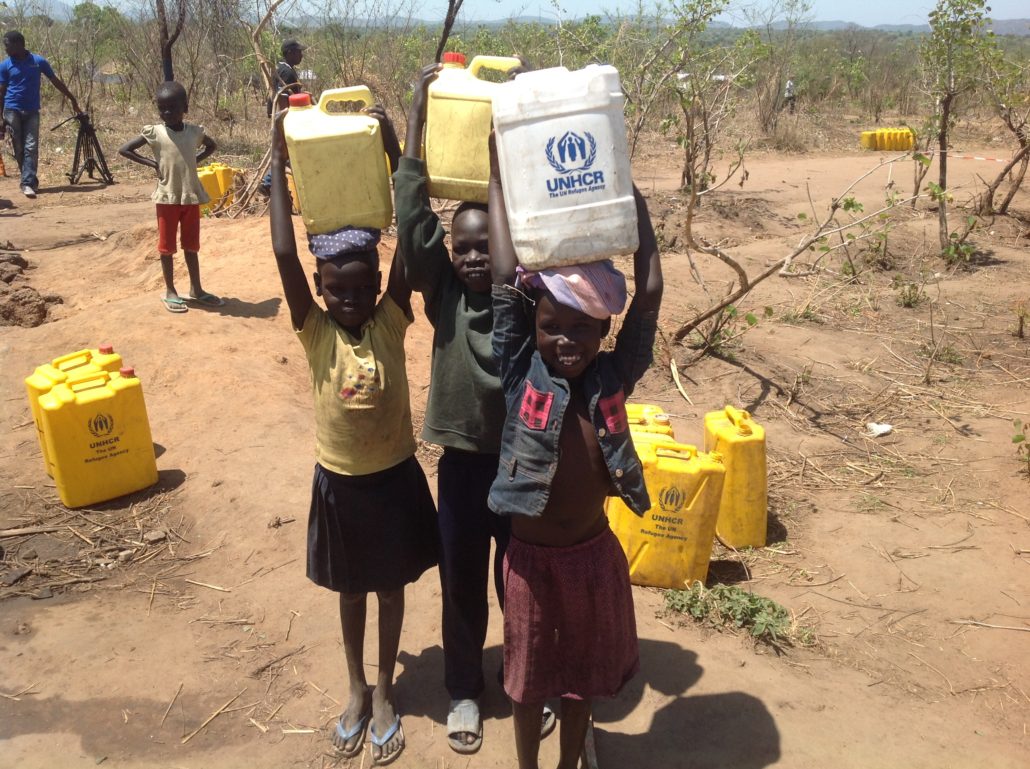
UNHCR estimates that more than half of the world’s refugee camps do not have enough water to fulfill the recommended 20 liters per person per day. There are a number of health risks associated with lack of water. To address them, WASH has intervened with several programs.

9 Facts About the Refugee Water Crisis

  1. Global Water, Sanitation and Hygiene (WASH) is a CDC program designed to improve access to healthy water, sanitation practices and hygiene. Ultimately, they strive for long-term solutions that will reduce poverty and improve the health and socio-economic development of everyone. WASH has impacted countless refugee camps and bettered the water crisis for many.
  2. Nyamithuthu Refugee Camp in Malawi received hygiene education training and successfully implemented the “improved bucket” initiative. Water does not have to be contaminated from its source to pose a threat to close-corridor inhabitants. Infection can spread from touching and storing water in improperly sanitized containers. To control any possible spread of disease, WASH provided 20-liter water buckets with constraining lids and water spouts to limit secondhand contamination.
  3. Though formal camps typically have better WASH services, they are not always up to ‘safely managed’ standards. These standards include the limitation of shared facilities and on-premise water sources with water sources less than 200 meters (656 feet) away. For example, there are 11 refugee camps managed in Uganda and only 43 percent of the inhabitants have access to water less than 200 meters away. The physical burden of carrying 80 liters of water from a well that far uses one-sixth of rationed calories for the day.
  4. The refugee water crisis inhibits proper sanitation practices, which is the first defense against communicable diseases. Roughly 30 percent of managed camps have inadequate waste disposal. Latrines shared between three or more families increase the risk for cholera outbreaks which are transmitted through fecal-oral contact. Several refugee camps in Bangladesh with sanitation facilities were three times less likely to have cholera outbreaks than camps without them.
  5. Undocumented refugees and migrants in transit have particular difficulty in finding basic water and sanitation services. They risk detection by authorities and tend to revert to unsafe and often dangerous methods to obtain water. For example, undocumented refugees on the French-Italian border use the river as a water source, toilet and place to cook in order to avoid detection by the Red Cross.
  6. Low-income and undocumented refugees are also more likely to live in informal urban areas with non-standardized infrastructures. On the US/Mexico border, Matamoros, Mexico, has an estimated 50,000 migrants settled in an unofficial refugee camp. Sources reveal there are less than 10 portable toilets, no running water and only two wooden showers located in the woods. Refugees use river water to bathe, cook, drink and clean laundry. The majority of the provisions (water and food parcels) are given through religious organizations, immigration activists and individual donors.
  7. The United Nations International Children’s Emergency Fund (UNICEF) addressed this humanitarian crisis through the Protocol for the Protection of Migrant Children. The Protocol ensures all necessary actions are taken to protect the rights of migrant children including their access to water.
  8. The true nature of the refugee water crisis is underrepresented, leaving water provisions inadequately rationed. WASH services are estimated based on census and survey data, excluding refugees in transit or informal settings. Undocumented refugees have no chance of consideration with this form of data collection, meaning that the crisis is more serious than the data indicates.
  9. The 2030 Agenda for Sustainable Development details several plausible and lasting solutions to address and end the water crisis, specifically initiating and protecting policies in support of universal and inclusive water services. It also includes recommendations for governments and international agencies to strengthen water governance in correlation with migration.

Access to water is a human right protected under Article 25 of the Universal Declaration of Human Rights. The refugee water crisis threatens the lives of every migrant already running for their lives. Continued efforts from WASH, government agencies and humanitarian organizations are crucial to ending this crisis.

– Marissa Taylor
Photo: Flickr

March 18, 2020
https://borgenproject.org/wp-content/uploads/borgen-project-logo.svg 0 0 Kim Thelwell https://borgenproject.org/wp-content/uploads/borgen-project-logo.svg Kim Thelwell2020-03-18 10:00:552024-05-29 23:15:119 Facts About the Refugee Water Crisis
Global Poverty, Poverty Reduction, Water

Pedal Power: Bicycles and Poverty Alleviation

Bicycles and Poverty Alleviation
While the discussion of bicycles may elicit thoughts of expense or leisure, bicycles and poverty alleviation link together. Bicycles first came about in the 19th century as a means of transport in response to the dearth of horses. Transportation has continued to be the vital use of the bike. Additionally, people around the world have begun seeing the additional benefits of cycling, particularly in less wealthy areas.

People bike all over the world. This fact has held true since 1817 when German inventor Karl von Drais crafted what people widely accept as the first bicycle. Some cities and countries boast more bicycles than people. For instance, in the Netherlands, 22.5 million bicycles outnumber the 17 million person population. In less financially stable areas of the world, there might be fewer bicycles. However, the importance of bicycles to the livelihood and health of residents is just as strong.

Food Security

Food security is an area where the connection between bicycles and poverty alleviation is particularly prevalent. In addition, food security refers to a state of living in which nutritious and sufficient food is physically, socially and economically available to a person. When an area struggles with poverty, food security can be a constant source of stress for residents. In developing countries, small-scale rural farmers are often responsible for an area’s main food production. However, these farmers can face difficulty selling their crops when transport options to markets are not available. Additionally, when transport to markets or cities is available, the cost can present another barrier to those living in poverty.

On a small scale, a bicycle can help a farming family gain buyers for their crops. Also, it helps lift the community out of poverty. Moreover, when food is available for purchase, productivity increases and food distribution improves. This benefits the entire community. One nonprofit, Cycling out of Poverty (CooP), has created a program called Bike4Work, which provides farmers access to bicycles and trailers to haul their food. Bike4Work is an innovative contribution to some of the struggles that poverty has created in rural farming areas.

Access to Water

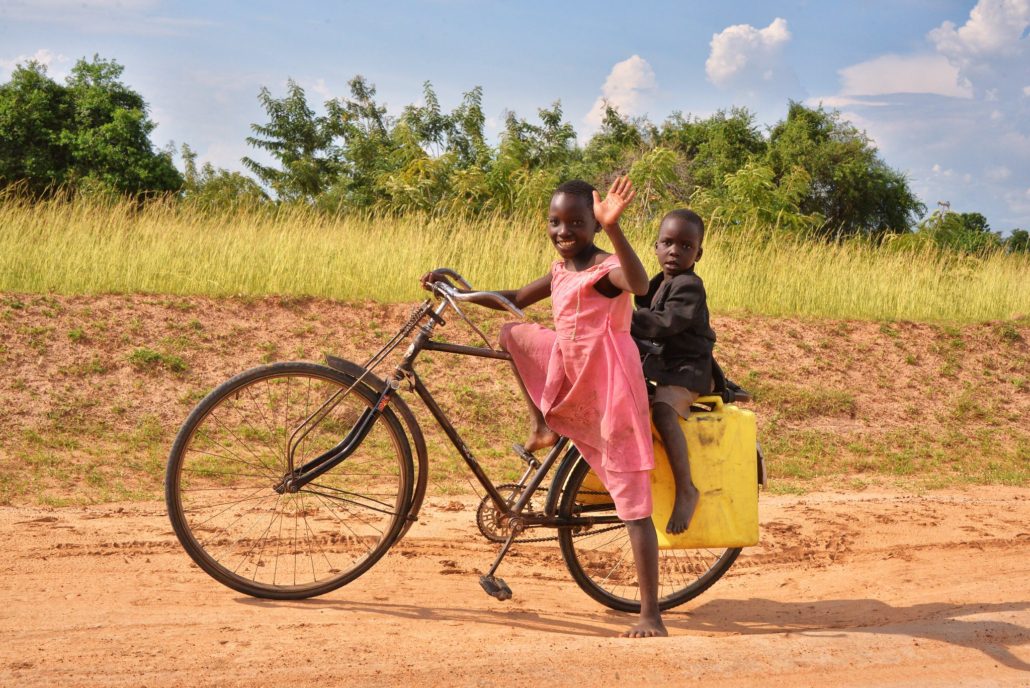
The method of sustainable transport can also help ease the burden of accessing safe and clean water. When water sources are not readily available in a town, residents must expend great physical effort and time in order to access this necessity. In addition, bicycles can help shorten the journey and lessen the amount of energy they need to obtain water.

Additionally, bicycles have cropped up in a more unusual manner in Kenya as a response to increased difficulties of farming and water access due to climate change. In Kenya, seasonal farmers rely on yearly rainy seasons to create a successful harvest. However, changes to the local climate have made water more scarce, creating issues with the irrigation of crops. CooP, the same charity that used bicycles to help ease food scarcity, has implemented an innovative bicycle-powered water pump in Kisumu, Kenya.

Kisumu is the third-largest city in Kenya. Climate change and lack of water for irrigation affected Kisumu. CooP partnered with organizations in Kenya and neighboring cities in Uganda to install this bicycle-powered pump at The Green Hub Shop, a local store in Kisumu. The water pump efficiently and inexpensively sucks water from local streams and rivers to provide irrigation for farmers across Kisumu.

Bicycles and Public Health

Bicycles and poverty alleviation efforts have combined in another seemingly unlikely manner in Kibibi, Uganda. Village health teams have begun using bicycles with adapted trailers as ambulances in emergency situations. This adaptation is crucial for Uganda because 77 of the 121 districts lack an ambulance service.

Bicycle ambulances are just one way that cycling has been improving public health in impoverished areas. Riding a bicycle also has undeniably beneficial health effects, both on the physical body and on the mind. Cycling is a form of exercise that can benefit the heart without having the same strain that activities such as running can bring.

Erik Wright, Program Director for Bike and Build, a U.S. charity that links bicycles and poverty alleviation through affordable housing, argues for the positive effect cycling has on mental health. Wright speaks of the “feeling of freedom” that having a bicycle can elicit, along with a sense of independence owning and riding a bike can bring. Psychiatric studies have proven the benefits that riding a bike has on mental health. In addition, when combined with increased ease of access to food, water and health care, the link between bicycles and poverty alleviation efforts strengthens.

Pedaling Onwards

Bicycles are not an all-encompassing solution to poverty by any means. Yet, the benefits that bicycles bring to impoverished areas are undeniable. Bicycles provide increased access to necessities while providing physical and mental health benefits, all at a cheaper cost than most transportation systems. In the fight against all the struggles that poverty brings, the link between bicycles and poverty alleviation proves beneficial on a personal, familial and regional scale.

– Elizabeth Baker
Photo: Flickr

March 8, 2020
https://borgenproject.org/wp-content/uploads/borgen-project-logo.svg 0 0 Lynsey Alexander https://borgenproject.org/wp-content/uploads/borgen-project-logo.svg Lynsey Alexander2020-03-08 01:30:282020-04-02 08:02:06Pedal Power: Bicycles and Poverty Alleviation
Developing Countries, Development, Global Poverty, Health, Water, Water Sanitation

The Future of Water’s Role in Development

Water's Role in Development
To deny the necessity of clean and accessible water would be to deny the very thing that allows human civilization to exist, plants to grow and nourish people’s bodies and countries to foster globalization and connectivity across nations. According to the U.N., 785 million people lacked a safe and basic water source by 2015, and about a third of all countries reported being under some degree of water stress including low supply and hindered access to water. Water’s role in development has become the focus of ending poverty around the globe, and the efficient allocation and treatment of water still stand as major problems in developing countries.

Health Care and Sanitation

A lack of access to clean water often results in the spread of ailments such as malaria and diarrhea. Additionally, approximately 60 percent of people worldwide do not have access to adequate handwashing facilities. The effect of clean water on public health is staggering; the World Health Organization (WHO) estimates that access to water for safe drinking and sanitation could prevent 500,000 annual deaths from malaria. An organization called The Water Project aims to make handwashing and sanitation a fundamental part of mortality reduction and works to change behaviors imbedded in communities to stress the importance of water’s role in development and disease prevention.

Women’s Health and Childhood Development

The most vulnerable groups regarding limited clean water access are women and children; women spend almost 40 billion hours a year on transporting and accessing water in Sub-Saharan Africa alone, and about half of all girls in school drop out due to improper sanitation methods that prevent them from maintaining their personal hygiene needs during puberty. Women are therefore more prone to infection and violence, perpetuating a cycle of gender inequality in developing nations. Additionally, WHO projects that safe water and sanitation could prevent 1.4 million child deaths from diarrhea and dehydration a year; most of the diseases inflicting children are preventable and further emphasizes the crucial nature of clean water’s role in development.

Economic Success

For every $1 that someone invests in clean water resources, $8 goes back into economies to help with economic development. When people are no longer fighting waterborne diseases and are spending valuable time fetching water for themselves and their families instead, they are becoming educated and skilled. The manufacturing and agricultural industries suffer most greatly from this; a lack of a water sanitation system in a factory means that employees must leave work to use the restroom or find drinking water, and rural areas that often have a lot of farms depend on safe water for growing crops. The farmers provide the raw materials to the manufacturing sectors, but without clean water, both enter a cycle that mirrors the endless trap of poverty in which their workers often find themselves.

Societal Implications

Education of the public is a fundamentally indisputable part of ensuring that societies have what they need to function politically and economically. When resources, especially vital ones like water, are in short supply, citizens are more likely to fall into cycles of desperation that result in extractive institutions that take advantage of their vulnerability. Water’s role in development goes beyond health and the productivity of citizens; access to clean water results in communities that are free of the burden to prioritize their survival, and empowerment of these communities can lead to civil organization in which citizens have a say in their system of government and those who control it.

With growing recognition of the importance of water’s role in development, some have taken new stances on multisectoral impacts of the distribution and treatment of water. Simple solutions are proving to make the most effective impact on the lives of impoverished people with low access to clean water. Handwashing initiatives and environmental policies that eliminate the probability of unsafe standing water could lead to a decline in the number of deaths from preventable diseases. Also, in an increasingly globalized and changing world, countries must take into consideration changing weather patterns that alter the face of water-related policies. Water’s role in development stretches far beyond the goal of providing suitable water conditions for those in poverty; it sets the stage for more inclusive policies that ensure the protection of those that limited clean water made vulnerable.

– Jessica Ball
Photo: Creative Commons

March 7, 2020
https://borgenproject.org/wp-content/uploads/borgen-project-logo.svg 0 0 Lynsey Alexander https://borgenproject.org/wp-content/uploads/borgen-project-logo.svg Lynsey Alexander2020-03-07 13:37:412024-06-12 07:49:36The Future of Water’s Role in Development
Food Insecurity, Water

The Societal Consequences Of Climate Change

The Societal Consequences Of Climate Change
In this day and age, climate change has grown to be one of the largest issues around the world and it is important to understand its environmental impacts. First, the increase in average temperatures contributes to the phenomenon of global warming that affects millions of species and plants. In addition, extreme weather events, such as hurricanes, have become too common and far more destructive than before. Another primary consequence of climate change is the reduction of Arctic sea ice. Ice melts have contributed to sea levels rising, mainly in the Arctic and Antarctic regions. According to the EPA, sea levels have risen approximately 8 inches since 1870. The world should take action to stop climate change before it is too late. The consequences of climate change could worsen in the coming years.

Many mainly focus on the environmental effects of climate change. Now, it is time for the world to shift its focus towards the societal effects that climate change has on all ages. Specifically, individuals who live poor livelihoods are more prone to poverty due to the climatic disasters that occur around the world. Living in vulnerable regions with limited resources affects people the most as it is more difficult to recover. As the repercussions of climate change worsen, escaping poverty becomes more and more difficult. As a result, issues like food insecurity and the lack of access to water become more prevalent. Here are some societal consequences of climate change.

Food Insecurity

Climate change has become a benefactor for global poverty by contributing to the issue of food security. According to the Food and Agriculture Organization of the United Nations (FAO), the climate affects all four dimensions of food security including food availability, food accessibility, food utilization and food system stability. Typically, the consequences of climate change mostly affect those who are most vulnerable to food insecurity. By experiencing the immediate risk of increased crop failure, new patterns of pests and diseases and loss of livestock, these individuals are not able to depend on stable food supply. To add, almost 60 percent of the world’s population depends on the agriculture industry in respective areas. When climate phenomenons hinder agricultural productivity, food insecurity puts risks on the livelihood of many individuals.

With this being said, leaders, such as the United States of America, have taken action to help combat this issue in developing nations. For example, the Organization for Economic Cooperation and Development (OECD) Development Assistance Committee supplied over $2 billion in climate-sensitive development support to developing countries in 2017. This included approximately $300 million targeted towards the food security sector. Moreover, projects like these provide an opportunity for global powers to display leadership qualities and allow countries that need aid in the food security sector to receive it. With proper access to food and stability within this industry, undernourishment will be an improving problem.

Access to Water in Developing Countries

Climate change seems to have a major impact on water access in developing countries. According to The New York Times, The number of months with record-high rainfall increased in the central and Eastern United States by more than 25 percent between 1980 and 2013. With this statistic being even higher in the eastern hemisphere, it is evident that floods have become a serious issue that many are concerned about. Climate scientists state that the soil and farmland absorb the excess water. Consequently, this means that the Earth could become contaminated with fertilizers and other chemicals. This polluted water typically travels to larger bodies of water such as the ocean, ultimately limiting water access for humans.

In addition, droughts are a growing issue in areas with hotter climates, limiting access to clean water. The lack of access to water can lead to health issues such as diarrhea and cholera. It can also affect the business sector in many nations. The Lifewater organization touches on this subject and explains that water is an essential component processing raw goods for food and textiles. This process provides jobs for millions and helps produce products such as coffee and chocolate. By understanding the importance of water to the health and economy, organizations such as UNICEF have implemented programs to educate the public on how to find access to clean water when natural disasters like floods and droughts occur. In the future, this action will also help alleviate poverty in areas that are at risk.

It is important that the international community shifts its focus on the societal consequences of climate change. Individuals such as Greta Thunberg and Christina Figueres already addressed this throughout the current fight against climate change. Hopefully, this will push governments around the world to implement policies that are more climate-sensitive. People need to view the current crisis from a larger perspective as it affects millions of individuals and their lifestyles. According to an article by BBC News, the world only has approximately 18 months before the effects of environmental change become permanent. In that period of time, it must highlight both environmental and societal consequences, and implement climate-sensitive policies. Additionally, individuals should believe in these improvements as they can lead to other positive changes such as alleviating poverty in lower developed nations.

– Srihita Adabala
Photo: Flickr

March 4, 2020
https://borgenproject.org/wp-content/uploads/borgen-project-logo.svg 0 0 Lynsey Alexander https://borgenproject.org/wp-content/uploads/borgen-project-logo.svg Lynsey Alexander2020-03-04 12:16:482024-06-07 05:08:03The Societal Consequences Of Climate Change
Page 18 of 57«‹1617181920›»

Get Smarter

  • Global Poverty 101
  • Global Poverty… The Good News
  • Global Poverty & U.S. Jobs
  • Global Poverty and National Security
  • Innovative Solutions to Poverty
  • Global Poverty & Aid FAQ’s
Search Search

Take Action

  • Call Congress
  • Email Congress
  • Donate
  • 30 Ways to Help
  • Volunteer Ops
  • Internships
  • Courses & Certificates
  • The Podcast
Borgen Project

“The Borgen Project is an incredible nonprofit organization that is addressing poverty and hunger and working towards ending them.”

-The Huffington Post

Inside The Borgen Project

  • Contact
  • About
  • Financials
  • President
  • Board of Directors
  • Board of Advisors

International Links

  • UK Email Parliament
  • UK Donate
  • Canada Email Parliament

Get Smarter

  • Global Poverty 101
  • Global Poverty… The Good News
  • Global Poverty & U.S. Jobs
  • Global Poverty and National Security
  • Innovative Solutions to Poverty
  • Global Poverty & Aid FAQ’s

Ways to Help

  • Call Congress
  • Email Congress
  • Donate
  • 30 Ways to Help
  • Volunteer Ops
  • Internships
  • Courses & Certificates
  • The Podcast
Scroll to top Scroll to top Scroll to top