• Link to X
  • Link to Facebook
  • Link to Instagram
  • Link to TikTok
  • Link to Youtube
  • About
    • About Us
      • President
      • Board of Directors
      • Board of Advisors
      • Financials
      • Our Methodology
      • Success Tracker
      • Contact
  • Act Now
    • 30 Ways to Help
      • Email Congress
      • Call Congress
      • Volunteer
      • Courses & Certificates
      • Be a Donor
    • Internships
      • In-Office Internships
      • Remote Internships
    • Legislation
      • Politics 101
  • The Blog
  • The Podcast
  • Magazine
  • Donate
  • Click to open the search input field Click to open the search input field Search
  • Menu Menu

Archive for category: Water

Global Poverty, Water, Water Crisis

Water Insecurity in Kosovo & COVID-19

Water Insecurity in KosovoThe World Bank has secured aid for Kosovo to help the country’s water security efforts during the COVID-19 pandemic. On June 10, 2020, the World Bank approved a budget of $27.4 million to invest in aid to address water insecurity in Kosovo. The new “Kosovo Fostering and Leveraging Opportunities for Water Security Program,” implemented nationwide, will reach struggling regions within the country, such as Morava e Binces — the driest area of all.

COVID-19 and Water Security

In a statement from the World Bank, the manager for Kosovo, Marco Mantovanelli, stated that addressing Kosovo’s water crisis is even more important during the COVID-19 pandemic. Access (or lack thereof) to clean water for drinking and sanitation has a direct impact on the COVID-19 crisis. The World Bank representative described clean water as an “essential barrier to preventing virus spread and protecting human health from COVID-19 and similar diseases.”

The World Resources Institute (WRI) reports that hand washing is one of the primary combatants against a disease like COVID-19. Additionally, both water management and security impact the spread of a disease like COVID-19. Without proper storage, water shortages occur and people have limited access to water for sanitation. Water management (pollution control and distribution) directly impacts the quality and quantity of water accessible  to the population. WRI reports that improving both domestic and industrial water waste treatments improves water quality and helps improve issues related to water use for sanitation and health.

Water in Kosovo

Kosovo’s water crisis is only worsened by the virus as the crisis existed before the COVID-19 pandemic. The issues of water pollution are rooted in Kosovo even from when it was a province in the former Yugoslavia. It was the most polluted province then and now, a majority of the Kosovo municipalities have no form of treatment plants for wastewater. Additionally, the World Bank reports that Kosovo has the lowest water storage level in the region — as well as high pollution levels.

The new water security plan will address some key issues in water security. These issues include management of resources, water storage, addressing natural disasters and their impacts, dam safety, updating equipment and facilities and general emergency preparedness.

The Impact on Struggling Regions in Kosovo

While the entire country will benefit from the plan, the strategy will specifically benefit the driest region in Kosovo — Morava e Binces. Morava e Binces has had significant problems with water access for its civilian population. The region has suffered greatly with water access interruptions. Some of these interruptions last hundreds of days. However, with the implementation of the new plan, the World Bank estimates 190,000 people will be positively impacted in the Morava e Binces region alone.

The World Bank’s approved aid will begin work on installing new and updated equipment, replan the water storage processes, and make additional renovations to dam maintenance and safety. This aid program is an essential step in ending water insecurity in Kosovo. While the COVID-19 pandemic has complicated an already existing, water security problem within Kosovo, government initiatives are a good, forward step.

– Kiahna Stephens
Photo: Pixabay

September 11, 2020
https://borgenproject.org/wp-content/uploads/borgen-project-logo.svg 0 0 Kim Thelwell https://borgenproject.org/wp-content/uploads/borgen-project-logo.svg Kim Thelwell2020-09-11 00:58:172020-09-11 00:58:17Water Insecurity in Kosovo & COVID-19
Global Poverty, Water, Water Crisis

NGO Fights Water Shortage in Peru

water shortage in Peru
While Peruvian infrastructure continues to improve, unequal access to safe drinking water remains a prominent issue affecting up to 5 million citizens — or a staggering 15% of the country’s population. The government recognizes that to properly tackle the pressing issue of water security, the crisis of water shortage in Peru must be addressed. This matter is particularly important in the capital, Lima, one of the world’s largest desert cities where 1.5 million citizens lack running water. Moreover, the city only receives nine millimeters of rain a year.

Peru’s Water Crisis

The government has made the goal to reach and offer all marginalized urban hotspots in need of water, such as Lima, public drinking services by 2021. Significant strides have been made since 2016 under both the Kuczynski and Vizcarra administrations. However, with 9% of its foreign investment now allocated to water and sanitation, the government also recognizes that public-private partnerships are key toward making significant strides to increase water supply. International sustainability NGO, The Nature Conservancy, has played a major role in combating the water shortage in Peru through its innovative water projects.

The Nature Conservancy

Amunas, water systems utilized in pre-Incan times, maximized the total amount of rainfall that could be used as drinking water. Given the increasingly challenging circumstances concerning Lima’s water supply, ranging from urbanization to climate change — in 2019, The Nature Conservancy decided to bring back this means of hydric regulation. The end-goal with this initiative is to alleviate the city’s distressing, water situation. Alongside the Caterpillar Foundation, NGO members are essentially building canals that funnel rain (during floods) into mountains — rather than have the rain undergo the natural processes of evaporation. Water will gradually surface in springs —an imperative for water distribution during Lima’s dry seasons. This effectively addresses the water shortage in Peru.

The amunas recovery project is taking place in the upper Rimac River Watershed, arguably Lima’s most important water supply. Given an increased amount of water within the soil, it has already resulted in the recuperation of 25 hectares of natural grasslands. Farmers located throughout the greater Lima area have therefore benefited greatly from this endeavor.

NGO and Government Partnership

As part of a new water utility effort in Lima called “Aquafondo,” The Nature Conservancy is working in conjunction with the Peruvian government to plan and develop an efficient tariff structure, funding infrastructure projects. The conservancy projects that, by 2025, $25 million will be directed toward critical hydrological services — addressing key issues such as the region’s adaptation to climate change. In addition to Aquafondo, the conservancy is organizing water funds in the Peruvian cities Piura and Cusco, both of which are also located in desert-like areas.

A Pivotal Role Going Forward

While the water shortage in Peru remains a security crisis that can impact the economic and personal development of millions of citizens — environmental organizations such as The Nature Conservancy play a pivotal role. These organizations ensure water access for marginalized populations who have a great need for it. The Nature Conservancy’s international efforts, ranging from improved infrastructure throughout Latin America to restoring wetlands in India, symbolize a greater effort toward water justice among powerful non-state parties.

– Breana Stanski
Photo: Flickr

September 3, 2020
https://borgenproject.org/wp-content/uploads/borgen-project-logo.svg 0 0 Kim Thelwell https://borgenproject.org/wp-content/uploads/borgen-project-logo.svg Kim Thelwell2020-09-03 06:52:052024-12-13 18:02:10NGO Fights Water Shortage in Peru
Global Poverty, Hunger, Water

5 Poverty Innovations Helping the World’s Vulnerable

Poverty Innovations
Since the 1990s, world leaders have made tremendous progress in their efforts to unite and lead the fight against world poverty. However, poverty remains a prominent issue worldwide. Only five countries have achieved the goal of allocating one percent or more of their federal budgets toward foreign aid. The United States is not among these countries, despite surpassing the next eight countries combined on military spending.

The Big Picture: Poverty Around the World

Statistics are useful indicators of how poverty affects certain regions, but to further understand global poverty, it is also important to explore the living conditions for individuals under the poverty line. Lack of clean water, sanitation and nutrition leads to harsh living conditions for poverty victims, rendering them vulnerable to disease and malnutrition. In some parts of the world, children march on their feet for hours a day to locate and bring back drinking water.

Funds allocated to underprivileged areas can massively improve conditions for people living in poverty. For example, funding can be used to improve education, which leads to higher levels of self-sufficiency and reliance. Beyond funding, aid can also come in the form of poverty innovations — technology or other creative inventions that bring resources to those in need. Here are five poverty innovations designed to help the world’s poor.

5 Impactful Poverty Innovations

  1. LifeStraw: Access to clean water is vital to alleviating poverty and improving living conditions. Not only is clean water important for drinking, but it can also be used for bathing, washing clothes and performing general sanitation. One in nine people worldwide — 785 million people — lack access to safe water. LifeStraw is a portable water filter that turns contaminated water into safe drinking water. It does not require any batteries, and it uses a hollow fiber membrane. 3.4 million children have received a year’s supply of drinking water through a program organized by the company.
  2. KickStart Irrigation Pumps: A majority (80%) of Africa’s poor are small-scale farmers. These farmers frequently go hungry during periods of drought. KickStart offers tools such as the MoneyMaker Max, an irrigation pump that sprays 16 gallons of water a minute and pulls from water up to 23 feet deep. KickStart has sold nearly 350,000 products so far.
  3. Plumpy’nut: This is a therapeutic food supplement that helps children with severe malnutrition. More specifically, it’s a calorically-dense and nutritious paste wrapped in a foil packet. The paste is made of peanuts, as the name suggests. It’s easily replicable and responsible for “significantly lowering mortality rates during famines in Africa.” Products like Plumpy’nut have the potential to save children’s lives in particularly poor parts of the world.
  4. Life Sack: Another tool aimed at solving the world’s water crisis, Life Sack is a shipping container that can be used to hold grains. Once the food is stored, Life Sack functions as a water purification kit that is powered by solar energy.
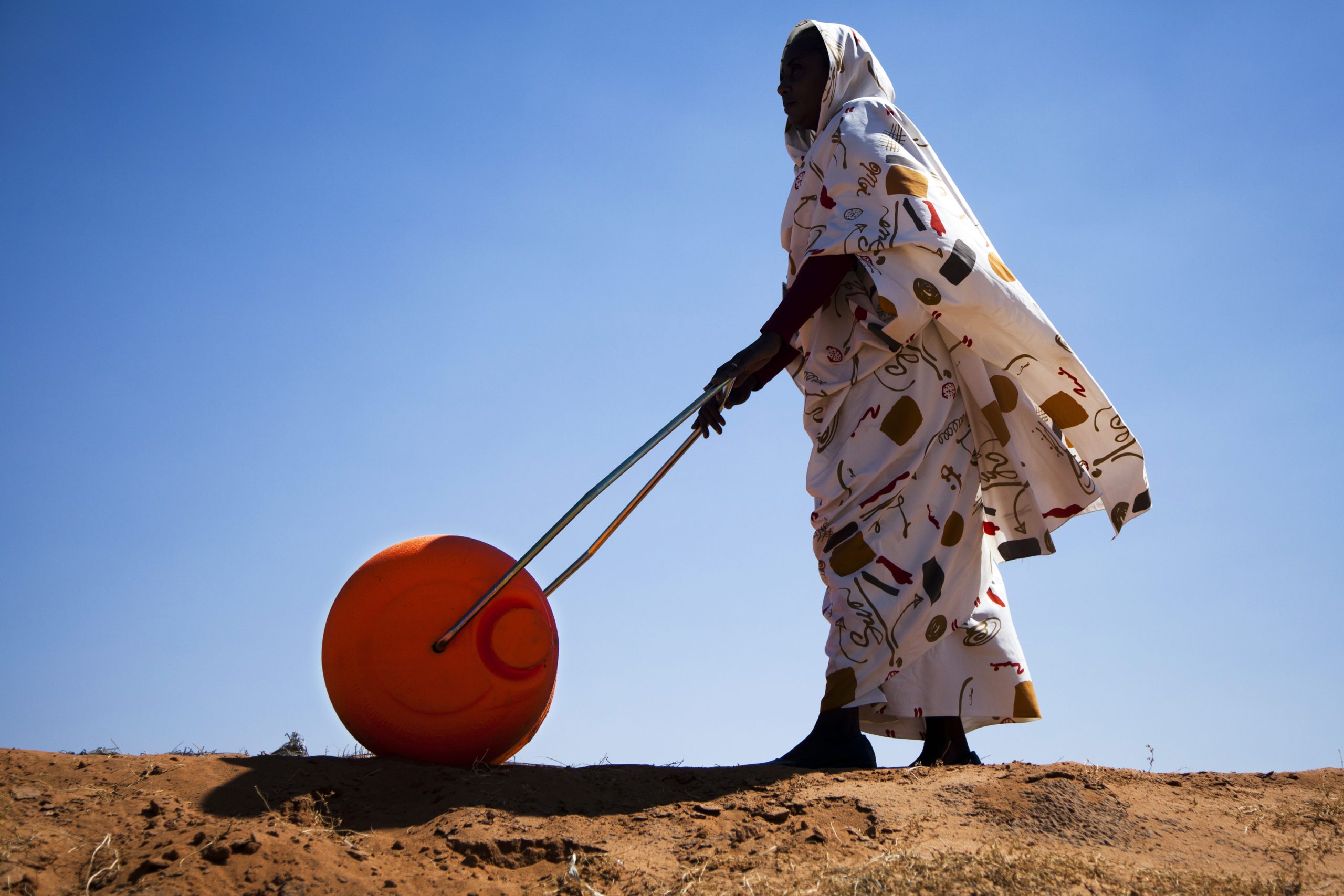
  5. The Hippo Roller: This invention addresses the problem of carrying water. The Hippo Water Roller eliminates the need to carry water, instead allowing individuals to push a barrel filled with water. By the end of 2015, 46,000 Hippo rollers were provided to communities across at least 20 countries.

The fight to end global poverty requires not only financial support from wealthy nations but also innovations that improve the living conditions of the world’s poor. While the innovations listed above improve water collection, irrigation and nutrition for poor individuals, increasingly creative inventions will be necessary to eradicate poverty across the globe.

– Fahad Saad
Photo: Pixabay

August 28, 2020
https://borgenproject.org/wp-content/uploads/borgen-project-logo.svg 0 0 Kim Thelwell https://borgenproject.org/wp-content/uploads/borgen-project-logo.svg Kim Thelwell2020-08-28 13:31:192024-05-29 23:22:325 Poverty Innovations Helping the World’s Vulnerable
Global Poverty, Water, Water Crisis

How the Cape Town Water Crisis Was Averted

 Cape Town Water Crisis
Cape Town, South Africa’s legislative capital, has a population of about four million, which is nearly 8% of the entire South African population. South Africa has been successful in cultivating a democratic country, but it has a persistent inequity issue. In 2015, the bottom 60% of the country only held 7% of South Africa’s net wealth. Although more than 55% of South Africans live below the poverty line, 93% of black South Africans live in poverty. Cape Town, although not exempt from issues of inequity, is a thriving metropolis to South Africa. When the Cape Town water crisis rose to a peak in 2017, it became imperative for the city to make some serious changes before they ran out of water completely. Here is how Cape Town recovered from its devastating water shortage and a look at where the city is today.

How the Crisis Began

Cape Town has long been praised for its award-winning water management achievements and efficient use of the city’s six largest reservoirs, which can hold up to 230 billion gallons of water. The city was well aware of the impending climate changes and took measures to decrease overall water consumption.

Despite their efforts, Cape Town neglected to factor in the steady decreases in annual rainfall. This oversight was minor at the time and the city’s reservoirs were full in 2014. However, a sudden three-year-long drought drained the reservoirs to only 26% capacity by 2017. The city declared they would shut municipal water taps off when they reached 13.5% capacity.

City Measures

The term “Day Zero” became the name for the day that water taps would be shut off city-wide, essentially the day Cape Town would officially run out of water. With Day Zero looming and reservoirs draining, the city and its residents sprung into action to avoid the ultimate Cape Town water crisis.

At the beginning of 2017, the average city resident used 600 liters per day. City officials lowered that daily limit to 50 liters per day. To put that number into perspective, the average Californian used 321 liters of water per day during the 2016 drought. If a household went above that 50 liter limit, it faced hefty fines and a meter installation to shut off the water automatically once it exceeded the daily limit. The city also implemented severe quotas for agricultural and commercial institutions.

Residents Doing Their Part

The Cape Town water crisis could not have been averted if not for innovative action from the residents themselves. People began to recycle shower and washing machine water as well as limit toilet flushes to once a day. Farmers diverted their water supply away from their own farms for the city to use. Swimming pools and lawns were no longer essentials and residents no longer used water for such amenities. Social media played a key role as well by being a platform to share advice with a large audience. Local restaurants and bars started competitions to see who could refrain from washing their clothes the longest. The combination of these efforts is what saved the 4 million people from ever having to experience Day Zero.

The Role of Poverty

Although the Cape Town water crisis affected the entire city, it hit some residents much harder than others. South Africa is already a country known for its inequity issues, and the water crisis exacerbated that fact. Wealthy residents found ways to get around the restrictions by hiring companies to dig $6,000 wells for them, buying large amounts of drinkable water at inflated prices, and even installing filtration systems to make groundwater drinkable. Poor residents, on the other hand, were at the mercy of the city and had to sacrifice buying food to be able to buy water.

Where is Cape Town Today?

Cape Town finally experienced an average rainy season in January 2018, allowing the city to postpone the arrival of Day Zero indefinitely. After the immediate crisis had been averted, the city began planning for ocean water desalination and groundwater extraction as backup water sources. These are more long-term solutions, but they present issues of their own such as the affordability of such intense installations and the impact on local ecosystems.

Limits on water usage have been loosened slightly; however, they still exist and are strictly enforced. This continues to negatively impact the city’s poorest residents. Perhaps the most helpful action taken since the crisis has been the weekly reports on dam capacities. As of July 2020, all the dams are holding steady at around 80% capacity.

Although the Cape Town water crisis never fully culminated in a citywide water shutoff, the impact of the event still resonates with the poor. Moving forward, efforts need to be made to ensure equal water access for all residents.

– Natalie Tarbox
Photo: Flickr

August 26, 2020
https://borgenproject.org/wp-content/uploads/borgen-project-logo.svg 0 0 Kim Thelwell https://borgenproject.org/wp-content/uploads/borgen-project-logo.svg Kim Thelwell2020-08-26 15:28:492020-08-26 15:28:48How the Cape Town Water Crisis Was Averted
Global Poverty, Technology, Water

5 Innovations Fighting Global Poverty

Fight Global Poverty With These 5 Innovations

Now more than ever, technology is working hard to help those living in poverty. Although there are many innovations, here are five unique innovations fighting global poverty.

5 Innovations Fighting Global Poverty

  1. Score Stove 2: An appliance called Score Stove 2 not only cooks food but also creates electrical energy through heat combustion, an electricity source that one can use to charge up to 12 batteries at a time. To reduce deforestation, the stove requires almost 50% less wood than conventional stoves. Its energy-saving design also minimizes smoke inhalation. This environmentally friendly stove is a unique solution to a traditional stove.
  2. Hippo Roller: The Hippo Roller can carry up to 90 liters of water at a time, an efficient tool for those who need to carry several gallons of water a day to provide for their families. People can also use the Hippo Roller for irrigating crops, cleaning and cooking. Currently, 51 countries are using this appliance. It has supplied about 60,000 people with efficient water transportation. This innovation is a simple solution working to combat the water crisis and fight global poverty.
  3. LifeStraw: The LifeStraw also tackles the global water crisis, filtering and removing bacteria or parasites from water sources for those who do not have access to clean water. The LifeStraw has an unlimited shelf life, is very durable and lightweight and is an essential survival tool. Inside the shell is a membrane microfilter that remains effective for up to 1,000 gallons, or 4,000 liters, of water. The LifeStraw is now popular among hikers and backpackers. However, the original purpose of the LifeStraw was to help eradicate Guinea worms from water, making it safe to drink for those with limited access to clean water or healthcare.
  4. Life Saving Dot: Iodine bindis are saving lives in rural India as iodine deficiencies are a leading cause of brain damage and anemia. This Life Saving Dot, which people can wear like a bindi, gives a daily dose of 150-220 micrograms a day to the wearer. While the founders of the company have worked to give many away for free, Life Saving Dots generally sell at a low price to low-income families. Global poverty and health directly relate, both acting as the cause and effect of the other. Technology like this is helping to stop this cycle.
  5. Tree Planting Drones: Tree-planting drones in Myanmar are restoring forests. Biocarbon Engineering and the Worldview International Foundation have teamed up to plant trees in empty fields. The drones first collect data about the fields and then determine what plants would best survive there. The drones allow the coverage of more land at a faster rate than if people planted the trees by hand. Environmental factors, such as deforestation, flooding and drought, directly affect communities. Forests supply clean air, water resources and wood to help maintain food security and wealthy communities.

These five innovations fighting global poverty show how technology can be a powerful tool for addressing global poverty. Just one of these innovations offers so much relief to those in need; imagine what might happen if everyone in poverty had access to these technologies.

– Hannah Kaufman
Photo: Flickr

August 25, 2020
https://borgenproject.org/wp-content/uploads/borgen-project-logo.svg 0 0 Lynsey Alexander https://borgenproject.org/wp-content/uploads/borgen-project-logo.svg Lynsey Alexander2020-08-25 01:30:562020-08-24 10:15:255 Innovations Fighting Global Poverty
Global Poverty, Water, Water Crisis

The Water Crisis in Sudan: How Global Aid Can Help

Water Crisis in Sudan
A major headline in 2012 as a result of South Sudan’s secession was the economic crisis facing Sudan after its oil revenue, which accounted for over half of the government’s revenue, sharply decreased. However, Sudan has also been facing an equally pressing water crisis that could adversely affect the country’s future for decades to come.

The current water crisis in Sudan has resulted in widespread water shortages and desertification, the process by which fertile land becomes too dry for agriculture. Ultimately, an International Fund For Agricultural Development (IFAD) report predicted that lower annual precipitation in combination with other environmental factors will significantly diminish land productivity in Sudan by 2050.

Water Scarcity and Poverty

Such a warning is especially important because about 65% of Sudan’s population lives in rural and agricultural areas, which produce almost 40% of the nation’s GDP. Additionally, poverty in these areas reaches upwards of 58% while water scarcity forces women and girls to abandon their jobs and school to find scarcely available water for domestic use. With women unable to work and girls not receiving an education, families earn less money and they have a smaller chance of improving their socio-economic status in the future. Therefore, it is clear that water plays a crucial role in Sudan’s economy and social development. This importance has made creating resilience to future crises in rural communities a national security priority for Sudan.

Urgent Global Aid

Most notably, Khartoum works with multilateral organizations such as the United Nations and the IFAD as well as countries like the United States to address the water crisis in Sudan. Such partnerships have led to the Agriculture Revival Programme in 2008, which has the goal of increasing rural citizens’ incomes and creating sustainable methods of natural resource use. Furthermore, the government implemented regulations like the Seed Act in 2010 to increase sustainable farming practices in the face of dwindling fertile lands. Sudan has demonstrated its commitment to solving its water scarcity issue through these multibillion-dollar projects. However, lots of work remains in order to eliminate the water scarcity, which has led to Sudan creating additional programs focusing on tackling water-related problems over the past few years.

Much like a pandemic, the most effective handling of the water crisis in Sudan will come through early investments and collective action. Without either of the former, water scarcity could grow exponentially and the damage could extend beyond the loss of lives today. As a result, the water crisis could extend to future generations, consequently exacerbating problems of poverty, migration and hunger in Sudan for decades to come.

What Now?

Sudan currently has the ability to create sustainable solutions before its water crisis becomes an unforgiving catastrophe — a point at which Khartoum will only be able to do damage control. Substantial progress in alleviating the water crisis in Sudan has already occurred thanks to partnerships with multilateral bodies and NGOs, as well as initiatives from Sudan’s government that encourage sustainable agricultural lifestyles. Ultimately, through pursuing further policies and strategic partnerships that reduce water scarcity in the long-run, Sudan should be able to bolster its economy and protect its citizens from poverty.

– Alex Berman
Photo: Flickr

August 24, 2020
https://borgenproject.org/wp-content/uploads/borgen-project-logo.svg 0 0 Kim Thelwell https://borgenproject.org/wp-content/uploads/borgen-project-logo.svg Kim Thelwell2020-08-24 16:44:392024-05-30 07:52:06The Water Crisis in Sudan: How Global Aid Can Help
Global Poverty, Water, Water Crisis

CloudFishing to Combat Poverty in Morocco

CloudFishing to Combat Poverty
Morocco is a water-scarce country. The effects of rapid desertification, poor water management and high susceptibility to droughts greatly impact it. Water resources in the country have fallen by about 71% since 1980. In rural communities it is common for families to rely on one water source, meaning water scarcity can have profoundly negative impacts on Moroccan families and their livelihoods. Drought, in particular, occurs on average once every three years and can have devastating effects on the livelihoods of Moroccans. Doughts negatively impact about 51.5% of the Moroccan population. With drought on the rise, sustainable water management is integral to the development of the economy. As a result, an organization called Dar Si Hmad is stepping in to use CloudFishing to combat poverty and water scarcity in Morocco.

Water Scarcity and Poverty

The citizen’s organization ‘Social Watch’ identifies the poor management of scarce water resources as a serious aggravator of rural poverty in Morocco. The effects of water scarcity particularly burden farmers and women in Morocco. Forty percent of working Moroccans have employment in the agricultural sector and 70% of farmers struggle due to the impact of frequent droughts. Women in rural communities in Morocco spend on average 3.5 hours a day seeking and carrying water, restricting their time in pursuit of other activities.

CloudFishing to Solve the Water Crisis

Dar Si Hmad, a female-led non-governmental organization (NGO), is taking an innovative approach to solving the crisis of water scarcity and alleviating poverty in Morocco. The NGO’s vision is to “enable sustainable livelihoods and create opportunities for low-resource communities to learn and prosper.” It is pursuing this vision, in part, by using ‘CloudFishing’ to combat poverty in Morocco. CloudFishing is an approach to solving the water crisis by utilizing the abundant resource of fog. In Morocco, fog gathers from the ocean and the mountainous landscape captures it for about 140 days out of the year. Dar Si Hmad uses fine mesh to ‘fish’ for droplets of water within the fog which, once it accumulates, drops into a basin and is then filtered through a process of solar-powered UV, sand and cartridge filters.

The water collected by Dar Si Hmad is piped to 140 households providing approximately 500 people in southwest Morocco with access to sustainable clean water. Dar Si Hmad has developed into the largest functioning fog collection project in the world and is directly contributing to poverty alleviation in the country. The project receives partial funding from USAID in Rabat, Morocco. Sustained foreign aid from the U.S. is integral to the organization’s continued success. CloudFishing has a positive impact on women in the community who now have more time to devote to pursuing economic activities to help them rise out of poverty. Sustainable access to water also allows poor farmers to have more stable livelihoods and escape the cycle of poverty in Morocco.

Looking Forward

While clean water is a human right recognized by a number of international organizations and countries, in water-scarce Morocco it has become a luxury. Dar Si Hmad is continuing its work throughout the COVID-19 pandemic and is preparing to build two new CloudFishers to provide water to 12 additional rural villages in Morocco. Dar Si Hmad plays an integral role in providing solutions like CloudFishing to combat poverty and water scarcity in Morocco.

– Leah Bordlee
Photo: Flickr

August 21, 2020
https://borgenproject.org/wp-content/uploads/borgen-project-logo.svg 0 0 Kim Thelwell https://borgenproject.org/wp-content/uploads/borgen-project-logo.svg Kim Thelwell2020-08-21 12:37:182024-05-29 23:22:19CloudFishing to Combat Poverty in Morocco
Activism, Charity, Global Poverty, Water

How Lab-Grown Diamonds Are Reducing Poverty

Lab-grown diamondsThe inhumane conditions of diamond mines have become a widely scrutinized issue in recent years. Critics have labeled these diamonds as “blood diamonds” or “conflict diamonds”. These evocative epithets illustrate the historically exploitative labor practices prevalent among the diamond industry. Due to the growing consumer awareness of unethical mining practices, the criteria for purchasing diamonds have experienced a crucial shift. Since the turn of the century, consumers have largely stopped settling for anything less than ethically produced diamonds. Recently, lab-grown diamonds have emerged as a certifiably ethical alternative to traditionally mined diamonds.
The Rise of the Lab-Grown Diamond

Lab-grown diamonds are synthesized in laboratories with industrial processes that mimic how diamonds form inside the Earth or in outer space. In recent years, scientists have greatly improved the techniques needed to synthetically manufacture diamonds. As recently as the early 2000s, the only lab-grown diamonds available were either very small or tinted with impurities. In the last five years, however, the diamond industry has perfected the synthetic fabrication of diamonds. These technological advancements allow for the production of large, clear stones that bear no significant difference from natural diamonds.

This technological advancement has taken off quickly. In 2016, around a dozen lab diamond growers and sellers formed a trade group called the International Grown Diamond Association (IGDA). The IGDA now has around 50 members. Lab-grown diamonds now account for around 2-3% of the $14 billion diamond market. Some analysts predict that lab-grown diamonds will occupy up to 10% of the market by 2030.

Growing Acceptance of Lab-Grown Diamonds

Large corporations and organizations have made adjustments to welcome the lab-grown diamond into the diamond industry. The Federal Trade Commission has expanded the definition of a diamond to include lab-grown gems. In addition, the FTC has dropped “synthetic” as a recommended descriptor for lab-grown diamonds. The success of lab-grown diamonds has even pushed De Beers Group, the global diamond monopoly which once vowed never to sell man-made diamonds, to create a lab-grown diamond line known as Lightbox Jewelry.

Consumers have also demonstrated their interest in the lab-grown diamond. Primarily, lab-grown diamonds are often cheaper than mined diamonds. This allows consumers to purchase a larger diamond ring than they otherwise would be able to afford. In a 2018 consumer research survey conducted by MVI Marketing, around 66% of millennials said they would consider a lab-grown diamond and 23% said they would definitely buy a lab-grown diamond ring.

Merging Lab-Grown Diamonds and Activism

Several smaller companies that offer lab-grown diamonds have formed as well. These companies utilize their diamonds’ ethical sourcing and sustainability as a major selling point. Additionally, these companies are engaging in many forms of activism. Many of these companies divert a percentage of their profits to poverty reduction and humanitarian efforts around the world.

Collectively, the efforts of these companies will bring more awareness to issues in the diamond industry as well as aid the communities that were directly exploited by unethical mining practices. As technological and industrial capabilities increase, it is hoped that the diamond industry will take advantage and slowly transition away from its dependence on hazardous mines and labor practices.

Lab-Grown Diamond Companies Funding Humanitarian Projects:

  • MiaDonna: In 2007, Anna-Mieke Anderson founded MiaDonna. She felt compelled to offer a sustainable alternative to mined diamonds after researching the history of conflict diamonds. In the last three years, this company has dedicated more than 20% of its earnings towards its charity foundation, The Greener Diamond. The Greener Diamond gives back to those harmed by the diamond trade and educates consumers about their role in buying conflict diamonds. In addition, this foundation also funds various initiatives in Liberia, Togo and Sierra Leone that address food insecurity and education.
  • BrilliantEarth: Brilliant Earth sells both carefully sourced and lab-grown diamonds. Each year, they pledge 5% of profits towards giving back to mining communities. Presently, BrilliantEarth is funding the Brilliant Mobile School in the Democratic Republic of the Congo. This school serves primary aged students in a mining community. The school aims to educate young children and ultimately expand their economic opportunities beyond working in the nearby diamond mine.
  • Do Amore: Do Amore was founded by Krish Himmatramka after struggling to find an ethical and sustainable engagement ring for his girlfriend. His company sells both carefully sourced and lab-grown diamonds. Additionally, Do Amore tries to use recycled materials in both their jewelry and packaging. Their main philanthropic focus is fighting the water crisis. So far, Do Amore has built 39 wells in five nations and helped 9,885 people.

– Antoinette Fang
Photo: Flickr

August 14, 2020
https://borgenproject.org/wp-content/uploads/borgen-project-logo.svg 0 0 Kim Thelwell https://borgenproject.org/wp-content/uploads/borgen-project-logo.svg Kim Thelwell2020-08-14 15:42:132024-05-29 23:23:14How Lab-Grown Diamonds Are Reducing Poverty
Global Poverty, Water

Hydroponic Farming in Africa: Increased Food Security

Hydroponics Fight Hunger
In the past 40 years, droughts have impacted more of the world’s population than any other natural disaster. Their intensity and occurrence have increased, and the developing world bears the brunt of consequences including hunger, environmental damage and economic and social instability. Agriculture, in particular, a sector that supports 40% of the world population’s primary livelihoods, suffers from worsening droughts. In Eastern and Central Africa water scarcity and population growth dually affect food security to an increasing degree. The CEO and founder of Hydroponics Africa LLC, Peter Chege, is helping introduce the innovative and cost-effective method of hydroponic farming in Africa to help improve food security.

How Hydroponic Farming Fights Hunger

Hydroponic systems rely on dissolved nutrient additives to grow food in contained water structures rather than soil. These systems use water 90% more efficiently than traditional agricultural production methods because the closed systems recycle water. Using this method of production, farmers can precisely control pH and nutrient levels in the water to optimize plant growth. Furthermore, vertically stacked hydroponic systems can increase crop growth density and production rates.

Hydroponic systems support crop growth in drought-stricken areas with poor soil conditions that would typically prohibit productive farming. The potential for greater crop output means hydroponics fight hunger by combatting food-insecurity and improve the livelihoods of low-income farmers.

Introducing Hydroponics to African Countries

Chege, a chemist out of the University of Nairobi, founded Hydroponics Kenya in 2012 to market hydroponic systems to Kenyan farmers as an affordable alternative to purchasing livestock feed. His company was the first to market hydroponics in East Africa. Since its foundation, his company expanded into Hydroponics Africa LLC and began to produce and install crop-and fodder-growing hydroponic systems in Rwanda, Uganda and Tanzania. Additionally, there has been growing governmental support to increase the overall use of hydroponic farming in Africa.

Hydroponics Africa partners with the United States Agency for International Development (USAID), the World Food Programme (WFP) and the Food and Agriculture Organization of the United Nations (FAO). It receives support from Kenya’s Water Resource Management Authority (WARMA) and the Kenyan Ministry of Agriculture. The Kenya Climate Innovation Center (KCIC)—an organization that aims to improve the productivity of small farms and promote water management technologies—has also issued Hydroponics Africa a “proof of concept grant” to help hydroponics fight hunger in Kenya.

Hydroponics Africa has sold more than 365 greenhouse units and 700 fodder units, which have helped to save 500 million liters of water and support 6,000 tons of crop yields. The company has also trained over 20,000 people on hydroponic farming techniques.

The Benefit to Low-Income Farmers

Hydroponics Africa LLC creates customizable hydroponic systems using local materials and markets them toward small- and mid-size farms. The systems require no previous user experience, no thermostat nor electricity and minimal user input. The system prices currently range from $100 to $4,800. Additionally, the company is working with local banks to make these systems accessible to low-income farmers through loans. For example, payment options include 0-20% upfront costs and a monthly payment plan per system. The costs are justified by the increased crop yields for subsistence and sale that the hydroponic method promises.

Hydroponic farming helps fight hunger in areas poorly suited to traditional agriculture. Companies like Hydroponics Africa LLC have the potential to revolutionize agriculture for low-income farmers in drought-stricken countries. The emergence of hydroponic technology may be a life-changing solution to food insecurity exacerbated by population growth and drought.

– Avery Saklad
Photo: Flickr

August 13, 2020
https://borgenproject.org/wp-content/uploads/borgen-project-logo.svg 0 0 Kim Thelwell https://borgenproject.org/wp-content/uploads/borgen-project-logo.svg Kim Thelwell2020-08-13 01:30:142024-05-29 23:22:58Hydroponic Farming in Africa: Increased Food Security
Global Poverty, Water, Water Crisis

The Haitian Water Crisis During Covid-19

Haitian Water CrisisHaiti is currently managing an outbreak of the pandemic virus, COVID-19. Amid a highly contagious virus, Haiti’s water and sanitation facilities are of the utmost importance in containing mass contagion. However, millions of the Haitian population do not have access to clean water and sanitation facilities essential in combating viruses. The Haitian water crisis is complicating the response to Covid-19.

On March 19, Haiti’s government declared a state of emergency wafter confirming its first COVID-19 case. Haiti has confirmed over 6,000 cases of COVID-19 since then. Fortunately, Haiti has seen low death rates reported at less than one percent and, despite experiencing some case spikes, Haiti’s COVID-19 cases have been on a downward trend since the beginning of June. However, without proper precaution, COVID-19 death rates could easily be back on the rise in Haiti.

Covid-19 and Water

According to a public health announcement issued by the World Health (WHO) Organization, one of the most effective ways to avoid COVID-19 contagion is to wash your hands regularly. WHO also recommends frequently cleaning and sanitizing surfaces and everyday objects.

Any WHO-advised COVID-19 prevention measures that require increasing sanitation practices pose a problem for Haiti. Only about half of the Haitian population has access to clean water, and only one-third of the population has access to basic sanitation facilities. The Haitian water crisis is making it difficult for citizens to take precautions. Water resources and sanitation facilities are particularly inadequate in rural areas of Haiti. Lacking the resources to combat COVID-19 will only increase the probability of contracting the already highly contagious virus.

Along with the pressure of a worldwide pandemic, Haiti is still dealing with the effects of a devastating natural disaster. In 2010, an earthquake decimated Haiti destroying essential infrastructures in Port Au Prince, Haiti’s Capital city. The earthquake caused mass displacement and migration to rural areas of Haiti. These highly populated rural areas are now struggling to contain COVID-19 contagion without the necessary resources to prevent widespread contamination.

Another challenge rural Haitians face is the lack of communication with the government about COVID-19 prevention methods. Because rural areas host almost half of the population in Haiti, many Haitians are unaware of the need for proper sanitation. PureWaterfortheWorld.org is working along with the Centre of Affordable Water and Sanitation Technology to get radio and virtual COVID-19 prevention sanitation methods to rural areas of Haiti that experience government communication issues. The PWW proposes driving trucks through rural areas while blasting sanitation messages through loudspeakers.

The Way Forward

While the PWW focuses on the dissemination of information, many are working to provide better sanitation in rural communities. These organizations aim to provide clean water and hygienic sanitation facilities to curb the spread of COVID-19. An organization called Charity:water.org establishes long-term water solutions in rural Haiti. Charity:water.org uses hydrologists and engineers to design wells and pumps that extract water from natural resources in mountains and springs. Up to now, Charity:water.org has invested in 40 water projects in Haiti and over 50,000 all over the world.

The organizations working to provide better and more accessible water resources to rural Haiti will significantly impact the prevention of COVID-19 through sanitation practices. Along with the efforts to advertise the importance of sanitation, the western hemisphere’s poorest country can manage COVID-19 amid a water crisis.

– Kaitlyn Gilbert
Photo: Flickr

August 7, 2020
https://borgenproject.org/wp-content/uploads/borgen-project-logo.svg 0 0 Kim Thelwell https://borgenproject.org/wp-content/uploads/borgen-project-logo.svg Kim Thelwell2020-08-07 21:57:572020-08-08 10:38:56The Haitian Water Crisis During Covid-19
Page 16 of 57«‹1415161718›»

Get Smarter

  • Global Poverty 101
  • Global Poverty… The Good News
  • Global Poverty & U.S. Jobs
  • Global Poverty and National Security
  • Innovative Solutions to Poverty
  • Global Poverty & Aid FAQ’s
Search Search

Take Action

  • Call Congress
  • Email Congress
  • Donate
  • 30 Ways to Help
  • Volunteer Ops
  • Internships
  • Courses & Certificates
  • The Podcast
Borgen Project

“The Borgen Project is an incredible nonprofit organization that is addressing poverty and hunger and working towards ending them.”

-The Huffington Post

Inside The Borgen Project

  • Contact
  • About
  • Financials
  • President
  • Board of Directors
  • Board of Advisors

International Links

  • UK Email Parliament
  • UK Donate
  • Canada Email Parliament

Get Smarter

  • Global Poverty 101
  • Global Poverty… The Good News
  • Global Poverty & U.S. Jobs
  • Global Poverty and National Security
  • Innovative Solutions to Poverty
  • Global Poverty & Aid FAQ’s

Ways to Help

  • Call Congress
  • Email Congress
  • Donate
  • 30 Ways to Help
  • Volunteer Ops
  • Internships
  • Courses & Certificates
  • The Podcast
Scroll to top Scroll to top Scroll to top