15 Facts About the Syrian Civil War
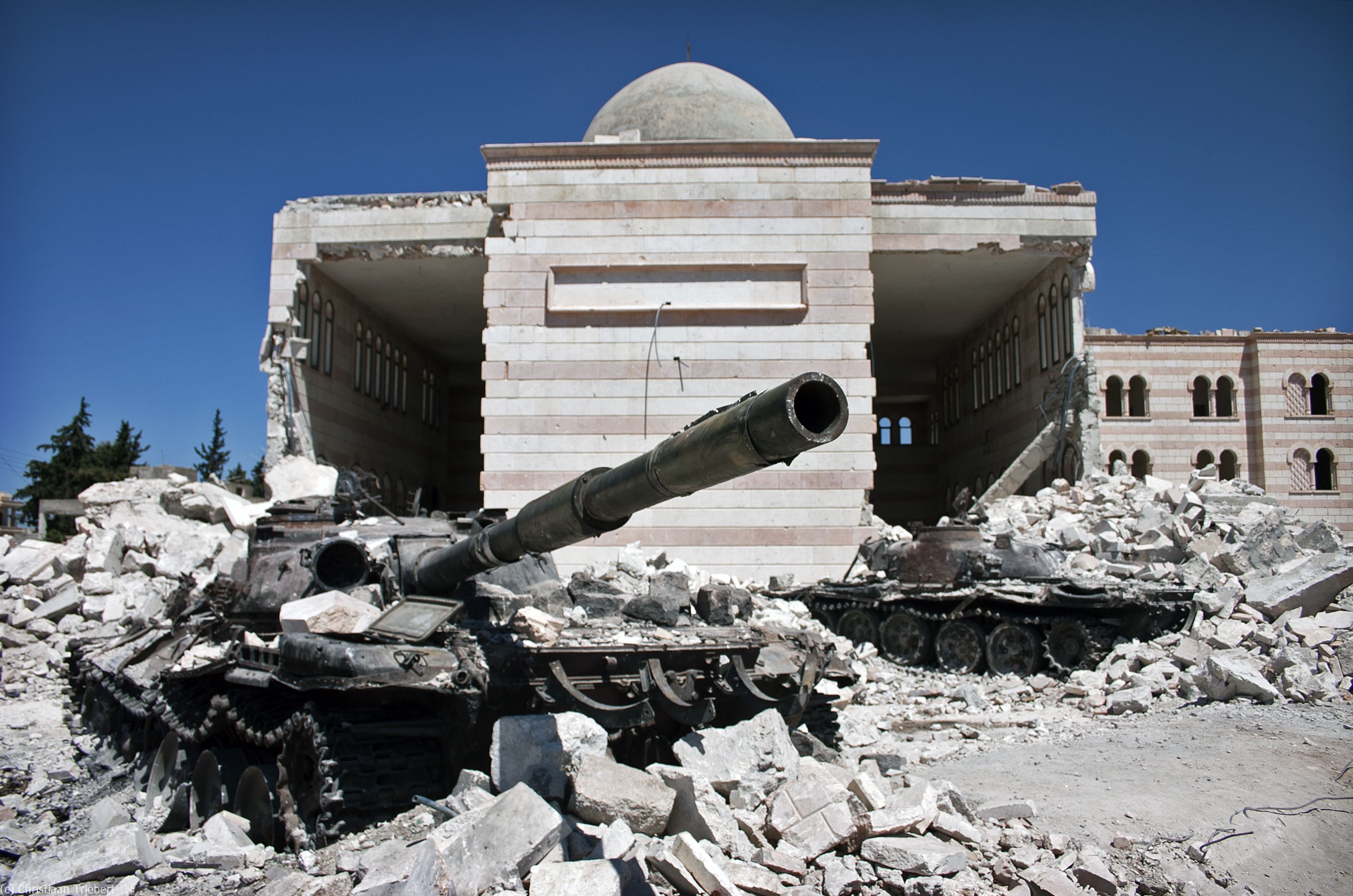 While constantly in the news, the atrocities of the Syrian civil war, one of the greatest humanitarian crises in recent history, have become somewhat normalized to readers. However, it is imperative to remain at least aware, if not critical of the causes of such ongoing brutality. Here are 15 facts about the Syrian civil war to stay informed:
- In 2011, the Syrian government, led by President Bashar al-Assad responded to civilians peacefully protesting wrongful imprisonment and torture by killing hundreds of demonstrators and imprisoning many more.
- In July 2011, defectors from the military as well as Syrian civilians formed the Free Syrian Army, a rebel group aiming to overthrow President Bashar al-Assad and his authoritarian regime.
- President Assad encouraged extremists to join the rebellion against his government, and even released jihadist prisoners in order to tinge the rebellion with extremism and make it more difficult for foreign backers to support them.
- Neighboring countries with Sunni majorities generally support the rebels while Shia majorities tend to support President Assad. In 2012, Iran intervened on President Assad’s behalf and supplies officers and cargo to government forces. In response, Turkey, Saudi Arabia and Jordan sent aid to the rebels to counter Iran’s influence.
- The Syrian civil war has become a proxy war between international powers. The United States, under the Obama administration, supported Syrian rebels through CIA training, making it a participant in the war. Russia, on the other hand, backs President Assad.
- Syrian Kurds carved out a semi-autonomous region in the north and northeast of Syria. The Kurds support neither the government nor the opposition. The United States has supported the Kurds as one of the most effective anti-Islamic State forces on the ground.
- Almost all the forces in Syria fighting against each other are also fighting the Islamic State. In 2011, al-Qaeda forces joined the rebellion against President Assad before beginning to seize control of territory in Syria, by which time they had renamed themselves the Islamic State in Iraq and Syria (ISIS or ISIL), and labeling their territories its caliphate. Kurdish forces and Syrian rebels have been combating the rising power of ISIS. The United States has also directly intervened with air strikes.
- The United States launched a program to train Syrian rebels to fight ISIS, but not President Assad. The program was criticized for showing that the United States opposes ISIS more than Assad.
- President Bashar al-Assad is using chemical weapons against civilians. While the Syrian military as well as Assad himself deny such claims, organizations such as Human Rights Watch has documented the use of chlorine and sarin gas by the Syrian government against its own people.
- The United Nations commission of inquiry has evidence implicating all parties in the conflict of war crimes. Rebel forces, as well as the Syrian government and ISIS, have committed war crimes including murder, torture, rape and enforced disappearances. They have also been accused of leveraging access to food, water and health services as a method of combat.
- Entering its seventh year, the Syrian conflict has killed almost half a million Syrians, injured more than a million and displaced over 12 million, just about half of the country’s population before the war.
- 6.5 million of these displaced individuals are still in Syria. Internally displaced persons tend to be especially vulnerable, especially if they are still in areas of conflict. International aid agencies cannot easily access these areas.
- Most Syrian refugees are currently in Egypt, Iraq, Jordan, Turkey and Lebanon. While these areas are relatively safe for displaced Syrians, they remain unstable themselves.
- The mass exodus of Syrian refugees to Europe has created its own political crisis. European voters have largely rejected refugees in the wake of the rise of right-wing populism.
- Charity organizations across the globe are working to help the millions of Syrians affected by the war. The main charity groups include UNHCR, UNICEF, Doctors Without Border, Oxfam, the International Red Cross and Save the Children.
– Richa Bijlani
Photo: Flickr
