• Link to X
  • Link to Facebook
  • Link to Instagram
  • Link to TikTok
  • Link to Youtube
  • About
    • About Us
      • President
      • Board of Directors
      • Board of Advisors
      • Financials
      • Our Methodology
      • Success Tracker
      • Contact
  • Act Now
    • 30 Ways to Help
      • Email Congress
      • Call Congress
      • Volunteer
      • Courses & Certificates
      • Be a Donor
    • Internships
      • In-Office Internships
      • Remote Internships
    • Legislation
      • Politics 101
  • The Blog
  • The Podcast
  • Magazine
  • Donate
  • Click to open the search input field Click to open the search input field Search
  • Menu Menu

Archive for category: Poverty

Global Poverty, Poverty, Slums

10 Facts About Slums in Manila

10 Facts About Slums in Manila
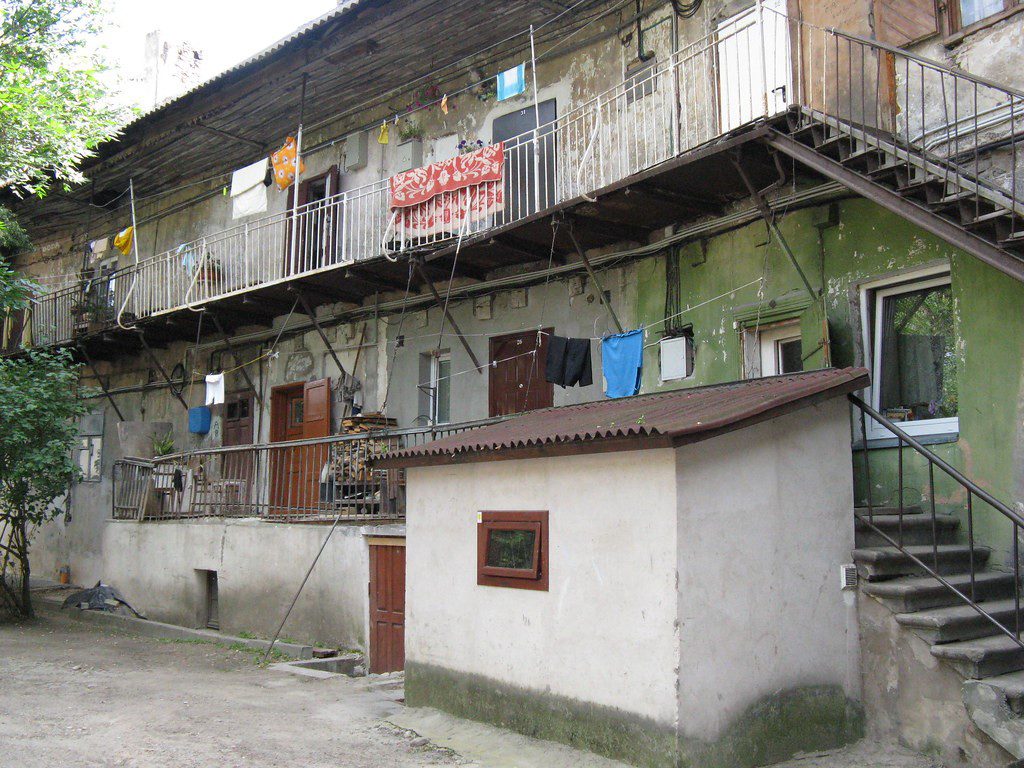
Since as early as the mid-1900s, impoverished citizens of Manila, Philippines have resided in informal settlements known as slums. The metro Manila area has several of these slums which houses much of the poor population of the city. Below are 10 facts about slums in Manila.

10 Facts about slums in Manila

  1. An estimated 35 percent of the metro Manila population live in unstable, poorly constructed shelters in slums. Eleven percent of slum residents live near unsafe areas like railroads and garbage dumps. According to the World Bank, living conditions in slums are worse than in the poorest rural areas. The Mega-Cities Project’s research found that tuberculosis rates were nine times higher than in non-slum areas and that rates of diarrheal disease were two times higher.

  2. It is extremely difficult to collect adequate demographic data on slum populations, as most constituents lack a proper address. Even if surveyors reach slum occupants, most are timid to answer questions due to the fear that surveyors will use the information to demolish their shelters or resettle them. Most slum residents have very little or no tenant security. However, in 2000 the Asian Development Bank estimated a total slum population of around 3.4 million in Manila.

  3. The rate of childhood malnutrition is three times higher in the slums than in non-slum areas. According to USAID, children sometimes have to sort through garbage for scraps of food. A study of the Smoky Mountain slum found that 80 percent of children aged eight months to 15 years who scavenged for food had at least two species of intestinal parasites. An Asian Development Bank study found that 50 percent of children were anemic. This is despite the fact that many of these children have access to medical facilities.

  4. Residents in Manila slums lack access to proper sanitation and a clean environment. USAID states that 66 percent of slum residents lack an adequate way to dispose of human waste and often resort to open pits or rivers. A UNICEF study found that only 16 percent of children in the slums have access to clean drinking water. As a result, residents often turn to vendors or contaminated groundwater. The child mortality rate in slums is three times higher than in non-slum areas according to the Philippines Health Department.

  5. Project PEARLS is providing children in Manila slums with food and health care. The organization has three different food programs for the children of Manila slums. PEARLS launched The Soup Kitchen program in July 2015, which feeds at least 300  children per day on a budget of $160. The organization also provides free medicine to children for illnesses like dehydration, flu, pneumonia and infections, as well as various wounds.

  6. Slum settlements in Manila are extremely vulnerable to natural disasters. The Philippines ranks fourth in the global climate risk index and is often prone to typhoons, flooding, earthquakes and other natural disasters. The instability of the often homemade shelters provides little to no protection from these calamities. The Asian Development Bank states that this and the fact that most slums are in dangerous locations make slum settlements vulnerable to natural hazards. Heavy rains in July 2000 caused a landslide of garbage that killed 218 people in a slum settled on top of a garbage dump.

  7. Habitat for Humanity is building stable shelters for slum residents in Manila. With the help of volunteers, the organization builds around 5,000 homes every year. The team works with the local government to rebuild homes and also construct new homes that can withstand the natural elements. From digging the foundation to pouring the concrete and laying the roof, the organization and volunteers create sustainable homes from the ground up for thousands of impoverished slum residents.

  8. The moderate economic growth in recent years did not help to mitigate poverty or slums. The Asian Development Bank reported an average 5.3 percent increase in GDP from 2003 to 2006. Poverty rates increased from 24 percent to 27 percent during that time and continued to increase in 2007 when the GDP growth was 7.1 percent. Chronic poverty, driven by factors like severe inequality and corruption, hinders the reduction of slum residents and settlements. The Philippines ranked 141 out of 180 countries in the 2008 Transparency International corruption perceptions index. According to the Asian Development Bank, local political dynasties manipulate markets to deter the poor from accessing private goods and capital. In 2006, the richest 20 percent owned 53 percent of the wealth in the country.

  9. Poverty is fuelling online child sex abuse in the slums. The live streaming of child pornography in these locations has led UNICEF to name the Philippines the global epicenter of the online child sex abuse trade. Despite the new cybercrime unit at the Philippines National Police Headquarters and the passage of an Anti-Child Pornography Law, convictions remain low and case reports high. This is partially due to the fact that the age of consent in the Philippines is only 12 years old. UNICEF reports that parents have even brought their children to these shows to earn money.

  10. Police and government corruption have engendered the unlawful killings of thousands of slum citizens at the hands of officers since the start of President Rodrigo Duterte’s war on drugs. These corrupt and violent raids target slum residents the most. A Human Rights Watch report found that these raids have unlawfully killed over 7,000 people. The report states that police often falsify evidence and falsely claim self-defense to get away with these extra-judicial killings. Although Duterte has not called for extra-judicial killings, his repeated calls for the killing of drug offenders and an absence of any investigations into the killings prompted the Human Rights Watch to label this campaign as a possible progenitor of crimes against humanity.

The Manila government has struggled to find ways to reduce poverty and the population of slum residents, but poverty is a drain on Manila’s economy. According to the Asian Development Bank, for every one percent increase in poverty, there is a 0.7 percent decrease in overall per capita income. Along with this economic algorithm, a lack of investment, access to capital and financial markets throughout slum communities hinders economic growth. Different non-governmental organizations like Habitat for Humanity and Project PEARLS are providing basic essentials and helpful assistance for the different struggles of slum life. However, the Philippines requires more research and both domestic and international assistance to mitigate and eventually solve the aforementioned 10 facts about slums in Manila.

– Zach Brown
Photo: Flickr

July 27, 2019
https://borgenproject.org/wp-content/uploads/borgen-project-logo.svg 0 0 Jennifer Philipp https://borgenproject.org/wp-content/uploads/borgen-project-logo.svg Jennifer Philipp2019-07-27 08:53:362019-07-27 08:53:3610 Facts About Slums in Manila
Global Poverty, Poverty

Five American Presidents Who Experienced Poverty

presidents who experienced povertyGrowing up poor can place hindrances and obstacles on the path to one’s success and achievements in life. It can hurt education opportunities, employment opportunities and recreational activities such as hobbies and skills. However, there have been American presidents who experienced poverty at some point in their lives. Despite this, each managed to climb the political ladder to the top.
Here are five American presidents who experienced poverty:

  1. Harry S. Truman – Preceded by Franklin D. Roosevelt, he was the 33rd President of the United States. His presidential term last from April 1945 through January 1953. He is well-known globally for the establishment of the Marshall Plan, the Truman Doctrine and NATO. Although Truman had a humble upbringing, he often had a chaotic financial situation due to his poor investment choices. He also had unsuccessful business ventures such as a men’s clothing store and a mining and oil company.
  2. Ulysses S. Grant – The 18th president from 1869 to 1877. Unlike Truman, he never had the opportunity to turn around his financial situation. He eventually became bankrupt after he lost $100,000 due to the fraudulent behavior of his son’s business partner. Grant was well-known for being a national hero following the Civil War after President Abraham Lincoln made Grant a brigadier general. It was only after his death that he was able to provide finances to his family, leaving them with around half a million dollars, sourced from his Civil War memoirs.
  3. William Henry Harrison – He was a farm owner so he was quite dependent on agricultural factors for his wealth. Unfortunately, while he was serving as the Ambassador to Colombia, the harsh weather destroyed his crops. This naturally steered to his failure to accumulate much wealth. Harrison was the ninth president for 31 days in 1841 before he died of natural diseases. While he may not have had much time in office to prove his capabilities, he had military experiences that stood out.
  4. Thomas Jefferson – One of the founding fathers, he was the third president of the U.S. between 1801-1809. He was the main author of the Declaration of Independence. Additionally, he served as the second vice president from 1797 to 1801. Although he started with affluence, he accumulated a lot of debt throughout his life. He was not able to take care of his debts as he could not find buyers for his land. As a result, his daughter did not inherit much and had to live off charity.
  5. James A. Garfield – He served as the 20th president of the United States in 1881 for around six months until he was assassinated. He had served as a general during the American Civil War and attempted to fight off corruption in the post office. Garfield was born into poverty and worked many jobs such as being a carpenter or a janitor so that he can get through college. Since he was dedicated to being a public servant, he did not have much room to be able to accumulate much wealth. By the time of his assassination, he was penniless.

These American presidents who experienced poverty shed light on the fact that even the brightest or the most capable among us who can lead a nation like the United States can be living in poverty. Economic empowerment and education opportunities can be presented to all talented potentials, thus eradicating global poverty and reducing global inequality in all spheres.

– Nergis Sefer
Photo: Google Images

July 26, 2019
https://borgenproject.org/wp-content/uploads/borgen-project-logo.svg 0 0 Kim Thelwell https://borgenproject.org/wp-content/uploads/borgen-project-logo.svg Kim Thelwell2019-07-26 17:11:412019-10-28 11:52:31Five American Presidents Who Experienced Poverty
Development, Global Poverty, Poverty, Poverty Reduction

Five Facts About China’s Poverty Alleviation Program

Five Facts About China’s Poverty Alleviation ProgramChina has contributed to more than 70 percent of poverty reduced globally, making it one of the countries with most people lifted out of poverty in the past four decades. China has also recently become one of the leading nations in poverty reduction efforts by implementing a poverty alleviation program. Here are five facts about China’s poverty alleviation program.

Five Facts About China’s Poverty Alleviation Program

  1. Main Goals: China’s main goals for this program are to address issues such as food security and clothing, compulsory education, basic medical care and housing. It wants to solve these issues by 2020. Additionally, by 2020 it wants to have a zero percent poverty rate in rural areas. Furthermore, the government wants to increase the income growth rate for farmers while also solving the regional poverty problem.
  2. Implementation of the Program: In order to achieve its goals, the government has focused on developing the economy through local industries, combating corruption within the poverty alleviation efforts and making changes to the education and healthcare systems as well. The Chinese government has registered the poor population in order to target the specific regions that need help the most while also tracking the progress being made. By targeting specific regions and having the entire poor population registered, the Chinese government can provide assistance to certain households or individuals. There are five parts of the poverty alleviation program which are being implemented to raise more people out of poverty and those are industrial development, relocation, eco-compensation, education and social security.
  3. Progress being made thus far:  As of 2019, more than “700 million people have been lifted out of poverty” according to the country’s national poverty line of $1.10 a day, which is more than 70 percent of the world’s poverty reduction efforts. When using the poverty line of $1.90 a day more than 850 million people have been lifted out of poverty between the years of 1981 and 2013. In 2016, more than 775,000 officials were sent out to different rural areas within the country in order to further development and aid the poor-stricken people living in the less-developed parts of China. This has proven successful given that, after this tactic was employed, the population living in rural areas that were still affected by poverty dropped to 30.46 million people. Additionally, the poverty incidence was also reduced to 3.1 percent. Although great progress has been made far ahead of the U.N.’s 2030 Sustainable Development Goals, China must still raise an additional 10 million people out of poverty in order to reach its 2020 goals of zero percent poverty.
  4. Citizens’ living conditions: China has worked closely with the International Labor Organization (ILO) to improve its citizens’ living conditions. It has done this by providing a better social security and welfare program which covers unemployment, pension, medical care, employment injury and maternity for urban employees. Additionally, this program includes what is known as the “Dibao,” the minimum living guarantee program, which ensures that even the poorest residents in either urban or rural areas would be supported by the government.
  5. Global impact: China’s poverty alleviation program is not only a domestic policy but also an international policy. It has benefitted many developing countries around the world. The Chinese government has provided about 400 billion yuan ($59 billion) in aid, which has benefitted 166 countries and international organizations. Additionally, more than 600,000 aid workers were sent overseas to contribute to the poverty-reduction efforts. China has also pledged $2 billion to the Assistance Fund for South-South Cooperation in order to support developing countries to reach the U.N.’s 2030 Sustainable Development Goals.

As a result of China’s poverty alleviation program, people countrywide are overcoming the challenges of poverty. Not only is the percentage of poverty globally declining because of China’s efforts but people are also thriving. China is the only country worldwide to have improved its citizens’ living conditions to such an extent in such a short period of time.

– Laura Rogers
Photo: Flickr

July 26, 2019
https://borgenproject.org/wp-content/uploads/borgen-project-logo.svg 0 0 Kim Thelwell https://borgenproject.org/wp-content/uploads/borgen-project-logo.svg Kim Thelwell2019-07-26 16:51:012019-11-07 15:48:56Five Facts About China’s Poverty Alleviation Program
Global Poverty, Poverty, Poverty Reduction

Gitanas Nauseda’s Fight Against Poverty in Lithuania

Poverty in Lithuania
Current political changes in Lithuania have brought many people hope over the current concerns of increases in immigration, income inequality and poverty in the country. The newly elected President, Gitanas Nauseda, has vowed to touch on these issues and tackle poverty in Lithuania. In 2018, around 650,000 people (22.9%) of Lithuanians lived below the at-risk-of-poverty threshold. The poverty line for a family comprising two adults and children was 307 euros a month per capita or 644 euros a month.

Furthermore, 17.3% of city residents earned disposable income below the at-risk-of-poverty threshold in 2018. This percentage stood at 34.4% for rural residents. The year 2019 has shown no improvements so far. In fact, the at-risk-of-poverty threshold increased by one percentage point making it the highest among the Baltic states.

Research has shown that inequality of income is hampering the development of society and the state. Although Lithuania has made remarkable progress during the independence period and is one of the fastest-growing economies in Europe, the income inequality in the country is currently one of the largest in the European Union. In 2016, the income of the richest 20% and poorest 20% in Lithuania varied seven times and has not improved.

The Main Challenges of Poverty

  1. Barriers to the Minimum Income: In Lithuania, people in need of social support often face a lot of bureaucratic barriers which greatly complicates their receipt of assistance. Moreover, the prevalence of stereotypes and the stigmatization of beneficiaries causes them to refuse to apply for the minimum income. In 2017, about 2.7% of the country’s population received minimum income and this number is decreasing.
  2. Debts: Debts are also a primary cause of why many Lithuanians are living in poverty. According to the Ministry of Justice, in October 2017, 292,612 people had debts that passed to bailiffs. Almost 10% of the total population of Lithuania is in debt. For a long time, the country could deduct up to 50% of a person’s minimum wage and 70% of the amount exceeding the minimum wage. As a result, people experiencing poverty are less likely to seek legal employment, which helps deepen the poverty trap. Also, even if they did work, they would be unable to retain a sufficient amount of income to live on. In almost 60% of the cases, they owe debts to the state, while in 37% of cases, they owe to private companies and in three percent of the cases, they owe other individuals. As a result, Lithuanians who are in debt often fall into the social assistance system, work illegally or seek help from their relatives.
  3. Education: The report of the National Audit Office states that the results of the pupils in smaller schools, most often in rural areas, are lower in Lithuania as well as the European Union. Specifically, 30% of the audited schools had joint classes. Furthermore, around 8% of children are unschooled, and Lithuania does not guarantee children’s right to education.
  4. Energy Poverty: In Lithuania, the law does not precisely define the concept of energy poverty. However, 29% of Lithuanian residents face difficulties in paying their heating bills. In 2016, 18% reported living in housing that dampness, draughts and leaks affected. These numbers are among the worst across the EU and show that many suffer from energy poverty in Lithuania.
  5. In-Work Poverty: Finally, the in-work poverty rate in Lithuania varies every year and is similar to the EU average. In 2017, 8.5% of persons were at risk of poverty. However, it is important to note that this indicator may be low partly because the average income of the employed is low. It is fairly easy to find a job for minimum wage in Lithuania, however, a minimum wage paying job in Lithuania is not enough to live.

The New President and His Plans

On May 26, 2019, economist Gitanas Nauseda earned 65.8% of the vote in the second round of elections in Lithuania on May 26, 2019. He took office on July 12, 2019, after President Dalia Grybauskaite’s second five-year term came to an end.

Many believe that newly elected President Gitanas Nauseda, a specialist in the field of banking and economic analysis, owes his victory to his emphasis on social issues, including tackling poverty. He also announced that he would increase the protective role of the welfare state and that the president’s office would supervise the introduction of controversial reforms to education and health care.

Although Lithuanian presidents do not directly craft economic policy, Nauseda plans to seek cross-party deals to bridge the gap between the rich and poor and decrease regional differences. “We will not have a welfare state if we care only about ourselves while social inequality increases,” stated Nauseda in parliament after taking the oath of office.

The new president also aims to increase cooperation with the Baltic area. He is initiating frequent meetings with the three Baltic states’ leaders. Meanwhile, Nauseda has indicated that he will work towards stronger relationships with both the EU and the U.S., and improve defense in Lithuania.

Hope for the Future

While President Gitanas Nauseda has certainly made promising plans for the future of Lithuania, other associations, such as the European Anti-Poverty Network Lithuania (EAPN Lithuania), are also working to fight poverty in Lithuania. EAPN Lithuania emerged in 2006 and works to strengthen the institutional capacities of Lithuanian non-governmental organizations and encourage their cooperation with national and local governmental institutions to reduce poverty and social exclusion in Lithuania. The association comprises 42 anti-poverty organizations working to reduce social exclusion throughout Lithuania.

Furthermore, UNICEF’s country program in Lithuania has made progress in decreasing child poverty and increasing children’s rights. Lithuania declared 2004 the year of children’s health and since then increased attention and resources to children-focused national health services and programs. Moreover, UNICEF has helped strengthen the effectiveness of the National Public Health Service and lent technical support to the creation of a national database of young people’s health indicators.

– Grace Arnold
Photo: Flickr

July 25, 2019
https://borgenproject.org/wp-content/uploads/borgen-project-logo.svg 0 0 Kim Thelwell https://borgenproject.org/wp-content/uploads/borgen-project-logo.svg Kim Thelwell2019-07-25 18:49:052024-05-29 23:10:29Gitanas Nauseda’s Fight Against Poverty in Lithuania
Global Poverty, Poverty

Poverty in Hong Kong and Local Protests

Poverty in Hong Kong
Hundreds of thousands of people have flooded the streets of Hong Kong to voice discontent with their government. Sparked over a proposed extradition law that would allow the Chinese government to detain Hong Kong citizens in mainland China, the protests have brought a conversation about government, business and human rights to the forefront of international affairs. Hong Kong has long been a haven for big businesses and policies that allow huge gaps in the wealth of its citizens. In fact, this gap is the widest it has been in more than four decades. In the city that has the world’s third-largest concentration of people worth more than $30 million, over 20 percent of people fall below the poverty line. Poverty in Hong Kong has divided the nation.

Facts and Figures

  1. More than 1.3 million people are living in poverty in Hong Kong. These citizens are surviving on as little as the equivalent of $510 a month, which is very low in one of the world’s most expensive cities. These skyrocketing levels mark a seven-year high.
  2. Many of Hong Kong’s children (17.5 percent) live below the poverty line. More than one-third of children in low-income families can afford to eat two meals a day with meat or fish.
  3. For half the population, monthly rent is 70 percent of the median household income. The Economist Intelligence Unit (EIU) recently named Hong Kong the number one most expensive city to live in, along with Paris and Singapore.
  4. The government blames the problem on its aging population and Hong Kong’s improving economy. Chief Secretary Matthew Cheung Kin-Chung claims the government is doing its part, and that changing demographics are the reason for the rising numbers.

Government Involvement

Hong Kong’s economy has been steadily growing with a 1.3 percent growth in the first quarter of 2019. This is a good thing, but in the context of a booming economy, the alarming poverty in Hong Kong is concerning, notes Labour Party lawmaker Fernando Cheung Chiu-hung.

Something is not working. The government has adopted policies that tend to favor citizens with assets. The government taxes salary, but not capital gains and dividends. Around 50 percent of the population owns homes in a volatile housing market, which the administration’s pro-cyclical land mentality fuels. On top of that, there are strikingly low returns on the government’s social welfare, universal education and public health care policies.

Some people, such as local politics expert and South China Morning Post reporter Alice Wu, go as far as to say that officials are not only negligent about poverty in Hong Kong but deliberate with their often-harmful policies. On the streets of the city, “cardboard grannies” use old boxes as makeshift homes to survive. More than 80 percent of them are over 60 years old, and they are often subject to fines and punishment from the Food and Environmental Hygiene Department officers. In July 2018, one woman received a find for the equivalent of $192 USD for littering. Some concerned citizens then decided to launch an online petition, and only then did authorities discard her fine, proving advocacy to be a key tool for correcting local injustices.

Humanitarian Aid

Outside of government intervention, many organizations are looking to help Hong Kong’s poor. One NGO, Crossroads Foundation, empowers local charities dedicated to ameliorating poverty by providing funding or equipment. These groups are diverse, ranging from organizations like Bring Me A Book, which gives impoverished children access to books, to the Salvation Army Hong Kong, which brings shelters or charity shops to those in need. Another nonprofit, Habitat for Humanity, found that citizens living in poverty often reside in hazardous conditions. In 2016, it set out to find safe housing for 15 million residents by 2020, giving hope to Hong Kong’s poor.

– Natalie Malek
Photo: Flickr

July 24, 2019
https://borgenproject.org/wp-content/uploads/borgen-project-logo.svg 0 0 Kim Thelwell https://borgenproject.org/wp-content/uploads/borgen-project-logo.svg Kim Thelwell2019-07-24 02:31:402024-05-29 23:14:00Poverty in Hong Kong and Local Protests
Global Poverty, Inequality, Poverty

Record-High Poverty Line in Hong Kong

Poverty Line in Hong Kong
Hong Kong’s reputation as one of the most financially significant regions on earth masks internal issues of poverty and inequality. The record-high poverty line in Hong Kong has hit the city hard, with one-fifth of its residents living in a state of poverty in 2018. The one-fifth mark is the highest record rate of poverty the city has experienced since the government began publishing statistics in 2009. The highest rise in poverty came in 2016 when statistics documented that 20 percent, or 1.35 million of the residents, were living in a state of poverty.

The Poverty Line in Hong Kong

Government officials in Hong Kong attribute their record-high poverty line to an overgrown population, containing many elderly residents. With 7.4 million individuals inhabiting the country, many people of the older generation call Hong Kong home.

Chief Secretary Matthew Cheung Kin-Chung stated there is not much room for the poverty rate to drop significantly to combat a rapidly aging population. Kin-Chun stated that “The structural problem of the aging population is irreversible. Tens of thousands of our residents fall into the elderly category every year. This has nullified the poverty alleviation effect.”

Hong Kong and Inequality

Even though government officials shift the blame toward the aging population, history shows that inequality amongst the people in Hong Kong set in motion the high poverty rates. Rapid growth in technology and markets in the city has negatively impacted those who work standard jobs at an older age. More advanced jobs are taking over the city, handing out higher salaries and making those who work the latter unable to pay for proper shelter, food, water and other necessities.

The government of Hong Kong has provided some assistance by lowering the cost of necessities for the older generation. An acknowledged solution would be to provide better education about new technology and markets. Further, it could be beneficial to reassign residents to positions when qualified could lead to better outcomes.

Rent and Income

Another reason why the city has hit record-high poverty is that the monthly rent per household and wages each earns has skewed in opposite directions. Monthly rent is 70 percent of the median for household income for half of the city. The average unskilled worker works a 12-hour day to afford only a 100 square foot home.

Monthly rent could rise 10 cents in 2019 making affordable housing scarce. The government has proposed higher tax cuts on middle- and lower-class residents, including the older generation. Additionally, it proposed increasing taxes on wealthy residents. In doing so, it hopes to combat inequality amongst living and working situations.

Wealth Distribution

Wealth distribution in Hong Kong is extremely uneven. The top 10 percent in Hong Kong earn 44 times more than the lower 10 percent in the city. Wealthy business owners, who influence politicians and leading governmental officials, impact the division in income. The divide hurts the ability of those living below the poverty line to get any form of governmental assistance.

Like many other regions of the world, inequality and undervaluing of women have also contributed to the record-high poverty rate. Historically, China has undervalued women, restricting them to a one-child preferred boy law, while illegal abortions took place. A 2017 report found 451,700 women fell below the poverty line, compared to 80,000 men. The government of Hong Kong is actively working on passing more laws in order to provide more protection and better education for women and girls.

Nonprofit Efforts

The poverty in Hong Kong has finally exposed governmental leaders and ignited a need for change in the city. Hong Kong is finally beginning to publicly acknowledge the issues and seek help in turning the city around. Nonprofit organizations have implemented solutions to assist in reducing poverty. The ADM Capital Foundation, which emerged in 2006, addresses environmental and social challenges across Asia to combat the new markets and technologies.

Additionally, the Chen Yet-Sen Foundation is a charitable institution in Hong Kong. It works on establishing innovative and cost-efficient means to provide better literacy programs for children and women. Finally, the Our Hong Kong Foundation, founded in 2014, conducts research on land, housing, technology and economic development. In doing so, it helps to provide relief for those living in poor or unsanitary housing.

– Aaron Templin
Photo: Pexels

July 20, 2019
https://borgenproject.org/wp-content/uploads/borgen-project-logo.svg 0 0 Kim Thelwell https://borgenproject.org/wp-content/uploads/borgen-project-logo.svg Kim Thelwell2019-07-20 02:30:212024-05-29 22:58:33Record-High Poverty Line in Hong Kong
Global Poverty, Poverty

7 Shocking Facts About Poverty in Albania

Facts About Poverty In Albania
Albania, a country located east of the southern tip of Italy bordering Macedonia and Greece, remains one of the most impoverished countries in Europe. Despite the country’s recent economic growth, employment rates continue to stay low, the education system lacks necessary resources and infrastructure and a significant portion of the population remains below the poverty line. Here are seven shocking facts about poverty in Albania.

7 Shocking Facts About Poverty in Albania

  1. Poverty Rate: Thirty-four percent of Albanians lived in poverty in 2016, according to the World Bank. The World Bank defines poverty as surviving on $2 to $5.50 per day. The current poverty rate represents a significant increase compared to 2012 when 14.3% of Albanians lived in poverty.
  2. Extreme Poverty Rate: In 2016, 5.8% of Albanians lived in extreme poverty surviving on less than $1.90 each day. According to the World Bank, the extreme poverty rate of Albanian people did not reduce much in the years leading up to 2016.
  3. Household Expenditure: The expenditures of 63% of Albanian households, or what they need to buy to live comfortably, such as food, clothes and toiletries, are 50% higher than their income. In other words, more than half the population cannot afford basic necessities.
  4. Albanians are Migrating: Due to the unstable political situation in Albania, the business economy is weakening, and thus, poverty is deepening. Many Albanians doubt their leaders and are looking for better opportunities regarding living conditions and employment, so many are departing the country. The number of emigrating Albanian citizens has risen from 44% in 2007 to 52% in 2018.
  5. The Albanian Unemployment Rate: The unemployment rate in Albania stood at 11.47% in 2019, according to Statista. Women make up the majority of the unemployed population due to many factors, including poor social status in the family, lack of education and limited access to jobs due to the fact that most women must maintain the house and take care of the children. However, Oxfam, an international nonprofit, works to change women’s social status in countries, including Albania, by educating women about the economy as well as by helping women become actors of change and decision-making.
  6. Children in Albania: According to Dorcas, 120,000 Albanian children live in conditions of extreme poverty. Approximately 12% of children in Albania take on child labor “in order to help their families,” according to Humanium. Because of this, these children lose the opportunity to obtain an education. Humanium is an organization that works to end violations of children’s rights across the world. It does so by raising awareness, providing legal assistance for children who suffer violations and supporting local projects that help children.
  7. Social Allowance: Eighty thousand households in Albania rely on a social allowance. This means they receive 8,000 lek a month from their government so that they can afford basic needs such as food and clothing. One lek is equivalent to $0.0092 U.S.

Despite the barriers, there are organizations working to end poverty in Albania, such as the Zakat Foundation of America. This nonprofit is based in Chicago and its mission statement is as follows: “We foster charitable giving to alleviate the immediate needs of poor communities and to establish long-term development projects that ensure individual and community growth.” The foundation does so by building schools, orphanages and health clinics within these impoverished communities. The organization also provides food and fresh meat to the disadvantaged and brings relief during and after disasters.

– Emily Turner
Photo: Flickr

July 13, 2019
https://borgenproject.org/wp-content/uploads/borgen-project-logo.svg 0 0 Kim Thelwell https://borgenproject.org/wp-content/uploads/borgen-project-logo.svg Kim Thelwell2019-07-13 11:30:092024-05-29 23:13:507 Shocking Facts About Poverty in Albania
Food & Hunger, Global Poverty, Poverty

10 Facts About Slums in Venezuela

Slums in Venezuela
The once oil-rich South American nation of Venezuela has seen tremendous hardship in recent years as the economy has collapsed and inflation rates continue to rise. In many urban centers across Venezuela, the poor reside in slums, known as barrios. The number of people living in barrios has steadily increased as the county has become urbanized. These barrios are vulnerable to a host of threats, including high levels of violence and environmental dangers. Below is a list of 10 facts about slums in Venezuela.

10 Facts About Slums in Venezuela

  1. Rapid urbanization following the financial boom during the 1950s in Venezuela led to a major housing shortage. As the country’s economy skyrocketed, many people abandoned a rural way of life to move to city centers. The country could not accommodate the influx of people to the cities. This led to overcrowded urban housing structures, such as the famed 23 de Enero, which years later would develop into one of the country’s largest slums. Today, nearly 93 percent of the Venezuelan population lives in urban centers. In the capital of Caracas, two-thirds of the population live in slums.
  2. In 2011, in an effort to solve the housing shortage which left 3.7 million Venezuelans without proper shelter, Former president Hugo Chavez passed a bill that would allow people to build upon any unoccupied land. Therefore, families that occupied homes in the slums most often built them as well. Because much of the land in the mountainous regions of Venezuela is not suitable to build upon, people took to building their homes on top of each other. This created crowded vertical slum communities, most notable in the outskirts of the country’s biggest city, Caracas.
  3. Venezuela was previously home to the tallest slum in the world. Amid the bustling financial center of Caracas, the famed Tower of David stood 45 stories high and housed 750 families. Abandoned before its completion, people developed the unfinished skyscraper into a slum apartment complex. In 2016, government officials evacuated the families and an earthquake partially destroyed the tower soon after.
  4. Venezuela currently has one of the world’s highest inflation rates in the world. At the end of 2018, Venezuela’s annual inflation rate was 180,000 percent. Massive inflation has led to widespread food insecurity and has left 82 percent of the population impoverished. Many people have quit their jobs in order to spend their days finding food. People must stand in long lines for food in the slums in Venezuela, while the wealthier people take to the black market to buy food at exorbitant prices.
  5. Many of the slums in Venezuela are on the sides of steep mountain slopes. With a rainy season that lasts several months, from May to November, residents of the feebly built slums in Venezuela are very vulnerable to environmental dangers, such as earthquakes and mudslides. Years of construction on these mountainsides have destabilized the soil, doubling the threat since the 1950s of deadly mudslides. One of the most notorious storms hit Venezuela in 1999 when a year’s worth of rain fell in just a matter of days. Mudslides following this storm killed 32,000 people and left 140,000 homeless.
  6. A series of massive power outages that began in March 2019 left more than 20 million people without access to running water for over two weeks. With an unstable government and economic collapse, there is a continual threat of more power outages in Venezuela. Out-of-date electrical power systems are necessary to pump water up the steep hillsides where most of the slums reside. Whereas wealthier Venezuelans can travel to streams and lakes for their water, residents of the slums must line up at local manholes, nicknamed pozos or wells, for their water supply. Because many are using unclean water sources, there has been a recent increase in Typhoid Fever and Hepatitis A.
  7. Approximately 840,000 children in Venezuela have lost at least one parent to emigration in recent years, and hundreds have moved into orphanages as their parents struggle to provide for their children. Thirty-three percent of children have a growth delay and mental damage from malnourishment, and the under-5 mortality rate has increased by 50 percent since 2014. President Nicolás Maduro has recently shut down social service offices, such as those that the Fundana orphanage in Caracas runs, that helped desperate parents in the slums arrange for their children to enter the orphanages. Now, many live on the streets in the hopes that someone will save them.
  8. In April 2019, President Nicolás Maduro changed his policy and agreed to allow aid to enter Venezuela, bringing hope to the malnourished and endangered population. UNICEF and its partner organizations have provided health and nutritional supplies to more than 350,000 Venezuelan women and children in the past year. These organizations have also distributed over 12,000 water purification tablets and 4,200 oral rehydration salts during this time. These, along with other international relief services, vow to continue to help the malnourished population in Venezuela.
  9. Because hospitals lack basic necessities and access to clean water, UNICEF and its partner organizations have worked to provide generators to hospitals in the case of power outages. In addition, they have sent 55 tons of health supplies to the country since January 2019. These supplies include deworming tablets that have helped 4.3 million children and breastfeeding or pregnant women. They also include vaccines to combat the deadly diseases that plague children in Venezuela, including nine million doses of the diphtheria vaccine, during their national immunization campaign.
  10. Although many teachers have left and school attendance has dropped by half in the past two years, people have not given up on the struggling youth in Venezuela. International relief efforts and nonprofit organizations have come together to offer safety and psychological treatment for the at-risk youth. UNICEF has contributed 260 education kits for over 150,000 children in public schools. It has also offered psychosocial support for nearly 10,000 children. The Venezuelan organization Pasión Petare, which uses soccer to help children stay motivated and avoid lives of crime in the slums in Venezuela, has also recently begun to offer daily meals and a safe place to spend the day to over 2,000 students in the slum of Petare.

Given these 10 facts about the slums in Venezuela, there is clearly a need for the world to continue working and fighting on behalf of the struggling population. Despite the dire circumstances that exist in the barrios, the people continue to fight for their survival. From private orphanages and grassroots organizations to international relief efforts, the world clearly cares about the plight of Venezuelans. People are aware of the tremendous difficulties that face the country and will continue to reach out with assistance as the population gropes for their survival one day at a time.

– Christina Laucello
Photo: Flickr

July 8, 2019
https://borgenproject.org/wp-content/uploads/borgen-project-logo.svg 0 0 Kim Thelwell https://borgenproject.org/wp-content/uploads/borgen-project-logo.svg Kim Thelwell2019-07-08 07:31:572024-05-29 23:13:5010 Facts About Slums in Venezuela
Global Poverty, Poverty, Poverty Reduction

The Brightness of the Arts Fights Cambodian Poverty

Phare Ponleu Selpak circus schoolBattambang, Cambodia
The room is dark with a spotlight and hard bleachers. One young person enters from stage left juggling three red balls. Another performer helps the juggler onto a cylinder. Barefoot, the juggler is now balancing and juggling. Soon they add another cylinder at a 90-degree angle to the first, followed by another cylinder and another. The juggler is now five feet off the ground, still balancing and juggling. Phare Battambang Circus is a human-only circus in Battambang, Cambodia with goals well beyond entertainment that involves its idea of The Brightness of the Arts.  It strives to fight poverty in Cambodia through the arts.

The Phare Battambang Circus

The Phare Battambang Circus runs through a Cambodian nonprofit, Phare Ponleu Selpak (PPS) or The Brightness of the Arts, which provides a “nurturing and creative environment where young people access quality arts training, education and social support.” Sparked in 1986 in a refugee camp on the Thai/Cambodian border, Phare Ponleu Selpak uses a whole child approach through arts, education and social support to break intergenerational patterns of poverty steeped in the long history of state-sponsored violence. While the violence of the Khmer Rouge has retreated, children in Cambodia still struggle with extensive social problems such as poor school retention, drug abuse, poor working conditions, domestic violence, illegal migration and exploitation.

Now a must-do for visiting tourists, high season at the Phare Battambang Circus means at least 150 visitors a night. About 40 percent of nightly circus revenue goes to the youth performers themselves. This income supports families around Battambang and keeps youth out of more destructive industries like human trafficking in Thailand. PPS estimates that over 1,000 lives should positively change every year through its free-of-charge artistic, general education and personalized social support. Its arts education and artistic performances are changing the lives of families living in poverty in Cambodia.

The Khmer Rouge Regime

Under the Khmer Rouge from 1975 to 1979, the party’s radical Maoist and Marxist-Leninist agenda governed all aspects of everyday life in Cambodia. In its effort to render the country a classless agricultural utopia, the Khmer Rouge asserted that only the culturally pure could participate in the revolution. As such, the Khmer Rouge “executed hundreds of thousands of intellectuals; city residents; minority people such as the Cham, Vietnamese and Chinese and many of their own soldiers and party members, who were accused of being traitors.” Recent estimates place the death toll between 1.2 and 2.8 million.

The people the Khmer Rouge found to be nonconforming went to prison camps, the most notorious being S-21 where the regime imprisoned over 12,000 people and only 15 survived. Such widespread violence forced millions into refugee camps for years after the fall of the Khmer Rouge.

At Site II, a refugee camp on the Thai/Cambodian border, a French artist and humanitarian worker named Véronique Decrop started offering informal drawing classes for the children at the camp orphanage.

How Site II Grew into PHARE

Classes at Site II grew into PHARE, a French association and acronym meaning Patrimoine Humain et Artistique des Réfugiés et de leurs Enfants (Human and Artistic Heritage of the Refugees and their Children). Communications and Marketing Coordinator for Phare Ponleu Selpak Morgane Darrasse said, “The original idea was to develop a form of art therapy for them to escape and overcome the traumas of war.” Over time PHARE grew into Phare Ponleu Selpak or The Brightness of the Arts.

When Site II closed in 1992, Veronique and nine of her students moved to Battambang to create a sustainable school for the most affected children from the surrounding area. By 1995, the school accepted its first students and to this day, four of the original founders are still active in PPS.

Thanks to state-wide violence, all founders of PPS grew up in refugee camps segregated from their own cultural traditions. When it came time to implement music and dance programs at PPS, the founders chose to spotlight Cambodian traditional music. Derasse said, “They felt it their duty to revive the dying Cambodian arts” while fighting poverty in Cambodia.

Phare Ponleu Selpak Supports Its Students

Even though drawing classes with PHARE were the first seed, Phare Ponleu Selpak now has a thriving visual and performing arts curriculum as well as a strong outreach and social work foundation to support students find job placements and networking opportunities through and after their education. In its efforts to create a sustainable arts community, PPS ensures that 100 percent of students who complete their secondary or vocational training with it achieve employment within three months of graduation. This sustainable long-term approach lessens the intergenerational hold of poverty in Cambodia.

One student, Monisovanya RY, studied visual arts and graphic design through PPS. Upon graduation, PPS hired her into the PPS communications team to coordinate product design and production. In her free time, she creates performances in local galleries to cultivate an understanding of the environmental dangers of plastic waste.

Morgane Darrasse for PPS boasts, “We provide our students with communication and life skills, and also a complete set of technical skills, a strong fundamental and cultural knowledge of the arts, and the ability to understand, analyze and respond to a given problem with professionalism and creativity.”

The organization’s graphic and animation graduates work in advertising, marketing and animation production, and all local circus instructors are graduates of the program itself. Its goal is the creation of a sustainable arts community.

PPS’s Child Protection Program

In addition to pursuing arts programming, PPS’s Child Protection Program (CPP) asserts the inherent value of children’s rights. It wants communities to be safe and to provide families with the tools to care for their children. These programs extend into the three communes surrounding Battambang.

In collaboration with 32 NGOs based in Battambang and generous international donors, CPP follows, tracks and supports students and their families through a family needs assessment process and a monthly student sponsorship program. Most PPS participants come from these local communes because of the intense time commitment their programs require. PPS established a scholarship program for its visual arts program recently, which has made it accessible to young people from other parts of Cambodia.

Phare Ponleu Selpak or The Brightness of the Arts saves lives and combats poverty in Cambodia. In 2013, PPS received a royal award of $31,000 from the Netherlands. The Dutch Ambassador said PPS gets at the heart of their award requirements “to promote the use of culture as a means of development.”

– Sarah Boyer
Photo: Phare Ponleu Selpak

July 7, 2019
https://borgenproject.org/wp-content/uploads/borgen-project-logo.svg 0 0 Kim Thelwell https://borgenproject.org/wp-content/uploads/borgen-project-logo.svg Kim Thelwell2019-07-07 09:06:012019-12-14 14:09:03The Brightness of the Arts Fights Cambodian Poverty
Food Insecurity, Global Poverty, Poverty

8 Facts About Hunger in South Africa

8 Facts About Hunger in South AfricaSouth Africa possesses one of the strongest economies and lowest hunger rates in the continent of Africa. It is a middle-income emerging economy with a profusion of natural resources and well developed legal, communication, energy and transport systems. In recent years, its economic growth has declined to 0.7 percent and records show official unemployment as 27 percent. The cost of food in South Africa has increased and citizens are finding it more difficult to acquire food. South Africa’s economic state is one of the main reasons why millions of South Africans are food insecure, unable to consistently access or afford adequate food. To grasp the volume of the issue, here are 8 facts about hunger in South Africa.

8 Facts about Hunger in South Africa

  1. The Statistics South Africa General Household Survey (GHS) reported that 7.4 million people encountered hunger in 2016 and 1.7 million households had a family member go hungry in the past year. The percentage of South African Households with an insufficient or severely insufficient acquisition of food has been steadily declining since 2002. This may be in relation to the rising price of food and the unemployment rate in South Africa. The inflation rate was 5.3 percent in 2017 and the unemployment rate was 27.5 percent.
  2. According to the World Wildlife Fund (WWF) 2017 report, “Food Loss and Waste: Facts and Figures,” a third of all the food produced “in South Africa is never consumed and simply ends up in a landfill.” Specifically, South Africa loses 210 kg per person per year. The report detailed that this contributes to adding more pressure to South Africa’s overly exerted waste-disposal system. The WWF is currently doing research on how to tackle food loss and working towards advocating for action across government and business sectors. Its “research includes both qualitative studies of attitudes and understanding and more data-driven approaches such as using life-cycle analysis to understand hotspots in food product value chains.”
  3. Reports indicated that households led by whites (96.6 percent) and Indian/Asians (93.2 percent) have adequate access to food. On the other hand, black African headed households had the largest proportion (17.9 percent) of households with inadequate access to food. This relates to the fact that the South African unemployment rate is roughly 27 percent of the workforce, and runs significantly higher among black youth.
  4. The number of children aged five or younger who have experienced hunger in 2017 reached half a million and counting. Data provided by Statistics South Africa shows that households with few to no children have more adequate food. Tables show that “80.8 percent of households with no children reported that their food access was adequate.” The report detailed that more than half of the households containing children that have undergone hunger were in urban areas. The report defines rural areas as traditional areas and farms. South Africans living in rural areas are more likely to have farms and thus attain food through agricultural means. Families living in urban areas have a harder time growing food or farming due to their location and surroundings.
  5. The Statistics South Africa General Household Survey reports that in 2017, 63.4 percent of households located in urban areas claimed they were experiencing hunger. As in the previous point, South Africans living in rural areas are more likely to gain food through farming endeavors, whereas people in cities will be less likely to grow their own food.
  6. The number of those living in extreme poverty in South Africa rose from 11 million in 2011 to 13.8 million in 2015. The price of agricultural products has increased over several years as well, which places many South Africans who are combating poverty in a position of insufficient access to food. South Africa’s GDP for agriculture in 2017 was 2.8 percent. Households most commonly grow crops or keep animals in order to grab hold of an additional food source. However, only 14.8 percent of households took part in manufacturing agriculture and only 11.1 percent of these individuals declared receiving government-issued agricultural support. The support would involve training as well as dipping/livestock vaccination services but it is not very widespread across South Africa. The few provinces that received significant support were KwaZulu-Natal (16 percent), Eastern Cape (21.7 percent) and Northern Cape (21.1 percent).
  7. FoodForward South Africa (SA) is a nonprofit organization that redistributes food throughout South Africa. It has partnered with “retailers, manufacturers, wholesalers, farmers and growers” to distribute their overabundance of food to those in need. The organization distributed 4,400 tonnes of food and fed 250,000 people in 2018. It provides food to beneficiary organizations centered around services such as youth development, women’s empowerment and care centres that serve “hundreds of thousands of beneficiaries daily throughout South Africa.”
  8. The last of the 8 facts about hunger in South Africa is that many South Africans are not dying of hunger, but malnutrition because they do not have access to proper amounts of food. Malnutrition is the main cause of death for younger children. Deficiencies of vitamins and minerals can lead to birth/growth defects and increase the risk of getting HIV and AIDS. UNICEF is aiding the Department of Health to restructure the capacity of health workers and execute nutrition aid in under-served communities in South Africa. It has also implemented the single infant feeding strategy that encourages breastfeeding in relation to HIV. Specifically, to ensure that babies reach their full potential, health practitioners encourage mothers with HIV and their babies to take antiretroviral medicines (ARV) to prevent transmission.

This list of 8 facts about hunger in South Africa underscores the hunger issue that a number of people in South Africa face. Groups and organizations like the United Nations International Children’s Emergency Fund (UNICEF), FoodForward SA and the World Wildlife Fund (WWF) recognized this problem and are making efforts to improve food conditions in South Africa.

– Jade Thompson
Photo: Flickr

July 6, 2019
https://borgenproject.org/wp-content/uploads/borgen-project-logo.svg 0 0 Kim Thelwell https://borgenproject.org/wp-content/uploads/borgen-project-logo.svg Kim Thelwell2019-07-06 09:34:032024-05-29 23:10:308 Facts About Hunger in South Africa
Page 26 of 27«‹24252627›

Get Smarter

  • Global Poverty 101
  • Global Poverty… The Good News
  • Global Poverty & U.S. Jobs
  • Global Poverty and National Security
  • Innovative Solutions to Poverty
  • Global Poverty & Aid FAQ’s
Search Search

Take Action

  • Call Congress
  • Email Congress
  • Donate
  • 30 Ways to Help
  • Volunteer Ops
  • Internships
  • Courses & Certificates
  • The Podcast
Borgen Project

“The Borgen Project is an incredible nonprofit organization that is addressing poverty and hunger and working towards ending them.”

-The Huffington Post

Inside The Borgen Project

  • Contact
  • About
  • Financials
  • President
  • Board of Directors
  • Board of Advisors

International Links

  • UK Email Parliament
  • UK Donate
  • Canada Email Parliament

Get Smarter

  • Global Poverty 101
  • Global Poverty… The Good News
  • Global Poverty & U.S. Jobs
  • Global Poverty and National Security
  • Innovative Solutions to Poverty
  • Global Poverty & Aid FAQ’s

Ways to Help

  • Call Congress
  • Email Congress
  • Donate
  • 30 Ways to Help
  • Volunteer Ops
  • Internships
  • Courses & Certificates
  • The Podcast
Scroll to top Scroll to top Scroll to top