• Link to X
  • Link to Facebook
  • Link to Instagram
  • Link to TikTok
  • Link to Youtube
  • About
    • About Us
      • President
      • Board of Directors
      • Board of Advisors
      • Financials
      • Our Methodology
      • Success Tracker
      • Contact
  • Act Now
    • 30 Ways to Help
      • Email Congress
      • Call Congress
      • Volunteer
      • Courses & Certificates
      • Be a Donor
    • Internships
      • In-Office Internships
      • Remote Internships
    • Legislation
      • Politics 101
  • The Blog
  • The Podcast
  • Magazine
  • Donate
  • Click to open the search input field Click to open the search input field Search
  • Menu Menu

Archive for category: Poverty Reduction

Information and stories about poverty reduction.

Global Poverty, Poverty Reduction

Increasing Mobile Data Traffic in sub-Saharan Africa

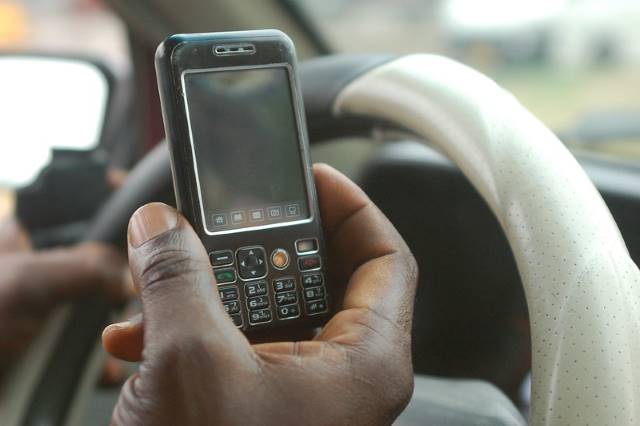
Mobile Data TrafficMany poverty-stricken individuals do not have access to the internet, creating a digital divide. The COVID-19 pandemic has revolutionized mobile data traffic around the globe, particularly in sub-Saharan Africa. Mobile broadband supports access to education, work, healthcare, goods and services. It plays an imperative role in reducing poverty. With nearly 800 million people in the region still without access to the mobile internet, it has never been more urgent to close the digital divide.
The Need for Mobile Broadband

According to Fadi Pharaon, president of Ericsson Middle East and Africa, the increasing demand for mobile broadband provides an unprecedented chance to improve economic conditions for Africa. Currently, Africa is one of the quickest growing technology markets.

In addition to younger populations requiring technology to develop practical computer skills, during the COVID-19 pandemic, access to the internet is also crucial for remote learning and remote work to continue development and economic progression.

In response to the pandemic, sub-Saharan African countries that were able to implement telework adaptations had considerably greater access to the internet, as much as 28 % of the population, as opposed to countries that were not implementing telework, at 17 %.

Due to the increase of digitalization during the pandemic, these developments are expected to positively contribute to the region’s economic recovery post-pandemic. Research suggests that expanding internet access to cover an additional 10% of the region’s population has the ability to increase gross domestic product (GDP) growth by one to four percentage points.

The Mobile Broadband Demand

Fixed Wireless Access (FWA) delivered over 4G or 5G is a more affordable alternative to providing broadband in areas with limited access. By 2025, FWA connections are expected to reach 160 million, accounting for 25% of global mobile data traffic.

The estimated total growth of mobile data traffic is from 0.87EB per month in 2020 to 5.6EB by 2026, an increase of 6.5 times the current figures.

To keep up with the demand, service providers are predicted to continue upgrading their networks to meet their customers’ evolving needs.

Additionally, networks expect to see an increase in customers purchasing mobile data subscriptions. Long-term evolution (LTE) was predicted to amount to 15% of subscriptions at the conclusion of 2020.

Novissi Digital Cash Transfers

The Novissi cash transfer program in Togo is an example of why mobile broadband access is important in developing countries. To support struggling people in Togo during COVID-19, instant mobile cash payments were made to their mobile phones to address urgent needs. The program provided more than half a million people with financial assistance during a crisis.

Closing the Digital Divide Reduces Poverty

Experts suggest that funding infrastructure, increasing electricity access and developing approaches to support digital businesses will aid in economic recovery and continue to close the digital divide. While sub-Saharan Africa has seen an acceleration of mobile data traffic during COVID-19, more action still needs to be taken to support its citizens post-pandemic. Providing affordable access to mobile phones, mobile broadband subscriptions and internet access will help support the recovering economy and alleviate poverty in the region.

– Diana Dopheide
Photo:Flickr

February 25, 2021
https://borgenproject.org/wp-content/uploads/borgen-project-logo.svg 0 0 Jennifer Philipp https://borgenproject.org/wp-content/uploads/borgen-project-logo.svg Jennifer Philipp2021-02-25 01:00:512021-02-25 01:01:26Increasing Mobile Data Traffic in sub-Saharan Africa
Developing Countries, Global Poverty, Poverty Reduction

Electricity Access: Improving Energy in Africa

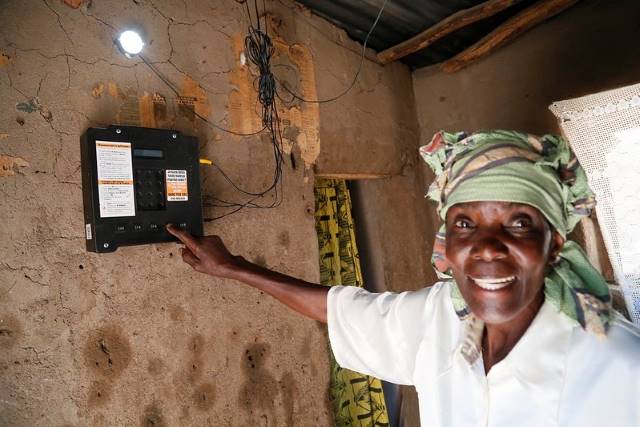
Improving Energy in AfricaOne in 10 people in the world (800 million) have no access to electricity and the access of an additional 2.8 billion people is considered insufficient and unreliable. In regions with insufficient access to electricity, the standard of living is poor, particularly with regard to adequate healthcare and education. Africa is such a region. Half of the population of sub-Saharan Africa lives without electricity. Improving energy in Africa is essential for economic growth and prosperity across the continent.
The Consequences of Inadequate Energy Access

Energy is vital to reduce the cost of business activities and for creating economic opportunities and jobs. More than 640 million Africans lack access to electricity. When the sun sets for these individuals, workable hours in the day end. Insufficient access to energy can also restrict the economy more indirectly, by way of increased risk of deaths related to wood-burning stoves, restricted hospital and emergency services and compromised access to education.

Along with appropriate infrastructure, household health and productivity are essential for boosting economies. The persistent use of wood-burning stoves is evidence of lacking infrastructure that presents a burden to health and productivity. This dated method has drawbacks that include indoor pollution, deforestation and unpaid time spent collecting biomass fuel. In 2017, an estimated 600,000 Africans died due to indoor pollution.

Fulfilling household responsibilities requires more time and must be done within restricted hours when electricity is unavailable. These responsibilities often fall on women and children and prevent their participation in the formal economy or pursuit of education that could encourage later participation. African economies suffer because of these barriers to participation. Industrialization is key to economic growth in Africa. To industrialize the continent, energy in Africa needs to be sustainable and easily accessible to all.

Improving Energy in Africa

Africa already has significant capacity for improvements in energy. Much of this potential lies in renewable energy sources. For example, one-fifth of Africa’s current energy is produced using hydropower. Hydropower, however, is only being utilized to one-tenth of its potential. Along with hydropower energy, solar, biomass, wind and geothermal energy all show promise for further development.

There are several existing avenues for further development of energy in Africa. As a shift toward renewable energy is gaining momentum across the globe, largely due to its environmental advantages, the resulting new and affordable technologies may provide the needed boost to further industrialization in Africa. Ensuring that renewable energy innovations reach Africa and are suited to build on current capabilities is essential for economic growth throughout the continent.

The 2020 African Economic Conference (AEC)

The African Development Bank (AfDB), the Economic Commission for Africa and the United Nations Development Programme jointly hosted the 2020 African Economic Conference (AEC) from Dec. 8 to 10. The conference facilitated presentations and discussions among leading academics, early-career researchers, policymakers and decision-makers. The central theme of the conference was how to ensure continued sustainable development in Africa amid the challenges posed by the COVID-19 pandemic. Specific topics included the role of governments and private institutions in regulating and developing African economies, adjusting goals and methods to conditions brought on by COVID-19 and preparing Africa for future resilience in crisis. The conference has been held since 2006 and helps to maximally inform efforts toward development in Africa, consider the challenges unique to local economies and emphasizes the importance of sustainable and renewable energy.

The New Deal on Energy in Africa

The AfDB Group is leading the New Deal on Energy in Africa to help develop energy in Africa and achieve universal electricity access for Africans by 2025. Its strategy is to build awareness of barriers to economic development, secure innovative funding for energy developments and strengthen energy policy and regulation. According to the AfDB, without stable energy in Africa, the U.N. Sustainable Development Goals will not be achieved. The emphasized ideal for energy in Africa is renewable; nevertheless, efficient and less expensive methods of energy production can quickly work to stimulate the economy. Gas will be an important transition fuel as efforts are made to establish cleaner, maintainable methods.

Electricity Access for Economic Growth

Improving energy in Africa means that the continent needs reliable power grids and universal access to electricity to further economic stability. The path to sustainable energy in Africa is evolving thanks to new momentum derived from the global and continental potential for renewable energy development. Keeping energy progress in mind throughout pandemic response efforts is a goal of international organizations as they work together with Africa toward economic growth across the continent.

– Payton Unger
Photo: Flickr

February 23, 2021
https://borgenproject.org/wp-content/uploads/borgen-project-logo.svg 0 0 Jennifer Philipp https://borgenproject.org/wp-content/uploads/borgen-project-logo.svg Jennifer Philipp2021-02-23 06:25:222021-02-23 06:25:22Electricity Access: Improving Energy in Africa
Global Poverty, Poverty Reduction

How Tourism in Latin America Reduces Poverty

Tourism in Latin America ReducesLatin America is a vast region with diverse weather, geography, culture and foods. Each year, millions of tourists flock to Latin America to enjoy its natural beauty. A vacation haven, tourism in Latin America is a driving force for economic development in the region. Furthermore, tourism in Latin America reduces poverty.
Tourism in Latin America

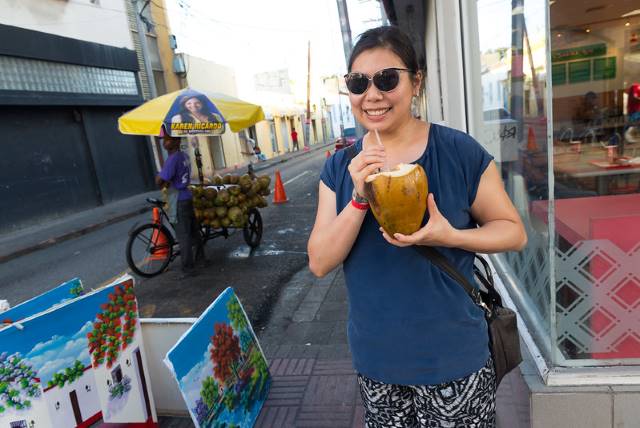
From the beaches of Cuba to the Andes mountains in Peru, any traveler can find a destination of their preference. The most visited countries in Latin America are Mexico, Brazil and Argentina. According to the World Bank, more than 113 million tourists traveled to Latin America in 2018, bringing $103 billion worth of revenue. Tourism in Latin America has created more than 15 million jobs, which accounts for 7.6% of all employment. Furthermore, international tourism contributes roughly $348 billion to the GDP of the countries in the region.

Ecotourism in Costa Rica

According to the World Tourism Organization (UNWTO), Central America saw a 7.3% growth in its tourism sector, the biggest subregional growth in Latin America. Moreover, the country of Costa Rica has attracted millions of international visitors thanks to its ecotourism. Costa Rica is a leader in preserving its environment while attracting millions to come and enjoy its natural beauty. Beaches, rainforests, volcanoes and wildlife attract tourists which contributes to the economic development of the nation. A study conducted by the National Academy of Sciences correlates ecotourism with improving the lives of Costa Ricans. The study found those living near protected areas and parks saw a 16% reduction in poverty. Furthermore, tourism in the country accounts for 5% of the GDP.

Poverty Reduction in the Dominican Republic

Punta Cana is the dream destination for many, with captivating views of the ocean and exciting nightlife, the beach town welcomes 60% of all Dominican Republic’s tourists. Moreover, the country has benefited more from international tourism than any other Latin American nation. The tourism industry contributes to 9.5% of the island nation’s GDP. Even though poverty is still an issue for the country, extreme poverty decreased to 1.6% of the population in 2018. Furthermore, malnourishment has also decreased and life expectancy has increased. Tourism has steadily contributed to the well-being of Dominicans.

COVID-19 and Mexico

Mexico’s tourism is very important for its economy. Mexico is dependent on its tourism sector since it accounts for 16.1% of its GDP and employs nearly nine million people. Destinations such as Cancun, Puerto Vallarta and Cabo are very popular for tourists to visit. Furthermore, Mexico’s tourism was thriving until the COVID-19 pandemic brought challenges to the country. The pandemic brought a halt to tourism and hurt the economy of Mexico. Nonetheless, Mexico still manages to keep the industry alive. Mexico began to limit hotel and restaurant capacity to curtail the virus. Mexico is also working with the CDC to ensure U.S. travelers going back to the United States are returning uninfected. Even though tourism has decreased because of the pandemic, flights to the state of Quintana Roo, where Cancun and Tulum are located, were averaging 460 air arrivals compared to an average of 500 pre-pandemic.

Tourism and the Future

Tourism in Latin America has positively impacted many lives across the region. The U.N. acknowledges that tourism is a way for a developing country to economically sustain itself. Moreover, tourism in Latin America reduces poverty. Challenges such as the COVID-19 pandemic put a setback to the growing tourism sector. Regardless, Latin America has an abundance of beauty and adventure, thus ensuring tourism will be kept alive once the pandemic is over.

– Andy Calderon Lanza
Photo: Flickr

February 17, 2021
https://borgenproject.org/wp-content/uploads/borgen-project-logo.svg 0 0 Kim Thelwell https://borgenproject.org/wp-content/uploads/borgen-project-logo.svg Kim Thelwell2021-02-17 06:12:582024-06-06 00:59:29How Tourism in Latin America Reduces Poverty
Global Poverty, Poverty Reduction

AgDevCo: Impact Investing in Rwanda

Impact Investing in RwandaImpact investing is a growing industry with huge potential for combatting poverty around the world. The practice consists of firms and individuals directing capital to businesses and enterprises that have the capacity to generate social or environmental benefits. Traditional businesses tend to avoid such investments due to the high level of risk, low liquidity and general difficulty to exit if returns are not satisfactory. Most impact investing is done by particularly adventurous capitalists as well as nongovernmental organizations (NGOs) that aim to create social change. Impact investing in Rwanda, in particular, has yielded positive results.
AgDevCo

AgDevCo is an example of a social impact investing firm that aims to invest with the intention of reducing poverty and increasing opportunity in developing regions. Based in the United Kingdom, AgDevCo was incorporated in 2009 and has engaged in numerous projects since.

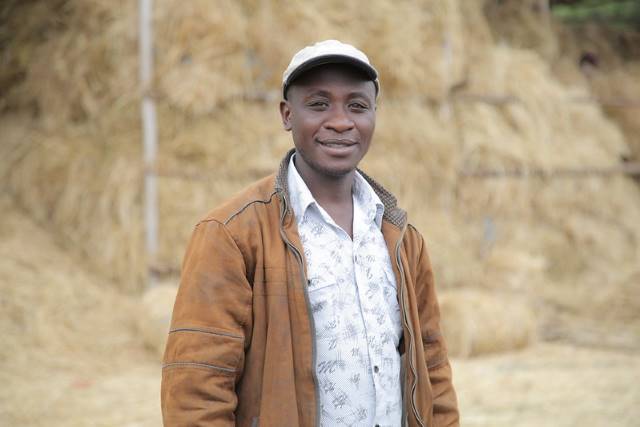
The firm’s specific area of investment is in African agriculture, where it believes that impactful investments have the potential to be a significant force in reducing poverty. The firm is currently investing in eight different African countries. Its portfolio includes $135 million worth of funds in 50 different companies. These investments have engaged more than 526,000 customers and have created or sustained more than 15,000 different jobs.

Uzima Chicken Limited

One of its investment projects is a partnership with the East African poultry company, Uzima Chicken Limited. Uzima Chicken produces and distributes the Sasso breed of chickens. Sasso chickens are resistant to disease and can feed through scavenging. These beneficial traits make Sasso chickens particularly useful in the struggle to reduce poverty in East Africa.

In 2017, AgDevCo invested $3 million to support Uzima’s establishment in Rwanda. As a result of the investment, Uzima gained funds necessary for rapid operational growth as a domestic producer of poultry. This is in line with the government of Rwanda’s strategy to achieve poultry self-sufficiency in two to three years. Uzima has also been able to expand into Uganda, where its business is rapidly scaling upwards.

The Uzima Business Model

The Uzima model of business involves the employment of company agents who raise the chicks for six to eight weeks before selling them to low-income households in rural areas. Such a model provides benefits to farmers, who can increase income through the sale of the more valuable Sasso chickens, as well as the agents.

Agents typically make a 25% profit from selling chickens. A survey of Uzima agents found that, on average, 27% of household income came from selling Sasso chickens. By providing a reliable source of extra income for employed agents, Uzima helps to alleviate the burdens of poverty for these people. As of 2017, the efforts had created 150 new jobs, 40% of which are held by women. Rwandan women have benefitted significantly from Uzima’s employment with 64% of women agents reporting that the income they earned from selling Sasso chickens led to a positive change in the decision-making power they had in their households.

Impact Investments for Poverty Reduction

Uzima’s Sasso chickens grow faster, live longer, produce more eggs and have higher market prices. They are disease-resistant and thrive in local, rural conditions. Out of all the customers buying these chickens, 54% live below the $2.50 poverty line. AgDevCo investment gave Uzima the capital necessary for operational expansion, and as a result, a greater quantity of impoverished people in East Africa could buy superior chickens and increase income. Uzima’s business also has clear potential for women’s empowerment, making it a great tool in the effort to reduce poverty and inequality in the region.

The impact investments made by firms like AgDevCo have clearly measurable impacts in impoverished regions, particularly noting the success of impact investing in Rwanda. This makes impact investment firms an important part of the global effort to reduce all poverty.

– Haroun Siddiqui
Photo: Flickr

February 14, 2021
https://borgenproject.org/wp-content/uploads/borgen-project-logo.svg 0 0 Kim Thelwell https://borgenproject.org/wp-content/uploads/borgen-project-logo.svg Kim Thelwell2021-02-14 01:30:542024-05-30 07:56:36AgDevCo: Impact Investing in Rwanda
COVID-19, Education, Global Poverty, Poverty Reduction

Improving Education in Kashmir

Improving Education in KashmirThe conflict in Kashmir has disproportionately affected education due to a variety of national as well as domestic threats. Children, in particular, are being significantly affected, Education in Kashmir was halted far before COVID-19 affected the rest of the world. Improving education in Kashmir is essential for poverty reduction.
Political Unrest and COVID-19

In August 2019, Article 370 of the Indian constitution that applied to Jammu and Kashmir was abrogated. Repealing this article revoked Kashmir’s semi-autonomous ‘special status’ as a state. As a way to curb anticipated unrest in the state, the Indian government blocked internet and phone lines. This crisis along with the COVID-19 pandemic in 2020 has put the future of education in Kashmir on shaky ground, reflective of its political landscape. Between 2019 and 2020, schools in Kashmir officially functioned for as little as 100 days.

Internet Connectivity in Kashmir

According to the latest census, 68.74% of Jammu and Kashmir’s population are literate and males are 20% more literate than females. Roughly 27.21 % of the state of Kashmir live in rural areas where access to education is a key issue, especially during COVID-19. Over time, the Indian government has facilitated low-speed internet to select areas up to the speed of 2G. The issue is that a higher speed of internet is required for classes to be facilitated via Zoom, Skype or to be watched on YouTube. Other than the children, educators, college and graduate students are faced with a continuing lag that has affected education in Kashmir. The government has whitelisted some websites and restored higher speed connectivity in some districts of the state.

Aawo Padhain

The Directorate of School Education Kashmir has set up “Aawo Padhain” (Come Lets Study). It is a portal that is filled with E-content and video-based classes for children to continue studying during the lockdown. The center is also equipped with a free Child-Line for children in need of aid and assistance. Additionally, Whatsapp has become a portal for teachers to send educational videos to students. While this initiative addresses the issue of continuing education during COVID-19, more needs to be done to address the other issues that affect education in Kashmir. Improving education in Kashmir will have benefits that are far-reaching.

Education Reform

The National Educational Policy 2020 (NEP 2020), approved by the government on July 29, 2020, was introduced to implement changes to education, with special focus on Jammu and Kashmir. The policy is based on the pillars of “access, equity, quality, affordability, accountability” and will transform India into a “vibrant knowledge hub,” tweeted Prime Minister Narendra Modi. However, the success of such a policy depends on its implementation. Its effectiveness, or lack thereof, will be seen in due time. For successful educational transformation, Kashmir also needs well-qualified teachers, access to electricity, the internet, computers, technology and libraries. Furthermore, country-wide internet bans should not be allowed.

Kashmiri students have lived in a life of lockdown longer than the rest of the world has, with their education impacted long before COVID-19 came about. To bridge the overall gap in education in Kashmir, it is essential for the country to receive assistance to implement educational reform for improving education in Kashmir.

–  Anuja Mukherjee
Photo: Flickr

February 12, 2021
https://borgenproject.org/wp-content/uploads/borgen-project-logo.svg 0 0 Yuki https://borgenproject.org/wp-content/uploads/borgen-project-logo.svg Yuki2021-02-12 03:49:582024-05-30 07:56:18Improving Education in Kashmir
Global Health, Global Poverty, Poverty Reduction

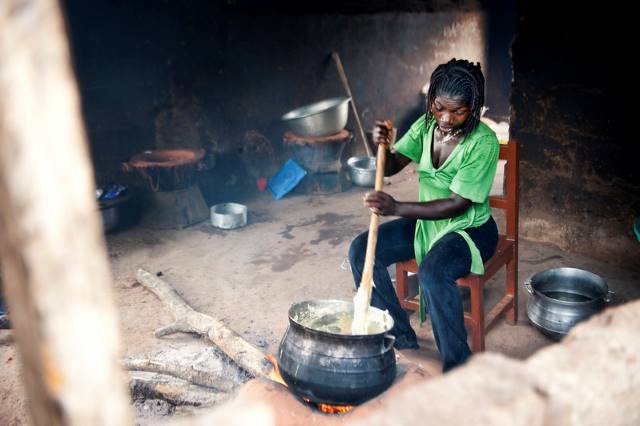
Liquid Petroleum Gas Stoves Fight Poverty in Darfur

Liquid Petroleum GasIn North Darfur, a region of Sudan, 90% of families use wood and charcoal to stay warm and cook meals. Burning wood and charcoal, however, has several negative effects. Practical Action, an international development organization, has partnered with the Women’s Developmental Association to provide these families with liquid petroleum gas stoves, which are cleaner and more efficient. The Low Smoke Stoves Project has been ongoing since 2014, significantly improving the lives of families in the Darfur region.

Negative Effects of Burning Wood and Charcoal

  • It hurts the environment by causing pollution and deforestation.
  • It produces a lot of smoke indoors, which can cause infections and illnesses.
  • The materials are expensive to buy, putting a financial burden on poor families.

Wood and charcoal produce a lot of smoke when burned, contributing to bad air quality and causing a variety of health issues that mainly affect the women and children in the home. According to the United States Environmental Protection Agency, wood smoke causes particle pollution and releases pollutants such as benzene, formaldehyde, acrolein and polycyclic aromatic hydrocarbons. The particle pollution caused by wood smoke can cause eye infections, chest infections and other illnesses that can be expensive to treat. Deforestation is also an issue in regions that rely heavily on firewood.

Other than the environmental and health concerns associated with burning wood and charcoal, there is also the financial burden it places on families. The materials are expensive to buy and do not cook efficiently. Women have to spend long amounts of time cooking instead of using their time for education and development.

Benefits of Liquid Petroleum Gas Stoves

Liquid petroleum gas stoves have a lot of benefits over traditional cooking methods with wood or charcoal. They produce less smoke and other pollutants, improving air quality and reducing infections and other illnesses in poor families. The stoves are more fuel-efficient, saving families 65% on their monthly bills. Liquid petroleum gas stoves also cook faster, giving women more time to engage in education and development.

Practical Action’s Low Smoke Stoves Project

Practical Action’s ongoing Low Smoke Stoves Project aims to educate regional communities about the dangers of burning wood and charcoal as well as replace those methods with more environmentally friendly and cost-efficient liquid petroleum gas stoves. The organization, partnered with the Women’s Development Association, has already placed 12,080 liquid petroleum gas stoves into homes in the North Darfur region. Since the beginning of the project, the area had improved air quality, less deforestation and lower carbon emissions.

This program works by giving eligible households a microloan to help them buy a liquid petroleum gas stove. While there is an initial cost, the stoves are more fuel and time-efficient so they quickly pay for themselves with the savings they produce. The stoves not only help improve the quality of life for families in North Darfur, but they also have long-term economic benefits, thus helping to lift people out of poverty.

–  Starr Sumner
Photo: Flickr

February 12, 2021
https://borgenproject.org/wp-content/uploads/borgen-project-logo.svg 0 0 Yuki https://borgenproject.org/wp-content/uploads/borgen-project-logo.svg Yuki2021-02-12 01:31:162024-05-30 07:56:23Liquid Petroleum Gas Stoves Fight Poverty in Darfur
Global Poverty, Poverty Reduction, United Nations

5 Ways Quinoa Supports Farmers in Peru

Quinoa Supports Farmers in PeruQuinoa is a species of goosefoot original to the Andes of Peru and Bolivia. For more than 6,000 years, Peruvians and Bolivians considered quinoa a sacred crop because of its resistance to high altitudes, heat, frost and aridness. Because of its sudden rise in worldwide popularity, the U.N. declared 2013 the “International Year of Quinoa” to recognize the indigenous people of the Andes, who continue to preserve quinoa for present and future generations. Quinoa supports farmers and livelihoods in Peru.

History of Peru’s Quinoa

Due to its high nutritional qualities, quinoa has been grown and consumed as a staple crop by people throughout the Andean region. However, when the Spanish arrived in the late 1500s and sent farmers to gold mines in Peru and Bolivia, quinoa production declined sharply. The year 2013 marked a turning point in quinoa-producing countries. The crop surged in popularity because of its superb nutritional value, containing all eight essential amino acids. It is also low in carbohydrates but high in unsaturated fats, fiber, iron, magnesium and phosphorus. The sudden demand for Quinoa from the U.S. and Europe increased the price of the grain from $3 in 2010 to $6.75 in 2014.

The Quinoa Market Boom

Today, quinoa supports farmers in Peru, as Peru is one of the world leaders in quinoa production and exports. In 2016, Peru produced 80,000 tons of the crop, about 53.3% of the world’s volume, with 47% of quinoa exports worldwide.

In 2012, Peru exported $31 million worth of quinoa. Two years later, the export value of quinoa was six times that amount, at $197 million. In 2016, however, the export value dropped to $104 million. This was reflected in the average price of quinoa worldwide. In 2012, a kilo of quinoa cost $3.15. In 2014, the price shot up to $6.74 per kilo. By 2017, however, the price had dropped dramatically to $1.66 per kilo.

The demand and price fluctuations had several negative effects, including reducing the welfare of households. When quinoa prices fell, total household food consumption decreased by 10% and wages fell by 5%.

Though traditionally grown for household consumption only, the global demand for quinoa encouraged farmers to use their fields for quinoa production only. The monocropping negatively affects the overall health of the fields, as nutrients do not get replenished as they would by rotating crops.

5 Ways Quinoa Supports Farmers in Peru

With the help of several U.N. agencies and national and local governments within Peru, a program called “Andean Grains” was implemented in Ayacucho and Puno – rural areas with high levels of poverty, where 78% of Peru’s quinoa is produced, to create a value chain of quinoa production to increase the welfare of farmers. Through the program, quinoa supports farmers in Peru in several ways:

  1. Income of rural quinoa producers increased by 22%. By focusing on producing organic quinoa and fulfilling a niche market demand, rural Peruvian farmers remain competitive in the global market. The program trained more than 2,000 producers in cooperative management and financial education and certified several farmers for organic production.
  2. The production, promotion and consumption of Quinoa improved. By implementing technological alternatives, including establishing technical standards for producing organic fertilizer, farmers increased their crop yields, improving the food quality and nutrition of the grain and making the crop more available to local communities. In Puno alone, yields increased by 13% through the organic certification program.
  3. More farmers joined cooperatives, increasing their market power. The program taught farmers about selecting suppliers, managing credit, how to negotiate when signing a contract and how to commercialize their organic quinoa. By standardizing the production of organic quinoa, poor farmers could negotiate better market prices under a collective brand. The cooperatives also promoted the national consumption of quinoa and helped sustainable development of the quinoa value chain.
  4. The program empowered female farmers. Women make up 31% of agricultural producers and more than 50% of participants in the program were women. They were able to accumulate up to $4,800 through Unions of Credit and Savings, which they used to buy natural fertilizers to protect their lands from desertification.
  5. The program participants’ welfare increased. In areas of Peru where quinoa was consumed before the boom, a 10% increase in the price of the quinoa increased the welfare of the average household by 0.7%. The additional income to quinoa producers in turn allowed them to spend more. Household consumption also increased by 46%.

Quinoa supports farmers in Peru in several ways. After the implementation of the U.N. “Andean Grains” program, the income and wealth of Peruvian farmers increased. By joining cooperatives, both male and female producers compete in the global competitive market. Today, quinoa continues to be celebrated as a vital part of Peru’s economy and culture.

– Charlotte Ehlers
Photo: Flickr

February 11, 2021
https://borgenproject.org/wp-content/uploads/borgen-project-logo.svg 0 0 Lynsey Alexander https://borgenproject.org/wp-content/uploads/borgen-project-logo.svg Lynsey Alexander2021-02-11 01:30:442024-05-30 07:56:175 Ways Quinoa Supports Farmers in Peru
Global Poverty, Poverty Reduction

Disability and Poverty in Thailand

Disability and Poverty in Thailand
Like many other countries, Thailand has been working for the past several years to provide rights, facilities and access to people with disabilities and people living in poverty. In the last three decades, the poverty level in Thailand has reduced from 65% to 10%. Part of this reduction has occured through programs such as The Government Welfare Registration Programme, established in 2016. This program gives registered citizens over the age of 18 earning less than 100,000 Bhat (roughly over $3,000) a monthly fund between Bt1,200 -Bt 1800 (the price correlates with where the citizen lives) to access public transportation and buy basic needs. Throughout the ’90s and the 2000s, the government has instated more rights and organizations for those with disabilities to help guarantee them work, welfare and accessibility in government and public buildings. However, a correlation between disability and poverty in Thailand still exists.

However, poverty is starting to rise in Thailand due to the country’s economic growth slowing down and the environmental challenges that are affecting citizen’s livelihood and homes. And there are still some cultural misconceptions in Thailand about disabilities that can create barriers to those with disabilities. So, even though things are improving, it is still incredibly important to advocate for those living with disability and poverty in Thailand.

Current Statistics on Disability and Poverty in Thailand

Around 3% of Thailand’s population (a little over 2 million people) have a disability card. The top three conditions were mobility disabilities (about 50%), hearing impairments (around 18%) and visual impairments (approximately 10%). Other disabilities included physical impairments, psychological disorders, autism and learning disabilities. Nearly 52% of the disabled population of Thailand are over 60, around 42% of them are from the ages 15-60 and almost 2% are 14 years or younger.

Excluding those under school age, about 4% of Thailand’s disabled population has never had any formal education. For those who have, only around 5% of them have any kind of schooling outside of primary education. For work, only around 24% of those above 15 years old reported having employment, while about 18% reported being able to work but unemployed.

While there were no specific statistics about what percentage of people living with a disability and are in poverty in Thailand, the major reasons people found themselves under the poverty line were ill-health, job-loss or a natural disaster.

Rights and Laws for Those with Disabilities

The Thai government has set up laws and acts to make sure people living with disabilities get the rights they deserve. One of these legislations is The Persons with Disabilities Empowerment Act, which the government set up in 2007. It states that anyone who encounters limitations through an impairment has the right to receive legal or personal assistance, sign language interpreters, medical services, house modifications for better accessibility and education free of charge. They can also receive tax exemptions, cheaper public transportation feeds, loans without interest for self-employment and a monthly allowance of 800 baht.

Other Organizations and Resources

Different associations, organizations and charities have emerged within Thailand or internationally to support people with various disabilities and their work frequently involves fighting for specific laws. For example, the National Association of the Deaf of Thailand helped the government recognize Thai Sign Language as an official language in 1999.

Other organizations provide the necessary resources for those who do not have easy access to it. Handicap International has been providing free physical therapy to refugees and neighboring host villages along the border of Myanmar since 1982.

These organizations also aim to provide fun, social events that help give people with disabilities a sense of community. An example of this is The Association of the Blind which, among other things, has held an annual reading and writing in Braille contest since 2013.

Necessary Improvements

Despite government and organization efforts, work is still necessary to meet all the needs of the disabled community, especially for those living with disability and poverty in Thailand. For example, the government’s monthly fund is not enough to live on and get access to different health care services, even with the increase from 800 baht to 1,800 baht per month due to the COVID-19 pandemic. In fact, the pandemic has made it more impossible for those with disabilities to live off this fund because many of them have lost their jobs, access to many health care services and any way to earn an extra income.

When it comes to other services such as employment and education, some in Thailand have a lack of cultural awareness regarding disabilities and how it can lead to discrimination. For example, studies have shown that many parents feel many mainstream teachers do not have enough specialized training to deal with children with different disabilities. Also, because many people have a more “fixed” version of what it means to have a disability, those who have a registered disability but are “able-looking” on the outside have a harder time obtaining resources or finding employment.

To improve attitudes towards disabilities, The Persons with Disabilities Empowerment Act states that it is the responsibility of The National Commission on Promotion and Development of Life Quality of Disabled Persons (which was the minister of this act) to inform individual employers and organizations of the nature of disabilities and the rights of the disabled. Regarding education, Thailand established The Education for Persons with Disabilities Act in 2008. It emphasized that education is free for those with disabilities and that they had the right to pick what institutions they choose to attend and request any accommodations to aid them on their academic journeys.

Conclusion

It is important to look back and recognize that Thailand is making progress to help the disabled community and acknowledge the people and organizations that continue to fight for the Thai people at large. However, it is also important to recognize there are still plenty of issues regarding disability and poverty in Thailand that require attention and that spreading awareness about disability and poverty is vital.

– Mikayla Burton
Photo: Flickr

February 9, 2021
https://borgenproject.org/wp-content/uploads/borgen-project-logo.svg 0 0 Jennifer Philipp https://borgenproject.org/wp-content/uploads/borgen-project-logo.svg Jennifer Philipp2021-02-09 01:30:562024-05-30 07:56:35Disability and Poverty in Thailand
COVID-19, Global Poverty, Poverty Reduction, Sustainable Development Goals

Updates on SDG 1 in Guatemala

SDG 1 in Guatemala
The United Nations put the Sustainable Development Goals (SDGs) in motion in September 2015. World leaders put the SDGs into place to reach worldwide financial equality while protecting the world’s environment. To reach this globally beneficial achievement, the United Nations created 17 goals for every country, poor and rich, to focus on transforming the world into a healthier, safer and prosperous place. Guatemala has joined its fellow countries in the United Nations to try and meet the requirements for goals one to 17. Here is some information on what Sustainable Development Goal 1 is along with updates on SDG 1 in Guatemala.

About SDG 1

SDG 1 is for no poverty and to end poverty by 2030. While this may seem like an outrageous goal with limited hope of success, past records show that it is very possible. In fact, 1.9 billion people lived in extreme poverty in 1990, but 25 years later in 2015, that number was less than half of what it had been. In the span of 25 years, more than a billion people are not living in extreme poverty anymore.

The outline to meet SDG 1 comprises seven targets. Some of these targets include equal rights to land, access to basic services, appropriate new technology and the implementation of programs and policies to end poverty. The point of the targets is that each one helps move countries toward no poverty through new resources, programs and equal rights.

Poverty in Guatemala

Approximately 60% of Guatemalan people live in poverty and that number is even higher for indigenous people. Additionally, more than half of Guatemala’s population living in poverty and 95% of employed people are unable to make enough money to meet their family’s basic needs.

Much of Guatemala’s poor economy is due to a civil war that left its people divided. From 1960 to 1996, Guatemala was in a brutal civil war involving the government’s military forces and a rebel group of indigenous Mayans. About 200,000 people lost their lives and 83% of those killed in the war were Mayan. The country eventually signed a peace accord in 1996 but the war left its people distressed. Even before the war, Mayans made up most of the rural poor and by 1996, they were in worse conditions than before.

Mayan Families

Mayan Families is an organization located in Guatemala that helps families advance through Economic Development programs. It provides opportunities like trade schools and artisan programs. The trade schools teach youth and adults new skills they can use to get jobs to have a reliable income for their families. Meanwhile, the artisan program helps women who were unable to attend school learn how to create a budget and make money from selling products involving beadwork, weaving, sewing and embroidery, playing a crucial role in reaching SDG 1 in Guatemala. In 2019, Mayan Families provided 1,500 students access to education and nutrition. Meanwhile, about 250 adults were able to gain skills and an income through the trade schools and the artisan program that Mayan Families started.

The World Bank and COVID-19

Guatemala still has significant challenges to overcome, but the U.N.’s index shows moderate progress in reaching SDG 1 of no poverty. The COVID-19 pandemic has made it more difficult to achieve SDG 1 in Guatemala because the country has been directing money towards preventing an outbreak instead. However, thanks to institutions like the World Bank, Guatemala and countries alike are receiving the financial support they need to deal with the worldwide pandemic.

The World Bank has loaned Guatemala $20 million, “to prevent, detect and respond to the threat posed by COVID-19 and strengthen national systems for public health preparedness in the Republic of Guatemala.” Guatemala’s government has had a challenging time dealing with the pandemic due to its poor economy. This project includes indicators to show the progress in achieving this objective.

 Some of the indicator targets include 16 laboratories with COVID-19 equipment, 10 health care facilities with isolation capacity, 5,000 health staff trained in infection prevention and 22 hospitals that received equipment for COVID-19 response services. With this loan from the World Bank helping Guatemala control the coronavirus pandemic, Guatemala should be able to return its focus to the SDGs.

Guatemala is still currently off-track to reach SDG 1 according to the World Poverty Clock. However, with the loan from the World Bank and organizations like Mayan Families, Guatemala is receiving the help it needs to grow its economy and make it possible to reach SDG 1 of no poverty.

– Joshua Botkin
Photo: Flickr
February 8, 2021
https://borgenproject.org/wp-content/uploads/borgen-project-logo.svg 0 0 Jennifer Philipp https://borgenproject.org/wp-content/uploads/borgen-project-logo.svg Jennifer Philipp2021-02-08 01:30:092024-05-30 07:56:34Updates on SDG 1 in Guatemala
Children, Education, Global Poverty, Poverty Reduction, Refugees

Sesame Street’s Rohingya Muppets Help Children

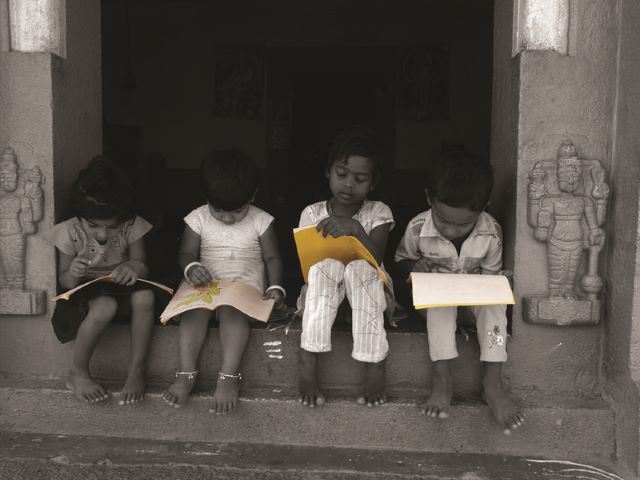
Sesame Street's Rohingya MuppetsSesame Street is developing two Rohingya muppets to help refugee children overcome trauma. Sesame Street aims to address the effects of poverty by fostering access to education. Poverty affects all aspects of life. Children who live in poverty suffer from many physical, intellectual and emotional complications. Child stunting, for example, is a result of nutrient-deficient diets, repeated infection and a lack of psychosocial stimulation in the first years of a child’s life. This has dire long-term outcomes for children, including impaired intellectual development. Sesame Street’s Rohingya muppets aim to improve the intellectual development of Rohingya children, which directly affects education, and in turn, poverty.

Stunting and Malnutrition in Rohingya Children

The Rohingya people are a stateless Muslim minority group who have lived in a state of flux, between Myanmar and Bangladesh, since they were forced to flee Myanmar. They were violently persecuted by the Myanmar military, an instance of ethnic cleansing. Close to 800,000 Rohingya refugees have escaped to Bangladesh. It is common for refugees to live in refugee camps within Bangladesh.

A group of refugee camps, located in Cox’s Bazar, was the subject of a 2017-2018 study on the rates of stunting and malnutrition in Rohingya children. The study found that the rate of stunting “dropped from 44% to 38% in the main camp.” Although it is positive that the rate of childhood stunting declined, the rate of childhood stunting still remained dangerously close to the World Health Organisation’s (WHO) critical health emergency threshold of 40%.

Additionally, the rate of acute malnutrition dropped from close to 20% to nearly 10%. Childhood deaths declined. The rate of diarrhea, caused in some instances by dehydration or bacterial infection, also declined. Nonetheless, these rates remain too high to relieve concerns and the situation is still described as dire.

Malnutrition affects a child’s developing brain, impacting education and reducing the ability of a person to lift themselves out of poverty.

Sesame Street’s Rohingya Muppets

The majority of humanitarian funding is deployed to address acute effects of poverty like stunting and malnutrition. Sesame Street aims to address the effects of poverty by focusing on education and intellectual development. Sherrie Westin is the president of social impact for Sesame Workshop and she identified that “less than 3% of all aid is used for education.”

Sesame Street’s Rohingya muppets consist of two characters, Noor Yasmin and Aziz, to connect with Rohingya children on an intellectual and emotional level. Westin feels that without intervention by Sesame Street, Rohingya children risk growing up unable to read and write or do simple math.

Westin cited scientific research as the basis for her concern. Similar to the way inadequate dietary nutrition and disease lead to physical stunting, stress and trauma stunt brain development. Sesame Street aims to address the effects of poverty by providing emotional and intellectual support to Rohingya children who have endured trauma.

BRAC’s Humanitarian Play Lab

In Bangladesh, Sesame Street partnered with BRAC. BRAC’s Humanitarian Play Labs are designed to help children learn through play and recover from emotional trauma in the process. BRAC designs its play labs to resemble settings that are familiar to the children it works with. In Bangladesh, this means that Rohingya children are surrounded by “motifs and paintings significant to Rohingya culture.”

Sesame Street’s Rohingya muppets reflect an integral part of BRAC’s approach. Children relate best to characters that they can identify with and they flourish in settings that are familiar and comfortable. BRAC’s success speaks for itself. Close to 90% of the kids that BRAC works with complete the fifth grade of schooling.

Sesame Street Addresses Rohingya Poverty

While the humanitarian crisis among Rohingya refugees is ongoing, recognition of the long-term effects of stress and trauma on intellectual development is crucial to lifting the Rohingya out of poverty. Education alleviates poverty and negating the effects of trauma will allow for proper intellectual development to take on educational endeavors. Sesame Street aims to address the effects of poverty by focusing its attention on the intellectual development of Rohingya children.

– Taylor Pangman
Photo: Flickr

February 7, 2021
https://borgenproject.org/wp-content/uploads/borgen-project-logo.svg 0 0 Kim Thelwell https://borgenproject.org/wp-content/uploads/borgen-project-logo.svg Kim Thelwell2021-02-07 07:30:012021-02-04 07:08:35Sesame Street’s Rohingya Muppets Help Children
Page 22 of 63«‹2021222324›»

Get Smarter

  • Global Poverty 101
  • Global Poverty… The Good News
  • Global Poverty & U.S. Jobs
  • Global Poverty and National Security
  • Innovative Solutions to Poverty
  • Global Poverty & Aid FAQ’s
Search Search

Take Action

  • Call Congress
  • Email Congress
  • Donate
  • 30 Ways to Help
  • Volunteer Ops
  • Internships
  • Courses & Certificates
  • The Podcast
Borgen Project

“The Borgen Project is an incredible nonprofit organization that is addressing poverty and hunger and working towards ending them.”

-The Huffington Post

Inside The Borgen Project

  • Contact
  • About
  • Financials
  • President
  • Board of Directors
  • Board of Advisors

International Links

  • UK Email Parliament
  • UK Donate
  • Canada Email Parliament

Get Smarter

  • Global Poverty 101
  • Global Poverty… The Good News
  • Global Poverty & U.S. Jobs
  • Global Poverty and National Security
  • Innovative Solutions to Poverty
  • Global Poverty & Aid FAQ’s

Ways to Help

  • Call Congress
  • Email Congress
  • Donate
  • 30 Ways to Help
  • Volunteer Ops
  • Internships
  • Courses & Certificates
  • The Podcast
Scroll to top Scroll to top Scroll to top