• Link to X
  • Link to Facebook
  • Link to Instagram
  • Link to TikTok
  • Link to Youtube
  • About
    • About Us
      • President
      • Board of Directors
      • Board of Advisors
      • Financials
      • Our Methodology
      • Success Tracker
      • Contact
  • Act Now
    • 30 Ways to Help
      • Email Congress
      • Call Congress
      • Volunteer
      • Courses & Certificates
      • Be a Donor
    • Internships
      • In-Office Internships
      • Remote Internships
    • Legislation
      • Politics 101
  • The Blog
  • The Podcast
  • Magazine
  • Donate
  • Click to open the search input field Click to open the search input field Search
  • Menu Menu

Archive for category: Nonprofit Organizations and NGOs

Information and stories about nonprofit organizations and NGOs

Global Poverty, Nonprofit Organizations and NGOs, Women and Female Empowerment

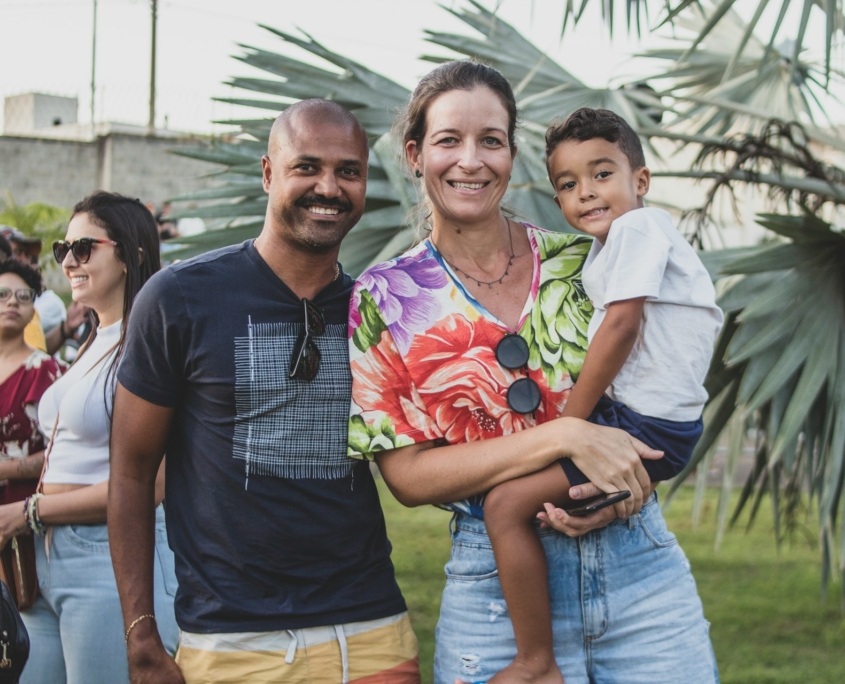
Women in Mission: Lutheran Women’s Missionary League

Women in Mission: Lutheran Women’s Missionary LeagueSince its inception in 1942, the Lutheran Women’s Missionary League (LWML) has empowered women to make significant contributions through active mission ministries and global mission support. Moreover, the organization focuses on serving others, sharing faith and engaging in mission support, underscoring the belief that every woman has the potential to effect meaningful change.

LWML’S History

In 1942, amid the difficulties of World War II, more than 100 women from 15 districts of The Lutheran Church-Missouri Synod gathered in Chicago, Illinois, to establish the Lutheran Women’s Missionary League (LWML). This significant meeting laid the foundation for a group committed to fostering mission work and supporting global missions by gathering funds. They drafted a constitution, coined the organization’s name, initiated projects and set up a publishing committee for books, magazines and programs. They aimed to enhance mission awareness among women and raise funds for global mission work, making LWML an official auxiliary of The Lutheran Church-Missouri Synod (LCMS).

Mission Grants

LWML holds a national convention every two years, where delegates from each district vote on mission grants to support for the next biennium. These projects, originating both within the U.S. and internationally, are selected with a financial goal in mind, aimed to be met over the two years. Moreover, this process ensures LWML’s continued funding and support for a wide range of mission projects around the world, reflecting its commitment to global outreach and support. Here are some examples of the missions that were chosen for the 2023-2025 mission year:

  • Feeding Haitian Children Through Gospel and Meals — Trinity HOPE. Since 1999, Trinity Hope has been a pivotal nonprofit dedicated to feeding children, teachers and cooks in Haitian Christian schools. Recognizing that many Haitian children might only eat once a day, Trinity Hope provides a crucial noon meal to help them stay focused and engaged in their education.
  • Lutheran Women in Mission Finish the Job — Ministry in Mission. The Ministry in Mission (MNM) grant supported meal programs, elderly care and medicine distribution in Haiti and the Dominican Republic. It also coordinated disaster relief following the 2021 earthquake and Hurricane Matthew in 2016, addressing immediate needs and aiding recovery efforts in affected areas.
  • Water and the Word — Evangelical Lutheran Church in Kenya. The Water and the Word mission project has implemented water systems like filtration, irrigation and water harvesting near rural Kenyan schools. This initiative addresses the challenge of accessing clean drinking water, a task that often consumes significant time and poses health risks for children. Kenyan students now have access to safe water due to these systems, allowing them to dedicate more time to their education.
  • Mites: A Few Coins Can Make a Big Difference. Drawing inspiration from the biblical tale of the widow’s offering, LWML promotes charitable giving through “Mite” boxes, emphasizing that small contributions can collectively make a significant impact. This fundraising approach, pre-dating LWML, demonstrates its effectiveness with 92 Ladies Societies raising $6,651.31 in 1930.

Encouraging Women to Action

LWML members receive a Mites box designed specifically for the organization, they are encouraged to contribute any amount, even small daily pocket change. These boxes, collected within LCMS churches, support national mission grants. The organization provides monthly updates on the Mite offerings through its website. In addition, the LWML created the Young Woman Representative (YWR) program to attract more women. This initiative allows districts to sponsor young women at national conventions, offering them a firsthand experience of the organization’s impact.

Heart to Heart: Sisters of All Nations

The LWML has launched the Heart to Heart program to foster relationships among women from diverse cultural backgrounds, enhancing the diversity in mission work. In addition, this initiative aims to prevent the isolation of women from different cultures or those who speak different languages, fostering stronger fellowship and more effective mission work. Moreover, the Heart to Heart Program includes participants from various countries, reflecting its commitment to inclusivity and leveraging varied gifts in serving the organization’s multicultural missions.

Looking Ahead

The Lutheran Women’s Missionary League (LWML) continues to forge pathways of hope and service across the globe, guided by a steadfast commitment to faith-driven action. Through innovative programs like “Heart to Heart” and impactful mission grants, LWML empowers communities from Haiti to Kenya, ensuring that the spirit of giving and service transcends borders and cultural divides.

Furthermore, as the organization looks to the future, its ongoing mission to nurture, support and inspire women in their faith and service endeavors promises to bring about transformative changes, enriching lives and spreading hope wherever there is need.

– Heather Gisi

Heather is based in South Dakota, USA and focuses on The Good News for The Borgen Project.

Photo: Unsplash
April 3, 2024
https://borgenproject.org/wp-content/uploads/borgen-project-logo.svg 0 0 Precious Sheidu https://borgenproject.org/wp-content/uploads/borgen-project-logo.svg Precious Sheidu2024-04-03 03:00:242024-05-30 22:32:54Women in Mission: Lutheran Women’s Missionary League
Children, Food Insecurity, Global Poverty, Nonprofit Organizations and NGOs

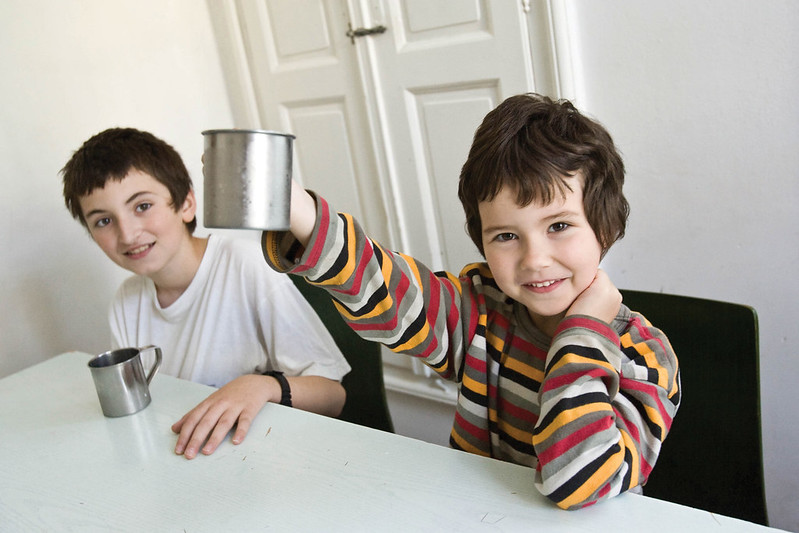
Child Hunger in Brazil – The Sesc Mesa Programme

Child Hunger in Brazil - The Sesc Mesa ProgrammeThe Guardian reports that child hunger in Brazil is a critical issue. It also notes that the country loses about 26.3 million tonnes of food each year in production and transportation. In addition, Brazilian households discard around 60 kilograms of food per capita annually. This wastage contrasts starkly with the country’s undernourishment issues, as the Food and Agriculture Organization reports that about 7% of Brazilians are undernourished. Hence, redirecting the excess food waste could make it easier for the 10 million Brazilians struggling to feed their families. Brazil’s largest network of Food Banks, Sesc Mesa aims to capitalize on this opportunity.
Sesc Mesa and Its Mission

Sesc Mesa operates more than 95 units nationwide to ensure children in Brazil attend school, nursery or play groups well-nourished. A key depot in Rio de Janeiro serves as a prime example of how organizations like Sesc Mesa address Brazil’s food shortage on a national scale. Covering 400 square feet in Rio’s northern suburbs, the program’s depot recovers unsellable food from supermarkets and collects wonky or otherwise deemed unfit produce from farms, where most of Brazil’s food wastage happens, for supermarkets and restaurants.

Cida Pessoa, program manager for Sesc Mesa in Rio, says, “People want nature to be completely uniform, for carrots to grow in the same way, for papayas to come without spots, for apples to be identical,” leading to vast amounts of perfectly good produce being wasted. This could otherwise help solve Brazil’s undernourishment crisis. After gathering the undesirable produce, Sesc Mesa donates it to soup kitchens, schools, nurseries and other institutions that provide free meals, ensuring daily nourishment for those in need. Due to the program’s success, Sesc Mesa is relocating to a facility 12 times larger. Moreover, this expansion means the potential to feed 12 times more children. With Sesc Mesa feeding 2.1 million people monthly in 2023, the impact of this growth is unmistakable.

Educational Events

Sesc Mesa also organizes educational activities, including courses, classes, seminars and workshops for corporate donors, social institutions and communities. These programs aim to offer information, guidance and training on food hygiene and proper handling. The goal is to maximize the use of foods for preparing safe, healthy and balanced meals for Brazil’s hungry population.

Expanding the Program’s Success

Looking ahead, the efforts to combat child hunger in Brazil by organizations like Sesc Mesa illuminate a path toward a more nourished and prosperous nation. Through its innovative approach to redistributing food waste, it is not only addressing immediate nutritional needs but also fostering a culture of sustainability and care. The potential for international collaboration opens new avenues for expanding its impactful work, moving Brazil closer to eradicating hunger. As Sesc Mesa continues to grow, its model serves as a beacon for other countries grappling with similar issues, showcasing the transformative power of community-driven solutions. Ultimately, the fight against hunger in Brazil is a critical step toward enhancing education, employment and economic vitality in the post-pandemic world.

– Ethan Leyden

Ethan is based in Manchester, UK and focuses on Business and New Markets for The Borgen Project.

Photo: Unsplash

April 2, 2024
https://borgenproject.org/wp-content/uploads/borgen-project-logo.svg 0 0 Precious Sheidu https://borgenproject.org/wp-content/uploads/borgen-project-logo.svg Precious Sheidu2024-04-02 01:30:562024-03-31 09:45:06Child Hunger in Brazil – The Sesc Mesa Programme
Charity, Global Poverty, Nonprofit Organizations and NGOs

5 Charities Operating in Romania

5 Charities Operating in RomaniaRomania, an Eastern European nation, has seen rapid economic growth since the 2000s, with a 3.8% annual GDP growth in 2024. However, before this surge, many Romanians faced poverty under Nicolae Ceaușescu’s Soviet regime from 1967 to 1989, following World War II. Ceaușescu banned abortion and contraceptives, claiming it would fuel economic growth. As a result, economic instability significantly affected childcare in the country. Consequently, many Romanian children ended up in state care or orphanages because their biological parents were unable to support them due to this policy. Currently, five charities are operating in Romania to ensure the well-being of every child, both in care and those living in impoverished families. Here are the five charities making significant impacts in Romania:
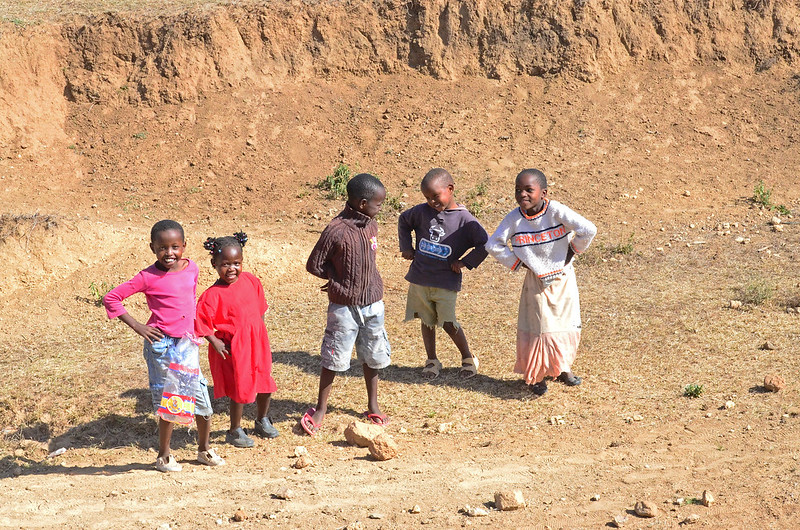
5 Charities Operating in Romania

  1. The Delia Foundation.  Founded in 2017, the Delia Foundation is a nonprofit organization named after Delia, an orphaned baby girl with significant limb limitations born in rural Romania. Laura Larkin, the foundation’s founder, encountered Delia while volunteering at a local orphanage. This experience motivated her to create the foundation to support children and orphans with intellectual and developmental disabilities. Inspired by Delia’s story, the foundation dedicates itself to offering orphaned children the care and love they need, focusing on finding them the most suitable families.
  2. Care2Travel. Care2Travel, a volunteer organization, aims to inspire positive change by providing volunteers with memorable adventures in Romania, where they can help those in need. The organization’s vision is to create “a world where citizens are socially aware and motivated toward working for positive change.” In addition, Care2Travel strives to connect volunteers from different countries to promote the growth of an active civil society. It encourages collaboration across nationalities to make a tangible impact.
  3. Fundaƫia Inocenţi (Romanian Children’s Relief). Romanian Children’s Relief, a nonprofit organization, delivers tailored and professional support to children and their families. It believes “all children deserve a healthy and happy childhood” and works toward a future where no child’s potential is constrained by their background or disability. The organization aims for a society where parents, communities and authorities collaborate to support this ideal. Fundația Inocenți operates six programs in Romania, including socio-recreational activities, educational support, medical art therapy and psychoeducational resources.
  4. Te Aud Romania (TAR). Founded in 2014, Te Aud Romania (TAR) is a nongovernmental organization dedicated to supporting Romanian orphans and disadvantaged children. It provides educational tools and activities to keep them engaged and entertained. It has a particular focus on enhancing their communication skills. In addition, TAR uses sports to foster discipline, integrity, teamwork and honesty. This proves particularly beneficial for children who tend to isolate themselves. Moreover, by encouraging participation in sports, TAR helps these children open up, make new friends and promote their social and emotional development.
  5. Hope and Homes for Children. Since 1998, Hope and Homes for Children has dedicated itself to eliminating orphanages in Romania. The organization commits to building initiatives that reinforce family structures. This includes day centers, emergency reception centers, mother and baby units and community centers. It also develops alternative care options for children without parental support, such as foster care and small group homes. Through these efforts, Hope and Homes for Children have played a pivotal role in reforming the child protection system across Romania.

Looking Ahead

The efforts of these five charities operating in Romania signal a hopeful future for the country’s most vulnerable children. Through compassionate care, innovative programs and unwavering dedication, these organizations are not just addressing immediate needs but are also laying the groundwork for systemic change. Moreover, they continue to transform lives and challenge the status quo. Their collective impact promises to reshape Romania’s approach to childcare and family support, ensuring a brighter, more inclusive future for all children.

– Nevin Guler

Nevin is based in River Vale, NJ, USA and focuses on The Good News for The Borgen Project.

Photo: Flickr

April 2, 2024
https://borgenproject.org/wp-content/uploads/borgen-project-logo.svg 0 0 Precious Sheidu https://borgenproject.org/wp-content/uploads/borgen-project-logo.svg Precious Sheidu2024-04-02 01:30:362024-06-11 00:12:455 Charities Operating in Romania
Charity, Global Poverty, Nonprofit Organizations and NGOs

Anno’s One Fine Day: Healing through the Arts

Healing Through the Arts: Anno’s Africa Supports Kenya's YouthArt therapy emerged as a formal discipline in the mid-20th century. It harnesses art’s healing power by enabling individuals to convey thoughts, emotions and experiences, including pain, in a nonverbal and indirect way. The Borgen Project interviewed Krysteen Savane, founder and director of Anno’s Africa One Fine Day. An Organization that strongly advocates for the therapeutic benefits of the arts in Kenya. Krysten Savane stated, “[Anno’s Africa is] a community-based organization… in which children and young people can explore their artistic abilities and learn about art to better understand themselves and the world in which they live.”
Poverty in Kenya

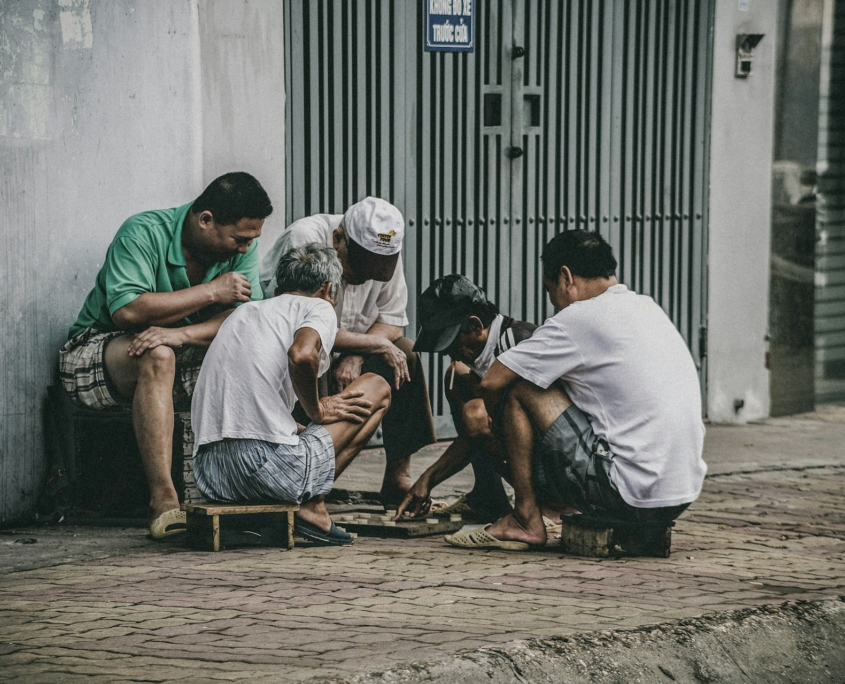
Rapid urbanization in Kenya has widened the gap between the upper and lower classes. According to the Academic Review of Humanities and Social Sciences (ARHUSS), 16% of the population lived below the national poverty line of $1.90 a day in 2021. Moreover, the COVID-19 pandemic hindered efforts to eliminate extreme poverty by 2020, with little change from the 17% level of extreme poverty. The World Bank does not foresee the elimination of poverty in Kenya by 2030.

Anno’s Africa Origin and One Fine Day

Founded in 2006 by Bee Gilbert in memory of her creative son Anno, Anno’s Africa focuses on empowering Kenyan youth through the arts. Intending to provide creative access similar to Anno’s upbringing, the U.K.-based organization, alongside the German charity One Fine Day—co-founded by Marie Steinmann and Tom Tykwer—merged in 2018 to enhance arts education in Nairobi’s informal settlements. In addition, Krysteen Savane has played a significant role in the organization’s outreach and impact from the start.

Empowering Through Creativity

Anno’s One Fine Day focuses on aiding children living in Kenya and Malawi’s slums. These children face poverty, leading to childhood mortality, illness, hunger and lack of education. The organization provides creative outlets for self-expression and discovering talents through courses in dance, art, drama, creative writing, music and circus skills.

Savane explains that in addition to its creative outlets, the program for young adults offers career-focused training in music production, fashion design, podcasting and digital skills. The organization collaborates with various groups to deliver these training sessions, equipping young adults for practical, creative careers in the real world.

Additionally, the organization established an Arts Centre in Kibera, Nairobi’s largest slum with a population exceeding 300,000. According to Savane, this center serves as a haven for more than 1,500 students weekly, offering them space to engage creatively. Moreover, regular showcases allow these students to present their work to family, friends and the broader community, celebrating their artistic achievements and learning experiences.

Transformative Power with Anno’s One Fine Day

Anno’s Africa One Fine Day stands as a testament to the transformative power of art, offering hope and new perspectives to Kenya’s youth amid the challenges of poverty. Through its diverse programs, the organization has not only nurtured artistic talent but has also facilitated emotional healing and personal growth. Moreover, the success stories of students advancing to secondary education on scholarships and making marks on international stages underscore the impactful role of arts education in unlocking potential. Looking ahead, the continued expansion and support for Anno’s Africa One Fine Day promise to empower even more children and young adults in Kenya, fostering a community where dreams are pursued and abilities are explored. This journey of creativity and care paves the way for a brighter, more inclusive future for all involved.

– Sophia Lovell

Sophia is based in Chula Vista, CA, USA and focuses on Technology and Solutions for The Borgen Project.

Photo: Flickr

April 1, 2024
https://borgenproject.org/wp-content/uploads/borgen-project-logo.svg 0 0 Precious Sheidu https://borgenproject.org/wp-content/uploads/borgen-project-logo.svg Precious Sheidu2024-04-01 07:30:312024-03-31 08:52:43Anno’s One Fine Day: Healing through the Arts
Global Poverty, Innovations, Nonprofit Organizations and NGOs

Innovations For Poverty Action: The Ripple Effect

Innovations For Poverty Action: The Ripple Effect According to World Vision, around 1.2 billion people across the globe live in multidimentional poverty. Given the widespread nature of poverty, several organizations are making efforts to find solutions. Among such organizations is Innovations for Poverty Action (IPA). IPA is an organization that plays a significant role in the global effort against poverty by utilizing evidence-based research to identify effective alleviation strategies.

Evidence-Based Solutions

IPA, based in New York City and Washington D.C., operates in 20 countries and manages projects in more than 50 nations. This nonprofit focuses on using evidence-based research to determine effective poverty alleviation strategies, aiming to eliminate models that do not work.

Furthermore, IPA collaborates with governments, donors and organizations to conduct research and advocate for evidence-based solutions to global poverty. It bases its operations on a Theory of Action, focusing on the “Ripple Effect” of its impact. Sarah de Tournemire, Chief Partnerships and Philanthropy Officer at IPA, discussed with the Borgen Project the significance of evaluating the broader consequences of its initiatives.

The Origin and Mission of IPA

IPA’s Ripple Effect begins with its founder, Dean Karlan, who, while working with a microfinance institution in Latin America, found himself asking “‘How do you know whether your program is working? How do you know what your clients think of the program?’” Karlan realized through this project that, as Tournemire put it, “there is more to learn about how to effectively monitor, evaluate and learn from development projects.”

With this experience, as Karlan watched more and more organizations make new steps in the pursuit of ending global poverty, each project required new research, new trials and new people, opening up room for more error in determining effective poverty alleviation models. As thorough as each project group was, Karlan saw a need for a system, not just to organize and manage the data collected, but to create efficient, data-backed, large-scale solutions.

As he explained in an interview with Startups for Good, if researchers were conducting meaningful research in some communities, “the reality is, those awesome [data collecting teams] in those countries can help more than just that small set of researchers.” Once researchers were “experienced and knowledgeable [on] how to do that kind of work, then there’s a huge economy of scale that can be had by helping other researchers also use that knowledge, that infrastructure or that human capital to help coordinate their similar studies.”

Karlan went on to pursue a PhD in Economics at MIT, where working with his doctoral advisor, Esther Duflo, as explained by Tournemire, started asking the question that would directly prompt his creation of IPA: “How do we know what works and what doesn’t work to alleviate poverty?”

Concept to Global Impact

After completing his graduate research, Karlan began seeking evidence that the research and data collection were creating a ripple. As he wrote in his book More Than Good Intentions, he noted, “I wanted to make sure that my research and the research of other like-minded professors, did not simply get published and sit on dusty bookshelves in academic halls. I saw a void, a real need for a new kind of organization with a head for academia, but with its feet squarely in the real world. It would serve as a loudspeaker and an advocate for policy-relevant research and be full of people ready and eager to help generate research results and most importantly, it would work to scale up the ideas that are proven to work.”

Demonstrating the Ripple Effect of Innovations

How has the Ripple Effect manifested? Since its inception, IPA has conducted 950 evaluations demonstrating significant impacts across various initiatives. These include unconditional cash transfers, free malaria bed nets, targeted education strategies, chlorine dispensers for water purification, deworming programs and many more, according to Tournemire.

In its first decade, Innovations for Poverty Action (IPA) focused on conducting thorough research to identify effective and ineffective poverty alleviation strategies. Tournemire stated, “In roughly the last 6 years we have been intentionally growing our work with decision-makers to create a ripple effect. Though we still create rigorous evidence we are increasing our advisory and policy work with governments in countries where we have a long-term presence.”

The Success of the Graduation Approach

IPA conducted a comprehensive review of the Targeting of the Ultra Poor Model, also known as the Graduation Approach. This program aims to provide multifaceted support to assist individuals in escaping poverty. A 2015 study analyzing results from 21,000 people across six countries found that participants experienced increased savings and enhanced physical and economic stability. Remarkably, the program demonstrated cost-effectiveness, yielding returns between 133% and 433% on the investment.

Partnerships and Policy

However, after demonstrating the effectiveness of the Targeting of the Ultra Poor Model, IPA expanded its impact by joining forces with several organizations within the Poverty Alleviation Coalition. Together, they embarked on an ambitious mission to lift 500,000 households out of poverty within five years. As Tournemire explains, “So it was sort of at that point where we had all this information, now we had to push it out to the world. We need policymakers and decision-makers to take up and use this evidence.”

IPA established a policy unit to enhance collaborations with ministries through initiatives like Embedded Evidence Labs for integrating evidence-based programs in government functions. Additionally, it formed Evidence-to-Policy Groups to foster dialogue between researchers and policymakers and it incorporated Policy and Impact Focus areas within IPA to tailor projects to decision-makers needs, among other policy-driven initiatives.

Linking Evidence to Policy for Poverty Relief

As Tournemire summarizes IPA’s mission, she explains that the organization continues “to generate evidence and informed data but almost a third of its work is now focused on this policy piece of making sure that the questions that need to be asked are being asked and there is a culture of evidence-based decision making being built.”

IPA brings forward a truth valuable to any person or entity working to alleviate global poverty. Tournemire argues “Decisions made upon rigorous data and evidence are the strongest weapons. If we want to have a real impact it’s about much more than just good intentions.” In other words, it’s the Ripples of our tangible progress that have the greatest potential in our battle to end global poverty for good.”

– Aria Desai
Photo: Unsplash

March 27, 2024
https://borgenproject.org/wp-content/uploads/borgen-project-logo.svg 0 0 Precious Sheidu https://borgenproject.org/wp-content/uploads/borgen-project-logo.svg Precious Sheidu2024-03-27 01:30:012024-03-26 04:48:34Innovations For Poverty Action: The Ripple Effect
Global Poverty, Nonprofit Organizations and NGOs

The Leila Janah Foundation

The Leila Janah Foundation Leila Janah, an American businesswoman, activist and explorer, died on Jan. 24, 2020, from epithelioid sarcoma, a rare form of cancer. Leila Janah founded and led two companies, her first company, Sama, is a nonprofit aiming to offer digital jobs that provide a living wage to thousands in Africa and India. Sama’s mission centers on providing employment instead of aid, reflecting Janah’s belief in work as a sustainable way to eradicate global poverty. Following Janah’s passing, the Leila Janah Foundation continues its legacy by developing life-changing entrepreneurship programs across East Africa.

History of the Foundation

Founded in 2008, Sama operates on the design model by Leila Janah. A nonprofit organization that employs people from low-income backgrounds in Kenya and Uganda, Sama focuses on providing artificial intelligence (AI) training to enhance living standards. In an interview with Glamour in 2017, Janah stated, “It struck me as a crime that so much human talent goes to waste in developing countries.” She believed that simply providing more opportunities would prove hugely beneficial. By 2018, Sama had employed 50,000 people. Subsequently, the annual Give Work Challenge was launched.

In an interview with Marie Forleo in 2018, Janah stated, “The best way to ensure that that person has a meal is to increase his or her family income so that he or she can buy his own food from the local market,” arguing how this model was much more sustainable than other models of charity and provided a much more long-term solution to global poverty. In 2019, Janah split the company and the nonprofit entity focused on growing the Give Work Challenge. After Janah’s passing in 2020, the nonprofit entity was renamed the Leila Janah Foundation to honor Janah’s legacy, and since then the nonprofit has expanded and helped an ever-increasing number of people.

The Give Work Challenge

The Leila Janah Foundation runs the Give Work Challenge, a business plan competition for low-income entrepreneurs in Kenya and Uganda. This Challenge runs throughout the year in different editions, and focuses on supporting existing businesses looking to grow and new businesses needing support to launch.

Furthermore, a new competition was launched in 2022 for past winners whose businesses demonstrate the potential for expansion and have shown incredible growth. Each Give Work challenge consists of a three-round competition, where the entrepreneurs submit their business plans and information to Sama volunteers. Entrepreneurs who make it to the final round pitch their plans and ideas live to a regional judge panel.

In preparation for this pitch, the team works with a professional mentor who aims to improve their business models and create a foundation for long-term success. The Leila Janah Foundation supports these entrepreneurs through professional mentorship, community support, as well as by providing grants.

Program Director Liliosa Mbirimi states, “Through the Give Work Challenge grant and mentorship, each of our winners will have a larger impact on their communities that will ripple out and positively impact many more individuals.”

Give Work Challenge: Recent Winners

In August of 2023, the Leila Janah Foundation announced the existing business edition winners of its annual Give Work Challenge. It announced four companies, two from Kenya and two from Uganda to receive one year of mentorship from an expert mentor who will help them work on their business plan and introduce the next phase of growth. Additionally, each team won a grant of $6,000 to continue to grow their business.

Among the four recent winners is Mvuvi Enterprises. This Kenyan-based business founded by Christine Bonareri and Arnold Adero produces high-quality processed fish for human consumption. Mvuvi Enterprises additionally uses innovative and sustainable technologies that convert the waste from the fish into useful products including fertilizer, animal feed and energy. Concerning receiving the grant, Arnold Adero states, “Winning the fund fills us with immense gratitude and excitement, as it fuels our commitment to creating a lasting impact and driving positive change in the fisheries and aquaculture community.”

Another 2023 winner, Mawejje Creations, founded by Dimma Mawejje aims to solve the issue of banana biomass and landfill fashion waste. The business uses plant-based substances and textile waste to revolutionize the fashion industry, minimizing the impact of fast fashion and increasing the effectiveness of the ethical fashion supply chain. 

The Impact

Since its inception in 2018, the Give Work Challenge has awarded $138,000, funding 33 teams and creating 245 jobs. This initiative provides grants and mentorship to winners, significantly impacting their communities by enhancing lives beyond the immediate beneficiaries. Tassilo Festetics, co-founder of the Give Work Challenge states, “If each one of them creates a company that basically will employ maybe two, three, five, fifteen people that will obviously increase the number of jobs and people that will be able to live dignified lives,” explaining the ripple effect that the challenge has and the large number of people it can benefit.

Liliosa Mbirimi, Program Director at the Leila Janah Foundation stated, “We are proud to continue the mission of our namesake, Leila Janah, to alleviate global poverty by giving work, not handouts.” The Give Work Challenge extends beyond merely assisting individuals; it also enhances the societal and community benefits these businesses aim to deliver.

– Arabella Wood-Collins

Arabella is based in Newcastle, UK

Photo: Unsplash

March 26, 2024
https://borgenproject.org/wp-content/uploads/borgen-project-logo.svg 0 0 Precious Sheidu https://borgenproject.org/wp-content/uploads/borgen-project-logo.svg Precious Sheidu2024-03-26 01:30:282024-12-13 18:03:09The Leila Janah Foundation
Global Poverty, Nonprofit Organizations and NGOs

Charity: Water is Providing Clean Water Access in Mali

How Charity: Water is Providing Clean Water Access in Mali Clean water access in Mali is a critical issue. The landlocked country surrounded by Algeria, Niger, Mauritania and other African countries, confronts numerous challenges, with clean water access being paramount. Mali’s predominantly dry climate, coupled with recurring droughts, exacerbates water scarcity. Unfortunately, the situation has recently deteriorated with the drying up of Lac Faguibine, Mali’s only freshwater lake. In rural areas, not only are water sources unclean, but they are also becoming increasingly scarce, making them both critically needed and limited.
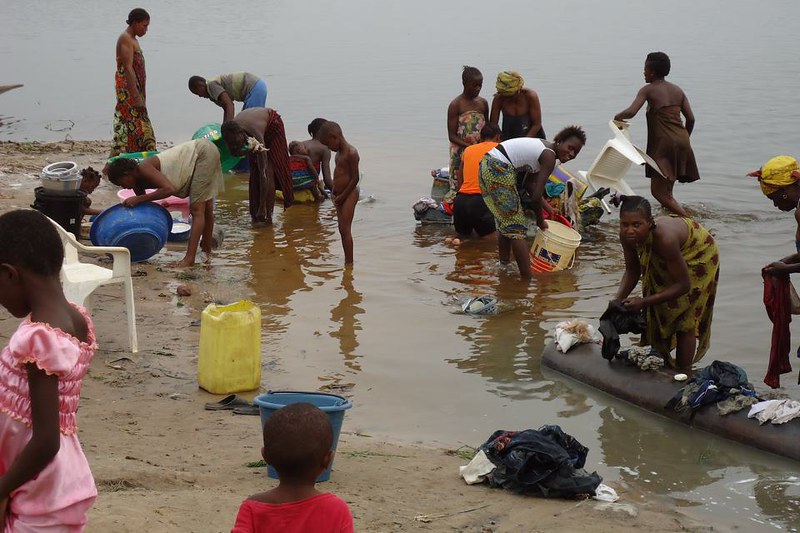
Founded in 2006 by Scott Harrison, Charity: Water has dedicated itself to ending the global water crisis. Partnering with local organizations and supported by donor contributions, in addition, the charity has launched 152,665 clean water projects in 29 countries, estimated to serve 18.4 million people. Recently, it has focused efforts on improving clean water access in Mali, demonstrating a commitment to addressing water scarcity and ensuring sustainable water solutions for those in need.

Poverty in Mali

Mali, facing economic challenges, is classified by The World Bank as low-income and undiversified. The extreme poverty rate surged from 15.9% in 2021 to 19.1% in 2022, with a larger portion, 49.3%, living below the general poverty line. Rural areas, home to the majority of Mali’s 21.5 million people, see 37.13% without clean drinking water and 78.5% without sanitation. Moreover, these statistics underscore the pressing need for infrastructure and services improvement, especially in the southern rural regions where most Malians reside and the situation continues to worsen.

In rural Mali, waterborne diseases pose a significant threat, exacerbated by inadequate sanitation and limited medical access. In addition, the country has one of the highest infant mortality rates, ranking 11th highest in the world. This is largely due to waterborne illnesses like lower respiratory infections and diarrheal diseases. Thus, ensuring clean water access in Mali emerges as a critical need for the country’s population.

Expanding Access to Clean Water: The Banko Community

Since launching its operations in Mali in 2014, Charity: Water has made significant strides. It has empowered approximately 318,980 people with access to clean water through the completion of 650 water projects, which include drilled wells and piped water systems. The organization has invested $11.6 million toward improving clean water access in Mali. According to its 2022 Annual Report, Charity: Water’s efforts in rural Mali have allowed an additional 65,621 individuals to access clean water, contributing to the progress of 210 clean water projects.

In September 2023, the Banko community in southwestern Mali gained access to clean water thanks to Charity: Water and its local partner, HELVETAS USA. By evaluating the specific needs of each community, they installed a well with a hand pump for nearly 700 residents. Furthermore, this improvement not only enhances health and sanitation but also positively impacts education and income levels. Moreover, access to clean water proves essential for the well-being and development of communities like Banko.

Looking Forward

In Mali, the collaborative efforts of organizations like Charity: Water, alongside significant contributions from the World Bank and USAID, are marking a turning point in the battle for clean water access. The strides made in regions like Bamako illuminate the path to a healthier, more sustainable future for Mali’s rural and urban communities. Above all, with each well drilled and each sanitation facility built, the foundation for overcoming water scarcity strengthens, promising a ripple effect of improved health, education and economic opportunity. As Mali looks forward, the continued dedication of global and local partners to addressing water access challenges holds the key to unlocking a brighter future for its people.

 – Isaac Songster

Isaac is based in Wheaton, IL, USA and focuses on Technology and Solutions and Global Health for The Borgen Project.

Photo: Flickr

March 25, 2024
https://borgenproject.org/wp-content/uploads/borgen-project-logo.svg 0 0 Precious Sheidu https://borgenproject.org/wp-content/uploads/borgen-project-logo.svg Precious Sheidu2024-03-25 07:30:192024-03-25 05:36:01Charity: Water is Providing Clean Water Access in Mali
Global Poverty, Nonprofit Organizations and NGOs, Sanitation

Tearfund’s Impact in the Democratic Republic of Congo

Tearfund's Impact in the Democratic Republic of CongoTearfund’s impact in the Democratic Republic of Congo (DRC) significantly contributes to alleviating the country’s enduring challenges. Amidst the wealth of natural resources and a population exceeding 95 million as of 2021, the DRC faces severe trials such as prolonged civil unrest and poverty affecting nearly 60 million people. These issues have led to violence, societal rifts and extensive displacement. As a leading charity, Tearfund plays a crucial role in offering vital aid to those most affected by these difficulties.

Tearfund’s Initiatives for Change

Since 1986, Tearfund has been active in the DRC, engaging in peacebuilding, humanitarian aid and community development efforts. The organization’s on-the-ground efforts include providing supplies and practical support, along with disaster risk reduction activities to strengthen community resilience. Key funding sources for Tearfund include the United States Agency for International Development (USAID) and U.K. Aid Match, among others.

Addressing Water Scarcity and Sanitation Needs

Nearly 8 million people in the DRC lack access to clean water and sanitation. Tearfund’s Water, Sanitation and Hygiene (WASH) projects provide sustainable access to safe water and sanitation, which is crucial to rural communities. The organization has undertaken various projects, encompassing initiatives such as constructing 10 drinking water points and training local volunteers to oversee its management.

In addition, 6,195 households have been equipped with water kits, enabling them to treat drinking water while awaiting the functionality of the new points. The organization has also directed financial resources toward impactful endeavors, exemplified by a £100,000 (about $128,000) grant from the Scottish Government directed to Maniema. This allocation of funds has played a pivotal role in extending access to clean and safe water, benefitting nearly 45,000 individuals in the region.

Innovative Waste Management and Sustainability Efforts

There are no proper waste collection points in Kinshasa, the capital city, with locals dumping rubbish into the river. This plastic is also used as flood defense as the river often floods. In response, Tearfund’s local partner in Kinshasa runs a program reusing plastic waste, which cleans up the city and provides job opportunities for locals who collect and transform plastic into government-approved tiles.

In addition, this initiative has enabled turning discarded plastic into marketable goods such as paving stones, bricks, brooms and bags. Another way it helps deal with waste is by supporting sustainable farming, offering seeds, tools and training to reduce dependency on external aid. Through government funding and donations, Tearfund’s work in DRC has been a lifeline for those who live there.

Through three decades of commitment, the nonprofit has actively engaged in peacebuilding, humanitarian aid and community development, playing a crucial role in a country marked by decades of civil war and instability.

Looking Forward

Tearfund’s impact in the Democratic Republic of Congo (DRC) illuminates a path of hope and resilience amidst challenges. Through innovative water sanitation projects and waste management initiatives, it is not just improving immediate living conditions but also laying the groundwork for sustainable development. Above all, as Tearfund continues its dedicated efforts, the future holds promise for enhanced community well-being and environmental stewardship in the DRC.

– Jack Timmins
Photo: Flickr

March 19, 2024
https://borgenproject.org/wp-content/uploads/borgen-project-logo.svg 0 0 Precious Sheidu https://borgenproject.org/wp-content/uploads/borgen-project-logo.svg Precious Sheidu2024-03-19 07:30:142024-03-18 05:22:50Tearfund’s Impact in the Democratic Republic of Congo
Global Poverty, Health, Nonprofit Organizations and NGOs

SAPA’s Efforts to Enhance Health Care Access in Sudan

SAPA's Efforts to Enhance Health Care Access in SudanThe Sudanese American Physicians Association (SAPA) is an exciting and commendable nonprofit operating in multiple capacities to increase health care access in Sudan and ease the suffering of the people. The organization provides a forum for medical professionals of Sudanese descent within the United States (U.S.) to collaborate, as well as promote the advancement of health care, medical practice, clinical and basic sciences education and research. Furthermore, SAPA actively strives to enhance the quality of graduate training for Sudanese physicians as well as increase collaboration across the developed and developing world.

Current Events in Sudan

Sudan currently faces a severe civil war that has intensified longstanding poverty challenges, including access to health care, food security and economic stability. These issues have deep roots in Sudan, with significant disparities emerging more than 30 years ago following the creation of the ‘Hamdi Triangle,’ a relatively prosperous area within a day’s travel from Khartoum, amidst widespread poverty.

The effect of this has been to concentrate Sudanese wealth into this relatively small geographical area, with Khartoum receiving as much as 85% of total investment in Sudan in 2007. On top of this, the central government collects 97% of all tax revenue in the country, meaning that states are increasingly reliant on transfers from the central government to maintain the delivery of basic services. The combination of these factors, as well as the civil war, means that living in Sudan is difficult enough, but those far from the capital city suffer especially.

Although SAPA also tackles food insecurity and addresses hygiene deficiencies, this article will focus on how the organization is miraculously increasing health care access in both urban and rural settings, taking targeted action in multiple areas that demand assistance as the war and subsequent humanitarian crisis unfold.

Khartoum

SAPA partnered with Elbuluk Hospital in July 2023 to bolster primary health care and nutrition services for pediatric patients and, ‘as the sole pediatric hospital operating in the region, it has become a lifeline for more than a million people residing, just outside of Khartoum. SAPA’s work attracted UNICEF, which joined the initiative in November 2023, and by December, health care access had already substantially increased, with many children seen for consultations, vaccinations and general checkups.

SAPA also supported the establishment of specialized clinics focusing on diabetic patients and an encompassing approach to pediatric care. These types of initiatives are desperately needed throughout Khartoum, where specialized pediatric and maternal care facilities are increasingly being converted into mass casualty response centers. The Turkish Hospital in southern Khartoum highlighted a significant gap in prenatal, postnatal and vaccination services in late 2023, underscoring the urgent need for such health care provisions.

Northern state

In February 2024, the Sudanese American Physicians Association (SAPA) launched the Provision of Primary Health Care Services for Internally Displaced Persons (IDPs) and Host Communities in Northern State – Sudan project, in collaboration with USAID and IOM. Despite Northern State’s low contribution to Sudanese poverty before the conflict, it hosted 403,000 IDPs by February 18, 2024. The influx strains host community health services and raises concerns about increasing food insecurity.

Wad Madani

Another display of forward-thinking by SAPA is the work it is currently undertaking in Wad Madani, Sudan’s second biggest city. The exodus of citizens from Khartoum, as well as other areas of the country, means that there are now nearly 8 million internally displaced individuals. In direct response to the displacement of people from Khartoum to Wad Madani, SAPA established a health center to provide essential care, offering family medicine, pediatric services and gynecology.

With the conflict now raging in the city where the SAPA headquarters are located, the organization finds itself in a challenging position. It is dangerous work for the organization, which remains committed to the health center and several mobile clinics it operates in Wad Madani, even with the possibility of being subject to violence. With at least 60 verified attacks on health care establishments and many humanitarian and health worker deaths during the war, SAPA staff understand the risks of their work.

Looking Ahead

SAPA’s commitment and efforts in Sudan deserve widespread recognition and support. Above all, the organization tirelessly operates across the nation in various capacities, with its staff on the ground facing daily risks to ensure the Sudanese people maintain access to health care.

– Arshiya Eslamdoust
Photo: Unsplash

March 17, 2024
https://borgenproject.org/wp-content/uploads/borgen-project-logo.svg 0 0 Precious Sheidu https://borgenproject.org/wp-content/uploads/borgen-project-logo.svg Precious Sheidu2024-03-17 01:30:272024-05-30 22:32:53SAPA’s Efforts to Enhance Health Care Access in Sudan
Aid, Global Poverty, Nonprofit Organizations and NGOs

Aid Organizations in the Middle East

Aid Organizations in the Middle EastA region of rich history and political unrest, though renowned for its vast oil reserves and natural gas, poverty is a harsh reality that many face. This article explores aid organizations in the Middle East dedicated to fostering sustainable growth and alleviating poverty.

Abu Dhabi Fund for Development (ADFD)

Since 1971, more than AED 52.7 billion has been donated to finance projects in Bahrain, Oman, Jordan, Egypt and other Middle Eastern countries by the Abu Dhabi Fund for Development (ADFD). The headquarters are in Abu Dhabi, and the central focus is to help such countries reach sustainable growth and reduce poverty. ADFD values include cooperativeness, creativity, competency and commitment.

One way the ADFD helps is through renewable energy, it has an allegiance with the International Renewable Energy Agency (IRENA) to promote the widespread use of renewable energy. ADFD is also a provider of sovereign loans that meet the requirements of the Organisation for Economic Co-operation and Development (OECD).

The ADFD Success Story in Egypt

Egypt is one example of a poor nation in the Middle East, and has been a key focus of ADFD since 1974. Its capital Cairo has faced big issues with overpopulation. To curb these struggles, ADFD helped to construct a new city, named Sheikh Zayed City in Egypt in 1995. It provided Egypt with a grant of AED 735 million to facilitate this, and the city now attracts a plethora of tourists from all over the world. More than 70 projects in Egypt including sectors such as agriculture, electricity and water, social and health services, housing, industrial and transportation have been supported by ADFD. Egypt has received a total of AED 4 billion in total aid from ADFD till now.

Project Hope

Since its formation in 1958, Project Hope has worked alongside the Middle East to build skills among citizens and provide humanitarian care for refugees residing in Iraq, Lebanon, Jordan and Turkey. It works on the front lines by partnering with health care workers and health facilities, as well as working with public health systems to make long-term changes.

Project Hope Success Story in Syria

Syria’s civil war has been one of the world’s most renowned humanitarian crises. More than 12 million people are suffering from food insecurity since 2011, and millions are internally displaced.

In addition to war, climate shocks have contributed to poverty in Syria. In 2023, a 7.8-magnitude earthquake struck, killing around 6,000 Syrians and wounding many. After mere hours of the earthquake, Project HOPE activated its Emergency Response Team to provide essential items to those affected, despite difficulties due to the aftershock. HOPE has implemented personnel on the grounds to harmonize a long-term humanitarian response in these surrounding regions.

Project HOPE has teamed with local committees to implement shelter, mental health, mobile medical unit (MMU) and WASH programs. It has identified immense MHPSS [Mental health and psychosocial support] needs for survivors dealing with the long-term impacts of trauma. In northwest Syria, Project HOPE is supporting the nonprofit organization Sened Dernegi in efforts to provide MHPSS post-earthquake destruction.

It has also partnered with Syrian Relief and Development. It supports two mobile medical units in Azaz and Daret Azza districts in Syria. Each unit offers consultations to citizens, whether internally displaced or host residents. Services include reproductive and pediatric health care and nonspecialized mental health care integration. 8412 consultations were offered between March and June 2023 to the earthquake survivors.

Looking Ahead

These aid organizations in the Middle East are setting the tone for a brighter future. Investing in the Middle East is important, as geopolitical conflict has affected levels of tourism, which was once heavily relied on by these regions. Even outside of the main crisis states, such as Syria, Libya and Yemen, poverty remains through the aftermath such as sanctions and fewer investments.

– Sepy Akbarian
Photo: Unsplash

March 16, 2024
https://borgenproject.org/wp-content/uploads/borgen-project-logo.svg 0 0 Precious Sheidu https://borgenproject.org/wp-content/uploads/borgen-project-logo.svg Precious Sheidu2024-03-16 03:00:592024-05-30 22:32:52Aid Organizations in the Middle East
Page 23 of 60«‹2122232425›»

Get Smarter

  • Global Poverty 101
  • Global Poverty… The Good News
  • Global Poverty & U.S. Jobs
  • Global Poverty and National Security
  • Innovative Solutions to Poverty
  • Global Poverty & Aid FAQ’s
Search Search

Take Action

  • Call Congress
  • Email Congress
  • Donate
  • 30 Ways to Help
  • Volunteer Ops
  • Internships
  • Courses & Certificates
  • The Podcast
Borgen Project

“The Borgen Project is an incredible nonprofit organization that is addressing poverty and hunger and working towards ending them.”

-The Huffington Post

Inside The Borgen Project

  • Contact
  • About
  • Financials
  • President
  • Board of Directors
  • Board of Advisors

International Links

  • UK Email Parliament
  • UK Donate
  • Canada Email Parliament

Get Smarter

  • Global Poverty 101
  • Global Poverty… The Good News
  • Global Poverty & U.S. Jobs
  • Global Poverty and National Security
  • Innovative Solutions to Poverty
  • Global Poverty & Aid FAQ’s

Ways to Help

  • Call Congress
  • Email Congress
  • Donate
  • 30 Ways to Help
  • Volunteer Ops
  • Internships
  • Courses & Certificates
  • The Podcast
Scroll to top Scroll to top Scroll to top