The Slums of Kibera
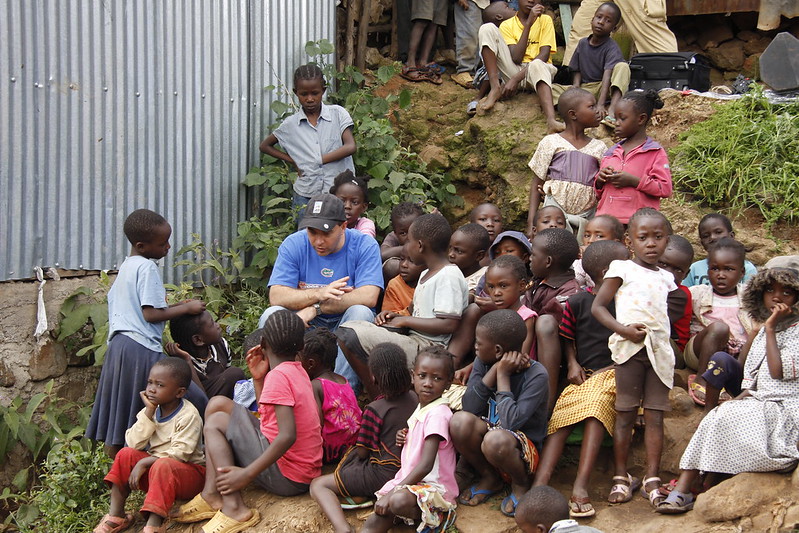 Kibera, located in Nairobi, Kenya, is one of the most prominent examples of the growing global housing crisis. This crisis is marked by a severe lack of infrastructure that impedes access to essential services like clean water and sanitation, perpetuating a cycle of poverty. According to Habitat for Humanity, at the moment, by the most conservative estimates, about 900 million people live in slums. Slums, by definition, are informal forms of settlement, leaving families to endure crucial living conditions to survive. Housing security is critical in mitigating poverty’s harsh effects, particularly in the sprawling slums of Kibera.
The Rise of Slums and the Impact
By 2030, projections suggest that one in four people worldwide will reside in slums, highlighting the extensive growth of such areas including Khayelitsha in Cape Town, South Africa and Dharavi in Mumbai, India. Kibera in Nairobi, Kenya, stands as the largest, housing 700,000 individuals according to Habitat for Humanity. The slum structures often lack adequate infrastructure, hindering equitable access to clean water, proper sanitation and hygiene. The resulting overcrowding and high-density conditions in these environments foster the rapid spread of airborne diseases caused by poor sanitation, severely impacting residents’ health.
The Kenyan government currently lacks a comprehensive plan to assist the slum dwellers in Kibera. Typically, the government sells this land to landlords, profiting at the expense of the residents. Historically, the government has failed to recognize these settlements officially and has even withheld funding for essential services. Consequently, charities and various nonprofit organizations bear the primary responsibility for addressing these ongoing issues.
Characteristics of Slums
Slums are settlements where housing fails to meet health, safety or building regulations. These areas feature homes that are unsafe and unhealthy, often lacking windows and constructed with dirt floors and materials unsuitable for sturdy walls or roofs. A critical issue within these slums is overcrowding, with families packed into cramped spaces. Residents in these areas endure life with limited access to essential services such as water, plumbing and electricity. Furthermore, issues with property rights persist, as slum dwellers typically have little to no control over the land they inhabit.
Shining Hope for Communities
Shining Hope for Communities (SHOFCO) is a nonprofit organization based in Kibera that delivers transformative services to urban slum residents. These services include educational leadership, community advocacy and health and wellness. SHOFCO coordinates water, sanitation and hygiene education by uniting community health workers to spread safe wellness practices. The program ensures accessible and affordable sanitation and clean water. In 2016, SHOFCO introduced an aerial piping system that significantly increased clean water distribution in Kibera. This system now includes about 41 clean water kiosks that serve 37,541 users, providing them with an average of 200,000 liters of clean water daily.
Looking Ahead
Government infrastructure could play a critical role in addressing the housing crisis, especially in areas like the slums of Kibera. Supporting organizational ground-level efforts to provide more stable housing infrastructure is vital during government shortfalls. U.N. Habitat asserts that everyone has a fundamental human right to housing, ensuring access to a safe, secure, habitable and affordable home. This provision transcends mere shelter, enhancing economic and social opportunities for improved living conditions and a brighter future in regions such as Kibera.
– Dominic Samaniego
Dominic is based in Fullerton, CA, USA and focuses on Technology and Global Health for The Borgen Project.
Photo: Flickr
