Yoga and Poverty Reduction in China, India and Africa
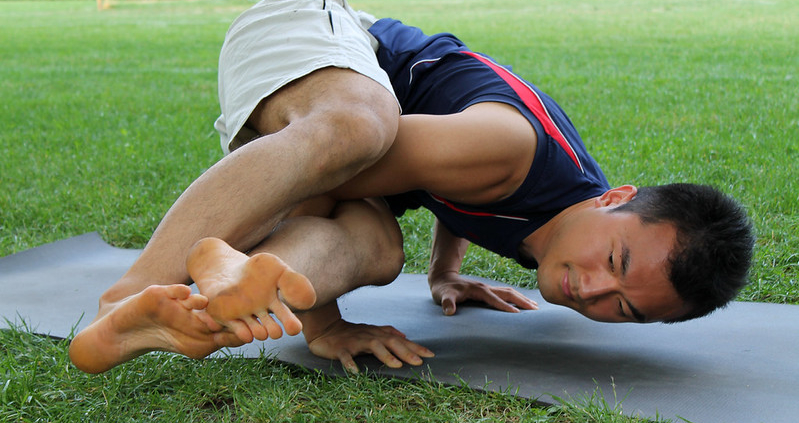 In a report for the BBC, Jon Kelly recounts how B. K. S. Iyengar rose from extreme poverty to become one of the most influential figures in bringing yoga to the Western world. After what Kelly described as a “poverty-racked childhood in Karnataka,” doctors predicted Iyengar would not live past 20.
He went on to play a central role in yoga’s international expansion, promoting its physical and mental health benefits to a global audience. Beyond popularizing the practice, Iyengar inspired generations to view yoga as a tool for resilience, cultural connection and shared well-being.
His legacy provides the foundation for this article, which examines how yoga initiatives intersect with poverty reduction efforts through programs contributing to community well-being and livelihood development across diverse communities.
Yoga and Poverty Reduction
Advocates point to several connections between yoga and poverty-related outcomes, including reduced chronic stress, improved overall health and decreased reliance on costly medical care. Some organizations promote self-reliance through complementary initiatives such as microloan programs, while others help young people and families address trauma and participate more fully in economic life.
Hands to Heart Center, a Boston nonprofit, provides more than 700 free yoga classes in branch libraries, community centers, detention units, domestic violence shelters, high-poverty schools, homeless shelters, public housing developments and residential treatment programs, according to HuffPost.
Susan Lovett, who works with low-income youths and families through the organization, said yoga “can be practiced by anyone, in any condition, in any location.” She said the practice fosters connection among participants despite differences in background and circumstance.
Lovett added that mindfulness may increase civic engagement. “I don’t think mindfulness alone positively affects income inequality,” she said, “but I do think that people who develop mindfulness practice often seek out others who do the same.”
Yoga and Community Development in China
Taking Susan Lovett’s observations on mindfulness and social engagement as context, similar approaches are underway in China.
In the remote village of Yugouliang, Lu Wenzhen, a government official tasked with improving economic prospects, introduced yoga after noticing health benefits in his own practice, according to Global Citizen.
“As a result, they were able to spend more time working in fields and felt encouraged to pursue new opportunities,” the report said. The village has developed a yoga center and tourist sites that contribute to local economic growth.
Wenzhen’s efforts are part of a broader anti-poverty strategy that includes modernizing transportation, investing in renewable energy and expanding health care access. Yugouliang’s focus on holistic well-being is presented as one component of efforts aimed at strengthening local resilience.
Foundations Supporting Communities in India
China is not the only country using yoga in efforts connected to poverty reduction. Yogi Ashokananda founded the Yogi Ashokananda Foundation in 2013 and its U.K. sister organization, the Ashok Tree Foundation, in 2014.
The group aims to “relieve the impoverished conditions and promote academic education, animal welfare, health and wellness in communities served,” according to the foundation’s website.
Programs include the Sita Devi Primary School, which educates children ages 4 to 10; daily nutritional meals for at-risk adults and schoolchildren; and monthly health camps at Yogiville led by an ayurvedic practitioner, focusing on women’s wellness, children’s health and stress management.
By addressing poverty, education, nutrition and wellness, the foundations aim to support economic and physical well-being for children and families.
In an interview with practicing yogi Ravi Pinniti in India, he said yoga has influenced his own life. When asked if yoga has made a difference, Pinniti responded, “Of course it did. It improved my discipline, stress management and overall physical health, influencing every aspect of my daily life,” and improved his decision-making approach.
When asked if yoga creates a sense of community and belonging, Pinniti replied, “Yes, very strongly, with people from different places and communities, creating a safe, accepting environment, especially for those who feel isolated. It gives people the strength to live life more fully.”
The Africa Yoga Project in Kenya
In Africa, Paige Elenson founded the Africa Yoga Project in 2007 as an outreach program to train yoga instructors from Kenya’s poorest communities. “The goal is to help the teachers spread health and well-being throughout their communities while also providing them with a stable income,” the organization said.
The program operates in some of Nairobi’s largest informal settlements, including Kawangware, Korogosho, Kibera, Mathare and Kangemi. Twenty-one-year-old Walter Mugwe said yoga changed his life. “Three years ago, I was drinking and smoking marijuana, which sometimes led to violence,” he said. “That has since subsided.”
Haydee Bangerezako of the BBC reported that the program has 42 teachers working with nearly 2,000 students each week in close to 50 locations. Workshops are held in community halls, schools, prisons and other organizations.
Looking Ahead
From the resilience of B. K. S. Iyengar to community initiatives in Asia and Africa, yoga’s reach now extends beyond personal practice. While yoga alone cannot address systemic inequality, organizations are incorporating it into broader programs aimed at strengthening well-being, supporting livelihoods and fostering community engagement.
In villages, urban centres and underserved communities worldwide, practitioners are demonstrating that improved health and shared purpose can help lay the groundwork for opportunity and ease international poverty. After all, “the organized actions of mindfulness practitioners who focus on social justice can be powerful.”
As these efforts continue to expand, yoga’s enduring lesson remains clear: sustainable change often begins within — and, when nurtured collectively, can ripple outward to transform lives and livelihoods across generations.
– Gemma Nailer
Gemma is based in Manchester and focuses on Good News, Global Health for The Borgen Project.
Photo: Flickr
