• Link to X
  • Link to Facebook
  • Link to Instagram
  • Link to TikTok
  • Link to Youtube
  • About
    • About Us
      • President
      • Board of Directors
      • Board of Advisors
      • Financials
      • Our Methodology
      • Success Tracker
      • Contact
  • Act Now
    • 30 Ways to Help
      • Email Congress
      • Call Congress
      • Volunteer
      • Courses & Certificates
      • Be a Donor
    • Internships
      • In-Office Internships
      • Remote Internships
    • Legislation
      • Politics 101
  • The Blog
  • The Podcast
  • Magazine
  • Donate
  • Click to open the search input field Click to open the search input field Search
  • Menu Menu

Archive for category: Nonprofit Organizations and NGOs

Information and stories about nonprofit organizations and NGOs

Global Poverty, Nonprofit Organizations and NGOs

The Fight to End Malnutrition in Ethiopia

The Fight to Better Malnutrition in EthiopiaMalnutrition has been a significant problem in Ethiopia, starting with the 1983 hunger shortage that left many without food and nutritional value. Then in the early 2020s, Ethiopia suffered from a severe drought which caused almost 6.8 million livestock to pass away. As a country that heavily depends on agriculture, drought has caused an increase in food insecurity and malnutrition, according to Disaster Philanthropy. Crop production also fell due to pests that roamed the farms, leading to a downfall in maize production from 25 million tons to more than four million tons. However, three organizations have currently been on the road to improving malnutrition in Ethiopia.

United Nations International Children’s Emergency Fund

The United Nations International Children’s Emergency Fund (UNICEF) has primarily been working with the government to resolve this issue. It supports the government’s nutrition program called the Health Extention Program which was developed in 2004. The main focus of this program is to increase awareness about nutrition actions in households, limit bacteria with vaccinations and promote healthy behaviors. In addition, it allows for family health services, putting the spotlight on helping adolescent nutrition. 

UNICEF also works with the pilot program that allows for a new innovative way of growing crops, which has been especially beneficial in preventing damage from sudden hits by natural disasters. Through this new method in hydroponic vegetable farming, malnutrition rates have gone down, especially for children. This practice allows farmers to grow food with little soil and water, perfect for situations of extreme drought. Not only did self-sufficiency increase through this process, allowing farmers to cultivate year-round, but it also has made farming practices sustainable, as this process promises generations of this usage.

United States Agency for International Development

The United States Agency for International Development (USAID) has accomplished many tasks involving increasing nutrition access. Feed the Future movement which aims to end world hunger is one of its most influential successes. This organization not only aims to increase the amount of agricultural produce, but it also seeks to increase wages earned through their produce to increase their income and buy products to lift them out of poverty. 

In Ethiopia specifically, there are three main steps that USAID and Feed the Future have been following to aid poverty. The three steps are as follows:

  1. Supporting sustainable agricultural growth with an increase in market accessibility, providing further job opportunities and creating a range of crops and cattle to make use of.
  2. Increasing the flexibility in agriculture by modernizing their system’s ability to adapt to new conditions, especially with natural disasters and also bettering the organization of different resources.
  3. Improving nutrition, particularly for the more vulnerable demographics like women and children, by implementing new ways to address and target specific malnutrition problems like providing financial literacy. 

Results for Development

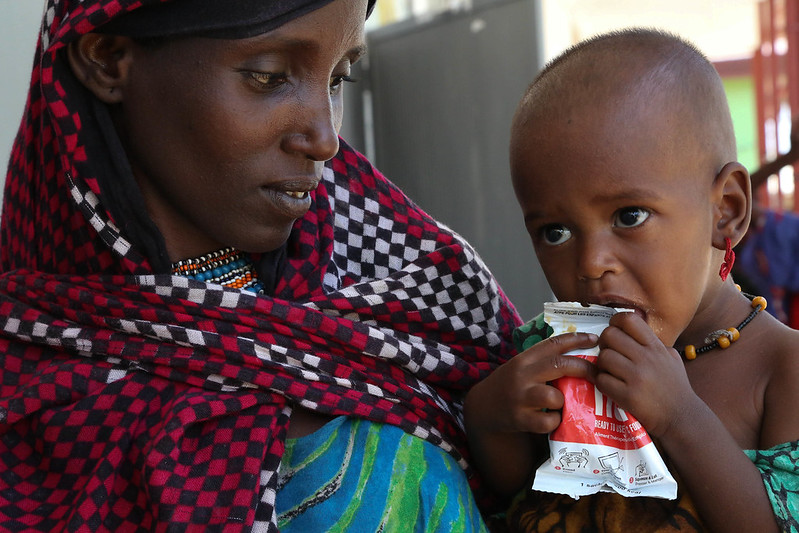
Results for Development (R4D) is a global nonprofit that works with government officials and social leaders to create grand changes in health and nutrition. R4D has aimed to integrate wasting treatment into the health care routine of Ethiopia, especially when wasting has become one of the largest mortality causes for small children.

By incorporating ready-to-use therapeutic food (RUTF), R4D has begun to address the severe underweight problem caused by malnutrition. But even though this product is made with high quality and is cost-effective, it is not widely available to minorities. This issue is currently on the road to becoming resolved through market shaping which would introduce more access to RUTFs. Ethiopia is one of the countries that has access to this solution through R4D. This organization is looking to increase funding for RUTF to increase its presence in markets and create a set of cost-effective recipes. 

Looking Forward

Malnutrition is a heavily prevalent issue in Ethiopia, with more than 5 million children in Ethiopia suffering. However, through actions provided by these three organizations, UNICEF, USAID and R4D, malnutrition is on its way to being tackled in this country. 

– Linda Yoonseo Lee

Linda is based in Phoenix, AZ, USA and focuses on Good News for The Borgen Project.

Photo: Flickr
August 11, 2024
https://borgenproject.org/wp-content/uploads/borgen-project-logo.svg 0 0 Precious Sheidu https://borgenproject.org/wp-content/uploads/borgen-project-logo.svg Precious Sheidu2024-08-11 01:30:132024-08-10 14:02:02The Fight to End Malnutrition in Ethiopia
Aid, Global Poverty, Nonprofit Organizations and NGOs

Elderly Poverty in Lebanon

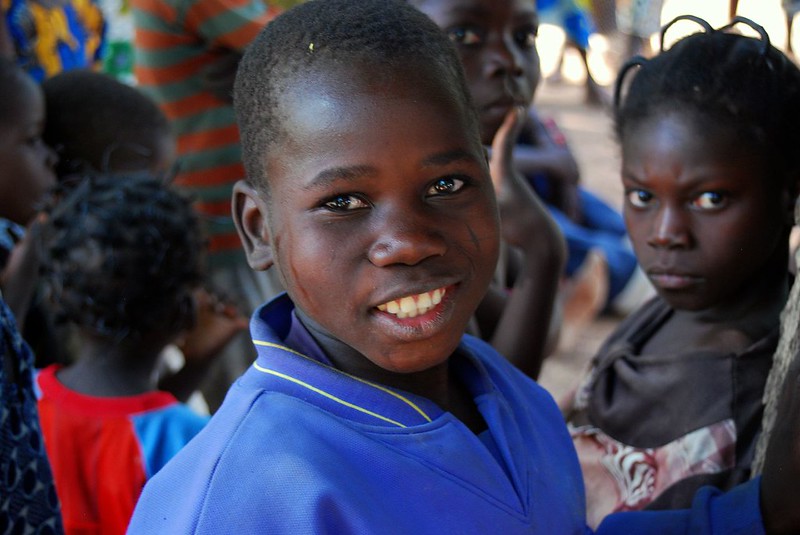
Elderly Poverty in LebanonIn 2023, Lebanon witnessed another wave of young professionals, medical staff and academics leaving the country. This mass exodus exacerbated an already dire situation, with 44% of the population now living in poverty. The country’s economic crisis, characterized by a devalued currency, inadequate health care services and high unemployment rates, has particularly impacted its elderly citizens. As the largest elderly population in the Middle East, many are forced to continue working beyond the age of 60, often without social protections or pensions, further increasing elderly poverty in Lebanon.

Lebanon’s Financial Crisis

The World Bank has labeled Lebanon’s financial crisis as one of the most severe crisis episodes globally since the mid-nineteenth century. The crisis, which began with a complete financial meltdown in 2019, has left banks unable to pay depositors in dollars, enforcing informal capital controls that restrict withdrawals to limited amounts at heavily discounted exchange rates. Since then, the Lebanese currency has plummeted from 1,500 to the dollar pre-crisis to about 94,000 in May 2023, peaking at more than 100,000 in March. Lebanon’s economic struggles have compounded due to significant political turmoil and disasters, including the devastating explosion at Beirut’s port on Aug. 4, 2020 and recent Israeli strikes on civilian areas in southern Lebanon.

Brain Drain

The crisis in Lebanon has triggered a “brain drain” as disillusioned educated youth and professionals emigrate in search of better opportunities abroad. This exodus is sharply felt in the health care and education sectors, jeopardizing the quality and availability of essential services for the wider population. In 2021 alone, nearly 80,000 Lebanese left the country. The departure of skilled individuals in such large numbers is impeding economic recovery and weakening the infrastructure of public services, intensifying the nation’s broader crisis. Projections reveal that between 2020 and 2050, the number of people aged 60 and over in Lebanon will double, while the young population is expected to decline by about 33%.

Health Care Access

The elderly constitute almost half of the total population with disabilities in Lebanon and the leading causes for disability among both older men and women, with kidney diseases, sense organ diseases and diabetes being the leading causes of disability among both older men and women. These conditions require regular access to essential drugs and services. However, Lebanon’s financial crisis, worsened by the pandemic, has left its health care sector struggling to provide affordable services to its impoverished population. The elderly, who most need regular health care services, face significant challenges due to a lack of health insurance, soaring medication prices and shortages of medical personnel. A study by HelpAge reveals that many elderly individuals, unable to afford their prescribed medications, are deliberately reducing or stopping their use, further endangering their health and impacting elderly poverty in Lebanon.

Pensions and Social Protection

Lebanon ranks among just 16 countries globally without a pension scheme for private-sector workers. As a result, the majority of workers—55% of whom are informally employed—lack any social insurance coverage. Due to the banking crisis, lifetime savings have become inaccessible and continue to lose value as the local currency deteriorates. This financial instability forces many elderly men to work well beyond the official retirement age, compromising their physical and mental health, as the absence of a pension system leaves them without a safety net.

NGO Efforts

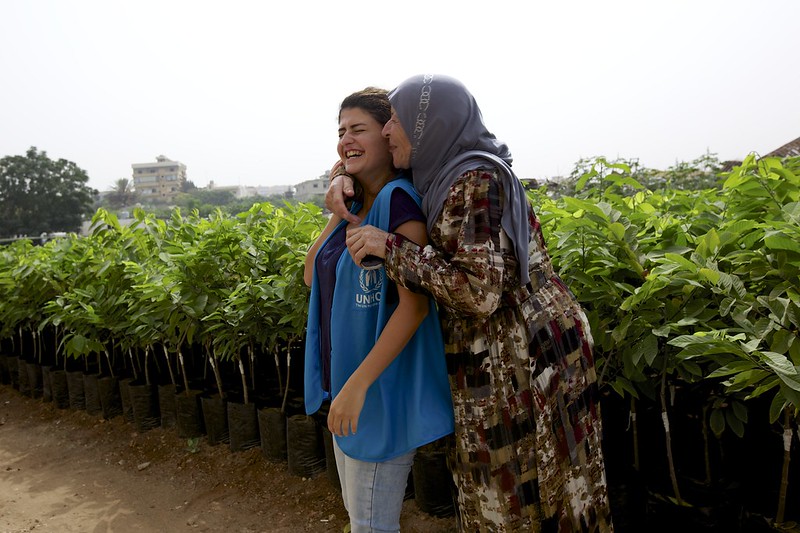
Without broader government reforms in Lebanon, sustainable recovery and reconstruction remain unlikely and the social and economic situation will likely continue to deteriorate. In the meantime, many NGOs and charities are performing crucial work to alleviate some of the hardships faced by the elderly population. Amel association, which was created in response to the atrocities of the Lebanese civil war and the Israeli aggression in southern Lebanon, is one example of an organization working on advancing the rights of older people in Lebanon ensuring they can lead dignified, safe and healthy lives. 

With a focus on ‘defending a culture of solidarity rather than charity,’ Amel offers many essential services, including psychosocial support, to the vulnerable elderly population. In collaboration with HelpAge International, it gives the elderly access to activities designed to improve their psychological well-being, such as group counseling, peer-to-peer support, recreation and social events. This is done through 32 centers throughout the country, six mobile clinics, two mobile education units and a mobile protection unit. As these inspiring efforts continue, it underscores the critical need for systemic change to address the underlying issues and provide lasting relief for Lebanon’s most vulnerable citizens.

Looking Ahead

Lebanon’s economic and social crises have created severe challenges, particularly for the elderly population lacking social protections. The mass emigration of professionals has weakened essential services, further exacerbating the nation’s difficulties. NGOs like the Amel Association play a crucial role in providing immediate support, yet the urgent need for comprehensive government reforms remains clear to ensure sustainable recovery and a reduction in elderly poverty in Lebanon.

– Asma Issa

Asma is based in London, UK and focuses on Politics for The Borgen Project.

Photo: Flickr
August 10, 2024
https://borgenproject.org/wp-content/uploads/borgen-project-logo.svg 0 0 Precious Sheidu https://borgenproject.org/wp-content/uploads/borgen-project-logo.svg Precious Sheidu2024-08-10 07:30:522024-08-10 03:00:45Elderly Poverty in Lebanon
Global Poverty, Nonprofit Organizations and NGOs, Refugees and Displaced Persons

Support For Displaced Persons In Burkina Faso

Support For Displaced Persons In Burkina FasoBurkina Faso, a low-income West African country, is facing a series of unprecedented crises. It has endured droughts, internal conflicts and terrorism, which have displaced millions and left about 6 million people reliant on humanitarian aid. The scope of this crisis is vast, with many displaced persons in Burkina Faso needing assistance.

Crisis in Burkina Faso

The crisis in Burkina Faso has reached catastrophic levels, compounded by inadequate funding that limits necessities, a lack of international diplomatic intervention to help broker peace and insufficient media coverage to raise awareness and spur action. In 2023, the country experienced its highest number of armed conflicts, which displaced more than 2 million people by year’s end. With ongoing disputes revealing no signs of diminishing, the number of displaced continues to rise.

The UNHCR and Digital Hub

The United Nations High Commissioner for Refugees (UNHCR) collaborates with various organizations to offer programs that equip displaced persons with sustainable income sources. This initiative reduces their dependency on humanitarian aid and helps restore their normal lives.

In 2022, UNHCR and Wakatlab launched a “digital hub” in Kaya, a northern city in Burkina Faso, to support displaced people. This center offers round-the-clock internet access and uses solar panels for sustainable, low-cost electricity. It aims to enhance digital literacy and social media knowledge among displaced people and host communities, while also providing educational opportunities in information technology, agriculture, entrepreneurship and computer sciences. The hub has already enabled many individuals to start successful businesses and rebuild their lives. Its successful model holds the potential for replication in other areas to improve the lives of internally displaced people and refugees.

Models for Expansion in Burkina Faso

Launching programs across Burkina Faso and neighboring countries could enhance the lives of displaced people, provide them with opportunities and help reduce the burden on host communities. The UNHCR and other organizations can potentially replicate successful programs from around the world in regions that host refugees. Below are some successful initiatives currently operating in similar environments:

  • Melkadida Compact- Ikea Foundations’s collaboration with UNHCR. A few years ago, the Ikea Foundation began a partnership with UNHCR in a remote area of Ethiopia. This collaboration focuses on enhancing the region’s water and electricity supply, food security and job opportunities for refugees and host communities. The goal is to help these communities become self-sustaining and reduce their reliance on aid. This partnership has positively impacted more than 200,000 refugees offering them job training opportunities.
  • Win-Win Program. Talent Beyond Boundaries (TBB) is a nonprofit organization operating in seven countries hosting refugees, including Jordan. TBB strives to match refugees with global job opportunities that align with their talents and education. So far, it has helped 1,200 refugees secure jobs worldwide. The program aims to assist an additional 15,000 in finding employment over the next five years.

Looking Ahead

Globally, 117.3 million people have been forced to leave their homes, becoming refugees or internally displaced. Most endure deplorable living conditions and extreme poverty throughout their lives. Reducing global poverty requires providing individuals with opportunities to support themselves and escape poverty. This is never more so than for the displaced persons in Burkina Faso.

– Maria Waleed

Maria is based in Yokohama, Kanagwa, Japan and focuses on Good News and Global Health for The Borgen Project.

Photo: Flickr

August 7, 2024
https://borgenproject.org/wp-content/uploads/borgen-project-logo.svg 0 0 Precious Sheidu https://borgenproject.org/wp-content/uploads/borgen-project-logo.svg Precious Sheidu2024-08-07 07:30:192024-08-07 07:03:15Support For Displaced Persons In Burkina Faso
Developing Countries, Education, Global Poverty, Nonprofit Organizations and NGOs

3 Nonprofits Improving Education for Children in Belize

Education for Children in BelizeDue to Belize’s economic and political pressures, much of the population experiences significant social and economic inequality, leading to severe disparities in access to services, particularly for children. The United Nations Children’s Fund (UNICEF) reports that about 49% of all Belizean children live in multidimensional poverty, lacking basic needs, including adequate nutrition and housing, clean drinking water, sanitation and education. The education system in Belize is particularly concerning as only 55% of children currently have access to early childhood education and again, only half of them continue to secondary school.

The World Bank defines learning poverty as being unable to read and understand short, age-appropriate text by age 10. In 2021, about 76% of all Belizean children at their late primary age were not proficient in reading. Reading is a gateway for learning as one progresses through school, so this lack of education and literacy severely restricts individual progress and undermines Belize’s broader efforts toward sustainable growth and poverty reduction. However, here are three nongovernmental organizations (NGOs) working to improve education for children in Belize:

Ocean Academy

Caye Caulker Ocean Academy was founded in 2008. It provides a highly subsidized education to all its students, offering individualized attention, free tutoring and work studies. Through partnerships with local tourism industries, Ocean Academy offers students free apprenticeships in scuba diving, kayaking, fly fishing and windsurfing. These opportunities allow the students to become involved within their community, often leading to full-time employment offers after graduation. Before its opening, only 35% of students in Caye Caulker progressed past primary school. More than 90% have enrolled in high school, many becoming the first in their family to attend.

Holy Cross Education Foundation

The Holy Cross Education Foundation’s mission is to provide administrative and financial support to disadvantaged schools around Belize, giving the children the best possible quality education. It covers the construction and maintenance of the schools, staff salaries, classroom supplies, computer labs, office equipment and more. Moreover, it created a lunch program staffed with local women, allowing children access to a hot lunch without leaving campus. The program has consistently provided nutritional meals to more than 400 students daily.

Pathlight Belize

PathLight International was founded in 2007. It aims to empower impoverished children in Belize to receive a quality education, break away from poverty and reach their fullest potential. Through its Teaching Training program, PathLight equips Belizean teachers with formal training in various subjects alongside providing tuition, supplies and transportation for all students. Each student also receives a personalized mentor to assist with job readiness training, social skills training and leadership development. By the end of 2024, PathLight aims to become the leading NGO in Belize to achieve its ambition of having more than 60% of students graduate at the secondary school level.

Meaningful Impact

In light of pressing challenges, several nonprofit organizations have been working diligently in Belize to address the educational deficiencies and improve children’s general well-being, creating a tangible impact in improving academic outcomes and empowering the next generation. With ongoing support, there is hope that their efforts will elevate educational standards in Belize and allow Belizean children to break the cycle of generational poverty by obtaining the necessary skills and knowledge.

– Kewe Chen

Kewe is based in Memphis, TN, USA and focuses on Good News for The Borgen Project.

Photo: Picryl

August 6, 2024
https://borgenproject.org/wp-content/uploads/borgen-project-logo.svg 0 0 Lynsey 2 https://borgenproject.org/wp-content/uploads/borgen-project-logo.svg Lynsey 22024-08-06 03:00:042024-08-05 14:29:433 Nonprofits Improving Education for Children in Belize
Charity, Global Poverty, Nonprofit Organizations and NGOs

5 Charities Tackling Extreme Poverty in the DRC

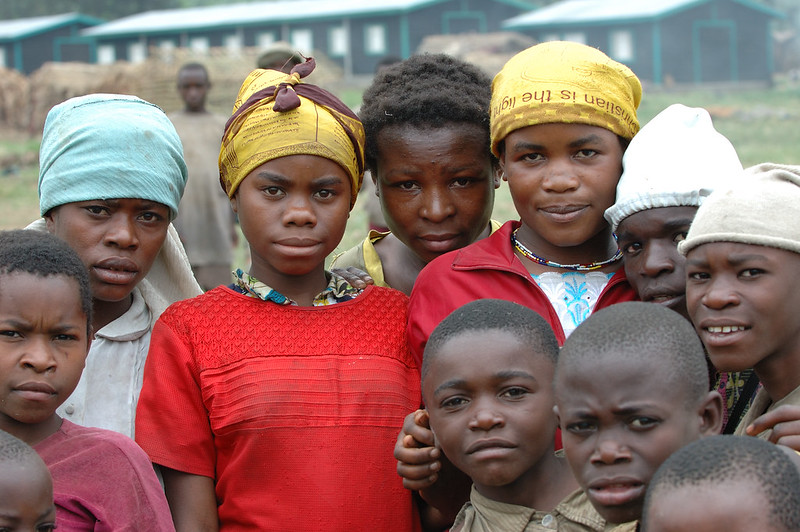
Extreme Poverty in the DRCThe Democratic Republic of Congo (DRC) faces one of the highest extreme poverty rates globally. In 2023, the World Bank estimated that 74.6% of its population lives on less than $2.15 per day, ranking it second only to India in terms of the number of people living in extreme poverty. Much of this dire situation stems from ongoing regional violence between government forces and rebel militias, which has displaced more than five million people in recent years. Despite immense challenges, numerous charities actively combat extreme poverty in the DRC, focusing on malnutrition and disease. Key organizations are making significant differences in the lives of millions of Congolese, revealing the profound impact of international aid in one of the world’s most impoverished regions. Here are five charities tackling extreme poverty in the DRC.

Oxfam

Oxfam has been active in the DRC since 1961, a year after the country’s independence, with current operations spanning six provinces. The organization’s efforts are primarily directed toward providing emergency relief to those affected by crises. This includes supplying clean drinking water, sanitation and food to approximately 700,000 internally displaced people. Oxfam is also dedicated to ensuring longer-term access to clean water for communities and schools throughout the country. Additionally, Oxfam has been instrumental in fighting the country’s recent Ebola outbreak, the second most severe in history. Its public health initiatives aimed at curbing the virus’s spread have reached more than 750,000 people since the outbreak began, representing about 1% of the national population.

Concern Worldwide

Concern Worldwide’s efforts in the DRC closely align with tackling issues similar to those addressed by Oxfam, having provided immediate life-saving support to more than 400,000 individuals in 2023, including nutrition assistance. Additionally, the charity places a significant focus on the gender-based aspects of extreme poverty in a country where more than half of all women experience violence from a partner at some point. Concern’s Graduation program not only aids families in escaping extreme poverty through training and financial assistance but also incorporates gender equality sessions for male community members. This initiative has led to more than 63% of families reporting increased female consultation on household decisions, effectively mitigating the severe impacts of extreme poverty on women.

War Child

War Child has focused on addressing the vulnerability of children to sexual violence in the DRC amid ongoing intrastate violence. Since beginning its work in the country in 2004, the charity has noted that more than 74,000 cases of sexual violence were reported between Jan. and Sept. 2021, with many more likely unreported. Currently, War Child concentrates on child protection and psychosocial support for victims of sexual violence, supporting 67,532 children and their families in 2023.

The International Rescue Committee

The International Rescue Committee (IRC) tackles extreme poverty in Congo by focusing on four key provinces. The charity provides emergency care to vulnerable populations, offering access to health care, water, shelter and sanitation. It also empowers local communities to engage in peace-building initiatives, promoting economic recovery in areas affected by conflict. Additionally, the IRC emphasizes support for women and girls by providing reproductive health services and offering counseling and legal assistance to victims of sexual assault.

Tearfund

Tearfund’s work in the Republic of Congo focuses on water, sanitation and hygiene (WASH) projects, addressing the needs of eight million people without proper sanitation or clean water. The charity provides access to safe water and educates communities on effective hygiene practices. Additionally, Tearfund promotes sustainable farming to combat hunger-related poverty. Like many other charities, Tearfund supports victims of physical or sexual violence. Its “Transforming Masculinities” approach aims to reduce stigma for survivors and decrease the incidence of intimate partner violence.

Looking Ahead

Addressing the housing crisis in rapidly urbanizing regions requires multifaceted solutions that balance affordability and sustainability. As regional conflict continues in the country, leaving more than 7.2 million internally displaced people, the need for emergency aid in the country continues. Programs like Thailand’s National Housing Authority demonstrate potential for success by combining community development with secure housing initiatives. Ensuring access to affordable housing benefits individual families and stimulates broader economic growth. This approach highlights its importance as a key strategy for poverty reduction and sustainable development.

– Ben Evans

Ben is based in Abbots Langley, Hertfordshire, UK and focuses on Good News for The Borgen Project.

Photo: Flickr
August 4, 2024
https://borgenproject.org/wp-content/uploads/borgen-project-logo.svg 0 0 Precious Sheidu https://borgenproject.org/wp-content/uploads/borgen-project-logo.svg Precious Sheidu2024-08-04 01:30:352024-08-03 05:02:015 Charities Tackling Extreme Poverty in the DRC
Charity, Global Poverty, Nonprofit Organizations and NGOs

Charities Operating in North Korea

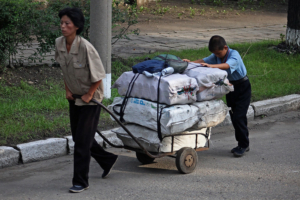
Charities Operating in North KoreaThe Democratic People’s Republic of Korea (DPRK), more commonly known as North Korea, is one of the most isolated and poorest countries in the world. Under the rule of Supreme Leader Kim Jong Un, the country has largely closed itself off from the rest of the world, relying heavily on China and Russia for its economic stability.
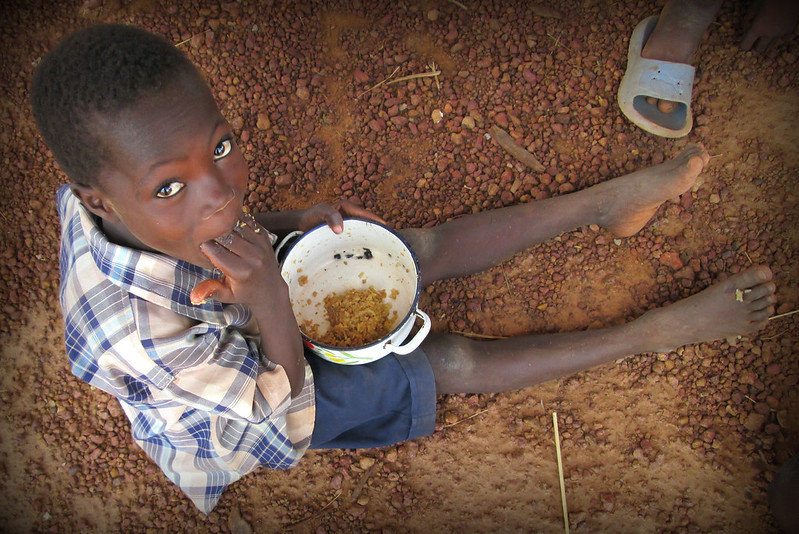
Many North Koreans suffer from many natural disasters and the lack of basic infrastructure and food systems to live stable, healthy lives. Nearly 40% of its population lives below the poverty line. Almost a quarter of the people lack access to enough food, which is a huge problem for children especially, many of whom are malnourished. Poor health among children because of a lack of food and water is perhaps one of the reasons for the 33% infant mortality rate.

However, because of the government’s strict control over people’s lives and strong sentiment against Western influence, it is difficult for many charities and non-profit organizations to work within the country. Yet, that does not mean North Korea is left alone. Here are five charities operating in North Korea and making a difference in communities.

Liberty in North Korea

Liberty in North Korea is a nonprofit organization that focuses on helping North Korean refugees escape and resettle either in South Korea or the United States. It is illegal for North Koreans to leave the country without their government’s permission, yet some are still risking their lives to escape North Korea’s authoritarian regime. However, if caught, Chinese authorities send them back to North Korea, where they face torture, imprisonment and even death. So Liberty in North Korea has become a “modern-day underground railroad” of 3,000 miles, helping refugees get safely to Southeast Asia and eventually South Korea or the United States.

World Vision International

World Vision International is another charity working in North Korea. It is a Christian relief charity that operates in 100 countries, and it started working in North Korea in 1994. Focusing on fighting poverty around the world, World Vision International has been focusing its relief efforts on North Korea.

Through its Food for Life project, which started in response to North Korea’s food shortage, World Vision International has focused on improving children’s nutrition in the country. It has steadily provided wheat flour, soy products and machines for that purpose. However, its long-term goal regarding nutrition is to equip the country to fulfil its food needs through agricultural development programs and technologies.

World Vision International has also built around 30 clean water systems and hygienic latrines in rural areas of North Korea, to help ensure clean drinking water for communities. And lastly, it focuses on providing emergency relief that includes food, supplies and medicine for the many impacted by the monsoons, landslides and flooding that occur regularly.

Christian Friends of Korea

Christian Friends of Korea is a Christian charity organization that ministers to the North Korean people. While it does strive to help North Korea’s infrastructure and energy systems, it has a very specific focus on treating tuberculosis (TB) and hepatitis patients. The lack of access to clean water has many consequences, including gastrointestinal diseases, malnutrition, weakened immune systems, and tuberculosis. Thus, Christian Friends of Korea has focused its mission on treating the numerous TB and hepatitis patients.

So far, the organization has supported more than 35 care centers, seven TB and hepatitis hospitals and almost 18 TB and hepatitis rest homes. Many of these medical centers are located in remote areas, where clean water is harder to get. Christian Friends of Korea has also given water filter buckets to communities to ensure clean drinking water.

Choson Exchange

Choson Exchange is a nonprofit organization that focuses on raising entrepreneurs in North Korea to enrich lives, drive innovation and financial stability in the country and help North Korea be a responsible global citizen. North Korean college students see business economics as essential for an improved future, but they lack the means and resources for practical experience and high level.

Many foreign professionals lead workshops and mentor young North Korean students to train them into capable, successful business leaders in their country. Many students have gone on to start their businesses or improve the marketing and production of existing products, which is a step in the right direction towards a higher living standard that these college students dream of.

Premiere Urgence Internationale

Premiere Urgence Internationale focuses on humanitarian and developmental programs in North Korea. Food insecurity has become a more pressing issue for North Koreans because of the COVID-19 pandemic and economic sanctions after the country’s nuclear activity. Authorities have been preparing for another famine like the 1990s “Arduous March,” which killed an estimated 1 million people. Nearly 70% of the population relies on food distributions from the government.

To help with this food problem, the charity organization has specifically focused on improving the nutrition of communities. By developing the goat industry on collective farms as well as at agricultural universities, Premiere Urgence Internationale works to diversify communities’ diets and improve their nutrition through goat milk production. It has also done the same through vegetables and soybean products.

For example, one project supplied a glass of milk or yogurt to children in North Korea’s southern Hwanghae Province. After Premiere Urgence Internationale helped build the infrastructure, supply the equipment, train the workers and set up the manufacturing units, since 2015 workers have been keeping up the soy milk and yogurt production without the organization’s help to give to the communities. However, COVID-19 has impacted Premiere Urgence Internationale’s work in North Korea, leaving its work in the country uncertain as of now.

These five charities and others operating in North Korea are helping people to steadily improve their lives. It may take time, but these charities operating in North Korea are proof that there is progress.

– Hannah Chang

Hannah is based in Philadelphia, PA, USA and focuses on Good News for The Borgen Project.

Photo: Flickr

July 31, 2024
https://borgenproject.org/wp-content/uploads/borgen-project-logo.svg 0 0 Jennifer Philipp https://borgenproject.org/wp-content/uploads/borgen-project-logo.svg Jennifer Philipp2024-07-31 01:30:552024-07-30 03:23:21Charities Operating in North Korea
Food & Hunger, Global Poverty, Nonprofit Organizations and NGOs

3 Organizations Fighting World Hunger

Organizations Fighting World HungerGlobally, approximately one in 10 people go to bed hungry each night and nearly 3 billion cannot afford a healthy, nutritious diet. Numerous organizations around the world dedicate significant effort to solving this issue, aiming for a future where no one faces hunger. Here are three organizations fighting world hunger.

The Hunger Project

The Hunger Project, operating in Africa, Asia and Latin America, employs a three-point strategy to combat world hunger. Initially, the organization empowers women by providing resources, information and personal freedoms, recognizing that regions with more autonomous women often see higher education rates, improved health and increased agricultural productivity. Subsequently, The initiative equips all community members with essential skills to enhance local opportunities, offering training in literacy, numeracy, healthy eating and local laws. This empowers individuals to lead healthy, successful lives and ensures their voices are influential in governance. The final phase involves workshops that encourage community members to propose improvements for their area and assign specific tasks to realize these visions, fostering a sense of self-efficacy and ongoing advocacy. This approach has notably reduced severe hunger by 25% in the regions where The Hunger Project operates.

Action Against Hunger

Action Against Hunger actively combats global hunger, operating in Africa, Asia, the Middle East, Europe and the Americas. This organization collaborates closely with members of the British Parliament and influential organizations to address the impact of conflict on food security. Between July 2023 and January 2024, Action Against Hunger engaged in strategic discussions with United Nations agencies and government representatives to explore solutions to hunger exacerbated by conflict and identify obstacles to implementing these solutions. In Jan. 2024, the organization participated in discussions with the International Development Committee about the United Kingdom’s efforts to combat world hunger. Additionally, in May 2024, it joined a debate in the House of Lords focusing on food insecurity due to conflict. Beyond advocacy, Action Against Hunger also implements direct interventions, exemplified by its volunteers in Gaza who delivered essential nutrients to 13,000 mothers and babies.

CARE International

CARE International, operating across Africa, Asia and the Pacific, Latin America and the Caribbean, Europe and the Middle East, employs a five-step strategy to combat world hunger. This strategy includes maintaining healthy ecosystems and securing financial stability, enhancing farmer productivity to increase food availability, ensuring that all community members, particularly marginalized groups and women, have necessary rights and opportunities and equipping communities with the tools to withstand challenges like extreme weather. This holistic approach aims to significantly improve lives. As of 2023, CARE has aided 34 million people through 647 projects targeting world hunger and aims to reach 75 million people by 2030.

Looking Ahead

The fight against global hunger involves concerted efforts from numerous organizations, each playing a vital role in addressing food insecurity. The Hunger Project has made significant strides by empowering women and communities to foster local development and reduce severe hunger. Action Against Hunger collaborates with governments and international bodies to address the impacts of conflict on food security, while CARE International employs a comprehensive strategy to enhance farmer productivity and community resilience. Together, these organizations are fighting world hunger and aiming to create a future where everyone has access to a nutritious diet.

– Sue-Joyce Headon

Sue-Joyce is based in Liverpool, UK and focuses on Good News and Celebs for The Borgen Project.

Photo: Flickr

July 30, 2024
https://borgenproject.org/wp-content/uploads/borgen-project-logo.svg 0 0 Precious Sheidu https://borgenproject.org/wp-content/uploads/borgen-project-logo.svg Precious Sheidu2024-07-30 07:30:132024-07-29 09:29:163 Organizations Fighting World Hunger
Developing Countries, Global Poverty, Nonprofit Organizations and NGOs

Nonprofits Helping the Indian Tribal Communities of Karnataka

Indian Tribal Communities of KarnatakaThe Karnataka state in India is home to more than 4 million tribal people from 14 tribes. These individuals live in severe poverty due to centuries of neglect and segregation, resulting in minimal resources. The tribes face significant challenges, from food scarcity to inadequate education and health care. Despite their impoverished conditions, nonprofit organizations are working hard to amplify their voices and meet their basic needs. Below are two nonprofits dedicated to helping the Indian tribal communities of Karnataka.

Bridges of Sports

This organization started in 2016 and aims to guide many tribal athletes. Many tribal individuals are extremely fast barefoot runners. However, they do not have the guidance or mentorship to compete or fully utilize their amazing athletic abilities. Bridges of Sports provides these athletes with proper resources, training and advice to beat state, world and university records. Bridges of Sports is benefiting the Indian tribal communities of Karnataka by recognizing their potential. The organization leverages their strengths to create opportunities that can transform their lives.

By addressing their needs and providing support, the organization is helping these communities overcome neglect and build a better future. More than 100 children have been supported, 200 medals have been awarded and the organization has produced three of the fastest Indians. In addition, by giving these Indian tribal athletes a spotlight, many have received higher education. Bridges of Sports has made a large positive impact on the vulnerable communities of Karnataka.

Friends of Tribals Society

The organization was established in 1989 and strives to uplift and empower the tribal communities impacted by poverty. Many of these tribes are located in Karnataka, India. Friends of Tribals Society provides individuals with good education and discusses “primary education, health care education, development education, awareness education and sanskar education.” The organization has 37 chapters across India and has taught more than 1.3 million students in its 35 years of service.

Final Remark

While the issues of poverty and neglect facing the Indian tribal communities of Karnataka are prevalent, it is important to recognize the work that is being undertaken. Currently, there are not many nonprofits helping the Indian tribal communities of Karnataka, but Bridges of Sports and Friends of Tribals Society have made significant impacts on these communities.

Bridges of Sports focuses on nurturing sports talent among tribal children, providing them with training and opportunities to excel and become the fastest athletes. Friends of Tribals Society, on the other hand, emphasizes education, health care and sustainable development, working toward the holistic upliftment of these communities.

Through more media coverage and awareness, these organizations show that the Indian tribal communities of Karnataka are slowly starting to escape from the poverty cycle. The efforts of these nonprofits not only improve the immediate living conditions but also pave the way for a brighter future for the next generation, fostering hope and resilience among the tribal populations.

– Poppy Duggal

Poppy is based in Singapore and focuses on Good News for The Borgen Project.

Photo: Flickr

July 29, 2024
https://borgenproject.org/wp-content/uploads/borgen-project-logo.svg 0 0 Lynsey 2 https://borgenproject.org/wp-content/uploads/borgen-project-logo.svg Lynsey 22024-07-29 01:30:222024-07-28 05:41:26Nonprofits Helping the Indian Tribal Communities of Karnataka
Agriculture, Global Poverty, Nonprofit Organizations and NGOs

KickStart International: Lifting Farmers out of Poverty with Irrigation

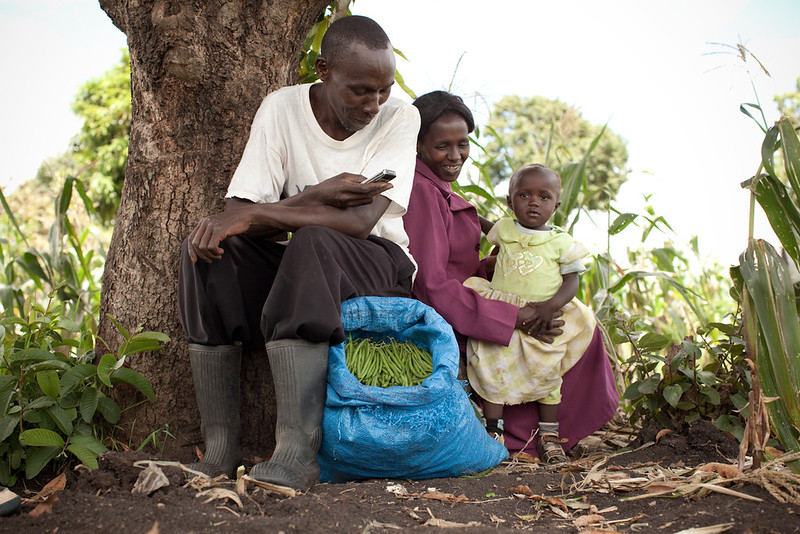
KickStart International: Lifting Farmers out of Poverty with IrrigationIn sub-Saharan Africa, 80% of those living in extreme poverty are farmers, largely because they depend on rainfall for irrigation, allowing only one or two harvests annually. Unpredictable weather and frequent droughts devastate crops, stripping small-scale farmers of their income. Since all farmers plant and harvest simultaneously, the market floods when crops mature, plummeting prices and profits. Addressing these challenges, KickStart International equips farmers with irrigation pumps that draw water from six meters underground, enabling year-round farming. This technology stabilizes income by mitigating reliance on seasonal rainfall and helps farmers avoid market saturation’s economic pitfalls.

The Impact of Irrigation on Farming

Irrigation pumps, though effective, are expensive and underutilized in sub-Saharan Africa, with only 4% of farmers employing this technology. Most farmers depend on seasonal rainfall, which limits crop production to certain times of the year. Irrigation enables year-round farming, boosting crop output and profits, stabilizing market conditions and eliminating the “hungry season” when food scarcity peaks due to reduced rainfall. KickStart International highlights the transformative impact of irrigation: families who install these systems see an average farm income increase of 370% within the first 18 months and 1,230% after five years, marking significant economic advancements for those adopting the technology.

KickStart’s Sustainable Business Model

KickStart International collaborates with farmers and local businesses to create sustainable supply chains for irrigation pumps rather than distributing them for free. As a nonprofit, KickStart works with manufacturers, importers and distributors who profit by selling these pumps at affordable prices. This model fosters sustainable solutions and builds a self-sustaining market ecosystem. By establishing a profitable, independent supply chain that includes importers, distributors, retail shops and service providers, it creates a robust infrastructure. This system enables farmers to learn about irrigation, purchase pumps and obtain spare parts and services, ensuring longevity beyond KickStart’s direct involvement, explains KickStart. The organization respects existing markets, opting not to sell in areas where a local supply chain already exists.

Educating Farmers About Irrigation

Many small-scale farmers do not realize that irrigation is a viable and affordable option. KickStart International actively promotes irrigation practices through live demonstrations, advertisements on television and radio and public educational events. The organization collaborates with many partners, including UNICEF, the World Food Programme and other prominent nonprofits, to increase awareness about the benefits of irrigation.

KickStart’s Innovations and Recognition

KickStart’s Innovations Hub in Nairobi, Kenya, continues to develop products that provide unique value additions for farmers and significantly improve the affordability, efficiency and impacts of existing products. The organization is also launching a program that allows farmers to rent irrigation pumps instead of buying them. Under this plan, Irrigation Agents—individual sellers—can potentially earn income by renting out the equipment. Meanwhile, farmers can increase their profitability sufficiently to buy a pump for the next growing season.

KickStart International’s success is noteworthy. Martin Fisher, the co-founder, has earned recognition as a Time European Hero. Fisher also appeared on the Forbes Impact 30 List, among other honors. Since its inception in 1991, the nonprofit has lifted 1.5 million people out of poverty, enabled the production of enough irrigation-grown crops to feed 15 million people and generated $210 million in profits for small-scale farmers.

– Maren Fossum-Wernick

Maren is based in St. Paul, MN, USA and focuses on Global Health and Politics for The Borgen Project.

Photo: Flickr

July 28, 2024
https://borgenproject.org/wp-content/uploads/borgen-project-logo.svg 0 0 Precious Sheidu https://borgenproject.org/wp-content/uploads/borgen-project-logo.svg Precious Sheidu2024-07-28 03:00:192024-07-27 09:59:04KickStart International: Lifting Farmers out of Poverty with Irrigation
Aid, Nonprofit Organizations and NGOs, Poverty Reduction

Alleviating Poverty in Honduras

How Honduras is Working Toward Alleviating Poverty In March 2024, more than 60% of Honduras was living in poverty, prompting urgent action to address the crisis. The World Bank reports that, as of 2022, 52.4% of the population lived on less than $6.85 per day. The situation worsened following Hurricanes Eta and Iota in 2020, which displaced 368,000 people and forced 200,000 into makeshift shelters. Additionally, the COVID-19 pandemic led to a 7% drop in GDP. Poverty is particularly severe in rural areas, where 40% of the Honduran population resides. These alarming statistics also highlight concerns about water quality in the country.

Water Crisis and Educational Challenges

According to the 2019 National Survey of Demography and Health, only 50% of Hondurans have access to clean, e-coli-free water. The pandemic and Hurricanes Eta and Iota exacerbated these ongoing issues by damaging critical infrastructure and restricting access to water systems.

As of March 2023, official data revealed 14% of Hondurans could not read or write. Additionally, a study by Bless the Children found that children typically require 9.4 years to complete grades one through six. Financial struggles within families often force children to contribute to household income, significantly complicating their ability to balance school and work.

Government Initiatives Alleviating Poverty in Hondorus

In 2020, along with the United Nations Development Programme (UNDP), the Honduran government launched the Single Voucher Program, supporting families struggling particularly from the pandemic. This initiative gave families a one-time voucher of $82 that can be redeemed for food, medicine and/or medical supplies. 

As of 2022, the Inter-American Development Bank approved a $75.9 million loan outlined to support 50,000 households through conditional cash transfers and 165,000 children through nutrition and early child development programs. This loan also works toward keeping children in school until seventh grade, at least. This loan is meant to be dispersed over four years. Honduras has collaborated with various international organizations to improve living conditions.

Nonprofit Initiatives

Food for the Poor, a nonprofit organization, actively improves water quality in areas affected by Hurricanes Eta and Iota. Immediately following the disasters, it installed temporary emergency water treatment systems in Bosques de Santa Lucia, Campo Las Flores and Los Achiotes. In Bosques de Santa Lucia, the organization provided 145 families with safe running water and functioning toilets. Additionally, in Campo Las Flores, Food for the Poor has diligently repaired damaged equipment and pipes affected by the hurricanes.

JustOne International has significantly boosted high school graduation rates in Aguas del Padre, Honduras. Since beginning its mission in 2019, the community has seen a 600% increase in graduation rates, with 89% of graduates advancing to higher education or securing high-paying jobs. This organization is making a substantial impact by helping thousands of young Hondurans complete their education.

Looking Ahead

As the country faces widespread issues, various initiatives are showing promise in alleviating poverty in Hondorus. Efforts by the government, supported by international organizations like the UNDP and the Inter-American Development Bank, are providing essential aid and educational support to vulnerable families and children. Nonprofits like Food for the Poor and JustOne International play crucial roles in improving water quality and boosting educational outcomes, respectively. These ongoing efforts aim to create a more resilient and self-sustaining future for Honduras.

– Madeline Rozmus

Madeline is based in Greenwich, CT, USA and focuses on Good News and Global Health for The Borgen Project.

Photo: Flickr

July 28, 2024
https://borgenproject.org/wp-content/uploads/borgen-project-logo.svg 0 0 Precious Sheidu https://borgenproject.org/wp-content/uploads/borgen-project-logo.svg Precious Sheidu2024-07-28 01:30:482024-07-30 10:52:17Alleviating Poverty in Honduras
Page 17 of 60«‹1516171819›»

Get Smarter

  • Global Poverty 101
  • Global Poverty… The Good News
  • Global Poverty & U.S. Jobs
  • Global Poverty and National Security
  • Innovative Solutions to Poverty
  • Global Poverty & Aid FAQ’s
Search Search

Take Action

  • Call Congress
  • Email Congress
  • Donate
  • 30 Ways to Help
  • Volunteer Ops
  • Internships
  • Courses & Certificates
  • The Podcast
Borgen Project

“The Borgen Project is an incredible nonprofit organization that is addressing poverty and hunger and working towards ending them.”

-The Huffington Post

Inside The Borgen Project

  • Contact
  • About
  • Financials
  • President
  • Board of Directors
  • Board of Advisors

International Links

  • UK Email Parliament
  • UK Donate
  • Canada Email Parliament

Get Smarter

  • Global Poverty 101
  • Global Poverty… The Good News
  • Global Poverty & U.S. Jobs
  • Global Poverty and National Security
  • Innovative Solutions to Poverty
  • Global Poverty & Aid FAQ’s

Ways to Help

  • Call Congress
  • Email Congress
  • Donate
  • 30 Ways to Help
  • Volunteer Ops
  • Internships
  • Courses & Certificates
  • The Podcast
Scroll to top Scroll to top Scroll to top