Food Systems in Singapore
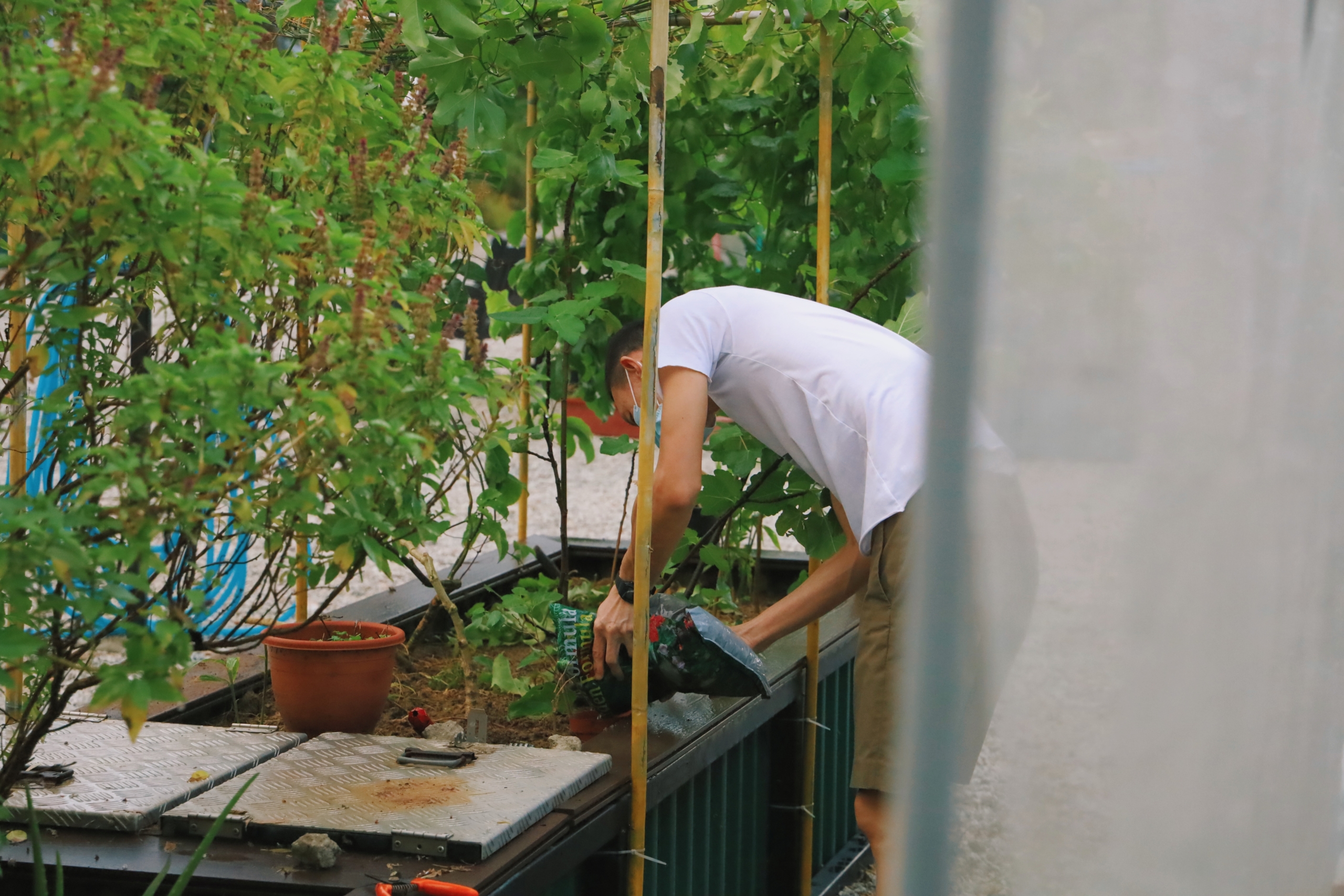 Singapore is a nation known for its breathtaking sights and bustling city life. It is considered to be a high-income country with one of the world’s highest-ranking economies. As of 2017, its gross national income was $54,530 per capita. While poverty may not be the first thing to come to mind when thinking of the small island nation, it remains a social challenge of high importance. Although there is no official poverty line, it has been found that 10% of family homes earn as little as $1,323 a month. In the face of this, innovative food systems in Singapore are helping the poor by granting access to more affordable, locally grown food, as well as a growing new industry for jobs.
Food Security Through Innovation
With limited land for agriculture, Singapore has historically relied on imports, with more than 90% of food coming from various outside sources. However, such a system leaves the country highly vulnerable to disruptions in the supply chain, leading the government to seek alternative solutions that not only secure the nation’s food supply but also greatly benefit the poor.
Some of the newly instituted food systems in Singapore include a vertical growth system, allowing for maximized use of resources within a controlled environment. Another example is the 30 x 30 goal, which aims to produce 30% of food locally by the year 2030. The government is leaving no stone unturned in attempting to fulfill this initiative, investing in cutting-edge technologies like hydroponics and aeroponics that work to optimize production.
Poverty Alleviation and the Job Industry
Ultimately, these food systems in Singapore are working toward the global goal of alleviating poverty. In the case of a supply chain disruption, the poor would likely be affected the most. The Food Bank Singapore found that 10.4% of surveyed households had experienced food insecurity in a 12-month period between 2018 and 2019. By securing the country’s food supply, the government ensures that those in poverty can feel safer knowing that food will continue to be accessible at all times and as affordable as possible.
Low-income individuals can gain skills and knowledge by participating in the urban farming industry and related sectors. For those struggling with poverty, being part of a farming project can provide a sense of purpose, skill development and access to healthy food. Not only can the food initiative provide a wealth of jobs for those who need them most, but it also plants the seeds for a pathway out of poverty through hard work and determination.
Education plays a vital role in sustainable food practices and poverty reduction. Singapore has embraced this by implementing educational programs that raise awareness about nutrition, waste reduction and responsible consumption. By equipping residents with knowledge about healthy food choices and reducing food waste, these programs contribute to healthier and more economically stable communities.
Looking Ahead
By developing sustainable farming initiatives and new food systems in Singapore, the government is creating a sense of social engagement and empowerment for marginalized communities and individuals. Despite its relatively low levels of poverty to start with, Singapore takes the issue seriously, providing an example for the rest of the world — by working to end poverty, it takes another crucial step in the path toward becoming a truly inclusive and equitable society.
– Namit Agrawal
Photo: Unsplash
