• Link to X
  • Link to Facebook
  • Link to Instagram
  • Link to TikTok
  • Link to Youtube
  • About
    • About Us
      • President
      • Board of Directors
      • Board of Advisors
      • Financials
      • Our Methodology
      • Success Tracker
      • Contact
  • Act Now
    • 30 Ways to Help
      • Email Congress
      • Call Congress
      • Volunteer
      • Courses & Certificates
      • Be a Donor
    • Internships
      • In-Office Internships
      • Remote Internships
    • Legislation
      • Politics 101
  • The Blog
  • The Podcast
  • Magazine
  • Donate
  • Click to open the search input field Click to open the search input field Search
  • Menu Menu

Archive for category: Natural Disaster

Global Poverty, Natural Disaster, Nonprofit Organizations and NGOs

Gilgit Baltistan Floods 2025: A Voice From the Village

Gilgit Baltistan FloodsFrom June to September 2025, Pakistan experienced one of the deadliest floods in its history. More than 1,000 people lost their lives, 274 of them children. On July 13, 2025, a cloudburst occurred in Gilgit Baltistan, followed by floods that isolated villages and blocked key highways.

The Borgen Project spoke with a 20-year-old girl, Eman Khan from Ghizer, who experienced firsthand the devastating impact of the floods, including the loss of essential family documents.

Warning Signs and Immediate Reactions

A cloudburst triggered the Gilgit Baltistan Floods of July 13. According to the Gilgit-Baltistan Disaster Management Authority, the floods damaged 13 houses, destroyed farmland and washed away irrigation channels. The floods also blocked the Gilgit–Ghizer Highway and isolated communities.

Khan told The Borgen Project that the day began with no major warning signs. The clouds, however, seemed unusually dark and the heavy and intense rain turned into a cloudburst within minutes. According to Khan, while Gilgit experiences seasonal floods, this cloudburst’s sheer force and speed were unlike anything she had witnessed before.

After the cloudburst, the first instinct, she recalled, was to rush outside, gather the family in one safe spot, call the children and move to higher ground as quickly as possible.

Khan said her family stayed calm during the crisis and avoided the river. They then took shelter at a relative’s house, which was built on slightly higher land. Khan added that the neighbors were also very helpful, shouting warnings to each other, helping evacuate children and older adults and sharing food and blankets with families that had to leave their homes.

Damage, Loss and Recovery

Khan told The Borgen Project that the Gilgit Baltistan Floods occurred in a sequence of a cloudburst followed by subsequent floods. The Gilgit Baltistan floods partially destroyed homes, washed away fields of crops, blocked roads and swept electricity poles into the water.

She added that her family lost some household belongings and important family documents. Other villagers lost livestock and stored food they depended on. Despite devastation, Khan said the community showed strong unity and support; people opened their homes to those displaced, cooked meals together and organized local volunteers to clear debris.

In the aftermath of the Gilgit Baltistan Floods, NGOs and local administration sent emergency relief, including food supplies, tents and medical aid. Volunteers from youth groups also played a vital role in rescue and relief work.

Impacts and Future Prospects

Khan shared that the Gilgit Baltistan Floods made her realize how vulnerable her family is in front of the forces of nature. She now recognizes the importance of preparedness and deeply respects the environment.

In the future, she hopes for better adaptive strategies in disaster-prone areas, including early warning systems, flood defences, stronger infrastructure and long-term support for rebuilding livelihoods. Above all, she hopes for a future where children are safe when disasters strike.

– Sidra Tahir

Sidra is based in Rawalpindi, Pakistan and focuses on Technology and Politics for The Borgen Project.

Photo: Pexels

October 10, 2025
https://borgenproject.org/wp-content/uploads/borgen-project-logo.svg 0 0 Lynsey 2 https://borgenproject.org/wp-content/uploads/borgen-project-logo.svg Lynsey 22025-10-10 01:30:472025-10-09 03:16:12Gilgit Baltistan Floods 2025: A Voice From the Village
Global Poverty, Natural Disaster, Technology

FloodWatch India 2.0: Fighting Against Floods in India

FloodWatch India 2.0India’s rich diversity and vast landscape have long been admired. However, every monsoon season leaves behind a trail of devastation, damaged roads, displaced communities, lost lives and billions of rupees in property damage. Out of the country’s 329 million hectares of geographical area, 40 million hectares are flood-prone, particularly across the Indo-Gangetic-Brahmaputra plains. In the past decade alone, India has suffered damages worth approximately $540 million.

To address these recurring challenges, the National Disaster Management Authority (NDMA) has turned to technology. The government’s tech-driven fight against floods in India using apps, mapping and smarter alerts represents a shift toward proactive preparedness and citizen-focused safety measures.

FloodWatch India 2.0: Real-Time Alerts at Scale

In the wake of the frequent floods, the government of India launched a revolutionary real-time flood alert app, FloodWatch India 2.0. The key features of the app are as follows:

  • Real-Time Forecasting
    • The app gives live updates from 592 monitoring stations, a big jump from the earlier 200.
    • These stations track rainfall, river levels and water flow, which helps generate accurate flood forecasts.
  • Reservoir Tracking
    • It monitors the storage levels of 150 major reservoirs across India.
    • Since these reservoirs are critical for drinking water, irrigation and power, this feature helps people anticipate risks of overflow and downstream flooding.
  • Advanced Flood Information
    • One of the standout features is its ability to predict the likely extent of submergence in flood-prone areas.
    • This gives citizens time to plan evacuations or take protective measures.
  • Comprehensive Coverage
    • The forecasts extend to regions downstream of the 150 nationally monitored reservoirs.
    • This ensures wider protection for vulnerable communities.
  • Technology & Working
    • Uses satellite data to analyse rainfall patterns, river conditions and other flood indicators.
    • Employs advanced mathematical models that combine real-time data, weather forecasts and historical trends.

GIS and Remote Sensing in Flood Risk Assessment

Geographic Information System (GIS) and remote sensing are widely used for identifying flood risk and vulnerability, as they allow the integration of digital elevation models, soil maps and historical rainfall data into regional development planning. These tools support pre-flood assessments, detection of prior floods and land use and land cover classification.

Flood risk maps are often created using compound hazard and vulnerability indices together with methods like the Analytical Hierarchy Process (AHP), which highlight high-risk zones such as in the Gangetic basin and flood-prone areas of Assam. Such approaches show that remote sensing and GIS are effective in minimizing runoff, supporting rainwater harvesting and preparing communities for potential disasters.

Advanced techniques are also being applied to improve accuracy and coverage. Remote sensing has been combined with clustering algorithms and multi-temporal satellite data to identify flood hotspots across south Asia, while integrated systems using machine learning with AHP generate detailed hazard maps that reflect varying vulnerability levels.

In urban areas, GIS and field surveys are applied to address drainage challenges, such as those along the Yamuna in Delhi. Other methods include using drainage density, slope and land use data to estimate flood risk or analysing time-series satellite images in data-deficient regions. Some approaches also incorporate community perception and mitigation measures into risk assessment, offering a more holistic understanding of hazards and ensuring that flood management strategies are both data-driven and socially responsive.

Floods, Food Security and Poverty in India

Floods are not only a humanitarian crisis but also a threat to economic and food security. Between 1900 and 2020, the country faced more than 300 floods that displaced 30 million people annually and caused more than 1,500 deaths each year. The 2013 Uttarakhand floods alone claimed more than 6,000 lives and caused losses exceeding $3.8 billion.

Such events disrupt food production, storage, access and utilization, directly undermining food security. This vulnerability feeds into poverty cycles, as families lose both food and income when crops, livestock and livelihoods are destroyed. Rural areas, with fragile housing and limited infrastructure, face prolonged recovery, while cities like Delhi and Chennai struggle with dense populations and inadequate drainage.

Weak early warning systems worsen the toll. Addressing these challenges requires resilient infrastructure—stronger drainage networks, flood barriers and durable housing—that can reduce damage and speed recovery. By breaking the cycle of flooding, hunger and poverty, India can strengthen long-term resilience.

A Technology-Backed Future

India’s reliance on technology, for example, FloodWatch India 2.0, demonstrates a clear evolution in disaster management. The integration of tech-driven fight against floods highlights not just preparedness but also resilience. As climate instability intensifies extreme weather, these innovations will play a critical role in safeguarding communities, reducing economic losses and ensuring a more secure future.

– Chhahat Kaur Gandhi

Chhahat is in New Delhi, India and focuses on Business and New Markets for The Borgen Project.

Photo: Wikimedia Commons

October 7, 2025
https://borgenproject.org/wp-content/uploads/borgen-project-logo.svg 0 0 Lynsey 2 https://borgenproject.org/wp-content/uploads/borgen-project-logo.svg Lynsey 22025-10-07 03:00:582025-10-07 01:41:09FloodWatch India 2.0: Fighting Against Floods in India
Global Poverty, Natural Disaster, Nonprofit Organizations and NGOs

Earthquakes in Afghanistan: The International Response

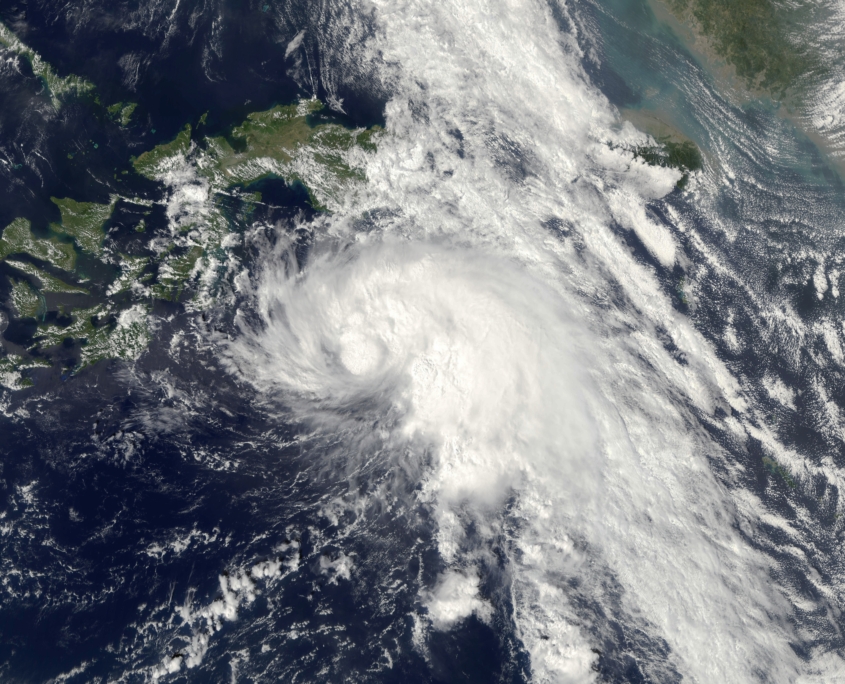
Earthquakes in AfghanistanThe recent earthquakes in Afghanistan have been deadly, with 2,205 people reported dead, according to the Taliban government. Three earthquakes struck the country over six days. Thousands of homes were destroyed and people were trapped in rubble, with up to 3,640 injured. The latest earthquake on Thursday, Sept. 4, had a magnitude of 5.6 and struck several areas near the Pakistan border. The area most damaged was Kunar, where 6,700 homes were destroyed. The previous earthquakes on Sunday, Aug. 31 and Tuesday, Sept. 2, impacted Afghans in the southeastern region of the country, leaving many displaced from their homes.

Survivors Share Their Stories

A resident in Kunar spoke about the effects of the earthquake on his family. Muhammad Israel said the earthquake buried his home, belongings and livestock. According to The Guardian, he said: “I barely got my children out of there. The earthquake jolts are still happening. It is impossible to live there.” Dr. Sahak, leader of the World Health Organization’s (WHO) emergency office, was at the scene to aid those injured. He arrived at Nurgal District on Monday afternoon and said he was unprepared for the devastation.

Thousands of civilians rushed to help victims and volunteer rescuers came from neighboring countries. Dr. Sahak described the scenes at the site: “We saw bodies in the street. They were waiting for the people to come in to bury them.” One survivor, Muhammed, age 60, told Dr. Sahak about the loss he had experienced. Dr. Sahak said the man had 30 family members living with him and 22 of them had died in the earthquake.

Earthquakes Deepen Poverty Crisis

A 2021 report from the United Nations Development Programme (UNDP) said that as much as 97% of Afghanistan’s population was at risk of falling below the poverty line, following what it called a “catastrophic deterioration” of the economy. New figures from the UNDP show that, as of 2024, 85% of Afghans live on less than $1 a day. An estimated 22 million Afghans are in a state of food crisis or emergency, according to Islamic Aid. The recent earthquakes have further exacerbated the country’s economic crisis, leaving thousands in eastern Afghanistan without homes or belongings.

The Impacts on Women in Afghanistan

Poverty for women in Afghanistan is extreme, with the Taliban’s restrictions not allowing women to work in most jobs. This has led to an estimated economic loss of between $600 million and $1 billion.  The United Nations (U.N.) has detailed the ongoing mental health crisis for women in Afghanistan due to the loss of rights. In Afghanistan, 8% of women have reported knowing a girl or woman who attempted suicide, with 68% saying they have “very bad” mental health.

U.N. Women believes that women and girls will be among the most affected by the recent earthquakes. After the 2023 earthquake in western Afghanistan, nearly two-thirds of those injured were women and almost six in 10 of those killed were women. Many women, so far, have been deeply affected by the most recent earthquakes in Afghanistan. And with the restrictions on women’s rights in the country, many women affected by these earthquakes in Afghanistan may fall further into poverty after losing their most beloved and belongings, with restrictions prohibiting them from helping provide for their families.

Response from Charities

  • United Nations Children’s Fund (UNICEF). The earthquakes in Afghanistan have destroyed entire villages, with thousands losing everything they own. Local UNICEF teams are working together to try to provide life-saving care and support to families, including medicine and clean water. It is also working with communities to build long-term resilience. The organization aims to restore schools and health care systems, as it did in 2023 after the earthquake in western Afghanistan.
  • Islamic Aid. For more than two decades, this charity has been providing civilians in Afghanistan with the help they need. Even in the tough times of these earthquakes in Afghanistan, Islamic Aid continues its efforts to provide relief to those who need it the most. 
  • The Red Cross. For 30 years, the Red Cross has been helping the people in Afghanistan and has provided more than 47 health clinics and set up a 70-bed hospital in Kabul that has trained 2,500 volunteers. The charity named its volunteers the Red Crescent team. Members have travelled by helicopter and on foot to the hardest-hit earthquake sites. Volunteers of this aid team have been conducting search and rescue missions for those not found and are distributing relief aid throughout. While ambulances transport the injured to the overwhelmed Nangarhar Regional Specialist Hospital, volunteers on the ground are trying everything to keep victims alive.
  • The World Food Programme (WFP). WFP is providing people affected by the earthquakes with biscuits and needed supplies. The charity has also set up logistics to help with moving mobile storage tents to support the broader humanitarian response. Its air service is operating flights to transport staff and supplies. 

Looking Ahead

Despite the devastation, international organizations are stepping in to provide lifesaving aid and long-term recovery support for Afghans affected by the earthquakes. From emergency food and medicine to rebuilding schools and health care systems, these efforts highlight how global cooperation can bring hope and resilience to communities facing crisis.

– Alice Haston

Alice is based in Liverpool, UK and focuses on Good News and Global Health for The Borgen Project.

Photo: Flickr
October 3, 2025
https://borgenproject.org/wp-content/uploads/borgen-project-logo.svg 0 0 Precious Sheidu https://borgenproject.org/wp-content/uploads/borgen-project-logo.svg Precious Sheidu2025-10-03 03:00:292025-10-03 03:58:04Earthquakes in Afghanistan: The International Response
Global Poverty, Natural Disaster

Organizations Assisting Mongolia After the Catastrophic Dzud

DzudKnown locally as the ‘white death’, a dzud is an extreme weather event that occurs in Mongolia when a harsh winter follows a summer drought. Temperatures can plummet to below -30 degrees and heavy snowfall blankets the country. Traditionally occurring every few years, climate change has impacted the frequency of this catastrophic weather event, causing some regions to experience it annually. The consequences can be particularly devastating for rural populations who rely on livestock for food and income.

The Impact of Dzud

The winter of 2022-2023 was particularly brutal. Mongolia saw 90% of its territory covered in a thick layer of snow, making it the heaviest snowfall the country had seen in 49 years. Millions of livestock died from the extreme cold, but many also died of malnutrition as only a minimal amount of food had been cultivated over the summer months due to the droughts the country faced. Unfortunately, it is the country’s herding population that suffers the hardest impact. The death of livestock often means a loss of livelihood for many, as it is through selling their produce that many families make a living.

The heavy snow also makes it difficult to get to markets during the winter and the reduction in food supply drives up market prices, making many at risk of suffering from malnutrition. According to the World Health Organization (WHO), 5.9 million people died in 2023 as a result of the dzud and 9% of the country’s total herd was lost.

When the snow eventually melts, the remaining water leads to widespread flooding across the country. These floods cause further destruction, damaging infrastructure and grazing land, while also increasing the risk of food and waterborne diseases, particularly in poorer regions with simple sanitation systems. The dzud is therefore not only a natural disaster but also a social and economic crisis.

Ongoing Intervention Efforts

Many aid organizations and government officials have been assisting the country. The WHO and World Bank have collaborated with the Mongolian Ministry of Health to ensure those in rural areas receive the help they need. Frontline health workers with medical supplies and the capacity to offer psychological support to those affected have been offering aid in the 21 affected provinces.

The World Bank has also been working alongside the meteorological and environmental monitoring agency to compile a comprehensive disaster risk financing strategy. Weather data gathered is used to trigger the release of funding ahead of catastrophic weather events, ensuring herding families are protected with financial assistance before the dzud even begins.

One year after the 2024 dzud, the Mongolian Red Cross Society has been particularly helpful. It has continued to help herder households get back on their feet, delivering critical humanitarian assistance where needed and offering services such as psychological support to the families who suffered the hardest hit.

Looking Ahead

The dzud remains one of Mongolia’s most pressing climate challenges, threatening both livelihoods and long-term stability. Yet the efforts of organizations like the WHO, World Bank and Mongolian Red Cross Society show that early intervention, social protection programs and community support can make a difference.

– Niamh Trinder

Niamh is based in Leicester, UK and focuses on Good News for The Borgen Project.

Photo: Flickr

September 28, 2025
https://borgenproject.org/wp-content/uploads/borgen-project-logo.svg 0 0 Precious Sheidu https://borgenproject.org/wp-content/uploads/borgen-project-logo.svg Precious Sheidu2025-09-28 01:30:342025-09-28 00:48:53Organizations Assisting Mongolia After the Catastrophic Dzud
Global Poverty, Natural Disaster, Technology

Early Warnings for All (EW4All): Global Alert Systems

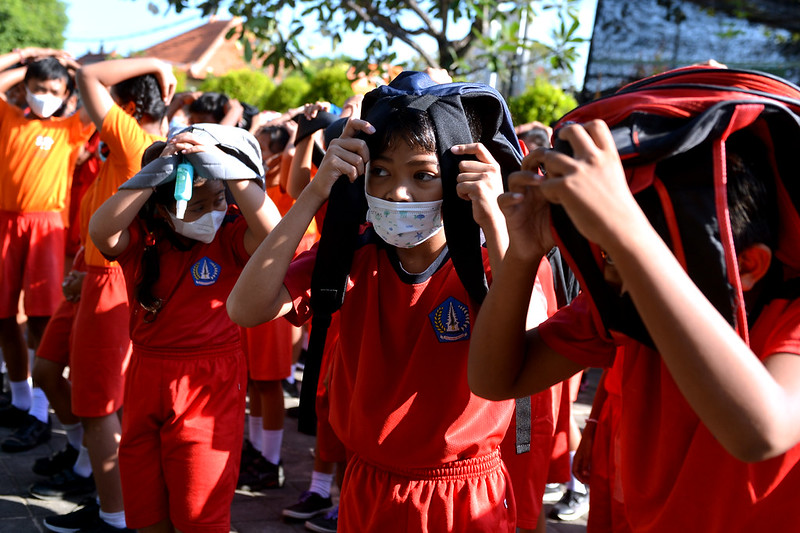
ew4allIn February 2025, a grandmother in Bua, Fiji, received a single text message: “Evacuate to higher ground.” She gathered her grandchildren and left just hours before a flash flood consumed the riverbanks. That text saved five lives. Fiji secured a grant of FJ$29 million ($12.9 million) from the Green Climate Fund in support of the Early Warnings for All initiative (EW4All), bringing life-saving alerts within reach of the most vulnerable

What is Early Warnings for All

Launched by U.N. Secretary-General António Guterres in 2022, the EW4All seeks to ensure that every person on Earth is safe thanks to a life-saving multi-hazard early warning system by the end of 2027.

The effort is a direct response to the growing frequency and severity of climate-related disasters. Indeed, from cyclones in the Pacific to droughts in East Africa, communities on the frontlines of natural disasters often have little or no time to prepare. By combining meteorological science, technology, and local preparedness, EW4All aims to close this protection gap worldwide.

A Comprehensive, Multi-Pillar Approach

The initiative is co-led by the World Meteorological Organization (WMO) and the United Nations Office for Disaster Risk Reduction (UNDRR), with support from the International Telecommunication Union (ITU) and the International Federation of Red Cross and Red Crescent Societies (IFRC)

Together, these organizations oversee four essential, end-to-end pillars:

  • Disaster risk knowledge (UNDRR) — mapping hazards and vulnerabilities so communities understand their risk.
  • Detection, observation, monitoring, analysis, and forecasting (WMO) — ensuring accurate, timely climate and weather predictions.
  • Warning dissemination and communication (ITU) — ensuring alerts reach people through mobile networks, radio, and other channels.
  • Preparedness and response capabilities (IFRC) — enabling communities to take action before a hazard strikes.

These pillars work together. Without accurate data, forecasts lose precision. Without effective communication, warnings go unheard. And without preparedness, even the best warnings cannot save lives.

Tangible Progress: Funding and Country-Level Action

In February 2025, the Green Climate Fund (GCF) approved a groundbreaking $103.2 million in grant financing to bolster EW4All systems in seven climate-vulnerable countries—Antigua and Barbuda, Cambodia, Chad, Ecuador, Ethiopia, Fiji, and Somalia—benefiting more than 26 million people.

This project, led by the United Nations Development Programme (UNDP), carries a total investment of $114.6 million, including $11.3 million in co-financing from IFRC, ITU, WMO, and national governments

In Fiji, the FJ$29 million ($12.9 million) grant focuses on expanding early warning coverage in remote areas, integrating hazard monitoring with local communication systems and providing training for

Why Early Warnings Matter and Deliver Impact

Early warning systems are among the most cost-effective tools in disaster risk reduction. The Global Status Report (2022) shows that countries with substantive-to-comprehensive early warning coverage experience eight times lower disaster mortality than countries with limited coverage.

Providing just 24 hours’ notice before a hazardous event can reduce damage by about 30% and investing $800 million in early warning systems in developing countries could avoid losses of $3–16 billion annually

Scaling Impact Through Partnerships

The EW4All initiative not only coordinates funding but also drives technical assistance and national policy support. The EW4All Advisory Panel, co-chaired by the heads of WMO and UNDRR, meets twice a year to assess progress, address gaps, and align resources.

On the technology front, ITU has mobilized partnerships with mobile operators such as GSMA, Safaricom and Telefónica to deploy cell-broadcast and location-based SMS in at-risk countries, ensuring alerts are not dependent on internet access.

In parallel, the IFRC works directly with communities to run evacuation drills, distribute preparedness kits, and ensure that warnings lead to action.

A Positive Forward Outlook

As natural disaster risks intensify, EW4All out as a global solution that saves lives while protecting livelihoods. By preventing deaths, reducing asset loss and maintaining community stability, EW4All indirectly supports poverty reduction. Disasters often push vulnerable households deeper into poverty; effective early warning systems break that cycle by enabling people to protect their homes, crops and sources of income.

With two years remaining until the 2027 deadline, progress is accelerating. From the Pacific Islands to the Horn of Africa, EW4All is laying the groundwork for a safer, more resilient future—where no one faces disaster without warning.

– Prayosha Patel

Prayosha is based in Gujarat, India and focuses on Technology and Solutions for The Borgen Project.

Photo: Flickr
August 22, 2025
https://borgenproject.org/wp-content/uploads/borgen-project-logo.svg 0 0 Naida Jahic https://borgenproject.org/wp-content/uploads/borgen-project-logo.svg Naida Jahic2025-08-22 07:30:102025-08-21 17:19:16Early Warnings for All (EW4All): Global Alert Systems
Global Poverty, Natural Disaster

Poverty and Cyclones in Madagascar

Cyclones in madagascarMadagascar, the world’s fourth-largest island, is a nation of vibrant cultures and unparalleled biodiversity. Yet beneath this rich surface lies a persistent dilemma: how to escape the cycle of poverty compounded by frequent and destructive cyclones in Madagascar. Strategically located in the Southwest Indian Ocean, Madagascar is among the 10 countries most exposed to cyclones, experiencing about two major storms annually.

These extreme weather events devastate lives, livelihoods and infrastructure, driving vulnerable communities further into destitution. More than 80% of Madagascar’s population lives in poverty, heavily reliant on rain-fed agriculture and thus acutely exposed to climate shocks. When cyclones strike, homes built with weak, cheap materials are easily destroyed. Farmlands flood, leading to food insecurity and rising prices. Damaged roads hinder access to markets, schools and health care. Families lose assets, children are pulled from school and human capital erodes.

Madagascar’s large informal sector, employing more than 80% of the workforce, is particularly vulnerable, with job losses plunging households into debt. To combat this, five cyclone resilience strategies are vital. These measures protect against climate shocks, foster long-term development and reduce poverty.

Averting Immediate Poverty Shocks

Early warning systems give communities time to prepare, evacuate and protect valuables, often determining whether families can recover or are pushed further into poverty.

  • Community-Based Networks. The United Nations Office for Disaster Risk Reduction (UNDRR) emphasizes involving communities in designing early warning systems. Training local volunteers, setting up focal points and using various communication channels, megaphones, radios, SMS and social media, ensures even remote areas get timely alerts. The International Federation of Red Cross and Red Crescent Societies (IFRC) helps strengthen these grassroots systems.
  • Technological Advancement and Accessibility. Satellite data, automated weather stations and partnerships with international agencies like Meteo-France and the World Meteorological Organization (WMO) improve forecast accuracy. Information has to be accessible across literacy levels and languages, offering clear, actionable steps. The African Development Bank’s ADRiFi program has installed weather stations to support preparedness in Madagascar.

Investing in Climate-Resilient Infrastructure

Cyclones consistently destroy infrastructure, cutting off communities, disrupting supply chains and stalling recovery. Investing in resilient infrastructure ensures continuity and reduces poverty impacts.

  • Build Back Safer Principles. Reconstruction should prioritize cyclone-resistant designs, like reinforced concrete, elevated foundations and durable roofs. The Shelter Cluster promotes “Build Back Safer” (BBS) strategies, including cash-for-shelter programs, so families rebuild stronger homes.
  • Critical Transport Networks. Roads and bridges are vital for trade, aid and recovery. Damaged infrastructure drives up food prices and deepens hardship. The World Bank’s Connecting Madagascar for Inclusive Growth Project (PCMCI) is expanding resilient transport systems and deploying modular bridges for emergencies.
  • Community Hubs as Shelters. Resilient schools and clinics can double as emergency shelters, preserving access to vital services. Caritas Madagascar helps repair such facilities, maintaining continuity in education and health care. ADRiFi has also supported classroom reconstruction and long-term human development.

Broadening Pathways Out of Poverty

Overdependence on subsistence agriculture makes communities highly vulnerable. Diversified livelihoods create buffers against crop failures and storm disruptions.

  • Climate-Smart Agriculture. Promoting flood- and drought-resistant crops, better irrigation and sustainable techniques enhances food security. The World Food Programme (WFP) supports projects like dam construction and climate-resilient farming to reduce vulnerability in Madagascar.
  • Nonfarm Income Generation. Vocational training in carpentry, masonry, crafts and small business management creates jobs beyond farming. Microfinance, especially for women, fosters entrepreneurship, offering income when crops fail.
  • Sustainable Fisheries and Aquaculture. Coastal communities can benefit from resilient fisheries, provided sustainable practices are used. Protecting marine ecosystems ensures fish populations endure cyclone disruptions.

Safeguarding Crucial Ecosystems

Ecosystems like forests and reefs act as natural buffers against cyclones. However, environmental degradation, often poverty-driven, removes these protections.

  • Reforestation and Afforestation. Mangroves and coastal forests reduce wind and water damage, protecting homes and farmland. Eden Reforestation Projects has planted millions of trees in Madagascar, linking environmental restoration with local employment. Community conservation groups like Mitsinjo promote sustainable land use and forest stewardship.
  • Wetland Restoration. Wetlands absorb floodwaters and filter pollutants, helping prevent disease. In Vatomandry, a town in Madagascar, an integrated landscape approach combines drainage and wetland restoration to reduce cyclone risks.

Reinforcing Social Safety Nets

Even with strong prevention measures, cyclones in Madagascar will continue. Social safety nets are essential to protect the most vulnerable and speed recovery.

  • Contingency Funds and Insurance. Madagascar has joined the African Risk Capacity (ARC) insurance program and created a National Contingency Fund, allowing fast access to recovery funds and reducing reliance on delayed aid.
  • Cash Transfers and Food Assistance. These directly support households post-disaster, allowing families to meet basic needs and avoid harmful coping strategies. The World Bank’s Safety Nets and Resilience Project supports targeted assistance. WFP provides emergency food aid and nutrition support, especially for children.
  • Community Networks and Microinsurance. Local disaster committees and informal support systems help direct aid where needed. Microinsurance for small farmers and informal workers provides a safety net, enabling recovery without deepening debt. CARE Madagascar works on community-driven disaster risk reduction.

A Sustainable Future

Madagascar’s fight against poverty cannot be separated from its climate vulnerability. Cyclones in Madagascar continually erase development gains. But by strengthening early warning systems, infrastructure, livelihoods, ecosystems and social protection, Madagascar can build resilience and chart a path to long-term prosperity. These strategies, rooted in community engagement and sustainability, offer a chance to break the cycle of poverty and forge a future where the nation survives storms and thrives beyond them.

– Anoushka Rai

Anoushka is based in Frisco, TX, USA and focuses on Good News and Technology for The Borgen Project.

Photo: Flickr
August 14, 2025
https://borgenproject.org/wp-content/uploads/borgen-project-logo.svg 0 0 Lynsey 2 https://borgenproject.org/wp-content/uploads/borgen-project-logo.svg Lynsey 22025-08-14 03:00:582025-08-13 15:53:20Poverty and Cyclones in Madagascar
Global Poverty, Homelessness, Natural Disaster

FSPK Offers Hope: Homelessness in Kiribati

Homelessness in KiribatiKiribati, an island country, contains 33 coral atolls scattered across the Central Pacific Ocean, only 20 of which people currently inhabit. These low-lying islands, with their highest points about three meters above sea level, rank among the most vulnerable to changing weather patterns. As seas rise and extreme weather events occur more and more frequently, homelessness in Kiribati is emerging as a growing humanitarian crisis.

The Impact of Climate on Homelessness in Kiribati

Recent World Bank research indicates that sea levels could rise by as much as 0.5 meters between 2070 and 2110, potentially flooding 50% to 80% of Kiribati’s major urban areas. But even ahead of this daunting statistic, climate-related disasters such as flooding and extreme weather events have already worsened the housing crisis.

In June 2025, the Kiribati National Statistics Office reported that 60% of households that experienced climate disasters in the past year sustained home damage, primarily due to strong winds and heavy rain. Nearly 4,000 people had to leave their homes, underscoring the urgent need for emergency housing and the growing challenge of homelessness in Kiribati.

Despite the challenges, most residents maintain a deep attachment to their land and traditions and are reluctant to leave. In response, the Foundation for the Peoples of the South Pacific Kiribati (FSPK) is a local nonprofit leading local efforts to combat homelessness and housing insecurity. Here are examples of three key initiatives making a difference today.

Modular Affordable & Climate-Resilient Housing Initiatives

In Kiribati’s crowded capital, families average 7.3 members and often live in open shacks packed closely together. Additionally, there are frequent land disputes, and many have resorted to creating their own sea walls made from coral as an attempt to hold off flood waters. To address these housing issues, FSPK partnered with Karmod to introduce modular, quick-build homes that offer sustainable, flood-resistant shelter for vulnerable communities. These serve as faster shelter solutions for vulnerable communities facing threats from rising seas. These homes are a direct response to the increasing homelessness in Kiribati, driven by sea-level rise and climate-related disasters.

Women & Youth-Driven Climate Resilience

Thanks to FSPK’s partnership with Action on Poverty, women and youth who past leadership excluded from decision-making in community planning are now leading community-based adaptation efforts. Resilience projects include digging freshwater wells and kitchen gardens, efforts which boost food and water security, and therefore reduce the need for forced, climate-related relocation. By deliberately targeting those most vulnerable to climate impacts and housing insecurity, the program empowers women and children to recognize their role in adaptation and building a more resilient future.

Advocacy for Government and Donor Support

In March 2025, FSPK co-developed a proposal in partnership with the Kiribati government, targeting an international climate finance mechanism called the Adaptation Fund Board. The proposal aims to secure funding for climate resilience efforts, specifically by engaging donor governments and mobilizing national and international NGO support. The proposal also highlights the impact of initiatives led by FSPK and local communities, and encourages ongoing government collaboration to develop scalable solutions.

Looking Ahead

Homelessness in Kiribati continues to rise as climate threats intensify, putting countless residents at risk. However, local organizations like FSPK, are leading effective solutions, bringing hope and stability to these vulnerable communities. To help ensure a safer future for Kiribati, supporting groups like FSPK and donating to climate-focused housing initiatives is more important than ever.

– Kaitlin Reed

Kaitlin is based in Austin, TX, USA, and focuses on Technology and Solutions for The Borgen Project.

Photo: Pexels

August 12, 2025
https://borgenproject.org/wp-content/uploads/borgen-project-logo.svg 0 0 Jennifer Philipp https://borgenproject.org/wp-content/uploads/borgen-project-logo.svg Jennifer Philipp2025-08-12 01:30:512025-08-11 11:17:59FSPK Offers Hope: Homelessness in Kiribati
Global Poverty, Innovations, Natural Disaster

Flood-Resistant Homes in Bangladesh Are Saving Communities

Flood-Resistant Homes in BangladeshRegarded as one of the world’s most climate-vulnerable countries, Bangladesh regularly faces floods and cyclones that displace thousands of families. However, local innovators in Bangladesh are leading efforts to confront and adapt to the country’s growing climate challenges.

While the climate crisis demands international cooperation, local innovators in Bangladesh are taking action by developing affordable, flood-resistant housing to combat displacement and poverty. These low-cost, climate-resilient homes are helping protect communities once devastated by extreme weather events.

The Flooding

Millions of people across Bangladesh, India and Nepal have been affected by flooding. This crisis is projected to worsen in the coming years. These disasters not only force families to abandon their homes and seek refuge in temporary shelters, but also contribute to the rapid spread of disease due to the unsanitary conditions of contaminated floodwaters.

The impact is devastating, with families reporting the loss of everything, from their homes and financial assets to, tragically, loved ones. Beyond the personal toll, these disasters have broader socioeconomic consequences, as local economies in Bangladesh suffer from reduced productivity and long-term disruption.

A New Home

Local Bangladeshi engineers and entrepreneurs are now designing flood-resistant homes as a way to adapt to recurring floods. Recognizing that reversing the climate crisis is a daunting challenge, many are choosing to develop practical, community-driven solutions instead.

One famous architect in Bangladesh has developed a two-story housing solution built on bamboo stilts. While cyclones are short-lived, many floods in Bangladesh can last for months, making it essential to design homes that can endure prolonged flooding.

Known as “Khudi Bari” or “tiny house,” these low-cost flood-resistant homes in Bangladesh save communities through cheap yet effective construction, ranging up to $450 per build. Each home is also mobile, meaning it can be moved from one location to another, aiding these families when time matters the most.

A Short Yet Great Solution

Addressing climate-related disasters is a monumental and challenging task. Yet, low-cost flood-resistant homes in Bangladesh are playing a vital role in helping communities remain resilient amid the ongoing crisis. Thanks to these homes, families can now focus on rebuilding their lives. Parents can work to support their children and children can continue their education in a safe, stable environment. It may not be ideal, but it offers the best possible outcome in the face of adversity.

In addition to securing a future for vulnerable communities, these low-cost flood-resistant homes in Bangladesh also create jobs for local workers and artisans. The initiative is strengthening local economies and benefiting the region by sustaining livelihoods and generating new employment opportunities. Tackling the climate crisis is undeniably complex and filled with challenges. Yet, these homes make a tangible difference, strengthen communities, create jobs and set an example for other climate-vulnerable regions.

– Kallen Zhou

Kallen is based in Hattiesburg, MS, USA and focuses on Technology and Global Health for The Borgen Project.

Photo: Wikimedia Commons

August 8, 2025
https://borgenproject.org/wp-content/uploads/borgen-project-logo.svg 0 0 Lynsey 2 https://borgenproject.org/wp-content/uploads/borgen-project-logo.svg Lynsey 22025-08-08 07:30:132025-08-08 06:06:52Flood-Resistant Homes in Bangladesh Are Saving Communities
Electricity and Power, environment, Global Poverty, Natural Disaster

The Journey To Renewable Energy in Micronesia

Renewable Energy in MicronesiaMicronesia (or the Federated States of Micronesia) is a small country located in the continent of Oceania. A large advocate of environmental policy, renewable energy in Micronesia has a long history behind it. Through many years of struggle and advancements, Micronesia has made its intentions for a clean future clear.

Life in Micronesia

While Micronesia’s environment is beautiful, living there isn’t easy.  In 2013, 41.2% of the population lived below the national poverty line, a statistic that the World Bank Group estimates to be higher post-COVID-19. Due to its isolated geography, poor mineral deposits and lacking economy, opportunities can be slim.

Electricity is a scarce resource in Micronesia; most of the country is reliant on diesel generators that power a central grid. Most communities do not have day-long access to electricity. Individual households are not the only parties affected by a lack of energy; hospitals have to work with a less-than-ideal power supply as well.

For those with more reliable access to electricity, another problem rears its head. Aging infrastructure causes many power grids to be vulnerable to intense weather like typhoons. This leads to frequent power outages as the grids fail to hold under the conditions.

Fossil Fuels in a Changing World

As an island country, Micronesia experiences some of the highest rates of sea-level rise per year on the planet. A reliance on diesel generators, which produce more pollutants than gasoline engines, exacerbates the issue. Its economic reliance on fisheries and farming causes a unique need to halt the unsustainable fossil fuels use as weather patterns rapidly intensify.

Micronesia’s reliance on diesel generators is more than just an environmental issue however, it is also a financial one. Micronesia has a severe lack of local fossil fuel deposits, this includes resources to fuel these generators. Due to this, Micronesia must outsource its entire fuel supply.

The U.S. used to pay for these fuel imports, but that stopped in 2004. As Micronesia locally lacks typical energy sources, the cost for a fossil fuel economy is too great for Micronesia to handle.

A Plan To Help

In 2004, Micronesia implemented a Strategic Development Plan to outline the goals and benchmarks of renewable energy in Micronesia up until 2023.  This plan detailed multiple advancements towards green energy, such as providing sustainable funding for environmental programs and would outline the approach towards green energy for the coming years.

This plan provided an outline that would pave the way for climate and disaster policy, as well as the formation of new climate committees. Through this new focus, renewable energy in Micronesia has grown into a larger force. Solar energy has become prevalent in the country, playing a large role in the hopeful eventual phasing out of the reliance on diesel.

A Green Future

Renewable energy in Micronesia still has a long way to go. The country still has an overwhelming reliance on diesel generators, and most households are still without electricity. However, through actions both past and present, there is undeniable progress ahead.

The World Bank’s recent ARISE Project is set to be a significant boon for the country. The project aims to increase solar construction, creating both mini-grids and home systems. It also aims to strengthen the older grid’s infrastructure to make them more resilient to natural events. This project will help more than 3,000 people gain electrical access.

The FSM recently launched its National Energy Policy through 2050. This policy outlines a future of independent power production as well as public private partnership. It also calls for studies into clean energy sources such as wind, the implementation of hydropower and advancements in architecture for solar. 

Looking Ahead

With weather patterns steadily intensifying over time, renewable energy’s steady traction and momentum and an ambitious goal of net zero emissions by 2050, a green future is not only necessary, but inevitable for Micronesia.

– Cayle Harrison

Cayle is based in West Columbia, SC, US and focuses on Global Health and Politics for The Borgen Project.

Photo: Wikimedia Commons

July 31, 2025
https://borgenproject.org/wp-content/uploads/borgen-project-logo.svg 0 0 Jennifer Philipp https://borgenproject.org/wp-content/uploads/borgen-project-logo.svg Jennifer Philipp2025-07-31 07:30:072025-07-31 02:12:03The Journey To Renewable Energy in Micronesia
Foreign Aid, Global Poverty, Natural Disaster

Successes and the Future of Foreign Aid to the Philippines

Foreign Aid to the PhilippinesWith the current dismantling of U.S. foreign aid programs, it is worth taking a closer look at what foreign aid has accomplished in developing countries so far. The Philippines is an excellent example. Since the 2000s, the country has seen rapid economic growth. With improvements to infrastructure and policy, progress is occurring. In 2023, the GINI index fell below the threshold for high inequality. Still, roughly one in five people live in poverty. Factors such as unequal opportunity, gendered social norms and oligarchic control over agricultural practices all contribute to sustained poverty. The Philippine government has continued fighting against poverty, with the world’s fourth largest conditional cash transfer program—the Pantawid Pamilyang Pilipino Program—leading to an approximate poverty reduction of 1.4% per year.

Recent Foreign Aid to the Philippines

With progress continuing along its slow and steady path, new challenges create new opportunities for the world to lend a hand. In recent years, foreign aid to the Philippines has fostered a number of positive outcomes in the areas of civil structure, health programs and disaster relief to name a few.

  • Bangsamoro: The Bangsamoro is an autonomous territory in the Philippines that the Moro people primarily inhabit. It is the only Muslim-majority territory in the Philippines. After being marginalized and dispossessed of lands for years, war broke out between liberation groups and the Philippine army, claiming more than 120,000 lives</a>. Autonomy has since been granted as of 1996, and the peace process has been ongoing ever since. Today, Bangsamoro is being rebuilt with the help of civil society organizations and foreign aid. The United States, through USAID, has funded Forward Bangsamoro for the last 6 years, focusing on the enhancement of local governance. Thanks to this and other foreign aid to the Philippines, the territory’s first democratic election will take place in October 2025.
  • HIV: Although the Asia Pacific Region has seen a reduction in HIV infections in the last decade, infections in the Philippines are rising quickly. Since 2010, there has been a 418% increase in HIV infections, and a 538% increase in AIDS-related deaths. With an ambitious goal of eliminating AIDS-related deaths by 2030, the Philippine government has partnered with others to address the crisis. In 2020, USAID committed $15.5 million to the government’s HIV/AIDS program. The epidemic is ongoing, but progress is occurring. Through pre-exposure prophylaxis drugs, condoms, anti-retroviral therapy medications and educational material, USAID has saved countless lives.
  • Natural Disasters: The Philippines experience on average 20 tropical cyclones each year. The country is also located on the Pacific ring of fire, making it prone to earthquakes and volcanic eruptions. When these natural disasters take place, displacement and resource strain follow. Since 1996, the EU has funded more than €170 million to the Philippines. Indeed, more than €100 million of that has gone to disaster relief. In October 2024, when Tropical Storm Kristine affected approximately 7 million people in the Philippines, foreign aid was quick to follow with programs like USAID providing $5 million in relief and the World Food Program (WFP) providing cash assistance and transport support to nearly 2 million of the affected. To date, foreign aid efforts have provided $44 million so far with recovery efforts still underway.

Loss of US Foreign Aid

As the current United States administration continues to dismantle foreign aid programs, others step up to fill the void. Countries like Japan, Canada, Australia, the EU and the U.K. are all continuing their support. Furthermore, senators and philanthropists like Bill Gates, who says his Foundation will close in 2045, decrie Musk for USAID cuts.

Türkiye, Norway, Brunei, Malaysia, Japan, Australia and Switzerland have given substantial aid to the Bangsamoro peace project through mechanisms such as the Independent Commissioning Body, the International Monitoring Team and Financial Support.

A local HIV/AIDS program called Love Yourself is keeping its doors open through the USAID freeze, thanks to its self-sustaining model, government partnerships and proactive preparation for potential losses of funding. Thanks to these steps, all of their programs are still currently free, with the exception of deliveries.

Additionally, the World Food Programme (WFP) continues to aid those affected by natural disasters. They provide cash assistance to families in the Cagayan province, who additional heavy rains affected in early 2025. More than 60 countries fund the World Food Programme on an entirely voluntary basis.

With this continued supply of aid, and with the exception of the COVID-19 pandemic, poverty in all forms has been on the decline. The country plans to reach single-digit numbers by 2028.

Looking Ahead

The reality is that, in a world filled with complex relationships, help changes hands but is always offered somewhere. Poverty, inequality, hunger, disease and safety are all seeing progress over time. Although the dismantling of USAID will create immediate challenges, it will also produce new stories of the strength and compassion.

– Levi Ravnsborg

Levi is based in Summerland, BC, Canada and focuses on Good News for The Borgen Project.

Photo: Unsplash

July 14, 2025
https://borgenproject.org/wp-content/uploads/borgen-project-logo.svg 0 0 Jennifer Philipp https://borgenproject.org/wp-content/uploads/borgen-project-logo.svg Jennifer Philipp2025-07-14 07:30:552025-07-14 01:05:03Successes and the Future of Foreign Aid to the Philippines
Page 3 of 6‹12345›»

Get Smarter

  • Global Poverty 101
  • Global Poverty… The Good News
  • Global Poverty & U.S. Jobs
  • Global Poverty and National Security
  • Innovative Solutions to Poverty
  • Global Poverty & Aid FAQ’s
Search Search

Take Action

  • Call Congress
  • Email Congress
  • Donate
  • 30 Ways to Help
  • Volunteer Ops
  • Internships
  • Courses & Certificates
  • The Podcast
Borgen Project

“The Borgen Project is an incredible nonprofit organization that is addressing poverty and hunger and working towards ending them.”

-The Huffington Post

Inside The Borgen Project

  • Contact
  • About
  • Financials
  • President
  • Board of Directors
  • Board of Advisors

International Links

  • UK Email Parliament
  • UK Donate
  • Canada Email Parliament

Get Smarter

  • Global Poverty 101
  • Global Poverty… The Good News
  • Global Poverty & U.S. Jobs
  • Global Poverty and National Security
  • Innovative Solutions to Poverty
  • Global Poverty & Aid FAQ’s

Ways to Help

  • Call Congress
  • Email Congress
  • Donate
  • 30 Ways to Help
  • Volunteer Ops
  • Internships
  • Courses & Certificates
  • The Podcast
Scroll to top Scroll to top Scroll to top