• Link to X
  • Link to Facebook
  • Link to Instagram
  • Link to TikTok
  • Link to Youtube
  • About
    • About Us
      • President
      • Board of Directors
      • Board of Advisors
      • Financials
      • Our Methodology
      • Success Tracker
      • Contact
  • Act Now
    • 30 Ways to Help
      • Email Congress
      • Call Congress
      • Volunteer
      • Courses & Certificates
      • Be a Donor
    • Internships
      • In-Office Internships
      • Remote Internships
    • Legislation
      • Politics 101
  • The Blog
  • The Podcast
  • Magazine
  • Donate
  • Click to open the search input field Click to open the search input field Search
  • Menu Menu

Archive for category: Natural Disaster

Global Poverty, Natural Disaster, Water

Dreamwater Providing Drinking Water in Bangladesh

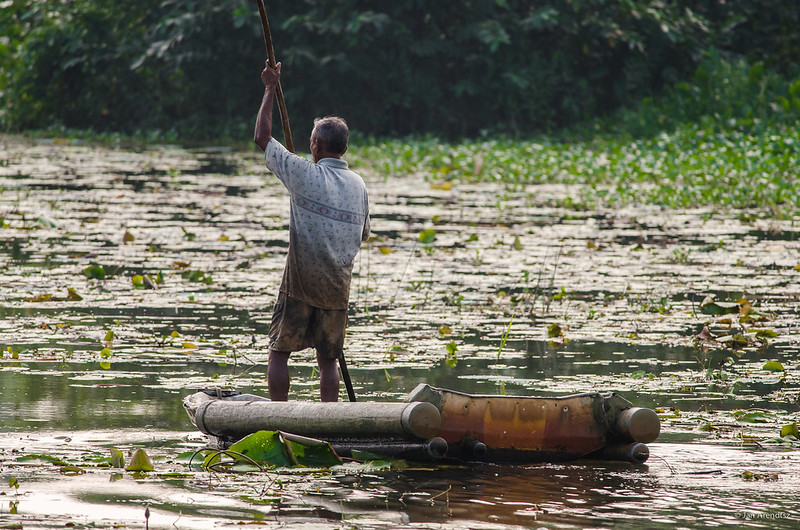
DreamwaterDreamwater Enterprises LTD is a venture under Footsteps Bangladesh that provides Bangladeshi civilians with quality drinking water at an affordable price. Through the construction of water plants, portable water filters and low-cost household filters, Dreamwater has converted more than 4,50,000 liters of flood water into drinking water.

Bangladesh’s Water Crisis

Bangladesh, with a population of 171 million, faces a severe water crisis. More than 18% of its population lives below the poverty line and more than 40% lack access to safe water. This lack of access to clean water sources contributes to the prevalence of water-borne diseases such as diarrhea, dengue fever and tuberculosis. One of the most pressing issues is water contamination. Bangladesh has the highest rate of arsenic-contaminated water in the world, primarily due to natural geological sources polluting groundwater. The presence of arsenic in drinking water poses serious health risks, including skin lesions, cancer, cardiovascular diseases and developmental effects.

Furthermore, the country faces significant challenges due to high salinity levels in its water. This problem is exacerbated by a decrease in the Ganges River’s upstream flow, which has led to increased salinity intrusion from the Bay of Bengal. High salinity not only makes drinking water unsafe but also affects agriculture, as saline water can damage crops and reduce agricultural productivity. This, in turn, threatens food security and the livelihoods of farmers, who make up a significant portion of the population.

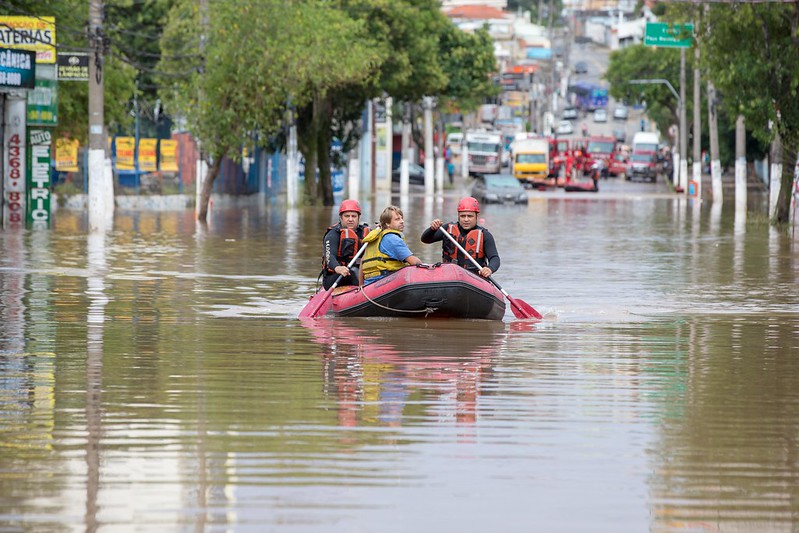
Bangladesh’s frequent and severe flooding compounds the water crisis. Flooding can contaminate freshwater sources with pollutants and pathogens, further reducing the availability of safe drinking water. During the monsoon season, the risk of water-borne diseases increases as floodwaters spread contaminants over large areas.

Dreamwater’s Work

Dreamwater’s innovations in water filtration have enabled it to take water from floods and convert it into safe drinking water. The filters take flood water and eliminate odor, enhance taste and remove potential toxins. Its portable water filters can be carried anywhere to convert any water into drinking water. The hand-powered version of the filter allows those in areas without electricity to have access to clean drinking water.

Dreamwater has created centralized water plants that can filter water for entire houses, apartment buildings, factories and other large-scale facilities. This creates safe tap water for drinking and bathing, helping eliminate the spread of waterborne disease in highly populated areas.

Dreamwater filters can convert more than 75 liters of water an hour and last more than 15,000 liters before needing replacement. They are priced at 20,000 BDT, which is around $170, making them affordable for low-income communities throughout the country.

Final Remark

With Dreamwater’s filters, areas in Bangladesh that have been ravished by flooding have an ensured source of clean drinking water at an affordable price. These filters help communities throughout Bangladesh save money and avoid disease, helping fight the country’s poverty and illness issues.

– Nicolas Mezzaucella

Nicolas is based in New Rochelle, NY, USA and focuses on Good News and Global Health for The Borgen Project.

Photo: Flickr

July 22, 2024
https://borgenproject.org/wp-content/uploads/borgen-project-logo.svg 0 0 Hemant Gupta https://borgenproject.org/wp-content/uploads/borgen-project-logo.svg Hemant Gupta2024-07-22 07:30:122024-07-22 00:50:36Dreamwater Providing Drinking Water in Bangladesh
Aid, Global Poverty, Natural Disaster

SISRI: Preparing Island Nations for Natural Disaster Response

SISRI: Preparing Island Nations for Natural Disaster ResponseThe Small Island States Resilience Initiative (SISRI), funded by the Global Facility for Disaster Reduction and Recovery and the World Bank, seeks to decrease the effects of natural disasters on small island nations, which are particularly vulnerable to such events. Natural disasters significantly contribute to global poverty. Preventionweb notes that impoverished individuals tend to live in hazard-prone areas and lack the resources to invest in measures that reduce risks. Consequently, people in these areas often lack adequate insurance and social protection, meaning their limited assets are usually spent trying to recover from the last natural disaster.

Global Impact of Natural Disasters on Poverty

Preventionweb reports that of the approximately 1.5 billion people worldwide at risk of or exposed to flooding, 89% reside in low to middle-income countries. Drought is one of the most severe causes of poverty globally, particularly in small island nations. Other significant risks include the previously mentioned flooding and tropical storms. These are among the deadliest and most severe natural disasters, posing the greatest threat and highest risk of poverty.

Loss of life is the primary consequence of these  ongoing issues, but other risks include injuries, home damage, loss of livelihood, displacement, health implications and food insecurity, among others. The Small Island States Resilience Initiative addresses these challenges. This initiative responds to calls from small islands for more support in mitigating climate change and natural disaster risks that significantly affect their populations, assets, ecosystems and economies.

Goals and Strategies of SISRI

The primary goal of the SISRI is to alleviate the risks and reduce the burdens that natural disasters often impose. The project focuses on protecting coastal areas, establishing safety nets for citizens and providing expert assistance in assessing flood and landslide risks. SISRI also supports these nations in constructing safer infrastructure. Additionally, it fosters a global community where island practitioners can share and access worldwide knowledge on risk management.

Small island states are particularly vulnerable to natural disasters. For instance, countries experiencing the highest losses from these disasters include small island nations, which account for more than 60% of such cases. These losses can represent up to 9% of a small island nation’s GDP. Moreover, in the last 50 years, Pacific island nations have incurred more than $3 billion in damages from natural disasters. Despite these ongoing challenges, initiatives like the Small Island States Resilience Initiative, coupled with external support, can significantly impact these regions.

Implementation and Achievements of SISRI

SISRI is enhancing the resilience of small island nations by building larger pipelines for investments that can withstand climate change impacts. This initiative focuses on increasing these areas’ capacity to adapt to extreme weather events. There are three main goals SISRI aims to achieve: helping small island nations document climate finance assistance, increasing the scale and efficiency of investments and upscaling and consolidating support to shift from fragmented smaller projects to broader national initiatives that deliver more significant results.

SISRI leverages the expertise of a broader team from GFDRR and the World Bank to provide technical and operational advice. These experts address project bottlenecks and launch new investments that enhance flood and landslide risk assessments, develop safer infrastructure and strengthen social and financial safety nets. For example, in Jamaica, SISRI is protecting vulnerable coastal zones by integrating existing coastal defenses, such as seawalls and mangroves.

Using a practitioner network, SISRI connects practitioners to share knowledge and experience, enhancing resilience on small islands. Several meetings with support groups have already occurred, including the 2018 Understanding Risk Forum in Mexico City and the 2017 Global Platform for Disaster Risk Reduction in Cancun. These gatherings aim to better educate small island nations on optimal risk management strategies for natural disasters.

Through SISRI, the World Bank aims to enhance enabling environments and stakeholder capacity and to prepare proposals, projects and pipelines. While this initiative significantly supports small island nations in combating poverty and recovering from natural disasters, which often devastate economies and lives, more efforts are necessary to ensure these communities can recover and thrive after such events.

Looking Ahead

Currently, SISRI operates in East Asia, the Pacific and Sub-Saharan Africa, assisting about 37 countries. The Initiative plays a vital role in enhancing the resilience of vulnerable island nations against natural disasters. By focusing on protecting coastal areas, improving infrastructure and providing technical assistance, SISRI aims to mitigate the severe impacts of these events. Continued support and investment in these ongoing initiatives could safeguard communities and promote sustainable recovery and development.

– Lachlan Wellington

Lachlan is based in Fareham, Hampshire, UK and focuses on Technology and Global Health for The Borgen Project.

Photo: Unsplash

July 11, 2024
https://borgenproject.org/wp-content/uploads/borgen-project-logo.svg 0 0 Precious Sheidu https://borgenproject.org/wp-content/uploads/borgen-project-logo.svg Precious Sheidu2024-07-11 01:30:032024-07-10 05:43:48SISRI: Preparing Island Nations for Natural Disaster Response
Page 6 of 6«‹456

Get Smarter

  • Global Poverty 101
  • Global Poverty… The Good News
  • Global Poverty & U.S. Jobs
  • Global Poverty and National Security
  • Innovative Solutions to Poverty
  • Global Poverty & Aid FAQ’s
Search Search

Take Action

  • Call Congress
  • Email Congress
  • Donate
  • 30 Ways to Help
  • Volunteer Ops
  • Internships
  • Courses & Certificates
  • The Podcast
Borgen Project

“The Borgen Project is an incredible nonprofit organization that is addressing poverty and hunger and working towards ending them.”

-The Huffington Post

Inside The Borgen Project

  • Contact
  • About
  • Financials
  • President
  • Board of Directors
  • Board of Advisors

International Links

  • UK Email Parliament
  • UK Donate
  • Canada Email Parliament

Get Smarter

  • Global Poverty 101
  • Global Poverty… The Good News
  • Global Poverty & U.S. Jobs
  • Global Poverty and National Security
  • Innovative Solutions to Poverty
  • Global Poverty & Aid FAQ’s

Ways to Help

  • Call Congress
  • Email Congress
  • Donate
  • 30 Ways to Help
  • Volunteer Ops
  • Internships
  • Courses & Certificates
  • The Podcast
Scroll to top Scroll to top Scroll to top