• Link to X
  • Link to Facebook
  • Link to Instagram
  • Link to TikTok
  • Link to Youtube
  • About
    • About Us
      • President
      • Board of Directors
      • Board of Advisors
      • Financials
      • Our Methodology
      • Success Tracker
      • Contact
  • Act Now
    • 30 Ways to Help
      • Email Congress
      • Call Congress
      • Volunteer
      • Courses & Certificates
      • Be a Donor
    • Internships
      • In-Office Internships
      • Remote Internships
    • Legislation
      • Politics 101
  • The Blog
  • The Podcast
  • Magazine
  • Donate
  • Click to open the search input field Click to open the search input field Search
  • Menu Menu

Archive for category: Natural Disaster

Global Poverty, Natural Disaster, Water Crisis

New Data Center Threatens Further Water Scarcity in Uruguay

Water Scarcity in UruguayUruguay, a republic located in South America, has spent the past several months recovering from a drought that lasted more than three years. The drought was severe, to the point where authorities were mixing seawater with freshwater to try and amend the problem— accidentally rendering it completely undrinkable in the process. While things have gotten much better amid more rainfall and administration changes, water scarcity in Uruguay remains a concern for its citizens due to the construction of data centers. These data centers are projected to use unsustainable amounts of water.

What Is a Data Center?

Most internet netizens are familiar with “the Cloud,” where users can remotely store data instead of keeping it on their devices. This data cannot just be nebulously stored on the internet, though; it has to go somewhere physical to be stored. Data centers are the answer to this, containing warehouses of servers that process and house cloud data along with the machines that help make AI technology work.

These computers need lots of water to stay cool with a typical data center using an average of 300,000 gallons of water a day. Some data centers can even use upwards of a million gallons of water a day. Since the process of cooling down computers heats the water, it cannot be dumped back into the systems where it came from since thermal pollution has been known to destroy entire ecosystems.

This process also has the potential to leave chemicals or other impurities that render the water unfit for human consumption. Many worry that the introduction of this technology in Uruguay could prove catastrophic, given the water scarcity in Uruguay.

The Effect on Uruguay

Water scarcity in Uruguay continues to be a prime concern for its citizens and the announcement of a new data center only further exacerbated these concerns. The initial announcement drew so much controversy that many locals took to the catchphrase “It’s not drought, it’s pillage” amid protests. Experts also worry about the long-term ramifications of data centers posing a drain on Uruguay’s very limited water supply.

While the country is still recovering from the prior drought, the insecurity and ecological decimation it brought can still be felt in many areas. A new proposal for the data center was created, with an emphasis on using air conditioning to cool the computers instead of water. Unfortunately, academics conclude this would be just as damaging environmentally. While it is true the amount of water would be lessened, the air pollution and stress on the electrical grid far outweigh any good proposed by the new solution.

Advancements in Technology

Data centers use large amounts of electricity and water to operate, but this does not have to be a negative thing due to recent advancements. Many data centers have turned to using reclaimed wastewater or sewage, to cool their systems instead of relying on drinkable water. Other companies have proposed the idea of recycling the water used in data centers to create a self-sufficient model of water usage.

Advancements such as these would greatly lessen the impact on drinkable water if implemented in Uruguay. Google, the company building and operating the data centers, has been vocal about not wanting to harm Uruguay through the creation of the data center. On the contrary, Google has offered to collaborate with local universities to provide more technology-focused content in their curriculums in order to bolster Uruguay’s tech business and advancements.

Moving Forward

While Uruguay continues to recover from prior droughts, water scarcity in Uruguay continues to be an issue for it. Many worry that the creation of a data center continues to threaten Uruguay’s water supply. However, recent technological advancements and renewed promises for compromise between Google and the Uruguayan people offer a brighter future moving forward.

– Mackenzie Scott

Mackenzie is based in Indianapolis, IN, USA and focuses on Technology and Solutions for The Borgen Project.

Photo: Flickr

February 19, 2025
https://borgenproject.org/wp-content/uploads/borgen-project-logo.svg 0 0 Lynsey 2 https://borgenproject.org/wp-content/uploads/borgen-project-logo.svg Lynsey 22025-02-19 07:30:382025-02-19 00:07:23New Data Center Threatens Further Water Scarcity in Uruguay
Global Poverty, Natural Disaster

Floods in Brazil: Avoiding Another Disaster

floods in brazilThe 2024 floods in Brazil, specifically in Rio Grande do Sul were considered the worst natural disaster in the region’s history. Heavy rain started to pour in April 2024 and did not stop for 10 days, overwhelming the basins of the Taquari, Caí, Pardo, Jacuí, Sinos, and Gravataí rivers. The water eventually overflowed as it reached the cities and ravaged several municipalities in Porto Alegre.

Floods in Brazil

Several neighborhoods and communities in the Rio Grande do Sul had been completely submerged in two weeks. People lost their homes, jobs, possessions, and loved ones, having to find shelter in churches and stadiums or, in the case of more vulnerable communities, under boats and cars. Around 163 people died, almost 600,000 were displaced and more than 65,000 were in shelters.

A recent study by the Metropolis Observatory showed that poorer families were the most affected by the floods in Brazil as they were struggling to rebuild themselves. Neighborhoods like Humaitá, in which the majority of the population earned a minimum wage, suffered the most. Similarly, in the Delta do Jacuí islands, 200 people had to improvise shelter in tents, cars, and under bridges. Floods have always been common in the city and have always affected the low-income population the most.

Volunteers

Alexandre da Silva, who volunteered in Porto Alegre’s shelters, said that it looked like a “war scene.”

“There was a lot of water. There were many volunteers with boats and helicopters—the rescues were non-stop. Hospitals [were full of] with people suffering from hypothermia, fainting and [those] who had ingested a lot of water.”

Overnight, residents from Porto Alegre found themselves in poverty. The unemployment rate could rise from 5.3% to 6.1%, and the investment needed to rebuild the city could cost billions of dollars. Specialists state that, despite a trend of impoverishment in the region, the extent is uncertain.

“People lost their jobs and did not get any compensation. They lost their houses and had no place to stay; they left with just the clothes on their backs because the flood was very fast. Imagine you are in your house and suddenly it starts flooding. Within three hours, the water had taken over”, declared Alexandre.

People Helping

The disaster quickly reached social media as people detailed their stories and asked for any sort of help. What was expected to be a small movement mobilized the entire country. At the time, the most popular content creator was the make-up artist Camila Pudim. In response to the floods and her new-found success, she posted on TikTok to encourage people to donate to Rio Grande do Sul. The video amounted to more than 90 million views, and several other creators followed in her footsteps, promising to donate their content’s revenues to the cause.

The previous 70,000 people in shelters fell to 1,800 by November 2024 in a continuous decline, and efforts are still ongoing towards the complete restructuring of the cities. The Brazilian government has recently authorized the budget to reconstruct 7,500 houses and the regional authorities have allocated 212 temporary residences aimed at providing homes to those awaiting definite housing.

Solidarity Campaign

Additionally, System Fiep organized the Solidarity Campaign, which continues working towards supporting the flood’s victims. Since its beginning in May, it has raised more than 65 tons of donations among them water bottles, food, clothing, bedding, hygiene products, cleaning products and toys.

The state is now implementing a new strategy, “Plano Rio Grande”, for reconstruction, adaptation, and climate resilience – allocating around 2.2 billion reais to the project. The actions taken include the transfers from the Civil Defense to the affected municipalities (which amount to a total of R$148 million), resources for the reconstruction of roads (R$117.7 million), the Volta por Cima social program, which allocated R$251.2 million to homeless and displaced families, and a program for dredging small rivers and streams (R$300 million).

Corporations Involving

SLC Institute, an organization within the agricultural business, helped with equipment, logistics, fundraising, and by donating R$ 500,000 to the Food Bank, an aid campaign. Renner, one of the most popular fast-fashion companies in Brazil, funded boat rentals that, according to its own Public Relations team, made 900 rescues in Porto Alegre and surrounding metropolitan areas. CMPC, a major player in the forest sector, also used trucks, helicopters, and backhoe loaders to assist in rescuing people and animals.

In addition, when combining the efforts, donations from the former and latter organizations summed up to 80,000 pieces of clothing, 75,000 liters of water, 5,000 bedsheets and towels, 14,000 blankets, 14,000 hygiene items, 15 tons of food, 4,000 food bank parcels, dozens of chemical toilets, and 750 mattresses destined to shelters.

– Beatriz Cicci

Beatriz is based in London, UK and focuses on Good News and Politics for The Borgen Project.

Photo: Flickr

December 30, 2024
https://borgenproject.org/wp-content/uploads/borgen-project-logo.svg 0 0 Naida Jahic https://borgenproject.org/wp-content/uploads/borgen-project-logo.svg Naida Jahic2024-12-30 01:30:552024-12-29 03:23:24Floods in Brazil: Avoiding Another Disaster
Global Poverty, Natural Disaster, NGOs

Flooding in Sri Lanka: Building Resilience

Flooding in Sri LankaSince 2019, poverty in Sri Lanka has surged, doubling to 25% by 2022. More than 2.5 million individuals now live below the poverty line. Severe flooding, especially in the Colombo region, displaces thousands annually and deepens the cycle of poverty. The projections for major flood events are even more concerning, as they suggest that 34,000 people could be pushed into poverty overnight, with approximately 1,000 of these individuals remaining in poverty a decade later. The latest Yala Monsoon season, which lasts from May to September, displaced communities, destroyed property and claimed lives, highlighting the growing severity of the issue. Addressing this crisis requires immediate, sustainable solutions that reduce poverty and mitigate seasonal floods. Without comprehensive action to combat flooding in Sri Lanka, the nation risks ongoing cycles of impoverishment, displacement and economic instability.

Building Colombo’s Flood Resilience

Colombo, situated within a river basin, faces regular flooding during the monsoon season. However, the city benefits from an extensive network of wetlands, which play a vital role in flood management by absorbing approximately 40% of floodwaters. Wetlands—areas of water-saturated land—serve as natural flood defenses by absorbing excess water and slowing down its flow, which mitigates flood intensity and associated damage. This natural buffer within Colombo helps alleviate the impacts of heavy rainfall and reduces the risks of flooding in Sri Lanka.

Urban expansion, however, has drastically reduced Colombo’s wetland areas, draining and infilling these ecosystems to accommodate growth. The World Bank revealed that Colombo’s wetlands had declined by about 40% over three decades. Wetlands like the Thalangama Wetland, just outside Colombo, suffer from degradation and misuse as dumping grounds. These direct and indirect effects of urbanization intensify Colombo’s vulnerability to flooding.

In response, the government, with support from the World Bank-funded Metro Colombo Urban Development Project, launched the Metro Colombo Wetland Management Strategy in 2016. This initiative prioritizes wetland restoration and integrates these ecosystems into urban planning to prevent further losses. These efforts led Colombo to become the first capital city to earn international Wetland City accreditation from the Ramsar Convention on Wetlands in 2018, which promotes international protection for its wetlands.

Today, Colombo’s wetlands receive stronger protection. According to BBC, efforts to rehabilitate degraded areas, including the Thalangama Wetland, have turned these spaces into biodiverse tourist attractions while maintaining their role as critical flood defenses. The government has also suspended all activities involving the filling or destruction of wetlands in 2018.

Looking Forward

Colombo has successfully revitalized its degraded wetlands, transforming garbage-filled areas into ecosystems that boost biodiversity and protect against flooding. Community-led cleanups and government initiatives, such as the 2016 Metro Colombo Wetland Management Strategy, have enhanced wetlands’ ability to boost environmental resilience and improve urban quality of life. The Ramsar accreditation has curbed further encroachment by raising awareness. However, rapid urban expansion still threatens these ecosystems, BBC reports. Sustained cooperation between residents, authorities, and organizations remains vital to safeguarding these wetlands, which are crucial to Colombo’s sustainability and flood defense.

Asian Development Bank (ADB) report emphasizes the rising frequency of El Niño events, which intensify monsoons and contribute to flooding in Sri Lanka. Restoring and protecting wetlands is just one of many essential steps to strengthen the country’s flood resilience.

– William Pickering

William is based in Nottingham, UK and focuses on Good News and Technology for The Borgen Project.

Photo: Flickr

November 24, 2024
https://borgenproject.org/wp-content/uploads/borgen-project-logo.svg 0 0 Naida Jahic https://borgenproject.org/wp-content/uploads/borgen-project-logo.svg Naida Jahic2024-11-24 07:30:332024-11-24 01:27:46Flooding in Sri Lanka: Building Resilience
Global Poverty, Indigenous Women, Natural Disaster

Updates on SDG 15 in Paraguay: The Work of REDD+ 

SDG 15 in Paraguay
Between 2011 and 2021, Paraguay’s forest coverage fell from 48.2% to 39.8%, with 88% of the deforestation happening in the Paraguayan Chaco, largely due to cattle ranching and coal mining. Domestic laws allow most of these clearances, as they require preserving only 25% of forested land in ranching or mining areas. As part of ongoing efforts and updates on SDG 15 in Paraguay, the country signed the Glasgow Leaders’ Declaration on Forests and Land Use in 2021, pledging to halt and reverse deforestation and forest degradation, according to the World Bank. This commitment aligns with SDG 15 (“Life on Land”), which focuses on the conservation, restoration, and sustainable use of ecosystems, like forests.

However, critics argue that this pledge has been vague and ineffective. Rather than achieving its goal of forest preservation, the declaration has resulted in deforestation, permitting invasive eucalyptus plantations to replace biodiverse ecosystems and encroach upon Indigenous lands, the World Bank reports.

According to the World Bank, this issue particularly affects Paraguay’s Indigenous communities, who suffer disproportionately from environmental changes. Approximately 66% of Indigenous people live in poverty, with 34.4% living in extreme poverty—three times the national average. Additionally, 33.5% of Indigenous people are illiterate, less than 1% have access to the Internet and less than 4% benefit from state social protection programs. These conditions heighten the vulnerability of groups like the Qom in the Chaco forest, whose livelihoods are further endangered by harmful eucalyptus plantations introduced under the pretext of conservation, the World Bank reports. This is because Indigenous communities often depend on natural resources for their daily needs, such as gathering and agriculture, as well as for maintaining cultural practices. Here is some information about updates on SDG 15 in Paraguay.

Understanding REDD+

In 2007, the forestry sector accounted for about 17% of global greenhouse gas emissions, prompting the creation of REDD+, an international mechanism designed to reduce deforestation while maintaining forests as carbon sinks. Initially known as REDD, U.N. climate negotiations later expanded it and incorporated it into the Paris Agreement under Article 5. REDD+ now includes conservation, sustainable forest management, and enhancing forest carbon stocks in developing countries. The initiative incentivizes nations to preserve forests by offering financial rewards, making standing forests more valuable than cleared ones.

COP introduced safeguards for REDD+ projects to prevent harm, such as violations of Indigenous rights. These safeguards ensure Indigenous communities and other relevant groups fully participate in decision-making. For nations to receive financial rewards, they must submit reports proving their compliance with these safeguards.

Additionally, the COP urged capable countries to “support capacity-building, provide technical assistance” and facilitate technology transfer to strengthen the effectiveness of these initiatives.

The Corazón Verde del Chaco Project: A Case Study

In 2023, Paraguay’s largest REDD+ initiative, the Corazón Verde del Chaco Project, gained validation for its Climate, Community and Biodiversity (CCB) Standards from the nonprofit organization Verra. This validation demonstrates that the project reduces carbon emissions while also promoting biodiversity conservation and benefiting local communities, including Indigenous peoples.

By earning this validation, the project adds credibility and transparency, making it more attractive to investors and helping secure results-based payments. Covering approximately 300,000 hectares of Indigenous community lands shared by the Maria Auxiliadora community, interviews with community leaders confirmed no evidence that the REDD+ project negatively impacted Indigenous communities.

The Role of REDD+ in Achieving SDGs

REDD+ plays a critical role in Paraguay’s efforts to meet the U.N.’s SDGs, particularly SDG 15 on forest conservation and SDG 10 on reducing inequalities. In the latest updates on SDG 15 in Paraguay, REDD+ aligns with SDG 15 by promoting forest conservation and sustainable land use, offering a more equitable development approach compared to land clearing for cattle ranching and mining. Achieving SDG 15 encourages practices that protect natural resources, which many of Paraguay’s poorest communities, especially Indigenous peoples, rely on for their livelihoods. In addition, REDD+ projects reduce inequalities (SDG 10) by safeguarding the rights of marginalized groups and ensuring they fully participate in decision-making processes, per the safeguards introduced at COP 16.

Future Prospects

Looking forward, ongoing updates on SDG 15 in Paraguay include projects like the Corazón Verde del Chaco initiative, which, with its Verra certification, aims to reduce net greenhouse gas emissions by an estimated 5.6 million tons of CO2 over its initial 10-year period, according to Quadriz. Beyond reducing emissions, this project will likely strengthen the capacity of local communities in the Paraguayan Chaco, potentially by employing Indigenous technicians to monitor forests, as seen in previous REDD+ initiatives in Paraguay.

The initiative also includes gender-focused projects, such as creating childcare spaces, which enable Indigenous women to participate fully in decision-making and workshops. The project’s scale presents an opportunity to expand these benefits, alleviating stress on Indigenous women across Paraguay. By empowering communities and addressing issues like invasive eucalyptus plantations, this initiative seeks to promote better forest management nationwide while preventing the marginalization of Indigenous groups.

– William Pickering

William is based in Nottingham, UK and focuses on Good News and Technology for The Borgen Project.

Photo: Flickr

November 13, 2024
https://borgenproject.org/wp-content/uploads/borgen-project-logo.svg 0 0 Jennifer Philipp https://borgenproject.org/wp-content/uploads/borgen-project-logo.svg Jennifer Philipp2024-11-13 01:30:542024-11-12 23:37:02Updates on SDG 15 in Paraguay: The Work of REDD+ 
Electricity and Power, Global Poverty, Natural Disaster

Renewable Energy in Samoa

Renewable Energy in Samoa
While extreme poverty does not exist in Samoa, 20% of Samoans still live under the national poverty line, a decrease from 21.9% in 2018. This could be due to the initiatives working to increase self-reliance and sustainability focusing on the rural areas and those considered vulnerable, like women and young people.

Energy Projects

In 2019, Samoa conducted two small hydro projects, the first of many, to supply 20% of the Island’s demand for energy. The hydropower plants were constructed on two separate islands (Upolu and Savai’i) and underwent rigorous environmental safeguarding checks to ensure no damage to the surrounding areas. The goal to rely on 100% sustainable energy was on hold due to the COVID-19 pandemic and subsequent economic challenges, however, in February 2024, the E.P.C General Manager confirmed that the plans are still going steady, intending to have 100% renewable energy in Samoa the next seven years.

The plans come with several challenges, including the “high upfront costs of renewable energy technology,” requiring international partnerships to help fund the opportunities. The main donor parties include the New Zealand Government, The European Union and the Asian Development Bank, according to Hydro Review.

The aim is that the accessibility of cleaner and higher quality services at a lower price will increase and energy poverty will decrease. Samoa was on track to have 100% electricity access, reaching it in 2020, however, in the past four years the rate has been decreasing with the current rate being 98.30%. This decline, whilst not being as low as other countries sets a worrying trend for Samoa especially due to the increase in natural disasters, so action like the new projects (while not urgent) are necessary.

Subsidized Electricity Tariffs

The renewable energy project report states that the vulnerable people of Samoa will receive subsidized electricity tariffs and secure energy for all residents, creating social inclusion to help develop income generation models for the poorest project participants. The projects are established on existing sites with any that required land acquisition from locals being removed from the project, they also serve to increase economic growth and international relations, hoping to outsource the energy to surrounding countries. 

Looking Ahead

This push towards renewable energy in Samoa comes from the increasing reliance on fossil fuels and the increase in natural disasters due to changing weather patterns. By 2100, Samoa could lose 3.8% of its GDP due to the aftermath of natural disasters, potentially threatening the steady decrease of poverty across the country. However, with the recent projects, Samoa has simultaneously addressed both the threat that changing weather patterns hold and the needs of those living below the poverty line, harnessing renewable energy to help on a global and local scale.

– Caitlin Mulholland

Caitlin is based in Lymington, UK and focuses on Technology and Solutions for The Borgen Project.

Photo: Flickr

November 7, 2024
https://borgenproject.org/wp-content/uploads/borgen-project-logo.svg 0 0 Jennifer Philipp https://borgenproject.org/wp-content/uploads/borgen-project-logo.svg Jennifer Philipp2024-11-07 07:30:582024-11-07 00:09:14Renewable Energy in Samoa
Global Poverty, Natural Disaster, Nonprofit Organizations and NGOs

Cyclone Yagi Devastates Asia’s Vulnerable Communities

Cyclone Yagi’s aftermath has left millions in need of urgent assistance, as it caused significant damage across Southeast Asia. Governments, nongovernmental organizations (NGOs) and international organizations have mobilized quickly to deliver both immediate and long-term aid to the affected regions. Efforts focus on providing food, clean water, shelter and medical assistance to those displaced by the storm.

Cyclone Yagi

In September 2024, Cyclone Yagi, one of the strongest typhoons to hit Southeast Asia in the past 30 years, devastated more than 1,200 villages across 106 districts in 15 provinces in Vietnam. It damaged nearly 240,600 homes, 1,530 schools and 570 health facilities. The storm displaced more than 72,000 people and approximately 570,000 people, including 163,020 children, are in need of assistance.

Relief Efforts

In Vietnam, the government’s disaster management units have partnered with local NGOs to set up emergency shelters and distribute essential supplies. The Vietnam Red Cross, alongside the International Federation of Red Cross and Red Crescent Societies (IFRC), is at the forefront of these relief operations. Their teams are providing food, clean water, hygiene kits and emergency shelter to thousands displaced by the floods and landslides. Psychological support is also being offered to help people cope with trauma.

Plan International, known for its work in child protection, focuses on the needs of vulnerable groups, particularly children and women. In collaboration with local authorities, the organization is distributing hygiene kits and ensuring that children who are among the most affected receive psychological support. The organization’s child-friendly spaces within shelters offer a safe environment where children can engage in activities and recover from the disaster’s emotional toll.

Furthermore, in response to the storm’s widespread destruction, international organizations like the United States Agency for Internal Development (USAID) have pledged financial support. USAID has committed $1 million in humanitarian aid to provide immediate relief and support long-term recovery. This funding is helping to ensure that emergency teams can continue to distribute food, water and medicine while also addressing the urgent need for rebuilding homes and infrastructure in affected areas.

Meanwhile, local authorities are working with various international organizations to ensure that aid reaches remote areas, many of which remain cut off due to floodwaters and landslides. The priority is to restore access to clean water, power and health care services in the most affected regions. Long-term recovery plans are being developed, focusing on rebuilding homes, restoring livelihoods and strengthening disaster preparedness for future storms and natural disasters.

Final Note

As efforts continue, humanitarian organizations stress the need for ongoing support and donations to sustain relief operations. With the threat of more rainfall looming, these efforts are crucial to prevent further devastation and to help communities rebuild their lives.

– Trinity Lee

Trinity Lee is based in Bellevue, WA and focuses on Good News for The Borgen Project.

Photo: Flickr

October 15, 2024
https://borgenproject.org/wp-content/uploads/borgen-project-logo.svg 0 0 Lynsey 2 https://borgenproject.org/wp-content/uploads/borgen-project-logo.svg Lynsey 22024-10-15 01:30:232024-11-05 00:46:03Cyclone Yagi Devastates Asia’s Vulnerable Communities
Global Poverty, Humanitarian Aid, Natural Disaster

How International Aid Is Helping the Victims of Typhoon Yagi

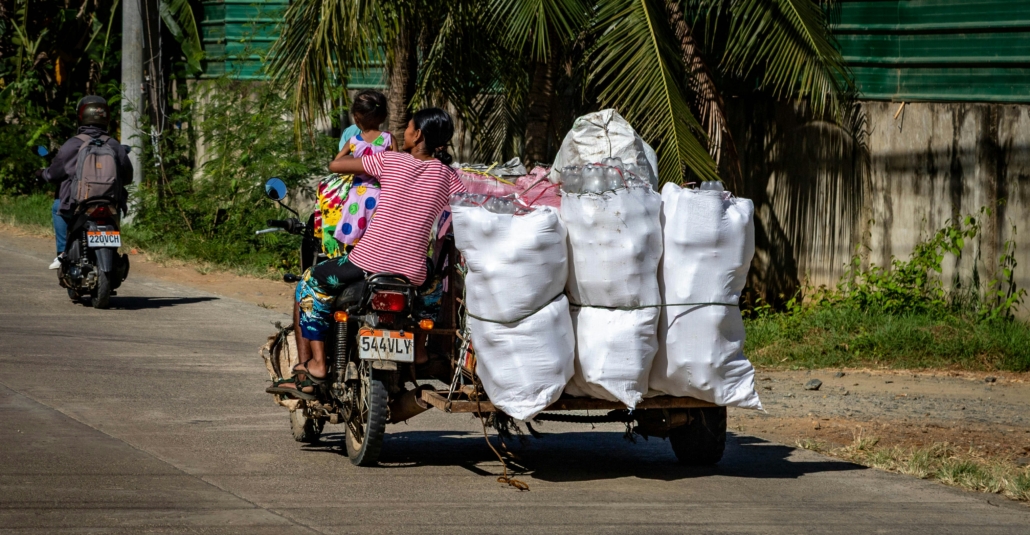
Victims of Typhoon YagiTyphoon Yagi emerged over the South China Sea in early September 2024, before making landfall in several Southeast Asian countries. Described by international organizations as one of the strongest storms in decades, it has caused heavy rainfall and widespread flooding, resulting in extensive physical damage and a total death toll of more than 500. Alongside the efforts of national governments to help their citizens affected by the damage, millions of dollars in international aid for Typhoon Yagi victims have also been provided by institutions such as the European Union (EU), the World Health Organization (WHO) and the United Nations Children’s Fund (UNICEF).

Aid in Vietnam

Vietnam has been one of the nations most severely affected by Typhoon Yagi, with more than 300 deaths being recorded and more than 50,000 people being forced to evacuate their homes. As a result, international aid for Typhoon Yagi has focused on Vietnamese reconstruction. The U.K. government has given more than $1 million to the country. In contrast, the EU has given about $720,000 of the $2.4 million total promised to Southeast Asia. These have helped supply emergency resources such as food and health care items.

Alongside government aid, Vietnam has also received water sanitizing resources from UNICEF, as widespread flooding has limited the supply of clean water and left 400,000 households in the country without access to it. UNICEF has provided 80,000 water purification tablets and 4,000 liters of clean water to the country’s three worst-hit provinces, alongside other health care items such as hand sanitizers and soap. With many schools damaged or destroyed in the flooding, along with the roads and bridges leading to them, UNICEF has supplied temporary learning materials for children who have lost access to education.

Similarly, the WHO has also supplied one million water purification tablets and 500 water containers to the Vietnamese Ministry of Health. It has also worked alongside the U.S. Agency for International Development (USAID) to broadcast radio messages in several ethnic minority languages in order to ensure that various communities receive relevant safety information.

Political Difficulties in Myanmar

Myanmar, further West in the region, has also suffered severe damage as a result of the storm, affecting an estimated 630,000 people and killing more than 200. Heavy rainfall has caused flooding and mudslides, which in turn have damaged and blocked many of the nation’s roads and bridges. Furthermore, the civil war that has gripped the country since 2021 has made it difficult to assess the damage caused in rebel-controlled regions, as their communication with central military powers is limited.

As a result of such difficulties, the EU has dedicated the largest share of its aid to nations affected by Typhoon Yagi, while the U.N. World Food Programme (WFP) dedicated emergency food supplies to around 500,000 people affected by flooding in Myanmar. However, some difficulties remain for aid agencies trying to access rebel-controlled areas, both due to political instability and the damage caused to roads and bridges by excessive flooding.

Funding for Other Nations

International aid for Typhoon Yagi victims has also been provided to nations that sustained slightly less damage due to flooding. The EU allocated more than $200,000 to the Philippines and about $166,000 to Laos, while the WFP has distributed shipments of rice in some of the worst affected regions of Laos in order to aid those whose land and crops were damaged due to flooding.

Final Note

Typhoon Yagi has caused destruction across Southeast Asia, severely damaging infrastructure and leaving hundreds of thousands in precarious positions. Through providing clean water, health care and educational supplies, these organizations have demonstrated the importance of international aid in providing relief to those affected by natural disasters and helping nations recover from widespread damage. International aid for Typhoon Yagi victims, from both governments and NGOs, has proved key in providing stability and security for regions impacted by widespread flooding.

– Izzy Tompkins

Izzy Tompkins is based in Leeds, UK and focuses on Global Health and Politics for The Borgen Project.

Photo: Wikimedia Commons
October 8, 2024
https://borgenproject.org/wp-content/uploads/borgen-project-logo.svg 0 0 Lynsey 2 https://borgenproject.org/wp-content/uploads/borgen-project-logo.svg Lynsey 22024-10-08 01:30:022024-10-08 01:17:57How International Aid Is Helping the Victims of Typhoon Yagi
Africa, Global Poverty, Natural Disaster

3D Printed Weather Stations Combats African Data Poverty

3D Printed Weather StationsIn 2019, The Washington Post covered a story about a “relatively inexpensive” weather station developed by the Trans-African Hydro-Meteorological Observatory (TAHMO)—commenting that it was a sign of hope in solving Africa’s climate data poverty in the future. This weather station cost $2000 at the time of reporting. In 2024, an automatic 3D printed weather station from the University Corporation for Atmospheric Research (UCAR) team called 3D PAW costs only around $375-475 including operational costs (through a solar power/battery system). This is a massive advancement. A major obstacle in building a reliable early warning system for the African continent has been outsmarted.

Climate Data Poverty in Africa

Weather Stations do much more than just inform whether an umbrella will be necessary today. It is often overlooked that they make up the integral forecasting infrastructure that saves countless lives, prevents massive economic damages, and protects the livelihoods of the most vulnerable demographic—by providing early warnings of extreme weather events. The availability of early warning systems allows vulnerable people to have enough time to evacuate and better prepare for emergency relief, lowering the number of casualties and deaths.

Advancements in weather forecasting in the last 50 years have contributed to the massive decrease in the number of deaths that extreme weather globally causes. However, statistics at a global scale hide within it the fact that flood-induced deaths were four times more occurrent in Africa per flood for the last 20 years; the fact that 99% of deaths caused by droughts occurred in Africa from 2006 to 2015.

Weather Stations in Africa

Although this indeed is a problem with a variety of causes, the attention of global health agencies, researchers and foreign aid projects synchronously focus on establishing early warning systems in the African continent in response (The World Meteorological Organisation (WMO) and the Biden Administration have all addressed this issue publicly in 2023). The unnerving fact is that the African continent immensely lacks land-based weather observation network coverage and is currently losing existing facilities.

According to Climate Links, 3,300 ground-based weather stations covered the African continent in 1981, but in 2023 only 800 remain functional. This is mainly due to a lack of maintenance and the high cost of those operations. The WMO reports that only 37 Radar stations cover the African continent of 1.2 billion people while 636 stations cover Europe and the United States with 1.1 billion people. Simply having an early warning 24 hours before an extreme weather event can lower damages by 30%

The first part of the answer is that weather stations are incredibly expensive tools and governmental funding is insufficient in many parts of Africa. According to the Kenyan Meteorological Department, each automatic weather station cost them $54,000, The Washington Post reports. The second part of the answer is the fact that the maintenance cost of these weather stations is also high, adding to the height of the financial obstacle. Maintenance costs include manpower for regular maintenance (cleaning the sensors), the cost of operational power, and the cost of replacing broken parts, according to Climate Links. The fact is, constructing a rich network of weather stations and maintaining it in a continent as large as Africa is expensive—especially challenging for a region facing the highest level of poverty globally.

The Good News: 3D Printed Weather Stations

3D Printed Automatic Weather Stations (PAW) is a collection of 3D printable blueprints, instruction manuals and software that experts can use to locally build a fully functioning weather station using minimal resources in even the most distant parts of the globe. Despite its astronomically cheaper construction cost– around $300-500 USD–the system can impressively measure seven meteorological indicators simultaneously at 15-minute intervals: “pressure, temperature, relative humidity, wind speed, wind direction, precipitation and visible/infrared/UV light.” Building the system can take just a week, showcasing its potential for reproduction at an extremely fast pace.

3D PAW has grabbed the attention of the African early warning system space. In late March 2023, this new technological solution received a $10 million commitment as part of the expansion of the FEWS NET network from the Biden administration to establish a strong weather station network in the African continent, according to The White House. 3D PAWs have started to be deployed in Kenya and have currently installed 26 working weather stations at the time of reporting.

Now, the rigidity of the 3D-printed weather stations needs examination and the problem of maintaining a larger network of 3D PAWS is still something that needs a solution. However, it is undeniable that the cost-of-production problem now has an attractive solution. It is an exciting time.

The Conclusion

Working, reproducible and affordable, 3D printed weather stations are just one piece of the puzzle, but also a part of a new wave of innovations—such as AI analysis models—transform the weather forecasting game to be more affordable. The problem is still far from being solved, however, solutions are being proposed and governments and organizations globally are attentive and working together to solve the problem. The early warning issue in Africa is at a dynamic state – it is exciting to anticipate what the future may hold.

– Siwon Kim

Siwon is based in Boston, MA, USA and focuses on Good News and Technology for The Borgen Project.

Photo: Flickr

September 14, 2024
https://borgenproject.org/wp-content/uploads/borgen-project-logo.svg 0 0 Naida Jahic https://borgenproject.org/wp-content/uploads/borgen-project-logo.svg Naida Jahic2024-09-14 01:30:102024-09-13 02:49:443D Printed Weather Stations Combats African Data Poverty
Global Poverty, Homelessness, Natural Disaster

Addressing Homelessness in Tajikistan  

Homelessness in Tajikistan After the fall of the Soviet Union, Tajikistan became “one of the poorest countries” in the world. Wages shrunk and access to public services disappeared, forcing many to become independent and depend on their low income. According to Michal Kruzliak, the Development Manager of Habitat for Humanity, living standards worsened as internal wars and economic decline led to financial shortages, resulting in poor house maintenance. As a result, homelessness and Tajikistan has been a challenge. 

Additionally, civil wars affected the speed of housebuilding, leaving many stranded on the streets. For those who did have access to a home, warmth and comfort were usually absent as huge families had to live in small dwellings and human beings had no choice but to sit upon hard, cold brick and dirt. Even though the economy was beginning to improve, natural disasters like earthquakes quickly reversed the progress this country had made as they damaged more and more houses and left many homeless, according to Habitat for Humanity. As of 2023, 21.2% of the population in Tajikistan remains in poverty, which is almost 1.25 million people.

Habitat for Humanity

Habitat for Humanity is a nonprofit organization that has helped countries worldwide including Tajikistan. Since 1999, this organization has been aiming to end homelessness in Tajikistan by building and repairing houses and assisting more than 7,800 families with finding a home.

Earthquakes have always been a constant problem in Tajikistan. The power of this natural disaster is so strong that it destroys the windows and doors of people’s homes, many of which still have not been fixed. With Habitat for Humanity’s help, many people were given loans to build safer buildings and receive training on how to make their structures more stable, allowing families to better withstand earthquakes and other harsh conditions, according to its Country Profile.

Momajon and Karim completely rebuilt their house with the help of Habitat for Humanity. Typically, housebuilding was an extremely long and complicated process: one would have to wait years before constructing another wall due to the rising prices and declining wages. However, these individuals successfully built their houses from scratch, sharing their newly prized possessions with the rest of their family members through low-interest loans from banks and insurance provided by Habitat Tajikistan. The help they received from the organization did not solely help the process of house building but also provided them with a comfortable life.

UNICEF

The United Nations International Children’s Emergency Fund (UNICEF) is another organization that has helped tackle the health challenges in Tajikistan. Especially for small children, undernutrition has been a significant problem even to this day. According to UNICEF, “As many as 21 percent of children under five are stunted (have chronic malnutrition), including 6 percent who are severely stunted.”

To aid this issue, UNICEF has made investments in care facilities and hospitals, bringing them medicine, equipment and instructions on how to better help the Tajikistan community. Instead of death being the only option for families to face, the people of Tajikistan now have a form of hope to come to after many fall ill due to malnutrition. To further aid families with younger children and infants, this organization also promotes child care through maternal and child services such as increasing child feeding practices in hospitals and giving out more necessary items to household parents. Additionally, because of this organization’s help, 1.4 million children were able to improve on the status of their health, such as with diseases like polio.

Shelter for Life

Shelter for Life (SFL) is an international development organization that is working to provide humanitarian assistance to developing countries, especially through shared local involvement. Specifically in Tajikistan, there was many harsh weather conditions like flooding that hurt property security for many families, leading to a deterioration of many homes. To address the issue of homelessness in Tajikistan and the destruction caused by natural disasters, SFL created innumerable amounts of shelters and latrines and even created a school building as a form of shelter. Additionally, because of the low funding in Tajikistan, the quality of the houses are poor, allowing for a greater chance of destruction when natural disasters like earthquakes hit. Even though this organization cannot directly stop an earthquake, it can and did implement preparedness training to allow many to better recover from the trauma from earthquakes, allowing the effect of homelessness to take a lesser toll. 

There is Hope

As seen through the above organizations, much work has been done to address homelessness in Tajikistan. Though problems of malnutrition, health care, lack of shelter and more may continue, these organizations are making a significant difference.

– Linda Yoonseo Lee

Linda is based in Phoenix, AZ, USA and focuses on Good News for The Borgen Project.

Photo: Flickr

August 1, 2024
https://borgenproject.org/wp-content/uploads/borgen-project-logo.svg 0 0 Jennifer Philipp https://borgenproject.org/wp-content/uploads/borgen-project-logo.svg Jennifer Philipp2024-08-01 01:30:222024-07-31 02:13:46Addressing Homelessness in Tajikistan  
Africa, Global Poverty, Natural Disaster

Solution in Sight for Drought in the Horn of Africa

Drought in AfricaThe Horn of Africa, encompassing Kenya, Ethiopia, Djibouti, South Sudan and Uganda, has been experiencing the most severe drought in decades. This crisis has directly and indirectly impacted millions. The death toll in Somalia alone reached a staggering 43,000 in 2022. However, the accurate scale of the devastation caused by the drought in the Horn of Africa will only become clear once we have the total count of deaths from the other affected countries.

Current Situation

In the past three years, the region has been grappling with a severe lack of precipitation, with some areas receiving minimal to no rainfall. This prolonged drought has had devastating consequences, particularly for the communities whose livelihoods depend on livestock and the rain. Approximately 10 million animals have perished due to drought, resulting in displacement for millions of herders who are forced to flee their homes for areas where water is available and seek humanitarian assistance.

The drought-related food insecurity has pushed them to the brink, where they face hunger, malnutrition, starvation and even death. Furthermore, the drought has increased transportation costs and food prices, exacerbating the situation and plunging more individuals into poverty. These dire conditions have also heightened the risk of conflicts in the region.

Good News

Recurrent droughts have led to collaborative efforts between governments and aid agencies to explore long-term sustainable solutions. These efforts have yielded promising results, with numerous studies revealing substantial regional underground water reserves. This finding offers hope in this crisis, as these reserves have the potential to sustain millions of people for an extended period, reducing their dependency on rainwater and mitigating the effects of drought and other such phenomena.

Project – Africa Groundwater Access Facility

Implementing a cross-border initiative presents challenges and opportunities of paramount significance to the region. Essential to this project is the necessitated exchange of knowledge and comprehensive research across participating nations. The primary objectives of this strategic plan are as follows:

  1. Active engagement of local communities to instill a sense of ownership and commitment to the project.
  2. Rigorous identification of already known drought hotspots for targeted intervention.
  3. Execute well drilling and establish deep underground bores near these identified hotspots for long-term water scarcity mitigation.

Other Solutions – Land Restoration

Certain countries, like Burkina Faso, are implementing nature-based solutions to challenges such as drought and flooding. These strategies involve tree planting, utilizing innovative agricultural practices and integrating agriculture, farming, fruit crops and livestock pastors within a single area. This holistic approach, which is cost-effective and sustainable, has the potential to not only help millions of people but also save billions of hectares of land in low-income countries in the years to come.

Final Remark

Approximately 1.84 billion people worldwide are impacted by drought, with 85% residing in low-income countries. According to estimates, drought will displace 700 million in the next decade and affect one in every four children. Therefore, the urgency of finding sustainable solutions to reduce the effects of drought cannot be overstated. 

– Maria Waleed

Maria is based in Yokohama, Kanagawa, Japan and focuses on Good News and Global Health for The Borgen Project.

Photo: Flickr

July 26, 2024
https://borgenproject.org/wp-content/uploads/borgen-project-logo.svg 0 0 Lynsey 2 https://borgenproject.org/wp-content/uploads/borgen-project-logo.svg Lynsey 22024-07-26 03:00:432024-07-25 13:28:37Solution in Sight for Drought in the Horn of Africa
Page 5 of 6«‹3456›

Get Smarter

  • Global Poverty 101
  • Global Poverty… The Good News
  • Global Poverty & U.S. Jobs
  • Global Poverty and National Security
  • Innovative Solutions to Poverty
  • Global Poverty & Aid FAQ’s
Search Search

Take Action

  • Call Congress
  • Email Congress
  • Donate
  • 30 Ways to Help
  • Volunteer Ops
  • Internships
  • Courses & Certificates
  • The Podcast
Borgen Project

“The Borgen Project is an incredible nonprofit organization that is addressing poverty and hunger and working towards ending them.”

-The Huffington Post

Inside The Borgen Project

  • Contact
  • About
  • Financials
  • President
  • Board of Directors
  • Board of Advisors

International Links

  • UK Email Parliament
  • UK Donate
  • Canada Email Parliament

Get Smarter

  • Global Poverty 101
  • Global Poverty… The Good News
  • Global Poverty & U.S. Jobs
  • Global Poverty and National Security
  • Innovative Solutions to Poverty
  • Global Poverty & Aid FAQ’s

Ways to Help

  • Call Congress
  • Email Congress
  • Donate
  • 30 Ways to Help
  • Volunteer Ops
  • Internships
  • Courses & Certificates
  • The Podcast
Scroll to top Scroll to top Scroll to top