Tackling Geographical Poverty in Nepal
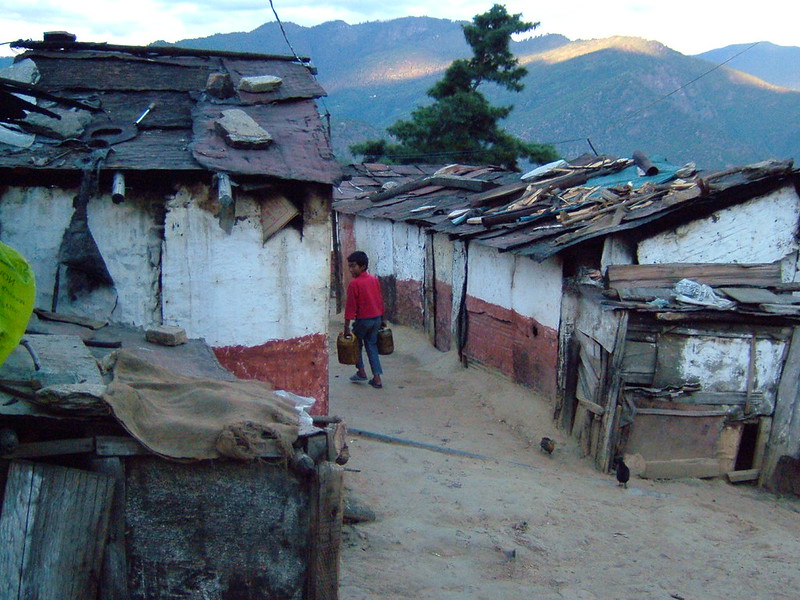 Nepal, a landlocked country nestled in the Himalayan mountains, is one of the poorest countries in South Asia. In 2022, the national poverty rate stood at 20.3%. While this is a significant improvement from 68% in 1996, social and regional disparities mean that rural communities across Nepal experience a slower decline or even an increase in poverty compared to urban centers. As of 2024, more than 77% of Nepalis live in rural areas, making poverty alleviation an urgent and ongoing challenge.
One key factor behind Nepal’s enduring poverty is its geography. The country’s mountainous terrain, landlocked position and susceptibility to frequent earthquakes all make infrastructure development and economic growth difficult. This article explores how geographical barriers contribute to poverty in Nepal and highlights efforts underway to overcome them.
Inaccessible and Deadly Terrain
Nepal’s rugged mountains, steep hills and deep valleys make building and maintaining infrastructure, such as roads and electricity, challenging, particularly in remote regions. Heavy monsoon rains, floods and landslides frequently damage roads and homes, leaving many areas isolated for long periods. Many rural communities lack the financial resources to repair these damages. By 2012, more than half of Nepal’s roads built over the previous 15 years had become unusable due to poor maintenance.
Limited infrastructure also affects digital access. In 2022, the United Nations Children’s Fund (UNICEF) reported that only 3% of Nepali youth had access to computers and the internet, largely because of inadequate connectivity. This severely limits online education and remote work opportunities, particularly when travel becomes difficult or dangerous.
As a result, access to basic goods, employment opportunities and education is often time-consuming, costly, hazardous and unreliable. In Nepal, at least 90% of passenger and freight movement is done by road, which imposes heavy burdens on the poor and hinders long-term economic growth in rural areas.
Paving New Roads: The Rural Access Program Nepal
Between 2017 and 2023, the Rural Access Programme Nepal built more than 1,100 kilometres of road and improved access to markets, health and education facilities for more than 2.75 million people in rural areas. Beyond building and maintaining roads, the project trained more than 40,000 people in new income-generating skills and created at least 19 million days of employment, 40% of which were women.
This program marks a crucial step toward enchanting mobility, promoting gender inclusion, and reducing poverty in Nepal. The program is set to continue through 2025, further expanding its impact on rural connectivity and livelihoods.
Expanding Digital Connectivity
In early 2025, FC, Standard Chartered Bank Nepal Limited, and WorldLink Communications Ltd. partnered on a $29 million project to expand Nepal’s fiber networks and develop innovative, environmentally sustainable data centers. The initiative aims to bridge Nepal’s digital divide and promote inclusive economic and educational development.
WorldLink, Nepal’s leading internet provider, has already built a nationwide fiber network spanning more than 7,500 locations, including remote and underserved areas. Improved internet access has opened new avenues for education, job creation and entrepreneurship, and has helped to reduce regional disparities and support long-term economic growth.
Barriers to Trade
Nepal is landlocked between China and India, with no direct access to the sea. As a result, the country relies heavily on India for most of its international trade, making imports and exports both costly and time-consuming. Historically, the country has also experienced several trade disruptions and blockades along its border with India, which have further contributed to persistent poverty in Nepal.
Railways for Connection
Despite these challenges, Nepal has significant potential to boost trade and development by enhancing cross-border connectivity with its powerful and wealthy neighbors, China and India. Proposed railway projects linking Kathmandu with Keyrong (China) and Birgunj (India) will enhance trade, diversify the economy, reduce reliance on remittances and create jobs for millions of Nepalis. Moreover, by designing these railways to be sustainable and climate-resilient, Nepal could attract investment from global institutions such as the World Bank and the United Nations (U.N.) to fund these projects.
Destructive and Deadly Earthquakes
Nepal sits on the active boundary between the massive Indo-Australian and Asian tectonic plates. The ongoing collision of these massive plates causes frequent and powerful earthquakes, which destroy homes and infrastructure and injure thousands of people. These disasters are extremely costly and hinder stable economic growth, particularly in rural areas where resources for recovery are limited.
Seismic Resilient Infrastructure
Projects like the SAFER Project are working to develop earthquake-resilient infrastructure that increases human safety and reduces damage from seismic activity. The SAFER Project specifically aims to improve the seismic safety and resilience of schools and community buildings in Nepal through collaborations with rural communities, international researchers, developers, nonprofits and the Nepali government.
Techniques like base isolation, which decouple buildings from the ground, help structures remain stable during earthquakes by allowing the ground to move independently. SAFER also uses affordable, locally available materials like stone instead of costly concrete to make earthquake-resistant construction more achievable for rural communities.
By protecting schools and public facilities, initiatives like SAFER can help maintain school attendance and job security for teachers following natural disasters, supporting long-term community stability and development.
Overcoming Geographical Poverty in Nepal
From its rugged terrain and isolation to its landlocked trade barriers and seismic risks, Nepal’s geography poses numerous formidable challenges when it comes to poverty alleviation. Yet, the nation’s ongoing investments in infrastructure, connectivity and resilience offer hope to both Nepalis and other countries facing similar issues.
– Dylan Kretchmar
Dylan is based in Granville, OH USA and focuses on Good News and Technology for The Borgen Project.
Photo: Flickr
