• Link to X
  • Link to Facebook
  • Link to Instagram
  • Link to TikTok
  • Link to Youtube
  • About
    • About Us
      • President
      • Board of Directors
      • Board of Advisors
      • Financials
      • Our Methodology
      • Success Tracker
      • Contact
  • Act Now
    • 30 Ways to Help
      • Email Congress
      • Call Congress
      • Volunteer
      • Courses & Certificates
      • Be a Donor
    • Internships
      • In-Office Internships
      • Remote Internships
    • Legislation
      • Politics 101
  • The Blog
  • The Podcast
  • Magazine
  • Donate
  • Click to open the search input field Click to open the search input field Search
  • Menu Menu

Archive for category: Malaria

Information and stories about malaria.

Global Poverty, Health, Malaria

Malaria Infection Rate Drops 50 Percent Since 2000

Malaria Infection Rate Drops 50% Since 2000
In 2000, the UN released the Millennium Development Goal to “halt by 2015 and begin to reverse the incidence of malaria.” Reflecting back on the start of the twenty-first century, a recent study conducted at Oxford University has revealed an impressive decline in the rate of malaria infection across endemic Africa.

Using data gathered from approximately 30,000 malaria field surveys taken from sites across sub-Saharan Africa, researchers at Oxford University’s Department of Zoology investigated trends in infection by Plasmodium falciparum, the most deadly malarial parasite.

What they found was the overall rate of malaria infection in the affected regions of Africa has declined by 40 percent since 2000. This translates into roughly 700 million cases of malaria prevented over 15 years.

The study also compared several methods of intervention implemented, along with which of these methods had the most substantial effect. Of these solutions, research indicates that insecticide-treated bednets accounts for 68 percent of the total prevention.

Other tactics included Artemisin-based combination therapy, an efficacious anti-malarial drug, and indoor residual spraying, or the application of insecticide to the inside of homes.

Another report jointly released by UNICEF and WHO confirmed that malaria death rates have declined by 60 percent since 2000. Dr. Margaret Chan, Director-General of WHO, praised these preventative disease measures when she said, “Global malaria control is one of the great public health success stories of the past 15 years.”

These studies prove the effectiveness simple solutions can have in saving thousands of lives globally, as access to nets and the spraying of dwellings alone have significantly contributed to the process of eliminating an ancient disease. They also provide important evidence on how to proceed with future control planning.

While these findings indicate a confident direction in the prevention and eradication of global disease, there is still enormous progress to be made. 438,000 people have died by malaria since the beginning of 2015, of which most were children living in the poorest regions of the world.

With half of the world’s population still at risk of contracting malaria, the journey is not quite over. In just 15 years, the percentage of children under the age of five sleeping beneath a bug net reached 68 percent from an initial 2 percent.

Imagine what could be done in the next 15 years with the effective implementation of preventative measures. With the solution already available, it would seem that the proper way to celebrate progress is to continue more heavily than ever before in efforts to end malaria.

– Kayla Lucia

Sources: Nature, University of Oxford, IFLScience
Photo: Wikimedia

October 5, 2015
https://borgenproject.org/wp-content/uploads/borgen-project-logo.svg 0 0 Borgen Project https://borgenproject.org/wp-content/uploads/borgen-project-logo.svg Borgen Project2015-10-05 12:16:092020-06-27 07:07:41Malaria Infection Rate Drops 50 Percent Since 2000
Disease, Global Health, Global Poverty, Malaria

New Global Fund Grants Assist Ghana

Ghana
The president of Ghana announced at a ceremony earlier this month that the West African nation’s government has signed new grants with Global Fund, an international financing organization that invests around $4 billion a year to support programs fighting AIDS, malaria and tuberculosis (TB).

The seven new grants, totaling $248 million, come from many supporters, including the U.S. President’s Emergency Plan for AIDS Relief, the U.K. Department for International Effort, the European Union, Denmark, Korea, UNICEF, UNAIDS and WHO, among others.

The primary objective of the grants is to increase how many people receive protection and treatment for HIV, malaria and TB. Specifically, the key targets address certain aspects of prevention and treatment and aim to complete the goals by 2017.

Among the goals of the grants are for 140,448 people to be assured antiretroviral treatment to control HIV, as well as increase coverage for an additional 32,246 pregnant women.

The funds will also aim to expand services to protect key affected populations from HIV, including 65 percent of female sex workers, 88 percent of homosexual men, and 80 percent of inmates, in addition to providing annual testing services for 20 percent of the general population.

In terms of malaria, the funds will be used to secure treatment for 80 percent of children under five, as well as have mosquito nets in 70 percent of households.

For TB, the goal is to double case notification rates to 103 per 100,000 and make sure 100 percent of drug-resistant patients on second-line treatment are covered for treatment, up from 42 percent in 2013.

Additionally, Ghanaian officials want to use the funds to better integrate treatment for HIV and TB in community health clinics.

The government of Ghana also plans to use domestic funds to cover the expenses for antiretroviral drugs for 22,000 current patients and 11,000 new patients.

The nation was the first to sign a grant with Global Fund, doing so in 2002, seeing advances in overall health as a result.

Since 2010, there has been a 43 percent decrease in new HIV infections, and between 2009 and 2014, there was a 51 percent drop in new infections in children. The percentage of coverage dealing with preventing mother-to-child transmission is now at 81 percent, up from 32 percent.

Successes have also been seen in preventing and treating malaria and TB, as government officials and other organizations have distributed a combined 19 million mosquito nets, as well as detected and treated 76,000 new TB cases and having 88,000 people currently in antiretroviral therapy.

– Matt Wotus

Sources: AllAfrica, The Global Fund
Photo: Pixabay

September 29, 2015
https://borgenproject.org/wp-content/uploads/borgen-project-logo.svg 0 0 Borgen Project https://borgenproject.org/wp-content/uploads/borgen-project-logo.svg Borgen Project2015-09-29 02:37:112024-12-13 18:04:57New Global Fund Grants Assist Ghana
Disease, Global Poverty, Malaria

Mosquirix: New Malaria Vaccine Approved

Mosquirix: New Malaria Vaccine Approved
Thanks to the efforts of GlaxoSmithKline and the generous support of The Bill and Melinda Gates Foundation, the world’s first malaria vaccine has been approved by regulators at the European Medicine Agency. The drug is called Mosquirix, and although it is likely not the end-all solution to the widespread disease, it is a stepping stone in the right direction.

GSK worked with the PATH Malaria Vaccine Initiative to create the immunization, which is meant for use in tropical and subtropical areas where the illness is prevalent and largely uncontrolled. Called RTS,S in its experimental stages, Mosquirix is designed for children 6-17 months old whose immune systems are still developing.

Mosquirix works to prevent malaria by attacking Plasmodium falciparum parasites. These parasites multiply in the livers of people affected by malaria and head into the bloodstream where they cause more severe symptoms. This approach to preventing malaria is different than those of other vaccines, which seek to take down viruses and bacteria.

The Bill and Melinda Gates Foundation contributed over $200 million to the drug’s research and development, and GSK is optimistic that it will be effective in reducing incidences of malaria in Sub-Saharan Africa where cases of malaria caused by the parasite are most common. Of the nearly 600,000 deaths related to malaria in 2013, 90 percent of these occurred in Sub-Saharan Africa; 83 percent in children under the age of five in the same region.

Studies show that Mosquirix reduces malaria cases by only a third and that its protection decreases in the long term. However, experts agree that some results are better than no results. In conjunction with other protective measures like insecticide-treated bed-nets, Mosquirix may become an important part of the malaria fight.

The main road bump for Mosquirix? Distribution. The vaccine may exist, but to the young children in Africa who need it, it may as well be a fantasy.

The question is whether the distribution of the vaccination to areas where it is needed is worth the time and the money. The World Health Organization is skeptical of the feasibility of Mosquirix’s implementation and has not yet issued a recommendation for its use. Officials at the WHO are worried that financing for the vaccine may “draw away from scaling up bed nets, effective drugs and rapid diagnostic tests for malaria.”

There is a reason that most vaccines are not made against parasites – unlike bacteria or a virus, a parasite has a complicated life cycle that transports it around the body. Parasites like those that cause malaria can remain living in the body for years.

However, the news that it is possible for a malaria vaccine to be developed and approved is promising. Whether or not Mosquirix achieves outstanding success, discussion surrounding it is undoubtedly paving the way for future malaria-related drug research.

– Katie Pickle

Sources: NBC News, Tech Times
Photo: Press Herald

August 29, 2015
https://borgenproject.org/wp-content/uploads/borgen-project-logo.svg 0 0 Borgen Project https://borgenproject.org/wp-content/uploads/borgen-project-logo.svg Borgen Project2015-08-29 01:30:272020-04-24 10:56:21Mosquirix: New Malaria Vaccine Approved
Disease, Global Poverty, Health, Malaria

Fight Against Malaria in Myanmar

Myanmar
In the global fight against Malaria, the drug, artemisinin, has been a common theme. However, with the ongoing rise of resistance to the drug, new approaches are needed. As the resistance spreads, it threatens to enter Myanmar by India, which then puts the entire African continent at risk.

Myanmar has a longstanding history of rigid ethnic division and an overall lack of cooperation in both domestic and international politics. However, the imminent danger posed by the potential for the spread of artemisinin-resistant Malaria could be bringing about a new era of cooperation. Since Malaria is a problem that everyone in the country is facing, the structure encouraged by conflict and the history of segregation is being weakened by necessity. People are beginning to realize that the risks posed by the resistance are so imminent and dramatic that there is no time to waste in upholding such strict separations.

With an election coming up in November, these discussions held between the opposing political parties are important. As the public sees that the government as a whole is making serious efforts to combat Malaria, there will likely be less distrust and suspicion, which could encourage participation in the elections. It is widely understood by both sides that the fight against malaria should not and cannot be subject to the ups and downs of political turmoil in the country.

Additionally, because most deaths from malaria are occurring in marginalized ethnic communities that have long battled the government, which has affected the access to and quality of medical care in those areas, the new view on and cooperation in the fight against Malaria will have to address the issue in order to reach the goal of eliminating Malaria by 2025. Myanmar has made an effort to prove to the U.S. that they are taking Malaria seriously so as to encourage foreign aid by inviting members of various ethnic groups and central government departments to convene in a meeting in Washington D.C. this past week, the timid first step towards collaboration to eradicate Malaria in Myanmar and to prevent the spread of the artemisinin-resistance to larger, vulnerable populations.

– Emma Dowd

Sources: Bangkok Post 1, Bangkok Post 2
Photo: Bangkok Post

August 15, 2015
https://borgenproject.org/wp-content/uploads/borgen-project-logo.svg 0 0 Borgen Project https://borgenproject.org/wp-content/uploads/borgen-project-logo.svg Borgen Project2015-08-15 01:30:262024-05-27 09:27:23Fight Against Malaria in Myanmar
Disease, Global Health, Global Poverty, Health, Malaria

Potential to Cure Parkinson’s Disease Found in Existing Drug

Potential to Cure Parkinson’s Disease Found in Existing Drug

In a recent report, researchers found that the current drugs Chloroquine and Amodiaquine, two common anti-malaria drugs, could also provide treatment for Parkinson’s disease.

Parkinson’s disease itself is a disease caused by a loss of cells in a part of the brain called the subtantia nigra. This loss of cells causes the reduction of the neurotransmitter called dopamine, or the chemical in the brain that regulates movement and mood.

One of the study’s authors, Dr. Yoon Ho Sup, stated, “Our discovery brings hope for the millions of people suffering from Parkinson’s disease, as the drugs that we have found to have worked in the laboratory tests have already been used to treat malaria in patients for decades.”

Dr. Sup continued, “Our research also shows that existing drugs can be repurposed to treat other diseases and once several potential drugs are found, we can redesign them to be more effective in combating their targeted diseases while reducing the side effects.”

This monumental breakthrough could lead to an inexpensive alternative treatment to many individuals who suffer from Parkinson’s on a daily basis. Creating the new treatment would be beneficial not only from a financial standpoint but also because many of the current treatments involve a varied concoction of many drugs and surgery.

Another of the study’s authors, Professor Kwang-Soo Kim stated, “…[existing] pharmacological and surgical treatments address the patient’s symptoms, such as to improve mobility functions in the early stages of the disease, but the treatments cannot slow down or stop the disease process.”

With the current research and backing of scientific evidence, these drugs are seen to be a potential drug target to treat Parkinson’s itself.

The researchers hope that the drugs can be further modified to continue to better treat Parkinson’s and hopefully slow and stop the process.

– Alysha Biemolt

Sources: Spring, WHO, PNAS
Photo: Medical Press

August 2, 2015
https://borgenproject.org/wp-content/uploads/borgen-project-logo.svg 0 0 Borgen Project https://borgenproject.org/wp-content/uploads/borgen-project-logo.svg Borgen Project2015-08-02 11:14:332024-12-13 17:52:08Potential to Cure Parkinson’s Disease Found in Existing Drug
Malaria

Need to Prevent Malaria in Pregnancy

malaria_in_pregnancy
The presence of the malaria epidemic in the developing world has decreased significantly. However, for specific populations, malaria is still a life-threatening disease. There is a strong demand and need to prevent and treat malaria in pregnancy.

Malaria poses a threat to pregnant women and contributes to both maternal and infant mortality. In addition, malaria during pregnancy can result in maternal anemia and low birth weight of children. Stillbirths, miscarriages and preterm births are associated with malaria in pregnant women.

Given these facts, malaria poses a risk to communities and families, particularly when pregnant women contract the disease.

In Sub-Saharan Africa, malaria in pregnancy is associated with Plasmodium falciparum infection, but can also result from Plasmodium vivax.

Current strategies to address malaria in pregnancy include intermittent preventive treatment with sulfadoxine-pyrimethamine, use of insecticide-treated nets and treatment if malaria is contracted.

Pregnant women in the developing world have had difficulty receiving necessary health care due to inefficiencies within health care systems and lack of awareness about specialized treatment.

Local staff may not have the training or resources to offer pregnant women. In addition, preventive sulfadoxine-pyrimethamine and insecticide-treated nets are not widely available. There is a lack of skill and the ability to scale up the resources that are available.

Moving forward, malaria treatment for pregnant women would likely be more successful if policies and programs could work with other maternal and reproductive health programs.

Clara Menéndez, a medical researcher at ISGlobal, and her colleagues emphasize that a multidisciplinary approach will be required to fully address malaria and how it impacts the lives of pregnant women and their families.

– Iliana Lang

Sources: The American Journal of Tropical Medicine and Hygiene, The Lancet Global Health The London School of Hygiene and Tropical Medicine
Photo: 100X Development Foundation

July 28, 2015
https://borgenproject.org/wp-content/uploads/borgen-project-logo.svg 0 0 Borgen Project https://borgenproject.org/wp-content/uploads/borgen-project-logo.svg Borgen Project2015-07-28 14:51:592024-12-13 17:52:16Need to Prevent Malaria in Pregnancy
Global Health, Global Poverty, Malaria

President’s Malaria Initiative: Progress and Future

presidents_malaria_initiative
In 2005, George Bush launched the President’s Malaria Initiative (PMI) to work towards eradicating malaria across 15 high-risk African countries.

By acting quickly and efficiently, PMI has helped to reduce malaria mortality by 50 percent since 2005. Over 6 million people are alive today – without the influence of PMI, they would have died from malaria.

Since its creation, PMI has expanded and has helped hundreds of millions of people by core preventative strategies: providing people in high-risk zones with durable and insecticide-treated mosquito nets, antimalarial treatment options, fast-acting diagnostics, indoor anti-mosquito spray and prevention options for pregnant women.

Malaria is a disease carried by mosquitoes, which bite and infect people, leaving them ill with fevers, chills and symptoms associated with the flu. If the disease is not treated, people are at risk of death. In 2013, 198 million cases of malaria were reported, and of those, half a million people died. Many of these deaths were children under the age of 5.

The World Health Organization estimates that 106 countries and 3.4 billion people are at risk of malaria infection.

Mali is an example of where PMI has contributed to improving the quality of life of citizens through malaria treatment. The entire population of Mali is at risk of contracting malaria with 90 percent of citizens living in the central and southern regions where the disease is endemic.

People in transit, perhaps fleeing their homes due to displacement, are even more at risk because of their weaker immune systems. Malaria is the primary cause of death in Mali, especially for children under the age of five.

Despite malaria’s omnipresence in Mali, the devastation caused by malaria has diminished since PMI’s inception in 2005. The mortality rate of children under the age of 5 has decreased by 50 percent in 2013.

PMI’s success is not limited to Mali – the Initiative has made incredible progress across Africa. It has distributed over 31 million mosquito nets, sprayed over 5 million households with insecticides (impacting 18 million people), given over 13 million antimalarial medications for pregnant women and trained over 27,000 health workers.

According to the Bill and Melinda Gates Foundation on their website, Impatient Optimists, “Malaria is clever, resilient and capable of evading our most dependable interventions. If we aim for a malaria-free world, the global response must constantly evolve and adapt to challenges that don’t even exist yet.” The strategies that have worked in the past may not work in the future. Eradicating malaria fully will be a constantly transforming process.

In partnership with the President’s Malaria Initiative and other organizations, the Gates Foundation is committed to eradicating malaria in the future. On Impatient Optimists, the Foundation highlighted its goals broadly: “We need to expand access to prevention, diagnosis and treatment, which PMI has proven capable of doing on a massive scale. We also need to build stronger health systems and introduce new tools and strategies, an increasingly important part of PMI’s work in recent years.”

The reduction of malaria in the world so far illustrates the potential for completely eradicating malaria in the future — a goal that will save millions of lives.

– Aaron Andree

Sources: CDC, Impatient Optimists, PMI
Photo: Impatient Optimists

July 27, 2015
https://borgenproject.org/wp-content/uploads/borgen-project-logo.svg 0 0 Borgen Project https://borgenproject.org/wp-content/uploads/borgen-project-logo.svg Borgen Project2015-07-27 14:14:322024-06-04 03:53:07President’s Malaria Initiative: Progress and Future
Health, Malaria, Technology

The Silver Standard for Eradicating Malaria

eradicating_malariaEvery minute, a child dies from malaria. 90 percent of the deaths from malaria occur in the poorest African countries. Malaria is a preventable, treatable disease, yet more than half of the world’s population continues to be at risk.
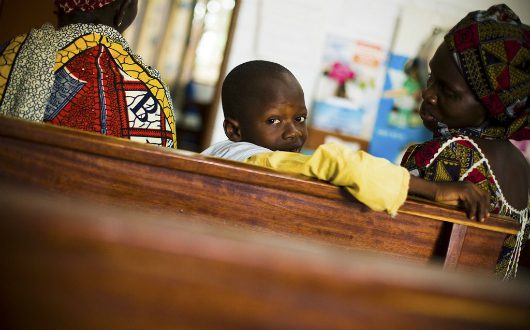
Malaria has long been established as a poverty-related disease. Poverty is both a cause and effect of this potentially lethal disease: poorer people can often not afford preventive measures, and the contraction of disease leads to further economic loss. Consequentially, a substantial investment of time and resources into finding a solution is necessary to interrupt this vicious cycle.

The most successful method to combat the problem has been vector control- that is, to eradicate the mosquito transfer agent. Traditionally, the efforts have been to implement better preventative measures, primarily through insecticides, which are both expensive as well as environmentally harmful.

A more modern approach to the problem is to employ biotechnology to eliminate the mosquito vector more economically and effectively. This encompasses targeting the mosquito at a subcellular level by using a cytotoxic agent- that is a chemical that disrupts the mosquito’s cellular machinery.

Of these methods, the use of silver nanoparticles is becoming increasingly popular as nanotechnology advances. Silver nanoparticles are miniscule, nanoscale pieces of silver, which is highly toxic at cellular levels. This toxicity is being explored in its usages as antimicrobial and pesticidal agent.

Silver nanoparticles are traditionally synthesized using laboratory-grade reagents, which tend to be expensive and not readily available. Many researchers are now looking to phytosynthesis as an answer. The process of phyto-synthesis manipulates the ability of plants to carry out reactions to use in chemical synthesis. For instance, the phytosynthesis reaction of plants can be alternatively used to reduce silver ions to silver atoms.

Recent endeavors to utilize the phytosynthesis capabilities of plants have centered on the use of plant waste products to maximize productivity and minimize cost. In a recent study, researchers used the husk of coconut plant- abundant in the tropical regions plagued by malaria. They used the husk of coconut, which is a waste product from the fruit, to synthesize silver nanoparticles from silver nitrate. The synthesis eliminated the use of a synthetic reagent, and achieved successful results.

The nanoparticles produced were then used by the researchers to treat larval Culex quinquefasciatus, a species of mosquitos found in sub-tropical regions which is similar to the malaria mosquito in its transmission mechanism. The nanoparticles were observed to have significant larvicidal effect on the mosquito.

The study indicates the great potential of phytosynthetic methods to produce cheap and effective insecticides. By using plants indigenous to the tropical areas where malaria is most prevalent, the insecticidal measures of prevention can be made more accessible to the people. The use of waste products of coconut in the process is considerably cost-effective and eco-friendly.

Although the implementation of these innovative techniques may be some way in the future, ingenuity in research offers promising new horizons for a better, healthier world. To borrow Einstein’s words, it is time our technology caught up with our humanity.

– Atifah Safi

Sources: WHO 1, WHO 2, Science Direct
Photo: Flickr

July 26, 2015
https://borgenproject.org/wp-content/uploads/borgen-project-logo.svg 0 0 Borgen Project https://borgenproject.org/wp-content/uploads/borgen-project-logo.svg Borgen Project2015-07-26 16:01:492024-12-13 17:52:05The Silver Standard for Eradicating Malaria
Global Health, Global Poverty, Malaria

India on the Verge of Eliminating Malaria

India on the Verge of Eliminating Malaria
The population of India is over 1.2 billion. It is only second behind China in terms of population, but has some of the poorest living conditions of any country of the world. Open sewages are the perfect breeding ground for malaria carrying mosquitos throughout the country.

The center for disease control reports that malaria is located in all areas throughout the country including major metropolitan cities such as Mumbai and Delhi. According to the World Health Organization, 95 percent of the Indian population live in malaria endemic areas, and 75 percent of all cases of Malaria in South East Asia are reported in India.

Yet, despite the odds, India has been pushing to end malaria, and may be very close to realizing that goal.

According to WHO, India had over 883,00 cases of malaria in 2013. The number was 2 million in the previous years, thus halving the numbers that were recorded throughout the early 2000s. And that trend is continuing.

The Indian National Vector Borne Disease Control Programme (NVBDCP) has been leading the charge and have been utilizing efficient and successful tactics to combat the spread of malaria. The first and foremost is early case detection and prompt treatment.

Dr. A C Dhariwal, the Director of the NVBDCP, said how, “Through rapid diagnostic tests, artemisinin-based combination therapy, long lasting insecticidal nets and indoor residual spraying, we’ve been able to bring down the rates of malaria and reduce the number of deaths.”

The program also has four phases to end malaria: control, pre-elimination, elimination and prevention of reintroduction. Both treatment strategy and the phase strategy are results of the NVBDCP implementing all the tools the World Health Organization recommended to India to fight malaria.

The country is currently on phase two of pre-elimination and is targeting rural villages and communities where the population is at least 1000 citizens. In order to complete this phase, India has to achieve an annual parasite incident (AP) of less than 1 per 1000 in all districts within all states. Currently India is at 74 percent and steadily climbing.

Many of the people who are carrying out the effort are women. The Indian Ministry of Health and Family Welfare has deployed more than 900,000 female volunteers throughout the country. These women are chosen from their local communities and are trained in administrating early detection and treatment protocols.

If all goes well, India plans to reach the elimination phase by 2017 and completely eradicate malaria by 2030. This would be right on track with world goals of reducing malaria by 90 percent the same year globally. Experts say that to reach the target, all countries must contribute a total of $100 billion to organizations fighting malaria. Key contributors include WHO, the United States, the United Kingdom and The Bill and Melinda Gates Foundation.

The United States should allocate more aid towards aiding India fight Malaria. India is an ally and a strong economic partner to the U.S. A healthy India means more opportunities for U.S. goods to reach the world’s largest middle class population. That sounds like a healthy investment.

– Adnan Khalid

Sources: Center for Disease Control, National Vector Borne Disease Control Programme, United Nations, WHO 1, WHO 2
Photo: Columbia University Medical Center

July 24, 2015
https://borgenproject.org/wp-content/uploads/borgen-project-logo.svg 0 0 Borgen Project https://borgenproject.org/wp-content/uploads/borgen-project-logo.svg Borgen Project2015-07-24 19:19:462024-06-11 02:48:10India on the Verge of Eliminating Malaria
Global Poverty, Health, Malaria

Causes of Child Mortality in Developing Countries

child_mortality
According to the World Health Organization, 9.2 million children under the age of 5 die every year, many from preventable conditions that could be treated with simple healthcare interventions. The majority of these deaths occur in Sub-Saharan Africa and South Asia, where the child mortality rate is 175 per 1000 (compared to 6 per 1000 in industrialized countries).

Many of the diseases that kill children younger than 5-years-old are caused by lack of access to healthcare facilities, improper hygiene and sanitation, unclean water and not enough food, and low levels of education and information. The top three causes of child mortality are:

1. Pneumonia
About 15 percent of child mortality deaths are caused by pneumonia. In 2013, pneumonia killed an estimated 935,000 children under the age of 5. Pneumonia occurs when the air sacs in the lungs, the alveoli, are filled with pus and fluid. This makes breathing difficult, and does not allow the infected person to intake enough oxygen. Those who are malnourished have weaker immune systems and are therefore at a higher risk of dying from pneumonia. Pneumonia is also more likely to affect those who have pre-existing illnesses such as HIV, who live in an area where levels of indoor air pollution are high because of cooking with biomass fuels like wood or dung, who live in crowded homes, or those who have parents who smoke. While pneumonia can be treated with antibiotics, only one third of the children infected with pneumonia get the antibiotics necessary to cure them.

2. Diarrhoeal Disease
Each year, diarrhea kills 760,000 children under the age of 5. It is caused by unclean drinking water, contaminated food or person-to-person contact and poor hygiene. Malnourished children are more susceptible to diarrhea, and children in developing countries are likely to contract at least three cases of diarrhea each year. Since diarrhea leads to malnourishment, those who are already weakened by the disease are likely to contract it again. Diarrhea then leads to severe dehydration, which leads to death. It can be treated with rehydration zinc supplements. A good method of preventing diarrhea is decreasing levels of malnutrition, therefore making children less likely to be infected with the disease.

3. Malaria
In Africa, a child dies every minute from malaria, a disease caused by parasites. These parasites are transmitted to people from mosquito bites. The symptoms are first expressed as fever, chills and vomiting, and can then progress to severe illness and death if not treated within 24 hours. Malaria is preventable through the use of mosquito nets and levels of deaths caused by malaria are decreasing. Malaria related mortality cases in Africa have fallen 54 percent since 2000.

Child mortality is also high in countries that have a high Maternal Mortality Rate (MMR). More than a third of child mortality deaths occur in the first month of life and are related to pre-term birth, birth asphyxia (suffocation), and infections. In order to reduce Child Mortality, Maternal Mortality rates also have to decrease. This can happen with increased access to healthcare facilities and increased prenatal visits.

Child mortality rates are decreasing, but there is still work to be done. Vaccinations, adequate nutrition and increasing education will all help to decrease the levels of child mortality.

– Ashrita Rau

Sources: WHO 1, WHO 2, WHO 3, WHO 4
Photo: Flickr

July 20, 2015
https://borgenproject.org/wp-content/uploads/borgen-project-logo.svg 0 0 Borgen Project https://borgenproject.org/wp-content/uploads/borgen-project-logo.svg Borgen Project2015-07-20 15:46:202024-05-27 09:24:02Causes of Child Mortality in Developing Countries
Page 13 of 16«‹1112131415›»

Get Smarter

  • Global Poverty 101
  • Global Poverty… The Good News
  • Global Poverty & U.S. Jobs
  • Global Poverty and National Security
  • Innovative Solutions to Poverty
  • Global Poverty & Aid FAQ’s
Search Search

Take Action

  • Call Congress
  • Email Congress
  • Donate
  • 30 Ways to Help
  • Volunteer Ops
  • Internships
  • Courses & Certificates
  • The Podcast
Borgen Project

“The Borgen Project is an incredible nonprofit organization that is addressing poverty and hunger and working towards ending them.”

-The Huffington Post

Inside The Borgen Project

  • Contact
  • About
  • Financials
  • President
  • Board of Directors
  • Board of Advisors

International Links

  • UK Email Parliament
  • UK Donate
  • Canada Email Parliament

Get Smarter

  • Global Poverty 101
  • Global Poverty… The Good News
  • Global Poverty & U.S. Jobs
  • Global Poverty and National Security
  • Innovative Solutions to Poverty
  • Global Poverty & Aid FAQ’s

Ways to Help

  • Call Congress
  • Email Congress
  • Donate
  • 30 Ways to Help
  • Volunteer Ops
  • Internships
  • Courses & Certificates
  • The Podcast
Scroll to top Scroll to top Scroll to top