• Link to X
  • Link to Facebook
  • Link to Instagram
  • Link to TikTok
  • Link to Youtube
  • About
    • About Us
      • President
      • Board of Directors
      • Board of Advisors
      • Financials
      • Our Methodology
      • Success Tracker
      • Contact
  • Act Now
    • 30 Ways to Help
      • Email Congress
      • Call Congress
      • Volunteer
      • Courses & Certificates
      • Be a Donor
    • Internships
      • In-Office Internships
      • Remote Internships
    • Legislation
      • Politics 101
  • The Blog
  • The Podcast
  • Magazine
  • Donate
  • Click to open the search input field Click to open the search input field Search
  • Menu Menu

Archive for category: Hunger

Global Poverty, Hunger, United Nations

How the United Nations is Working to Prevent Hunger in Tonga

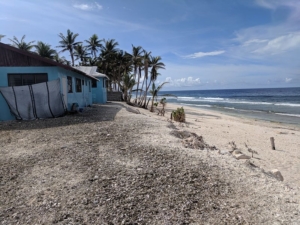
Hunger in TongaThe Kingdom of Tonga, a constitutional monarchy, is a 171-island archipelago in the South Pacific Ocean. Its estimated population of almost 105,000 occupies 45 of the islands, with over two-thirds living on the island of Tongaatapu. Over 75% of Tonga’s population is rural, although less than 28% of the land is arable. Tonga is an upper middle-income economy, with “enormous diaspora and remittance reliance” (estimated at almost 42% in 2022). Tourism is a key industry, and the country is a major fish exporter.      

Food Security: Access vs. Quality

The most recent Sustainable Development Report for Tonga for the U.N.’s SDG 2, Zero Hunger, shows decreasing trends in terms of improvement, with significant challenges remaining.  (Information was available for only four of the eight indicators comprising the assessment.) While the SDG has been achieved for stunting and wasting of children under 5, significant challenges remain for the Sustainable Nitrogen Management Index, and a major challenge regarding the prevalence of obesity, where the improvement trend is decreasing. 

Tonga has not met the criteria for inclusion in the Global Hunger Index, most likely because of insufficient data. Still, other sources support the conclusion that food security in Tonga is not a question of access to food, but rather an issue of the quality of food being consumed. The Pacific Community: Tonga Food Security Profile reports that more than 97% of the population has adequate access to food, but around 12% lack access to nutritious foods. While vegetable and fruit consumption is approximately what the WHO recommends for a healthy diet, 60% of dietary energy comes from foods it is recommended to limit or avoid—e.g., sugar and animal fats. Only 15% of Tongans consume a balanced diet. 

This conclusion is supported by the 2022 Global Nutrition Report, which indicates that Tonga’s obesity prevalence (57.9% of adult women and 45.5% of adult men) is higher than the regional average and among the highest in the world. At the same time, while Tonga is “on course” for childhood stunting, childhood wasting and childhood overweight, there has been no progress, or worsening, for anemia among women of childbearing age and exclusive breastfeeding. Tonga is off course for the remaining eight indicators of the report. 

Impact of Dietary Diversity on Health

The World Food Programme’s mobile Vulnerability Analysis and Mapping survey, October/November 2024, in Tonga, similarly noted that 98% of the households surveyed experienced adequate consumption, but diets lacked diversity. Although food security was found to be stable, the high cost of food and rural poverty are challenges. Significantly, the poor quality of diets can lead to NCDs (non-communicable diseases). 

The World Bank had previously noted an increase in poor diet as one of the behavior-related risk factors contributing to Tonga’s rise in NCDs, which accounted for four of the five leading causes of mortality. A 2021 World Bank study focused on NCD-related fiscal policies, such as taxation policy on unhealthy food consumption behaviors.

The World Bank has worked with Tonga to evaluate programs put in place 2016-2019 to promote healthy lifestyles. These programs were:

  • A government policy to mandate overseas fishing vessels to sell a portion of their catch in Tonga at a discounted rate, thus increasing the supply of fish available domestically
  • An NCD tax on unhealthy foods
  • A government buy-back program, whereby the Ministry of Fisheries purchased fish wholesale from local fishing boats and subsequently sold it to the public at a subsidized rate

The World Bank’s findings showed that “integrated, innovative solutions can work together to reduce food security risk… and improve health and nutrition outcomes.” 

Climate Challenge

Not to be ignored is the impact of climate on Tonga and its key economic sectors—tourism, agriculture and fisheries—and thus the direct and indirect effect on food security and health. Natural hazards include heat waves, drought, floods, cyclones and storm surges. In January 2022, for example, a volcanic eruption and tsunami destroyed crops and polluted drinking water. 

Subsequent to the COVID pandemic, the U.N.’s International Fund for Agricultural Development (IFAD) worked through the Informal Economies Recovery Project to support the implementation of various agricultural development activities in Tonga. IFAD’s mission is to reduce rural poverty, to improve nutrition and increase food security, as well as to strengthen resilience. IFAD partnered with MORDITT in Tonga (Mainstreaming of Rural Development Innovation Tonga Trust), with activities including the distribution of seedlings. 

A Collaborative and Multi-Pronged Approach

Addressing hunger in Tonga is thus a combination of national and international commitment with macro-level policy and sectoral efforts, as well as micro-level behavioral change efforts.

– Staff Reports

Photo: Flickr

January 1, 2026
https://borgenproject.org/wp-content/uploads/borgen-project-logo.svg 0 0 Borgen Project https://borgenproject.org/wp-content/uploads/borgen-project-logo.svg Borgen Project2026-01-01 07:30:032025-12-22 01:06:50How the United Nations is Working to Prevent Hunger in Tonga
Global Poverty, Hunger

10 Important Facts About Hunger in Vanuatu

Vanuatu HungerVanuatu is a lower-middle-income South Pacific Ocean archipelago between Hawaii and Australia, comprising more than 80 islands and extending over 800 miles. About two-thirds of the islands are inhabited, with over half of the population of 318,007 living on the three largest islands. The islands are primarily mountainous, with less than 2% arable land, and several islands are home to active volcanoes. There is a five-month cyclone season, with occasional earthquakes and tsunamis. Economically, the country relies on subsistence agriculture and tourism. 

Hunger and Nutrition in Vanuatu

Probably because of its small size, Vanuatu is not ranked in the comparative country report, the Global Hunger Index. The Global Nutrition Report has secured information on Vanuatu’s progress in meeting global nutrition targets; however, some of the data is over a decade old (2013-2020). At that last report, the country was “on course” only for three metrics: childhood overweight, exclusive breastfeeding and childhood wasting. Childhood stunting, anemia of women of childbearing age and low birth weight showed no progress or were worsening, with the islands “off course” for the remaining seven global nutrition indicators. 

Food Security

The U.N. Food and Agriculture Organization’s most recent Food Security Profile for Vanuatu is also based on data from 2020 or earlier and is consistent with the Global Nutrition Report. One in 10 Ni Vanuatu (Vanuatu’s Indigenous people) were described as undernourished, with 20.9% experiencing a moderate level of food insecurity, and severe levels of food insecurity suffered by an additional 2.4%. In other words, almost a quarter of Vanuatu’s population was reported as food insecure. On a positive note, the average Ni-Vanuatu is reported to consume more than the recommended amount of fruits and vegetables recommended by the World Health Organization. 

More recently, in October-November 2024, the World Food Programme telephone surveyed 1,306 Vanuatu households (82% of them were rural households). This was after a series of severe, damaging cyclones in 2023 that had disrupted the supply chain and impacted agricultural production and economic activity. The rural communities, which rely on subsistence agriculture, experienced a negative impact on consumption and nutrition. In October, although 67% of the households noted acceptable food consumption patterns, this was a 30% decline from the previous year. A 7.3 magnitude earthquake, subsequent to the survey, in December 2024, could only have exacerbated food insecurity. The source of food varied among the provinces: 84% of Malampa Province respondents reported acquiring food through their own production, while 69% of Shefa Province respondents purchased their food from markets or supermarkets. 

Subsistence agriculture has its limits, however. In March 2024, Prime Minister Chariot Salwai reported to the National Economic and Investment Forum that “Vanuatu imports nearly half of its food, despite 70% of the population residing in rural areas capable of producing organic products for domestic consumption.” 

Public Health Consequences

A substantial reliance on food imports can have a negative public health effect when it facilitates an increase in the consumption of ultra-processed foods. This can lead to an increase in noncommunicable diseases. A recent study of the impact of trade agreements on food systems revealed the relationship between Vanuatu’s World Trade Organization agreements and obligations and the country’s food environment, where an increase was seen in both healthy and less healthy imports. 

It was also found that an increase in foreign direct investment was accompanied by an increase in the local production and consumption of processed and ultra-processed foods by foreign-owned companies involved in food manufacturing, processing and production. 

Policy Responses to Hunger in Vanuatu

Such changes in the food environment can be addressed and controlled. This demands a balance of priorities among economic and trade interests and public health interests in order to strengthen the “nutrition policy space.” And this balance calls for multisectoral cooperation that includes public health actors in the policymaking process. Vanuatu recognized this in its National Nutrition Policy & Strategic Plan 2016-2020, with one of its guiding principles being a commitment to multisectoral approaches. 

This was followed by the Vanuatu Food Safety, Security & Nutrition Policy, 2022-2030, which recognizes and addresses the role of trade, economic and environmental policies on health and the food and nutrition “landscape.”

– Staff Reports
Photo: Wikimedia Commons

December 30, 2025
https://borgenproject.org/wp-content/uploads/borgen-project-logo.svg 0 0 Borgen Project https://borgenproject.org/wp-content/uploads/borgen-project-logo.svg Borgen Project2025-12-30 01:30:582025-12-22 00:51:1610 Important Facts About Hunger in Vanuatu
Global Poverty, Hunger

5 Facts About Hunger in Uruguay

Hunger in UruguayThe Republic of Uruguay is the second-smallest South American country. It is bordered by Argentina and Brazil, with a 410-mile coastline on the South Atlantic Ocean. Its 3.4 million population is 96% urban, with almost half living in or around the capital of Montevideo on the country’s southern coast. Uruguay is a high-income country and home to South America’s largest middle class. 

Hunger in Uruguay is Very Low

The 2024 Global Hunger Index designates hunger in Uruguay as Low, with a score of less than 5. This score has been consistently low, trending downward since 2000 when it was 7.6, and dropping below 5 beginning in 2016. The country is “very low” on all four component indicators: undernourishment (<2.5%), child mortality (0.7%) and child wasting (1.3%), with its highest indicator being child stunting (9.1%). 

The most recent Global Nutrition Report’s 13-target profile shows Uruguay as “on course” for childhood stunting and wasting, and overweight, as well as for elevated blood pressure for men and women, with “some progress” on low birthweight. However, it is “off course” for obesity, diabetes and sodium intake for both men and women. Anemia among women of childbearing age has made no progress or is worsening, with a steady increase since 2010, and is significantly higher for pregnant women. 

Poverty

Although Uruguay has one of the lowest poverty rates in the region (0.1% International Poverty Line, 10.1% National Poverty Line), child poverty is still twice the national average. In addition, 18.9% of the population suffers from multidimensional poverty, deprived of education, housing, basic services, social protection and employment. 

Food Security Strengths and Challenges

Food insecurity is related to both hunger and nutrition. Despite its excellent economy, there are still Uruguayans who experience moderate or severe food insecurity. Food insecurity was reported in 2023 to affect approximately 15% of households, primarily those with children and adolescents. Food insecurity became more visible during the economic stresses caused by the COVID-19 pandemic. 

The 2022 Global Food Security Index breaks down the nature of Uruguay’s food insecurity as follows: 

  • Sustainability and adaptation: 65.8 (rank 21)
  • Availability: 65.6 (rank 29)
  • Quality and safety: 73.8 (rank 40)
  • Affordability: 80.0 (rank 45)

​​The country’s strengths are disaster risk management, policy commitments regarding food security and access and food safety legislation and mechanisms, along with low poverty and the presence and nature of food safety-net programs. Challenges are average food costs, dietary diversity, farm infrastructure and ocean and land “health.”

Food Self-Sufficiency

The nature of Uruguay’s farmland (flat and fertile) is the basis of its food self-sufficiency ability, as is the fact that it is one of the largest exporters of grains, soybeans and beef. In addition, there is the presence of strategies such as frequent crop rotations, government policies focused on healthy soil and animals, and satellite imagery that pinpoints higher-risk erosion areas so responsible farmers can take corrective action. 

With a cow population four times the size of its human population, legislation prohibiting the use of antibiotics and hormones in cattle promotes both human health and animal welfare. Farming biotechnologies, for example, genome sequencing, enhances product quality. Cold tanks, mandatory pasteurization at the industrial level and measures to lower the risk of contaminants have improved the quality of its dairy products, 70% of which are exported. The country’s attention to both safety and food system innovation has made it “a top competitor for the most food-self-sufficient countries in the world.” 

The Future

Uruguay demonstrates how strategic agricultural practices, robust public policies and a strong commitment to social welfare can address hunger and support self-sufficiency. However, while it is one of the world’s most food-secure nations, it faces challenges such as obesity, child poverty and uneven nutrition outcomes, especially among women and children. As Uruguay continues to build on its strengths, it models valuable lessons for other nations striving to balance food availability, affordability and nutritional well-being.

– Staff Reports

Photo: Wikimedia Commons

December 24, 2025
https://borgenproject.org/wp-content/uploads/borgen-project-logo.svg 0 0 Borgen Project https://borgenproject.org/wp-content/uploads/borgen-project-logo.svg Borgen Project2025-12-24 07:30:322025-12-20 07:49:065 Facts About Hunger in Uruguay
Global Poverty, Health, Hunger

5 Facts About Hunger in Tuvalu

Hunger in TuvaluTuvalu is a small island nation composed of nine islands in the western Pacific Ocean. Because of its history as a former British colony, many of its citizens speak English, even though the native language is Tuvaluan and the native people are Polynesian. Tuvalu is recognized as one of the world’s least developed countries, the fourth smallest independent nation globally and one of the most at risk due to climate change. One-third of the population lives in Funafuti, the main island that is also the most urban. The rest of the population lives a more traditional lifestyle with extended families. Hunger in Tuvalu has been a problem, a direct result of limited access to land or income, and more recently, the impact of climate change. Here are five facts about food and hunger in Tuvalu.

5 Facts About Food and Hunger in Tuvalu

  1. History: For most of Tuvalu’s history, a majority of the population consisted of subsistence farmers who lived off what they grew. Hunger in Tuvalu was a part of life, but there was little famine. Usually, a family could grow enough food to support themselves, and they supplemented their diets with fish caught in the ocean.
  2. Importing Food: As Tuvalu’s connection to the rest of the world has increased, it has begun to import more and more food. Now, 80% of food is imported, mostly from the nearby countries of Australia, Japan, New Zealand and Fiji. This reliance on imported goods has significantly altered the country’s approach to food security and nutrition.
  3. Farming and Fishing: Hunger has decreased due to imported food, but Tuvaluans still face challenges with food security. Before Tuvalu began importing most of its food, local farms and fishing provided food security, but now most fish caught are exported. Even so, many rely on their land or fishing to earn money as the majority of the population is engaged in crop cultivation (69%) and livestock farming (84%). Currently, 26.3% of the population lives below the poverty line. 
  4. Changing Weather patterns: Changing weather patterns pose a major threat to food security because changing ecosystems can hurt people’s food supply. As coral in the ocean dies, fish — a crucial food supply — die as well. Additionally, seawater is slowly becoming acidic, making it an increasingly uninhabitable environment for sea life. More flooding due to rising sea levels and stronger tropical cyclones will also damage farmland and property.
  5. Health Concerns: Despite circumstances threatening food security, hunger in Tuvalu is not the country’s primary food-related problem. Imported foods, highly composed of fat and sugar to reduce spoilage, have increased obesity on the islands. The country ranks seventh in obesity, with an obesity rate of 51%.

Ongoing Efforts to Strengthen Food Security in Tuvalu

In recent years, various stakeholders have been working to address food insecurity in Tuvalu through collaborative initiatives aimed at improving agricultural resilience, promoting local food production and reducing dependence on imported goods.

Tuvalu’s Department of Agriculture, in partnership with the Taiwan International Cooperation and Development Fund, has worked on the development of government gardens. These initiatives introduced composting facilities, heat-tolerant crops and raised garden beds to improve local food production. Alongside these technical improvements, the government has promoted healthier diets by offering nutrition education and local recipes to encourage better use of homegrown produce. A particularly impactful initiative has been the Department of Agriculture’s push for home gardens,  encouraging households to grow vegetables on their own land. These gardens not only help diversify diets and reduce food imports but also promote physical activity and mental well-being. 

Another initiative to address food insecurity in Tuvalu is the one promoted by the NGO Live & Learn Environmental Education (LLEE) through its “Tuvalu Food Futures” project. The project has supported food garden development both in Funafuti and on outer islands like Nukufetau and Nukulaelae. 

While Tuvalu continues to face challenges from the changing climate, economic limitations and a growing reliance on imported food, local and international efforts are helping to build a more food-secure future. By investing in sustainable agriculture, promoting homegrown solutions and reviving traditional practices, Tuvalu is taking important steps toward restoring resilience and self-sufficiency in the face of uncertainty.

– Seona Maskara
Photo: Flickr

December 23, 2025
https://borgenproject.org/wp-content/uploads/borgen-project-logo.svg 0 0 Kim Thelwell https://borgenproject.org/wp-content/uploads/borgen-project-logo.svg Kim Thelwell2025-12-23 07:30:142025-12-20 00:16:445 Facts About Hunger in Tuvalu
Global Poverty, Health, Hunger

Understanding Hunger in Türkiye

hunger in TurkeyTürkiye is a country with major economic influence in the Middle East, and it is ranked as the 17th most prolific economy worldwide. In 2024, 2.5% of the population was undernourished, a percentage that has remained steady over the last five years. Despite this, the proportion of people living below the international upper middle-income poverty threshold of $6.85 per day decreased from 16% in 2012 to 7.8% in 2022. 

However, a 2023 report from the Turkish Statistical Institute revealed that nearly one in three people in Türkiye faces the risk of poverty or social exclusion.

Persistently High Inflation

Türkiye’s inflation rate remains high at around 70%, significantly impacting the cost of essential goods, including food. In some instances, prices have doubled, with people struggling to afford basic products. 

Moreover, the minimum wage often falls below the hunger threshold, making it difficult for families to meet their nutritional needs. 

Children are particularly affected by the worsening economic conditions. Approximately one-third of Turkish children live in poverty, with many experiencing malnutrition, stunted growth and increased rates of child labor. 

Economic hardship has led to increased child poverty, with many children forced to work to support their families. This not only affects their education and development but also reflects the broader issue of food insecurity within households.

Natural Disasters

Natural disasters, such as earthquakes, have disrupted food production and distribution networks. For instance, the devastating earthquake in February 2023 caused significant infrastructure damage, aggravating food insecurity in affected regions. ​The earthquake resulted in over 50,000 deaths, injured 107,000 people, and either damaged or destroyed 1.9 million homes, leaving 3.3 million people displaced—two million of whom required emergency shelter. The cost of recovery and reconstruction is estimated at $81.5 billion, adding strain to an already fragile situation. 

The Long Term Impact of Refugees 

Türkiye is home to one of the largest refugee populations globally, with over 3.1 million Syrians and nearly 300,000 refugees and asylum seekers from other countries. Since 2011, the country has allocated nearly €10 billion to support both refugees and the communities that host them, with the help of EU funds. 

The long-term presence of Syrian refugees in Türkiye has brought both challenges and benefits, affecting the economy, labor market and society. Syrian refugees, many of whom are employed in the informal sector, have intensified competition for low-skilled jobs—particularly in agriculture and construction—affecting Turkish workers in these fields. However, some studies indicate that their presence has also contributed to the creation of formal, higher-wage employment opportunities. In areas with large refugee populations, rising demand has driven up prices for housing and services. Despite these challenges, refugees have helped boost the Turkish economy through increased consumption and investment, positively impacting GDP in certain sectors, accounting for around 2% of the country’s GDP in 2017. Their presence also led to a production boost of 30.6 billion TL across various sectors, which resulted in about 20.9 billion TL in added economic value—equivalent to 1.51% of GDP.  

Organizations Fighting to Eradicate Hunger in Türkiye

Several organizations are actively working to address hunger and food insecurity in Türkiye:

  • World Food Programme (WFP): WFP provides cash assistance to over 30,000 refugees each month to help alleviate hunger and insecurity.
  • International Fund for Agricultural Development (IFAD): IFAD supports isolated rural communities by helping resource-poor farmers transition from subsistence to commercial farming. Their programs emphasize gender equality, community empowerment, and climate-resilient agricultural practices.
  • Food and Agriculture Organization (FAO): FAO focuses on improving nutrition and social protection for disadvantaged groups, promoting sustainable agricultural development, and strengthening climate resilience, particularly in rural areas. FAO supports smallholder farmers, especially women, with market access and climate-smart practices.
  • Action Against Hunger: In response to the February 2023 earthquake, Action Against Hunger assisted over 80,000 people by providing essential water, sanitation, and hygiene services.

While notable progress was made in reducing poverty and hunger in Türkiye over the past decade, the country continues to face challenges related to hunger, driven by high inflation and natural disasters. Through targeted support, sustainable development strategies, and humanitarian aid, there is a path forward to reduce hunger in Türkiye and help vulnerable communities access the food, resources and opportunities they need to thrive.

– Arianna Distefano
Photo: Pexels

December 21, 2025
https://borgenproject.org/wp-content/uploads/borgen-project-logo.svg 0 0 Kim Thelwell https://borgenproject.org/wp-content/uploads/borgen-project-logo.svg Kim Thelwell2025-12-21 07:30:532025-12-19 23:58:13Understanding Hunger in Türkiye
Global Poverty, Hunger, Sustainable Development Goals

Updates on SDG 2 in Sudan: The Battle Against Hunger

SDG 2 in SudanIn 2015, all U.N. member states adopted the 2030 Agenda for Sustainable Development. The agenda revolved around commitment to 17 Sustainable Development Goals (SDGs), a call to action for all developed and developing countries to commit to a unified approach to ending poverty and other global deprivations, with the U.N. Secretary General presenting annual SDG Progress Reports.

António Guterres presented the latest SDG Progress Report this year, which noted that global hunger and food, while having declined in recent history, are still above the figures from before the COVID-19 pandemic. With SDG 2 being the goal to attain levels of zero hunger, here are all the updates on SDG 2 in Sudan, including both the situation on the ground as well as the progress that is underway to combat rampant hunger in Sudan, as the African nation currently experiences a catastrophic famine.

Violence and Its Impact on Hunger

After three years of violence due to the conflict between the Rapid Support Forces (RSF) and the Sudanese Military, UNICEF reports that the conflict has affected 30 million people —  half of them children —  with violence such as summary executions, starvation, rape and bombardment displacing at least 10 million, which U.N. reports claim fit the 2008 U.N. Security Council definition for war crimes, crimes against humanity and genocide.

The Food and Agriculture Organization of the United Nations (FAO) estimates that 21.2 million people — nearly half of the population — are experiencing high levels of acute food insecurity, as conflict areas such as El Fasher and Kadugli have confirmed famine conditions. Restricted access due to violent conflict, as well as inflated food prices, strenuous journeys to receive aid, starving mothers’ reduced ability to breastfeed and funding cuts for said aid have driven the country to experience high levels of food insecurity.

UNICEF also reports that in the state of South Kordofan, where Kadugli is the capital, 10,000 children are suffering from severe acute malnutrition, while more than 70% of hospitals in areas experiencing violence are non-operational. Hospitals in safer areas are overwhelmed with limited resources and staff not receiving pay, severely limiting any safety net for families caught in a cycle of malnutrition.

Efforts on the Ground

As previously mentioned, funding cuts for relief organizations have limited the on-the-ground support for SDG 2 in Sudan. However, the latest Integrated Food Security Phase Classification (IPC) Special Snapshot reveals that as of September 2025, acute food insecurity had slightly improved with an estimated 3.4 million people no longer falling into the same category level of hunger, being IPC phase 3 or above, that they had from December 2024 to May 2035, the previous period of analysis. Furthermore, the IPC states that it expects food security conditions to improve between October 2025 and January 2026 with the arrival of the harvest season, though these harvest gains will be limited in some violence-ridden regions.

These incremental gains for SDG 2 in Sudan reflect the persistence of agencies like FAO, UNICEF and the World Food Programme (WFP).

  • FAO is focusing on providing emergency livestock, fishery supplies and veterinary services for animals deemed vital sources of protein and nutrition to strengthen local food systems. In the summer of 2024, FAO and its partners distributed 5,000 MT of seeds, reaching around 2.7 million people.
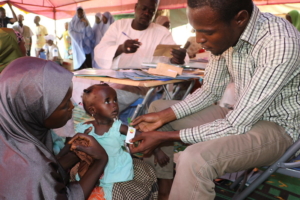
  • Between January and November 2024, UNICEF screened 6.7 million children under 5 for malnutrition and more than 415,772 children suffering from severe acute malnutrition were treated. UNICEF recently regained access to South Kordofan, delivering convoys of essential medicines and ready-to-use therapeutic food — a nutrient-rich peanut paste that can save children suffering from acute malnutrition. For parents like Zahra, whose three-year-old daughter Tahir was suffering from malnutrition, this convoy was the first real sign of relief and survival for her child in many months.
  • WFP delivers both food aid and cash assistance through its Food Assistance for Assets program, while distributing its micronutrient-rich product “VITAMINO” to children under 5, as well as pregnant and nursing mothers. As of December 2024, WFP had delivered food assistance to more than 800,000 Sudanese at risk of famine.

In addition, both UNICEF and the WFP offer vocational training for adolescents and adults, respectively, to provide greater access to livelihood opportunities as a safeguard against multigenerational poverty and hunger.

Looking Ahead

Despite encouraging signs that progress has occurred towards SDG 2 in Sudan has not completely ceased as famine in Sudan remains one of the most urgent humanitarian crises in the world with UNICEF stating that advocacy is crucial in the desire for greater humanitarian access across conflict lines both to provide more aid and to collect more data, increased foreign aid, mainly in the form of flexible spending, as well as a cessation of hostilities, the latter of which both UNICEF and the WFP deem vital in containing food insecurity and malnutrition.

With the FAO stating its need for $156.7 million for 2025 to assist 14.2 million people, UNICEF also urges the international community, including U.S. Congress and other donor governments, to increase flexible funding that allows rapid allocation to the most vulnerable.

Despite the dire circumstances, the persistence of local farmers, aid workers and global partners continues to plant the seeds of hope that sustain SDG 2’s mission. Each harvest supported, each child treated for malnutrition and each family trained for self-reliance moves Sudan — however slowly — closer to the promise of zero hunger.

– Luca Hanlon

Luca is based in Brooklyn, NY, USA and focuses on Good News and Politics for The Borgen Project.

Photo: Wikimedia Commons

November 27, 2025
https://borgenproject.org/wp-content/uploads/borgen-project-logo.svg 0 0 Jennifer Philipp https://borgenproject.org/wp-content/uploads/borgen-project-logo.svg Jennifer Philipp2025-11-27 07:30:202025-12-17 07:18:25Updates on SDG 2 in Sudan: The Battle Against Hunger
Global Poverty, Hunger, Malnourishment

School Meals Coalition: The Fight Against Childhood Hunger

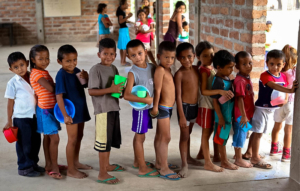
School Meals CoalitionOver the past five years, the world has seen significant wins in the fight against childhood hunger. Most notably, an additional 80 million children worldwide have gained access to school meals since 2020. School meals are an important social safety net that helps prevent child malnutrition and advance human development. The rapid increase in distributed school meals comes not as a result of foreign aid, but from national school feeding programs, illustrating nations’ growing investment in the futures of their students. With expanding domestic programs and policies, developing countries are providing meals to 60% more children in 2025 than in 2023. The most significant progress has been seen in Africa, with 20 million of the newly reached students living in African nations.

Countries Leading the Way

Several African countries are leading the way in advancing domestic nutrition programs, with considerable progress in Rwanda and Kenya.

In 2024, Rwanda provided school meals to nearly 4.5 million students through its National School Meal Programme. That same year, the Rwandan government released the National School Feeding Strategy 2023-2032, which outlines plans to continue expanding the program by accommodating the growing student population, increasing program efficiency and building resilience against external shocks. The government is also increasing capacity through higher budget allocations. In 2021, the school feeding budget was $6.25 million; by 2024, it had increased to $73.4 million.

Kenya has taken strong action toward providing universal access to school meals. The Kenya School Meal Programme has been scaling up since the 1980s. In 2024, 2.6 million school-aged children received school meals. By 2030, the government aims to deliver meals to all 10 million primary school students.

Sustainable practices have been prioritized, including procuring locally grown food from small-scale farms—especially climate-resilient crops—and expanding clean, on-site cooking methods to lower energy use and reduce pollutants. Kenya joined the School Meals Coalition in 2021 and has since launched a national chapter, the first of its kind in Africa.

A Meal for Every Child: The School Meals Coalition

This progress reflects the efforts of the School Meals Coalition, a global movement that mobilizes governments to invest in school feeding initiatives. The coalition includes 112 member states, 150 partner organizations and six regional bodies committed to addressing childhood hunger and supporting Sustainable Development Goals.

As countries join, they issue commitments to scale up national school feeding programs and outline how they plan to reach those goals. In return, the coalition provides research, financial strategies and technical support. Many of the countries making the most progress are coalition members, demonstrating high levels of cooperation. In Africa, 44 out of 54 countries are now part of the coalition.

Looking ahead, the coalition aims to provide daily meals to all school-aged children worldwide by 2030. One major milestone has already been reached: restoring all national school meal programs suspended during the COVID-19 pandemic. Continued efforts focus on reaching vulnerable children who still lack access by recruiting more member countries, scaling up programs and improving their efficiency and sustainability.

The Benefits of School Meals

School feeding has strong implications for poverty reduction, providing measurable improvements in educational, economic, health and nutritional outcomes. The most immediate benefits involve improved child health and nutrition, especially in low-income countries where many children face food insecurity. For many, a school meal is their most consistent source of essential nutrients.

There are also far-reaching benefits beyond nutrition. Evidence shows that school meals can improve educational outcomes by increasing enrollment, attendance and classroom participation, particularly in communities facing poverty. Food often acts as an incentive for families to send their children to school, helping reduce absenteeism and fatigue.

School feeding also supports economic growth. As governments add locally grown foods to their menus, smallholder farmers benefit, strengthening local food systems and economies. Long-term returns stem from improved education and increased job opportunities. It is estimated that for every $1 invested in school feeding, $7 to $35 is gained in economic returns.

Looking Forward

As countries continue scaling up school feeding initiatives, they address key drivers of poverty. Consistent, nutritious meals help prevent child malnutrition and improve health outcomes. School meals also provide students with the foundation to break cycles of poverty through better educational and employment opportunities. Local economies benefit through stronger food systems and increased income opportunities.

Through major progress in reaching children with school meals, the School Meals Coalition and its member states show how cooperation can support human development and poverty reduction while continuing the global fight against childhood hunger.

– Quinlan Bohannon

Quinlan is based in Portland, OR, USA and focuses on Good News for The Borgen Project.

Photo: Flickr

November 24, 2025
https://borgenproject.org/wp-content/uploads/borgen-project-logo.svg 0 0 Precious Sheidu https://borgenproject.org/wp-content/uploads/borgen-project-logo.svg Precious Sheidu2025-11-24 01:30:572025-11-24 01:20:59School Meals Coalition: The Fight Against Childhood Hunger
Food Security, Global Poverty, Hunger

The Impact of Technology on World Hunger

World Hunger
Food scarcity remains a critical global issue and a barrier to eradicating world hunger, affecting millions of people. As the world population grows, traditional methods of food production and distribution face immense pressure. Fortunately, technological advancements offer powerful, innovative solutions to combat hunger. By improving agricultural practices, optimizing supply chains and empowering local communities, technology provides hope for a future free from hunger. This article explores the significant ways technology is making a difference in the global fight for food security.

Technology Improves Crop Yields and Resilience

Modern agricultural technology, known as AgTech, is a critical weapon in the fight against world hunger. By directly addressing food production challenges, these innovations are empowering farmers to produce more food sustainably for a growing population. Farmers can leverage digital agriculture tools, such as GPS-guided tractors, drones and soil sensors, to manage fields with remarkable accuracy, applying water, fertilizers and pesticides only where needed. For example, according to OnFarm, an AgTech resource such as IoT helps to generate 4 million crop-related data points each day to prevent future crop loss. This precise application conserves vital resources, minimizes environmental impact and maximizes output from every acre, directly contributing to feeding more people and securing food supplies.

Drones offer aerial views of crop health, allowing farmers to proactively identify and mitigate problems such as pests or nutrient deficiencies before they devastate harvests. Furthermore, breakthroughs in biotechnology have led to the development of crops specifically engineered for resilience against drought, pests and disease. These robust crops ensure more stable and abundant harvests, even in the face of unpredictable climates, providing a vital safeguard against famine and food shortages in vulnerable communities.

Technology Reduces Food Waste in Supply Chains

A significant portion of the world’s food is lost or wasted between the farm and the consumer. Technology offers effective solutions to make supply chains more efficient and reduce this loss. Innovations in food preservation, such as advanced packaging and processing techniques, play a crucial role. For example, lyophilization, or freeze drying, reduces food scarcity by keeping food fresh for longer periods. Additionally, blockchain technology provides transparent and traceable supply chains, allowing businesses to monitor food from its origin to the store shelf. This transparency helps identify weak points where food loss occurs and ensures accountability. Smart logistics platforms use data analytics to optimize transportation routes and storage conditions, further minimizing spoilage and ensuring that more food reaches those in need.

Technology Empowers Small-Scale Farmers

Small-scale farmers produce one third of the world’s food, yet many lack access to vital information and resources. Mobile phone technology is bridging this gap. Through simple text messages or dedicated smartphone apps, farmers can receive real-time weather forecasts, current market prices, and expert agricultural advice. This information empowers them to make informed decisions, such as when to plant, harvest or sell their crops. Mobile phone banking platforms also provide access to financial services, enabling farmers to secure loans for better seeds and equipment. By connecting smallholders to larger markets and critical data, technology helps increase their productivity and income, strengthening local food systems and building economic resilience.

Build a Hunger-Free Future

Technology is not a single solution, but a powerful collection of tools that can fundamentally change how we produce, distribute, and access food. From the fields where crops grow to the supply chains that deliver them, innovation is driving efficiency, reducing waste and empowering communities. By supporting and scaling these technological solutions, the world can create a more sustainable and equitable food system for everyone. Every person’s support for organizations that implement these technologies can help accelerate this progress. Together, people can harness the power of innovation to end world hunger.

– Kelly Schoessling

Photo: Unsplash

November 20, 2025
https://borgenproject.org/wp-content/uploads/borgen-project-logo.svg 0 0 Jennifer Philipp https://borgenproject.org/wp-content/uploads/borgen-project-logo.svg Jennifer Philipp2025-11-20 06:36:192025-11-20 07:00:57The Impact of Technology on World Hunger
Global Poverty, Hunger, Technology

Food ATMs: How Smart Dispensers Are Redefining Hunger Relief

Food ATMsIn narrow alleys and public markets of Quezon City, Philippines, glowing dispensers now operate under the city’s Paleng-QR Ph program, allowing residents to purchase or collect essentials through QR-enabled systems. Introduced and accelerated during the pandemic, these digital systems allow families to access essentials independently, without crowds or manual processing.

For thousands of families, it represents more than convenience; it’s peace of mind, knowing their family can eat without the stress of waiting or public scrutiny. Each quiet transaction is a small but meaningful reassurance in an unpredictable world.

What Are Food ATMs?

Food ATMs, sometimes called Grain ATMs, work like cash machines but dispense food instead of currency. Users authenticate with a biometric ID, smart card or QR pass and the machine releases a measured amount of grain based on eligibility. These systems are designed to prevent ration theft and eliminate the need for manual ledgers and oversight, making distribution more transparent and tamper-proof.

For many families, this means receiving their daily sustenance without anxiety or embarrassment, allowing them to focus on work, school and family life rather than waiting in long lines.

The Technology Behind Food ATMs

In India, the Annapurti Grain ATM can dispense up to 50 kilograms of grain within five minutes. It uses biometric verification and automation to reduce wait times by an estimated 70%, according to rollout reports from the state of Odisha. Machines are being adapted to run on solar power, making them functional even in regions with unstable electricity.

In the Philippines, the QR-based Paleng-QR initiative digitizes transactions in public markets, encouraging cashless and monitored distribution. For the families who rely on these systems, it means fewer hours spent waiting in queues and more certainty that their children will have food on the table. Each successful transaction offers a quiet reassurance that their daily needs are met efficiently and safely.

Global Expansion: Verified Examples

The concept of automated, dignity-focused resource distribution is spreading across regions:

  • India: Grain ATMs under public distribution reforms provide 24/7 access and reduce dependency on ration shops.
  • Kenya: Smart-card water ATMs in Nairobi slums allow users to access safe water at reduced cost and are available at any hour.
  • Philippines: The Paleng-QR digitization effort is part of a government-backed strategy to integrate QR authentication for everyday essentials.

The Quiet Revolution: Food Without Shame

Beyond speed and logistics, these machines challenge an age-old problem in aid distribution: public visibility and shame. Traditional food lines force recipients to wait in crowded spaces, often creating a sense of dependency and exposure. Automated, private collection allows families to receive aid quietly, preserving dignity.

Reports from digital aid pilots show increased participation when food access is available privately and without human gatekeepers. Parents and caregivers experience relief and confidence, knowing their families can receive essentials discreetly, allowing them to focus on daily life without fear of judgment. Each quiet visit to a food ATM reinforces autonomy and trust in the support system.

Challenges and Ethical Considerations

Digital systems require electricity, connectivity and maintenance, which are not always guaranteed in informal settlements or disaster-prone areas. Biometric or QR technologies risk excluding people without government IDs or mobile access. Moreover, digital records can raise privacy concerns, as transaction logs reveal when and how often people collect aid.

In response, some pilot systems are introducing offline verification modes and solar-powered units to reduce exclusion. Even small technical glitches can leave marginalized families without a meal or essential supplies, making reliable and inclusive access a matter that directly impacts their daily lives and dignity.

Closing

In Quezon City, digital access points are expanding through Paleng-QR. In India, the Grain ATM continues its rollout under public distribution reforms.

Families eat, students study and parents work, without the extra burden of food insecurity. Ultimately, food ATMs are not just dispensers but quiet tools of autonomy, dignity and transformative change.

– Diane Dunlop

Diane is based in Edmonton, Canada and focuses on Good News and Technology for The Borgen Project.

Photo: Flickr

November 2, 2025
https://borgenproject.org/wp-content/uploads/borgen-project-logo.svg 0 0 Hemant Gupta https://borgenproject.org/wp-content/uploads/borgen-project-logo.svg Hemant Gupta2025-11-02 07:30:462025-11-02 01:51:18Food ATMs: How Smart Dispensers Are Redefining Hunger Relief
Global Poverty, Hunger

A Double Burden: Malnutrition in the Dominican Republic

Malnutrition in the Dominican RepublicFor decades, malnutrition in the Dominican Republic was synonymous with hunger. Children in rural provinces and low-income neighborhoods often depended on public school food programs that fell short and malnutrition rates rose. In the ’90s, chronic child malnutrition affected more than 30% of children younger than 5. Over time, however, the country has made measurable progress. By the early 2010s, undernourishment had dropped by more than half, partly thanks to school food programs and targeted interventions.

The New Face of Malnutrition

Today, the face of malnutrition in the Dominican Republic has changed. While stunting still affects 6.7% of children under age 5, the more pressing concerns are anemia, obesity and overweight. According to UNICEF, about 8% of children under 5 are overweight. Likewise, 31% of public school students were overweight or obese during the 2021–2022 school year. At the same time, nearly 28% of children under 5 still suffer from anemia.

As nutrition specialist Ana Carolina Báez Abbott told The Borgen Project in an interview: “Now the problem isn’t underweight, but overweight and obesity… and often these overweight children have micronutrient deficiencies. What we call hidden hunger.” The country now grapples with what public health experts call the “double burden” of malnutrition: undernutrition and overnutrition coexisting in the same communities.

Band-Aid Policies Yield Uneven Results

This transition highlights a pattern of “band-aid” solutions. The government and international organizations previously focused on school feeding programs to reduce hunger. By 2013, the FAO reported that undernourishment had declined by more than half compared to the ’90s. Yet policymakers ignored the quality of meals, which often filled stomachs but lacked the nutrients needed for healthy development.

Abbott explained that when she worked with the Programa de Alimentación Escolar (School Feeding Program), her team uncovered serious flaws in the menus. “There was a high sugar content in the school menu,” said Abbott. “For example, a juice with an average of 23 grams of sugar that the children consumed daily. We decided to exclude it and replace it with fresh fruit.”

She also noted efforts to improve fiber intake: “We ensured that every lunch dish included vegetables, along with protein and carbohydrates. It was a way to educate children on proper nutrition.”

Today, the government’s promises tell a similar story. The ruling Modern Revolutionary Party (PRM) has pledged investments in rural health infrastructure. In its 2025 report, the Ministry of Public Health estimated that malnutrition and obesity cost the country 2.6% of GDP annually. Health budgets remain skewed toward urban hospitals, leaving rural maternal and child nutrition programs underfunded.

Approval of Schooling Feeding Program

In 2024, legislators made school feeding a permanent state policy, banning junk food in cafeterias and guaranteeing potable water. This represents a milestone, showing that nutrition is finally being addressed as a permanent right rather than a temporary fix.

Still, as Abbott notes: “These are changes that you may not see results from right now, but you are preventing children from receiving a super-high sugar load… and that impacts the reduction of health complications in the future.”

Her perspective aligns with findings from Diario Libre’s 2022 and 2024 reports: the Dominican Republic has established key tools like the National Institute of Student Welfare (INABIE) and school nutrition laws — but their impact depends on how effectively these programs are implemented, especially in rural areas.

While progress is undeniable, the country still struggles with underlying inequities, where malnutrition has evolved and not disappeared. Rural poverty, limited access to nutritious food and weak program delivery mean that the country still fails its youngest citizens.

Abbott emphasized the role of poverty and inequality: “The problems of poverty and inequality exacerbate the problem. Many mothers stop breastfeeding early and opt for sweetened formulas, creating children with a preference for sweets from a very young age.”

A Political Gap

The Dominican Republic’s struggle with malnutrition is political as much as it is nutritional. Budget priorities favor urban hospitals over preventive care. Maternal and child nutrition remain secondary concerns in national planning. Lawmakers pass laws but fail to implement them fully.

According to Abbott, stronger public policies are essential. “We need more public policies, more laws and regulations,” she explains. “We need schools to be safe spaces where what is sold in cafeterias is controlled. And we need massive educational campaigns to raise awareness among the population.”

The 2024 nutrition law, INABIE’s expanded reach and the PRM’s rural health pledges show that nutrition is gaining attention on the national agenda. The challenge is no longer whether policies exist, but whether they are strong enough, consistent enough and inclusive enough to close the remaining gaps.

Abbott points out that measures like food reformulation and labeling could help: “There is a proposed regulation for front-of-package labeling with nutritional warnings… we, as a state, have a responsibility to inform consumers.”

The Road Ahead

Malnutrition in the Dominican Republic has changed forms over the decades, but it remains a serious problem. The Dominican Republic has reduced hunger but now faces a more complex challenge: tackling anemia, obesity and stunting together. This requires moving beyond short-term fixes toward structural change: investing in maternal diets, rural programs and school nutrition that emphasizes quality, not just quantity.

Until then, malnutrition in the Dominican Republic will remain a familiar story told in new forms: a problem solved on paper, but not in the lives of Dominican children.

– Shannon Garrido

Shannon is based in Brighton, UK and focuses on Global Health for The Borgen Project.

Photo: Flickr

October 20, 2025
https://borgenproject.org/wp-content/uploads/borgen-project-logo.svg 0 0 Hemant Gupta https://borgenproject.org/wp-content/uploads/borgen-project-logo.svg Hemant Gupta2025-10-20 07:30:302025-10-20 01:00:44A Double Burden: Malnutrition in the Dominican Republic
Page 3 of 71‹12345›»

Get Smarter

  • Global Poverty 101
  • Global Poverty… The Good News
  • Global Poverty & U.S. Jobs
  • Global Poverty and National Security
  • Innovative Solutions to Poverty
  • Global Poverty & Aid FAQ’s
Search Search

Take Action

  • Call Congress
  • Email Congress
  • Donate
  • 30 Ways to Help
  • Volunteer Ops
  • Internships
  • Courses & Certificates
  • The Podcast
Borgen Project

“The Borgen Project is an incredible nonprofit organization that is addressing poverty and hunger and working towards ending them.”

-The Huffington Post

Inside The Borgen Project

  • Contact
  • About
  • Financials
  • President
  • Board of Directors
  • Board of Advisors

International Links

  • UK Email Parliament
  • UK Donate
  • Canada Email Parliament

Get Smarter

  • Global Poverty 101
  • Global Poverty… The Good News
  • Global Poverty & U.S. Jobs
  • Global Poverty and National Security
  • Innovative Solutions to Poverty
  • Global Poverty & Aid FAQ’s

Ways to Help

  • Call Congress
  • Email Congress
  • Donate
  • 30 Ways to Help
  • Volunteer Ops
  • Internships
  • Courses & Certificates
  • The Podcast
Scroll to top Scroll to top Scroll to top