Everything To Know About Hunger in Rwanda
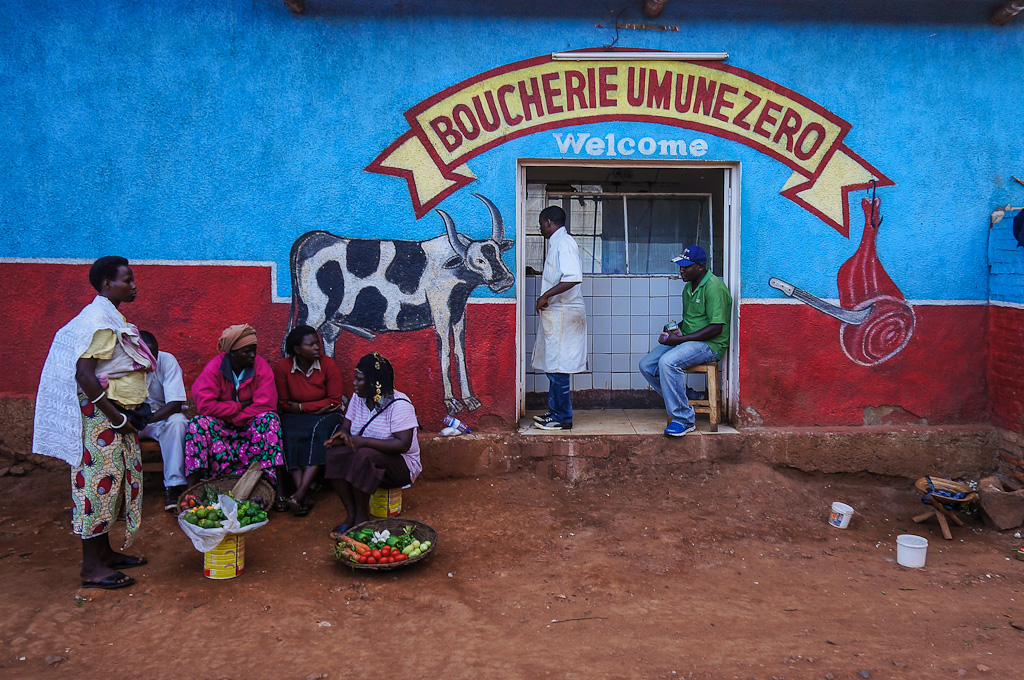 Despite significant development progress over the past decades, hunger in Rwanda remains an ongoing challenge, affecting millions of people and posing a major obstacle to the country’s economic and social growth. Structural barriers, such as changing weather patterns, continue to undermine long-term food security for vulnerable households.
The State of Food Security in Rwanda
Rwanda has made notable progress in reducing hunger, however food insecurity continues to affect a significant portion of its population. According to data obtained in 2022, food insecurity remains a reality for approximately 20.6% of the population, with the majority experiencing moderate levels of insecurity. In 2024, the overall Dietary Energy Supply gradually increased by 1.7%, indicating some “improvement in national food energy availability.” Currently, 32.4% of children under the age of five suffer from chronic malnutrition.
Root Causes of Hunger
Hunger in Rwanda is driven by a complex combination of environmental and economic factors:
- Climate and Environmental Shocks: Rwanda’s tropical climate and hilly terrain make it vulnerable to droughts, flood and soil erosion. These events can reduce crop yields, disrupt harvests and increase the risk of food shortages.
- Inflation and Economic Pressure: In 2023, inflation forced nearly one million households into food insecurity. Price increases for perishable foods mean families must cut back on essentials and/or switch to cheaper, less nutritious options.
- Limited Dietary Diverse Foods: Many households lack access to “nutritionally diverse diets.” Only 19.5% of young children receive a minimum acceptable diet, contributing to persistent malnutrition.
- Population Density and Growth: Rwanda is one of the most densely populated countries in Africa, and its rapidly growing population increases pressure on the country’s limited land and resources.
Who Is Most Affected?
Rural populations, women and children are disproportionately affected by food insecurity. Children under the age of five are increasingly vulnerable to chronic malnutrition, which may chronically impact physical and cognitive development.
According to the United Nations Refugee Agency, refugees fleeing Rwanda’s neighboring countries also face acute food insecurity. Limited access to land and employment opportunities around refugee camps leads many to heavily depend on humanitarian food assistance. However, due to a lack of funding, refugees are at a greater risk of nutritional deficiencies.
Government and Policy Responses
The Rwandan government has invested in programs and policies to strengthen food security and agricultural production, including:
- World Food Day: World Food Day is a celebration which highlights community efforts to boost production, support vulnerable families and improve nutrition.
- Seeds and Fertilizer Distribution: Rwanda’s Ministry of Agriculture and Animal Resources aims to increase the production of rice and potatoes, targets 63,570 tonnes of fertilizer and registers two million farmers for subsidized inputs in 2026.
- Girinka (One Cow per Family): Girinka is a program which gives cows to families, “improving nutrition through milk consumption and creating income-generating opportunities.” Since 2006, it has distributed 467,984 cows to households.
International Support and Challenges
By supporting refugees, assisting vulnerable rural communities and working with farmers, international partners like the United Nations World Food Programme (WFP) play a crucial role in addressing hunger in Rwanda by providing “specialized nutritious food, for the prevention and treatment of malnutrition, to vulnerable groups.” However, funding gaps and global crises have strained humanitarian assistance, leading to ration cuts for refugee camps.
Looking Ahead: Challenges and Opportunities
As aligned with Sustainable Development Target 2, Rwanda has seen measurable successes regarding access to food, but progress remains uneven as the changing climate, inflation and demographic trends continue to pose significant risks. According to the WFP, to sustain gains and close the gap, it is critical to boost agricultural activity, invest in infrastructure and improve nutrition education.
Sustained investment, enhanced regional cooperation and targeted programs could help build a more food-secure Rwanda. Community leaders and international partners must continue collaborating to ensure that everyone in Rwanda, citizens and refugees, have access to enough nutritious food that supports long-term health.
– Sara Aboulela
Sara is based in Toronto, Canada and focuses on Celebs and Politics for The Borgen Project.
Photo: Wikimedia Commons
