Solar-Powered Fridges are Fighting Hunger in India
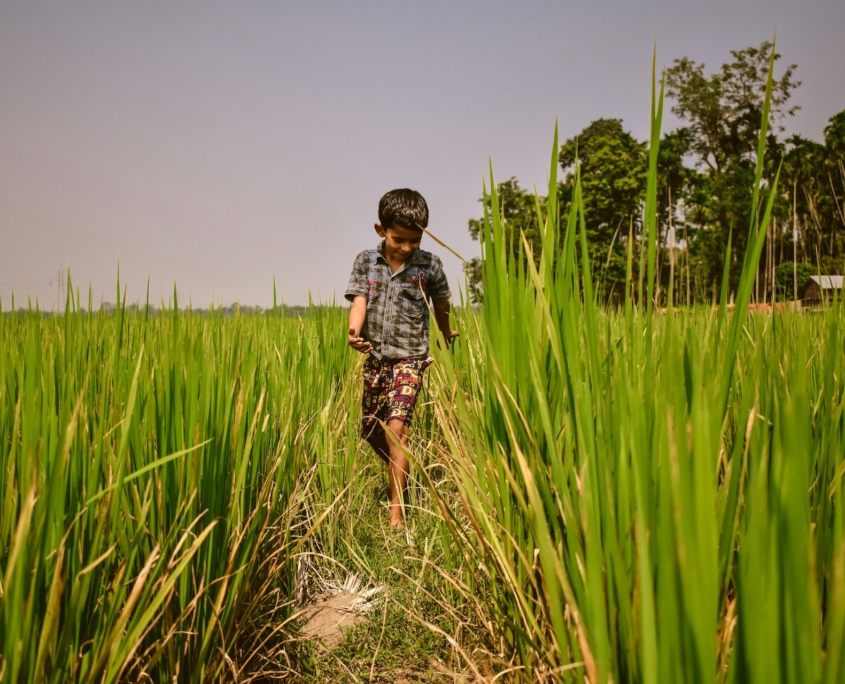 Food loss and waste drive hunger and poverty across the world. Each year, people lose or waste 1.3 billion tons of food, reducing incomes and leaving families without reliable nutrition. India illustrates this crisis clearly. In 2019, India lost or wasted 56 million tons of food worth about $10 billion, largely because producers lacked cold storage.
Perishable foods such as milk, fruits, vegetables, meat and fish spoil quickly without temperature control. Developing countries lose 23% of perishable foods before they reach markets. These losses reduce farmer incomes and restrict access to nutritious food, especially in rural areas.
Amid these challenges, solar-powered fridges are fighting hunger in India. By providing reliable, off-grid cooling, they help farmers preserve perishable crops, maintain income streams and reduce food waste. These fridges also support health and nutrition by safely storing vaccines, medicines and dairy products while lowering dependence on polluting diesel generators and unreliable electricity grids.
What Is a Solar-Powered Fridge?
Cold storage plays a central role in reducing food loss, but traditional refrigeration creates serious risks. Conventional systems rely on fossil-fuel electricity and refrigerants such as hydrofluorocarbons (HFCs), which trap heat far more effectively than carbon dioxide.
Exporting these systems to low-income regions would lock communities into carbon-intensive infrastructure. Solar-powered refrigeration offers a different path. These systems run on renewable energy and avoid dependence on unreliable grids or diesel generators. In India, where power cuts remain common, especially in rural and semi-urban areas, solar refrigerators provide consistent cooling for food, medicine and vaccines. As a result, solar-powered fridges are fighting hunger in India directly.
Real-Life Impact
In northeastern India, farmer Lalmuankimi Bawitlung experienced the impact firsthand. Rising heat forced her to discard about one-third of her 350-kilogram annual orange harvest after fruit ripened too quickly to sell. In January, the state installed a 10-ton solar-powered cold storage unit in the nearby village of Khawzawl.
The Mizoram Science Technology & Innovation Council worked with Inficold to build the facility, which now serves about 235 farmers. The system uses solar-powered ice battery technology that stores thermal energy and keeps produce cool for months. Lalmuankimi stored oranges until the off-season and sold them for five times the usual price, turning losses into income.
India already has more than 8,200 cold storage facilities, but most rely on the electricity grid. High energy costs and frequent outages force farmers to use diesel generators or abandon cold storage altogether. Solar-powered units address both problems. They reduce operating costs and continue working during power cuts, which often follow floods, landslides or heat waves.
Solar-Powered Fridges Supporting Health
Solar refrigeration also supports health and nutrition. Refrigerators allow households to store food longer and reduce trips to markets. During the COVID-19 pandemic, off-grid refrigerators helped families limit exposure while protecting food supplies. In an Indian pilot, 70% of solar refrigerator customers reported monthly profit increases of about $57 by selling cold beverages and dairy products from home-based businesses.
Health systems also depend on refrigeration. Clinics require cold storage for vaccines, blood, insulin and other temperature-sensitive medicines. Millions of children missed routine immunizations before the pandemic, largely because health facilities lacked reliable cooling. Delivering COVID-19 vaccines to 60%–70% of the world’s population requires a massive expansion of cold chain infrastructure, especially in poorly electrified areas. Solar-powered refrigerators provide a practical solution.
Looking Ahead
Solar-powered fridges are already transforming rural communities by keeping food fresh, protecting incomes and strengthening health systems. Across India, these systems reduce food loss, expand access to nutritious products and create opportunities for women and small-scale farmers. By cutting reliance on polluting energy sources, they also contribute to a cleaner, more sustainable future. Solar-powered fridges are fighting hunger in India by offering a practical, scalable solution that improves lives village by village.
– Mollie Skogen
Mollie is based in London, UK and focuses on Technology and Celebs for The Borgen Project.
Photo: Unsplash
