• Link to X
  • Link to Facebook
  • Link to Instagram
  • Link to TikTok
  • Link to Youtube
  • About
    • About Us
      • President
      • Board of Directors
      • Board of Advisors
      • Financials
      • Our Methodology
      • Success Tracker
      • Contact
  • Act Now
    • 30 Ways to Help
      • Email Congress
      • Call Congress
      • Volunteer
      • Courses & Certificates
      • Be a Donor
    • Internships
      • In-Office Internships
      • Remote Internships
    • Legislation
      • Politics 101
  • The Blog
  • The Podcast
  • Magazine
  • Donate
  • Click to open the search input field Click to open the search input field Search
  • Menu Menu

Archive for category: Hunger

Food & Hunger, Food Insecurity, Global Poverty, Hunger

The Fight Against Food Insecurity in South Sudan

Food Insecurity in South Sudan
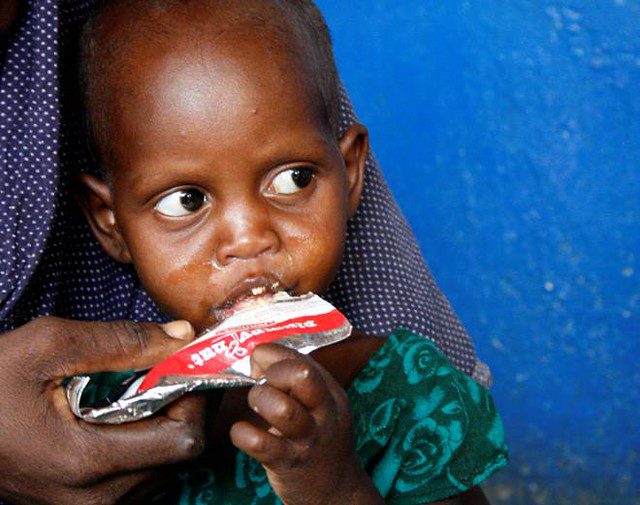
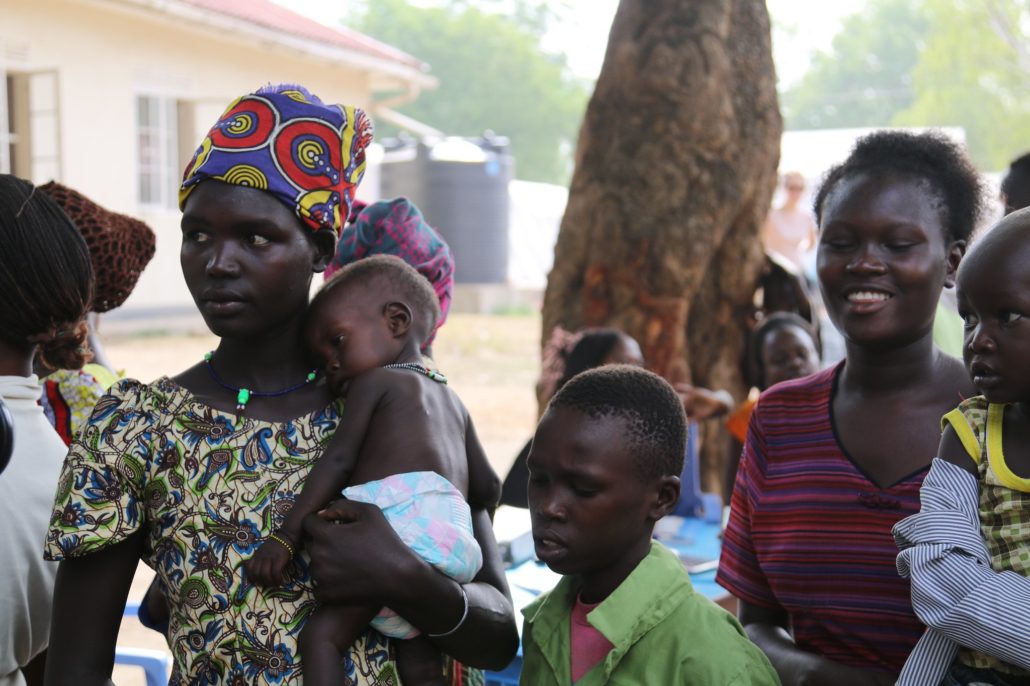
Since the country’s independence in 2011, South Sudan has been in a state of instability as it recovered from a six-year-long conflict with Sudan. This instability has had quite an effect on the nation’s nutrition, with 51% of the country’s total population reporting food shortages in 2020. Some of the main causes of the continued food insecurity in South Sudan include flooding due to poor land management, destruction of agriculture and businesses due to conflict, elevated food prices and lack of access to livestock products that would enable citizens to cultivate a reliable food source. Additionally, the ever-present conflict in the area often prevents people from being mobile, meaning they are unable to search for food, find better agricultural land or access markets that may be nearby.

The World Food Programme (WFP)

Despite this situation, many humanitarian organizations have allocated resources towards fighting food insecurity in South Sudan, including the U.N.’s World Food Programme (WFP). The effort provides direct food aid to roughly 5.32 million South Sudanese people. Each year, the WFP transports 325,000 metric tons of food into 50 warehouses across the country, helping to fill the large gaps in domestic agricultural production.

The U.N.’s program has also introduced a new means of efficiently and evenly distributing aid called SCOPE, a database in which individual aid recipients register by fingerprint. The database records who receives food and how much, and even tracks an individual’s health and nutrition levels, noting when signs of malnutrition cease or appear. So far, the SCOPE system alone has registered 1.4 million people. Since 2018, the U.N. has also administered over $30 million USD in vouchers that one can redeem in exchange for food through the SCOPE system.

The Food and Agriculture Organization (FAO)

Similarly, the U.N.’s Food and Agriculture Organization (FAO) has been working with farmers to boost domestic crop production in hopes of reducing food insecurity in South Sudan. Due to constant displacement and poor land quality, creating a strong agricultural sector has proven to be challenging for the nation.

However, FAO’s program works to distribute seeds and hand tools. Moreover, it conducts land assessments across the nation to determine which plots might produce the highest yield. As a result, the cultivated land area increased by 15% from 2017 to 2018, and cereal production rose 10% from 2018 to 2019. In 2018, the program also began its seed distribution effort, administering 5,970 metric tons of seeds across the nation, benefiting 406,408 households.

Action Against Hunger

Nonprofit organization Action Against Hunger has also worked alongside the U.N.’s efforts to reduce food insecurity in South Sudan. The organization has worked with 7,215 farming families, with a focus on dyke and irrigation system construction to ensure farms are resistant to the region’s heavy flooding.

Additionally, volunteers and locals constructed and/or rehabilitated 5,000 water points, where people can easily access potable water and plumbing. In an effort to solve the issue of lack of mobility in the nation, Action Against Hunger also constructed 71 kilometers of roads, which allow the average South Sudanese person to access markets, clinics and other vital services.

Without intensive aid from humanitarian organizations, the state of food insecurity in South Sudan would be much worse than the recent statistics show. As the nation builds its foundations and recovers from its violent past, access to nutrition will undoubtedly become more widely available. However, with more than half the population unable to fill their stomachs each day, much work is still necessary.

– Jane Dangel
Photo: Flickr

September 17, 2020
https://borgenproject.org/wp-content/uploads/borgen-project-logo.svg 0 0 Kim Thelwell https://borgenproject.org/wp-content/uploads/borgen-project-logo.svg Kim Thelwell2020-09-17 22:29:452020-11-06 22:30:00The Fight Against Food Insecurity in South Sudan
Global Poverty, Hunger

Poverty and Hunger in Chile During COVID-19

hunger in Chile
Chile is a coastal country located in the far southeast of South America. With a population of more than 18 million people, it is the sixth most populous nation on the continent. Chile has recently achieved a thriving economy recognized by its peers, but it still experiences high levels of hunger. Income inequality is a significant factor contributing to this issue, which has roots in the country’s historic neoliberal policies.

Neoliberalism and Income Inequality

Championed by Chilean dictator Augusto Pinochet during the late 1900s, neoliberalism sought to privatize state assets, concentrating wealth and resources in the hands of the elite. The privatization of key public services such as pension funds, education and health care subjected most working class Chileans to rising prices and low wages, rendering them unable to provide for their households. 

Continued marginalization of the public sector throughout the early 2000s culminated in protests and demonstrations across the country in 2019, calling for an end to wealth disparities. However, despite the government’s subsequent decision to reform its social agenda in the larger public’s favor, its proposals have been widely deemed as insufficient, especially with regard to the informal labor market. Today, one in every four workers in Chile are informally employed due to the lack of financial and structural development in the country’s rural and peripheral areas. Among other health-related risks, informal workers are highly vulnerable to poverty and food insecurity. Yet proposals by the state to counter the effects of neoliberalism, including raising the mandatory contribution rate of pensions from 10% to 16%, revolve around social security and therefore do not extend to this subset of the population. Accordingly, progress in Chile has been limited, and does not truly encompass those in desperate need of better wages and social protections.

The Pervasiveness of Hunger

Although Chile has been assigned a low level of hunger in the 2023 Global Hunger Index, food insecurity remains a pervasive issue that still affects a large number of Chileans today. An estimated 17.6% of the Chilean population experienced moderate to severe food insecurity from 2021 to 2023. In particular, the Araucanía region of central Chile has one of the highest poverty rates in the nation, with over 17% of the population currently living in poverty. Poverty in this area is perpetuated by low levels of education and underdeveloped infrastructure, which has disproportionately affected the indigenous Mapuche population. Conflicts between this group and the state over the targeted criminalization of the Mapuche people have isolated them even further from the resources needed to sustain themselves, putting them at high risk of food insecurity. 

Viewed as a whole, as in many other countries worldwide, the effects of COVID-19 have also exacerbated poverty and income inequality throughout the country. Despite Chile’s widely acknowledged success in having recovered its economy, the unemployment rate still remains high at 8.5%. Similarly, gender gaps in the market continue to persist, with women’s labor force participation at 52.6% in comparison to men’s at 71.4%. Overcoming these challenges – which are often linked to food insecurity – requires inclusive productivity growth, which may be achieved by improving job recruitment efforts and implementing labor integration policies.

Improving Conditions

One group working to address the problem of hunger in Chile is Desafío Levantemos Chile, a nonprofit organization that has provided aid to thousands of Chileans by distributing food, providing microloans and advocating for public education reform. Recently, the foundation raised a total of $9,705,288,880 to support those affected by the sudden fires and intense rains that hit Licantén and Coltauco in 2023. Through its “Let’s Lift Up the South” campaign, the organization donated 10,237 food kits and 64,024 liters of water to families in need. Other initiatives centered around alleviating hunger in Chile include the reconditioning of 10,000 smallholder farmers and the construction of housing in Vilcún, Purén and their surrounding rural areas. 

Conclusion

Many of the factors related to the high levels of hunger in Chile are endemic to the country’s socioeconomic and political status quo. The effects of neoliberalism have created a stark division of wealth and resources in the country, putting millions at risk of hunger. As in many countries around the globe, and especially in South America, the lingering effects of COVID-19 are expected to continue creating hardships for impoverished Chileans. Fortunately, groups such as Desafío Levantemos Chile have dedicated their efforts towards curbing all motivators of food insecurity, whether they be immediate emergencies or perdurable issues. 

– Jason Beck, Moon Jung Kim
Photo: Wikimedia Commons

Updated: September 23, 2024

September 14, 2020
https://borgenproject.org/wp-content/uploads/borgen-project-logo.svg 0 0 Kim Thelwell https://borgenproject.org/wp-content/uploads/borgen-project-logo.svg Kim Thelwell2020-09-14 11:14:352024-09-23 09:59:10Poverty and Hunger in Chile During COVID-19
COVID-19, Global Poverty, Hunger, Sustainable Development Goals

Global Maker Challenge: Innovative Solutions For Global Prosperity

Global Maker Challenge
The Mohammed Bin Rashid Initiative for Global Prosperity (the Global Prosperity Initiative) launched the second cohort of its Global Maker Challenge in late 2019, in Abu Dhabi. The challenge is an innovation-based contest that brings together entrepreneurs from around the world to present ideas and solutions for promoting global prosperity and improving living standards.

Global Maker Challenge 2019 Themes

The Global Prosperity Initiative partnered with 10 U.N. agencies as well as the Massachusetts Institute of Technology’s Solve, a marketplace for social impact initiatives, to select four themes that Global Maker Challenge submissions must follow. This cohort’s themes are (1) Sustainable and Healthy Food for All, (2) Climate Change, (3) Innovation for Inclusive Trade and (4) Innovation for Peace and Justice. Nearly 3,400 participants submitted cutting-edge ideas — including web and mobile applications, machine learning algorithms, artificial intelligence and cloud-based solutions.

The Finalists

In the end, 20 finalists (five from each section) were chosen by a select group of experts from U.N. agencies, global organizations, digital innovation companies, NGOs and academia. The final projects selected stood out among the rest because they were both affordable and scalable — two characteristics that are critical when working with disadvantaged communities. Limited infrastructure and resources  are often some of the greatest challenges that must be overcome.

Category Objectives and Finalist List

  1. Sustainable and Healthy Food for All: Ideas submitted to this category aim to address issues regarding access to sustainable and nutritious food among growing urban populations, as well as reducing hunger and malnutrition. Finalists presented solutions for storing fresh produce and extending the shelf life of foods. Finalists accomplished this using temperature control hubs and sustainable packaging that reduces waste. Another finalist introduced an idea for a social enterprise that makes affordable and nutritious food more accessible to low-income communities.
  2. Climate Change: Contestants focused on promoting sustainability and efficient resource use to lower carbon emission and eliminate waste. Several finalists addressed the textile industry and how to make its materials more sustainable. Submissions included technologies to create biodegradable textiles from plant-based materials, upcycled plastic and ethical sourcing. Other projects addressed the issue of climate change in different ways, such as generating electricity from wastewater and creating a circulation system to convert compost into fertilizer.
  3. Innovation for Inclusive Trade: This category aims to increase the market inclusivity of rural populations to promote global, economic growth. Finalists introduced several digital platforms that provide access to financial literacy tools and empower small business owners. Ideas included an application providing financial tools and market information to emerging enterprises. Also, platforms for connecting rural farmers to international markets and mapping tools — which increase the visibility of small retailers.
  4. Innovation for Peace and Justice: Contestants provided solutions for displaced populations and refugees seeking essential services and resources. Several finalists focused on making education more accessible. Ideas included virtual reality classrooms for students in underserved communities. Also, technology training and legal services for residents of refugee camps and solar-powered learning hubs. Other finalists presented solutions for improving the quality of life of displaced populations, such as user-managed identification and Interactive Voice Response (IVR) learning technology and games.

Final Pitch

Finalists will present their solutions in a series of virtual pitches, starting in late August 2020 and commencing in early September of the same year — during the Global Maker Challenge Award Ceremony. Prizes include project funding and mentorship worth up to $1 million.

Seeing the Big Picture

The second cohort of the Global Maker Challenge comes at a critical time. As a result of the COVID-19 pandemic, vulnerable groups lack humanitarian aid, social protection and stimulus packages. Unless action is taken, as many as 50 million people could fall into extreme poverty, as a result of the pandemic. Innovation and collaboration are powerful tools for developing solutions to unprecedented challenges. Today’s entrepreneurs and designers provide hope for overcoming setbacks caused by the pandemic and maintaining progress towards the U.N. Sustainable Development Goals.

– Sylvie Antal
Photo: Flickr

September 14, 2020
https://borgenproject.org/wp-content/uploads/borgen-project-logo.svg 0 0 Kim Thelwell https://borgenproject.org/wp-content/uploads/borgen-project-logo.svg Kim Thelwell2020-09-14 08:18:482020-09-14 08:18:48Global Maker Challenge: Innovative Solutions For Global Prosperity
Children, Global Poverty, Hunger

Hoarding Toilet Paper Versus Feeding Children in Africa

feed hungry children in AfricaDuring the early weeks of the pandemic, many Americans were buying extra items that were hard to find in grocery stores, such as toilet paper, paper towels, rice and cleaning supplies. Now that supplies are back on the shelves, using those items can help feed hungry children in Africa.

Grocery Shoppers Are Stockpiling

According to a survey conducted between March 13 and 15, 2020 among American grocery shoppers, 54% said that they had stockpiled supplies that would last them for two weeks. Almost one-fifth of the shoppers purchased items that would last between three and four weeks, while 20% stockpiled enough for one week, and 7% were supplied for over a month.

Toilet paper was not the only item being hoarded. This spring, worried consumers bought staples such as rice and pasta in record numbers. But does a family really need that second oversized bag of rice gathering dust on the pantry shelf? Statistics show that many people in the United States were over-supplying their pantries. For example, a five-pound bag of rice equals about 13 six-ounce servings, which would feed two people for almost a week if each person ate a serving of rice every single day. Similarly, five pounds of uncooked pasta is equivalent to 13 servings, which feeds two people each a serving of pasta every day for about a week. Instead of stockpiling and letting these items linger on the shelf until their expiration dates, it makes sense for people to use just five pounds each of rice and pasta per week. Doing so could save close to $20 at the grocery store.

Now that supplies such as toilet paper are back on the shelves, families can also use stockpiled paper goods regularly instead of storing them indefinitely in the closet. By not buying two 12-roll packages of toilet paper this month, and instead using the rolls already in the closet, a family could save around $25. This amount could feed a child in Africa for an entire month, according to the World Food Program.

Feed Hungry Children in Africa for an Entire Month

If a family also uses the package of paper towels sitting in the pantry instead of buying a new package, they would save around $20, which would feed a child in Africa for another three weeks. And using the extra cleaning supplies that are stashed under the sink — such as laundry detergent, dishwashing detergent, hand soap and spray cleaners — could save another $25, which would feed yet another child for one month. To sum up: dusting off and using just a few stockpiled paper goods, cleaning supplies and five pounds each of rice and pasta could cut around $90 from the next grocery bill. According to the World Food Program, $15 could feed a hungry child in Africa for one month. With the savings gained simply from using these items and not buying new ones, a person or family could feed six hungry children in Africa for an entire month.

The Pandemic Increased Global Hunger

The global need for aid is greater than ever. Prior to the pandemic, around 149 million people suffered from extreme hunger, but as the coronavirus spreads, that number could reach 270 million by December 2020. According to the World Bank, the prevalence of undernourishment in Zambia’s population is over 46%. This means that almost half of all people in Zambia do not have enough to eat. In the Republic of the Congo, 40.4% of people are hungry, while the same is true for 29.4% of Kenyans and 13.4% of Nigerians.

In addition, South Sudan has declared a famine, with an estimated one million children acutely malnourished. As of March 2020, South Sudan is one of the most food-insecure countries in the world, and the pandemic has exacerbated the situation. Around 6.5 million people, or about 51% of its entire population, could face acute food insecurity and require urgent food assistance this year. The need to feed hungry children in Africa has never been more pressing.

Easily Save $90 and Give

Again, simply clearing out those crowded pantries and kitchen shelves and using the stockpiled items could save around $90 in one month. What to do with the savings? Why not simply cross those stockpiled items off of this week’s grocery list and donate the money? The pantry shelves will be less crammed — and that is a good feeling, along with the knowledge that using these stored items has helped to feed hungry children in Africa.

– Sarah Betuel
Photo: Flickr

September 11, 2020
https://borgenproject.org/wp-content/uploads/borgen-project-logo.svg 0 0 Kim Thelwell https://borgenproject.org/wp-content/uploads/borgen-project-logo.svg Kim Thelwell2020-09-11 12:15:392024-05-29 22:27:12Hoarding Toilet Paper Versus Feeding Children in Africa
Global Poverty, Hunger

5 Vegan Groups Fighting World Hunger

Fighting World Hunger
Vegans are often the butt of every joke in pop culture, from comments on their hair and hygiene to their fondness for eating “rabbit food.” Yet, vegans are more than their food choices; veganism is a form of activism. This article will explore five vegan groups fighting world hunger.

Veganism and Global Hunger

Plants produce 9.46 quadrillion calories each year, enough to feed every human 2,700 calories a day for a year, with 2 quadrillion calories leftover. If this is the case, why do people go hungry? Unfortunately, humans only consume a little over half of these calories, with 36% going to animal feed and 9% to industry. This leaves humans with only 5.6 trillion calories — well below the amount necessary to solve world hunger. When consuming animals, a staggering 89% of calories of these plant calories disappear when humans consume animals secondarily.

Moreover, animal-based diets require 1,000% more crop growth than plant-based diets. Moving to a plant-based diet creates 70% more room to grow crops, and, even accounting for population growth, could bring an end to global hunger.

Fortunately, many activism groups are working to fight global hunger and poverty while serving healthy vegan meals. Here are five vegan groups fighting world hunger.

5 Vegan Groups Fighting World Hunger

  1. Food Not Bombs: Anti-nuclear activists founded Food Not Bombs in 1980 in Cambridge, Massachusetts. Their goal was to spark an anti-violence movement against war, poverty, food waste and global hunger through education, protests and providing individuals with meals from recovered food waste. The organization feeds people in 1,000 cities in 65 countries around the world. Food Not Bombs believes that food is a right, not a privilege.
  2. World Central Kitchen: World Central Kitchen uses food to empower communities and provide relief during difficult times. Jose Andrews and his wife founded the organization to cook meals, including vegan and vegetarian ones, for those suffering from hunger abroad. The organization works by giving women in other countries access to cooking supplies, training chefs in Haiti to cook and providing healthy meals to families in need. WCK does international frontline work during natural disasters, providing over 3.7 million meals to victims of Hurricane Maria in 2o17.
  3. Food Empowerment Project: Lauren Ornelas, a woman of color, founded Food Empowerment Project as a way to educate people about making ethically sustainable food choices. Among fighting for animal rights, Food Empowerment Project also fights for racial equality, poverty reduction and environmental justice. By making ethically sustainable food choices, people can prevent deaths and empower those with fewer resources. Through its website, Food Empowerment Project provides the public with education about veganism, including access to sustainable, vegan recipes.
  4. Food for Life: In 1974, the founder of Srila Prabhupada told his yoga students to begin serving food to the hungry, believing that “No one within ten miles of a temple should go hungry.” From there, his yoga students began creating food kitchens around the world, creating the basis for Food for Life. The organization aims to promote Vedic values of equality by giving vegan meals to those in need and during times of crisis. To date, volunteers have served over 6 million meals since the organization’s start, amounting to nearly 20 tons of vegan food.
  5. Vegans Against World Hunger: Helen Wright and Julian Wilkinson founded Vegans Against World Hunger in 2019 as a way to fight global poverty and hunger through vegan meals in the U.K and abroad. The nonprofit works to create food forests that provide food stability, combat deforestation and establish food banks around the globe. While it is a new organization, Vegans Against World Hunger has a bright future ahead.

These vegan groups fighting world hunger show that vegans around the world are using their plant-based diets to help solve one of the quintessential issues facing the world today: global hunger. While the transition to a completely plant-based diet brings challenges, scientists see that it could be a step forward in fighting global poverty and hunger through ethical and sustainable food choices.

– Breanna Bonner
Photo: Pixabay

September 11, 2020
https://borgenproject.org/wp-content/uploads/borgen-project-logo.svg 0 0 Kim Thelwell https://borgenproject.org/wp-content/uploads/borgen-project-logo.svg Kim Thelwell2020-09-11 09:30:552020-12-03 09:31:095 Vegan Groups Fighting World Hunger
Global Poverty, Hunger

Hunger in Kazakhstan: Past, Present and Future

hunger in kazakhstan

Kazakhstan has made great strides in reducing hunger within its borders. Once vulnerable to famine, the country has demonstrated significant progress in increasing its agricultural productivity and curbing food shortages within the past two decades. However, despite notable improvements to food insecurity and malnutrition levels, Kazakhstan remains steady in its efforts to reduce persistent risk factors. In the coming years, the nation hopes to achieve food self-sufficiency by maximizing the use of state programs and international aid. 

The Past: Devastating Famines

Despite its relative stability today, Kazakhstan has historically been vulnerable to famine. Between 1920 and 1939, more than 8.5 million Kazakhs starved to death as a result of Soviet-induced famines. Asharshylyk, one of the most devastating famines in Kazakh history, directly contributed to the eradication of over a third of the country’s population in the early 1930s – a crisis perpetuated not only by climate change but also by the forced collectivization of previously nomadic Kazakhs under Soviet rule. 

Agricultural collectivization had particularly debilitating effects on Kazakhstan’s overall food security. During the famine, approximately 90% of the nation’s herds perished as a result of the Kazakh people selling or slaughtering their livestock in order to meet grain quotas set by the Soviet regime. This rapid depletion of livestock – namely, cattle – resulted in significant income loss and widespread starvation amongst nomadic herders. Amongst escalating violence and competition for food, several communities were reported to have turned to extreme methods of survival such as cannibalism to avoid succumbing to hunger. 

Ethnic Kazakhs disproportionately suffered the highest percentage of deaths of any group at the time, estimated to be as high as 42% of their total population. Many fled the country to seek relief in surrounding countries such as China and Turkmenistan. As a result, ethnic Kazakhs were a minority within their own country for decades up until the Soviet collapse in 1991. 

Hunger Today: A Stark Improvement

Significant progress has been made within the past century to reduce food insecurity in Kazakhstan, primarily through the country’s expansion of its oil sector. Over the span of 30 years, Kazakhstan has increased its oil production by nearly 3.8 times its pre-independence levels, reaching an annual output of 84.2 million tons. As such, oil has provided most of the country’s export earnings, playing an instrumental role in driving productivity and development. 

Rapid and sustained economic growth has thus allowed hunger in Kazakhstan to decline below rates of global concern. According to the 2024 Global Hunger Index, Kazakhstan has successfully achieved a low level of hunger. Less than 2.5% of the total population is undernourished, and the country’s vulnerability to food security based on its food sector capabilities is lower than the world average, standing at a score of 0.42 as of 2022. Composed today of an upper middle income population and a wealth of domestically produced crops, the country instead focuses on supplying the world with the means to combat food insecurity and malnutrition.

Looking Forward: More Solutions

Moving forward, Kazakhstan intends to continue making strides toward reducing hunger both within and beyond its borders. In 2023, the Kazakh government allocated $2.5 billion to the agricultural sector for subsidies, loans and investment projects. One of these initiatives plans to introduce a unified state information system for subsidies that will be free and easily accessible for farmers. Another aims to allow farmer greenhouses to apply for subsidies in order to cover electricity, gas and coal expenses during their crop off-season. If such state programs are effectively implemented, Kazakhstan is expected to enhance its food security rate from 127% to 143%. 

Kazakhstan is predicted to become a leading producer of food surpluses by 2035. The state plans to expand to additional agricultural markets, particularly targeting China, the Middle East and Africa in an effort to double its exports by 2029. By maximizing its current state of growth and cooperation,  Kazakhstan may serve to provide the world with the resources needed to reduce global hunger, establishing the country as a paragon of success within a post-Soviet space.

– Julia Canzano, Moon Jung Kim
Photo: Pixabay

Updated: November 7, 2024

September 11, 2020
https://borgenproject.org/wp-content/uploads/borgen-project-logo.svg 0 0 Borgen Project https://borgenproject.org/wp-content/uploads/borgen-project-logo.svg Borgen Project2020-09-11 01:30:522024-11-07 10:58:25Hunger in Kazakhstan: Past, Present and Future
Global Poverty, Hunger

Hunger in Turkmenistan

hunger in turkmenistanThis time last year, the London-based Foreign Policy Centre reported that Turkmenistan was “a country teetering on the edge of catastrophe.” An economic crisis has exacerbated hunger in Turkmenistan. Additionally, Human Rights Watch calls Turkmenistan “an isolated and repressive country.” Without freedom of speech or information, the authoritarian government leaves no room for economic autonomy, thus resulting in hunger among citizens.

Economic Crisis and Hunger in Turkmenistan

Turkmenistan sits on 9.9% of the world’s gas reserves, with 19.5 trillion cubic meters. Statistics like these attract foreign investors, which in theory should boost the nation’s economy. However, in 2019 Turkmenistan entered its worst economic crisis since its independence from the Soviet Union in 1991. The state heavily controls the economy, and the European Bank for Reconstruction and Development (EBRD) lists Turkmenistan as the “least competitive economy among the EBRDS’s countries of operations,” meaning that economic autonomy is essentially nonexistent. The Foreign Policy Centre’s report labeled Turkmenistan’s economy as a “Potemkin economy,” meaning its public record of ordinary, satisfactory GDP figures — a result of strictly regulated state companies — hides a crumbling economy.

In 2018, a video of a Turkmen student cutting up his debit card, salting it and cooking it for dinner circulated around media sites. The student, who was studying abroad in Ukraine, spoke on the matter, saying that “the [bank] cards stopped working and, as a result, I’ve lost 15 kilograms.” While the banks never released explanations, economists suggest that the debit card failures may be a result of Turkmenistan’s active black market. Officially, the exchange rate is three and a half Turkmen manats to one U.S. dollar. But the black-market rate is closer to 22 manats to one U.S. dollar. The government would lose large sums of money with students trying to withdraw from their banks in foreign countries.

The Turkmen government lacks transparency about its crop supply as well; in 2018, Deputy Chairman Esenmyrat Orazgeldiev released data stating that Turkmenistan had overshot its yearly harvest goal, and had harvested 1.099 million tons of cotton. However, reports from the Agriculture and Water Resources Ministry and the International Cotton Advisory Committee said that the country had harvested between 300 and 450 thousand tons. A similar inconsistency in reports occurred for the wheat harvest. These economic and agricultural struggles have led to widespread hunger in Turkmenistan, particularly in the form of major food shortages across the country.

Food Shortages

For the past three years, hunger in Turkmenistan has resulted from dire food shortages. The Diplomat conducted an interview with Turkmen “activist-in-exile” Fareed Tukhbatullin in 2018, and Tukhbatullin recalled fights breaking out among citizens waiting to purchase necessities such as bread, flour, vegetable oil and eggs, all of which are in short supply despite being government-regulated foods. Inflation and the disparity between the official manat’s value and the black-market manat’s value have made importing ingredients and farming equipment nearly impossible. In the interview, Tukhbatullin emphasized that there are no official news coverings or statistics released in Turkmenistan about this crisis, but he estimated that 60% of the population is unemployed and living with food insecurity. Last month, Turkmenistan increased its regulation of subsidized foods by enforcing the use of registration books by individual households. Families are instructed to bring their books, which have a certificate containing their address and the number of people in their household, to food stores, where their purchases will be documented.

Foreign Aid Reducing Hunger in Turkmenistan

Currently, the U.S. Agency for International Development (USAID) is working to stabilize Turkmenistan’s economy and strengthen its international connection around Central and South Asia. USAID also provides assistance to dairy and meat-producing livestock farmers to keep their livestock healthy, and it works to connect the farmers to local and international markets. In July 2020, USAID announced the launch of its hotline for Turkmen farmers. The hotline is accessible over email and telephone, and it offers necessary advice on the exportation of goods to foreign markets. USAID claims that this extra support will help the Turkmen farmers “maximize their revenues, stabilize seasonal sales, and expand the markets for quality Turkmen products.” USAID also worked between 2010 and 2019 to introduce Turkmenistan into the International Financial Reporting Standards, which allows the country more access to the global economy.

Turkmenistan has not known peace or stability since its independence in 1991. Inflation, food shortages and disconnect from the rest of the world have plagued the country for almost 30 years, and government officials worry that this instability will soon lead to catastrophe. Helping the citizens of a highly isolated country is extremely difficult, but organizations like USAID are doing what they can to end hunger in Turkmenistan.

— Anya Chung
Photo: Flickr

September 11, 2020
https://borgenproject.org/wp-content/uploads/borgen-project-logo.svg 0 0 Borgen Project https://borgenproject.org/wp-content/uploads/borgen-project-logo.svg Borgen Project2020-09-11 01:16:042024-05-27 09:24:16Hunger in Turkmenistan
Global Poverty, Hunger

5 Facts About Hunger in Poland

hunger in PolandHunger and malnutrition continue to pose a huge threat to millions of individuals across the globe. Many do not think of Poland when it comes to hunger, but that doesn’t mean hunger doesn’t exist in the country. While thankfully the percent of individuals who suffer from hunger is rather low, a majority of those who do suffer from hunger and malnutrition are children. Here are five facts about hunger in Poland.

5 Facts About Hunger in Poland

  1. The percent of individuals in Poland living in hunger has been stagnant since 2000. As of 2017, Poland has seen 2.5% of its population living in hunger. While this is a huge feat on its own, this percent has not increased since 2000–Poland has had only 2.5% of its population live in hunger for almost two decades. This ranks Poland among countries with the lowest hunger rates.
  2.  Almost 120,000 children in Poland go to school hungry, according to a Polish foundation called A Piece of Heaven. By not having proper nourishment, students’ ability to perform well in both educational and extracurricular activities can be affected. Luckily, organizations such as A Piece of Heaven are dedicated to help improve the nutrition of Polish children. Most specifically, the organizations help children dealing with sickness and or living in poverty. Through their work, A Piece of Heaven has helped 150,000 individuals.
  3. 170,000 children in Poland suffer from malnutrition. While hunger may not be a large risk, malnutrition has affected Polish children at a higher rate. Malnutrition often poses a problem in rural areas of Poland, where poverty levels are higher. Because their families face financial afflictions, oftentimes nutritious food and resources are more difficult to acquire. Malnutrition in childhood can cause developmental irregularities in the central nervous system, struggles with mental health and underweight body mass.
  4. Much of the hunger in Poland is due to poverty. While of course poverty and hunger are not directly connected, Warsaw’s Department of Nutrition and Dietetic with Clinic of Metabolic Diseases and Gastroenterology has estimated that much of Poland’s hunger is due to poverty. They also suggest that poverty not only affects rates of hunger, but also malnutrition. Those living below the poverty line have limited access to more nutritionally balanced food with a higher price tag.
  5. 23,000 children living in Warsaw suffer from starvation. While Poland does have one of the lowest rates of hunger in the world, A Piece of Heaven estimates that tens of thousands of children go hungry each day in the nation’s capital. Because hunger in Poland does not pose a large issue in a global light, many are unaware of this tragic reality. Many of these children are living in poverty, though, and have little to no food with nutritional value.

While Poland has made great efforts to keep the percentage of individuals living in hunger down, there is more to be done. This is especially true for children living in poor, rural areas. Through help from organizations bringing food to malnourished and hungry children, hopefully Poland’s hunger rate that has stayed stagnant for so long can now begin to decrease even more.

– Olivia Eaker
Photo: Flickr

September 10, 2020
https://borgenproject.org/wp-content/uploads/borgen-project-logo.svg 0 0 Kim Thelwell https://borgenproject.org/wp-content/uploads/borgen-project-logo.svg Kim Thelwell2020-09-10 13:37:192020-09-10 13:37:195 Facts About Hunger in Poland
Child Poverty, Children, Global Poverty, Hunger, Women and Children

Japanese Children in Poverty

Japanese Children in PovertyThe children of Japan face a unique and difficult kind of poverty. Around 3.5 million children age six through 17 live below the poverty line in one of Asia’s wealthiest countries. Struggles arising from the 2008 financial crisis and rising inequality have put many parents in precarious situations where they struggle to feed their families. Only around 200,000 of the 3.5 million Japanese children in poverty receive necessary government assistance to help them get by. These issues have created a pressing issue in Japan that demands a greater government response and more opportunities for mothers.

Children’s Cafeterias

Japanese kids can get free or reduced-cost warm meals at children’s cafeterias. The cafeterias have become increasingly popular as childhood poverty continues to drastically increase in the country. While there were originally around 21 operating cafeterias in 2013, over 300 opened in the following four years.

Unfortunately, due to the COVID-19 outbreak, many of these cafeterias have been temporarily closed, leaving many children hungry. As both COVID-19 and child poverty have continued to worsen, even the Japanese Imperial Couple has been briefed on the issue, serving as a testament to its significance in modern Japanese culture. The Imperial Couple was told around 40% of programs that support providing meals to these children have been adjourned due to the COVID-19 outbreak.

Traditional Family Structure Hinders Single Mothers

Many of these children’s parents are single mothers. In general, Japan is unsupportive of single mothers and offers very little additional support to this demographic. Japan’s traditional family structure usually designates a father, or man of the house, as the breadwinner. Meanwhile, mothers stay at home to care for the children. As divorce rates have risen in recent years, many mothers are forced to return to a workforce that has changed a great deal since they had been in it. Others, never having been part of the Japanese workplace, have struggled further.

Traditional Japanese societal norms typically encourage single-income houses. For instance, the Japanese tax system favors single-income houses. Many Japanese businesses will provide bonuses to men whose wives stay at home. On top of that, a significant wage gap exists, with Japanese women earning roughly 30% less than men. There is also the practice of lifetime employment, by which many Japanese men are pulled straight out of college or university and brought into a company where they are expected to work until retirement. These factors hinder the opportunities available to single mothers and limit the progress that can be made in addressing child poverty.

A Slow Response from National and Local Government

Japan’s government has made slow strides towards helping its children in poverty. In 2019, the government amended a 2013 law focused on child poverty. The amendment was made to encourage local governments, not just the national government, to develop safety nets for children living in low-income situations. Local governments have a deeper an understanding of their citizens’ needs, so they can develop more targeted solutions in tackling poverty.

The deck is stacked against Japanese children in poverty. Many have struggling mothers who are busy trying to earn a living wage in a society where women are expected to stay home. Government support for Japanese children in poverty has been lackluster. Charity cafeterias are some of the only places these kids can get stable meals. The COVID-19 crisis seems to only be aggravating the desperate situation. In such a wealthy country, children in poverty face deeply entrenched struggles and their government is barely helping them.

– Tara Suter
Photo: Pixabay

September 9, 2020
https://borgenproject.org/wp-content/uploads/borgen-project-logo.svg 0 0 Kim Thelwell https://borgenproject.org/wp-content/uploads/borgen-project-logo.svg Kim Thelwell2020-09-09 12:03:192020-09-09 12:03:19Japanese Children in Poverty
COVID-19, Global Poverty, Hunger

The Fight Against Hunger in Togo

Hunger in Togo
Many West African countries have been struggling with the indirect effects of COVID-19, hunger being the worst of the side-effects that the pandemic brought on. Togo is one of these nations facing an escalating death rate due to the indirect results of COVID-19 such as hunger and malnutrition. Here is some information about the increased hunger in Togo.

Causes of Hunger in Togo

The decrease in demand for phosphate contributed to Togo’s economic struggles. Phosphate is a natural resource that the country produces abundantly. For the majority of the 19th century, Togo’s economy depended on the rare mineral, but since the early 2000s, phosphate prices have gone up and the sales have gone down. Thus, the republic is now agriculture-dependent, like many of its neighbors.

Due to the quick shift between the two sectors, the agricultural aspect of the economy does not receive adequate support. In fact, only 16% of farms in Togo currently use fertilizers, meaning that they do not function optimally. Farms also only make up 2% of bank loans nationwide, which shows that farmers are not investing in technology to improve their business longterm. For the Togolese Republic, agriculture maintains nearly 40% of the economy. This field did not have the preparation for so many to be economically dependent on it, which is one of the reasons why 58% of the Togolese population live in poverty.

The Environment and Hunger

In the past 10 years, droughts in Togo have worsened significantly, with rainfall decreasing by 2.4% per decade and temperature increasing by 1.1°C in the last half a century. While these numbers may not seem high, they have a significant negative consequence on the success of agriculture. A 2°C increase in temperature, which predictions determine could occur by 2050, could create a decrease of 62.02% in the net revenue of the nation and put an even higher percentage of the population under the poverty line and into the malnourished category. An increase in the number of floods has further subdued agricultural progress.

Hunger in Togo Statistics

With impoverishment comes hunger. Togo is 81 out of 117 countries on the Global Hunger Index. As of now, 16.1% of the population experiences undernourishment. The Togolese Republic had decreased its hunger rates from 32% back in 2001. It has successfully stabilized its depth of hunger rates, with average nutrition being around 280 kilocalories and consistently lower than that of a healthy population for the last decade. Yet, to this day, nearly 30% of children under the age of 5 experience chronic malnourishment, with spikes of up to 43% in the Savannah region, where the dry, hot climate drastically worsens hunger and poverty.

Side Effects of Hunger

Although hunger in itself is a major human rights issue, there are many side effects of hunger and malnutrition that put the population at a further disadvantage. Poor cognitive development in children, diabetes and growth stunts are all severe byproducts of population malnutrition. The effects of hunger on mental health are just as devastating. Parents of malnourished children are 53.1% more likely to go through depression and 56.2% more likely to have PTSD.

These side effects can drastically decrease productivity in both the parents and the children once the children grow up, thus furthering the poverty and hunger in the family. It is arduous for governments to control hunger in the population as when it is so widespread. In fact, malnourished workers can further worsen the economy leading to more hungry citizens. Some believe that the estimated cost of malnutrition to the global economy is around $3.5 trillion per year.

Effects of COVID-19 on Hunger

The current global pandemic has negatively affected nearly every country in the world, but it seems that West African countries like Togo will struggle much more economically. The disease severely impacted Togo’s agriculture season. With enforced social distancing and curfews, limits on working hours and enforced policies on markets and sellers, farmers have experienced economic challenges. Environmental challenges have already been decreasing the success of farming in the West African region but the pandemic might have even worse effects. The closing of schools also meant that many children who relied on in-school meal plans, now have no access to nutrition.

Fighting Hunger in Togo

As previously highlighted, without government intervention, high rates of hunger in a population after time lead to even higher rates of hunger; therefore, it is economically beneficial for the government to involve itself. Yet, the Togolese government has not made the proper investment into agriculture or hunger initiatives over the past decade.

The World Food Programme (WFP) has been one of the main actors dealing with the issue of hunger in Togo. WFP has been present in Togo since 1968 and is currently participating in three main projects to help the country: United Nations SDG 2030 Fund, WFP Immediate Response Account (IRA) for emergency preparedness activity in Togo and U.N. Country Team (UNCT) for food assistance to those who experienced floods in the Togo maritime region. WFP has been working on increasing and improving food production strategies across the territory, providing technical and financial assistance to farms and training 95 national actors from northern Togo on a joint quick assessment of humanitarian needs after a catastrophe. WFP has also introduced food-for-work projects in the region, in which citizens receive nourishment for participating in reforestation or improvement of roads.

In order to help the Togolese government respond to COVID-19 properly, WFP has not only been providing food to those the pandemic has affected but also collecting data from 2,180 households about food security. However, the virus has now delayed many of WFP’s projects.

Although hunger has been rising drastically over the last couple of months globally, social response and aid have also been on the rise. Hunger in Togo will likely increase in 2020, but given the work of NGOs such as WFP, the citizens of Togo will hopefully receive the aid they need.

– Anna Synakh
Photo: Flickr

September 9, 2020
https://borgenproject.org/wp-content/uploads/borgen-project-logo.svg 0 0 Borgen Project https://borgenproject.org/wp-content/uploads/borgen-project-logo.svg Borgen Project2020-09-09 01:30:352020-09-09 09:57:55The Fight Against Hunger in Togo
Page 25 of 71«‹2324252627›»

Get Smarter

  • Global Poverty 101
  • Global Poverty… The Good News
  • Global Poverty & U.S. Jobs
  • Global Poverty and National Security
  • Innovative Solutions to Poverty
  • Global Poverty & Aid FAQ’s
Search Search

Take Action

  • Call Congress
  • Email Congress
  • Donate
  • 30 Ways to Help
  • Volunteer Ops
  • Internships
  • Courses & Certificates
  • The Podcast
Borgen Project

“The Borgen Project is an incredible nonprofit organization that is addressing poverty and hunger and working towards ending them.”

-The Huffington Post

Inside The Borgen Project

  • Contact
  • About
  • Financials
  • President
  • Board of Directors
  • Board of Advisors

International Links

  • UK Email Parliament
  • UK Donate
  • Canada Email Parliament

Get Smarter

  • Global Poverty 101
  • Global Poverty… The Good News
  • Global Poverty & U.S. Jobs
  • Global Poverty and National Security
  • Innovative Solutions to Poverty
  • Global Poverty & Aid FAQ’s

Ways to Help

  • Call Congress
  • Email Congress
  • Donate
  • 30 Ways to Help
  • Volunteer Ops
  • Internships
  • Courses & Certificates
  • The Podcast
Scroll to top Scroll to top Scroll to top