• Link to X
  • Link to Facebook
  • Link to Instagram
  • Link to TikTok
  • Link to Youtube
  • About
    • About Us
      • President
      • Board of Directors
      • Board of Advisors
      • Financials
      • Our Methodology
      • Success Tracker
      • Contact
  • Act Now
    • 30 Ways to Help
      • Email Congress
      • Call Congress
      • Volunteer
      • Courses & Certificates
      • Be a Donor
    • Internships
      • In-Office Internships
      • Remote Internships
    • Legislation
      • Politics 101
  • The Blog
  • The Podcast
  • Magazine
  • Donate
  • Click to open the search input field Click to open the search input field Search
  • Menu Menu

Archive for category: Hunger

Global Poverty, Hunger

The Plan to Reduce Hunger in Morocco

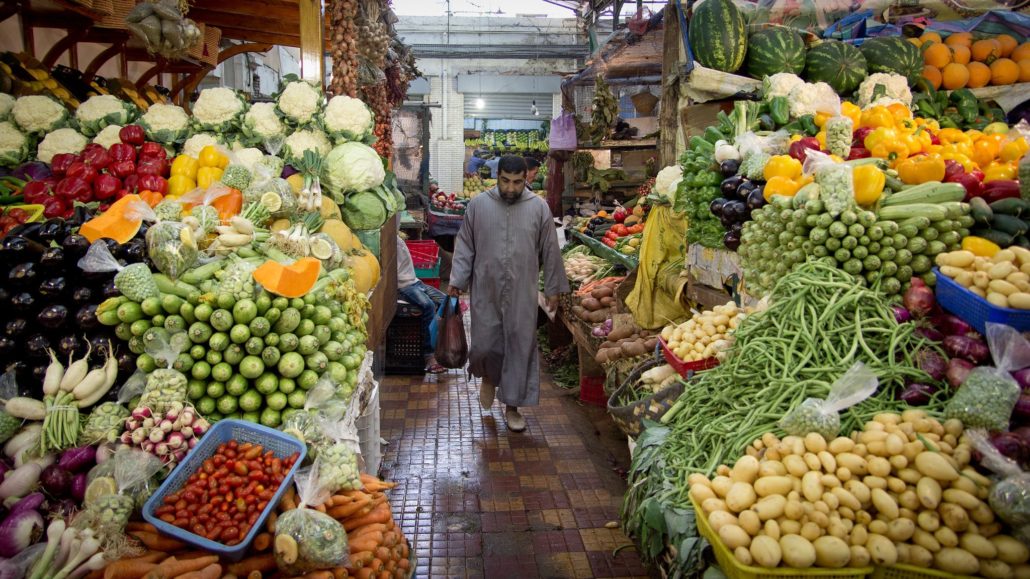
Hunger in MoroccoMorocco, a country in North Africa, is characterized by a diverse landscape that includes fertile plains, mountain ranges and arid deserts. This varied landscape offers opportunities and challenges such as poverty and hunger in Morocco, particularly in drought-prone areas. 

Morocco’s Fight Against Hunger

The government has launched many initiatives to reduce poverty and hunger in Morocco. These efforts have placed Morocco on a positive trajectory, which stands in contrast to the worsening conditions faced by the other African nations. 

  • 9% of Morocco’s population lives below the poverty line, a significant reduction from 16% a decade ago. 
  • Hunger levels in the country are low and it ranks 48th out of 127 countries on the Global Hunger Index. 
  • Only 2.3% of children under 5 suffer from wasting, indicating significant progress in the fight against hunger and malnutrition. 

Success Story- Plan Maroc Vert

Following the 2008 food crisis, the government initiated The Green Plan, known as Plan Maroc Vert, to enhance the country’s agriculture. It was launched in 2008; the program ran for 12 years and concluded in 2020, achieving remarkable results that significantly contributed to reducing hunger and poverty in Morocco. Some of these achievements include:

  • Creation of 342,000 new job opportunities.
  • Agriculture’s GDP grew by 5%, compared to an approximate 3.8% increase in other sectors.
  • Agricultural exports rose from $1.5 billion to $33 billion over the past 12 years.

Future Plans- The Generation Green Plan

A new initiative called the Generation Green Plan for 2020-2030 has been launched to ensure the country remains on the path set by Plan Maroc Vert. This plan is a collaboration between the Moroccan government, the European Union (EU), the Food and Agriculture Organization (FAO) and the World Bank. It is a comprehensive strategy aimed at addressing critical issues of hunger and poverty that affect the rural population in Morocco. The main targets of the plan are outlined here.

  1. Developing water irrigation systems to alleviate the impacts of droughts.
  2. Supporting 350,000 young individuals by providing training and assistance in finding jobs.
  3. Ensuring that the farmers have access to the latest technologies, knowledge and skills needed for climate-resilient agriculture. 
  4. Subsidizing prices of seeds and fertilizer to make them accessible to everyone. 
  5. Providing financial aid to farmers in vulnerable areas.
  6. Providing the livestock feed at subsidized rates. 
  7. Increasing production of cereal crops.
  8. Establishing markets in hard-to-access areas to ensure the availability of essential goods. 

The Generation Green Plan aims to significantly reduce poverty by establishing sustainable sources of income for vulnerable populations. By enhancing incomes and increasing the production of cereal crops, the plan seeks to improve food security among the population, ensuring better access to sufficient and nutritious food. As a result, hunger in Morocco is expected to decline.

– Maria Waleed
Photo: Flickr

Updated: December 7, 2024

October 2, 2020
https://borgenproject.org/wp-content/uploads/borgen-project-logo.svg 0 0 Jennifer Philipp https://borgenproject.org/wp-content/uploads/borgen-project-logo.svg Jennifer Philipp2020-10-02 09:50:022024-12-16 18:44:35The Plan to Reduce Hunger in Morocco
Global Poverty, Hunger

5 Causes of Hunger in Cameroon

Hunger in Cameroon
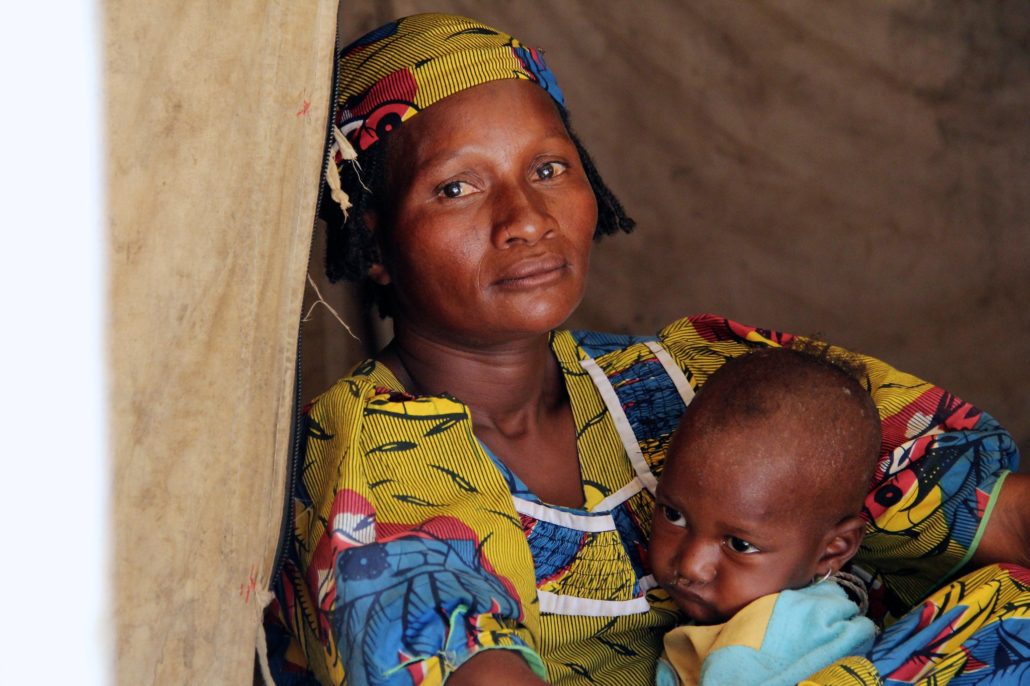
Commonly referred to as “Africa in miniature,” many know Cameroon for its geographical diversity and cultural vibrance. However, despite its reputation as a nation of peace and stability, Cameroon faces many threats to the food security of millions. Today, an estimated 10.6% of people in Cameroon are subject to acute food insecurity, which is correlated with severe health issues such as malnutrition and stunting in children. Understanding the causes that comprise food insecurity in Cameroon are crucial to finding effective and long-term solutions. As such, below are five contemporary causes behind the country’s ongoing hunger crisis.

5 Causes of Hunger in Cameroon

  1. Violence from Boko Haram’s presence in Nigeria has spilled into northern Cameroon, straining resources in refugee camps. Boko Haram’s terrorist activities have caused approximately 112,000 refugees and 428,000 internally displaced people to seek shelter in camps surrounding the borders of Nigeria and northern Cameroon. However, due to the increased frequency of attacks and subsequent overcrowding, many of these camps have turned into breeding grounds for violence over a limited supply of resources. Without adequate protection procedures in place, women and children in refugee camps are especially vulnerable to food insecurity, and frequently go hungry for days.
  2. Armed rebel forces are stealing livestock by the thousands. In 2017, tensions rose between ethnic Mbororo ranchers and armed separatists after the Mbororo refused to support the separatists’ mission to form a new anglo-Christian state. This denial led the armed separatists to steal thousands of the ranchers’ cattle between July and September 2020 in order to fund and feed their army. Since then, militants – ranging from the separatists to Boko Haram – have continued to use this tactic as a method to damage local economies, which are largely dependent on cattle for food, income and employment. Fearing for their safety, farmers and livestock herders have begun to sell their livestock and pursue new professions. In the Northwest region, key livestock markets in Bui and Donga Mantung have closed down, which has exacerbated acute food insecurity levels within those jurisdictions.
  3. Food prices remain unaffordable, despite a trend of decreased inflation. As of 2023, food inflation in Cameroon was reported to be around 11.6%, which reflects a decrease from 12.9% in 2022. However, the average prices of most imported staple foods such as rice, wheat and edible oil are currently higher than they have been for the past five years. Similarly, the prices of locally harvested foods today such as maize, sorghum and millet are above average in all markets. These price hikes have had a severe impact on food supply, particularly limiting the purchasing power of poor households. As a method of coping with unaffordable prices, many of these households have been forced to reduce their meal portions and frequencies, and consume less preferred foods that are often low in nutrition.
  4. Climate disasters such as floods have stressed food supplies and agriculture. In July 2023, the city of Limbe was subject to torrential flooding, which directly affected a total of around 1,600 people and caused various degrees of damage to around 250 homes and additional infrastructure. Fundamentally, the flooding of over 60 shops caused the partial destruction of essential resources, including food, which created supply problems for the affected population. As a result of climate change, floods of a similar scale have become increasingly common in Cameroon, producing disastrous repercussions on food supply throughout the country, not just in impacted areas. In the agricultural sector, heavy rainfall has accelerated the leaching of cultivated soils, reducing their fertility and resulting in low crop yields. This phenomenon has often led to increases in food prices, which has been devastating to rural populations and women living close to agro-industries.
  5. Malnutrition is a nationwide threat, especially for children under 5. Malnutrition among children in Cameroon is widespread and has been attributed to a myriad of pervasive causes, including low income, high frequency of forced displacement and the distance walked by caregivers to fetch clean water. Around one in every three children under 5 suffer from stunting in Cameroon, and more than 50% of children were recorded as having a low dietary diversity score in 2023. This issue is especially prevalent in rural communities, with the majority of children in these areas lacking essential nutrients such as iron, iodine, vitamin A and zinc that are crucial to a child’s growth. 

Combating Hunger in Cameroon

In order to combat malnutrition, organizations such as the World Food Programme (WFP) and Action Against Hunger have been working to allocate supplies and introduce health education and services in regions lacking such resources. 

Working with the state, the World Food Programme aims to achieve zero hunger in Cameroon by responding to the immediate food and nutrition needs of crisis-affected populations and implementing a variety of interventions to strengthen the long-term resilience of communities. According to their 2023 Annual Country Report, the organization provided 876,400 Cameroonians with food and cash assistance, targeting mostly women based on vulnerability. During the same year, WFP also supported 82,300 people facing sudden calamities and 86,500 under lean season assistance. Today, WFP and the U.N. Refugee Agency (UNHCR) have engaged the government and other donors to counter the effects of funding shortfalls that have recently cut vital food assistance to refugees.

Adopting similar objectives, Action Against Hunger reached around 130,000 Cameroonians through nutrition, health and food security programs in 2023. Farmer Field Schools, one of their most notable educational programs, connected agriculture experts with farmers to teach them climate-smart growing techniques, introduce resilient crops and provide plots for people to test their understanding of the curriculum before putting them into practice. In the coming years, Action Against Hunger seeks to increase funding for water, sanitation and hygiene (WASH) programs to improve overall accessibility to clean water.

Conclusion

Today, Cameroon’s food supply is still under constant threat from neighboring violence, disaster and high food prices. Fortunately, organizations such as WFP and Action Against Hunger are committed to improving food security by implementing a wide range of solutions to ensure a healthier future for the residents of Cameroon.

– Adrian Rufo, Moon Jung Kim
Photo: Flickr

Updated: September 3, 2024

September 29, 2020
https://borgenproject.org/wp-content/uploads/borgen-project-logo.svg 0 0 Borgen Project https://borgenproject.org/wp-content/uploads/borgen-project-logo.svg Borgen Project2020-09-29 07:58:332024-09-03 11:22:195 Causes of Hunger in Cameroon
Global Poverty, Hunger, Sustainable Development Goals, United Nations

Hunger in Grenada

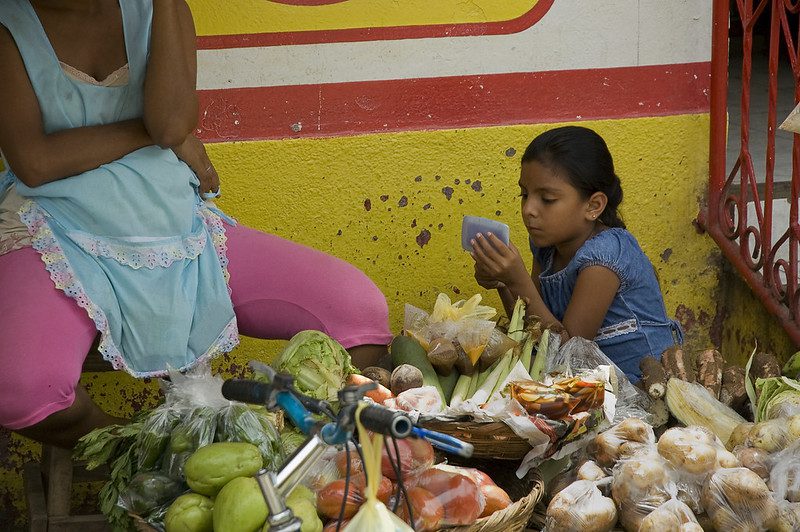
hunger in grenadaGrenada is a small cluster of Caribbean islands, with the largest one being home to the country’s capital, St. George’s. Grenada has a population of about 112,500 people, making it one of the most sparsely populated countries in the world. Although Grenada is considered a middle-income country, 38% of its residents live below the poverty line, meaning that the number of people living in hunger is also a serious issue. Read on to learn about the past and present history of hunger in Grenada.
A Turbulent Past

After President Ronald Reagan ordered the 1983 U.S. invasion of Grenada, invading forces murdered Grenada’s leader along with 208 residents of the islands. Although those involved in the invasion were punished, the country’s difficult history continues. Grenada was one of the countries hit hardest by hurricanes Ivan (2004) and Emily (2005). Nearly 95% of all Grenada’s buildings were affected, which decimated the country’s annual GDP, thus putting Grenadians in a vulnerable situation. The impact of the hurricanes forced the government to shift its attention to rebuilding the country rather than tending to widespread hunger in Grenada.

By 2008, Grenada’s average growth rate had reached impressive levels considering the destruction it had endured. The country even began to see the emergence of a middle class. Despite these movements in the right direction, Grenada was one of the countries most likely to go into massive debt in 2012, mainly due to loan disputes with Thailand concerning the tourism industry.

Sustainable Development Goals

One of the most effective ways to evaluate hunger in Grenada is through the United Nations Sustainable Development Goals. Of the 17 goals, Grenada is only struggling with two. Although it is important to recognize the progress Grenada has made toward the 15 other goals, Grenada has made little progress toward completely eliminating hunger. The second goal, “Zero Hunger,” is in the worst shape out of all 17 goals currently. Without adequate funding or direction to help this goal, much of the country will continue to live in hunger.

Grenada’s struggles with goal 15, “Life on Land,” also contribute to its hunger problems. This goal deals with the degradation of habitats and biodiversity, which leads to an increased level of widespread hunger. Such intense degradation impacts the hunger situation because the destruction of habitats destroys fertile farmland as well. This inhibits Grenadians’ access to adequate food sources.

Combating the Issue

One promising United Nations initiative, the “Zero Hunger Challenge Initiative,” works toward the second Sustainable Development Goal. The Ministry of Agriculture, Land, Forestry, Fisheries and Environment began this initiative in 2013. By 2015, the Food and Agriculture Organization had given $11,308,00 to significantly diminish hunger in Grenada. The Zero Hunger Challenge Initiative worked to improve economic diversification across the workforce, implement school feeding programs and collaborate with neighboring islands to accomplish a mutually beneficial outcome. Although this program helped hunger in Grenada, it ended in 2019, and the U.N. has collected almost no data since the end of the program to determine how successful it was. Hunger in Grenada therefore likely remains a problem.

– Natalie Tarbox
Photo: Flickr

September 25, 2020
https://borgenproject.org/wp-content/uploads/borgen-project-logo.svg 0 0 Borgen Project https://borgenproject.org/wp-content/uploads/borgen-project-logo.svg Borgen Project2020-09-25 07:24:542024-05-28 00:02:23Hunger in Grenada
Global Poverty, Hunger

Brands That Nourish Impoverished Communities

Nourish Impoverished Communities
It is no secret that the United States is home to some of the biggest brands in the world. From cosmetics to food products, American brands influence many things global consumers see on their shelves in one way or another. Here is how four American brands help nourish impoverished communities.

Avon

Avon Cosmetics has been benefitting women since the mid-1950s through the creation of the Avon Foundation. For the past 65 years, more than $1 billion has gone toward sustaining women and their families all over the globe. The Avon Foundation’s humanitarian practices have opened up in more than 50 markets across nations, allowing women to feel empowered and begin their own businesses. Any woman can apply to become a representative using Avon’s online website.

Avon Connect is a program that sets the foundation for women to begin their dream businesses. The program provides education on the basics of sales and marketing to nearly 500,000 women worldwide. Through participation, women create jobs for themselves by becoming one of Avon’s Beauty Advisers.

Nestle

Nestle does not only offer water and coffee, the company also implements programs to help nourish impoverished communities around the globe. The company was originally a Swiss brand but has since expanded its locations worldwide. Now, the United States is one of its larger consumers, and it works with farmers and suppliers all over the world. By providing work for those in rural areas, Nestle creates a sustainable supply of food in those communities.

Nestle’s program Global Alliance for YOUth has helped alleviate the problem of unemployment within younger demographics. It provides work opportunities for young people, despite the lack of experience they may have. The program also encourages young people to become entrepreneurs and take control of their own business. By 2030, YOUth plans to benefit 10 million youths by providing employment and skills to help further their lives. Nestle’s Global Alliance for YOUth program brings together 21 international companies to help employ around 15 million youths by 2022.

Walmart

Walmart has provided neighborhoods with fair prices and good products since its beginning. The company aims for its global suppliers to be sustainable and responsible in the workplace. In fact, it has over 100,000 responsible suppliers around the globe. Walmart strengthens not only consumers but also those who help nourish impoverished communities.

In 2010, Walmart decided to actively help alleviate global hunger. More than $2 billion in food donations and grants went toward starving communities. In 2015, it donated around four billion meals to help the hungry. Walmart hopes to benefit an additional four million in 2020 by providing more meals and increasing education.

Walmart contributes to its local communities no matter the country. In 2019, Walmart provided over two million jobs in 27 countries. Employment is beneficial for those working toward upward mobility out of poverty. Walmart, with its 11,300 locations, helps provide just that.

Visa

Almost two billion people worldwide have not implemented banking into their lives. Visa is here to help fix that. In one year alone, Visa provided financial systems for nearly 500 million people. Its help went to women and those living in rural areas —those least likely to have any sort of financial aid.

Through Visa, many have been able to better support and sustain their small businesses. As a result, many have been able to acquire the skills they need to efficiently work in their business and develop the most appropriate services for growing their economy. Visa’s Practical Business Skills, founded in 2019, has helped small businesses from the beginning stages, allowing more efficient and proper company growth.

For instance, in Southeast Asia, Visa partnered with a large payment service to encourage all to improve their banking literacy. In Mexico, over 11 million people have started their own banking account with a Visa-partnered Mexican financial institution. Through the global implementation of Visa, people have been able to improve their finances, which helps nourish impoverished communities worldwide.

Global poverty is a huge and pressing issue. These American big brands can help people manage their lives with a bit more ease by providing support.

– Karina Wong
Photo: Flickr

September 24, 2020
https://borgenproject.org/wp-content/uploads/borgen-project-logo.svg 0 0 Kim Thelwell https://borgenproject.org/wp-content/uploads/borgen-project-logo.svg Kim Thelwell2020-09-24 13:43:292024-05-30 07:52:53Brands That Nourish Impoverished Communities
Global Poverty, Health, Hunger

Hunger in Hungary: What’s Being Done?

Hunger in HungaryHungary is a landlocked country in central Europe with a population of nearly 10 million. Of these 10 million people, almost 14.6% of Hungarians live below the poverty line, meaning hunger in Hungary remains a critical issue. Moreover, 44% of Hungarians reportedly do not have access to essential resources.

Malnourishment in Children

As estimated, some 3.3 million people suffer from food insecurity in the country. Many of those impacted are children. According to an OECD study conducted between 2007 and 2012, the number of Hungarian children living in poverty has risen from 7% to 17%.  According to the Save the Children Foundation, 6.1 out of every 1,000 children die from food-related issues before their fifth birthday. While starvation kills some, others die from a lack of a nutritious diet. Those who are not starving do not receive the bare minimum of healthy nutrients to live a sustainable life.  This combination of malnourishment and a lack of a nutritious diet leads to more vulnerability to infection and disease.

The seriousness of the situation is highlighted by the fact that 20% of women aged 15 to 49 suffer from anemia. According to the World Bank, as of 2020, there are 15 maternal deaths per 100,000 live births. Limited access to a nutritious diet often leads to premature births and contributes to high maternal mortality rates.

Hungarian Climate and Resources

The majority of Hungarian land lies in the Great Hungarian Plain. The arid climate, lack of rainfall and prevalent droughts limit the ground for farming and sometimes lead to famines. The primary crops in Hungary are corn, wheat, sugar beets, potatoes, and rye.  The country exports most of the crops produced instead of using them to feed Hungarians in need. Some Hungarian agricultural exports have reached as high as $716 million U.S. dollars, as more than 25% of the country’s crop is exported to other countries.

Alleviating Hunger in Hungary

To reduce the high number of hungry children, the Hungarian government provides meals in nurseries and schools for those in need. Approximately 370,000 children receive government-provided meals.  Food programs, such as the Food Aid Program, distribute nearly 50 million pounds of food. The EU Food Assistance Program also supplies food to almost 1.2 million Hungarians, which accounts for roughly 11% of the total population.

While the country’s rate of poverty and hunger remains high, there is still hope to alleviate hunger in Hungary. The state is working continuously to solve the hunger problems faced. Through community programs and governmental support, slow, continuous progress is being made, proving that alleviating hunger in Hungary is achievable.

– Jacey Reece
Photo: Flickr
Updated: October 21, 2024

September 22, 2020
https://borgenproject.org/wp-content/uploads/borgen-project-logo.svg 0 0 Kim Thelwell https://borgenproject.org/wp-content/uploads/borgen-project-logo.svg Kim Thelwell2020-09-22 17:00:312024-10-21 12:35:24Hunger in Hungary: What’s Being Done?
Food Security, Global Poverty, Hunger, Technology

ShareTheMeal: A One-Button, World Hunger, Aid Application

world hunger aid app
Chronic hunger is still an issue that plagues many countries and communities around the world. Many solutions proposed to solve world hunger have been ongoing for decades, yet the problem persists. In the technology-focused 21st century, these attempts at solutions have become increasingly digital. One such digital solution is a world hunger aid application from the United Nations’ World Food Programme.

The World Food Programme

The World Food Programme is the U.N.’s top organization in charge of managing and solving world hunger crises. It is focused on emergency food aid as well as helping communities maintain high nutrition standards. The WFP’s efforts are responsible for the allocation and distribution of billions of rations, worldwide to food-insecure communities each year.

Most of these food aid efforts happen on the ground, in the affected areas. However, a new initiative from the WFP can involve far more people in the crusade against world hunger. The solution is the world hunger aid application, “ShareTheMeal.”

ShareTheMeal: How Does it Work?

Launched in 2015, ShareTheMeal is a one-of-a-kind world hunger aid application. Its sole purpose is to allow users worldwide, to donate meals to adults and children around the world via their smartphones or tablets. To participate, users simply tap a button to send an $0.80 donation to the WFP, which covers the cost of one meal.

ShareTheMeal also allows users to assist with its mission in several other ways. Within the user interface, the hunger aid application splits donation tiers into higher amounts, such as “Feed a Child for a Week” or “Feed a Child for a Year,” which correspond to a donation value, to fund that goal. The application also has a feature called “The Table,” where a monthly donation matches the user with the family they are supporting. This allows users to receive updates on how their donations helped a specific family.

In addition to its general donation tiers, ShareTheMeal has real-time, cause-specific donation sections. These include assisting with the famine crisis in Yemen and supporting Syrian refugees in Iraq. The application’s “Teams” option also allows users to form teams with friends, coworkers or family members to meet a donation goal.

ShareTheMeal’s Impact

To date, ShareTheMeal has donated more than 78 million meals to people in need via its 2+ million users on iOS alone. It has received thousands of five-star reviews for its efforts and was named the Google Play Store’s Best Social Impact app. ShareTheMeal has also been featured by several major global news outlets, from CNN, Forbes and Al Jazeera to Spiegel Online.

The application has directly contributed to the WFP’s efforts to continue providing aid to communities affected by global hunger. ShareTheMeal combines peoples’ desire to support a cause with the technology that permeates their everyday lives — in a masterfully simple idea that offers tangible results. In doing so, the application brings the world of charity to a new generation of contributors via its smartphone presence.

Outlook — Positive

As hunger persists around the globe, ShareTheMeal continues to grow and evolve today. The world hunger aid application announced that during the next five years, it aims to donate 800 million meals to the world’s poor. ShareTheMeal’s goal is massive, but with its millions of users, exceptional usability and the emotional connections it creates between users and those they assist (with their donations) — this clever piece of technology seems to be on track to succeed in its quest to end global starvation.

– Domenic Scalora
Photo: Flickr

September 21, 2020
https://borgenproject.org/wp-content/uploads/borgen-project-logo.svg 0 0 Kim Thelwell https://borgenproject.org/wp-content/uploads/borgen-project-logo.svg Kim Thelwell2020-09-21 03:40:362024-05-29 23:23:18ShareTheMeal: A One-Button, World Hunger, Aid Application
Child Poverty, Global Poverty, Hunger, Malnourishment

Hunger in Brunei Darussalam

Hunger in Brunei Darussalam
Located on the northern coast of the Southeast Asian island of Borneo, Brunei Darussalam is a small state with a population of less than half a million people. As an absolute monarchy, the will of the Sultan largely dominates politics and economics in Brunei. Although it is a developing state, impressive strides have occurred in recent years to reduce hunger in Brunei Darussalam and have demonstrated the country’s potential for future success.

The Situation

In 2014, the United Nations reported that for the past few decades, food security in Brunei Darussalam has been stable and undernourishment has been relatively low. However, there are still several areas in need of improvement.

Food and nutrition for pregnant women and children are in need of particular attention. Estimates have determined that nearly 40% of all pregnant women were anemic, and child malnutrition is especially rampant. With stunting in 20% of children and a further 10% of children underweight, hunger in Brunei Darussalam is a serious problem for both children and women.

Much of the country’s issues with food arises from heavy reliance on imports. With forest covering more than 70% of Brunei’s land area, much of it still untouched and agricultural land is scarce, making up only around 3% of the country.

As of 2019, Brunei heavily relied on imported food from over 90 countries around the world, resulting in high food prices and occasional shortages of supplies. In response, Brunei’s Sultan Hassanal Bolkiah has declared food self-sufficiency to be a top priority for his administration.

Solutions

So far, the country has achieved much success. Since the Sultan’s drive for self-sufficiency, Brunei has reached nearly 100% domestic production for certain goods, such as chicken and eggs, and is at 80% domestic production for all seafood products and tropical fruits as of 2020. In doing so, Brunei’s government has managed to increase food supplies and self-dependence in the nation, thereby allowing easier and more affordable access to food for Brunei’s population.

Given the status of rice as a staple food in Brunei, the government has also set out to increase Brunei’s domestic rice production. The government-owned corporation PaddyCo has developed hundreds of hectares for rice farming, which projections have determined will return a 700% increase in rice yields between 2010 and 2025.

Sultan Bolkiah’s government has also set out to tackle the issue of child hunger in Brunei. In 2018, the Program Harapan dan Anak Harapan emerged to provide meal plans to 41 of the most disadvantaged primary schools across the country. By 2019, the program was capable of providing food to nearly 12,000 eligible children. Although statistics indicate that certain groups in Brunei continue to suffer from food insecurity, the country has undoubtedly made recognizable and admirable strides to combat hunger.

By focusing on self-sufficiency and addressing child hunger in Brunei Darussalam, the government and people of Brunei are working to make a difference in the most effective way they can. With continued work, the prospect of Brunei eliminating hunger entirely and ensuring food security for all seems to be a very real possibility.

– Shayaan Subzwari
Photo: Flickr

September 19, 2020
https://borgenproject.org/wp-content/uploads/borgen-project-logo.svg 0 0 Kim Thelwell https://borgenproject.org/wp-content/uploads/borgen-project-logo.svg Kim Thelwell2020-09-19 21:15:012020-11-06 21:15:16Hunger in Brunei Darussalam
Global Poverty, Hunger

How Unfold is Combating Hunger With Vertical Farming

Unfold is Combating Hunger With 5 Vertical Farming Techniques
Unfold is a new startup company in Sacramento, California. It has committed itself to the Sustainable Development Goals of the United Nations for 2030. Unfold has a partnership with Temasek, a Singaporean holding company, and Leaps by Bayer (LBB), a company that invests in life sciences breakthroughs that can improve the world. LBB has a vision: Health for All, Hunger for None. In addition, Jürgen Eckhardt, head of LBB, explains how Unfold is combating hunger through its transformative, creative approach in agricultural product development. The company aims to increase access to fresh fruits and vegetables, “supporting sustainably grown, hyperlocal production and addressing food security challenges faced by growing urban populations.”

Vertical farming is still relatively new but there are advancements to boost its development. Vertical farming has two main components; the framework and the biology. The framework involves components like temperature, humidity and lighting. Meanwhile, the biology aspect comprises of making seeds that produce better and faster in the vertical farming environment. The latter is Unfold’s target area.

5 Facts About How Unfold is Combating Hunger

  1. Seed Genetics: As opposed to framework upgrades, Unfold is committed to vertical farming solutions related to seed genetics. It is most common for vertical farms to use refined seeds to grow vegetables in other types of settings like greenhouses or fields. Additionally, Unfold breeds seeds specifically for the vertical farming environment so that plants can mature faster and have higher crop yields. One way Unfold will accomplish this is with a combination of seed genetics and agricultural technology.
  2. Germplasm: Through Unfold’s partnerships, the company raised $30 million in initial funding. It has an agreement with certain privileges to Bayer’s vegetable portfolio, a one-of-a-kind opportunity. Through these means, Unfold is combating hunger using germplasm. Germplasm refers to living genetic resources, such as seeds, to manage breeding, preservation and research. To start with, the team will begin working on a variety of consumer-pleasing vegetables.
  3. Crop Varieties: Initially, Unfold will focus on lettuce and spinach because leafy greens have less restrictive light requirements and grow quickly. However, Unfold will need to expand into more varieties to really succeed. The next vegetables Unfold will concentrate on are cucumbers, tomatoes and peppers, because they do not need much space and grow in similar environments.
  4. Sustainability and Freshness: Unfold is combating hunger through sustainability and freshness by paying attention to the framework elements of vertical gardening. The layout, lighting, materials and sustainability features, such as reducing water and energy use, are all pieces of the overall goal. The goal is to maximize output while minimizing space. As a result, the demand for this practice is high in highly populated areas with limited land use. For example, Singapore has a personal stake in this advancement because the country has less than 1% of arable farmland.
  5. Thinking Long-term: Global food challenges are a dynamic issue. This is due to overpopulation, food deserts, growing environmental concerns and global health issues, such as the current COVID-19 pandemic. This forces companies, like Unfold, to constantly rethink conventional methods. Unfold will be conscientious of traceability and nutritional value as it navigates these new vertical farming methods that it will implement right in the heart of the benefiting communities to shorten the supply chain.

Unfold is an innovative key player in vertical farming to end hunger. According to Fortune Business Insights, the global vertical farming market is expected to reach $12 billion by 2026. This is because of deficiencies in groundwater, decreases in viable farmland and increased demand for fresh produce. Unfold’s CEO, John Purcell, says that vertical farming is “an important player in the food ecosystem.” It might be the answer to global poverty as farmers could grow more varieties of food and faster. Partnerships with vertical farmers and retailers are also part of the equation to bring local, fresh products directly to community members. In addition, it will build up the economies at the same time.

– Heather Babka
Photo: Flickr

September 19, 2020
https://borgenproject.org/wp-content/uploads/borgen-project-logo.svg 0 0 Kim Thelwell https://borgenproject.org/wp-content/uploads/borgen-project-logo.svg Kim Thelwell2020-09-19 06:25:442020-09-19 06:25:44How Unfold is Combating Hunger With Vertical Farming
Food & Hunger, Food Insecurity, Food Security, Global Poverty, Hunger

Food Insecurity in New Zealand: A Hidden Reality

Food Insecurity in New Zealand
New Zealand, an island country located in the southwestern part of the Pacific Ocean, is home to a population of about 4.8 million people and comprises of nearly 600 islands. In 2019, New Zealand received the rank of one of the world’s richest countries, ranking fifth after Switzerland, Hong Kong, the United States and Australia. Despite its status as a rich country, New Zealand still has hidden issues with poverty, food insecurity and hunger.

Hunger and Poverty in New Zealand

Nearly one in five children in New Zealand are living in “relative poverty,” according to a report done by Stats NZ in June 2019. This number rises to one in four in the case of the Māori population (New Zealand’s indigenous people). Though it is a relatively wealthy country, many New Zealanders live with food insecurity. Defined as a lack of access to healthy and nutritious food, food insecurity has negative effects on families, children, health and even mental health.

New Zealand’s Child Poverty Action Group (CPAG) estimated that the weekly cost to feed a person ranges from 29 to 74 NZD (depending on age and sex). For a family of four, that means food costs can average over $400 NZD a month on top of other costs like utilities, rent, clothing and education. According to CPAG, about 7% of New Zealanders experienced severe food insecurity in 2008/2009, and 3% — one-third of New Zealanders — experienced moderate food insecurity. The implications of this, even when dealing with moderate food insecurity, were large. CPAG reported on families struggling to feed their children, often opting for unhealthy food because it was cheapest, going through garbage to salvage food or forgoing food altogether to make sure their children did not go hungry.

COVID-19’s Impact

Food insecurity, fortunately, has reduced to about 10% of New Zealanders in 2019. But with the outbreak of COVID-19, the Auckland City Mission estimated that that number had rocketed to 20%. Between citizens losing jobs, panic-buying at grocery stores and other factors, the pandemic is threatening more widespread food insecurity in New Zealand. Emergency food assistance services have seen large spikes in demand. Additionally, many essential workers may be working full-time but are still not making enough to put food on the table.

Though it expects the winter months (June through August) to be harder on families, especially with the pandemic, Auckland City Mission was able to provide emergency food to over 23,000 families and individuals who were “in desperate need” over the last financial year. Additionally, when New Zealand released its 2020 budget in May 2020, Auckland City Mission released a statement noting that its social services support package meant the mission could help even more families who are facing food insecurity this winter.

The Future of Food Security

Food insecurity in New Zealand remains an important problem. In the face of the COVID-19 outbreak, these problems are becoming harder to ignore. Recently, CPAG released a paper about its ideas to solve food insecurity for New Zealand’s youth, including food programs in schools. It showed that with awareness and advocacy, people can begin to find solutions to these problems. In fact, the 2020 budget plans to expand an existing school lunch program to ensure that by the end of 2021, 200,000 students will receive a healthy lunch every day at school, up from the 8,000 currently receiving aid from the program. This sort of increase is a promising step to reducing the amount of food insecurity for New Zealand’s children.

Additionally, since the outbreak of the COVID-19 pandemic, Auckland City Mission has gone from supporting 450 families to over 1,200 and expect that number to stay high throughout the winter. Thanks to the 2020 New Zealand budget, Auckland City Mission will be able to continue helping those in need.

It is an unprecedented time for food insecurity in New Zealand, especially on top of existing challenges lower-income families have been facing. However, with help from the government and organizations like Auckland City Mission, the country is beginning to put more focus on providing food to those who need it most.

– Sophie Grieser
Photo: Pixabay

September 19, 2020
https://borgenproject.org/wp-content/uploads/borgen-project-logo.svg 0 0 Kim Thelwell https://borgenproject.org/wp-content/uploads/borgen-project-logo.svg Kim Thelwell2020-09-19 01:31:242024-05-29 23:23:07Food Insecurity in New Zealand: A Hidden Reality
Global Poverty, Government, Health, Hunger

Hunger in Comoros

Hunger in Comoros
Comoros is an archipelagic country in the Indian Ocean near Madagascar and the Mozambique Channel. With nearly 300 inhabitants per square mile, Comoros is densely populated, which often culminates in natural disasters that place intense pressures on food supply. Today, an estimated 44% of the population faces either moderate or severe food insecurity. Hunger in Comoros is therefore a precarious dilemma that requires immediate intervention. Without the appropriate aid, thousands of people – especially children – are at risk of health concerns or mortality.

Natural Disasters

The high population density of Comoros strains both natural resources and the environment. Combined with the nation’s topography and location, this puts the country at constant risk of a variety of natural disasters including tropical storms, cyclones, volcanic eruptions, earthquakes and landslides. Hydrometeorological disasters in particular are expected to increase in frequency and intensity due to climate change. Projections indicate that the average annual temperature will rise an estimated 1.35°C by 2040-2059, 0.8-2.1°C by the 2060s and 1.2-3.6°C by the 2090s, raising the risk of extreme heat and floods. 

While the impact of such disasters on food security is often observed in the destruction of food supply and arable land, the damage caused to transportation infrastructure obstructs local communities from access to key food products. In April 2019, Cyclone Kenneth damaged the substructure of Port Boingoma, one of the three major ports in the country, in addition to an estimated 10% of Comoros’s total road network. In 2023, the port was further degraded by Cyclone Cheneso, rendering it inaccessible an average of two working days per week. Due to ongoing transport issues, staples like seafood and rice in the Comorian diet have become unavailable or deteriorated beyond safe consumption. International commodities and goods that have managed to arrive without defects are subject to high prices to offset demand and transportation costs, excluding them from a vast majority of households in need. 

Despite rationing and periodical shipments offered as recent solutions to supply chain interruptions, many Comorians today still suffer from hunger. With more than two-thirds of the population residing in rural areas and thus dependent on imports for survival, natural disasters and the resulting fragmentation of interisland connectivity play a large role in Comoros’s current hunger levels.

Children

Children are one of the most food-insecure groups in Comoros. According to the World Bank, chronic malnutrition currently leads to stunting in 31 out of every 100 children. In the Bambao region, more than one in five children under 5 are stunted and more than 13% are underweight or wasted. Factors such as low economic productivity, high unemployment rates and low quality of health care have been identified as major contributors to undernutrition. Additionally, waterborne diseases and unsanitary drinking water infrastructure have been correlated with common child health concerns such as diarrhea. Lastly, challenges to maternal health during pregnancy, which are directly linked to high adult food insecurity levels, frequently result in complications during birth that increase the risk of chronic health conditions for children that can manifest in the years leading up to adulthood.

World Bank and UNICEF

Comoros is in dire need of structural reform to alleviate nationwide food insecurity levels. Fortunately, organizations such as the World Bank and UNICEF are dedicated to helping hungry households by implementing several initiatives designed to improve interisland connectivity and child health care. 

Formed in May 2022, the World Bank’s Comoros Interisland Connectivity Project prioritizes the strengthening of maritime transport resilience, connectivity and safety between the islands, specifically by rehabilitating Port Boingoma. The first phase of the project in 2022 primarily focused on constructing a breakwater to protect the port against waves, providing structural support to withstand extreme climates and maritime travel. Building upon the first phase, the second phase aims to expand port capacity, develop infrastructure at selected priority sites to assure safe passenger operations, and pilot a new passenger boat program. Although the project has yet to publish substantive metrics to illustrate its results, it hopes to establish overall improvements in the economy and reduce the likelihood of consumer product shortage throughout the archipelago by 2028.

Chiefly focused on improving the lives of children, UNICEF has continued to partner with Comoros’s Ministry of Health in a number of projects intended to reduce neonatal mortality and support child health service delivery. As of November 2023, UNICEF’s endorsement of the “kangaroo mother care” practice benefitted 1,478 preterm and low birth weight infants, resulting in a recovery rate of 90%. By implementing solar power in three Moheli health facilities, vital enhancements were made to medical infrastructure and quality of care, directly benefiting 15,452 women and 10,301 children under 5. UNICEF has also played a crucial role in boosting child nutrition rates throughout the country by distributing micronutrient supplements such as Vitamin A to an estimated 133,818 children.

Looking Ahead

The 2023 Global Hunger Index has categorized Comoros as having a level of hunger that is serious. The country’s high vulnerability to natural disasters places transportation systems at great risk of structural damage, resulting in the isolation of local communities that depend on trade for sustenance. Among the groups marginalized by systemic barriers, Comoran children are especially disadvantaged and often suffer from health conditions that arise from malnutrition such as stunting. However, organizations such as the World Bank and UNICEF are looking to provide innovative solutions to these issues by maximizing the use of their resources and existing state partnerships. Persistent intervention and reform by such groups will be the deciding factor for the relative health and security of Comorans in the years to come.

– Moon Jung Kim
Photo: Flickr

Updated: September 18, 2024

September 18, 2020
https://borgenproject.org/wp-content/uploads/borgen-project-logo.svg 0 0 Kim Thelwell https://borgenproject.org/wp-content/uploads/borgen-project-logo.svg Kim Thelwell2020-09-18 07:19:142024-09-18 11:18:52Hunger in Comoros
Page 24 of 71«‹2223242526›»

Get Smarter

  • Global Poverty 101
  • Global Poverty… The Good News
  • Global Poverty & U.S. Jobs
  • Global Poverty and National Security
  • Innovative Solutions to Poverty
  • Global Poverty & Aid FAQ’s
Search Search

Take Action

  • Call Congress
  • Email Congress
  • Donate
  • 30 Ways to Help
  • Volunteer Ops
  • Internships
  • Courses & Certificates
  • The Podcast
Borgen Project

“The Borgen Project is an incredible nonprofit organization that is addressing poverty and hunger and working towards ending them.”

-The Huffington Post

Inside The Borgen Project

  • Contact
  • About
  • Financials
  • President
  • Board of Directors
  • Board of Advisors

International Links

  • UK Email Parliament
  • UK Donate
  • Canada Email Parliament

Get Smarter

  • Global Poverty 101
  • Global Poverty… The Good News
  • Global Poverty & U.S. Jobs
  • Global Poverty and National Security
  • Innovative Solutions to Poverty
  • Global Poverty & Aid FAQ’s

Ways to Help

  • Call Congress
  • Email Congress
  • Donate
  • 30 Ways to Help
  • Volunteer Ops
  • Internships
  • Courses & Certificates
  • The Podcast
Scroll to top Scroll to top Scroll to top