• Link to X
  • Link to Facebook
  • Link to Instagram
  • Link to TikTok
  • Link to Youtube
  • About
    • About Us
      • President
      • Board of Directors
      • Board of Advisors
      • Financials
      • Our Methodology
      • Success Tracker
      • Contact
  • Act Now
    • 30 Ways to Help
      • Email Congress
      • Call Congress
      • Volunteer
      • Courses & Certificates
      • Be a Donor
    • Internships
      • In-Office Internships
      • Remote Internships
    • Legislation
      • Politics 101
  • The Blog
  • The Podcast
  • Magazine
  • Donate
  • Click to open the search input field Click to open the search input field Search
  • Menu Menu

Archive for category: Hunger

Global Poverty, Hunger, Refugees

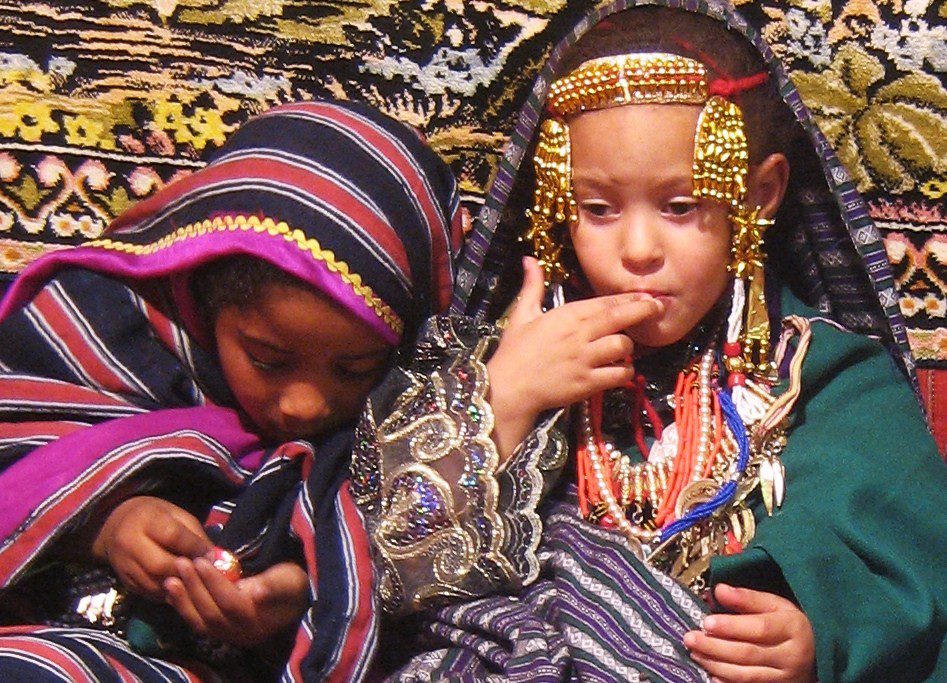
The Process of Reducing Hunger in Libya

Hunger in Libya
Torn by civil war and violent conflict since 2011, Libya is a centerfold for poverty and mass hunger. Due to its geographical location and long history of favorable migrant-worker policies, hundreds of thousands of migrants flock to Libya every year. However, coupled with the country’s instability and the burden of over 600,000 refugees, Libya is reaching a tipping point.

Moreover, when it comes to dwindling food supplies and collapsing regional markets, hunger in Libya is becoming a more pressing issue with each passing day. So far, international organizations such as the World Food Programme are teaming up with local and regional nonprofits to provide meal kits to internally displaced families. While these efforts are noble, more work is necessary to resolve hunger in Libya.

Overview

Since 2014, children in Libya have lacked access to clean water and nutritious food. In fact, “21% of children aged less than five are stunted [in growth and development].” The situation is dire, as both institutional and external reforms are needed for any change to occur.

One of the main challenges for citizens and refugees in Libya in search of food is high prices and stagnant job markets. In fact, one of the most significant challenges for Libyan migrants relates to finding a way to make a living, followed by high food costs.

Furthermore, key EU countries, such as Italy, are criminalizing humanitarian assistance and food aid to refugees. This makes it incredibly difficult for nonprofits and local organizations to take care of fleeing migrants. As a result, they frequently have to return to Libya, which in turn increases the scarcity of food in Libya.

According to the Center for Global Development, “France and Italy have forbidden citizens from giving food, water, and shelter to refugees and migrants. Hungary passed the “Stop Soros” law, criminalizing individuals and NGOs helping migrants claim asylum. Anti-smuggling laws are also being used to prosecute individuals who provide aid close to the borders.”

Overcoming the Challenges of Hunger in Libya

Despite challenges presented to them, nonprofits and international organizations are taking gradual and significant action to reduce hunger in Libya. For instance, one prevalent challenge is the ever-changing environmental landscape and sporadic resource availability. Due to dramatic fluctuations in global markets, food has become more scarce. Since the Middle East and North African region is one of the world’s largest food suppliers, rising temperatures and diminishing ability to sell food amplify hunger, especially in Libya. In fact, countries like Libya are also the most stressed for water, making matters worse.

Moreover, growing conflict in the region is straining already fragile food supplies in Libya. As Libya engages in a series of ethnic, political and military conflicts, millions have descended into hunger to the point where some are considering it one of the top 18 countries struggling with hunger.

Furthermore, warring governmental and political forces are amplifying corruption and halting aid. Since the government relies upon oil for 95% of its funding, tanks in the oil markets for the past two years have devastated the national reserve. Moreover, in a country where militias are a priority, mass Libyan hunger is often a backburner issue.

Reforms for the Future

Although hunger in Libya is a prevalent issue, if international organizations and governments work together, they can make the situation less bleak. For example, inter-regional cooperation between neighboring local governments and regional organizations can maximize food availability.

The opening of trade routes in the region has had positive effects in the past. Take, for instance, the African Continental Free Trade Agreement (AFCTA), which has so far provided a solid framework for increases in agricultural markets and boosting food supplies. Moreover, internationally sponsored research and development into sustainable food systems could provide fruitful prospects, such as:

  1. Increase evidence of the nutritional value and biocultural importance of these [sustainable] foods.
  2. Better link research to policy to ensure these foods are considered in national food and nutrition security strategies and actions.
  3. Improve consumer awareness of these alternative foods’ desirability so that people may more easily incorporate them into diets, food systems and markets. This approach already underwent testing in seven countries and has already shown several positive effects, reducing hunger and increasing food quality.

If international organizations, local governments and development aides spearheaded such policies, hunger in Libya could reduce if not resolve. Hunger in Libya is a serious problem, one that affects hundreds of thousands of innocent people. Nevertheless, if the world bands together to fight against poverty and hunger, Libya could see beyond tomorrow.

– Juliette Reyes
Photo: Flickr

October 12, 2020
https://borgenproject.org/wp-content/uploads/borgen-project-logo.svg 0 0 Kim Thelwell https://borgenproject.org/wp-content/uploads/borgen-project-logo.svg Kim Thelwell2020-10-12 13:35:382020-12-08 13:35:52The Process of Reducing Hunger in Libya
Global Poverty, Hunger

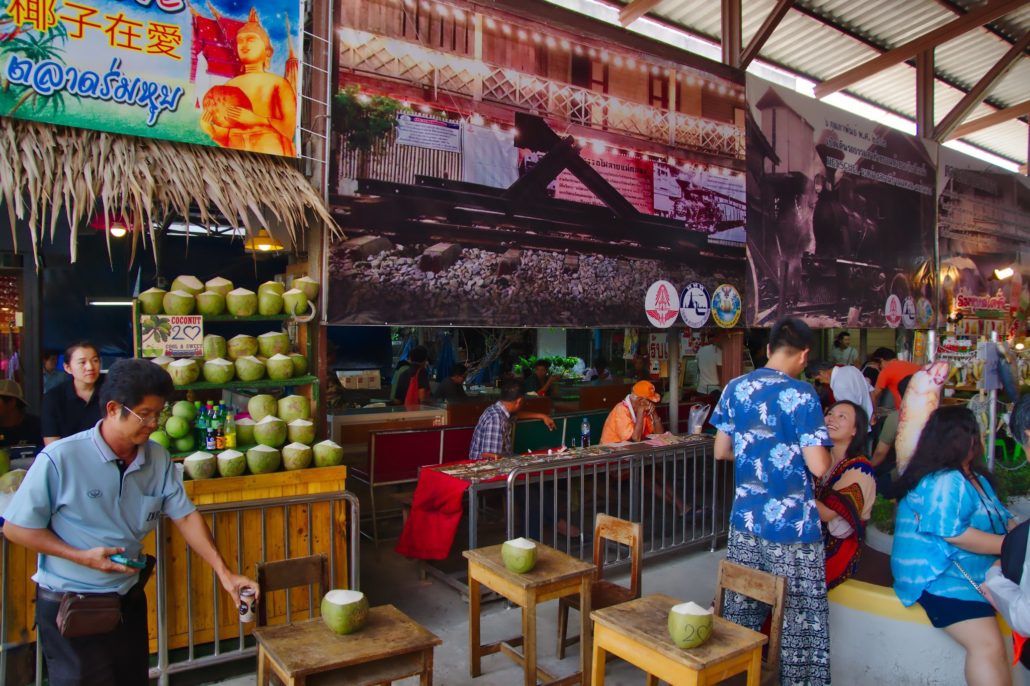
The Falling Rate of Malnutrition in Asia

Malnutrition in Asia
Over the past 50 years, the international battle against malnutrition has raged on every continent. However, the falling malnutrition in Asia has proven the effectiveness of the global intervention in the conflict; with statistics pointing out a 15% decrease in stunting between 2000 and 2017, experts are optimistic that additional action could lead to even more success.

Although this progress comes for a variety of reasons, experts cite the increased involvement of non-governmental organizations and novel government initiatives. After a plethora of meetings among the countries, including the annual Asia Pacific Nutrition Meet & Expo, plans have formulated among every nation. The dedication of all parties involved is a large part of the success.

The Fight Across Borders

Although one cannot understate the impact of government action on the recent success, international nongovernmental organizations (NGOs for short) have taken the fight to every corner of Asia; the variety of methods introduced provided a multipronged attack against malnutrition poised to continue for the foreseeable future.

These organizations battle malnutrition in Asia in multiple ways; some take the fight directly to local communities, while others act as private research groups providing important data for each country’s policymakers. In their own way, every active NGO assists in the process of lowering the rate of malnutrition, contributing to prior decades of success.

Who Leads the Fight

Although every organization deserves credit for the success, distinguished NGOs producing results in the region include Action Against Hunger (AAH) and the World Public Health Nutrition Association (WPHNA). These two groups differ in their courses of action, but both are instrumental in the falling rates of malnutrition in Asia.

The WPHNA specializes in research on the causes of hunger and malnutrition globally, allowing it to effectively produce the evidence necessary to convince policymakers to take action. Although politicians share an interest in alleviating the struggle of their malnourished citizens, taking action can be expensive, and if the initiative fails, it could cost them their jobs. By providing data and reasonable conclusions regarding appropriate methods of fighting malnutrition, WPHNA convinces policymakers that certain actions are safe and worth considering.

Actions Against Hunger fights hunger directly in communities by identifying the needs for infrastructure and resources that leave communities impoverished. The group partners with local towns to provide funding for widely supported initiatives, taking the fight directly to its source.

These two NGOs only comprise a fraction of the currently active organizations in the Asia-Pacific region. However, they have seen their success exemplified in statistics like the aforementioned decrease in stunting – data on wasting before 2018 is not readily available.

A Persisting Battle

Yet, despite all the progress up to this point, more improvement is necessary. When addressing the 821 million people suffering from malnutrition globally, roughly 520 million live in Asia and the Pacific. Moreover, a massive percentage of these citizens still require assistance. Despite the widespread initiatives and successes, NGOs still insist that more can and must occur to resolve the crisis.

The organizations often cite the opportunities available to end malnutrition; recent innovations in studies on the subject can reveal where intervention is optimal along the line for families receiving too much or too little food, and where governments can step in with funding or where NGOs can intervene and create change. For now, progress marches on slowly, but the opportunity for investment offers expedited change.

– Joe Clark
Photo: Flickr

October 12, 2020
https://borgenproject.org/wp-content/uploads/borgen-project-logo.svg 0 0 Kim Thelwell https://borgenproject.org/wp-content/uploads/borgen-project-logo.svg Kim Thelwell2020-10-12 08:53:262024-05-30 07:53:09The Falling Rate of Malnutrition in Asia
Food & Hunger, Global Poverty, Hunger

5 Facts About Hunger in Canada

Hunger in CanadaIn 2022, Statistics Canada reported that almost 10% of Canada’s population fell below Canada’s official poverty line, an increase of 2.5% from the previous year. At the same time, 5% of Canadians were living in deep income poverty. Although deep income poverty had dropped from 7.4% in 2016 to 3% in 2020, this percentage of individuals with family disposable income below 75% of the poverty line began a steady rise in 2020. 

In May 2024, The Financial Post blamed the country’s high cost of living and housing for pushing the country to “a critical turning point.” This assessment was based on Food Banks Canada’s 2024 Poverty Report Card that over 44% of people felt worse off than the previous year, with the Food Insecurity Rate of 22.9% earning the country a grade of F on that poverty measure compared to a C for 2023. Poverty was distributed inequitably by age, household structure and living situation, race (“visible minority”) and Indigenous identity. Inflation and housing costs have increased financial pressure, with 32% of people reported to be struggling to access affordable and fresh food. 

5 Facts About Hunger in Canada

  1. Food insecurity is increasing in 2024. Food Banks Canada’s 2024 Report Card indicates that 25% of Canadians are experiencing food insecurity. A 50% increase in visits to food banks since 2021 was reported. The organization is calling for “sustained, collective effort from all governments”—national and regional. 
  2. Living arrangements are a contributor to inequalities in food security. The prevalence of household food insecurity is two to three times higher in households with older adults living alone, single parents living with children, and youth living with a single parent. 
  3. Low household income individuals disproportionately suffer from food insecurity. Almost 10% of Canadians had a disposable income below Canada’s Official Poverty Line, with food insecurity of 34% for those in poverty more than double that for those not living in poverty (15%). This was an increase from three years prior of 3.6% for those in poverty and 5.8% for those not in poverty. 
  4. Households with senior citizens are least likely to suffer from food insecurity. Canada’s Pension Plan (CPP) is designed to replace part of a person’s income when they retire. This financial support may contribute to the fact that the rate of food insecurity is lower in these households. Data published in 2022 show food insecurity impacting 2.7-3.9% of older adults (men-women, 65+ years) while affecting 6.6-9% of adults (men-women, 18+) and over 13% of youth (12-17). 
  5. Indigenous people and racialized groups are at higher risk of food insecurity. The rate of food insecurity for racialized groups in 2022 was 20.7%. But even within this demographic, experience varied, with 31.9% food insecurity for Black Canadians, 17.6% for South Asian Canadians, and 13.4% for Chinese Canadians. For Indigenous people over the age of 15, the rate was 28.6%, almost double that for the comparative group of non-Indigenous people (15.7%). 

Addressing Food Insecurity

One group addressing Canada’s hunger issues is Food Secure Canada. This alliance of individuals and organizations has worked with communities across the country for 20 years to encourage food policies and programs in support of “just, healthy, and sustainable food systems.” The organization’s activities include research projects and knowledge-based activities, policy campaigns, and events and networking activities. For example, in November 2023, they held an Indigenous & Black Peoples’ Food Sovereignty Advisory Circle planning project in British Columbia. Other activities include a Youth Caucus and the Coalition for Healthy School Food—with more than 260 member organizations, Canada’s largest school food network. 

– Staff Reports
Photo: Flickr

Updated: August 20, 2024

October 9, 2020
https://borgenproject.org/wp-content/uploads/borgen-project-logo.svg 0 0 Kim Thelwell https://borgenproject.org/wp-content/uploads/borgen-project-logo.svg Kim Thelwell2020-10-09 20:08:232024-08-25 12:56:215 Facts About Hunger in Canada
Global Poverty, Hunger, Technology

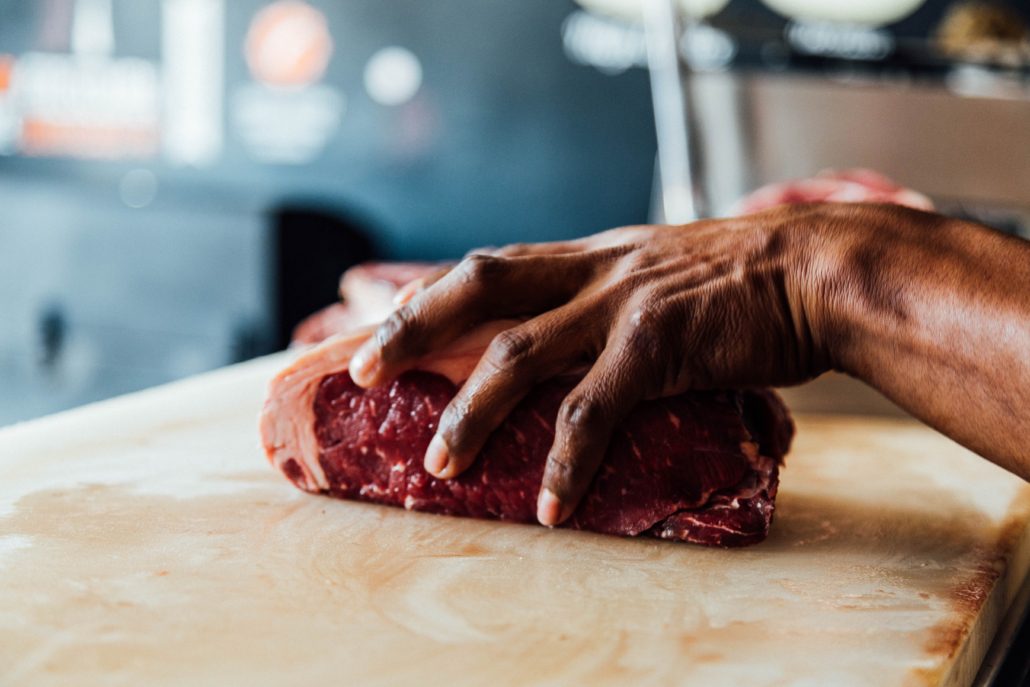
Growing Stem Cells to Fight World Hunger

Stem Cells Fight Hunger Meat is everywhere in modern-day life, found at food trucks, the local grocer and luxurious restaurants alike. As ubiquitous as conventional meat seems, lab-based stem cell techniques continue to show promise in developing alternative sources of protein for the world’s carnivores. Along with plant-based substitutes, these cell-based alternatives are an innovation that seeks to reduce the known consequences of mass meat consumption. Perhaps one day, society may see stem cells fight hunger on a global scale.

Traditionally Sourced Meat

Meat, in all potential forms, is essential because of the proteins and nutrients it contains. This is particularly true for lower-income families. Due to its availability in many regions, meat serves a vital role in composing people’s diets. In fact, a 2018 article observes that “Both the global average per capita consumption of meat and the total amount of meat consumed are rising, driven by increasing average individual incomes and by population growth.” Thus, meat is a valuable resource due to the nourishment and food security that it can provide. Yet, the livestock requirements for an exponentially growing human population are significant.

The Rising Consumption of Resources

As of the last decade, 92% of all the freshwater that humanity consumes goes toward agriculture. About 33% of that is used for animal products. Not only do cattle, poultry and other livestock need water to drink, but their plant-based food sources need large amounts of water to grow. At the same time, the land devoted to supporting livestock raised for consumption takes up nearly 80% of all available agricultural land. Barring any major change, animal farming will likely continue to be extremely resource-intensive. This poses problems in a world that constantly demands more.

Memphis Meats

One company that recognizes the global need for sustainable meat is pursuing a new avenue of development: using stem cells to fight hunger. Memphis Meats, a startup founded in 2015, has received capital from investors like Bill Gates and Richard Branson. The company focuses on growing stem cells as meat alternatives. Pre-selected animal stem cells, when grown in Memphis Meats’ cultivators, can turn into real meat. While the company is still refining and enhancing its process, it shows promise.

Furthermore, the company has raised $161 million after its most recent call for investment. These funds will go toward further development and a new production facility. According to the Memphis Meats website, “At scale, our process will create less waste while dramatically reducing greenhouse gas emissions.” Memphis Meats therefore reaffirms that despite the potential problems of the animal agriculture current system, practical, sustainable business solutions do exist. Their work provides the possibility that stem cells could fight hunger in the near future.

A Look into the Crystal Ball

As concerns over livestock and agriculture stack up alongside concern over feeding a population of billions, these priorities may conflict. Easy answers are rarely easy to find. However, cell-based meat could provide an entirely new, sustainable source of food. At the same time, it could allow for a large-scale change in the management of the Earth’s land and water. Growing investments in this startup industry can also be a powerful force for change on a large scale.

Moreover, meat made from growing stem cells carries with it the potential to allow for important reallocations of currently available protein sources. This could one day substantially increase the international food supply while keeping it environmentally and socially conscious. It may sound farfetched that stem cells could fight hunger, but the necessity of a solution and initiatives like Memphis Meats suggest that this idea is not so far-off.

– Alan Mathew
Photo: Unsplash

October 9, 2020
https://borgenproject.org/wp-content/uploads/borgen-project-logo.svg 0 0 Kim Thelwell https://borgenproject.org/wp-content/uploads/borgen-project-logo.svg Kim Thelwell2020-10-09 14:45:282020-10-09 14:45:27Growing Stem Cells to Fight World Hunger
Global Poverty, Hunger, Malnourishment

Five Brands Fighting Hunger and Malnutrition

Brands Fighting HungerAmerica is well known for its quick and easy businesses, from countless fast-food restaurants to convenience stores at every corner. However, while many items from these places are easily accessible and affordable for just about anyone, the nutritional value and healthiness of products available are not always sufficient for a person to thrive. Over thirty-seven million Americans have faced hunger and around fourteen million Americans have a restricted list of foods. Given the lack of healthy options, here are five American brands fighting hunger and making a mission to provide healthy choices for their consumers.

Dollar General

In 2018, Dollar General announced a plan to remodel around four hundred stores to include a refrigerated section that includes perishable merchandise. About four hundred and fifty stores also began to include healthier options such as fruits and vegetables in order to promote a healthier lifestyle to their customers at an affordable price point. Many stores have also pushed to include food options that contain less sodium and higher protein. Since the inclusion of refrigerated merchandise and healthier food options, a nearly seven percent increase in sales was seen compared to a couple of years before the new renovations.

Propel

Technology in the twentieth century surrounds everyone’s daily lives, and impoverished communities reap the benefits from tech as well. Propel is a company that focuses on bettering the financial health of low-income people by providing a technology service that easily allows people to budget and makes money. EBT balances can be checked right on the Fresh EBT app created by Propel, as well as countless useable coupons from many stores. Propel also aids people by providing job opportunities that are legit and safe. By creating a technological feature especially for those who are struggling, Propel has reached around forty million Americans and continues to benefit those who need help.

Daily Table

Daily Table was founded in 2012 by Trader Joe’s former president Doug Rauch. The products available from Daily Table are wholesome and healthy, and best of all, affordable to everyone as many of the products are also available through SNAP. Over forty thousand members utilize the two Daily Table stores to provide food for their families, saving around thirty percent on average when they checkout compared to other stores. Whether it is finding ingredients to make your own meal through learning from Daily Table’s cooking classes or grabbing something quick on the go, Daily Table makes it a priority to provide nutritious meals to low-income people.

Aramark

With public school being the most popular option for American families, nutrition in schools often gets forgotten and overlooked as other priorities get in the way. Aramark is a company that specializes in all things school-related, including providing affordable meals during school. All of the meals are sourced in local areas and pass USDA regulations by meeting nutrition goals. School districts that include Aramark’s food programs see an average of around eighteen percent increase of free and reduced meal applications from parents. By bringing awareness to their children’s affordable school meal options, parents are able to ensure their child of a meal during school hours regardless of the price.

Kellogg’s

Cereal is an American breakfast staple, and Kellogg’s is a popular brand that helps Americans get their days started. Better Days is a program founded by Kellogg’s that aims to aid with hunger by providing nearly four hundred and fifty million servings of food a year. Just in the past year, as hunger rates are at an all-time high due to the global COVID-19 pandemic, Kellogg has donated over thirteen million U.S. dollars in cash as well as food to help relieve hunger in impoverished communities. In the next decade, Kellogg hopes to benefit three billion people by providing Better Days for those who need it. Kellogg’s is also partners with Feeding America to help provide nourishment to hungry Americans.

As the United States moves forward in providing food security for struggling Americans, these five brands fighting hunger are contributing to healthy and nourishing products to better the lives of many.

— Karina Wong

Photo: Pexels

October 8, 2020
https://borgenproject.org/wp-content/uploads/borgen-project-logo.svg 0 0 Kim Thelwell https://borgenproject.org/wp-content/uploads/borgen-project-logo.svg Kim Thelwell2020-10-08 01:31:542020-10-02 16:19:29Five Brands Fighting Hunger and Malnutrition
Global Poverty, Hunger

Hunger in Paraguay

Hunger in ParaguayParaguay is one of the smallest countries in South America but is still home to more than seven million residents. Many Paraguayans residing in the landlocked region struggle to survive, with nearly 17% of the population living in poverty. The poverty rate is even higher among rural and indigenous communities. As a result, hunger in Paraguay continues to be a significant problem.

The Causes of Hunger: Exports and Inequality

A prominent yet paradoxical cause of hunger in Paraguay is its growing export rates. As the UN reports, “Only 6% of agricultural land is available for domestic food production, whilst 94% is used for export crops.” While the country produces considerable agricultural resources each year, exporters ship most of this produce and livestock overseas and leave very little in the country. This lack of domestic production means that many Paraguayans cannot afford expensive imports. As a result, many must contend with food insecurity and hunger in Paraguay.

To make matters worse, the divide between the wealthy and the working class in Paraguay is drastic. Roughly 3% of the population owns more than 85% of its land and resources. This unequal distribution of land and resources leaves small landowners impoverished and unable to compete, with many turning to urban areas in search of marginal work.

Agricultural Industry

The Paraguayan agricultural industry’s oligarchical nature makes it challenging to reallocate Paraguay’s land and natural resources. The 3% of landowners hold tremendous financial and political influence in the country, making it difficult for the Paraguayan government to reallocate resources or reappropriate land toward domestic production. The extremely wealthy are also only interested in producing a handful of different crops that do well in the global market.

However, this makes Paraguay’s economy and exporting gains very dependent on a temperamental world market. The market’s fluctuations can be particularly tricky and potentially harmful for the underserved and impoverished in the country, who are already struggling to survive. Without much opportunity for social mobility, those threatened by hunger in Paraguay must routinely find cheap alternatives to sustenance. High-quality, nutritious food remains an unaffordable commodity for many Paraguayans.

Hunger and Malnutrition

Poverty leads to food insecurity and malnutrition, two issues symptomatic of hunger in Paraguay. As nutritionist Nadia Quintana notes, “About 15% of Paraguayan children suffer from malnutrition. And that is if you do not count the children from indigenous groups. According to a United Nations estimate, if we include indigenous tribes, more than 45% of Paraguay children are at risk of hunger or malnutrition. But the problem is not lack of food. The problem here is poverty and lack of work and education. And housing is very precarious.”

While instances of undernutrition and starvation are trending downward, malnutrition and obesity rates are rising in Paraguay as poverty forces impoverished citizens to subsist on cheaper, less nutritious foods. These low-nutrient, high-calorie options may be cheap, but they have had an outsized impact on an average Paraguayan’s diet. Residents are in an impossible situation, forced to choose between going hungry or eating foods correlated with increased vulnerability to chronic diseases.

Global Pandemic and Rising Unemployment Rates

The COVID-19 global pandemic has further complicated hunger in Paraguay. While the small Latin American country was one of the first to begin quarantining measures to counteract the March 2020 outbreaks, the nationwide lockdown has crippled many of the country’s workers. Although the country has the fewest coronavirus cases in the region, many of its workers have lost their primary sources of income. The loss of employment means that nearly 60% of the population is without access to any benefits or financial support during the ongoing pandemic.

According to the Guardian, though the government has secured $1.6 billion in pandemic crisis loans, a tiny percentage of Paraguayans have received the promised $76 and food packs. As a result, the dependence on cheap, non-nutritious foods and correlated instances of malnutrition and obesity continue to rise. Rising unemployment rates and lack of federal support will inevitably exacerbate the ever-present issues poverty of hunger in Paraguay.

Indigenous Communities and Hunger in Paraguay

Among the most affected by poverty, pandemic and hunger in Paraguay are indigenous peoples with minimal economic and social resources to combat their current circumstances. Under the lockdown, many are unable to secure food and must rely on communal meals and donations to survive. The Paraguayan government has offered aid but has struggled to deliver it as it has to the rest of its people. Amnesty International has partnered with local initiatives to lobby for sufficient assistance to these indigenous communities waiting and hungry for action.

Moving forward, the Paraguayan government faces an uphill battle in providing its citizens with adequate resources to sustain healthy diets. The government finds itself in a difficult place as it struggles to assist and feed its people amid the ongoing coronavirus pandemic, especially as its workers are out of jobs. With so much of its economy tied to a small minority of extremely wealthy agricultural exports, Paraguay must find a way to help those who are not part of the top 3%, especially those living in indigenous, underserved and impoverished areas. Though extreme poverty trends downward, malnutrition and obesity will continue to characterize hunger in Paraguay.

– Andrew Giang
Photo: Flickr

October 7, 2020
https://borgenproject.org/wp-content/uploads/borgen-project-logo.svg 0 0 Borgen Project https://borgenproject.org/wp-content/uploads/borgen-project-logo.svg Borgen Project2020-10-07 10:30:102024-05-27 23:59:42Hunger in Paraguay
Global Poverty, Hunger, Malnourishment

Updates on SDG 2 in the Dominican Republic

SDG 2 in the Dominican Republic
The Sustainable Development Report states that despite the major challenges present in eradicating hunger, the Dominican Republic is moderately improving on its goal of reaching zero hunger. Here are some updates on SDG 2 in the Dominican Republic.

Poverty in the Dominican Republic

The Dominican Republic has reduced poverty from 10.4% to 9.5% in just a year from 2017 to 2018. In 2004, the rate was 24.4%. The decline in these figures shows that the malnourishment rate in the country has gone down continuously over 14 years and that the Dominican Republic can complete the Zero Hunger objective if it continues to sustain its current trend. The malnourishment situation in the Dominican Republic has harmed the children of the island. A joint report from FAO, IFAD, WHO, WFD and UNICEF stated that the delay in growth of children under 5 years old was 7.1% in 2019 while wasting or low weight for height in this age was 2.4%.

Approximately 10% of Dominicans are suffering from malnourishment and chronic malnutrition in kids in poverty-stricken homes. According to a report from the 2030 Agenda, 11.3% of kids in households in the lowest wealth quintile suffer from malnourishment in comparison to the less than 7% national average. The report also stated that “… there is evidence that the productivity and income from small agricultural growers are the lowest in the economy.”

Ways to Reach SDG 2 in the Dominican Republic

In order to accomplish the goal of eradicating hunger in the Dominican Republic, the government, along with the WFP, must “[strengthen] the design and implementation of legal frameworks related to food security, nutrition, sustainable agriculture and disaster risk reduction…” The plan intends that the country will use the “whole of society” method which means “… – involving national and provincial authorities, disaster management agencies, national non-governmental organizations, the International Red Cross and private sector and other institutions – where no one is left behind.”

The WFP has three goals to accomplish this:

  • The Dominican Republic must strengthen and coordinate the public and private sectors in order to eliminate hunger in the country’s most vulnerable population by 2023.
  • The WFP aims to improve the nutrition status of the most nutritionally vulnerable groups by 2023.
  • It also intends to set up national and local systems to improve and resilience to shocks, adapt to environmental challenges and reduce disaster risks among the vulnerable population by 2023.

Hunger in the Dominican Republic

In 2019, the Global Hunger Index ranked the Dominican Republic a 9.2. According to its rubric, this means the country’s level of hunger-related issues is low, an improvement from the turn of the century when the country received an 18.2. That score meant that hunger was a moderate problem on the border of escalating to a serious issue. The index also reported that the mortality rate decreased slightly. After a brief uptick from approximately 8% in 2000 to 11% in 2005, the prevalence of stunting in children under the age of 5 has decreased to approximately 6% in 2019.

In order to reach SDG 2 in the Dominican Republic, it must adapt to a post-pandemic world, where even the most developed countries are experiencing increased poverty and food disparity as the world struggles to adapt to the new reality.

–  Pedro Vega
Photo: Flickr

October 6, 2020
https://borgenproject.org/wp-content/uploads/borgen-project-logo.svg 0 0 Jennifer Philipp https://borgenproject.org/wp-content/uploads/borgen-project-logo.svg Jennifer Philipp2020-10-06 14:30:492024-05-30 07:53:04Updates on SDG 2 in the Dominican Republic
Education, Global Poverty, Hunger, Malnourishment

Understanding Hunger in Egypt

Hunger in Egypt
With more than 98 million people, Egypt remains the most populated country in North Africa. More than 32.5% of citizens live below the poverty line, making malnutrition and hunger in Egypt pressing issues. The current influx of poverty leaves children and adults without proper education, left to partake in dangerous and under-compensated work such as mining, quarrying and cement production.

The Situation

Although marketplaces are bustling and full, Egypt relies on imported foods. As the world’s largest wheat producer, Egypt is at risk of any drastic changes in commodity pricing and economies. While markets have more than enough fruits, vegetables and bread, most of the population cannot purchase essential grocery items. Without the capacity to control possible economic fluctuations, Egypt’s vulnerability leaves its hungriest citizens without a safety net from their government, let alone their savings.

Egypt’s hunger crisis is an accumulation of many setbacks, including global financial crises, food shortages and disease. Yet another economic or social misfortune has followed each attempted effort towards success. As a result, more than 1.3% of Egypt’s population was living with less than $1.90 to spend per day in 2015; the average American spends $164.55 per day.

How Did This Happen?

Since the early 2000s, Egypt has faced a series of difficulties including the 2006 avian influenza, food and fuel crisis of 2007, economic despair through 2009 and most recently, COVID-19. As a country treading between minor stability and complete poverty, each challenge, both global and local, has severe implications for Egypt and its people.

Hunger in Egypt has roots in food costs; a majority of the Egyptian population can only afford minimally nutritious meals. A 2011 UN World Health Organization study found that 31% of Egyptian children less than 5 years old suffer from stunted growth in comparison to 23% in 2005. Malnutrition not only affects brain development but also contributes to a cycle that perpetuates and exacerbates Egypt’s weaknesses.

Malnourished children cannot perform well in school; malnourished workers are incapable of providing for themselves and their families, making financial and cultural growth seemingly impossible.

Solutions

The prominent changes in Egypt’s condition are a result of the Egypt Vision 2030. As a roadmap to Egypt’s eventual security, Egypt Vision 2030 emerged to increase employment rates, begin food security initiatives, increase clean water access and generate accessible screening and treatment for malnourished individuals.

The mission is that by 2030, Egypt will rank within the top 30 countries for economy size, market competitiveness, human development, life quality and anti-corruption. With such improvements, eradicating hunger in Egypt becomes possible.

Within the economic and social dimensions of the plan, the sixth pillar outlines that by 2030, improvements in health conditions will occur through “early intervention, preventative coverage,” guaranteed protection for the vulnerable and prioritizing the satisfaction of health sector employees.

These extensive efforts have led to program and policy implementation, propelling Egypt to meet its targets. For instance, at the onset of the plan in 2015, the malnourishment rate was 4.5%. By 2030, Egypt hoped the rate would be below 3%. With 10 years until the 2030 deadline, 3.2% of the Egyptian population is malnourished. It is evident that the strategy behind Vision 2030 is effective.

Feeding Children Through Education

A vital pillar of the Egypt Vision 2030 is the National Strategic Plan for Pre-University Education. The World Food Programme (WFP) is spearheading the plan to increase school meals’ nutritional value. Though it helps enrolled students, the plan does not benefit children not attending school. The school meals incentivize students to attend, serving as an aspect Egypt tactfully uses to increase pre-university enrollment rates.

The Pre-University Education Plan resulted from new investment and financing strategies to develop curriculum, financial aid, illiteracy and dropout elimination programs, technical teacher training and recurring student assessments to ensure the meeting of international standards. To execute these programs, The National Strategic Plan for Pre-University Education set a goal to spend 8% of GDP shares on pre-university education by 2030. Currently, that number is at 6%, double the initial percentage that Egypt spent in 2014. Additionally, Egypt’s Ministry of Finance reported an 82% spending increase in education and health. With increased pre-university education attendance, children receive nutritionally balanced meals every day. Health and education funding creates a domino effect, which will eventually lead to the elimination of hunger in Egypt.

The budget increase, in addition to malnourishment, serves Egypt’s education system. Classroom sizes decreased from an average of 42 students in 2015 to between 23 and 16 in 2019. The National Strategic Plan for Pre-University Education 2030 target was to have an average of 35 students per classroom. Egypt’s strategies prove to be highly successful, as its school attendance numbers are higher than its once-projected targets.

Higher enrollment, smaller classroom sizes and well-trained teachers have replaced Egypt’s dated culture of memorization. This new approach emphasizes individual learning, life principles, and modern technology. Repairing the education systems tears has an undeniable correlation to employment and hunger rates.  In changing the fundamentals of the educational experience, Egyptian students now have proper nourishment. As a result, they can have the brainpower to master skill sets that will earn them stable jobs with livable incomes, thus ending the cycle of poverty.

Aid from organizations like the UN and World Food Programme, in collaboration with the Egypt Vision 2030, can eradicate hunger in Egypt. In breaking the cycle of malnourishment and lack of education, Egypt will continue on its path towards growth, prosperity and stability.

– Maya Sulkin
Photo: Flickr

October 6, 2020
https://borgenproject.org/wp-content/uploads/borgen-project-logo.svg 0 0 Kim Thelwell https://borgenproject.org/wp-content/uploads/borgen-project-logo.svg Kim Thelwell2020-10-06 08:51:202020-10-06 08:51:20Understanding Hunger in Egypt
Development, Global Poverty, Hunger

Hunger in Montserrat After Eruption of Soufrière Hills Volcano

Hunger in Montserrat
Montserrat is a self-governing, British Overseas Territory located in the Eastern Caribbean. It is a relatively small island made mostly of mountains and volcanic beaches. In 1995, Montserrat faced catastrophe as the Soufrière Hills Volcano erupted. This article will provide a brief account of how hunger in Montserrat (among other factors) after the eruption of the volcano increased.

Disaster Strikes

The eruption resulted in a mass evacuation of the island — leaving only 30% of the original population behind. This natural disaster has had lasting effects on the island’s resources and economy. However, perhaps the largest impact was increasing hunger in Montserrat, of course, due to the volcanic eruption.

The volcanic deposits from the Soufrière Hills Volcano severely damaged a majority of the territory’s farmland. In this way, the eruption destroyed much of Montserrat’s agricultural sector. Land that was not damaged by the eruption was placed in the exclusion zone. This, in turn, proved to make food and resources inaccessible and scarce for those remaining on the island. Notably, since the eruption occurred, most food in Montserrat comes from overseas imports rather than the territory’s domestic agriculture.

Lasting Impacts on Hunger Issues

In 2012, a Country Poverty Assessment found that 36% of Montserrat’s population was impoverished. Since most food in Montserrat enters the country from abroad, many families are unable to afford weekly food costs. Children under 15 years of age experience this at high rates and unfortunately make up 33% of the territory’s population that is food insecure.

Hunger in Montserrat after the volcanic eruption of 1995 increased. However, the lack of school-based food programs exacerbates the problem. With poverty largely affecting children under age 15, this lack of support only fuels food insecurity issues. A study of primary school students from 2016 revealed that financially insufficient families could not send their children to school with food.

Helping Hands

Since the natural disaster in 1995, Montserrat has made progress in fighting hunger. Importantly, this progress in fighting hunger comes in conjuncture with assistance from the U.K. as well as other countries. Foreign aid has massively contributed to decreasing poverty and hunger in Montserrat. As a result, Montserrat currently ranks as an upper-middle-class country. Aid also comes from organizations, and not just the U.K., helping Montserrat achieve new levels of economic stability. For example, the Montserrat Foundation focuses on distributing money and resources to local individuals on the island. Furthermore, the foundation distributes this aid (money and other resources) to organizations within the island territory to create economic opportunities and growth for the community. As a promising show, after receiving foreign aid, the country’s GDP experienced a 1.5% increase.

From Natural Disaster to Natural Resource

In 2014, the Government of Montserrat brought attention to the use of Soufrière Hills as a geothermal power source. The proper development of geothermal power holds the potential to be a massive turning point in Montserrat’s future. Notably, the Department of International Development has also invested in the project.

Montserrat is simply another example of how foreign aid can effectively create a promising future for a once troubled community. Out of natural disaster and tragedy, the island territory suffered higher rates of hunger and poverty, yet through foreign aid efforts, it is beginning to improve.

– Adelle Tippetts
Photo: Flickr

October 5, 2020
https://borgenproject.org/wp-content/uploads/borgen-project-logo.svg 0 0 Jennifer Philipp https://borgenproject.org/wp-content/uploads/borgen-project-logo.svg Jennifer Philipp2020-10-05 11:57:032024-05-30 07:52:11Hunger in Montserrat After Eruption of Soufrière Hills Volcano
Food Insecurity, Global Poverty, Hunger

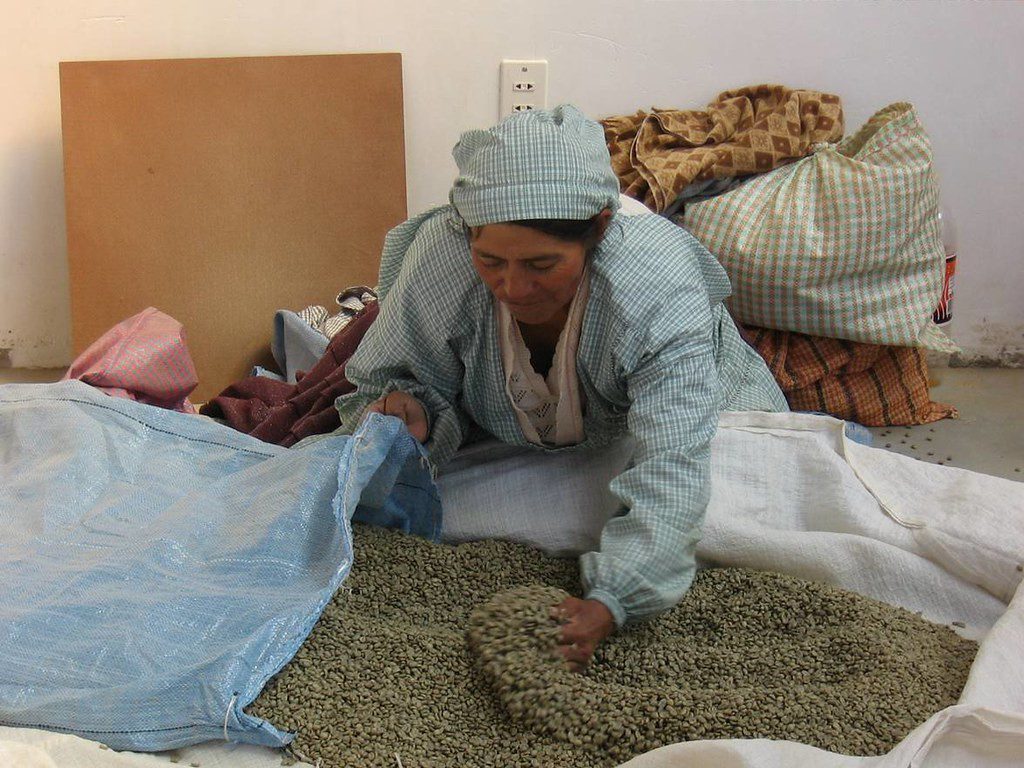
Combating Hunger in the Central African Republic

Hunger in the Central African Republic
The Central African Republic (CAR), a landlocked country in Central Africa, has one of the highest rates of hunger in the world. In fact, it ranks second-to-last on the 2019 Human Development Index. After gaining independence from France in 1960, the country has struggled with weak markets, low productivity, gender inequality and hunger following years of political instability and conflict.

Hunger in the Central African Republic has become a more drastic concern as a result of a 2013 coup, which ousted President François Bozizé and led to a 36% reduction in the country’s GDP. The country’s ongoing civil war, with renewed violence starting in 2017, has displaced people from their homes and has led to rising food prices due to weakened food production. While much of the country is self-sufficient in food crops like cassava, peanuts and millet, the tsetse fly has hindered livestock development.

Natural Impacts on Agriculture

In the Central African Republic, the tsetse fly has contributed to a disease called animal trypanosomiasis, a fatal disease that impacts cattle and wild animals. The tsetse fly is responsible for killing off a significant portion of CAR’s livestock. Tsetse flies also cause sleeping sickness in humans. This can lead to seizures, central nervous system failure, fever and weight loss. With little food or clean water, people with sleeping sickness are often unable to recover from these symptoms.

According to researcher Paterne Mombe in a Wilson Center interview, the government of CAR enacted agricultural policies over the last 50 years that shifted focus towards importing food instead of growing it themselves. This has resulted in underperforming agricultural output. As a result of poor agricultural practices, Mombe stated that this has led to conflict against the government, the destruction of farmland and lack of policy reform. From 2012 to 2016, agricultural production of the country dropped to 65%.

Of the country’s 4.8 million people, 79% live in poverty, caused by not only displacement and conflict but also a below-average agricultural season and COVID-19 prevention measures. Although the rainfall level in 2020 has been generally average, the vegetation index is slightly in deficit due to the low rainfall that occurred between January and February 2020, subsequently leading to increasing prices for agricultural goods. The CDC has deemed the COVID-19 risk in CAR as high, meaning that movement restrictions have contributed to sharp increases in the price of essential food items, diminishing the ability of poor households to purchase food. The IPC predicts that COVID-19 will “have a drastic impact” on the economy and food supply chains.

Internally Displaced Persons (IDPs) in the Central African Republic

According to USAID, there were more than 697,000 IDPs in CAR in March 2020, as well as 616,000 Central African refugees in neighboring countries. Although the Government and 14 armed groups in the country signed a Peace Agreement in 2019, escalating conflict in the northeast of the country displaced another approximately 27,000 people between December 2019 and March 2020. As much of the population relies heavily on farming for their food, those who have experienced displacement have struggled to adjust to new climates or geographies; others have fled to areas prone to high food prices, poor access to clean water and few employment opportunities.

Concerning hunger in the Central African Republic, the latest Integrated Food Security Phase Classification (IPC) report found that 750,000 people are in a food insecurity emergency (which is a phase below famine), while 1.6 million are in a food insecurity crisis (which is a stage below emergency). Around February 2013, estimates determined that slightly over 20% of the country’s population were in urgent need of assistance, as opposed to over 40% in 2020.

CAR Ranks Unhealthiest Country in the World

The United Nations reported that an estimated 1.3 million people in CAR will require assistance to prevent and treat malnutrition in 2020, which includes nearly 50,000 children under 5 years of age suffering from severe malnutrition. A study by researchers at the University of Seattle in 2016 found that CAR ranks first in unhealthiest countries, due to malnutrition, AIDS and lack of resources. The UN World Food Programme has also noted that around 40% of children aged between 6 months and 5 years are stunted due to a lack of nutrients in their diet. The IPC has projected that some households in northwestern, southeastern and southwestern CAR will require emergency food assistance in the coming months to avoid emergency levels of acute food insecurity.

Response to the Central African Republic’s Hunger Crisis

In response to heightened food insecurity in CAR, the World Food Programme (WFP) and non-governmental organizations, have worked to prevent and treat malnutrition with funding from USAID’s Office of Food for Peace. In collaboration with the European Commission and countries like Germany and South Korea, WFP has provided emergency food and nutrition assistance to conflict-affected people throughout the country. These efforts reached over 920,000 people in 2018.

The WFP has recently scaled up its general food distributions and has conducted a food security program for children under 5 and pregnant and nursing mothers. It has also helped strengthen CAR’s Zero Hunger policies, including doubling producer incomes and adapting food systems to eliminate waste. The WFP also offers rehabilitation programs like Food Assistance for Assets, which provides people with work like repairing roads and bridges. Another program is Purchase for Progress, which helps poor farmers gain access to reliable markets to sell crops at a surplus.

Started in 2007, the organization ACTED provides emergency relief to the most vulnerable and displaced populations. It also works to strengthen the resilience of populations and local authorities. ACTED currently has teams in Ouham Pendé, Ouaka, Basse Kotto, Mbomou, Haut Mbomou and the capital Bangui. Meanwhile, other organizations like Concern Worldwide, Mercy Corps and Oxfam International are helping combat food insecurity through food-for-assets activities, food vouchers and local agriculture initiatives.

However, as COVID-19 continues to negatively impact the lives of thousands of civilians in CAR, hunger in the Central African Republic needs increased attention and aid to battle the rise of acute malnutrition in the midst of a civil war. The IPC advises that organizations implement urgent actions targeted at the most critical regions to facilitate access to food, put in place measures to prevent and combat COVID-19’s spread and improve food utilization by facilitating the access of populations to drinking water sources and awareness of hygiene and sanitation protocols.

– Noah Sheidlower
Photo: Flickr

October 2, 2020
https://borgenproject.org/wp-content/uploads/borgen-project-logo.svg 0 0 Jennifer Philipp https://borgenproject.org/wp-content/uploads/borgen-project-logo.svg Jennifer Philipp2020-10-02 17:59:142024-05-30 07:52:40Combating Hunger in the Central African Republic
Page 23 of 71«‹2122232425›»

Get Smarter

  • Global Poverty 101
  • Global Poverty… The Good News
  • Global Poverty & U.S. Jobs
  • Global Poverty and National Security
  • Innovative Solutions to Poverty
  • Global Poverty & Aid FAQ’s
Search Search

Take Action

  • Call Congress
  • Email Congress
  • Donate
  • 30 Ways to Help
  • Volunteer Ops
  • Internships
  • Courses & Certificates
  • The Podcast
Borgen Project

“The Borgen Project is an incredible nonprofit organization that is addressing poverty and hunger and working towards ending them.”

-The Huffington Post

Inside The Borgen Project

  • Contact
  • About
  • Financials
  • President
  • Board of Directors
  • Board of Advisors

International Links

  • UK Email Parliament
  • UK Donate
  • Canada Email Parliament

Get Smarter

  • Global Poverty 101
  • Global Poverty… The Good News
  • Global Poverty & U.S. Jobs
  • Global Poverty and National Security
  • Innovative Solutions to Poverty
  • Global Poverty & Aid FAQ’s

Ways to Help

  • Call Congress
  • Email Congress
  • Donate
  • 30 Ways to Help
  • Volunteer Ops
  • Internships
  • Courses & Certificates
  • The Podcast
Scroll to top Scroll to top Scroll to top