• Link to X
  • Link to Facebook
  • Link to Instagram
  • Link to TikTok
  • Link to Youtube
  • About
    • About Us
      • President
      • Board of Directors
      • Board of Advisors
      • Financials
      • Our Methodology
      • Success Tracker
      • Contact
  • Act Now
    • 30 Ways to Help
      • Email Congress
      • Call Congress
      • Volunteer
      • Courses & Certificates
      • Be a Donor
    • Internships
      • In-Office Internships
      • Remote Internships
    • Legislation
      • Politics 101
  • The Blog
  • The Podcast
  • Magazine
  • Donate
  • Click to open the search input field Click to open the search input field Search
  • Menu Menu

Archive for category: Hunger

Global Poverty, Hunger

How the UN World Food Program Endeavors to End Hunger Through Access

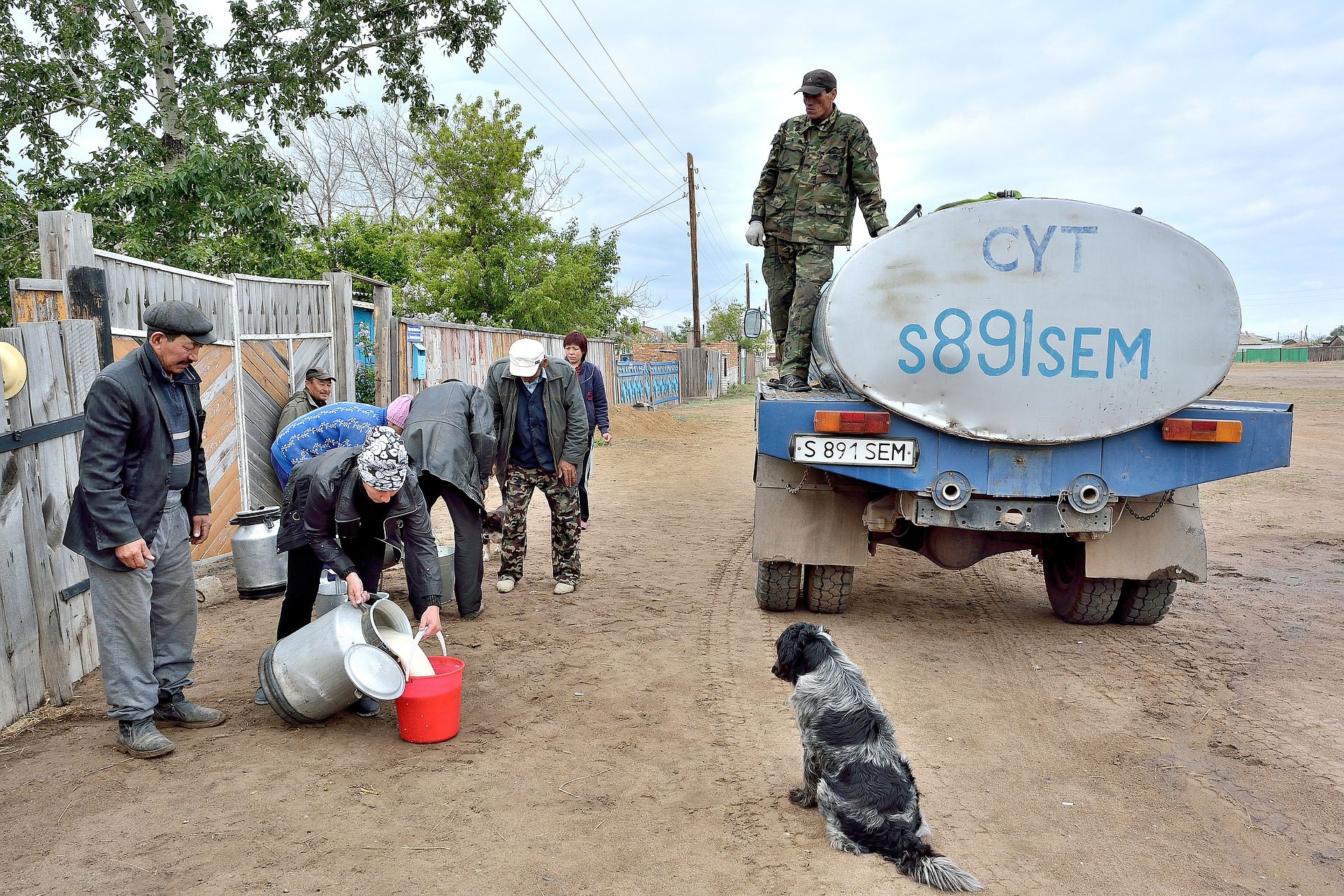
How the UN World Food Program Endeavors to End Hunger Through AccessAccording to the United Nations World Food Program, food production has risen to a point that enables the entire planet to be fed, even as the population is expected to grow. Yet, the world’s supply disproportionately meets the needs of all its inhabitants. Starvation kills more children in developing countries than some of the deadliest communicable diseases that are disseminating upon the impoverished. If the solution to starvation is not production than the solution must be to end hunger through access. The U.N. has put three plans into action based on this solution.

Warehouses of Hope

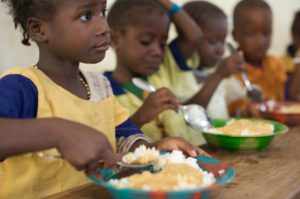
Warehouses of Hope is the U.N.’s first plan to end hunger through access. The former executive of the U.N. World Food Program, Josette Sheeran coined the phrase “Warehouses of Hope” which are essentially banks for food. The villages manage these banks. In addition, it can be unlocked with three different keys, entrusted to three different villagers. Although food assistance can help many people in many countries, food banks provide a more sustainable answer. Hundreds of villages have been able to independently provide for themselves and their children with these warehouses. The program is successful to the point that the villages established school feeding programs for the village children.

Lean season in developing countries is the time between harvests. It is when jobs, earnings and food all are in short supply. As a result, this can lead to severe cases of hunger and devastating effects on the community. The idea behind Warehouses of Hope is to take the food that is supplied in the banks out during the lean season. Additionally, the villager can put some of the food back during harvest with interest by adding 5-10% more to the warehouse. When the next lean season comes, the cycle repeats. the village can consistently end hunger through access.

One Meal in Exchange for Staying in School

The second plan to end hunger through access is One Meal in Exchange for Staying in School. School feeding programs have become much more of a priority in developing countries because it will set major advancements in motion towards reaching Millennium Development Goals (MDGs). While the program benefits are gaining more recognition, some communities face major obstacles in their ability to implement a school feeding program. The initiatives are costly. At the same time, in order for these programs to last, the communities need to be sure that they will be able to acquire local and consistent proportions of food.

In addition to supplying food, the children will benefit far more if interventions were put in place such as deworming. In addition, assuring that each child receives a proper amount of micronutrients in their meals will greatly benefit them. This will enhance children’s cognitive development. Moreover, the U.N. found that by offering one meal a day to children at school in developing countries, the enrollment escalated significantly, especially in young girls. Not only did it encourage attendance while providing crucial nutrition to these girls but it prolonged the span of their education. The program also decreased child marriage and nourished those who were pregnant. This will in turn decrease the risks of malnourished babies and concerning developmental consequences.

Digital Food

Digitial is the third plan of U.N.’s solution to end hunger through access. When food is available, the prices will rise. Consequently, this can still lead to scarcity amongst families in developing countries. The U.N.’s digital food cards replace the usual methods of food aid. Instead, it enables low-income families to go into regional markets and purchase nine items with the swipe of a card. Each purchase must be a locally produced and nutritious food item. These cards have created a significant rise in the dairy industry and a boost in local employment opportunities at shops and markets.

Maslow’s Hierarchy of Needs provides us with a foundational understanding of the incapacitating effects of hunger. It very much foretells a globally dim future as hunger continues to plague society. Imagine a world where peace, security and stability allow the underserved to thrive. Without a human’s basic needs being met, that solidity will remain wishful thinking.

– Amy Schlagel

Photo: Flickr

September 7, 2020
https://borgenproject.org/wp-content/uploads/borgen-project-logo.svg 0 0 Kim Thelwell https://borgenproject.org/wp-content/uploads/borgen-project-logo.svg Kim Thelwell2020-09-07 10:59:062020-09-07 11:00:00How the UN World Food Program Endeavors to End Hunger Through Access
Global Poverty, Hunger

Decreasing Hunger in Uzbekistan

Flags of Member States Flying at UN Headquarters: Uzbekistan
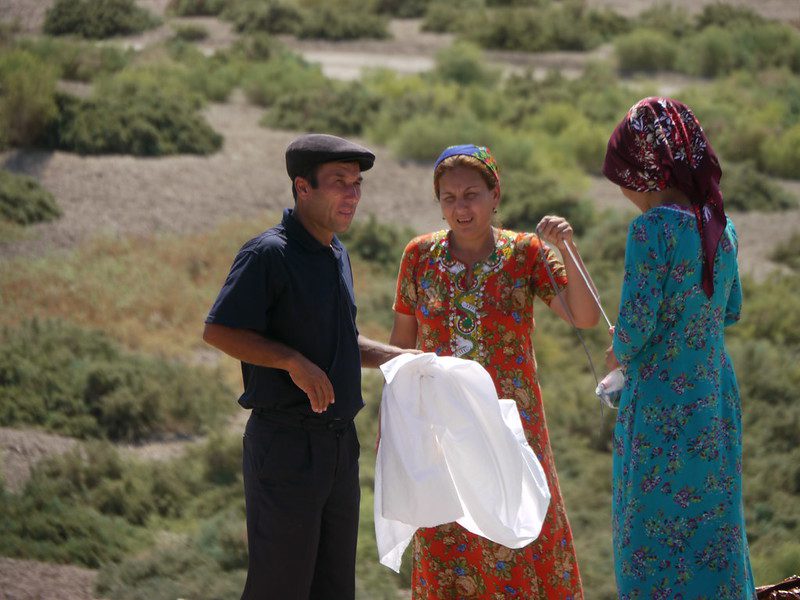
In the past, hunger in Uzbekistan showed staggering numbers. However, these rates have decreased exponentially since the early 2000s. Within the past 20 years, hunger rates peaked in 2002, where 19.8% of the population either could not afford or access a sufficient amount of nourishment necessary for survival.

The Connection Between Poverty and Hunger

Poverty drives hunger in Uzbekistan. For example, many people could not afford bread in 2005 due to the inflated price, but the rates have dropped by 14.5% since then. Moreover, many people did not even make sufficient wages to purchase a bag of flour each week to provide for their families.

Reducing Undernourishment

Globally, 805 million people experienced undernourishment in 2014. Of that number, 1.7 million lived in Uzbekistan. While these numbers may seem disheartening, there has been a turn for the better. From 2016 to 2017, there was a 0% increase in hunger rates in Uzbekistan. While there was not a reduction in hunger during that time, a 0% increase is still a victory showing that Uzbekistan is on the path to creating a country without hunger.

With these numbers in mind, it is important to highlight just how much progress there has been. Within the country, hunger in Uzbekistan decreased to 6.3% by 2017, which was the lowest it had been since 2000.

Many volunteers and organizations, such as Action Against Hunger, have provided aid to people in Uzbekistan including those that violence displaced in 2010. Action Against Hunger’s actions have directly affected the rates of undernourishment in the country. Here are some of the ways Action Against Hunger influenced the hunger rate in Uzbekistan.

3 Ways Action Against Hunger has Decreased Hunger in Uzbekistan

  1. Food Security: Action Against Hunger has workers and volunteers on the ground in countries all over the world. In the case of Uzbekistan, Action Against Hunger has been working to train local workers on farming and food sustainability. Additionally, it has been providing a work-for-cash program to help families pay for food each week.
  2. Water and Hygiene: With hunger comes the need for water. In providing and helping to secure the infrastructure in these communities, Action Against Hunger is providing the resources necessary to build and maintain sustainable water sources for those living in the country.
  3. Research: Research has allowed for Action Against Hunger to understand the leading factors influencing undernourishment in Uzbekistan’s communities. With this information, it has been able to find solutions to provide aid during even the most desolate of situations. Once Action Against Hunger completes its research, it goes into the advocacy stage. This is where the organization asks for others all over the world to support its work.

Hunger and malnutrition can come from many places but mostly stems from insecurity within the economy, poverty and job instability. With help, Uzbekistan should be able to eradicate these problems and increase food security. The fight to end hunger in Uzbekistan continues, but the numbers show that change surely is possible.

– Natalie Belford
Photo: UN Multimedia

September 5, 2020
https://borgenproject.org/wp-content/uploads/borgen-project-logo.svg 0 0 Kim Thelwell https://borgenproject.org/wp-content/uploads/borgen-project-logo.svg Kim Thelwell2020-09-05 12:39:262024-05-29 23:23:33Decreasing Hunger in Uzbekistan
Child Poverty, Education, Global Poverty, Hunger

Family Legacy Combats Child Poverty in Zambia

child poverty in ZambiaZambia is a landlocked country that lies between Southern and Central Africa. The majority of Zambia’s 17.5 million population is under the age of 18, and over half of the population earns below the international poverty line of less than $2 per day. According to the World Bank, the estimated median age is 16.7, making evident the country’s severely imbalanced dependency ratio. This means that the dependent population (younger than 15 and older than 65) is much larger than the workforce can adequately support. While in the past few years Zambia has made progress in increasing access to nutrition and education, children in Zambia still lack a variety of necessities. In Zambia, 45.4% of children live in extreme poverty and 800,000 children still do not attend school.

What Is Family Legacy?

Family Legacy is a nonprofit organization based in Irving, Texas that seeks improvement in both of those areas for the most affected children of Lusaka, Zambia. In a variety of ways, the organization aims to reduce child poverty in Zambia by ensuring that these children have the opportunity to attend school. There, they get one hot meal every day and extra food to take home when they have good attendance. “This makes the parents more likely to let the kids go to school, and not be forced to work,” a Family Legacy volunteer said.

What Is Being Done to Fight Child Poverty in Zambia?

Family Legacy has four programs to meet its goal of alleviating child poverty in Zambia. The first, Legacy Academy, focuses on the Academics pillar, one of the organization’s four pillars of care. This main school program ensures that the children it serves receive primary and secondary education with all the necessary materials. The second program, Tree of Life, focuses on the physical and emotional pillars. Tree of Life is a residential community that provides children who have been through physical or emotional trauma with a safe place to live while they attend school. The third program, Excel Beyond, also focuses on the academics pillar. This program is designed to support the high school graduates of Legacy Academy while they build the foundation of a successful career. Finally, Camp Life represents Family Legacy’s spiritual pillar. The week-long experience seeks to bring hope and emotional growth to the Academy students.

Family Legacy’s success can be attributed to its three-tier approach, combining education, nourishment and the inclusion of benefits to the families of these children in need. The organization’s programs saw a ninth grade completion rate that was 18% higher than the national average last year. In addition, it has 156 students currently pursuing higher education. To help with curbing hunger in Zambia, Family Legacy distributes 4 million meals annually.

What Can We Do to Help?

Family Legacy’s progress is achieved via activities in multiple parts of the globe. In Dallas, volunteers pack meals, distribute clothes, gather supplies and find sponsors. Sponsorships are programs in which a family or individual provides the financial means for a child in Lusaka to attend school and receive meals and extra food. In Lusaka, volunteers make up the summer staff of Camp Life, participate in medical internships, assist with the graduation ceremonies of Tree of Life and Legacy Academy and participate in activities with the other Tree of Life children. Beginning to get involved in the fight against global poverty seems like a daunting task, but Family Legacy makes it easier than ever to fight child poverty in Zambia.

– Carolina Larracilla
Photo: Wikimedia Commons

September 5, 2020
https://borgenproject.org/wp-content/uploads/borgen-project-logo.svg 0 0 Kim Thelwell https://borgenproject.org/wp-content/uploads/borgen-project-logo.svg Kim Thelwell2020-09-05 10:48:192020-09-06 05:03:02Family Legacy Combats Child Poverty in Zambia
Children, Global Poverty, Hunger

Countering Hunger in Estonia

countering hunger in Estonia
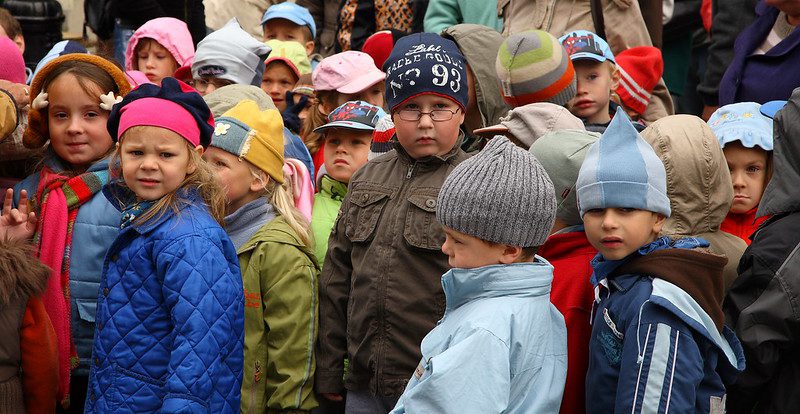
Estonia is a country located in Northern Europe, directly below Finland. Throughout the 1980s, it was under the illegal control of the U.S.S.R., but Estonia officially declared its independence on August 20, 1991. However, the country had been heavily dependent on the U.S.S.R., which was the source of 92% of Estonia’s national trade. This made the path to independence long and arduous for the small country. Despite the challenges of gaining economic independence, the citizens of Estonia remained persistent and diligent. Their successful bid for independence marks the end of one hurdle and the beginning of another. Countering hunger in Estonia is a challenge in which the nation continues to make significant strides forward.

Incredible Decline in Hunger Since the 1990s

After declaring independence, Estonians had to stand in long lines for many hours, just to buy food. In 2000, 5.6% of the population was undernourished. In 2019, this percentage was reduced to 2.9%, according to the Global Hunger Index (GHI).

The Estonian Food Bank and the European Aid Fund have been working together with local governments in countering hunger in Estonia. They have provided food for those in need of it since 2015 with roughly 25,000 people aided each year. In 2016, the Estonian Food Bank and the Stockholm Environment Institute Tallinn Centre created the “Consume food wisely!” campaign. Its goal is to reduce food waste while also spreading awareness about the issue. In a concerted effort, large stores and restaurants also supported the campaign.

The Estonian Animal Breeding Association set forth a project named “Implementation of cattle breeding and feeding measures in Georgian dairy farms”. The main aim of the project; to increase the efficiency of dairy farms. Lasting from 2016 to 2017, the project focused on teaching farmers how to properly cultivate cattle and operate husbandry technologies. Estonia’s agricultural productivity was €9,465, in 2016. Continuing this trend, in 2018 the agricultural productivity had reached €15,812.

Decreased Child Mortality Rate

Children are the most vulnerable group when it comes to death caused by hunger. In 2000, the amount of under five-year-old child deaths was at 1.1%. Moreover, this number shrunk to 0.3%, by 2019.

When it comes to malnutrition in children, weight and height are efficient indicators. In 2000, underweight children accounted for 2.4%, according to the GHI. After much fluctuation, the number remained at 2.4%, in 2019. Furthermore, children with stunted height accounted for 3.6%, in 2000 and this number dropped to 3.4% by 2019.

Based on information from the OECD, 16% of the population of Estonia lives in relative income poverty. If the country’s population had to forgo three months of their income, 40% would be at risk for slipping into poverty. When looking at households, 18% use up to 40% of their income on housing, which leaves little left for food, after additional costs.

Progress Continues with Estonia’s Economy

Estonia’s economy has been progressing exceedingly well since it gained its independence from the U.S.S.R. With the help of innovative government projects and outside funds, the people have taken many great steps toward countering hunger in Estonia.  The nation is one of just 17 countries who have a GHI score under five — out of the 117 total qualifying countries. Estonia is a shining example of what inquisitive thinking, research and aid can do to improve a once starving nation.

– Emma Green
Photo: Pixbay

September 4, 2020
https://borgenproject.org/wp-content/uploads/borgen-project-logo.svg 0 0 Kim Thelwell https://borgenproject.org/wp-content/uploads/borgen-project-logo.svg Kim Thelwell2020-09-04 14:27:202024-06-04 01:17:57Countering Hunger in Estonia
Advocacy, Developing Countries, Global Poverty, Hunger

How Soccer is Fighting World Hunger

Soccer Fighting World Hunger
Soccer is the most popular sport in the world. As one of the most accessible games to play and watch, billions of people enjoy soccer. However, few are familiar with the impacts of soccer off the field. The sport has accepted an integral role in ending world hunger through its clubs, players and governing bodies. Many casual soccer fans are familiar with Marcus Rashford’s role in restoring over £120 million worth of food aid to underprivileged English citizens, a feat that is nothing short of remarkable. However, one cannot merely relegate soccer’s impact to the developed world: soccer is fighting world hunger, especially in developing nations.

Governing Bodies

Many larger soccer groups have committed to combating world hunger. One prominent example is the Professional Football Against Hunger campaign, which the U.N. Food and Agriculture Organization (FAO) and the European Professional Football Leagues (EPFL) co-founded and signed. The EPFL represents 27 member leagues constituting over 900 soccer clubs across Europe. This campaign reached millions of fans, generating record-breaking donations to food-aid projects. In addition, the organization created a recurring event named Match Day Against Hunger, in which over 300 clubs played in matches dedicated to raising awareness for world hunger. This awareness campaign helped put world hunger at the forefront of the soccer community’s mind, in addition to encouraging action from individuals and clubs alike.

Clubs

Soccer clubs themselves also play a massive role in fighting child and family hunger. Much like how soccer clubs in England support their regional communities, soccer clubs in developing nations also assist local populations. One gleaming example is the Everton Uganda Football Academy. This facility has committed itself to aiding the communities from which it recruits players, most recently donating food and medical supplies to 50 families. Fortunately, Everton is not an anomaly: many clubs in underdeveloped countries provide food assistance, particularly to the families of their budding players. The club cannot expect players’ and prospects’ best performance if they do not have adequate nourishment; thus, there is an incentive to provide for them. Many of the world’s best current soccer players – including Cristiano Ronaldo, Neymar and Gabriel Jesus – were food-insecure during their childhoods. Soccer programs provide not only food to young players, but also an opportunity to follow their dreams and prosper.

Players

Many of the world’s best professional soccer athletes have had humble beginnings. As a result, some of the most dynamic advocacy for hunger relief has originated from the players themselves. One example of an avid advocate for fighting world hunger is Kaká, a former AC Milan and Real Madrid star. Kaká became the youngest United Nations World Food Programme Ambassador at age 22, serving as the main endorser and contributor to the Fill the Cup campaign that ultimately fed over 20 million undernourished schoolchildren in nearly 80 developing countries. Kaká’s influence not only garnered millions of dollars to save the lives of millions but also encouraged many children to remain in school.

Colleges

In the United States, college soccer programs have also answered the call to fight against world hunger. While university soccer teams are largely underfunded – and thus unable to make large donations to charity – they are often extremely committed to issues surrounding world hunger. The University of North Carolina at Chapel Hill’s men’s and women’s soccer programs, for instance, sent an incredible 285,000 meals to Nicaragua to aid underprivileged families and youth. While monetary funds are hard to come by for many college athletics programs, the University of North Carolina powerfully demonstrates how these programs can donate time and money to do what they can in aiding others.

As the most popular sport in the world, soccer has nearly infinite influence. Especially for a massive issue like global poverty where it is difficult to recognize the pockets of solutions that some are implementing, it is essential to acknowledge how soccer is fighting world hunger. Fighting world hunger is not a task for food-aid specific groups alone, and soccer programs worldwide are helping to lead the charge.

– Keagan James
Photo: Piqsels

September 3, 2020
https://borgenproject.org/wp-content/uploads/borgen-project-logo.svg 0 0 Jennifer Philipp https://borgenproject.org/wp-content/uploads/borgen-project-logo.svg Jennifer Philipp2020-09-03 13:38:092024-05-30 07:52:08How Soccer is Fighting World Hunger
Food Insecurity, Global Poverty, Hunger

5 Facts About Hunger in Serbia

hunger in Serbia
The Republic of Serbia, located in the Balkans region of Southeast Europe, has a population of approximately 7 million citizens and ranks 25 out of 117 qualifying countries struggling with hunger, per the Global Hunger Index. Hunger additionally coincides with low food security — a detrimental status that many inhabitants face due to lack of money for food or the absence of other resources for them to use as food. The United States Department of Agriculture defines low food security as the multiple reports of “reduced quality, variety, or desirability of diet.” As Serbia’s persistent hunger crisis continues to affect its inhabitants, many will encounter illness and death because of the insufficient amounts of nutrition consumed. Here are five facts about hunger in Serbia.

5 Facts About Hunger in Serbia

  1. Global Hunger Index: Serbia has a Global Hunger Index (GHI) score of 6.5; a value that the country’s indicators of undernourishment, child wasting, child stunting and child mortality determines. All of these variables factor into caloric deficiencies and poor nutrition statistics throughout the country. On the GHI Severity Scale, a score of 6.5 is considerably low.
  2. Malnourishment: According to Macrotrends — 5.7% of Serbia’s population had gone undernourished from 2016 to 2017. Those that the study accounted for did not meet the dietary energy requirements because of their inadequate food intake.
  3. Children: Children under the age of 10 are particularly vulnerable to food insecurity and can suffer from being underweight and thin. According to a cross-sectional study in regard to hunger in Serbia by Cambridge University Press — Serbian school children (ages 6 to 9) attending schools without any health-focused educational programs were “1.57 times more likely to be thin than peers enrolled in schools with such programs.”
  4. Disease: Coronary heart disease and heart inflammation (also known as myocarditis) are the two leading causes of death in Serbia. A study that the Journal of Evolution of Medical and Dental Sciences conducted found a link between malnutrition and cardiac debility — especially in children. Those children experiencing malnourishment are likely to experience alterations to their body compositions as they mature, including a loss of skeletal and heart muscle mass as well as other cardiac abnormalities that electrolyte, mineral or vitamin deficiencies cause. In 2018, coronary heart disease contributed to 22.16% of total deaths in Serbia, while myocarditis contributed to 16.02% of total deaths.
  5. Dietary Assessment Tool: The Network for Capacity Development in Nutrition in Central and Eastern Europe and Balkan countries (NCDNCEE) created a dietary intake assessment tool to identify areas of hunger and challenges of malnutrition within the region. By utilizing pre-existing food composition databases, dietary studies and micronutrient suggestions — the Diet Asses & Plan (DAP) platform can identify any nutritional concerns within the region.

A Need for Strategic Intervention

As the issues of malnutrition and hunger in Serbia continue to affect the populace, the country’s overall health will continue to decline — unless the country devises and implements a premeditated plan of action. Despite the many hunger reduction and alleviation strategies that have emerged to aid in these issues, the Republic of Serbia still has ample room to enhance its citizens’ nutritional health and well-being for a much healthier future.

– Isabella Socias
Photo: Flickr

September 3, 2020
https://borgenproject.org/wp-content/uploads/borgen-project-logo.svg 0 0 Jennifer Philipp https://borgenproject.org/wp-content/uploads/borgen-project-logo.svg Jennifer Philipp2020-09-03 09:14:372020-09-03 09:14:375 Facts About Hunger in Serbia
Global Poverty, Hunger, Poverty

5 Facts about Hunger in Cabo Verde

Hunger in Cabo Verde
Cape Verde, commonly referred to as Cabo Verde, is a country consisting of 10 islands off the west coast of Africa. The country has a small population of approximately 593,000 people dispersed among the nine inhabited islands. Due to the country’s isolated location, volcanic origin and limited resources, poverty and hunger in Cabo Verde are significant issues. Below are five facts about hunger in Cabo Verde.

5 Facts About Hunger in Cabo Verde

  1. As of 2023, Cabo Verde has a moderate level of hunger. Since 2020, the country has had to grapple with a wide range of factors that contribute to food insecurity, including climate shocks, drops in food production, the COVID-19 pandemic and market fluctuations driven by surrounding conflicts. Geographical issues such as territorial isolation and the lack of arable land also translate to limited agricultural production and heavy reliance on food imports, which undermines residents’ access to food stocks. Over 43,000 people have been estimated to be facing acute food insecurity in the country in 2023, representing 9% of the total population.
  2. Cabo Verde has limited access to water. One of Cabo Verde’s most limited resources is clean water, which stems from its ever-changing climate and frequent disasters such as droughts and floods. Energy intensive desalination, which relies on electricity produced by thermal power plants, has largely been the state’s solution to water scarcity. However, the high costs involved in this process have directly impacted the affordability of water. In particular, remote villages struggle to meet water and energy tariffs, leading them to often rely on brackish water or contaminated water instead that is unfit for drinking.
  3. Trade is relatively successful, but has negative consequences for food. Cabo Verde’s highest exports are fish products, and its highest imports include petroleum and automobiles. Yet due to the republic’s lack of resources such as natural gas, dependence on exports is heavy, resulting in issues that affect domestic food availability such as overfishing. Additionally, the distance from trading ports deters the transportation of fresh food in consideration of expiration periods.
  4. The amount of arable land is low. A quarter of the land in Cabo Verde is volcanic rock, meaning that its soil is rough and unrefined. Although the land accommodates for grazing, which allows for livestock farming, several characteristics of poor soil such as depleted soil fertility prevents the country from relying on agriculture as a means of domestic food supply. Furthermore, rising temperatures have also created a favorable environment for pests, such as the fall armyworm, which has been damaging crops since 2017.
  5. Poverty plays a large role in hunger rates for rural areas. According to the World Bank, 15.1% of the population were projected to live in poverty in 2023. This rate is expected to decline in the next several years due to the profitability of service and industry sectors, as well as a moderation of inflation, but rural areas continue to remain at risk of poor living conditions and a lack of access to high-nutrient foods. In April 2022, a joint Food and Agriculture Organization (FAO), World Food Programme (WFP), and state assessment project found that families in rural areas were reducing their daily number of meals from three meals a day to sometimes one meal a day to account for dwindling food stocks and unaffordable food prices. Additionally, farmers were observed to be selling off their livestock, reducing the availability of milk and cheese to growing children and impacting their nutrition levels. Despite a reported trend of improvement in overall poverty rates, the fragility of food systems and resources that disproportionately affect rural areas contributes to the persistence of food insecurity in Cabo Verde.

Solutions to Hunger

Both the state and international aid organizations have taken steps to address hunger in Cabo Verde. In 2023, the WFP began to purchase and deliver in-kind food commodities to support the School Feeding Programme that the state implemented in 1979 to combat food insecurity and provide nutritional options to students. This program currently benefits 20% of the country’s population by supplying them with at least one hot meal per day during the school year, mitigating the vulnerability of low income families at risk of succumbing to a food crisis. Through the implementation of the Limited Emergency Operation (LEO), the WFP was able to bolster the strength of the School Feeding program on hold and support the government’s fundraising strategy. Thus, with a combination of support and collaboration, Cabo Verde has been able to continue moving towards poverty reduction in an effort to solve its ongoing hunger crisis.

Hope for Cabo Verde

Even though poverty and hunger remain  prevalent concerns in Cabo Verde, recent political and socioeconomic successes pose hope for the future. In 2024, real GDP growth is expected to remain stable at 4.7%, and inflation is projected to decrease to 2.7%. By leveraging its economic growth and reinforcing current reform programs designed to target hunger, Cabo Verde may be able to take substantial steps in eradicating hunger in contrast to its predicted persistence.

– Evan Coleman, Moon Jung Kim
Photo: Flickr

Updated: July 31, 2024

September 3, 2020
https://borgenproject.org/wp-content/uploads/borgen-project-logo.svg 0 0 Jennifer Philipp https://borgenproject.org/wp-content/uploads/borgen-project-logo.svg Jennifer Philipp2020-09-03 08:57:342024-08-07 17:17:175 Facts about Hunger in Cabo Verde
Global Poverty, Hunger

5 Facts About Hunger in Barbados

Hunger in BarbadosThe population of Barbados is approximately 290,000. While hunger rates have drastically fallen within the last two decades, a new problem emerges—childhood obesity. The onset of the COVID-19 pandemic posed additional threats to both of these issues in the scarcity of healthy options or food altogether. In addition, the decreases in GDP indicate the economic consequences of lost tourism revenue. Here are five facts covering the state of hunger in Barbados as they recover from the impact of coronavirus.

5 Facts About Hunger in Barbados

  1. Pervasiveness: In 2004, roughly one in 16 Barbadians’ food intake fell below the necessary consumption requirements to meet efficient dietary standards. As of 2017, 3.9% of the population experiences undernourishment, which is a 0.1% increase from the previous year. However, there is a decreasing trend in the percentage of malnourished people in Barbados.
  2. Agriculture: In 2018, 22.6% of Barbados’ merchandise imports were food products, a near 3% increase from the previous year. Barbados is unique compared to other impoverished nations in that most of its land is arable. Large farm complexes tend to dominate the agricultural industry, with sugar production previously leading the economy until the 1950s. As sugar prices decreased, government efforts to diversify food production led to significant increases in local food resources. Modernization programs continue to support fishing and foliage industries.
  3. COVID-19’s Impact: Compared to other impoverished nations and the United States, Barbados handled the pandemic fairly efficiently. Following 35 days with no reported new cases, Prime Minister Mia Amor Mottley lifted flight restrictions and all curfews were no longer in effect beginning July 1. However, a joint report by the Economic Commission for Latin America and the Caribbean and the Food and Agriculture Organization of the United Nations (FAO) projected that COVID-19 could push 83.4 million people in Latin America and the Caribbean into extreme poverty. Fortunately, Barbados’ competency in pandemic response resulted in the coronavirus posing no significant additional threat to food security. In the Eastern Caribbean, over 40% of GDP and 25% of private-sector employment comes from tourism. With the pandemic under control, Barbados is likely to recover from the months-long travel standstill.
  4. Negative Impacts: While hunger in Barbados rapidly decreased in the last few decades, a new problem emerged: childhood obesity. A 2012 World Health Organization survey found that 31.5% of school children were overweight and 14.4% were obese. Minister of Agriculture and Food Security Weir is taking the lead in finding effective solutions against childhood obesity. This includes increasing access to nutritious foods and cooperating with fast-food businesses to help find solutions. The Barbados Childhood Obesity Prevention Program (B-CHOPP) plans to take “a broader and more systemic approach.” B-CHOPP is looking at disparities in access to healthy food. The plan promoted five strategic actions, including promoting healthy school initiatives and physical activity.
  5. Progress: Zero Hunger is the second goal in the United Nation’s Development Program (UNDP). In Barbados and the Eastern Caribbean, UNDP is currently working on multiple projects. This includes transforming food and agriculture while actively combatting climate change. According to the United Nations, the last 20 years have shown considerable strides in increasing food security. This is due to economic progress and agricultural productivity. A 2019 FAO report reveals that the objective of the U.N.’s sustainability programs empowers small farmers and family farms to increase food production and productivity. This sustainability model also plays into using limited resources for effective aquaponics. In addition, a 2017 FAO report found that the test facilities were “fully operational and… actively producing fish and vegetables for sale.” While hunger is significantly lower than before, local and international organizations continue to fight hunger in Barbados.

From the ongoing success of the UNDP, FAO and other local and international associations, Barbados continues to address food insecurity and promoting nutrition to its citizens. Yet, the emphasis on local programs that simultaneously combat global and local issues, like climate change, demonstrates the workings of a multi-pronged approach to combat hunger.

– Francesca Gaynor
Photo: Flickr

September 3, 2020
https://borgenproject.org/wp-content/uploads/borgen-project-logo.svg 0 0 Kim Thelwell https://borgenproject.org/wp-content/uploads/borgen-project-logo.svg Kim Thelwell2020-09-03 08:13:362024-05-29 23:22:495 Facts About Hunger in Barbados
Global Poverty, Hunger

Tackling Hunger in Equatorial Guinea

Hunger in Equatorial GuineaEquatorial Guinea (EQG), one of Africa’s smallest countries with a population of 1.8 million—approximately 80% of whom reside in urban areas—lies off the west coast of the continent. The country consists of the Rio Muni mainland and five volcanic islands.

It stands as the only Spanish-speaking country in Africa, gaining independence from Spain in 1968. Natural resources are dominated by offshore oil reserves, which were discovered in 1995.  

Equatorial Guinea has been referred to as a classic example of the “paradox of plenty.” This “resource curse” occurs when an abundance of natural resources leads to a lack of attention to activities to improve economic outcomes, which are then less in comparison to countries with fewer natural resources. At one time, EQG had the highest per capita income in Africa, but this has been coupled with limited social development, and life expectancy and infant mortality below the average for sub-Saharan Africa. This is in part explained by political corruption and limited health and education investment. 

The last several years have seen lower-than-expected oil production and prices that, along with global economic events not under the country’s control, have led to a continuing recession, with an exaggerated impact on the most vulnerable. These factors are not likely to change, making economic diversity—especially increasing private activity in non-oil sectors—a high priority. 

The government’s most recent economic strategy includes the objective to attract private investment, as well as to prioritize the blue and green economy, energy and tourism and the digital sector. 

Hunger and Food Insecurity 

Less than 5% of Equatorial Guinea’s GDP comes from agriculture, and less than 30% of demand can be met by domestic food production, with 80% of the population unable to meet their daily nutritional needs.  This leads to dependence on imports for food consumption. COVID-19 and Ukraine war supply chain issues have resulted in food price inflation and a high level of food insecurity. 

It is difficult to assess the state of hunger and nutrition in Equatorial Guinea because of the sparsity of data available, some of which are five to 11 years old. The most recent Global Nutrition Report for EQG (2022) reports that the country is “on course” for maternal, infant and young child nutrition, and for overweight children under 5 years old (9.7% affected); has made some progress regarding childhood stunting (26.2%—lower than the Africa regional average) and reducing anemia among women of reproductive age (44.5%). For several indicators—sodium intake, raised blood pressure, obesity and diabetes)—the report notes the country is “off course.” The report also notes no national policies regarding the global nutrition targets of women’s anemia, birthweight, breastfeeding, obesity, high blood pressure or diabetes.

The Global Hunger Index 2023 reports that EQG’s child stunting (% of children under 5 years old) is around 25% and child mortality and wasting are both under 10%. While all three indicators have declined since 2000, especially child stunting, which was over 40%, there has been virtually no change in the last decade. Undernourishment data were not available. 

Food Security, Agriculture and Climate Control

Equatorial Guinea is vulnerable to the impacts of climate change due to rising coastal sea levels, droughts, frequent storms, floods, rising temperatures and extreme weather events, all of which impact the agricultural sector.

In September 2023, the Government of EQG expressed interest in receiving support from the SCALA program, an initiative of the United Nations Development Programme and the Food and Agriculture Organization of the United Nations: Scaling up Climate Ambition on Land Use and Agriculture. SCALA is addressing the threat of climate change, and its impact on agriculture, livelihood and food security, by supporting participating countries to develop adaptive capacity and to implement low-emission priorities in land use and agriculture. 

Equatorial Guinea will be a SCALA “reference country” for climate-smart agriculture in tropical areas, developing measures to guarantee food security, diversify the national economy and reduce the use of agrochemicals, among other objectives. Reduction of food imports through the development of agricultural product value chains and national marketing is an element of the strategy. There will also be an emphasis on developing medium and small producers and introducing climate-smart practices. EQG intends to implement detailing mapping and analysis of the coconut value chain ecosystem and to identify private sector players, challenges, best practices, financial barriers, investment potential and incentives.

– Staff Reports
Photo: Flickr
Updated: October 10, 2024

September 2, 2020
https://borgenproject.org/wp-content/uploads/borgen-project-logo.svg 0 0 Borgen Project https://borgenproject.org/wp-content/uploads/borgen-project-logo.svg Borgen Project2020-09-02 01:30:122024-10-10 08:11:20Tackling Hunger in Equatorial Guinea
Global Poverty, Hunger

Hunger in the United Arab Emirates

Hunger in the United Arab Emirates
In the Middle East, the United Arab Emirates is synonymous with trading, tourism and affluence. Even considering the significant economic resources of the seven emirates, food security and nutrition are matters of great concern. With a growing population of 9.7 million people, decisive and comprehensive action is necessary to address issues of hunger in the United Arab Emirates.

Dietary Energy and Undernourishment

The Emirates faces difficulties in its agricultural sector primarily due to geography. In a remarkably arid region where viable farmland is precious, external sources of food have to be considered. The complex interplay of these food source factors means that hunger in the United Arab Emirates is of real concern. Between 2000 and 2008, the prevalence of undernourishment increased from 2.50% to 6% in the population. In response, the government instituted programs such as the Ziraii program to address the rising figures. For every year since 2010, the undernourishment figures have gradually decreased and become more manageable. As of 2017, the statistic had decreased to 2.60%. The trends signal a continued decline, which seems to be due to, in large part, the implementation of a long-term plan.

National Food Security Strategy 2051

In 2018, the Emirati government announced a sweeping new initiative designed to bring hunger in the United Arab Emirates down to zero. The online government portal states that the strategy seeks to “make the UAE the world’s best in the Global Food Security Index by 2051 and among the top 10 countries by 2021.” Sustainability is a key point of focus and tackled in a variety of ways. The Ziraii program invests in farmers in order to encourage growth in the sector and trains them to increase the efficiency of farms overall. The program awards interest-free loans and maximizes technological advances in hydroponics. Damage to the environment as a result of these practices is a priority as well. The strain on natural resources is set to reduce as much as possible, as the agricultural policy elements outline.

Beyond just domestic changes, tackling hunger in the United Arab Emirates has an essential international aspect as well. Investment in “agriculture projects abroad, especially in Vietnam, Cambodia, Egypt, Pakistan, Romania, Serbia, Namibia, Sudan, and the Americas,” is a major element. Doing so allows for greater control over variations in the food market, which simultaneously secures a higher degree of food security. This is paramount as imports from foreign nations allow the Emirates to ensure that sufficient food is available.

A Boost from Entrepreneurship

As the U.A.E. continues its mission to conquer hunger, it has partnered with private entrepreneurs focused on the same goals. Abdulaziz Al Mulla is one of these entrepreneurs. He is the founder of Madar Farms, which utilizes transformative vertical farming techniques. Al Mulla quickly transitioned into the sphere while working at a management consulting firm and researching the situation. His work is quickly gaining ground in the market, which backing from the 2051 strategy has cultivated. Others recognizing both the sustainability problems and potential profits have also moved into space. For the United Arab Emirates and its people, a joint government and private sector initiative stand to make a substantive difference.

– Alan Mathew
Photo: Flickr

August 28, 2020
https://borgenproject.org/wp-content/uploads/borgen-project-logo.svg 0 0 Kim Thelwell https://borgenproject.org/wp-content/uploads/borgen-project-logo.svg Kim Thelwell2020-08-28 13:55:552024-06-07 05:08:07Hunger in the United Arab Emirates
Page 26 of 71«‹2425262728›»

Get Smarter

  • Global Poverty 101
  • Global Poverty… The Good News
  • Global Poverty & U.S. Jobs
  • Global Poverty and National Security
  • Innovative Solutions to Poverty
  • Global Poverty & Aid FAQ’s
Search Search

Take Action

  • Call Congress
  • Email Congress
  • Donate
  • 30 Ways to Help
  • Volunteer Ops
  • Internships
  • Courses & Certificates
  • The Podcast
Borgen Project

“The Borgen Project is an incredible nonprofit organization that is addressing poverty and hunger and working towards ending them.”

-The Huffington Post

Inside The Borgen Project

  • Contact
  • About
  • Financials
  • President
  • Board of Directors
  • Board of Advisors

International Links

  • UK Email Parliament
  • UK Donate
  • Canada Email Parliament

Get Smarter

  • Global Poverty 101
  • Global Poverty… The Good News
  • Global Poverty & U.S. Jobs
  • Global Poverty and National Security
  • Innovative Solutions to Poverty
  • Global Poverty & Aid FAQ’s

Ways to Help

  • Call Congress
  • Email Congress
  • Donate
  • 30 Ways to Help
  • Volunteer Ops
  • Internships
  • Courses & Certificates
  • The Podcast
Scroll to top Scroll to top Scroll to top