• Link to X
  • Link to Facebook
  • Link to Instagram
  • Link to TikTok
  • Link to Youtube
  • About
    • About Us
      • President
      • Board of Directors
      • Board of Advisors
      • Financials
      • Our Methodology
      • Success Tracker
      • Contact
  • Act Now
    • 30 Ways to Help
      • Email Congress
      • Call Congress
      • Volunteer
      • Courses & Certificates
      • Be a Donor
    • Internships
      • In-Office Internships
      • Remote Internships
    • Legislation
      • Politics 101
  • The Blog
  • The Podcast
  • Magazine
  • Donate
  • Click to open the search input field Click to open the search input field Search
  • Menu Menu

Archive for category: Hunger

Global Poverty, Hunger

Everything to Know About Hunger in Zimbabwe

About Hunger in Zimbabwe
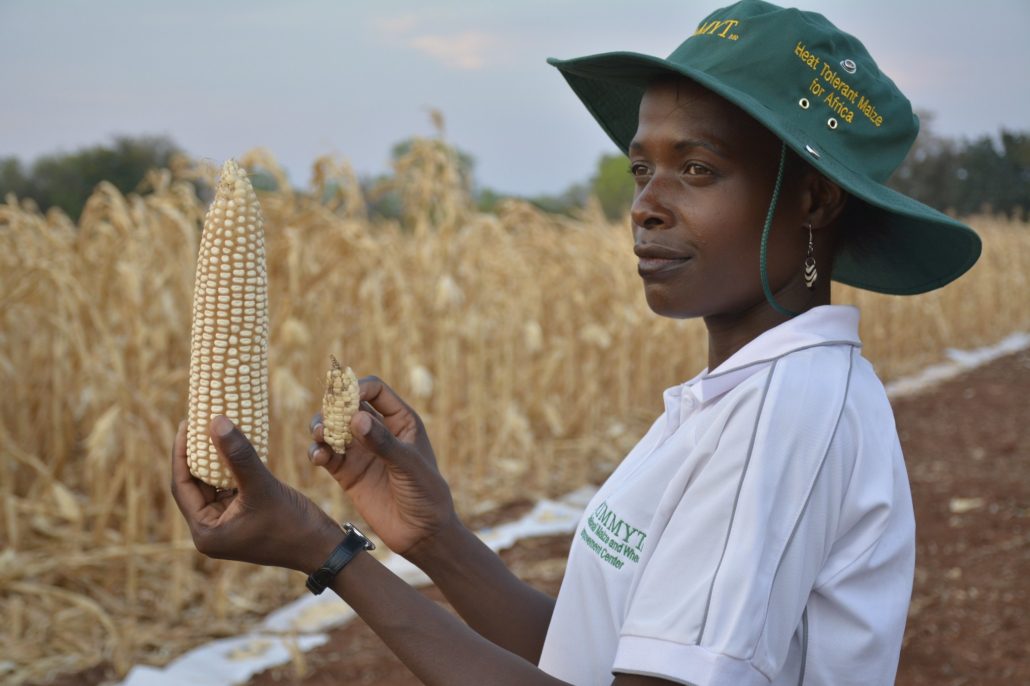
The Republic of Zimbabwe is a landlocked country in Southern Africa. Once known as the “Jewel of Africa” for its “vibrant industries, an internationally-acclaimed social security net and abundant natural resources” after its independence in 1980, Zimbabwe has seen a dramatic decline in its economy and development. This has led to increasing rates of food insecurity and concerns about hunger in Zimbabwe. In 2020, Zimbabwe endured one of the most severe food crises in decades due to compounding issues such as “poor agricultural seasons, hyperinflation, failed economic and agricultural policies and the consequences of Cyclone Idai and the COVID-19 pandemic.” As a result, more than six million Zimbabweans required urgent humanitarian assistance.

Causes of Hunger in Zimbabwe

  • Poor Weather Conditions: In March 2019, Cyclone Idai hit Zimbabwe causing cyclone-induced rains, catastrophic floodings and massive landslides. Then, six months later, the country dealt with “extreme drought in the middle of peak farming season.” This crisis came amid recovery “from the major 2014-16 El Niño-induced drought.” Zimbabwe’s economy is significantly agriculture-based with subsistence farmers making up about 75% of the population in 2020 and holding the responsibility to produce most of Zimbabwe’s food sources. Such back-to-back climate-related disasters are detrimental to the production of maize, a water-intensive crop and the principal food crop, and overall harvests. Due to poor rains and erratic weather conditions impacting livelihoods, during the 2019-2020 lean season, about 5.5 million rural Zimbabweans suffered from food insecurity.
  • Hyperinflation: In June 2019, the Zimbabwean government passed a law “banning the use of the U.S. dollar for local transactions and instead implemented the Zimbabwe Dollar (ZWL) as the only acceptable national currency.” A lack of “faith in the new currency” and a general non-acceptance of the ZWL by suppliers left retailers unable to purchase “basic food imports.” These factors have caused the prices of goods to skyrocket. Hyperinflation and the currency shortage mean that many households cannot afford to meet their basic food needs with the cost of maize “more than doubling in June” 2020.
  • Widespread Poverty: This series of economic and climatic shocks has caused poverty to rise sharply. The national poverty rate in Zimbabwe rose “from 32.2 % in 2001 to 38.3 % in 2019, growing at an average annual rate of 10.32%.” Furthermore, the extreme poverty rate jumped from 30% in 2013 to 42% in 2019 with those living below the extreme poverty line doubling “from three million in 2011 to 6.6 million in 2019.” The World Bank says that rural people account for 90% of Zimbabwe’s extreme poor, with children making up 1.6 million of the extremely impoverished.
  • The COVID-19 Pandemic: The onset of the pandemic and subsequent lockdowns delivered another economic shock to the country, worsening the unemployment and poverty rates. In July 2020, a survey by the World Bank revealed that “nearly 500,000 households had one member who had lost her or his job” due to the business closures from the lockdowns. By June 2020, 23% of the most impoverished people and 20% of the non-impoverished, all of whom had employment before COVID-19, “had lost their jobs,” compounding the already high unemployment numbers. The pandemic itself pushed 1.3 million Zimbabweans into extreme impoverishment, plummeting the numbers to 7.9 million extremely impoverished Zimbabweans. The loss of jobs and income means more people lack access to staple foods and basic resources.
  • Malnutrition: Nutrient deficiencies are prevalent throughout Zimbabwe with “eight of Zimbabwe’s 59 districts” having an unprecedented acute malnutrition rate of more than 5% in 2020. Moreover, Zimbabwe’s Multi-Indicator Cluster Survey (MICS) 2019 reveals that women and children bear the brunt of this crisis as one in four children younger than five faced stunting and the “risk of impaired physical and cognitive growth.” Furthermore, Zimbabwe stands as one of 10 nations whereby more than 80% of children between six to 23 months do not consume the minimum acceptable diet in 2020. As a result of poverty and its consequences, such as hunger, some children drop out of school and face child marriages. In addition, impoverished females are at higher risk of sexual exploitation and domestic violence because they lack economic independence.

Initiatives to Curb Hunger in Zimbabwe

Immediate reform and initiatives are necessary to address concerns about hunger in Zimbabwe on a large scale. One such initiative is Mary’s Meals, a charity organization aimed at providing meals to the world’s impoverished children each school day. Since its founding in 2002, Mary’s Meals has spread across Africa, Asia, the Caribbean, South America and Eastern Europe and now provides meals to more than two million children for “every day they attend school.” Mary’s Meals began working in the rural Tsholotsho District of Zimbabwe in 2018 and has since provided more than 73,000 children with nutritious daily meals.

Room for Growth

The Republic of Zimbabwe is on the road to recovering from the hurdles delaying its growth. Fortunately, the World Bank predicts that Zimbabwe could “have an economic rebound in 2022 with a bumper harvest expected to ensure most rural families have enough to eat and leading the economy to 3.9% growth.” With continued commitments to improving hunger in Zimbabwe, the country can propel onward into prosperity.

– Divine Adeniyi
Photo: Flickr
March 29, 2022
https://borgenproject.org/wp-content/uploads/borgen-project-logo.svg 0 0 Kim Thelwell https://borgenproject.org/wp-content/uploads/borgen-project-logo.svg Kim Thelwell2022-03-29 07:30:112024-05-30 22:25:52Everything to Know About Hunger in Zimbabwe
Global Poverty, Hunger

How Oxfam Addresses Poverty in Zimbabwe

Oxfam Addresses Poverty in ZimbabweThe country of Zimbabwe has a population of 14.86 million people as of 2020. Zimbabwe’s poverty rate stood at 38.3% in 2019, increasing at a yearly percentage of 10.32%. Due to a high prevalence of poverty in the nation, Oxfam addresses poverty in Zimbabwe to improve the lives of citizens. Across the world, Oxfam is lowering poverty rates in developing nations through initiatives that combat hunger, strengthen livelihoods and supply water and sanitation services, among other efforts. With Oxfam’s help, Zimbabwe may be able to target and reduce poverty across the nation.
Combating Hunger and Improving Farming

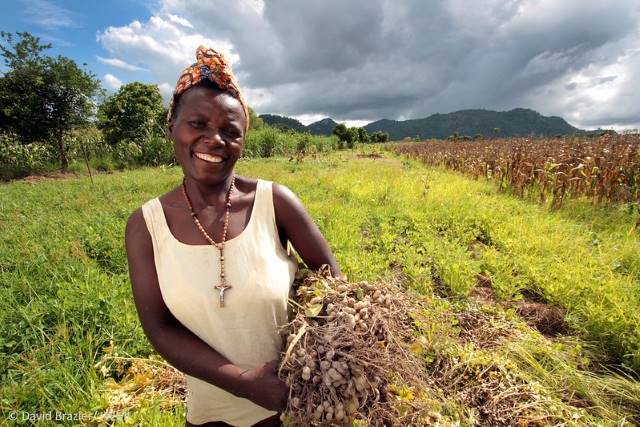
In June 2020, Oxfam reported that more than 17 million individuals “across Malawi, Mozambique, Zimbabwe, Zambia and South Africa” faced food insecurity as a consequence of the impacts of the severe 2019 drought on agriculture. In the same month, Oxfam warned that the onset of the COVID-19 pandemic could intensify circumstances of food insecurity for more than 40 million individuals in Southern Africa. The food insecurity situation is so extreme that Zimbabweans are crossing the Kafwambila border into Zambia “to exchange their goats and cows for a small bag of maize flour.”

Oxfam is able to help people in need of dependable sources of food. Oxfam addresses poverty in Zimbabwe by working with local leaders to deliver clean water and food to citizens in need. In emergency situations, Oxfam provides cash transfers so that people can purchase food according to their needs and preferences.

The Benefits of Agricultural Productivity

A 2011 OECD study analyzed poverty reduction successes between 1980-2005 across 25 nations. The study’s specific in-depth analysis of poverty reduction in Ghana, Indonesia, Vietnam and Ethiopia found that more than 50% of poverty reduction relates to “growth in agricultural incomes.” This shows that agriculture plays a crucial role in global poverty reduction.

Increased agricultural productivity can increase farmers’ incomes and food production in a country and reduce the costs of food overall while providing job opportunities. According to a 2014 Africa Renewal article, Zimbabwe requires 1.8 million tons of maize annually to adequately provide for the country’s people and livestock. However, during the 2012/2013 agricultural year, Zimbabwe produced less than 800,000 tons of maize.

The agricultural sector in the country depends on factors such as optimal weather conditions and adequate rain to grow quality crops. Due to the significance of agriculture in poverty reduction, Oxfam helps nations like Zimbabwe to improve agricultural productivity by introducing new farming techniques to farmers and by providing supplies such as seeds and tools so that people can cultivate their own food.

How Oxfam Addresses Poverty in Zimbabwe Through Hygiene and Health Care

In Zimbabwe, outbreaks of diseases such as cholera stem from poor water, hygiene and sanitation facilities. In 2018, one of the most severe outbreaks of the disease in Zimbabwe stemmed from sewage pipes that burst and contaminated drinking water supplies. Oxfam provides countries with clean water, soap and toilet facilities to avoid water contamination and promote proper hygiene.

Oxfam also recognizes pressing issues that come during sudden disasters. When Cyclone Idai struck Africa in 2019, nations faced water contamination due to “extensive damage to water supplies and sanitation infrastructure.” Oxfam initially worked to provide up to 500,000 individuals in Mozambique, Malawi and Zimbabwe with water treatment kits, hygiene kits and clean water.

Looking Ahead

Oxfam is taking many steps to address poverty in Zimbabwe by assisting in the areas of food security, agricultural development and water, sanitation and hygiene. The organization’s efforts have and will continue to positively impact the lives of those facing poverty across the globe.

– Katelyn Rogers
Photo: Flickr

March 8, 2022
https://borgenproject.org/wp-content/uploads/borgen-project-logo.svg 0 0 Kim Thelwell https://borgenproject.org/wp-content/uploads/borgen-project-logo.svg Kim Thelwell2022-03-08 07:30:322024-05-30 07:52:49How Oxfam Addresses Poverty in Zimbabwe
Economy, Global Poverty, Hunger

The Effects of the Economic Collapse in Lebanon

Economic Collapse in Lebanon
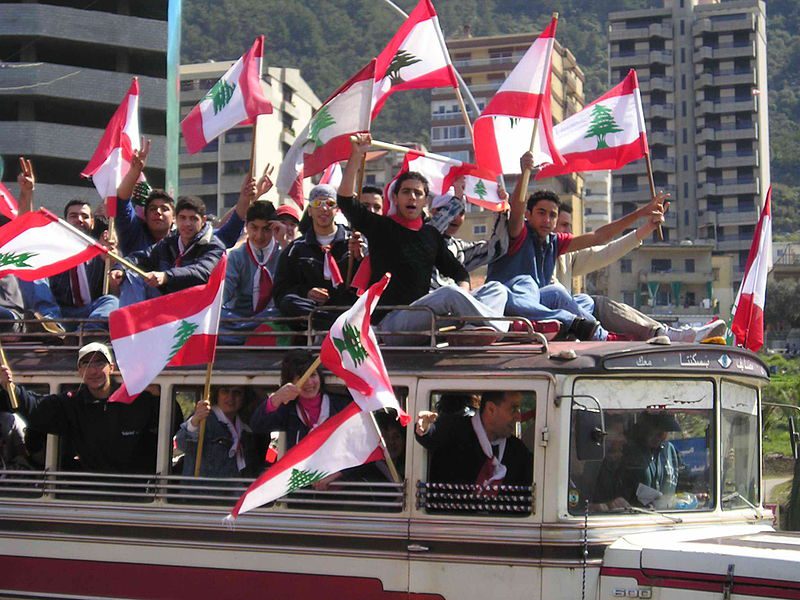
Poverty continues to loom over Lebanon’s most vulnerable communities, leaving them to battle with deteriorating living standards and several health hazards. Lebanese people’s quality of life sank to an unprecedented low due to many reasons. One of the most prominent reasons for the economic collapse in Lebanon is the Lebanese government’s immense amount of debts that add up to the “equivalent [of] 150% of national output.”

Lebanon’s Economic Landscape

Some financial experts describe the Lebanese government’s economic system “as a nationally regulated Ponzi scheme where new money is borrowed to pay existing creditors.” Adding to the nation’s troubles, the corrupt elite in Lebanon exploited the country’s foreign aid and income post-civil war and continue to do so to this day. The indebted government struggled to make ends meet, which led to the devaluation of the national Lebanese currency. While the economic collapse affected all citizens residing on Lebanese land, the already dire standard of life of the Lebanese lower-class became worse in several ways.

5 Ways the Economic Collapse in Lebanon Impacts Disadvantaged People

  1. Unlivable Wages: The official Lebanese currency, the Lebanese pound, “lost more than 90% of its value.” This extreme devaluation plunged the Lebanese further into poverty. The minimum wage in Lebanon’s value decreased from the equivalent of $450 monthly to what is now worth around $30 per month. As a consequence, “a family’s budget just for food is around five times the minimum wage,” says the Crisis Observatory at the American University of Beirut.
  2. Medicine Shortage: Due to the scarcity of foreign currency in the country, Lebanese pharmaceutical companies struggle with importing or manufacturing life-saving medicine. To counter this shortage, in July 2021, the Lebanese government lifted subsidies on most life-saving medicine. While this development affects the entire Lebanese population, those with limited or no income experience the greatest impact as medicine now becomes a luxury most cannot afford.
  3. Life-Threatening Power Outages: As the Lebanese economy continues to suffer, the government struggles to import fuel and maintain power generators. As a result, low-income neighborhoods across the country barely receive one hour of electricity per day. This circumstance proved to be extremely destructive as companies, bakeries, schools, grocery stores and even hospitals scaled back operations or completely closed down. Such closures made access to life-saving medical operations, as well as food, extremely challenging.
  4. Unemployment as a Result of Scarce Fuel: Due to the economic crisis, private and public sectors are incapable of importing essential fuel and gasoline. To combat the extreme gasoline shortage in the country, the Lebanese government raised gasoline prices by 66% in August 2021. As a result, many low-income independent contractors, such as taxi drivers and bus drivers, could not afford to work anymore. Due to the recent unemployment of low-income families’ primary breadwinners, the Lebanese working class plunges deeper into poverty.
  5. Deteriorating Diets: Lebanon’s most vulnerable people continue to miss one important component at their dinner tables: meat. As the country’s currency continues to devalue, the prices of meat soar. Toward the end of 2020, “fresh and frozen cattle meat prices” in Lebanon increased by 110%, according to a World Bank assessment. Moreover, the prices of chicken witnessed a 68.4% increase over the last few months. With no other affordable protein sources readily available, malnutrition threatens Lebanon’s impoverished and hungry people. Furthermore, UNICEF reports that “three in 10 families” assessed in April 2021 “had at least one child” missing meals.

Beit El Baraka

As the factors mentioned above overlap, nongovernmental organizations (NGOs) launched several initiatives and efforts to aid Lebanon’s most vulnerable communities. One of the most prominent NGOs currently operating on a large scale within Lebanon is Beit El Bakara. The NGO is dedicated to helping Lebanon’s vulnerable families by covering medical expenses, paying bills and tuitions and providing meals and essential services. Since its launch, Beit El Baraka’s team helped more than 128 families pay their electricity bills, paid 93 families’ rental costs, covered the cost of treatment for 1,681 patients in need and refurbished 3,011 homes across 62 Lebanese areas.

The economic collapse in Lebanon is becoming increasingly dire. Without help, Lebanon and its people could face a catastrophic fate as more than half of the population sinks below the poverty line. Therefore, aiding the Lebanese population should be a top priority of the international community.

– Nohad Awada
Photo: Wikipedia Commons

February 19, 2022
https://borgenproject.org/wp-content/uploads/borgen-project-logo.svg 0 0 Jennifer Philipp https://borgenproject.org/wp-content/uploads/borgen-project-logo.svg Jennifer Philipp2022-02-19 07:30:522024-05-30 22:25:42The Effects of the Economic Collapse in Lebanon
Global Poverty, Hunger

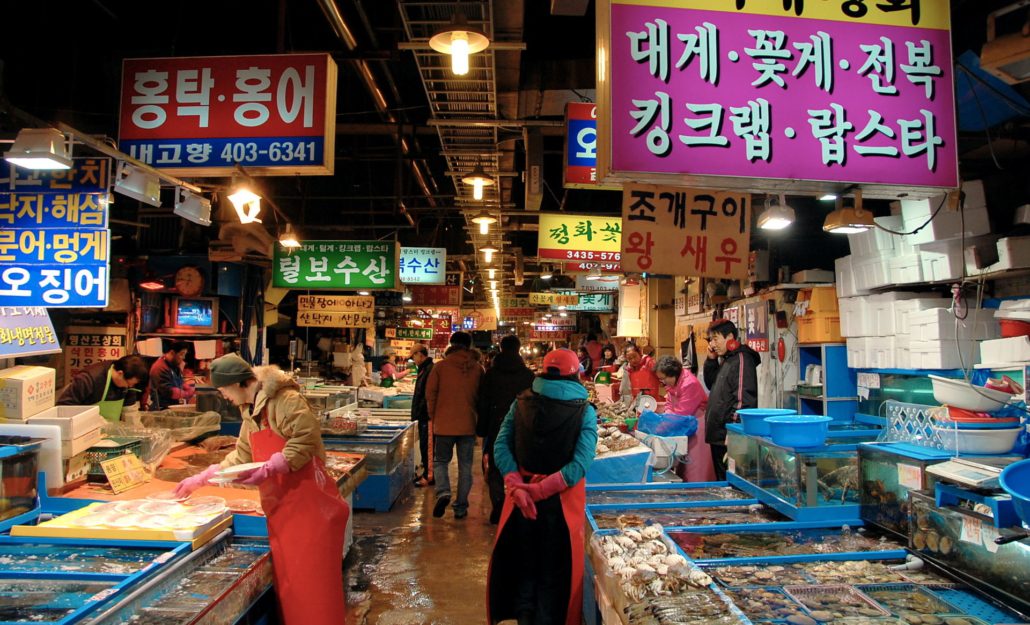
Hunger in South Korea

Hunger in South Korea
South Korea is one of the largest economies in the world as well as one of the best-educated countries. Over the last few decades, unprecedented economic growth and democratization have marked this nation. It currently ranks number five in relative income poverty among the 33 countries of the Organization for Economic Cooperation and Development (OECD). More specifically, 16% of the overall population is impoverished whereas 12% of citizens between 0 and 17 years of age and 43% of South Koreans 66 years of age and older are in poverty. Despite this data, hunger in South Korea is relatively low.

About Hunger in South Korea

South Korea ranks 32nd alongside Australia on the Global Food Security Index with a score of 71.6. During the last 15 years, the undernourishment percentage has remained stable at approximately 2.5%. This is due to the measures and programs that the government uses to prevent malnutrition in the country. About 50 years ago, South Korea was one of the most impoverished countries in the world. The Korean War devastated the nation. South Korea went from receiving food assistance until 1984 to currently standing as one of the 20 largest donors to the World Food Programme (WFP). South Korea has successfully transitioned from receiving help to providing it.

Food Safety Management System

The government has launched various programs to help fight hunger in South Korea, such as the Food Safety Management System to ensure food is safer and healthier. All food that the country produces goes through three steps: manufacturing, distribution and consumption. In the manufacturing process, the operator must submit an item manufacturing report; in addition, South Korea carries out self-quality inspections to guarantee the safety of the product. The products undergo distribution along with inspections to ensure product safety and to rule out harmful foods. Finally, in the consumption phase, the announcements and the sanitation of the food undergo monitoring.

Food Waste Recycling

The prevalence of food waste in South Korea is high. Currently, the nation recycles up to 95% of these scraps when in 1995 it recycled only 2% of the total food waste. This is due to the introduction of biodegradable bags within which citizens put their food waste. South Korea then uses the leftovers as fertilizers or animal feed. Seoul, the capital of South Korea, has installed more than 6,000 containers that weigh the amount of food discarded and charge the citizen. This has helped reduce the amount of food that the city wastes by 47,000 tons. The inhabitants of South Korea each produce 130 kilograms of food waste per year, while in other areas such as the United States or Europe, the number decreases to between 95 kg to 115 kg of food waste per citizen each year.

International Aid

South Korea has managed to build a strong economy and lift most of its population out of famine. The post-war in the 1950s left the country with a high rate of famine. However, in the last decades, South Korea has been able to achieve economic growth. Currently, in addition to the national policies that help in the fight against hunger in South Korea, the government is helping the international community combat hunger by providing aid and donating rice. In 2021, South Korea provided aid to six countries suffering the impacts of the pandemic, including Yemen, Ethiopia, Kenya, Uganda, Syria and Laos, donating 50,000 tons of rice.

Overall, the nation has made significant progress in reducing hunger in South Korea and will continue on an upward trajectory with continued commitments to alleviating food waste and improving food security.

– Ander Moreno
Photo: Wikipedia Commons

January 31, 2022
https://borgenproject.org/wp-content/uploads/borgen-project-logo.svg 0 0 Jennifer Philipp https://borgenproject.org/wp-content/uploads/borgen-project-logo.svg Jennifer Philipp2022-01-31 01:30:402024-12-13 18:05:35Hunger in South Korea
Clean Water Access, Education, Global Poverty, Hunger

9 Facts About South Sudan

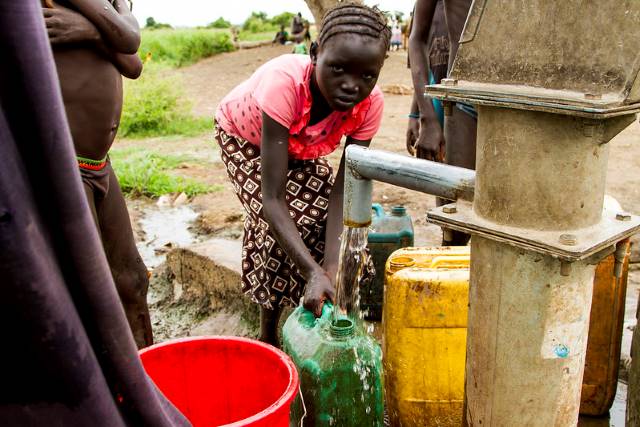
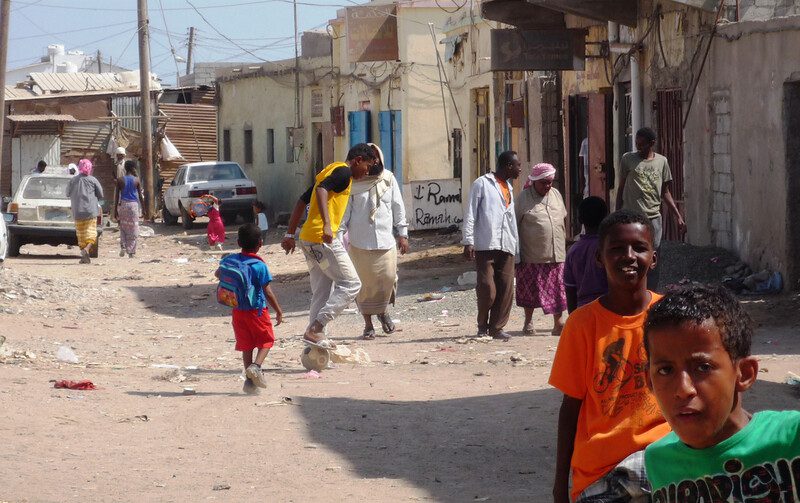
Facts about South SudanIn South Sudan, poverty and food insecurity are prevalent despite the country’s abundance of natural resources. Challenges include civil wars and prolonged violence. These challenges contribute to a significant number of people living below the poverty line within the nation. Several facts about South Sudan provide insight into the country’s economic and social landscape.
9  Facts About South Sudan

  1. A 50-Year Conflict. From 1955 through 2005, North and South Sudan faced civil wars and conflict. In January of 2005, the leaders of North and South Sudan signed the Comprehensive Peace Agreement (CPA). This agreement granted Southerners a revised Interim Constitution and partial autonomy. However, even with a signed peace agreement, social, political and economic conflict continues in South Sudan.
  2. Gaining Independence. In January 2011, 98% of Southerners in Sudan voted to secede from the north. Due to this vote, in July 2011, the Republic of South Sudan was formed — the world’s youngest country.
  3. High Poverty Rate. South Sudan has a population of about 12 million people. The overwhelming majority of the population, about 80%, resides in rural areas. According to the World Bank’s latest estimates, about 82% of South Sudanese people endure poverty, surviving on less than $1.90 per day.
  4.  An Abundance of Natural Resources. Although South Sudan falls high on the poverty scale, the country has many natural resources. The Nile River, petroleum, marble/dolomite, aluminum, iron ore and gold stand as the nation’s major natural resources. Of these resources, oil fuels the country’s economy, with outside investors dominating the sector. The issue is that about 85% of the population works in non-wage pastoral jobs and does not benefit from the abundance of natural resources.
  5. Water and Sanitation are Limited. In 2019, just half of the South Sudanese population had access to safe drinking water. Also, just 10% of people had “access to basic sanitation.” On a positive note, due to the work of the U.S. Agency for International Development (USAID), almost a million more South Sudanese people received “access to improved drinking water” between 2008 and 2019.
  6. Inadequate Health Care. Less than 50% of the South Sudanese population has access to health services. The government allocates only 2.6% of its budget to health care. For this reason, many citizens rely on non-governental organizations (NGOs) for their health care needs. Doctors Without Borders is a movement dedicated to providing medical aid globally. In 2019, Doctors Without Borders had 19 project sites across South Sudan. The organization’s medical assistance is vast and ranges from tackling malaria to vaccinating children and treating gunshot wounds.
  7. Food Insecurity is High. More than 60% of the population is currently enduring food insecurity. The International Relief Committee (IRC) believes that famine will increase even more in 2021. This stems from the cumulative effects of “conflict, an economic crisis, recurrent flooding and COVID-19” as well as displacement. The IRC is advocating for an infusion of support to stave off famine in South Sudan. Action Against Hunger is an NGO currently aiding South Sudan in hunger relief. As the world’s hunger specialist, its goal is to create new, better ways to deal with hunger. In 2020, it helped 558,079 people in South Sudan. Of this number, the organization’s health and nutrition programs helped more than 300,000 people. Further, 103,004 people received help through “food security and livelihood programs.”
  8. Life Expectancy is Increasing. South Sudanese life expectancy stood at 57.6 years of age in 2018. For males, the life expectancy was 56.1 years old. For the female counterpart, the life expectancy was higher at 59.1 years old. This is a steady increase over the years — 20 years ago, in 1998, the life expectancy at birth stood at 48.3 years old.
  9. Access to Education. More than 70% of South Sudanese children are not attending school. Some of these children live in pastoral settings and need to follow the herds so they cannot attend school. Girls are the largest group of students out of school.  This is due to poverty, cultural and religious beliefs and child marriage.

Looking Ahead

These facts about South Sudan may seem discouraging, but there are NGOs working on solutions. World Concern is a faith-based organization that works in South Sudan and 11 other countries. The organization provides assistance in the areas of water access, health, child protection, education, food security and nutrition, disaster and crisis response as well as economic resilience. World Concern supports countries village by village and operates in eight villages in South Sudan.

Hope is on the horizon for the people of South Sudan as organizations like World Concern, the IRC, Doctors Without Borders and Action Against Hunger step up to help. Coupled with the country’s abundance of natural resources, these efforts ensure South Sudanese people are able to rise out of poverty.

– Ariel Dowdy
Photo: Flickr

January 28, 2022
https://borgenproject.org/wp-content/uploads/borgen-project-logo.svg 0 0 Jennifer Philipp https://borgenproject.org/wp-content/uploads/borgen-project-logo.svg Jennifer Philipp2022-01-28 01:30:562024-05-29 23:13:509 Facts About South Sudan
Global Poverty, Hunger

Starvation Tactics in Yemen Cause Hunger

Starvation Tactics in YemenSince 2014, the conflict in Yemen has raged without an end in sight. In a November 2021 article, the World Bank estimates that Yemen’s poverty rate rose from approximately half of the population pre-conflict to as much as 78% because of the conflict. Although a Saudi-led coalition offensive largely defines the conflict, human rights abuses are apparent on both sides and by all parties. Starvation tactics in Yemen stand as one of the most malicious violations, bringing a wave of shock to the international community.

Background of the Conflict

The conflict in Yemen began in 2014 when the Houthis, a Shia Muslim minority in Yemen, captured the major city in Yemen’s northern province and began moving southward. The rebellion was strategically timed as the Houthis have fought several rebellions against Yemen’s government over the years but chose to attack this time because of a new sitting president, Abdrabbuh Mansour Hadi. Unfortunately for Hadi, the country initially supported the rebels, who overran and seized the capital city of Sanaa in 2014.

The Houthis are Shia Muslims and have a close affiliation with Iran, the Middle East’s Shia bastion. On the other hand, Saudi Arabia largely adheres to Sunni Islam and views Shia power as a threat. Therefore, the Houthi rebellion in Yemen alarmed Saudi Arabia, prompting “Saudi Arabia and eight other mostly Sunni Arab states” to launch an air campaign in 2015 to end the rebellion and reinstate Hadi’s government. The United States, United Kingdom and France provided “logistical and intelligence support” for the air campaign.

Human Rights Consequences

The conflict in Yemen has come at a steep cost to human life. As of December 2021, Yemen notes nearly a quarter of a million deaths and 4 million displacements. Furthermore, about 24 million Yemeni people require humanitarian aid. Due to these dire statistics, many world organizations deem the situation in Yemen the “worst humanitarian crisis” in the world.

One of the most concerning developments to arise out of the conflict in Yemen is the use of starvation tactics. Human rights groups documenting starvation tactics in Yemen show that both sides use such tactics “as a weapon of war.” The Mwatana Organization for Human Rights and Global Rights Compliance, both human rights organizations, have records of Saudi airstrikes destroying water facilities and fishing vessels as well as farms.

In a report, the groups indicate that the Saudi-led coalition’s blockade of air and seaports has slowed the flow of food into Yemen. Their reports also detail Houthi rebels denying civilians aid, which includes food. Specifically, the report says that “restrictions were so severe that they forced the World Food Program (WFP) to suspend its operations in 2019 and again in 2020.” The report also states that the rebels’ use of landmines prevents farmers from using their land productively.

The humanitarian cost of the starvation tactics in Yemen is astounding. In September 2021, in a plea for urgent funding from the international community, the United Nations warned that 16 million people in Yemen may face starvation. According to Henrietta Fore, the head of UNICEF, more than 11 million children in Yemen need humanitarian aid to survive and close to 400,000 children enduring “severe acute malnutrition are at imminent risk of death.”

Humanitarian Aid

Donors cut funding to the World Food Programme (WFP) in 2020, citing aid obstruction as their concerns. As a consequence, in April 2020, the WFP had to halve “food aid to every other month in parts of Yemen” under the control of the Houthis. However, donors took heed to U.N. warnings about the famine, and in June 2021, the WFP resumed monthly distributions to millions around Yemen. Since then, the WFP has taken extensive efforts to combat the effects of starvation tactics in Yemen.

The WFP says that despite barriers to access, it manages to provide humanitarian aid “to the vast majority of vulnerable people in the country.” The WFP is providing daily snacks to more than 1.5 million Yemeni students and nutritional support to more than 3 million “pregnant and nursing women” as well as children younger than 5. The WFP also provides food aid through food rations or cash assistance to purchase food.

Despite significant suffering in Yemen, there is no shortage of organizations eager to provide aid. With enough advocacy and aid, there lies a possibility to end starvation tactics in Yemen and bring an end to the conflict overall.

– Richard J. Vieira
Photo: Flickr

January 23, 2022
https://borgenproject.org/wp-content/uploads/borgen-project-logo.svg 0 0 Kim Thelwell https://borgenproject.org/wp-content/uploads/borgen-project-logo.svg Kim Thelwell2022-01-23 01:30:202024-05-30 22:25:40Starvation Tactics in Yemen Cause Hunger
Global Poverty, Hunger

Reducing Hunger Rates in Madagascar

Hunger Rates in Madagascar
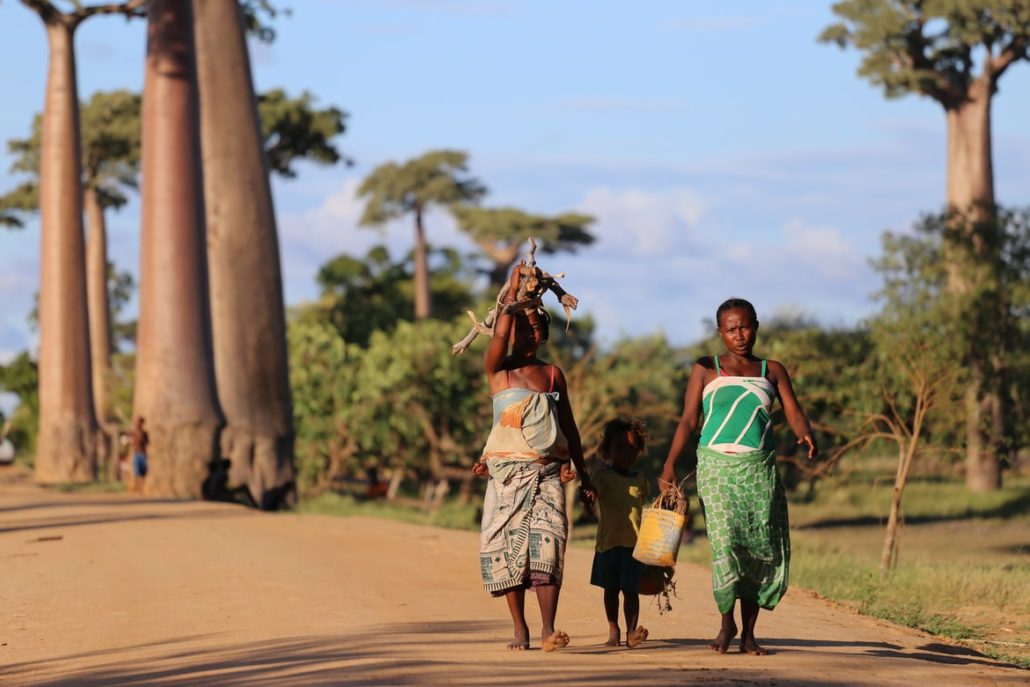
As the “fourth-largest island” globally, Madagascar holds a distinctive ecosystem. However, the country struggles with skyrocketing poverty rates and widespread hunger. Political instability and frequent natural disasters contribute to these circumstances. According to USAID, more than “a third of households lack adequate food at any given time of the year.” The World Food Programme’s (WFP) assessment on Madagascar indicates that about 1.3 million citizens face food insecurity in the nation. Considering these statistics, WFP calls on the international community to support the nation, stressing the importance of aid in times of crisis. Understanding the challenges that Madagascar and its people face, many international organizations are taking the lead to reduce hunger rates in Madagascar.

The Realities of Food Insecurity on the Ground

According to ABC News in November 2021, WFP warns that due to a four-year-long drought, “more than 1.1 million people” in the southern region of Madagascar require emergency food aid. Currently, about 700,000 are receiving food assistance. However, more aid is necessary to cover the needs of all people and reduce hunger rates in Madagascar.

According to Alice Rahmoun, WFP’s communications officer in Madagascar, due to the droughts and other extreme weather conditions, “harvests fail constantly, so people don’t have anything to harvest and anything to renew their food stocks.” Amnesty International indicates that more than 90% of people in the southern region of Madagascar endure poverty. As such, organizations are working tirelessly to prevent a famine crisis in Madagascar. However, there is an increasing need for more resources to reduce hunger rates in Madagascar.

In addition to droughts affecting crop production, sandstorms and pest infestations exacerbate the situation, making it difficult for farmers to farm or plant any food. With many people looking to cactus leaves and tubers as food sources and others digging for drinking water from the dry Mandrare River, the country is facing a crisis that justifies WFP’s concern of a potential famine.

Liafara, a Malagasy mother of five, told ABC News that children in the village cannot go to school because their hunger impedes their ability to focus. She explains further that her family has sold their possessions to acquire money for food, going as far as selling the front door to the house in a desperate attempt to provide food.

Hope on the Horizon

Despite facing extreme hunger in Madagascar, Loharano, a community leader in the village Tsimanananda, refuses to give up. The 43-year-old woman told BBC News that, with the lessons of a previous drought beginning in 2013 and the assistance of a local organization called the Agro-ecological Centre of the South (CTAS), she no longer fears hunger. CTAS teaches villagers about “drought-resistant crops and techniques to revitalize the soil” in order to improve food security.

Loharano, who now boasts a plot of land with diverse thriving crops, now imparts this information to other villagers, conducting small informal classes. Loharano has shared her produce with hungry neighbors and is thankful that her village is not facing the food crisis that many others face. CTAS has brought this work to 14 other villages in Southern Madagascar, benefiting as many as 10,000 households. However, the organization’s influence is finite and Loharano’s success highlights the need for more organizations like CTAS to step up and help their local communities.

Calls for International Support

Issa Sanogo, the U.N. humanitarian coordinator in Madagascar, stresses that “the world cannot look away” as “people in Madagascar need our support now and into the future.” Currently, the U.N. and its partner agencies seek about $231 million to fund humanitarian aid initiatives in Madagascar until May 2022. The U.N. has garnered about $120 million worth of funding so far. With the support of the international community, the U.N. can reach its target funding goal and prevent famine in Madagascar. Sanogo is calling “on the international community to show solidarity with the communities” in Southern Madagascar “and to put forward the funding that is needed to both prevent a humanitarian catastrophe today and enable people to become more resilient tomorrow.”

– Tri Truong
Photo: Unsplash

January 8, 2022
https://borgenproject.org/wp-content/uploads/borgen-project-logo.svg 0 0 Jennifer Philipp https://borgenproject.org/wp-content/uploads/borgen-project-logo.svg Jennifer Philipp2022-01-08 01:30:572024-05-30 22:25:38Reducing Hunger Rates in Madagascar
COVID-19, Food & Hunger, Hunger

The Maasai of Kenya Face Hunger Amid COVID-19

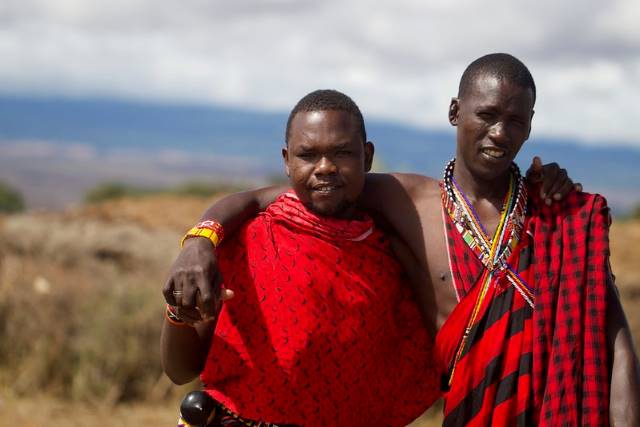
The Maasai of KenyaWhen the COVID-19 pandemic decimated Kenya’s tourism industry and forced the closures of livestock markets, food insecurity became a reality for many of the Maasai people. In particular, the Maasai of Kenya tribe faces hunger during the COVID-19 pandemic.

The Heart of Kenya’s Tourist Industry

Traditionally, the Maasai people’s pastoral life meant there was no need for the modernities of money. Cattle stood as a source of both food and currency, with Maasai livelihoods depending exclusively on the tribe’s “cattle economy.” However, as prolonged droughts ravage grazing lands and privatization and wildlife conservation lead to the displacement of the Maasai, the tribe has had to supplement its semi-nomadic lifestyle with income from tourists: selling souvenirs, conducting safaris and guiding tours of Maasai villages.

Visitors travel to Kenya from all over the world to witness Africa’s wild animals, and when it comes to spectacles, the Maasai of Kenya have an advantage. The majority of tourists flock to the Maasai Mara National Park to witness a yearly phenomenon known as the Great Migration — the largest animal migration on earth. Although much of the migration takes place from the Serengeti in Tanzania, the most sought-after scene for nature enthusiasts occurs when the animals cross the crocodile-populated Mara River into Kenya.

Severe Weather and COVID-19 Create a Food Crisis

Prior to 2020, tourism accounted for 10% of Kenya’s economy, employing more than 2 million citizens, many of whom “lost their jobs due to the pandemic.” In March 2020, after Kenya’s first report of COVID-19, President Kenyatta canceled “all international flights scheduled to enter the country,” allowing access only to Kenyans or foreigners with permanent residency. Although the government’s efforts proved crucial in preventing the spread of the virus at the time, the result was an 80% plunge in Kenya’s tourism during 2020, causing an economic loss of more than $1 billion.

Exacerbating circumstances further, flash flooding in April 2020 and severe hailstorms in September 2020 followed the collapse of tourism. The deadly storm patterns led to severe crop destruction, damaging homes throughout southern and eastern Kenya, including Narok county, home to the Maasai Mara National Park.

Despite standing as a hub for Kenya’s tourism, Narok county has an absolute poverty rate of 33.7%, with 12% of the population enduring food insecurity and 32.9% of children experiencing stunting. During the pandemic, when government mandates included the closures of livestock markets and the Maasai lost all income from tourists, hunger became a reality for many of the Maasai who also could not afford to purchase hygiene products such as soaps and hand sanitizers.

Nashulai Maasai Conservancy Supports the Maasai

The Nashulai Maasai Conservancy protects 5,000 acres of critical habitat and is the only conservancy that the Massai people entirely govern and run. During the COVID-19 pandemic, residents of Nashulai organized a crowdfunding plan and sought the help of Avaaz, an international advocacy campaign that promotes community-organized humanitarian movements.

The campaign mobilized 100,000 people who helped to pay ranger salaries and secure sanitation, medical supplies and food for communities living within the conservancy. Recognizing a need to reduce the Maasai’s reliance on tourism, Nashulai also began training people in farming, beekeeping and making hygiene products such as soaps and sanitary pads to sell at local markets.

The Maa Trust

The Maa Trust is a nonprofit organization that partners with nature conservancies in the Maasai Mara region to “increase the benefits of wildlife conservation to Maasai families.” The organization promotes sustainable businesses for Maasai women, such as jewelry-making and honey production. The organization also supports conservation education, builds schools and invests in clean drinking water, solar energy and alternatives to using firewood as fuel.

In April 2020, The Maa Trust partnered with the Mara Elephant Project to distribute food donations from the Sidekick Foundation to 637 Maasai families “in the Talek and Pardamat regions of the Maasai Mara.” The Sidekick Foundation is an international force that works both on the ground and politically to combat poaching, collaborating with organizations such as The Maa Trust and the Mara Elephant Project to protect elephants and aid local humanitarian efforts.

The Rotary Club of Nome Assists

In November 2021, the Rotary Club of Nome, Alaska, worked with local contacts in Narok, Kenya, to provide a month of food security to 450 residents in the Maasai village of Nkorkorri. The project to assist Nkorkorri village stands as part of the Rotary Club of Nome’s 75-year commitment to humanitarianism. The Rotary Club of Nome is part of a worldwide network of more than 1.4 million Rotarians who work together to reduce poverty, fight diseases, support local economies and protect the environment.  In an interview with The Borgen Project, club member Marcy O’Neil says that Nome Rotarians hope to turn this emergency donation into a long-term program.

Although tourism has helped the Maasai survive in a challenging economic landscape, the industry’s fall during the COVID-19-pandemic put a spotlight on the tribe’s increasing vulnerability. As a result, organizations are answering the call for help. Whether the support comes from near or far, ongoing efforts to assist the Maasai are crucial to ensure the tribe’s ability to survive while maintaining traditional values.

– Jenny Rice
Photo: Flickr

December 3, 2021
https://borgenproject.org/wp-content/uploads/borgen-project-logo.svg 0 0 Kim Thelwell https://borgenproject.org/wp-content/uploads/borgen-project-logo.svg Kim Thelwell2021-12-03 01:30:452022-03-24 06:16:39The Maasai of Kenya Face Hunger Amid COVID-19
Child Poverty, Education, Global Poverty, Hunger

Marcus Rashford’s Campaign Fights Against Child Poverty

Marcus Rashford's CampaignMany know Marcus Rashford for his role on the soccer field as a player for the famous Manchester United team. However, Rashford is also an activist in the fight against child poverty in the United Kingdom. With 22% of adults and 30% of children in Britain living in poverty, this is an important issue, especially with the onset of the COVID-19 pandemic. Coming from a background of poverty himself, Marcus Rashford’s campaign gives a voice to the impoverished youth.

Marcus Rashford’s Campaign Combats Child Hunger

One of Rashford’s most significant passions is combating child hunger. In June 2020, during the outbreak of the COVID-19 pandemic, the soccer star launched a campaign asking the government to continue using food vouchers for students during summer vacations. For many impoverished children, school lunches are a necessary resource to receive proper daily nutrition. Rashford’s campaign provided vouchers to underprivileged families, allowing children and families to access school lunches and groceries during the summer. Additionally, he raised £20 million with FareShare, a U.K. organization that has provided 131.9 million meals to charities and vulnerable people.

The public has shown strong support for Rashford’s campaign. During his initial campaign, the government rejected his ideas. However, the people rallied in his support, causing the government to backtrack, providing 1.3 million students with meal vouchers for a six-week summer break period. His October 2020 petition calling for the government to extend free school meals to other vacations and expand eligibility garnered more than 500,000 signatures. Although this request was not successful, local businesses followed with their support, even businesses that the pandemic hit hard. Additionally, Rashford used his Twitter account, with more than 3.5 million followers, as a directory of food banks, providing valuable information for those the government denied food.

Educational Resources

Along with his work against child hunger, Rashford also works to provide underprivileged children with educational resources. Rashford has said he only properly started reading books for leisure at age 17 because his family never had the budget for it. After learning that more than 380,000 children in the U.K. never owned books of their own, Rashford sought to change that. In the fall of 2020, he launched a book club with Macmillian’s Children’s Books to provide books to children. Through Marcus Rashford’s campaign, thousands of children now have access to a new hobby that they previously viewed as a privilege.

In May 2021, the Sunday Times Giving List notably recognized Rashford as the youngest person to top its list of British philanthropists. This accolade was due to Rashford’s generous donations to various food, poverty and community charities. The soccer player has raised more than £20 million in donations, putting his “Giving Index” rating at 125%; his wealth is £16 million. Due to the additional waves of COVID-19, there is a high demand for donations.

Rashford has proven himself to be a valuable contributor both on and off the field. Through his hard work and dedication, millions of children across the U.K. have had access to food and books. With his substantial passion, Rashford shows no signs of slowing down in his philanthropic efforts.

– Carly Johnson
Photo: Flickr

December 2, 2021
https://borgenproject.org/wp-content/uploads/borgen-project-logo.svg 0 0 Jennifer Philipp https://borgenproject.org/wp-content/uploads/borgen-project-logo.svg Jennifer Philipp2021-12-02 01:30:072022-03-24 06:36:25Marcus Rashford’s Campaign Fights Against Child Poverty
Children, Education, Global Poverty, Health, Hunger

Rescued Food Market Fights Hunger in Canada

Rescued Food Market
According to the United Nations, almost half of all fruits and vegetables produced worldwide go to waste. The world’s total wasted food “is enough to feed about three billion people.” In the city of Vancouver in Canada, food waste is a rising issue along with food insecurity. The Rescued Food Market aims to tackle hunger and food waste at the same time.

Food Waste in Canada

In Canada, about $30 billion worth of food goes to waste annually. As a consequence of this food waste, Canada is responsible for a significant carbon footprint of “56.6 million tonnes of CO2-equivalent emissions.” Yet, in Canada alone, roughly $49.5 billion worth of “food waste can be avoided by taking specific measures.” According to the Food Stash Foundation, every one in six children in British Columbia goes hungry. With less food wastage, “consumers and society at large will be able to save money, support efficiency in the food and agriculture sector, improve food security and reduce greenhouse gas emissions.”

Rescued Food Market

A local Vancouver market seeks to aid in the fight against hunger by reducing food waste. Launched in October 2021, the Rescued Food Market is open every Friday to people from every income background. The market is the product of a larger organization that David Schein started in 2016 called the Food Stash Foundation. Rescued Food Market’s webpage describes the market as “a zero-waste grocery store that is stocked with nutritious surplus food from farms, grocers and wholesalers.”

Before the Rescued Food Market’s opening on October 1, 2021, the Food Stash Foundation collected surplus food and delivered it to charities and households in need. The Rescued Food Market itself operates through a “pay what you feel” policy and only asks shoppers to bring reusable bags to collect the food. By using the terms “pay what you feel” instead of “pay what you can,” the market aims “to eliminate any shame associated with not being able to afford the rising cost of food.”

The Success of the Market

Carla Pellegrini, the current executive for Food Stash Foundation, told Good News Network (GNN) that the Rescued Food Market aims to assist the Food Stash Foundation in distributing roughly 70,000 pounds of surplus food that the organization collects monthly. About “85% of that 70,000 pounds of food doesn’t even make it back to our warehouse, it goes right back out the same day with our drivers to other organizations,” Pellegrini tells GNN. However, at the end of a week, the organization still sometimes has surplus food that needs distributing. The Rescued Food Market assists in this regard.

In June 2021 alone, the Food Stash Foundation rescued more than 74,000 pounds of perishable foods, which, in turn, prevented almost 64,000 kilograms of CO2 emissions from entering the atmosphere. The overwhelming success of this food redistribution initiative not only helps protect the environment but also instills a sense of mindfulness on a local, community-based level through the Rescued Food Market.

Worldwide Communal Markets

Besides relying on the Food Stash Foundation’s surplus of food received from farms and grocers alike, the Rescued Food Market also encourages families in Vancouver to donate food that will otherwise go to waste. Indeed, community markets and fridges, as indicated by Katherine Oung in her article “Community fridges are lifelines for the neighborhoods they serve,” are especially crucial in areas “where traditional forms of food assistance are difficult to access.” Low-income families without cars, for example, would have an easier means of acquiring food at a community market than at a more remote food bank location. Community fridges are located throughout the world.

The Rescued Food Market brings to the forefront an innovative way to combat two issues at once. Reducing food waste is a significant step in fighting a more extensive, prevalent world injustice.

– Maia Nuñez
Photo: Flickr

November 13, 2021
https://borgenproject.org/wp-content/uploads/borgen-project-logo.svg 0 0 Jennifer Philipp https://borgenproject.org/wp-content/uploads/borgen-project-logo.svg Jennifer Philipp2021-11-13 07:30:072024-05-30 22:25:24Rescued Food Market Fights Hunger in Canada
Page 16 of 72«‹1415161718›»

Get Smarter

  • Global Poverty 101
  • Global Poverty… The Good News
  • Global Poverty & U.S. Jobs
  • Global Poverty and National Security
  • Innovative Solutions to Poverty
  • Global Poverty & Aid FAQ’s
Search Search

Take Action

  • Call Congress
  • Email Congress
  • Donate
  • 30 Ways to Help
  • Volunteer Ops
  • Internships
  • Courses & Certificates
  • The Podcast
Borgen Project

“The Borgen Project is an incredible nonprofit organization that is addressing poverty and hunger and working towards ending them.”

-The Huffington Post

Inside The Borgen Project

  • Contact
  • About
  • Financials
  • President
  • Board of Directors
  • Board of Advisors

International Links

  • UK Email Parliament
  • UK Donate
  • Canada Email Parliament

Get Smarter

  • Global Poverty 101
  • Global Poverty… The Good News
  • Global Poverty & U.S. Jobs
  • Global Poverty and National Security
  • Innovative Solutions to Poverty
  • Global Poverty & Aid FAQ’s

Ways to Help

  • Call Congress
  • Email Congress
  • Donate
  • 30 Ways to Help
  • Volunteer Ops
  • Internships
  • Courses & Certificates
  • The Podcast
Scroll to top Scroll to top Scroll to top