• Link to X
  • Link to Facebook
  • Link to Instagram
  • Link to TikTok
  • Link to Youtube
  • About
    • About Us
      • President
      • Board of Directors
      • Board of Advisors
      • Financials
      • Our Methodology
      • Success Tracker
      • Contact
  • Act Now
    • 30 Ways to Help
      • Email Congress
      • Call Congress
      • Volunteer
      • Courses & Certificates
      • Be a Donor
    • Internships
      • In-Office Internships
      • Remote Internships
    • Legislation
      • Politics 101
  • The Blog
  • The Podcast
  • Magazine
  • Donate
  • Click to open the search input field Click to open the search input field Search
  • Menu Menu

Archive for category: Hunger

Hunger

Community Kitchens Around the World 

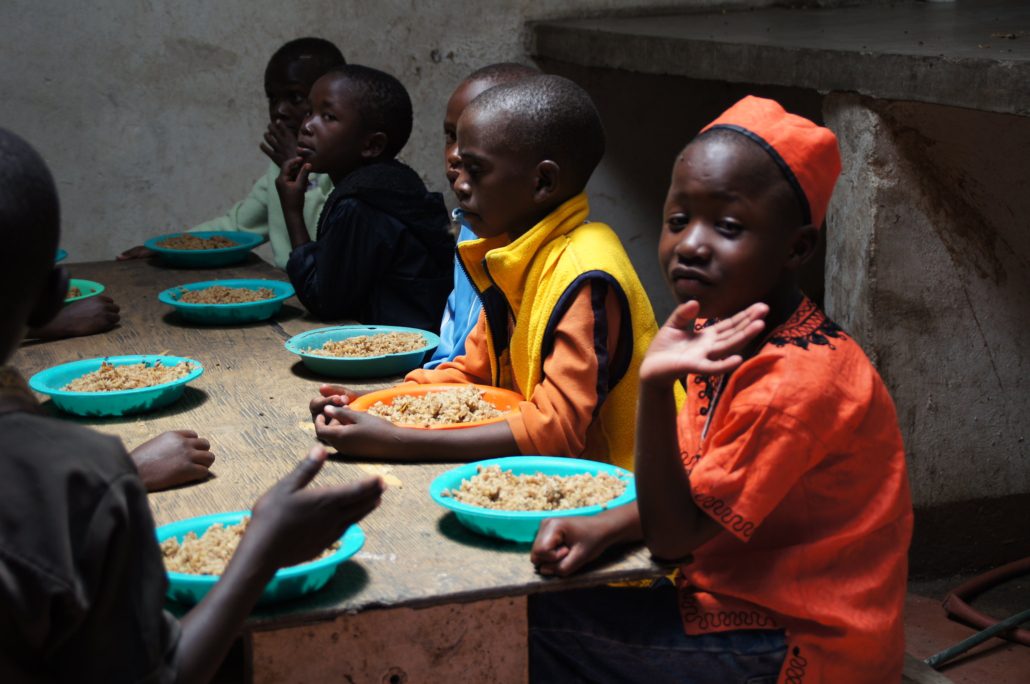
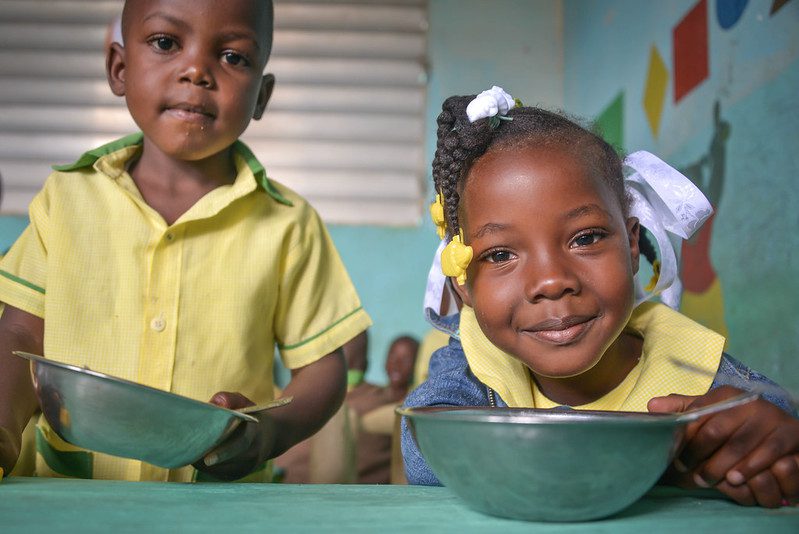
Community KitchensAround the world, 828 million people suffer from hunger and lack of nutritious food. The size of this issue requires multiple cooperative solutions and one of them is community kitchens. Community kitchens are similar to soup kitchens in that they give out free food to hungry people, but they elevate this idea by being a space for people to work, learn and build comradeship. Small community kitchens are popping up across many nations across the globe and despite their size, these spaces are bringing a big change.

India

India is one of the many countries that saw community kitchens continuously popping up during the 2020 pandemic lockdown. During this time, these kitchens played a pivotal role in supporting hungry families and became communal staples that people continue to rely on today. The state of Jharkhand saw the most growth in this kind of organization with 2,500 women working across all its districts.

In India, the Jharkhand State Livelihood Promotion Society (JSLPS) provides funding for these groups. Through the government and the hard work of these women, the kitchens provide meals directly to citizens’ doorsteps and help support the communal trust in the government. They also have “low-cost kitchens” where they sell food for a very low cost which helps support hungry citizens. Across India, these kitchens are providing not only food but opportunity as well.

Nepal

U.N. Women along with the Government of Finland have been supporting women-ran community kitchens in Nepal. The partnership helped set up a total of 10 kitchens in four of Nepal’s provinces, employing 123 women. The women working in these kitchens work from sun up to sun down to ensure meals are ready and easily accessible to those struggling in their communities. Importantly, these women can use the wages they earn to support their own families while learning to be confident in their skills, independence and leadership abilities. Community kitchens in Nepal have been able to reach those who are most typically disadvantaged like women, migrants, refugees, people with disabilities and pregnant women. They have played a key role in restoring and creating stability in many people’s lives during and after the pandemic.

Peru

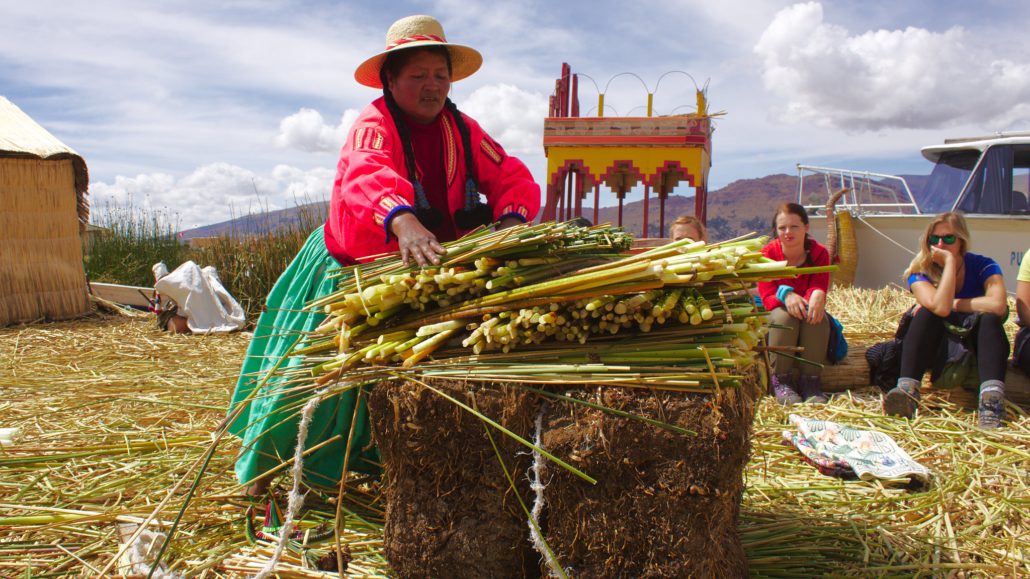
In Lima, the capital of Peru, women have been the sole supporters, funders and workers for these community kitchens since as early as the 1970s. In these kitchens, since they are not government funded, the women who devote their time to them are the ones who provide the cooking supplies, the kitchen space and the food. The women in these communities have established communal agreements that only they can run these kitchens, democratically, not for profit but for the betterment of their community. They decided together to pool whatever spare resources they could find and devote them to these kitchens. Through their selfless efforts, these women provide not only meals to the hungry but a safe space for women and children who face abuse at home. The women of Lima’s community kitchens are a shining example of how community effort and human empathy can change the world.

Final Thoughts

Community kitchens, which are often led by women, have become a powerful force in fighting global hunger while also promoting female empowerment. By providing meals to those in need, these kitchens contribute to the health and well-being of communities around the world. In addition, they offer an opportunity for women to be empowered and take initiative in their own lives as they lead these programs and gain skills that can help them achieve financial independence.

– Alexandra Curry
Photo: Flickr
April 2, 2023
https://borgenproject.org/wp-content/uploads/borgen-project-logo.svg 0 0 Jennifer Philipp https://borgenproject.org/wp-content/uploads/borgen-project-logo.svg Jennifer Philipp2023-04-02 01:30:582024-05-30 22:30:55Community Kitchens Around the World 
Global Poverty, Hunger

Everything to Know about Hunger in India

Hunger in India
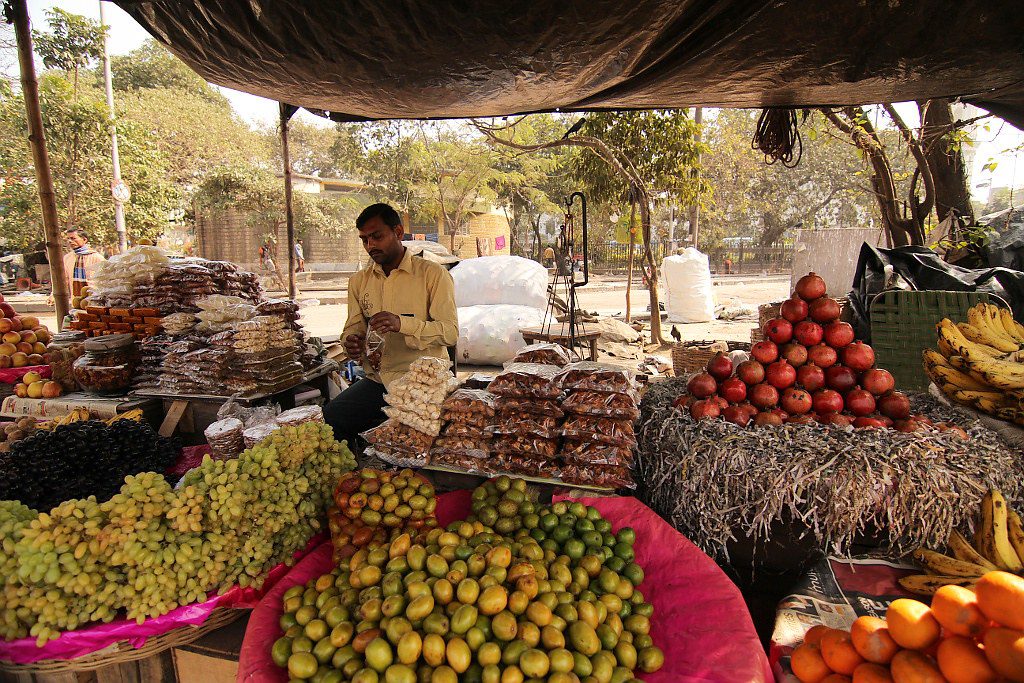
India has emerged as a self-sufficient nation over the past three decades in terms of food production, according to the United Nations. Despite this, the country still has a serious hunger problem. Here is everything to know about hunger in India.

Defining and Measuring Hunger

According to the Food and Agriculture Organization of the United Nations (FAO), “hunger is the habitual consumption of too few calories to provide the minimum dietary energy an individual requires to live a healthy and productive life based on a person’s sex, age, stature and physical activity level.”

A popular way of measuring hunger is through the Global Hunger Index (GHI), which considers four factors: undernourishment, child stunting, child wasting and child mortality.

Drawing on published data from sources such as the World Health Organization (WHO) and the United Nations Children’s Fund, GHI gives countries a score on a 100-point scale. The higher a country’s score, the more severe the level of hunger. The GHI’s annual assessment presents everything you need to know about hunger in India and other countries.

Since 2014, undernourishment levels have risen slightly nationwide from 14.8% to 16.3%. The 2022 Global Hunger Index ranked India 107th out of 121 countries. With a score of 29.1 on the GHI severity scale, India has a serious level of hunger.

The Good News

Ever since the Green Revolution in India, agriculture has played a significant role in reducing hunger in the country. According to the U.N., more than 70% of rural Indian households still depend on agriculture for their livelihood. As a result, India has seen tremendous growth in food production over the past few decades and is now a major exporter of agricultural products in the world.

Child stunting has dropped drastically from 54.2% to 35.5% between 2000 and 2022. Likewise, child mortality has also gone from 9.2% to 3.3% since 2000, according to the GHI.

Achieving these successes has been possible largely due to government help through subsidized rations on grains, and schemes, such as the 2013 National Food Security Act (NFSA), which increased India’s food distribution capabilities.

The Challenges

Despite the progress India has made toward ending hunger, many challenges lie ahead. The unpredictability brought on by changing weather patterns is causing problems for small-scale Indian farmers. Moreover, excessive chemical fertilizer use is causing land degradation and barrenness in parts of the country. The U.N. reports that 30% of the Indian administrative blocks have “unsustainable levels” of groundwater. More recently, COVID-19 has presented significant obstacles, pushing millions into unemployment and poverty, which, in turn, increased hunger levels in India.

The DAY-NRLM Initiative

From the government to NGOs, many people are trying to tackle hunger in India. The Indian government has introduced several schemes in the past that continue to make a difference today. Launched in 2011 to alleviate poverty, Deendayal Antyodaya Yojana-National Rural Livelihood Mission (DAY-NRLM) aims to reach out to 100 million rural poor households and provide them with employment opportunities.

Funds allocated to DAY-NRLM go toward “social mobilization, promotion and strengthening of self-managed and financially sustainable community institutions of the rural poor women; financial inclusion; sustainable livelihoods; social inclusion; social development and access to entitlements through convergence,” according to the Ministry of Rural Development’s website.

The NFSM and MNREGA

The National Food Security Mission (NFSM) is a scheme that aims to improve agriculture in India by assisting farmers. After the recommendation of India’s National Development Council, the central government launched NFSM in 2007.

The scheme’s objectives involve promoting a sustainable increase in crop production via “area expansion and productivity enhancement,” reestablishing optimal soil health and agricultural productivity “at the individual farm level” and increasing the profits of farmers.

NFSM has proven to be a massive success as India increased its food grain production by 20 million MT between 2007 and 2012. The scheme is currently undergoing implementation across 638 districts in India.

The Indian government also introduced the Mahatma Gandhi National Rural Employment Guarantee Act (MNREGA) in 2005 to give the country’s rural population employment opportunities. MNREGA provides “at least 100 of guaranteed wage employment in every financial year to every household whose adult members volunteer to do unskilled manual work,” according to the Ministry of Rural Development’s website. For the year 2022-2023, MNREGA provided 2.69 billion employment days, benefiting 59.5 million low-income households who are able to meet their basic needs, including their food requirements.

While challenges remain, hunger in India can undergo eradication by helping farmers earn a livelihood sustainably, improving food production and food security and improving the quality of life in the poorest areas of the country.

– Siddhant Bhatnagar
Photo: Flickr

March 10, 2023
https://borgenproject.org/wp-content/uploads/borgen-project-logo.svg 0 0 Kim Thelwell https://borgenproject.org/wp-content/uploads/borgen-project-logo.svg Kim Thelwell2023-03-10 01:30:162024-05-30 22:30:51Everything to Know about Hunger in India
Global Poverty, Hunger

6 Facts About Hunger in Eritrea

Hunger in Eritrea
Eritrea is an African country between Sudan, Ethiopia and Djibouti on the coast of the Red Sea. It is part of the geopolitical region in East Africa called the Horn of Africa or the Somali Peninsula. With a population of 6.21 million, according to The World Factbook, Eritrea remains one of the poorest countries on the continent, with a GDP of $2.37 billion.

Since its 30-year war for independence from Ethiopia ended in 1993, the dictatorial president Isaias Afwerki has run Eritrea. The government has not recognized any other political parties besides the People’s Front for Democracy and Justice, which elected Afwerki in 1993. Afwerki serves as the head of government and the head of state, making both the executive and legislative decisions for the country.

As a result of the country’s sizable poverty rate—69%—and its totalitarian government, the Eritrean people are starving. The Food and Agriculture Organization (FAO) estimates that more than 60% of the population does not receive enough nourishment. The following six facts about hunger in Eritrea illustrate the expanse and provide background for the debilitating hunger crisis in Eritrea.

6 Facts About Hunger in Eritrea

  1. Army Over Agriculture: The Eritrean government prioritizes defense over agricultural development, despite the widespread famine. All Eritreans, men and women, between the ages of 18 and 40 must enter indefinite national service, including compulsory military conscription. Conscription often lasts decades and extends far beyond 40 years old, despite formal Eritrean law limiting it to 18 months, according to Human Rights Watch. Citizens who could be contributing to the agricultural industry of Eritrea instead end up in military service. The food supply in Eritrea is largely dependent on food imports and aid because, according to the FAO, the contribution of agriculture to the trade balance is negative.
  2. COVID-19 Travel Ban: Not only does the Eritrean government neglect agricultural development, but it also lacks foreign trade. First, the nationwide lockdown in March 2020 limited all imported food. Then, the Eritrean government banned all domestic travel in December 2020, making informal trading and market selling impossible and exacerbating starvation.
  3. Family Farm to Family Table: According to The World Factbook, more than 80% of Eritreans work in subsistence agriculture, which is the act of farming just enough to feed one’s own family and leaving a little surplus for selling. Agriculture has little effect on the country’s economy because so little is left over, accounting for just 8% of the country’s GDP.
  4. Rejecting Aid: “Aspiring to be self-reliant,” as stated by the LA Times, the Eritrean government has ushered out aid programs, including the U.K.’s ACCORD, the U.S.’s Mercy Corps and Ireland’s Concern Worldwide. According to The New Humanitarian, the Eritrean government requested for the three international NGOs to stop operations and exit the country in 2006, having already expelled USAID in 2005.
  5. Russia-Ukraine War Effects: The Eastern European conflict has impacted food prices in Eastern Africa. Eritrea is especially vulnerable because it relies entirely on imports from Russia and Ukraine for wheat, in addition to soybeans and barley, according to the FAO. A deficit of these significant food resources continues to fuel widespread hunger across Eritrea.
  6. Child Malnutrition: The World Bank reports that child malnutrition is a tragic result of rampant hunger in Eritrea. One can calculate malnutrition using four factors: underweight, wasting, stunting and overweight, according to the World Health Organization (WHO). About 39.4% of children younger than five years old in Eritrea are underweight. About 14.6% of Eritrean children younger than five years old are wasting, which is the most severe form of malnutrition and results in an extremely low weight-to-height ratio. These children suffer from extremely weak immune systems, making them susceptible to disease and death. Furthermore, 52% of children younger than five years old experience stunting, which is a result of malnutrition that occurs when UNICEF defines a child as a “low height-for-age.” This inhibits children from harnessing their fullest physical and cognitive capability. Finally, more than half of all deaths of children younger than five years old are related to malnutrition. These large figures demonstrate how hunger in Eritrea has a detrimental effect on the young.

The Good News

The six facts about hunger in Eritrea featured above illustrate the rampant starvation, but luckily international aid organizations have not abandoned their cause, despite the government requesting their departure. UNICEF, for example, has a plan for humanitarian action in 2023.

The organization is seeking $14.7 million from the U.S. government to provide humanitarian services to treat malnutrition, thirst, lack of access to education and poverty in Eritrea. UNICEF’s predicted impact will help 40,000 wasted children, administer health care for 600,000 women and children, grant learning supplies for 200,000 children and provide water access to 100,000 Eritreans.

Eritrea has struggled with extreme poverty and hunger ever since its liberation from Ethiopia in 1993. From travel restrictions and military conscription to child malnutrition and rejection of foreign aid, Eritrea has a long way to go. However, as COVID-19 transportation bans have loosened, there is an aspiration across the world to help the Eritrean people. Organizations like UNICEF have committed themselves to providing aid to Eritrea. Furthermore, the literacy rate is higher than ever at 76.6%, according to the U.N. – a huge leap from the 52% literacy rate in 2002. With great progress in education, there is hope for homegrown agents of change to further Eritrea’s development.

– Skye Connors
Photo: Flickr

February 28, 2023
https://borgenproject.org/wp-content/uploads/borgen-project-logo.svg 0 0 Jennifer Philipp https://borgenproject.org/wp-content/uploads/borgen-project-logo.svg Jennifer Philipp2023-02-28 01:30:172023-02-24 15:29:516 Facts About Hunger in Eritrea
Food Insecurity, Global Poverty, Hunger

Addressing Hunger in Pakistan

hunger in Pakistan
According to the 2022 Global Hunger Index, the country of Pakistan ranks 99 out of 121 countries. With hunger in Pakistan’s score at 26.1 out of 50 on the index, the issue in the country is ranked as “serious.” The problem itself is due to a combination of factors. One is the devastating 2022 summer floods. A second is the current economic crises that are severely affecting the Pakistani government’s ability to manage food scarcity.

Hunger and Food Insecurity Across the Population

Almost 17% of Pakistan’s population is undernourished. Children are among the most greatly affected. Almost 40% of children under five suffer from “stunting” or have low height for their age due to undernourishment. “Child wasting” affects seven percent of children under five. This means that they are below the average weight for their age because of severe undernourishment. Finally, child mortality (children who die before age five) is a startling 6.5%.

According to the World Food Programme (WFP), a survey from 2018 showed that 36.9% of the population faces food insecurity. Women are especially at risk as among the most vulnerable and economically challenged portion of the population. Moreover, due to cultural and social taboos, many women find it difficult to access humanitarian services and aid. In addition, the World Food Programme found a direct link between girls’ level of education and all forms of undernutrition.

Flooding and Hunger

The devastating floods of the summer of 2022 further destabilized Pakistan’s rising inflation and poor economic situation. Pakistani government officials stated that the floods destroyed almost 80% of crops. This staggering number has major ramifications for a country where an average household spends around 50% of its income on food. Also, the State Bank of Pakistan proclaimed that foreign reserves fell to $4.3 billion. That is barely enough to buy three weeks of imports. Finally, even with pledges of $10 billion from the international community to help Pakistan’s recovery, supply chain shortages in everything from medical supplies to soybeans keep prices high and the people suffering.

Wheat is a staple food in the diet of an average Pakistani. The prices of wheat have skyrocketed, partly because of a decrease in wheat from Ukraine due to the war there. Wheat and flour are so scarce in some parts of Pakistan that armed police have to guard distribution trucks. At one point, desperation led people to stampede the trucks and the stampede led to the death of a person. Furthermore, food prices in the country rose almost 36% in December 2022, compared to 31% in November.

Support from Humanitarian Organizations

To combat these difficult challenges, organizations that fight hunger such as Action Against Hunger and Islamic Relief are comprehensively tackling hunger in Pakistan. In the province of Sindh, Action Against Hunger promotes kitchen gardening and supports farmers to grow crops that are resistant to changing weather patterns. The organization also provides communities with knowledge and information on new techniques to grow vegetables. Finally, it provides households with young children with goats and poultry. Action Against Hunger aid reached more than 2 million people last year.

Islamic Relief supported more than 1 million people in the aftermath of the floods. It provided communities with 40,000 liters of daily clean drinking water, 123 water tanks, 11,667 food packs and 7476 winter kits.

The challenges are very much present, but organizations are working alongside the government to implement new initiatives to eliminate hunger in Pakistan.

– Saad Ul Haque
Photo: Flickr

February 17, 2023
https://borgenproject.org/wp-content/uploads/borgen-project-logo.svg 0 0 Jennifer Philipp https://borgenproject.org/wp-content/uploads/borgen-project-logo.svg Jennifer Philipp2023-02-17 01:30:512023-02-14 10:59:51Addressing Hunger in Pakistan
Global Poverty, Hunger

Everything to Know About Hunger in England 

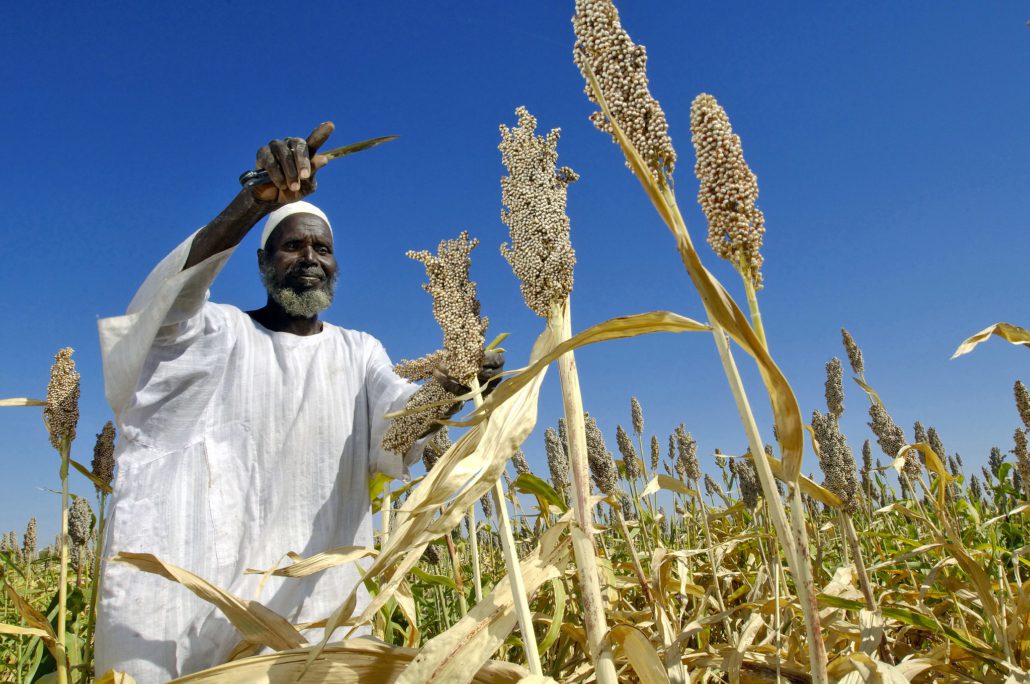
hunger in EnglandWith the ongoing cost of living crisis, the rippling effects of both Brexit and the pandemic, and the war in Ukraine, hunger in England has become a national concern. The cost of living increase has led to steep energy bills, and food prices grew at a rate of 13.1% inflation in August 2022 leading many households and families to make the grueling decision between staying warm or having a meal that day.
About Hunger in England

In May 2022, the National Institute of Economic and Social Research (NIESR) predicted that by 2023, the number of U.K. households facing food and energy bills higher than their disposable income would rise to 1.5 million, with households in London and Scotland bearing the heaviest impact. Later in the year, almost 30% of adults reported struggling to afford balanced meals, an increase from 9% pre-pandemic.

With the costs of living rising, so is the use of food banks, a resource already stretched thin during the pandemic. In August 2022, the Independent Food Aid Network (IFAN) surveyed 550 food banks across the U.K. and found that in the short space of four months, the demand for food banks had increased by 90%, whilst almost three-quarters of food banks reported a drop in the number of donations received. This has led to various food banks having to reduce the size of food packages available per person, with more claiming they may have to resort to doing so in the near future.

Child Food Poverty

Nonetheless, those who suffer the most from food poverty in England and the U.K., are the most vulnerable. Children, ethnic minorities and individuals with disabilities are on the front lines of the crisis.

Loughborough University conducted a study revealing that one in four children live in poverty in the U.K. Meanwhile, at approximately 46%, children from black and minority ethnic groups are the most likely to live in poverty, as opposed to 26% of their peers from white British families.

#EndChildFoodPoverty Campaign

During the pandemic in England, and after the closure of schools, many children who had previously relied on the free school meals scheme as a means to feed themselves went hungry. This prompted England footballer Marcus Rashford to lead the #EndChildFoodPoverty campaign in October 2020. Rashford’s petition garnered more than 1 million signatures, and the government announced an eventual funding package for families on the free school meals scheme that aimed to alleviate child food poverty throughout the remainder of the pandemic, and during the school holidays.

Nonetheless, since Rashford’s campaign, the number of school children eligible for free school meals has increased from 20.8% of state-funded pupils in January 2021, to 22.5%.

Government Initiatives: Present and Future

Hunger in England and across the rest of the U.K. is rife, and despite the steps the U.K. government is taking towards reducing food poverty, such as extending free school meals, many may argue these movements are merely ‘tokenistic.’ Tokenistic or not, it is clear more is necessary to help those who cannot afford to eat to live.

– Genevieve Lewis
Photo: Flickr

January 23, 2023
https://borgenproject.org/wp-content/uploads/borgen-project-logo.svg 0 0 Jennifer Philipp https://borgenproject.org/wp-content/uploads/borgen-project-logo.svg Jennifer Philipp2023-01-23 01:30:102024-05-30 22:30:42Everything to Know About Hunger in England 
COVID-19, Food Insecurity, Global Poverty, Hunger

Ways To Address World Hunger in 2023

Ways To Address World Hunger
The conflict between Russia and Ukraine continues to profoundly impact economies worldwide, with rising food prices and high supply chain shortages exacerbating global hunger. Africa is feeling the heaviest effects. Ukraine is one of the largest producers of wheat. Russia’s introduction of a naval blockade and attacks on the country’s energy grid resulted in a reduction in wheat exports from 5 to 7 million tons per month before the war to 3.5 million tons per month between March and November 2022. More than 345 million people are feeling the impact of the global food crisis, according to the World Food Programme (WFP). The International Monetary Fund (IMF) highlights that more than 48 countries that the global food crisis affected will require more than $4.1 billion in aid in 2023. However, there are initiatives and methods to help alleviate and provide solutions to address world hunger.

United Nations Year of Millets

The initiative began in 2021, a year before Russia invaded Ukraine, which caused an unprecedented global food crisis. Before expanding on the goals and outcomes the initiative hopes to achieve, it is essential to discuss what millets are and what are the ways to address world hunger in 2023. Millets are grains that come from small seed grasses and many around the world grow them in abundance. People have been consuming millet for more than 7,000 years and they are important in terms of contributing to multi-crop agriculture and establishing farming societies.

Developing countries like India, Niger and Nigeria (more than 97%) heavily produce millet and they continue to be a stable form of the crop in these regions today, Impakter reports. This is because millet can survive droughts and other environmental challenges, making it a sustainable form of nutrition. Furthermore, the efforts required to grow the crops are minimal as they are highly adaptable in the soils they grow in, be they poor or fertile. As a source of nutrition, millets have high protein, minerals, fiber and iron and are gluten-free. Therefore, these grains are an excellent source to help countries “increase self-sufficiency and reduce reliance on imported cereal grains,” according to Impakter.

Karnataka, India officially adopted the United Nations Year of Millets. Millet grows in abundance there and India spearheads the initiative. The primary objective of Year of Millets consists of generating international awareness of millets which will ultimately result in a solution to the global food crisis because millets not only have the ability to grow in adverse environments and are sources of high nutrition but they also are sources of new sustainable market opportunities. The greater generation of international awareness of millet could solve world hunger in 2023 or be a step towards solving world hunger.

Immediate International Action

Another one of the ways to address world hunger is through more significant international involvement and efforts to help generate a financial cushion to support initiatives that tackle the food crisis and ensure that there are alternatives in place to ensure food security. Organizations like WFP and the Food and Agricultural Organization (FAO) also require adequate global funding to operate efficiently to help address world hunger and generate awareness regarding the consequences of food insecurity. Furthermore, organizations that conduct their programs in countries experiencing extreme food insecurity require a stable source of funding from donors and international organizations through grants and concessional financing to operate programs such as cash assistance programs for people that the global food crisis affected.

A way to address world hunger in 2023 is through a calculated and organized approach which people can achieve through international awareness and engagement to ensure maximized efficiency of the efforts and effective use of the resources to help address the global food crisis.

In addition, the IMF mentions that even with international support, more significant efforts are necessary to help address the global food crisis and hopefully address world hunger. This means aiming financing at the most vulnerable sections of populations suffering from the food crisis. The funding should come through humanitarian aid, grants and long-term concessional financing, according to IMF Notes. Furthermore, the IMF views debt financing as an exemplary method for addressing the food crisis. It will ensure that people can use the funds to spend on food and other necessities.

Nutrition the Way to Save Lives

According to the WFP’s Global Operational Response Plan, “prioritizing the nutrition of pregnant and breastfeeding women and children under 5 is key to saving lives and building resilient communities and economies.” This is because, statistically, the global food crisis is one of the most significant threats to children under 5, constituting one-fifth of children out of 60 million. In addition, children under 5 who suffer from acute and chronic malnutrition are at greater risk of death.

The WFP’s approach to addressing global food takes a targeted approach that can provide fruitful results in addressing world hunger in 2023. Therefore, the World Food Programme highlights that one of the ways to address world hunger in 2023 is the prioritization of nutrition for women and children under the age of 5 suffering from global food insecurity because access to nutritious diets is scarce.

To achieve this, Specialized Nutritious Foods (SNFs) are necessary in ensuring the proper nourishment of women and children. SNFs “help prevent and treat malnutrition and reduce mortality among children and pregnant and breastfeeding women by improving nutrient adequacy, strengthening immune systems and enabling proper weight gain.” Despite the high demand and prices for SNFs because of the war in Ukraine, the World Food Programme continues to tackle food insecurity and malnutrition at its core.

Addressing world hunger in 2023 along with rising inflation and greater demand for food appears complicated due to the disruption of global supply chains due to the war in Ukraine, as well as the COVID-19 pandemic and environmental challenges. However, greater international cooperation between nonprofit organizations like the WFP, the IMF and the United Nations, alongside their partners and the international community, will make it possible to address world hunger in 2023.

– Arijit Joshi
Photo: Flickr

January 15, 2023
https://borgenproject.org/wp-content/uploads/borgen-project-logo.svg 0 0 Jennifer Philipp https://borgenproject.org/wp-content/uploads/borgen-project-logo.svg Jennifer Philipp2023-01-15 07:30:282023-01-11 08:23:23Ways To Address World Hunger in 2023
Global Poverty, Hunger

Everything to Know About Hunger in Peru

Hunger in Peru
Hunger in Peru is an often fluctuating issue. With the drastic effects of inflation, challenges in accessing food and the COVID-19 pandemic, Peruvian poverty has created an unstable lifestyle for much of the country’s population. Here is everything to know about hunger in Peru including information about the country’s alarming food shortage and inflation.

Food Crisis and COVID-19

Peru is in a food crisis. More than 16 million Peruvian citizens – half of the country’s population – are struggling with food insecurity. The problem primarily lies within the country’s prices of food; since the poverty rate includes more than 25% of the citizens of Peru, many citizens cannot access nourishing meals.

The COVID-19 pandemic worsened many of Peru’s poverty-related problems. The poverty rate in Peru rose almost 6% post-pandemic because of the quick-rising inflation. The price of commonly used ingredients – such as “wheat, rice and cooking oil[,]” – now cost more than two times their original prices.

Soup Kitchens, Inflation and Minimum Wage

The number of soup kitchens in Peru has multiplied by six since 2020. The municipal government of Lima reported the registration of more than 2,500 soup kitchens in 2022, The New Humanitarian reports. In 2020, this number was only 377. Despite the fact that kitchens provide free or discounted meals for Peruvian citizens, the rising inflation has caused many to stop serving certain meats due to insufficient funds. Some soup kitchens have to serve chicken noodle soup that lacks chicken.

Peru raised its minimum wage by 10% in order to combat inflation. On May 1, 2022, Peru’s minimum wage increased from 930 PEN to 1,025 PEN. Despite its good intentions, Pacific Business School’s academic director Jorge Carrillo Acosta claims that this raise may unintentionally push informal labor, which would allow companies to continue paying their workers at the 930 PEN rate.

Organizations Combating Hunger in Peru

There are many communities working in Peru in order to help citizens reach a livable wage and a greater level of food security. These organizations are making a significant impact in reducing poverty and hunger in Peru.

The World Food Programme (WFP) is working to continue to push the trend of decreasing poverty in Peru. In 2017, WFP created Cocina con Causa (“Cooking with a Cause”), a TV show showcasing healthy ways to cook and eat. The series has amassed millions of viewers through its TV episodes, radio show and social media accounts. Most recently, WFP has backed a project in the Sechura desert to install a drip irrigation system in order for families in the area to grow a greater amount of healthy vegetables.

Action Against Hunger (AAH) is another organization improving the health system and food security for Peruvian citizens and Venezuelan migrants, while also providing more monetary opportunities for the women in the country. The organization has provided food, hygiene products and supplies in order to relieve some of the hunger in Peru.

The Future of Peru’s Population in Poverty 

WFP has reported that Peru’s levels of poverty and food insecurity have decreased within the past 10 years. The implementation of programs to fight hunger, alongside economic gains and increased funds towards a more secure framework for combating the price of living, gives many – Peruvian citizens or not – a good feeling about the future of Peru and reducing its levels of poverty.

– Aspen Oblewski
Photo: Flickr

January 15, 2023
https://borgenproject.org/wp-content/uploads/borgen-project-logo.svg 0 0 Naida Jahic https://borgenproject.org/wp-content/uploads/borgen-project-logo.svg Naida Jahic2023-01-15 01:30:322023-01-11 07:45:31Everything to Know About Hunger in Peru
Global Poverty, Hunger

Everything You Need to Know About the Hunger Crisis in Haiti

Hunger Crisis in HaitiDue to its location and small landmass, Haiti is susceptible to severe natural disasters. Because of this, among other factors, Haiti has long relied on importing food to feed its citizens. For example, Haiti imports 80% of its rice, a staple ingredient in many of Haiti’s traditional dishes, according to the International Trade Administration. This heavy reliance on outside sources of food means Haiti faces a high risk of food insecurity. Political instability, devaluation of the Haitian currency and rising inflation rates have contributed to a hunger crisis in Haiti.
Factors Contributing to the Hunger Crisis in Haiti

On August 14, 2021, a magnitude 7.2 earthquake hit the southern peninsula of Haiti. The earthquake damaged homes, businesses and critical infrastructure. As many Haitians lost their means of earning an income, food insecurity became more pronounced. The United Nations said about 650,000 Haitians needed humanitarian aid in the aftermath of the earthquake.

The supply chain disruptions as a consequence of the COVID-19 pandemic and the Russia-Ukraine war has caused soaring inflation rates in Haiti and across the world. As of July 2022, Haiti had already seen a 26% inflation rate.

The prevalence of gang activity in Haiti, as a consequence of the political instability in the country, also plays a role in the hunger crisis in Haiti. At the moment, gangs control the entrances to the capital of Haiti, Port-au-Prince. The rapidly increasing inflation rate coupled with gangs cutting off the southern peninsula from the capital has led to a steep increase in hunger for the vast majority of impoverished Haitians living in that area of the country.

“The complete blockage of the road leading to the impoverished southern peninsula for a year has cut off at least 3.5 million people from the capital — restricting access to markets, basic services and essential humanitarian assistance,” the World Food Programme (WFP) reported in July 2022. Due to these impacts, some families in this area report only eating once a day.

The southern peninsula also experienced the worst effects of the 2021 earthquake, meaning that this newer food crisis hit while the area was still trying to recover from the last major natural disaster in Haiti.

The Most Vulnerable Groups

About 20% of Haiti’s population is projected to experience crisis levels of acute food insecurity from July 2022 to January 2023, according to the Famine Early Warning Systems Network. Though the crisis affects all Haitians, rural Haitians face harsher impacts. The New Humanitarian reports in a September 2022 article that a single “plate of food already costs the average Haitian 35% of their daily income.” But, the average rural Haitian currently needs to spend 25% more of their daily income on food than the national average.

Children face the worst repercussions of the hunger crisis in Haiti as inadequate supplies of nutritious food affect their growth and development. Malnutrition has far-reaching impacts that affect individuals even in adulthood.

Efforts to Help Reduce Hunger in Haiti

Despite gang violence posing barriers to the delivery of food and other critical resources to those in need, the WFP and other organizations, such as USAID, are working around these barriers. As of August 2022, the WFP, for example, has been utilizing a United Nations Humanitarian Air Service (UNHAS) helicopter, and the WFP’s own ship, the Linda D, in order to bypass the dangerous occupied roads and deliver essentials to those in need.

Additionally, USAID has provided more than $170 million over the last two years to aid Haiti. In terms of the hunger crisis in Haiti specifically, USAID “provided more than $88.6 million to five public international
organizations and 10 non-governmental organizations in FY 2022.” This funding will go toward “cash and in-kind emergency food assistance, as well as nutrition services and agricultural support, to vulnerable households countrywide,” according to a USAID document.

To adequately address food insecurity in Haiti, aid organizations must look toward helping Haiti achieve self-sufficiency and sustainability. With less dependence on food imports and greater focus on agricultural production, Haiti can reduce its hunger woes.

– Chris Dickinson
Photo: Flickr

December 23, 2022
https://borgenproject.org/wp-content/uploads/borgen-project-logo.svg 0 0 Kim Thelwell https://borgenproject.org/wp-content/uploads/borgen-project-logo.svg Kim Thelwell2022-12-23 07:30:432022-12-23 03:05:47Everything You Need to Know About the Hunger Crisis in Haiti
Global Poverty, Humanitarian Aid, Hunger

Political Instability in Burkina Faso Jeopardizes Aid

Instability in Burkina Faso
After the Burkina Faso September military coup, United States President Joe Biden cut Burkina Faso from The African Growth and Opportunity Act (AGOA). The political instability in Burkina Faso that prompted the AGOA removal designates Burkina Faso as a blacklisted, non-democratic nation. The recent political instability in Burkina Faso led to the loss of U.S. trade, economic aid and military support.

AGOA is U.S. legislation approved in May 2000, to support sub-Saharan African economies and improve economic relations between those countries and the U.S. The AGOA provides sub-Saharan African nations with U.S. duty-free access to more than 1,800 products. That allowance is beyond the more than 5,000 duty-free products under the Generalized System of Preferences program.

Background of Political Instability

Political instability and limitations in both trade and humanitarian aid are not new issues in Burkina Faso. In fact, the September coup was the second one in 2021. Army captain Ibrahim Traore seized power from military leader President Paul-Henri  Damiba in September, citing “his inability to deal with an armed uprising in the country that has worsened in the past nine months.” However, Burkina Faso was already experiencing effects from the first coup, in which Damiba orchestrated an uprising against President Roch Marc Christian Kabore in January. At that time, the U.S. paused a $450 million aid effort.

The political instability in Burkina Faso could exacerbate already desperate conditions. During seven years of radicalized military terror with connections to ISIL and al-Qaeda, the hunger crisis intensified. In fact, the United Nations has even reported that “the humanitarian situation in Burkina Faso has become so dire that some women and children have eaten only leaves and salt for weeks.” U.N. Under-Secretary-General for Humanitarian Affairs and Emergency Relief Coordinator, Martha Griffiths claimed that “Growing insecurity and blockades in many areas have left communities cut off from the rest of the country and facing growing hunger. Aid workers are struggling to reach these people who need assistance.”

Economic and Military Impact of Political Instability in Burkina Faso

The removal of Burkina Faso from the AGOA is particularly relevant for those concerned with U.S. legislative foreign aid decisions because legally if the U.S. State Department determines a democratically-elected government experienced an unconstitutional removal, the U.S. must suspend all non-humanitarian aid. Importantly, the U.S. is Burkina Faso’s largest international donor.

Burkina Faso also lost access to the markets of Economic Community of West African States (ECOWAS) markets. ECOWAS is the trade union of West African states and it strongly condemned the coup and pushed for elections as quickly as possible.  It claimed that Burkina Faso was close to restoring constitutional order so the coup was incredibly “inopportune.” Journalist Sam Mednick  claimed, “If Traore is not going to be able to show tangible progress quickly, people say he’s going to be ousted just like his predecessor.”

Militarily, the U.S. also provides surveillance, intelligence, air support to the French who intervened against militants in the Sahel. The U.S. also provides intermittent training to Burkina Faso’s security forces. Elizabeth Shackelford, a senior foreign policy fellow at the Chicago Council on Global Affairs suggested that because military support has not proved productive, the U.S. and its partners should put funding and effort into supporting democracy-fostering institutions.

Positives

Luckily, the European Union (EU) is still earmarking funds for aid in Burkina Faso. Specifically, the EU has set aside 52.4 million euros to address food insecurity, malnutrition, water, sanitation, hygiene, education and disaster preparedness. International non-governmental organizations will also still be able to provide aid. For example, Save the Children focus on Burkina Faso education, public health and protection. Specifically, for public health, Save the Children advocates for “universal access to health care and an increase in the health budget.” In regard to nutrition, it supports food assistance programs. For malnutrition, it provides screening and long-term care for affected children and families.

Outlook for the Future

Political instability in Burkina Faso is jeopardizing specialized aid to fight jihadism. Burkina Faso’s recent unconstitutional coups resulted in the cessation of all non-humanitarian aid in compliance with U.S. law.  Fortunately, the EU and international non-governmental organizations continue their support for Burkina Faso’s citizens plagued by political instability and its effects. Hunger, education and public health are often the primary focuses of many of these organizations, and if these programs remain operational, perhaps Burkina Faso can persevere until the political instability subsides.

– Braden Hampton
Photo: Flickr

November 28, 2022
https://borgenproject.org/wp-content/uploads/borgen-project-logo.svg 0 0 Jennifer Philipp https://borgenproject.org/wp-content/uploads/borgen-project-logo.svg Jennifer Philipp2022-11-28 07:30:172022-11-24 09:49:49Political Instability in Burkina Faso Jeopardizes Aid
Child Soldiers, Global Poverty, Hunger

Al-Shabaab’s Terror Reign In Somalia

Terror Reign in Somalia
Al-Shabaab is an insurgent and militant group based mainly in Somalia. It has close relations with Al-Qaeda. For more than a decade now, al-Shabaab and the Somali government have been fighting in the Somali Civil War. Al-Shabaab’s terror reign in Somalia needs to end by combatting the economic instability and poverty that allow it to continue.

Al-Shabaab’s Origin

Al-Shabaab emerged in 2006 as a splinter group of the Islamic Courts Union (ICU) that had taken control of Mogadishu and de facto control of Somalia from the Somalia government. In response, the Somali government backed an Ethiopian invasion that defeated the ICU. The Somali people’s resentment of the Ethiopian invasion and the ICU defeat led to an opening for al-Shabaab and its terror reign in Somalia.

By 2008, al-Shabaab took control of southern Somalia and gained dominance by seizing multiple territories throughout the country. In 2012, al-Shabaab officially aligned itself with Al-Qaeda and became Al-Qaeda’s representative in East Africa.

Poverty Leads to Recruitment and Abduction

A lack of economic stability drives terrorism in Somalia. Al-Shabaab capitalizes on the fact that poverty, unfortunately, aids the recruitment of militant groups. Since about 67% of Somali youth are unemployed, many young men join militant and insurgent groups like al-Shabaab. Al-Shabaab provides a monthly salary that exceeds the average Somali per capita annual income of  $400. Teenagers that are 14 years old and younger are al-Shabaab recruits. In fact, 70% of al-Shabaab’s recruits are under the age of 24 and the median age for recruits is 17.

In addition to this, children between the ages of nine to 15 have been forcibly recruited into al-Shabaab. Since 2017, al-Shabaab has abducted children, predominantly from pastoral and rural areas, to be frontline fighters. Al-Shabaab also forced Islamic teachers and elders in Somalia to recruit children from school and arm them with military-grade weapons.

Famine and Drought Displacement Led to Al-Shabaab’s Recruitment

The Somali government’s lack of response to famine and drought has also allowed al-Shabaab to exploit poverty in Somalia. In May 2022, the United Nations Refugee Agency reported that the 2.97 million Somalis displaced due to drought, violence and food shortages led to extreme overcrowding in refugee camps. Refugee camps are often used as hunting and recruiting grounds for terrorist groups such as Al-Shabaab since they are remote and far away from authorities like police officers.

Support from the United States and the International Rescue Committee (IRC)

After President Trump withdrew all military support from Somalia, in May 2022, President Biden redeployed special forces into the country to help assist the Somali government in its war against al-Shabaab. He also approved a Pentagon request to target specific al-Shabaab leaders as part of the counterterrorism strategy.

In addition to the renewed United States support in the fight against Al-Shabaab’s reign of terror, the International Rescue Committee (IRC) is one organization that is currently helping Somalis get back on their feet economically from the effects of war, drought and food shortages. Since 1981, Somalia’s been receiving aid from the IRC which supports 280,000 Somalis annually.

Since drought is a huge issue, the IRC launched the Building Resilient Communities in Somalia to help educate families about disaster preparedness and financial resilience. These IRC programs mainly target female-led households so that females can learn how to build financial resilience during catastrophes, especially droughts. More than 1,400 Somali families received emergency cash for basic needs from the IRC. The organization has also provided business start-up grants and entrepreneurship training.

Looking Ahead

If Somalia cannot resolve its economic instability, al-Shabaab probably cannot be successfully defeated. Severe poverty is one of the primary reasons why so many young men join al-Shabaab. Joining an insurgent group should never have to be in any child’s future. Children in Somalia deserve better. They deserve a stronger and safer future where al-Shabaab no longer exists and economic instability is no longer a problem for their nation. The support from the U.S. and the IRC should help put Somalia in a better position to combat both poverty and al-Shabaab’s terror reign.

– Yonina Anglin
Photo: Flickr

November 15, 2022
https://borgenproject.org/wp-content/uploads/borgen-project-logo.svg 0 0 Naida Jahic https://borgenproject.org/wp-content/uploads/borgen-project-logo.svg Naida Jahic2022-11-15 01:30:102022-11-11 06:12:57Al-Shabaab’s Terror Reign In Somalia
Page 14 of 72«‹1213141516›»

Get Smarter

  • Global Poverty 101
  • Global Poverty… The Good News
  • Global Poverty & U.S. Jobs
  • Global Poverty and National Security
  • Innovative Solutions to Poverty
  • Global Poverty & Aid FAQ’s
Search Search

Take Action

  • Call Congress
  • Email Congress
  • Donate
  • 30 Ways to Help
  • Volunteer Ops
  • Internships
  • Courses & Certificates
  • The Podcast
Borgen Project

“The Borgen Project is an incredible nonprofit organization that is addressing poverty and hunger and working towards ending them.”

-The Huffington Post

Inside The Borgen Project

  • Contact
  • About
  • Financials
  • President
  • Board of Directors
  • Board of Advisors

International Links

  • UK Email Parliament
  • UK Donate
  • Canada Email Parliament

Get Smarter

  • Global Poverty 101
  • Global Poverty… The Good News
  • Global Poverty & U.S. Jobs
  • Global Poverty and National Security
  • Innovative Solutions to Poverty
  • Global Poverty & Aid FAQ’s

Ways to Help

  • Call Congress
  • Email Congress
  • Donate
  • 30 Ways to Help
  • Volunteer Ops
  • Internships
  • Courses & Certificates
  • The Podcast
Scroll to top Scroll to top Scroll to top