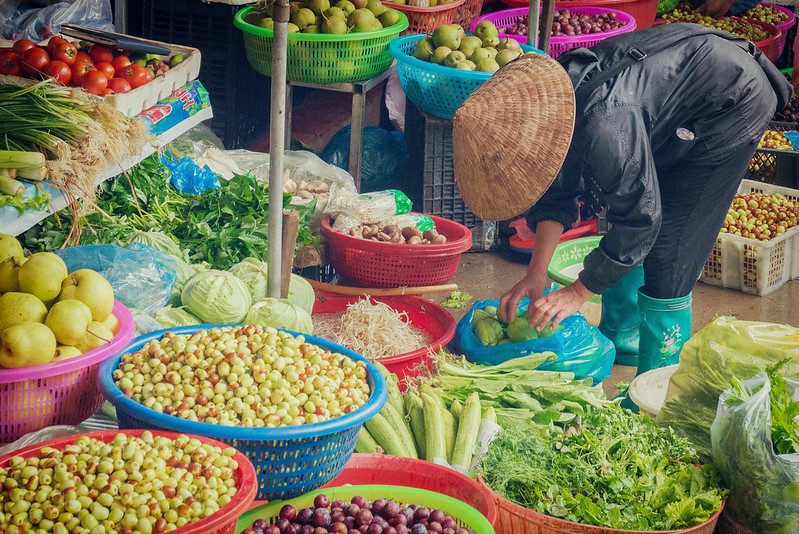
Understanding the connection between veganism and world hunger is paramount in joining the fight to alleviate hunger.
What is Veganism?
There are many possible definitions for this increasingly popular lifestyle. The Vegan Society summarizes the movement as more than a dietary shift. It believes that “Veganism is a philosophy and way of living which seeks to exclude — as far as is possible and practicable — all forms of exploitation of, and cruelty to, animals for food, clothing or any other purpose. By extension, it promotes the development and use of animal-free alternatives to benefit animals, humans and the environment. In dietary terms, it denotes the practice of dispensing with all products derived wholly or partly from animals.”
The lifestyle has been around for many years. The original usage of the word “vegetarian” was in the 1830s. It referred to someone who ate a diet that people would now consider a vegan diet. Furthermore, throughout human history, records have indicated various forms of vegan diets in different cultures. Often, people used vegan diets as a form of religious or spiritual practice.
Today, it is relatively easy to find vegans and vegan options. As of April 2019, the popular vegetarian and vegan food website/app HappyCow listed more than 24,000 vegan-friendly restaurants in the United States. This included nearly 1,500 fully vegan restaurants. Even meat-heavy fast-food chains like Burger King and Carl’s Jr. now carry vegan options.
Veganism carries many benefits, such as a lowered risk of heart disease and lower cholesterol levels. However, perhaps one less well-known topic is the connection between veganism and world hunger.
What is the Connection Between Veganism and World Hunger?
Globally, an estimated 820 million people experience hunger. Livestock farming requires the usage of large amounts of resources that could otherwise feed those who are hungry.
Animal feed uses around 36% of global crop-produced calories. Only 12% of those feed calories ultimately contribute to the human diet as animal products. Furthermore, only one calorie goes to human consumption for every ten calories fed to livestock, an inefficient ratio of about 10%.
If fewer crops went to livestock, society could more efficiently allocate crops for human consumption. A report written by the Proceedings of the National Academy of Sciences posited that if American farmers converted all the land currently used to raise cattle, pigs and chickens to grow plants instead, they could sustain more than twice as many people as they currently do.
Similarly, researchers reported in 2018 that current crop production can feed the projected 9.7 billion global population in 2050, provided people switch to a plant-based diet and the global agricultural system changes.
Which Nonprofit Organizations Have Explored These Connections?
Multiple global nonprofit organizations combine outreach efforts with veganism and world hunger relief, providing healthy vegan food to communities in need. One such nonprofit is Food for Life, the world’s largest vegan food relief organization. The group has headquarters in Delaware, U.S.A. and Ljubljana, Slovenia, and comprises nearly 250 individual affiliate projects. Together, these initiatives can serve 2 million vegan meals daily.
Vedic values of spiritual hospitality guide the group. Its volunteers also exemplify core principles of welfare, hospitality, non-violence, health, education and animal advocacy. Since its founding in the 1970s, Food for Life’s global volunteers have delivered more than 7.3 billion full meals.
Another vegan group fighting global hunger is the U.K.-based Vegans Against World Hunger. Founded in 2019, this volunteer-run organization works to fund and increase awareness of projects which provide healthful vegan food to those suffering from hunger. In addition, Vegans Against World Hunger aims to educate the public about Veganism’s health and environmental benefits.
What Can People Do to Help?
It is essential for people to be mindful of the ethical impacts of their dietary choices. Whether one tries to go vegan or eats more vegan, it is integral to realize that people’s food choices affect the global food environment and communities. When individuals make these choices, they can help lessen the impact of world hunger. Together, it is possible to create a happier and healthier global food ecosystem by applying this knowledge daily.
– Nina Lehr
Photo: Flickr

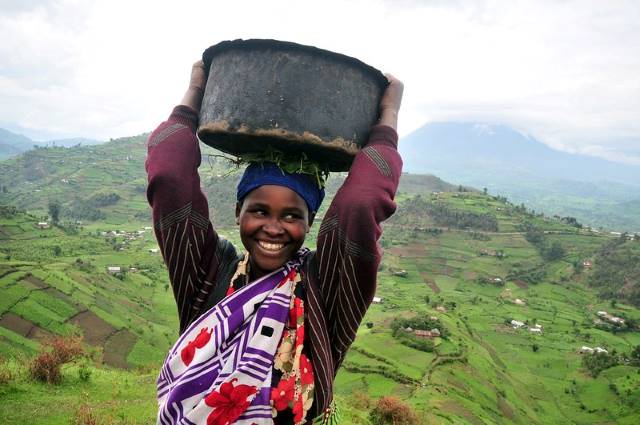 Hunger in Africa is an ever-present concern. The issue was heightened in 2020 when climate change and unusual rainfall patterns caused locust swarms to infest East Africa. The area had not experienced such an extreme locust plague in many years. Kenya’s
 According to
 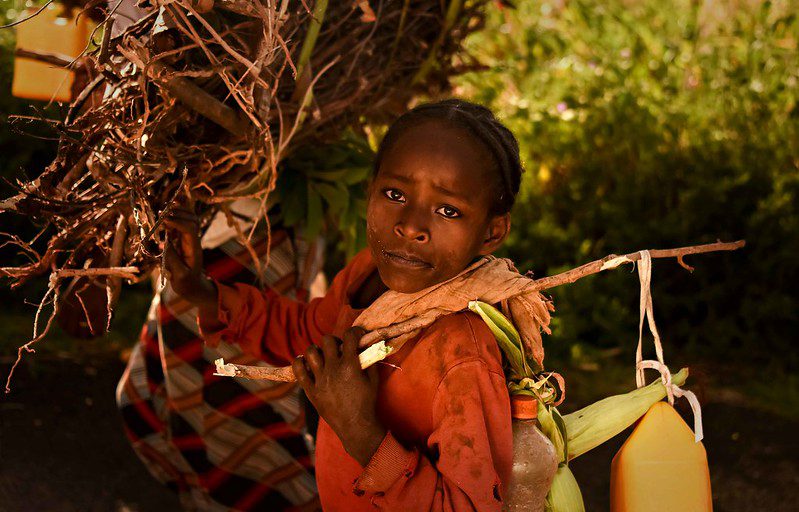 Hunger is a problem for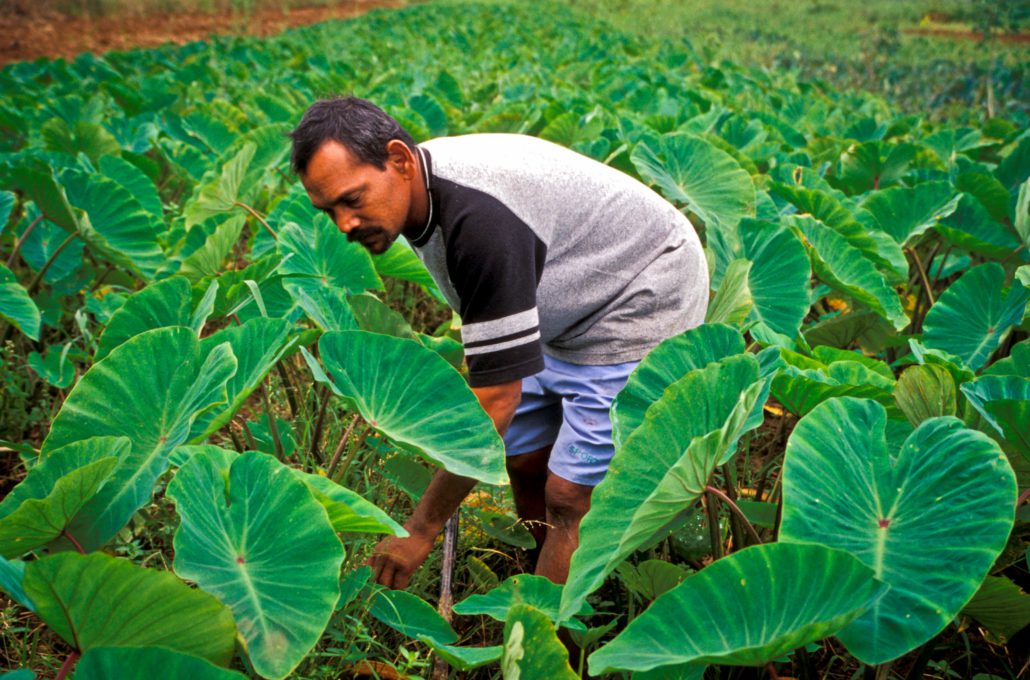
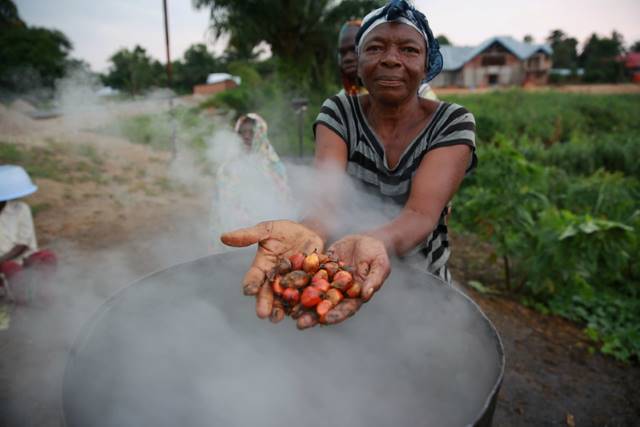 About one in three people in the Democratic Republic of the Congo (DRC) suffers from acute hunger, warns both the Food and Agriculture Organization (FAO) and the World Food Programme (WFP). A WFP representative within the DRC states that the extent of food insecurity in the country is “staggering.” Armed conflict in the east, COVID-19 and economic decline are all contributing factors to the prevalence of acute hunger in the DRC.
 The United Kingdom has the
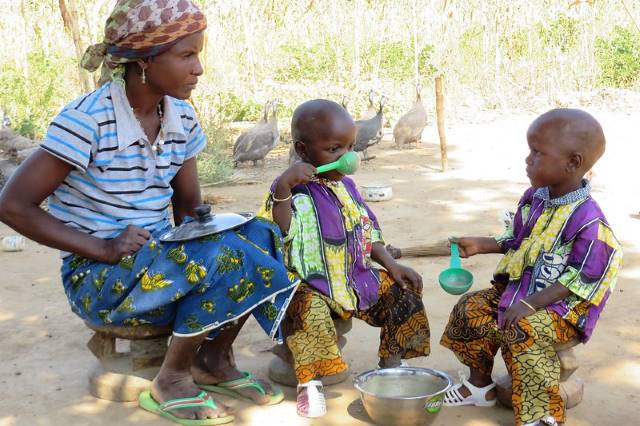 Burkina Faso is a country in West Africa that is home to more than 20.9 million people. The Burkinabe people have dealt with ongoing instability, displacement and food insecurity as the result of the dissolution of a government regime in 2014. With