• Link to X
  • Link to Facebook
  • Link to Instagram
  • Link to TikTok
  • Link to Youtube
  • About
    • About Us
      • President
      • Board of Directors
      • Board of Advisors
      • Financials
      • Our Methodology
      • Success Tracker
      • Contact
  • Act Now
    • 30 Ways to Help
      • Email Congress
      • Call Congress
      • Volunteer
      • Courses & Certificates
      • Be a Donor
    • Internships
      • In-Office Internships
      • Remote Internships
    • Legislation
      • Politics 101
  • The Blog
  • The Podcast
  • Magazine
  • Donate
  • Click to open the search input field Click to open the search input field Search
  • Menu Menu

Archive for category: Hunger

Global Poverty, Hunger

The Fight Against Hunger in Bangladesh

bangladesh-a-leader-in-fighting-hunger
Bangladesh, a country long associated with malnutrition and chronic hunger, has made incredibly noteworthy strides in its fight against hunger. Furthermore, it serves as an inspiration to other countries that struggle with the same problems. Bangladesh is the most densely populated country in the world, with a population of more than 165 million people and a projected population of more than 200 million people by 2050. This poses clear challenges, as it places economic, social and environmental strains on the country and drastically affects its ability to provide for its citizens.

How Bangladesh is Transforming into a Food Secure Country

In the last 40 years, Bangladesh has transformed from a country with chronic food shortages and poverty into a food basket that even serves the international community; food production has quadrupled in the last 40 years, and Bangladesh now exports food to other nations. Overall, hunger in Bangladesh has lessened.

This upward trend began in 1971 when Bangladesh gained its independence. This freed the country from economic strangulation and consequently high levels of poverty and extreme hunger. Initially, it struggled with extreme, devastating floods, which destroyed fertile farmland and resources. Bangladesh also did not initially receive adequate aid for food production. However, Bangladesh is now a model for other countries seeking to mitigate issues of hunger, as it has made notable strides in reducing malnutrition. A recent U.N. report even highlighted Bangladesh as a “bright spot” in the global movement to end global hunger before 2030. Since 2000, Bangladesh has lowered its hunger level by more than half and reduced the number of underweight children by 25%. In addition, it has decreased the infant mortality rate by 50%, an achievement that it shares with only five other countries.

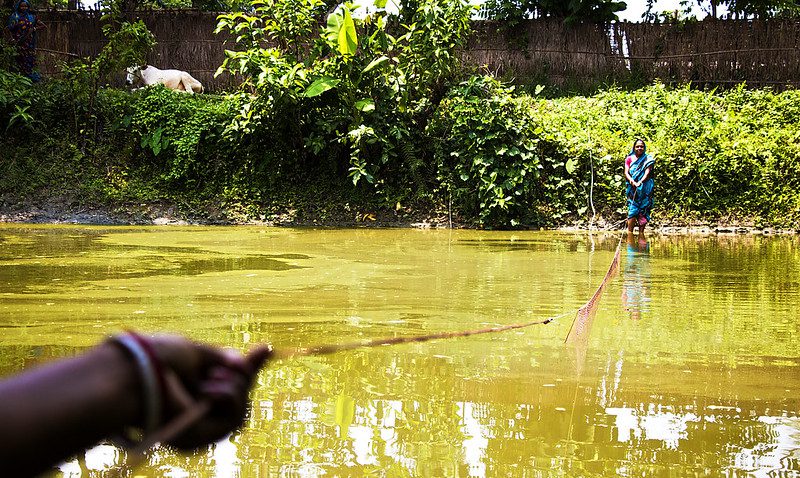
To succeed in these ways, Bangladesh had to prioritize its development by promoting economic and food security. In the late 90s, improvements in rice varieties allowed for a revolution in rice production. This also combined with developments in aquaculture — 150,000 shallow ponds are now sustainable fish farms, for example. This also promotes women’s rights and development, as more than 60% of the nation’s fish farmers are women.

The Work of USAID

Many organizations have assisted Bangladesh in its efforts. USAID has been an incredibly active partner to Bangladesh in this effort, as it trained 67,000 women in aquaculture techniques. It works with the Bangladeshi government on various development activities that help improve availability and access to domestically produced, nutritious foods. Additionally, USAID assistance provides funding for research, monitoring, and training within Bangladeshi government agencies.

U.S. State Department funding helped establish the Food for Education program, which provided food vouchers and cash for poor families in exchange for their promises to send their children to school and help educate the next generation. This initiative, which started in Bangladesh, proved so successful that it was implemented in other countries; according to the U.N., the initiative was crucial in reducing global malnutrition. Bangladesh has also implemented microfinance programs to combat hunger and poverty, especially for women. Small loans enable small businesses to start and produce income that helps families around the country.

Feed the Future

Another essential initiative is Feed the Future, which the U.S. government funds. Bangladesh receives the third highest amount of any country. This initiative helps improve productivity and agricultural diversity in specific areas of southern Bangladesh; this enhances private sector competition by promoting economic growth, corporate practices and supply chain developments that assist poor farmers and struggling businesses. Additionally, the government consistently demonstrates its commitment to mitigating the issue of food insecurity, as its enthusiasm to work with these initiatives has proven.

All of these efforts are imperative because they help diversify sources of income for Bangladeshi farmers. The focus on aquaculture also broadens the variety of plants, fish and livestock. In addition, it encourages the adoption of post-harvest practices and promotes off-farm income. Bangladesh’s progress also shows the importance of coordinating with private and public sectors to identify market opportunities and strategies. Through improved collaboration, these efforts supported more than 225,000 farmers, who applied improved technologies in agronomic practices, such as irrigation, pest and disease management and livestock management.

Bangladesh is now completely food secure in rice production and produces sufficient amounts to feed its population of 165 million. This is a very noteworthy accomplishment, especially given the struggles with changing weather. According to household surveys that USAID and Feed the Future conducted, there has been a 16% decrease in poverty levels in areas that receive USAID and Feed the Future assistance. It is difficult to precisely pinpoint how much of this reduction in the poverty level is due to USAID programming, but this initial data is certainly encouraging.

Moving Forward and Ensuring Long-Term Prosperity

Going forward, these initiatives can improve by encouraging more nutritional diversity. Since most of the typical Bangladeshi diet is rice, young children may be prone to stunting or chronic malnutrition. About four-fifths of children do not receive a sufficient diet for their age range; on a national scale, 36% of children below 5 years of age experience stunting. Meanwhile, less than one-fifth of Feed the Future’s budget, for example, goes toward eliminating malnutrition. With more balanced programs, initiatives that Feed the Future and USAID run can better target this problem. Meanwhile, the country will continue to be an example of how implementing better agricultural practices and working with various initiatives can assist in mitigating poverty and hunger in Bangladesh.

 – Shiloh Harrill
Photo: Flickr

September 28, 2022
https://borgenproject.org/wp-content/uploads/borgen-project-logo.svg 0 0 Naida Jahic https://borgenproject.org/wp-content/uploads/borgen-project-logo.svg Naida Jahic2022-09-28 07:30:412022-09-26 10:23:06The Fight Against Hunger in Bangladesh
Global Poverty, Hunger

Community Gardens in Rio de Janeiro Tackle Hunger

Community Gardens in Rio de Janeiro
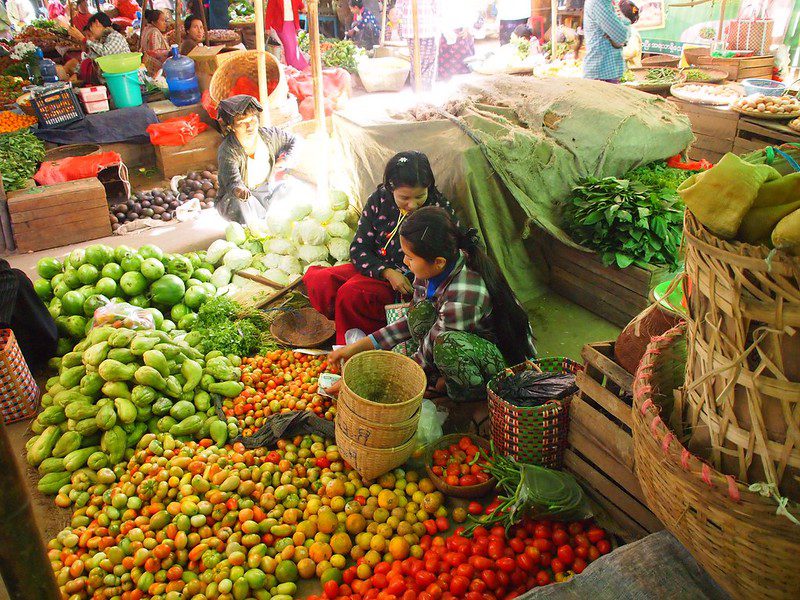
Millions of Brazilians go hungry annually and many are often uncertain about what to do. However, now, an ambitious project to create the world’s largest urban garden has provided a solution. These sets of community gardens in Rio de Janeiro are providing food and income for the poor populations in many favelas across Rio de Janeiro and expectations are that they will feed roughly 50,000 families annually, starting in 2024, as well as provide jobs for many of them.

The Hunger Crisis

As of June 2022, the Brazilian Network for Research on Food Security reported that “[more] than half the country – 125.2 million people – suffers food insecurity of some kind,” a figure that was a 7.2% increase from the 2020 report. These numbers have now led to them calling the current hunger crisis a “historic setback” and attributing it to “the ongoing dismantling of social policies, the worsening of the economic crisis, the increase in social inequalities [and the ongoing Covid-19 pandemic].”

In fact, citizens in the “Auxilio Brazil” program, which provides citizens with funds to help them, have struggled due to inflation. Researchers also found that more than half of households and 27.4 million people in urban areas are experiencing food insecurity. Now, the Latin American giant, which “once led the global fight against hunger,” is once again fighting hunger and poverty with a new, innovative project. In the words of Julio Cesar Barros, one of the project’s leaders, the project’s main goal is to “stop organic food from just being for the elite” and provide both food and jobs to those who most need it across Rio’s favelas.

The Community Gardens in Rio de Janeiro

The first garden began in 2013 on a portion of land in the Manguinhos favela known then as “crackolandia” because of a drug addiction problem in the area. That was the origin, and today, it is well established and has respect from the entire neighborhood. As of 2022, the garden provides food to roughly “800 families a month with produce that is pesticide free and affordable,” according to France24. It also provides jobs for many citizens and has even allowed some of them to leave a life of crime in exchange for one as gardeners.

The Manguinhos garden is “one of 56” community gardens in Rio de Janeiro that launched in 2006, and it has received international praise through the “Milan Urban Food Policy Pact as one of the best such systems in the world.” It is part of an initiative by the city’s government to offer “employment and affordable food” to its most deprived neighborhoods. It is roughly “the size of four football fields” and produces “2.5 tons of yuca, carrots, onions, cabbage and other vegetables” monthly. Much like the Manguinhos garden, a garden near the Cajueiro favela is being built that is already the size of a football field and expectations are that it will expand to 10 times that size by the end of 2022 and many more are emerging or expanding across Rio.

The Impact

Half of the produce from these community gardens in Rio de Janeiro is going to the residents of the favelas and the gardens are selling the other half at a fair price, with the gardeners splitting the revenue. The gardens project is now becoming “an important lifeline at a time when many are struggling to survive.” It is also allowing citizens to work in an environment that benefits them physically and emotionally.

One gardener from the garden near Cajueiro said that “It has brought me such joy to come here and be part of this – to do what I love, which is to work with the soil, to plant. It’s been a really special opportunity for me.” Another gardener, from the Manguinhos garden, told France24 that the garden has “changed everything for [her],” including the way she lived and ate. Additionally, a second gardener from Manguinhos, who had a complicated past, said that working in the garden was a kind of “therapy” for him, and added that he felt proud of his work because it helped him provide his daughter with “good, healthy food.”

Looking Ahead

Now, the city government is attempting to expand these community gardens in Rio de Janeiro across the entire city to provide more people with food and jobs. It has announced plans to expand a garden in the Parque de Madureira area and make it quadruple the size of the Manguinhos garden, which would make it the world’s largest urban garden. Additionally, due to the high quality of the products, which are pesticide-free and affordable, “health-oriented restaurants in Rio” have begun buying their produce from these community gardens. This is a great indicator of the project’s growth and its potential integration into Rio’s city life. However, for now, the project should continue growing and keep battling hunger and poverty through jobs and healthy food to help many more families in the years to come.

-Marcela Agreda L.
Photo: Flickr

September 12, 2022
https://borgenproject.org/wp-content/uploads/borgen-project-logo.svg 0 0 Naida Jahic https://borgenproject.org/wp-content/uploads/borgen-project-logo.svg Naida Jahic2022-09-12 07:30:452024-05-30 22:30:06Community Gardens in Rio de Janeiro Tackle Hunger
Global Poverty, Hunger

Fruit Trees in India Alleviate Hunger and Poverty

Fruit Trees in India
In India, hunger and poverty remain persistent problems despite the growing economy. In 2021, estimates indicated that around 97.7 million people, or 6% of the population, lived in extreme poverty defined as less than $1.25 a day in income. This issue is significant in various regions, with Bihar experiencing a 52% poverty level followed by Jharkhand at 42% and Uttar Pradesh at 38%. In the regions of Uttar Pradesh and Maharashtra, 45,000 children die each year of malnutrition. Deforestation and erosion that devastate farming land and natural resources have worsened this problem. However, the planting of fruit trees in India could help those in poverty.

Fruit Trees as a Solution to Poverty

Many organizations are combating these issues by planting fruit trees in India as a means of supporting sustainable livelihoods. The Fruit Tree Planting Foundation aims to plant community trees at clinics, schools and community centers to provide a steady “source of healthy food” and reforest the region of Uttar Pradesh. In addition, low-income families will also receive fruit-bearing trees to help them subsist. The foundation will provide horticultural training and workshops that will teach community members “the value of fruit trees” and how to take care of the trees and the environment to ensure sustainability.

Other Organizations Planting Trees

The One Tree Planted organization has supported the planting of 1.5 million fruit trees in India as of March 2022, including jackfruit, key lime, pomegranate, guava and custard apple, among others. The tree planting took place across the regions of Madya Pradesh, Maharashtra, Uttar Pradesh, Rajasthan, Uttarakhand and Haryana — areas with high levels of extreme poverty.

These efforts helped restore 1,553 hectares of land that had succumbed to deforestation and positively impacted about 1,200 farming households throughout the process. Furthermore, 85% of the reforestation is a result of the work of more than 11,000 female farmers.

A grove of about 100 fruit trees can provide sustenance and an income to a family of four, helping lift communities out of poverty. As widowed and elderly women are particularly at risk of poverty, the organization focused on employing these marginalized groups. In addition, the trees will help increase biodiversity by providing sustenance and shelter to insects and small animals. This, in turn, will create thriving natural environments in the regions.

The Sustainable Greening Initiative (SGI) is a social enterprise based in India that focuses on combating severe weather, hunger and poverty in the nation. In two and a half years, SGI planted more than 25,000 fruit-bearing trees in 23 areas across India. By the third year, the trees could increase household income by INR 5,500 or $100 annually. SGI plants fruit trees at orphanages, old-age homes and homesteads of low-income farmers to help supplement the livelihoods of these communities. SGI also monitors the growth of the trees to ensure survival and sufficient fruit yields and assists in developing communal vegetable gardens to further combat hunger and poverty.

Looking Ahead

Fruit trees in India are a key aspect of the fight against hunger and poverty in the nation. Not only do the trees provide food for communities but they can reduce poverty through employment opportunities and their market value. Many organizations have devoted their resources to planting trees throughout many regions facing high levels of hunger and poverty. Because of these initiatives, millions of thriving trees are now visible, reforesting devastated lands and uplifting households living in poverty.

– Kimberly Calugaru
Photo: Flickr

August 6, 2022
https://borgenproject.org/wp-content/uploads/borgen-project-logo.svg 0 0 Kim Thelwell https://borgenproject.org/wp-content/uploads/borgen-project-logo.svg Kim Thelwell2022-08-06 07:30:542024-05-30 22:29:53Fruit Trees in India Alleviate Hunger and Poverty
Global Poverty, Hunger

War in Ukraine Exacerbates Hunger in Lebanon

Hunger in Lebanon
The war in Ukraine has resulted in a grain shortage in Africa and the Middle East and enhanced hunger in Lebanon. In 2021, more than 60% of wheat exports to Lebanon came from the Ukraine and 80% come from Russia and the Ukraine combined. This is due to the explosion in Beirut in August 2020 which destroyed the main grain silos in Lebanon. Bakeries are rationing bread and between February and March, general food prices were up 14%. This number was much higher for products such as white sugar which was up 72% and sunflower oil at 83%. Many people are facing starvation as they are no longer able to afford basic food supplies.

The war in Ukraine only enhanced existing poverty and hunger in Lebanon. The economic crisis in 2019, COVID-19, the Beirut explosion, and now the war in Ukraine results in a population where 80% live below the poverty line. Sami Nader, director of the Levant Institute for Strategic Affairs stated that “there is no clear solution.” Lebanon is hoping to receive $3 billion from the International Monetary Fund (IMF), a rescue loan that is contingent upon reforms within the Lebanese government. Nader does not believe this loan will receive approval. Nader stated that “The government has submitted a draft plan for financial reconstruction to the IMF to start financing. But is the government capable of implementing this plan? The answer is no.”

Humanitarian Aid

Furthermore, the Lebanese population is hesitant to trust their government with aid money because of past corruption. Fortunately, the World Food Programme (WFP) implemented a new program in Lebanon that distributes food vouchers as electronic cards that people can use in more than 400 grocery stores. Individuals can also use the cards at ATMs to withdraw money for basic needs. This electronic card system allows beneficiaries to decide their meals, providing them access to fresh produce. In addition, it boosts the local economy by supporting local businesses. The WFP also supports ending hunger in Lebanon in the education system. The WFP provides nutritious snacks to vulnerable Lebanese and refugee children in public schools across Lebanon. The snacks make up 40% of the monthly nutritional needs and they are an incentive for parents to keep their children in school.

Local Progress

On a local level, Matbakh el Kell community kitchen in Beirut has taken action to provide both food and job opportunities for the Lebanese people. Matbakh el Kell emerged in response to the Beirut explosion in 2020 to serve people in great economic crisis. The kitchen works in partnership with Achrafieh 2020, Bonheur Du Ciel, Beit El Baraka, Teta w Jiddo Project, Lebanese Food Bank, Mar Mikhael Church, Karantina Hospital and Beb w Chebbek who distribute the meals to beneficiaries in different communities across Beirut. Some of the beneficiaries include the elderly in Mar Mikhael neighborhood, outpatients at Karantina Hospital and orphans at Burj Hammoud.

During the holy month of Ramadan, hundreds of food packages stood ready to deliver for people who were unable to have meals without this aid. The women in the kitchen were cooking with only local supplies as the war in Ukraine prevented foreign supplies. An example of a food package is coleslaw, a rice dish and fruit.

The Lebanese people have been suffering for three years since the economic crisis in 2019. Hunger levels are rapidly increasing as food becomes unaffordable and scarce. Non-governmental aid has been crucial. The World Food Programme (WFP) designed a mutually beneficial system for Lebanese businesses and electronic card recipients while also assisting the retention rate of education. Matbakh el Kell sends thousands of food packages a day to vulnerable groups in the Beirut community. While the government is unable to support its people, it is the organizations that fight hunger in Lebanon.

– Jordan Oh
Photo: Flickr

July 17, 2022
https://borgenproject.org/wp-content/uploads/borgen-project-logo.svg 0 0 Kim Thelwell https://borgenproject.org/wp-content/uploads/borgen-project-logo.svg Kim Thelwell2022-07-17 01:30:202022-07-12 10:55:45War in Ukraine Exacerbates Hunger in Lebanon
Children, Global Poverty, Hunger

 Feed Our World Provides Food to Children Globally

Food to Children
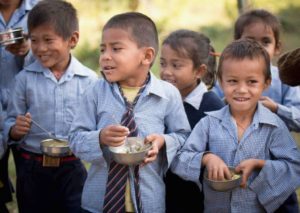
Hunger causes half of all children under the age of five to lose their lives every year, according to Penny Appeal U.S.A. Childhood hunger is an ongoing issue that millions of children experience and the issue is only worsening. Thankfully, there are organizations like Penny Appeal U.S.A. that fight childhood hunger and work to save these starving children. Its Feed Our World program provides food to children globally in more than 30 countries all over the world.

The Issue of Child Hunger

More than 3 million children die per year due to hunger and that number is only rising as factors like COVID-19 and changing weather interfere. Due to the COVID-19 pandemic, schools closed in 199 countries, which left 370 million children facing the impact of hunger. Approximately 50% of deaths among children under the age of five are due to hunger as 45 million children are currently suffering from malnutrition every year. It is notable to add that extreme hunger affects more females than males as 60% of the people in the world facing extreme hunger are women and young girls. The WFP also states that the “Inequality from early marriage and young motherhood to cultural barriers and lack of education means girls are much more likely to be malnourished, causing immediate and long-term health problems.”

Millions of children are suffering because they are unable to get access to food and the issue is only worsening. Poverty is the root cause of child hunger, families can’t even meet basic needs to survive and they must decide whether they want food or a roof to sleep under. Other factors like infectious diseases, environmental conditions and raised prices all contribute to more and more families struggling to obtain food for their children. It is safe to say that child hunger is still a detrimental issue worldwide as the Feed Our World program provides food to children globally.

Penny Appeal USA’s Feed Our World Program

Penny Appeal U.S.A. is an organization that dedicates its efforts to making communities more prosperous and sustainable. The organization states that its mission is “communities working together, supporting one another, leaving need and poverty behind for good.” Feed Our World is one of the many programs that Penny U.S.A. offers that is working to provide nutritious meals to children in countries suffering from childhood hunger. A few of the 30 countries the program works in are Afghanistan, Uganda, Nepal, Pakistan, South Africa, Syria, Yemen and Zimbabwe. In West Bank, Palestine, the program provided approximately 395,800 meals to more than 6,050 people. In 2021, more than 30,800 people received meals in 16 different countries. Along with distributing meals to various countries, essential ingredients like oils, flour, rice and dates go to communities as well.

The Feed Our World program is not the only program through this organization benefiting the world. There are numerous programs through Penny Appeal USA including Education First, Emergency Response, Heal Humanity, Income Generation and Religious Giving. The Thirst Relief program is granting safe drinking water to communities through building wells, hand pumps and water centers. Orphan Kind is a program assisting orphaned children around the world by providing shelter, health care, food and emotional and psychological support. The Feed Our World program provides food to children globally while the organization is also making a difference in a variety of areas to support people in need throughout the world.

Childhood hunger is a detrimental and long-lasting issue, but Penny Appeal U.S.A.’s Feed Our World program provides food to children globally, as well as provides other necessary resources to communities all around the globe to alleviate countries suffering from poverty.

– Dylan Olive
Photo: Flickr

July 4, 2022
https://borgenproject.org/wp-content/uploads/borgen-project-logo.svg 0 0 Jennifer Philipp https://borgenproject.org/wp-content/uploads/borgen-project-logo.svg Jennifer Philipp2022-07-04 07:30:572022-06-27 14:36:59 Feed Our World Provides Food to Children Globally
Food Insecurity, Global Poverty, Hunger

Turning Plastic into Protein Powder

Plastic into Protein Powder
A team of biologists, chemists and engineers have developed technology that can turn plastic into protein powder. The team is aiming to create a system that can help solve two of the world’s most pressing problems: hunger and plastic pollution.

BioPROTEIN

The title of the plastic to protein powder project is BioPROTEIN (Biological Plastic Reuse by Olefin and Ester Transforming Engineered Isolates and Natural Consortia). Assistant professor of biological sciences at Michigan Tech, Stephen Techtmann, leads the team behind this project. The team includes Ting Lu, professor in bioengineering from the University of Illinois, Rebecca Ong, assistant professor of chemical engineering at MTU, David Shonnard, professor of chemical engineering and Joshua Pearce, electrical and computer engineer.

The process of turning plastic into protein powder begins by putting plastic material into a reactor that breaks down the structure of the plastic and transforms it “into an oily substance.” Bacteria then consume this substance and multiply speedily, creating “more bacteria cells, which are about 55% protein.” According to Techtmann, “the end result” looks similar to “a yeast byproduct that comes from brewing beer.” The scientists then dry out this byproduct, leading to the creation of an edible protein powder.

Plastic Pollution and Poverty

Plastic is a very durable substance; it can take hundreds of years to break down ‌after humans discard it. Most plastics become microplastics, which are tiny pieces of plastic material that scientists have found nearly everywhere, including in human organs.

Humans have created approximately seven billion tons of plastic products and have recycled less than 10% of them. Humans produce about 330 million tons of plastic waste annually. Approximately 50% of all plastic goes toward the making of single-use products, which means humans use these plastic products for one purpose and then discard them.

The effects of plastic pollution are harshest for developing countries, which have the least capability to handle the consequences. The most impoverished countries have the least developed and most mismanaged waste management programs. Ways that poor waste management, including plastic, negatively affects peoples’ health and livelihoods include:

  • Waste blocks waterways, leading to the development of more waterborne illnesses.
  • Waste buildup becomes a breeding ground for disease-carrying organisms.
  • The burning of waste releases pollutants into the air that harm people.
  • Mismanagement of waste creates informal dump sites that are hazardous to traverse and can lead to mudslides.
  • Waste buildup pollutes water and soil that people use for drinking and cultivation.
  • Animals consume waste, which causes livestock mortality or illness.

Hunger and Poverty

Although the overall rate of hunger worldwide has reduced since 2000, it has been steadily rising since 2014, with a predicted spike because of the COVID-19 pandemic. About 750 million people in the world experienced severe food insecurity in 2019.

Even more extreme than the lack of access to food for people experiencing extreme poverty is the lack of ability to maintain a healthy diet. A healthy diet is about five times more costly than diets that meet basic energy requirements “through a starchy staple” and far exceeds the amount of money people earn while living under the international poverty line.

Goals of BioPROTEIN

The Defense Advanced Research Projects Agency (DARPA) initially financed the BioPROTEIN project with funding of up to $7.2 million. The first idea behind the project was that military forces could use a plastic-to-protein powder machine that will fit in the back of a military vehicle and can turn plastic waste into a food source when out in remote areas.

However, the team wants to develop beyond this goal; Techtmann wants nonprofits and communities around the globe that are experiencing food poverty to have access to BioPROTEIN machines. He hopes the invention will turn into a solution that can help impoverished communities manage plastic waste while addressing food insecurity.

– Melissa Hood
Photo: Wikipedia Commons

April 16, 2022
https://borgenproject.org/wp-content/uploads/borgen-project-logo.svg 0 0 Kim Thelwell https://borgenproject.org/wp-content/uploads/borgen-project-logo.svg Kim Thelwell2022-04-16 07:30:262022-04-13 10:48:59Turning Plastic into Protein Powder
Global Poverty, Hunger, Women's Empowerment

Sustainable Farming Initiatives Empower Women

Sustainable Farming Initiatives Empower Women
In developing nations, females make up only 10%-20% of landholders, which leads to gender disparities in the farming industry. When female farmers lack power over land, they have less agency to occupy leadership positions and earn higher incomes. The United Nations Refugee Agency (UNHCR) launched a program in April 2020 in Ouallam, Niger, to help women adopt sustainable farming practices and support themselves financially through agriculture. The program supports local women from Ouallam, women who faced displacement due to conflict in other parts of Niger and refugees from the neighboring country of Mali. Sustainable farming initiatives empower women in developing countries by helping women to establish their own businesses, fight hunger and boost local economies.

Women in the Farming Industry

According to the World Bank, in 2020, almost 43% of Niger’s people endured extreme poverty, which equates to more than 10 million people. Many global organizations recognize that women account for the majority of the world’s impoverished due to barriers arising through gender equality.

Gender roles make it difficult for many female farmers in developing countries to manage their own crops and handle their own finances. In some cases, even when a woman runs the land and makes important farming decisions, male farmers only ask to do business with a female farmer’s husband.

Female farmers also face obstacles with funding. Female-operated farms yield up to 30% less than male-operated farms because women tend to lack access to credit for funding. Without adequate capital, women farmers are less inclined to purchase and utilize “fertilizer, drought-resistant seeds, sustainable agricultural practices and other advanced farming tools and techniques that increase crop yields.”

Public and private organizations recognize the extent of gender disparities in agriculture and many have launched initiatives to address these issues. UNHCR’s work in Niger is one of many programs that show how sustainable farming initiatives empower women and help close the gender gap in agriculture.

UNHCR and Desert Farming in Niger

Farmers in Ouallam, Niger, must use tactical farming and irrigation practices to sustain crops in the desert. Around 450 female farmers work the land in Ouallam and many of them are refugees only recently entering the world of agriculture. The women grow crops like potatoes, watermelons, cabbage and onions to support themselves and their families. UNHCR’s initiative in 2020 helped the women adopt drip irrigation, which helps preserve water in the desert instead of letting it evaporate or go to waste. Female farmers in Ouallam benefit from UNHCR initiative by adopting efficient irrigation methods that maximize water use and crop yields.

Hunger and Poverty Reduction

Sustainable farming initiatives empower women, reduce hunger and combat poverty in communities around the world. If female farmers had the funding and resources to produce as many crops as male farmers, world hunger could decrease by roughly 17%, according to Oxfam International. Educational initiatives can also teach women highly efficient farming methods that they may not learn otherwise. As productivity and yields increase among female farmers, the incomes of women will increase along with their economic independence. Female farmers increase access to food and contribute to local markets, so they can benefit their communities at large by reducing hunger and poverty.

Public and private initiatives to uplift female farmers can lead to monumental changes in developing countries. Funding and education help women succeed in agriculture, gain financial independence and improve the quality of life in local communities overall.

– Cleo Hudson
Photo: Unsplash

April 13, 2022
https://borgenproject.org/wp-content/uploads/borgen-project-logo.svg 0 0 Kim Thelwell https://borgenproject.org/wp-content/uploads/borgen-project-logo.svg Kim Thelwell2022-04-13 07:30:492024-05-30 22:25:56Sustainable Farming Initiatives Empower Women
Global Poverty, Hunger

Everything to Know About Hunger in Zimbabwe

About Hunger in Zimbabwe
The Republic of Zimbabwe is a landlocked country in Southern Africa. Once known as the “Jewel of Africa” for its “vibrant industries, an internationally-acclaimed social security net and abundant natural resources” after its independence in 1980, Zimbabwe has seen a dramatic decline in its economy and development. This has led to increasing rates of food insecurity and concerns about hunger in Zimbabwe. In 2020, Zimbabwe endured one of the most severe food crises in decades due to compounding issues such as “poor agricultural seasons, hyperinflation, failed economic and agricultural policies and the consequences of Cyclone Idai and the COVID-19 pandemic.” As a result, more than six million Zimbabweans required urgent humanitarian assistance.

Causes of Hunger in Zimbabwe

  • Poor Weather Conditions: In March 2019, Cyclone Idai hit Zimbabwe causing cyclone-induced rains, catastrophic floodings and massive landslides. Then, six months later, the country dealt with “extreme drought in the middle of peak farming season.” This crisis came amid recovery “from the major 2014-16 El Niño-induced drought.” Zimbabwe’s economy is significantly agriculture-based with subsistence farmers making up about 75% of the population in 2020 and holding the responsibility to produce most of Zimbabwe’s food sources. Such back-to-back climate-related disasters are detrimental to the production of maize, a water-intensive crop and the principal food crop, and overall harvests. Due to poor rains and erratic weather conditions impacting livelihoods, during the 2019-2020 lean season, about 5.5 million rural Zimbabweans suffered from food insecurity.
  • Hyperinflation: In June 2019, the Zimbabwean government passed a law “banning the use of the U.S. dollar for local transactions and instead implemented the Zimbabwe Dollar (ZWL) as the only acceptable national currency.” A lack of “faith in the new currency” and a general non-acceptance of the ZWL by suppliers left retailers unable to purchase “basic food imports.” These factors have caused the prices of goods to skyrocket. Hyperinflation and the currency shortage mean that many households cannot afford to meet their basic food needs with the cost of maize “more than doubling in June” 2020.
  • Widespread Poverty: This series of economic and climatic shocks has caused poverty to rise sharply. The national poverty rate in Zimbabwe rose “from 32.2 % in 2001 to 38.3 % in 2019, growing at an average annual rate of 10.32%.” Furthermore, the extreme poverty rate jumped from 30% in 2013 to 42% in 2019 with those living below the extreme poverty line doubling “from three million in 2011 to 6.6 million in 2019.” The World Bank says that rural people account for 90% of Zimbabwe’s extreme poor, with children making up 1.6 million of the extremely impoverished.
  • The COVID-19 Pandemic: The onset of the pandemic and subsequent lockdowns delivered another economic shock to the country, worsening the unemployment and poverty rates. In July 2020, a survey by the World Bank revealed that “nearly 500,000 households had one member who had lost her or his job” due to the business closures from the lockdowns. By June 2020, 23% of the most impoverished people and 20% of the non-impoverished, all of whom had employment before COVID-19, “had lost their jobs,” compounding the already high unemployment numbers. The pandemic itself pushed 1.3 million Zimbabweans into extreme impoverishment, plummeting the numbers to 7.9 million extremely impoverished Zimbabweans. The loss of jobs and income means more people lack access to staple foods and basic resources.
  • Malnutrition: Nutrient deficiencies are prevalent throughout Zimbabwe with “eight of Zimbabwe’s 59 districts” having an unprecedented acute malnutrition rate of more than 5% in 2020. Moreover, Zimbabwe’s Multi-Indicator Cluster Survey (MICS) 2019 reveals that women and children bear the brunt of this crisis as one in four children younger than five faced stunting and the “risk of impaired physical and cognitive growth.” Furthermore, Zimbabwe stands as one of 10 nations whereby more than 80% of children between six to 23 months do not consume the minimum acceptable diet in 2020. As a result of poverty and its consequences, such as hunger, some children drop out of school and face child marriages. In addition, impoverished females are at higher risk of sexual exploitation and domestic violence because they lack economic independence.

Initiatives to Curb Hunger in Zimbabwe

Immediate reform and initiatives are necessary to address concerns about hunger in Zimbabwe on a large scale. One such initiative is Mary’s Meals, a charity organization aimed at providing meals to the world’s impoverished children each school day. Since its founding in 2002, Mary’s Meals has spread across Africa, Asia, the Caribbean, South America and Eastern Europe and now provides meals to more than two million children for “every day they attend school.” Mary’s Meals began working in the rural Tsholotsho District of Zimbabwe in 2018 and has since provided more than 73,000 children with nutritious daily meals.

Room for Growth

The Republic of Zimbabwe is on the road to recovering from the hurdles delaying its growth. Fortunately, the World Bank predicts that Zimbabwe could “have an economic rebound in 2022 with a bumper harvest expected to ensure most rural families have enough to eat and leading the economy to 3.9% growth.” With continued commitments to improving hunger in Zimbabwe, the country can propel onward into prosperity.

– Divine Adeniyi
Photo: Flickr

March 29, 2022
https://borgenproject.org/wp-content/uploads/borgen-project-logo.svg 0 0 Kim Thelwell https://borgenproject.org/wp-content/uploads/borgen-project-logo.svg Kim Thelwell2022-03-29 07:30:112024-05-30 22:25:52Everything to Know About Hunger in Zimbabwe
Global Poverty, Hunger

How Oxfam Addresses Poverty in Zimbabwe

Oxfam Addresses Poverty in ZimbabweThe country of Zimbabwe has a population of 14.86 million people as of 2020. Zimbabwe’s poverty rate stood at 38.3% in 2019, increasing at a yearly percentage of 10.32%. Due to a high prevalence of poverty in the nation, Oxfam addresses poverty in Zimbabwe to improve the lives of citizens. Across the world, Oxfam is lowering poverty rates in developing nations through initiatives that combat hunger, strengthen livelihoods and supply water and sanitation services, among other efforts. With Oxfam’s help, Zimbabwe may be able to target and reduce poverty across the nation.

Combating Hunger and Improving Farming

In June 2020, Oxfam reported that more than 17 million individuals “across Malawi, Mozambique, Zimbabwe, Zambia and South Africa” faced food insecurity as a consequence of the impacts of the severe 2019 drought on agriculture. In the same month, Oxfam warned that the onset of the COVID-19 pandemic could intensify circumstances of food insecurity for more than 40 million individuals in Southern Africa. The food insecurity situation is so extreme that Zimbabweans are crossing the Kafwambila border into Zambia “to exchange their goats and cows for a small bag of maize flour.”

Oxfam is able to help people in need of dependable sources of food. Oxfam addresses poverty in Zimbabwe by working with local leaders to deliver clean water and food to citizens in need. In emergency situations, Oxfam provides cash transfers so that people can purchase food according to their needs and preferences.

The Benefits of Agricultural Productivity

A 2011 OECD study analyzed poverty reduction successes between 1980-2005 across 25 nations. The study’s specific in-depth analysis of poverty reduction in Ghana, Indonesia, Vietnam and Ethiopia found that more than 50% of poverty reduction relates to “growth in agricultural incomes.” This shows that agriculture plays a crucial role in global poverty reduction.

Increased agricultural productivity can increase farmers’ incomes and food production in a country and reduce the costs of food overall while providing job opportunities. According to a 2014 Africa Renewal article, Zimbabwe requires 1.8 million tons of maize annually to adequately provide for the country’s people and livestock. However, during the 2012/2013 agricultural year, Zimbabwe produced less than 800,000 tons of maize.

The agricultural sector in the country depends on factors such as optimal weather conditions and adequate rain to grow quality crops. Due to the significance of agriculture in poverty reduction, Oxfam helps nations like Zimbabwe to improve agricultural productivity by introducing new farming techniques to farmers and by providing supplies such as seeds and tools so that people can cultivate their own food.

How Oxfam Addresses Poverty in Zimbabwe Through Hygiene and Health Care

In Zimbabwe, outbreaks of diseases such as cholera stem from poor water, hygiene and sanitation facilities. In 2018, one of the most severe outbreaks of the disease in Zimbabwe stemmed from sewage pipes that burst and contaminated drinking water supplies. Oxfam provides countries with clean water, soap and toilet facilities to avoid water contamination and promote proper hygiene.

Oxfam also recognizes pressing issues that come during sudden disasters. When Cyclone Idai struck Africa in 2019, nations faced water contamination due to “extensive damage to water supplies and sanitation infrastructure.” Oxfam initially worked to provide up to 500,000 individuals in Mozambique, Malawi and Zimbabwe with water treatment kits, hygiene kits and clean water.

Looking Ahead

Oxfam is taking many steps to address poverty in Zimbabwe by assisting in the areas of food security, agricultural development and water, sanitation and hygiene. The organization’s efforts have and will continue to positively impact the lives of those facing poverty across the globe.

– Katelyn Rogers
Photo: Flickr

March 8, 2022
https://borgenproject.org/wp-content/uploads/borgen-project-logo.svg 0 0 Kim Thelwell https://borgenproject.org/wp-content/uploads/borgen-project-logo.svg Kim Thelwell2022-03-08 07:30:322024-05-30 07:52:49How Oxfam Addresses Poverty in Zimbabwe
Economy, Global Poverty, Hunger

The Effects of the Economic Collapse in Lebanon

Economic Collapse in Lebanon
Poverty continues to loom over Lebanon’s most vulnerable communities, leaving them to battle with deteriorating living standards and several health hazards. Lebanese people’s quality of life sank to an unprecedented low due to many reasons. One of the most prominent reasons for the economic collapse in Lebanon is the Lebanese government’s immense amount of debts that add up to the “equivalent [of] 150% of national output.”

Lebanon’s Economic Landscape

Some financial experts describe the Lebanese government’s economic system “as a nationally regulated Ponzi scheme where new money is borrowed to pay existing creditors.” Adding to the nation’s troubles, the corrupt elite in Lebanon exploited the country’s foreign aid and income post-civil war and continue to do so to this day. The indebted government struggled to make ends meet, which led to the devaluation of the national Lebanese currency. While the economic collapse affected all citizens residing on Lebanese land, the already dire standard of life of the Lebanese lower-class became worse in several ways.

5 Ways the Economic Collapse in Lebanon Impacts Disadvantaged People

  1. Unlivable Wages: The official Lebanese currency, the Lebanese pound, “lost more than 90% of its value.” This extreme devaluation plunged the Lebanese further into poverty. The minimum wage in Lebanon’s value decreased from the equivalent of $450 monthly to what is now worth around $30 per month. As a consequence, “a family’s budget just for food is around five times the minimum wage,” says the Crisis Observatory at the American University of Beirut.
  2. Medicine Shortage: Due to the scarcity of foreign currency in the country, Lebanese pharmaceutical companies struggle with importing or manufacturing life-saving medicine. To counter this shortage, in July 2021, the Lebanese government lifted subsidies on most life-saving medicine. While this development affects the entire Lebanese population, those with limited or no income experience the greatest impact as medicine now becomes a luxury most cannot afford.
  3. Life-Threatening Power Outages: As the Lebanese economy continues to suffer, the government struggles to import fuel and maintain power generators. As a result, low-income neighborhoods across the country barely receive one hour of electricity per day. This circumstance proved to be extremely destructive as companies, bakeries, schools, grocery stores and even hospitals scaled back operations or completely closed down. Such closures made access to life-saving medical operations, as well as food, extremely challenging.
  4. Unemployment as a Result of Scarce Fuel: Due to the economic crisis, private and public sectors are incapable of importing essential fuel and gasoline. To combat the extreme gasoline shortage in the country, the Lebanese government raised gasoline prices by 66% in August 2021. As a result, many low-income independent contractors, such as taxi drivers and bus drivers, could not afford to work anymore. Due to the recent unemployment of low-income families’ primary breadwinners, the Lebanese working class plunges deeper into poverty.
  5. Deteriorating Diets: Lebanon’s most vulnerable people continue to miss one important component at their dinner tables: meat. As the country’s currency continues to devalue, the prices of meat soar. Toward the end of 2020, “fresh and frozen cattle meat prices” in Lebanon increased by 110%, according to a World Bank assessment. Moreover, the prices of chicken witnessed a 68.4% increase over the last few months. With no other affordable protein sources readily available, malnutrition threatens Lebanon’s impoverished and hungry people. Furthermore, UNICEF reports that “three in 10 families” assessed in April 2021 “had at least one child” missing meals.

Beit El Baraka

As the factors mentioned above overlap, nongovernmental organizations (NGOs) launched several initiatives and efforts to aid Lebanon’s most vulnerable communities. One of the most prominent NGOs currently operating on a large scale within Lebanon is Beit El Bakara. The NGO is dedicated to helping Lebanon’s vulnerable families by covering medical expenses, paying bills and tuitions and providing meals and essential services. Since its launch, Beit El Baraka’s team helped more than 128 families pay their electricity bills, paid 93 families’ rental costs, covered the cost of treatment for 1,681 patients in need and refurbished 3,011 homes across 62 Lebanese areas.

The economic collapse in Lebanon is becoming increasingly dire. Without help, Lebanon and its people could face a catastrophic fate as more than half of the population sinks below the poverty line. Therefore, aiding the Lebanese population should be a top priority of the international community.

– Nohad Awada
Photo: Wikipedia Commons

February 19, 2022
https://borgenproject.org/wp-content/uploads/borgen-project-logo.svg 0 0 Jennifer Philipp https://borgenproject.org/wp-content/uploads/borgen-project-logo.svg Jennifer Philipp2022-02-19 07:30:522024-05-30 22:25:42The Effects of the Economic Collapse in Lebanon
Page 15 of 72«‹1314151617›»

Get Smarter

  • Global Poverty 101
  • Global Poverty… The Good News
  • Global Poverty & U.S. Jobs
  • Global Poverty and National Security
  • Innovative Solutions to Poverty
  • Global Poverty & Aid FAQ’s
Search Search

Take Action

  • Call Congress
  • Email Congress
  • Donate
  • 30 Ways to Help
  • Volunteer Ops
  • Internships
  • Courses & Certificates
  • The Podcast
Borgen Project

“The Borgen Project is an incredible nonprofit organization that is addressing poverty and hunger and working towards ending them.”

-The Huffington Post

Inside The Borgen Project

  • Contact
  • About
  • Financials
  • President
  • Board of Directors
  • Board of Advisors

International Links

  • UK Email Parliament
  • UK Donate
  • Canada Email Parliament

Get Smarter

  • Global Poverty 101
  • Global Poverty… The Good News
  • Global Poverty & U.S. Jobs
  • Global Poverty and National Security
  • Innovative Solutions to Poverty
  • Global Poverty & Aid FAQ’s

Ways to Help

  • Call Congress
  • Email Congress
  • Donate
  • 30 Ways to Help
  • Volunteer Ops
  • Internships
  • Courses & Certificates
  • The Podcast
Scroll to top Scroll to top Scroll to top