Everything to Know About Hunger in Zimbabwe
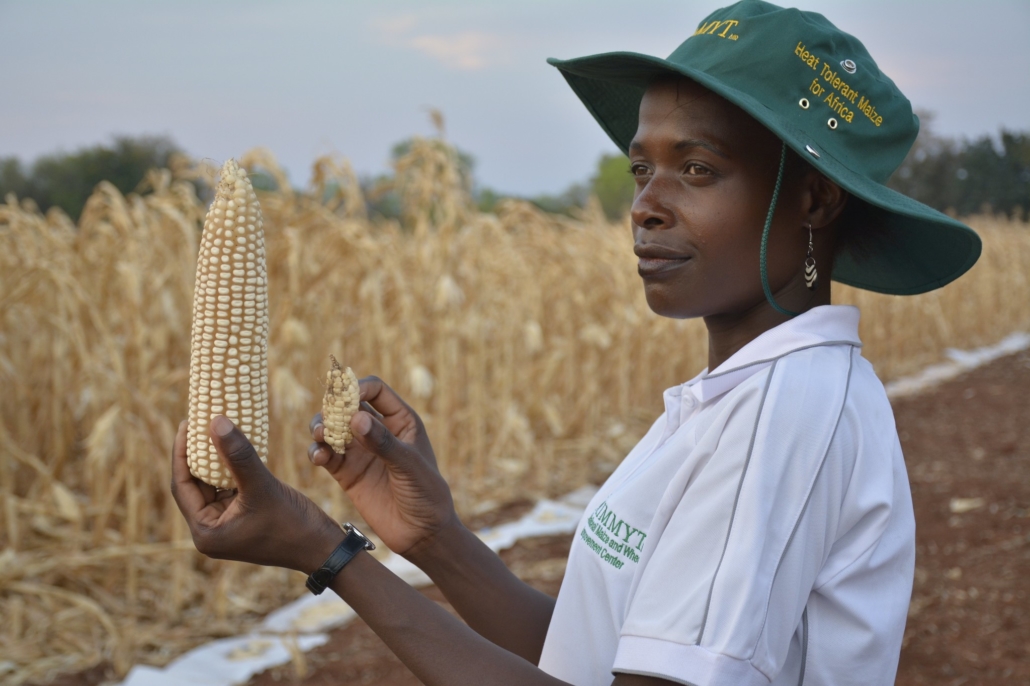
The Republic of Zimbabwe is a landlocked country in Southern Africa. Once known as the “Jewel of Africa” for its “vibrant industries, an internationally-acclaimed social security net and abundant natural resources” after its independence in 1980, Zimbabwe has seen a dramatic decline in its economy and development. This has led to increasing rates of food insecurity and concerns about hunger in Zimbabwe. In 2020, Zimbabwe endured one of the most severe food crises in decades due to compounding issues such as “poor agricultural seasons, hyperinflation, failed economic and agricultural policies and the consequences of Cyclone Idai and the COVID-19 pandemic.” As a result, more than six million Zimbabweans required urgent humanitarian assistance.
Causes of Hunger in Zimbabwe
- Poor Weather Conditions: In March 2019, Cyclone Idai hit Zimbabwe causing cyclone-induced rains, catastrophic floodings and massive landslides. Then, six months later, the country dealt with “extreme drought in the middle of peak farming season.” This crisis came amid recovery “from the major 2014-16 El Niño-induced drought.” Zimbabwe’s economy is significantly agriculture-based with subsistence farmers making up about 75% of the population in 2020 and holding the responsibility to produce most of Zimbabwe’s food sources. Such back-to-back climate-related disasters are detrimental to the production of maize, a water-intensive crop and the principal food crop, and overall harvests. Due to poor rains and erratic weather conditions impacting livelihoods, during the 2019-2020 lean season, about 5.5 million rural Zimbabweans suffered from food insecurity.
- Hyperinflation: In June 2019, the Zimbabwean government passed a law “banning the use of the U.S. dollar for local transactions and instead implemented the Zimbabwe Dollar (ZWL) as the only acceptable national currency.” A lack of “faith in the new currency” and a general non-acceptance of the ZWL by suppliers left retailers unable to purchase “basic food imports.” These factors have caused the prices of goods to skyrocket. Hyperinflation and the currency shortage mean that many households cannot afford to meet their basic food needs with the cost of maize “more than doubling in June” 2020.
- Widespread Poverty: This series of economic and climatic shocks has caused poverty to rise sharply. The national poverty rate in Zimbabwe rose “from 32.2 % in 2001 to 38.3 % in 2019, growing at an average annual rate of 10.32%.” Furthermore, the extreme poverty rate jumped from 30% in 2013 to 42% in 2019 with those living below the extreme poverty line doubling “from three million in 2011 to 6.6 million in 2019.” The World Bank says that rural people account for 90% of Zimbabwe’s extreme poor, with children making up 1.6 million of the extremely impoverished.
- The COVID-19 Pandemic: The onset of the pandemic and subsequent lockdowns delivered another economic shock to the country, worsening the unemployment and poverty rates. In July 2020, a survey by the World Bank revealed that “nearly 500,000 households had one member who had lost her or his job” due to the business closures from the lockdowns. By June 2020, 23% of the most impoverished people and 20% of the non-impoverished, all of whom had employment before COVID-19, “had lost their jobs,” compounding the already high unemployment numbers. The pandemic itself pushed 1.3 million Zimbabweans into extreme impoverishment, plummeting the numbers to 7.9 million extremely impoverished Zimbabweans. The loss of jobs and income means more people lack access to staple foods and basic resources.
- Malnutrition: Nutrient deficiencies are prevalent throughout Zimbabwe with “eight of Zimbabwe’s 59 districts” having an unprecedented acute malnutrition rate of more than 5% in 2020. Moreover, Zimbabwe’s Multi-Indicator Cluster Survey (MICS) 2019 reveals that women and children bear the brunt of this crisis as one in four children younger than five faced stunting and the “risk of impaired physical and cognitive growth.” Furthermore, Zimbabwe stands as one of 10 nations whereby more than 80% of children between six to 23 months do not consume the minimum acceptable diet in 2020. As a result of poverty and its consequences, such as hunger, some children drop out of school and face child marriages. In addition, impoverished females are at higher risk of sexual exploitation and domestic violence because they lack economic independence.
Initiatives to Curb Hunger in Zimbabwe
Immediate reform and initiatives are necessary to address concerns about hunger in Zimbabwe on a large scale. One such initiative is Mary’s Meals, a charity organization aimed at providing meals to the world’s impoverished children each school day. Since its founding in 2002, Mary’s Meals has spread across Africa, Asia, the Caribbean, South America and Eastern Europe and now provides meals to more than two million children for “every day they attend school.” Mary’s Meals began working in the rural Tsholotsho District of Zimbabwe in 2018 and has since provided more than 73,000 children with nutritious daily meals.
Room for Growth
The Republic of Zimbabwe is on the road to recovering from the hurdles delaying its growth. Fortunately, the World Bank predicts that Zimbabwe could “have an economic rebound in 2022 with a bumper harvest expected to ensure most rural families have enough to eat and leading the economy to 3.9% growth.” With continued commitments to improving hunger in Zimbabwe, the country can propel onward into prosperity.
– Divine Adeniyi
Photo: Flickr
