• Link to X
  • Link to Facebook
  • Link to Instagram
  • Link to TikTok
  • Link to Youtube
  • About
    • About Us
      • President
      • Board of Directors
      • Board of Advisors
      • Financials
      • Our Methodology
      • Success Tracker
      • Contact
  • Act Now
    • 30 Ways to Help
      • Email Congress
      • Call Congress
      • Volunteer
      • Courses & Certificates
      • Be a Donor
    • Internships
      • In-Office Internships
      • Remote Internships
    • Legislation
      • Politics 101
  • The Blog
  • The Podcast
  • Magazine
  • Donate
  • Click to open the search input field Click to open the search input field Search
  • Menu Menu

Archive for category: Humanitarian Aid

Human Rights, Humanitarian Aid, Refugees

How the Media Misrepresents the Refugee Crisis and Its Impacts

Media Misrepresents the Refugee Crisis
The European Refugee Crisis has become one of the most discussed and debated conflicts in international discourse and current affairs in the world today. Given its ubiquitous presence, the media also plays a crucial role in transcending awareness to the international community about key underlying global issues.

Power of the Media

However, the media misrepresents the refugee crisis due to (oftentimes) inadequate coverage. There is a strong correlation between media portrayal and the reception that ‘media bias’ can have on various audiences. This occurrence, as well as photographic evidence, can give rise to negative perceptions of the situations and news stories at hand.

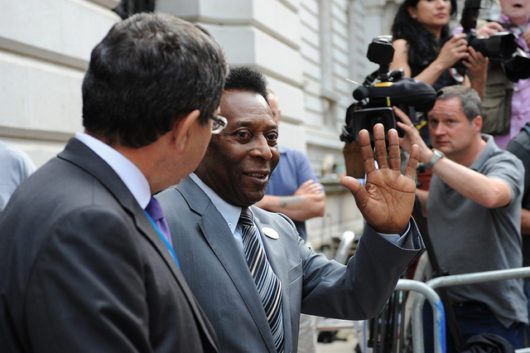
A majority of the time, even the visual imagery of photography in the media can contribute to a warped, and sometimes over-exaggerated, view of the situation. On the other hand, some cases — such as the Mediterranean crisis in 2016 — a shocking image can become a very powerful and lasting symbol for the refugee crisis. In 2016, the limp body of Alan Kurdi, a 3 year-old Syrian, washed up onshore and became just that; his dead body caused a huge outcry and a great deal of global outrage.

The reaction to Kurdi is a direct example of the media’s scope, power and influence in global information. Moreover, the rather high incidence of “fake news” stories is also changing the tide of mainstream media coverage and giving rise to more inflammatory rhetoric, racism, controversy and division.

The Misrepresentation of the Refugee Crisis

The media misrepresents the refugee crisis also largely in reference to the growing skepticism associated with new immigrants crossing international borders. A number of media forums are often pervaded by hate speech and campaigns against refugees; such portrayals can give rise to increased hysteria and the spreading of misinformation.

The deficiencies in media coverage of the refugee crisis can often cause overly biased narratives that hinder efforts at raising awareness about key issues and shedding light on the unbiased truth. Given the often divisive nature of geopolitics, news stories are often written with the intention of covering international affairs. As a result, humanitarian concerns and concerns about human rights for refugees can also be quite politicized in nature and impact interpretations.

With the prominence and importance of these topics, though, media coverage should aim to not only cover these topics, but also shed light on positive stories associated with the refugee crisis. Sustainable news sources — objective and advocacy journalism and community media, for instance — can help counteract associations of overly negative images when the media misrepresents the refugee crisis.

Quest to Ensure Journalistic Integrity

Moreover, journalistic integrity must be maintained through free press. With more accurate representation in the media, immigrants and refugees can become more humanized and realistic in media coverage, and thereby demonstrate the more optimistic and “good news” side of reality.

Such accurate depictions will also benefit various key stakeholder groups involved in the refugee crisis — such as governments and international organizations. Positivity in the media could ensure greater ease in the provision of humanitarian and development aid and packages.

So there must be increased levels of inclusion and greater coverage of important stories to counter the media misrepresenting the refugee crisis. This change can help the international community take up a larger role in addressing large and pertinent issues, such as human rights.

– Shivani Ekkanath
Photo: Flickr

June 13, 2018
https://borgenproject.org/wp-content/uploads/borgen-project-logo.svg 0 0 Borgen Project https://borgenproject.org/wp-content/uploads/borgen-project-logo.svg Borgen Project2018-06-13 01:30:562019-10-12 11:32:02How the Media Misrepresents the Refugee Crisis and Its Impacts
Charity, Global Poverty, Humanitarian Aid, Nonprofit Organizations and NGOs

Lesser-Known Humanitarian Organizations You Should Know About

Lesser
When thinking about the growing issue of poverty, classic humanitarian organizations come to mind like the Red Cross, UNICEF and Oxfam. However, there are many other deserving and impassioned groups who do not receive the same media time as these large organizations, but who should be noticed for their work and compassion. Here are five lesser-known humanitarian organizations working to reduce global poverty.

Hunger Plus, Inc.

Hunger Plus focuses its efforts on reducing global hunger and deaths caused by it. It is Hunger Plus’ goal to find a way to reduce global poverty by promoting access to a simple, yet very necessary thing: food. The organization also spends time and effort bringing medication to those in need to provide care against preventable and communicable diseases. Hunger Plus focuses its outreach both domestically and internationally and recently aided victims from Hurricane Harvey.

Save the Children

Save the Children is an aptly named organization as it focuses on just that – saving the children and bringing a future to every child born. The group works in 120 countries, providing access to education, food and safety from violence. The majority of donations within the organization go directly to children in need and Save the Children is quick to mobilize their funds. The organization works in times of crisis and in everyday life as a first responder to protecting children in harm’s way. During a crisis, Save the Children ensures children and their families are protected and have the resources necessary to survive the emergency.

Action Against Hunger

While Action Against Hunger works internationally, it is still one of the lesser-known humanitarian organizations. It works to reduce hunger by providing hands-on assistance and by shifting the focus from groups to individuals. Action Against Hunger believes that world hunger can be reduced by focusing efforts on mothers in developing countries. One of its goals is to educate women to accurately diagnose hunger needs and assist in reducing malnutrition. Action Against Hunger has won numerous awards and has been the leading force against hunger for approximately forty years.

Relief International

Relief International is an international organization that works in 19 countries to prevent human suffering. It is one of the lesser known humanitarian organizations and focuses on implementing the RI Way, a method used by the organization to encourage communities to discuss solutions for current situations. The group then assists in implementing the solutions. Its method is to deliver immediate access to basic resources like money, food, water and medication. Relief International also remains until a long-term solution has been established as a success. The aim is community-based, so individuals within the community are thinking of the best solutions for their group instead of accepting existing solutions that may not work.

Doctors Without Borders

Doctors Without Borders is a volunteer-based humanitarian organization that focuses on delivering medical care where necessary around the world. While it is a large organization, Doctors Without Borders is one of the lesser-known humanitarian organizations because it rarely uses the media as a means of promoting itself. The organization does not receive funding from the U.S. government in an effort to remain impartial and independent in times of crisis. Doctors Without Borders treats many medical issues from stitching up a cut to providing emergency services to treat HIV/AIDS, malaria, meningitis and more. The group also teaches medical education to ensure safety standards are maintained when it leaves.

There are many lesser-known humanitarian organizations outside the media’s influence that are worthy of donations and assistance. More widespread focus on certain issues and attacking the same problem from different angles may just be the way to reduce global poverty.

– Kayleigh Mattoon
Photo: Flickr

May 31, 2018
https://borgenproject.org/wp-content/uploads/borgen-project-logo.svg 0 0 Borgen Project https://borgenproject.org/wp-content/uploads/borgen-project-logo.svg Borgen Project2018-05-31 17:14:332024-12-13 17:58:47Lesser-Known Humanitarian Organizations You Should Know About
Activism, Human Trafficking, Humanitarian Aid

Five Human Trafficking Relief Organizations Everyone Should Know

human trafficking relief organizations
Around the world, there is an ongoing epidemic that is often hidden in plain sight­: human trafficking. According to the United Nations, there are over 27 million slaves in the world today and this number threatens to increase as the demand for certain goods and industries increases.

Although this is a crisis is facing many people, there are several organizations that have stepped in to bring attention and relief to this global epidemic. The following are five human trafficking relief organizations that everyone should be aware of.

Five Important Human Trafficking Relief Organizations

  1. Freedom United: This organization works to combat human trafficking by encouraging direct involvement from people who visit its site. Freedom United does not exactly implement solutions to change and provide relief for victims, but rather it rallies for other people to get involved in order to produce change. The organization has made great strides in its efforts to end human trafficking which is why it is one of the five most important human trafficking relief organizations.Since its launching, it has acquired over 18 million actions taken to end human trafficking. The organization also has 5.9 million fans on Facebook and 79 global partners, including the United Nations University, helping to create effective change for issues facing the world’s most vulnerable.
  2. Urban Light: Founded by Alezandra Russell in 2009, Urban Light is dedicated to helping a sector of human trafficking victims that is often overlooked by mainstream media: boys. This is the reason why it is one of the five human trafficking relief organizations everyone should know. After visiting Thailand, Russell decided to leave her home in Washington, D.C., and relocate to Thailand to begin Urban Light. Since its founding days, it has helped over 3,000 boys and has provided over 10,000 meals.A few steps included in its method to restore the lives of vulnerable young boys include: health, which provides victims with education and awareness resources as well as screenings to make sure victims are healthy; education, which provides victims with educational resources to help them finish their education; outreach, such as frequenting clubs and bars in Thailand where victims of human trafficking are usually located and providing them with the opportunity to leave their vulnerable situation in order to get help; and legal support, such as working with victims to help them obtain legal identification cards to devoid any illegal circumstances and providing the opportunity for victims to be represented in court.
  3. Abolishment 21st Century (A21): Founded by Christine Caine in 2007, this organization works with women and girls who are victims of human trafficking with its own unique campaigns. A reason why this is one of the major human trafficking relief organizations to know is because it is a multinational organization, assisting girls in nations in Europe, Asia, Africa as well as the United States and Australia.A21 uses a three-step methodhttps://www.a21.org/content/our-solution/gn9pjs to help victims reintegrate into society. The method includes:Reach: The reach method consists of the Walk for Freedom campaign, where volunteers host public demonstrations highlighting the harsh realities of human trafficking today. Other campaigns also include Can You See Me, which bears a similar approach to educate men, women and children of the harsh realities facing victims of human trafficking in the world today.
    Rescue: The next portion of A21’s mission focuses on collaborating with law enforcement and the government to help prosecute captured human traffickers. Representatives also help with the legal process by defending victims in court.
    Restore: The last method in its solution focuses on providing victims the opportunity to re-integrate themselves into society, by providing them with prime accommodations for recovery that include housing, medical treatment, top-class educational resources, counseling, employment and enterprise opportunities.
  4. Rapha House: Rapha House was founded in 2003 by Joe Garman after he witnessed the near trafficking of a young woman in Cambodia. Since then, Rapha House has served as a safe house for victims of human trafficking. The organization contains several programs to help young, high-risk victims as one of the five human trafficking relief organizations everyone should know.One of Rapha House’s programshttps://raphahouse.org/programs is Safety House, a facility where young girls are given free housing, education and meals to protect them from the exploitation they face in the outside world. Another program is Kids Club, which provides boys and girls from impoverished backgrounds with education, housing and healthcare needs. Training and Reintegration provide victims of human trafficking with the skills they need to re-enter society. The program includes vocational training, such as sewing classes, produce farming as well as business training, among other programs.
  5. Prajwala: Founded in 1996 by Sunitha Krishnan, this organization seeks to address human trafficking in India. Prajwala uses a course of action that includes prevention, rescue, rehabilitation and reintegration.For prevention, the organization has established Implementation Programs as well as Community Based Prevention Programs to combat the issue of human trafficking. The rescue method uses the following planned rescue operations: Rape Victim Support Program, Victim Witness Protection and VIKALPA, which is a police-NGO partnership that seeks justice for victims. Rehabilitation works by providing victims with psychological rehabilitation, economic rehabilitation and civic rehabilitation and reintegration works by providing victims with family reunions, marriage and independent living.

These five human trafficking relief organizations are just a small number compared to the larger amount of efforts established to help eradicate the statistics of human trafficking worldwide. Although great efforts have been made to address human trafficking, the world still awaits a day when slavery will be abolished for good, but it is up to those who are aware of the dire situation to make this happen.

– Lois Charm
Photo: Google

May 27, 2018
https://borgenproject.org/wp-content/uploads/borgen-project-logo.svg 0 0 Borgen Project https://borgenproject.org/wp-content/uploads/borgen-project-logo.svg Borgen Project2018-05-27 10:10:302019-10-27 18:47:31Five Human Trafficking Relief Organizations Everyone Should Know
Global Poverty, Humanitarian Aid

9 Facts About Humanitarian Aid That Everyone Should Know

Facts About Humanitarian Aid

Throughout the twentieth and twenty-first century, the global community has made a concentrated effort toward ending world poverty. Very often, Americans hear of the term “humanitarian aid” without a transparent knowledge of what that aid does or who and where it goes to. Below are nine interesting facts about humanitarian aid, including some of the origins of organized aid, countries and organizations that provide aid and the countries that benefit from humanitarian aid provisions.

Humanitarian Aid Facts

  1. One of the less well-known facts about humanitarian aid is that it is thought to have originated toward the tail end of the nineteenth century. The first global aid relief effort came about during the Great Northern Chinese Famine of 1876-79 that killed nearly 10 million of China’s rural population. British missionary Timothy Richard called attention to the famine and raised what is valued at $7-10 million today in an organized relief effort to end the famine.
  2. Modern western imagery of humanitarian aid came about during the 1983-1985 Ethiopian famine. BBC reporting from Michael Buerk showcased imagery of the “Biblical famine” that shocked the world.
  3. The publicity surrounding the Ethiopian famine led to a worldwide western effort to raise money and bring an end to the plight. Irish singer-songwriter Bob Geldof organized the Live Aid event that raised over €30 million and set the precedent for humanitarian aid fundraising events across the globe.
  4. Every year, the amount of humanitarian aid contributed by developed countries to places where aid is needed has increased. In 2017, the global community contributed $27.3 billion of foreign aid toward humanitarian relief efforts.
  5. According to Development Initiative, approximately 164 million individuals are in direct need of humanitarian aid. Those in the direst need of relief include the 65.6 million individuals displaced from their home countries and individuals that live in the world’s most dangerous countries such as Syria, Afghanistan and Iraq.
  6. Another interesting fact about humanitarian aid is that the largest humanitarian aid organization fighting world hunger is the World Food Programme (WFP). Each year, the WFP reaches about 90 million individuals in approximately 80 countries.
  7. Humanitarian aid is also donated in large quantities toward natural disaster relief. To illustrate, Red Cross relief efforts toward the tragic 2010 earthquake in Haiti raised approximately $488 million.
  8. In 2014, United States spent about $2.7 billion of its foreign aid budget on humanitarian aid. This money is mostly used to care for refugees who have been displaced from their home countries.
  9. One of the more serious facts about humanitarian aid is that relief workers have a tough and dangerous job. In 2017, over 150 employees were attacked while trying to conduct their work. However, many would argue that the risk is worth the lives that these individuals save.

Based on these facts about humanitarian aid, it is clear that global aid is vital to creating a global community of countries that care about one another. The global aid network creates a myriad of positive outcomes in global health, development and politics, truly saving the lives of many.

– Daniel Levy

Photo: Pixabay

April 16, 2018
https://borgenproject.org/wp-content/uploads/borgen-project-logo.svg 0 0 Borgen Project https://borgenproject.org/wp-content/uploads/borgen-project-logo.svg Borgen Project2018-04-16 01:30:282024-06-06 00:07:569 Facts About Humanitarian Aid That Everyone Should Know
Development, Global Poverty, Humanitarian Aid

Humanitarian Aid to Kyrgyz Republic Promotes Development

Humanitarian Aid to Kyrgyz Republic Promotes Development
The Central Asian Republic of Kyrgyzstan, also known as Kyrgyz Republic, is a landlocked and a largely mountainous country with a population of about six million. Humanitarian aid to Kyrgyz Republic has helped the country’s economy recover from the 2009 financial crisis and the 2010 inter-ethnic clashes.

U.S. and Kyrgyz Republic

In 2010, the United States announced a $32 million assistance plan for humanitarian relief, reconstruction and community stabilization efforts in the violence-plagued regions of both Kyrgyz Republic and Uzbekistan.

Kyrgyz Republic is one of the five republics of Central Asia and is very prone to natural disasters such as landslides, floods, earthquakes, droughts and melting glaciers. These natural disasters disrupt the normal flow of life and cause substantial damage to developmental projects.

European Commission

The European Commission (EC) has assisted people in the aftermath of these natural disasters via various projects. These efforts include improving food security in the wake of the harsh winter climate and providing small-scale support after floods, avalanches and earthquakes.

The EC also manages a disaster risk reduction program called DIPECHO which has funded more than 110 projects at the cost of €47 million (about $58 million dollars). DIPECHO’s tenth action plan for Central Asia (2017-2018) has encouraged EC’s partners to replicate previous successful community-based disaster risk reduction models to foster more local and national self-sufficiency and development.

Project HOPE

In 2017, aid organization Project HOPE donated $243,000 to medical facilities and non-government organizations. This humanitarian aid to Kyrgyz Republic was used to provide free health services and medical supplies to over 35,000 people. Project HOPE has been active in the Kyrgyz Republic since 2006.

The U.S. State Department noted in 2010 that the U.S. humanitarian aid to the Kyrgyz Republic has improved the country’s economic growth, promoted democratic reform by strengthening the civil society and helped the government combat international threats. Basic reforms in education, agriculture, energy and other ongoing priorities have also been instituted.

USAID

The United States Agency for International Development (USAID) has helped the Kyrgyz Republic maintain a parliamentary democratic system even as the country oscillated between two bouts of authoritarianism. Democratic reforms are especially important as Kyrgyz Republic is the only freely elected parliamentary democracy in post-Soviet Central Asia.

USAID works with the regional USAID Mission to Central Asia to propel the New Silk Road initiative which is aimed to strengthen the economic and cultural connections of South and Central Asian people which, in turn, helps propel the stability and prosperity of the region.

Diversification and Humanitarian Aid to Kyrgyz Republic

The World Bank has said that the Kyrgyz Republic needs to diversify its economic activities by increased private sector development and occupational training, especially to the young. Humanitarian aid to Kyrgyz Republic can thus help the government improve its governance at both local and national levels and promote the country’s economic and social development.

– Mohammed Khalid

Photo: Google

March 14, 2018
https://borgenproject.org/wp-content/uploads/borgen-project-logo.svg 0 0 Borgen Project https://borgenproject.org/wp-content/uploads/borgen-project-logo.svg Borgen Project2018-03-14 01:30:492024-05-29 22:39:49Humanitarian Aid to Kyrgyz Republic Promotes Development
Foreign Aid, Humanitarian Aid

5 Countries That Provide the Largest Foreign Aid

Five Countries That Give the Largest Foreign AidAccording to the Organization for Economic Co-operation and Development’s (OECD) report, in 2016, 30 countries in Development Assistance Committee (DAC) contributed a total of $142.6 billion as financial assistance to poorer countries, with the United States, Germany, the United Kingdom, Japan and France giving the largest foreign aid.

On average, the United States’ government has given approximately one percent of its federal budget — about $34 billion — each year over the past decade to countries in need of foreign aid.

Out of the aid amounts from all donor countries, U.S. foreign aid ranked at the top of the list. Non-DAC countries, like China, are also responsible for a significant part of the total aid amount.

Each year, developing countries receive aid in tens of billions of dollars from governments in other countries. From obtaining diplomatic approval to business access, this aid can serve various purposes for the donor countries. From agriculture, to education and public health, recipient countries use aid towards a wide variety of issues and projects.

Here is a rundown of the five countries that offered the largest foreign aid and how that aid was spent by its intended nations. Due to the lack of detailed information for 2017 fiscal year, the list will be based on previous-year statistics.

1. China

A surprise to many, the winner on the “aid list” is China rather than the United States. As a non-DAC country, China has not officially disclosed its aid information; however, in a recent publication, researchers from AidData at William & Mary claimed that during the year between 2000 and 2014, China offered $350 billion-worth of aid to 140 countries and territories, sponsoring more than 4000 projects – the largest foreign aid program in the world.

In 2009, China’s total financial commitment to development aid reached a whopping $69.9 billion, two times that of the U.S. foreign aid in the same year.

A large chunk of China’s aid is categorized by AidData as “Other Official Flows,” indicating that though counted as foreign aid, these financial assistances are primarily intended for commercial access rather than for development and welfare.

Top recipients of Chinese aid are largely members of the One Belt One Road Initiative, a program by President Xi that aims to reinforce trading routes across continents.

As a result, almost half of the aid was spent on infrastructure sectors including energy generation and supply, transportation, storage and communication. The spending on agriculture, forestry and fishing only took up 3 percent of the aid.

2. The United States

From 2002, the United States Agency for International Development (USAID) has gradually boosted the total foreign aid budget to a steady amount that rests around $32 billion. With the Department of State and USAID as the nation’s main donors, the U.S. government distributed — not counting fiscal worth of military assistance — $34 billion official development aid (ODA) to over 100 foreign governments during the 2016 fiscal year.

Such an amount makes the U.S. the largest foreign aid donor among DAC countries.

Israel, Afghanistan and Egypt are the largest recipients of the U.S. foreign aid, receiving $3.10 billion, $1.51 billion and $1.46 billion of assistance, respectively. More than one-third of the U.S. budget is spent on long-term projects that promote economic growth and public health programs.

About 23 percent of such aid is used as humanitarian aid, and aims to fund short-term disaster relief programs.

3. Germany

With a volume of $24.67 billion in 2016, Germany’s foreign aid ranked the second largest in OECD’s report. Compared to 2015, Germany’s aid budget experienced an impressive 36.1 percent increase, making Germany’s ODA to gross national income (GNI) ratio hit the 0.7 percent mark.

An important factor in accounting for this major boost is the wide-ranging social benefits provided to the large influx of refugees.

Starting from 2016, the German government reclassified this in-house spending on refugee assistance as international development aid, aiming to hit United Nations’ 0.7 percent ODA/GNI target.

4. The United Kingdom

Before it was made a legal obligation by the U.N., the U.K. hit the 0.7 percent ODA/GNI mark in 2013 and has since maintained this ratio very well.

In fiscal year 2016, the U.K. spent a total of $18.01 billion in development aid, thus becoming the third largest foreign aid donor among DAC countries.

Pakistan, Ethiopia and Afghanistan each received more than $300 million in U.K. aid, and Nigeria, Syria, Sierra Leone, South Sudan and Tanzania all received more than $200 million. The aid is largely used for humanitarian programs and other crisis-relief projects in nations close to the European Union.

5. Japan

As the third-largest economy in the world, Japan contributes the fourth-largest ODA among DAC countries. Though Japan ranked high on the list of total aid volume, its $10.37 billion aid in fiscal year 2016 merely took up 0.2 percent of its GNI compared to the United States’ criticized 0.18 percent.

As a close tie to China in overall economy, Japan also engages in competition with China for potential markets in developing countries by giving out development aid. While China desires more of natural resources in recipient countries of its aid, Japan wants cheap land and labor so that it can compete with the world’s leading manufacturing industry in China.

Humanitarian Aid is on the Rise

As OECD’s report indicates, the world’s total development aid is on the rise. This trend is so prominent that DAC Chair Charlotte Petri Gornitzka expressed her delight in the ever-increasing trend and the generous contributions of the largest foreign aid donors.

With an increasing amount of ODA being spent on short-term humanitarian and refugee aid, Gornitzka urged countries to also focus on long-term development programs.

Regardless of the purposes of aids, this healthy trend of increasing aid showcases the collective efforts of the world in reaching the U.N.’s Sustainable Development Goals

– Chaorong Wang

Photo: Google

March 14, 2018
https://borgenproject.org/wp-content/uploads/borgen-project-logo.svg 0 0 Borgen Project https://borgenproject.org/wp-content/uploads/borgen-project-logo.svg Borgen Project2018-03-14 01:30:072024-06-05 23:57:275 Countries That Provide the Largest Foreign Aid
Development, Foreign Aid, Humanitarian Aid

Paving the Way: New Models of Development in Somalia

The debate over the efficacy of humanitarian aid in impoverished countries has been a hot topic in recent years. Some people believe that humanitarian aid breeds dependence, while others argue that it can exploit some of the most vulnerable people in impoverished countries. To provide better and longer-lasting aid, the U.N., the U.N.’s International Children’s Emergency Fund and the World Health Organization, among others, are taking a new approach to humanitarian aid. The new method, dubbed “A New Way of Working,” combines the short-term aid for emergency relief with long-term development efforts. The organizations are testing this model for development in Somalia, one of the more embattled nations on Earth.

Finding a Solution

Whether it’s disaster relief or funding for infrastructure projects, foreign aid does help people who need it. Despite the horror stories in the news concerning corruption, mishandled aid only accounts for an estimated 9 percent. Not perfect, but not as bad as some purport.

Many issues still plague not only the development in Somalia but in humanitarian aid and global investment around the world. One reason is modern humanitarian assistance finds its roots as a disaster response mechanism, whether it’s man-made or natural, and funds need to be spent within 18 months. Conversely, developmental aid sprung up as a result of colonialism and seeks long-term solutions such as education and agriculture, with funding plans structured in three to five years cycles. So, the projects needed to accomplish these varying goals are often very different.

Development in Somalia: A Guide for Others

Somalia is a country recovering from a two-decade civil war and a 2011 drought that killed over 260,000 people. With the government declaring 2017’s drought another national emergency, aid organizations realized a different approach was necessary.

In January 2018, the U.N.’s Office for the Coordination of Humanitarian Affairs (OCHA) and the U.N.’s Development Program (UNDP) set out to provide immediate assistance to those in desperate need of water. It also tried to identify the root of the emergency and establish projects that will allow everyday people to tackle the problem on their own when the next drought inevitably comes along.

While this sounds great in theory, there needs to be a practical element for improving development in Somalia. The current drought has lasted three growing seasons and is killing crops and livestock at alarming rates, which precipitates into a nationwide famine. In response, the OCHA-UNDP project built a sand dam in Bandarbeyla.

This dam allowed farmers to maintain their livestock, a vital resource for the agricultural economy in Somalia. Farmers say they can now save up the money they used to have to spend on water. Finally, these aid groups no longer have to focus solely on subsistence and can invest their energy and resources on education and security projects that will make Somalia stronger and more stable as it progresses as a nation.

Where Will It Be Seen Next?

The success of this project for development in Somalia is giving hope for other nations dealing with similar environmental and security-related emergencies.

  • South Sudan:
    The world’s youngest nation has over 1 million people at risk of famine. Luckily, the massive humanitarian response has kept the situation from getting worse.
  • Nigeria (Northeast region):
    Due to the Boko Haram insurgency, more than 5 million people need housing and food assistance.
  • Yemen:
    A brutal civil war has left more than 75 percent of the population in need of humanitarian aid.

These three nations face similar problems to Somalia in that they endure a vicious cycle of drought and insecurity. The UNDP and other organizations are hoping to implement strategies similar to what is occurring in Somalia with the goal that “A New Way of Working” will allow these countries to flourish on their own.

– David Jaques

Photo: Flickr

March 13, 2018
https://borgenproject.org/wp-content/uploads/borgen-project-logo.svg 0 0 Borgen Project https://borgenproject.org/wp-content/uploads/borgen-project-logo.svg Borgen Project2018-03-13 07:30:062024-12-13 17:58:38Paving the Way: New Models of Development in Somalia
Aid, Global Poverty, Humanitarian Aid, Poverty Reduction

Humanitarian Aid to Comoros Assists the Poor and Needy

Humanitarian Aid to Comoros Assists the Poor and the Needy
One of the least developed countries in the world, the Republic of Comoros has one of the highest population density in Africa. The three-island archipelago is located between Madagascar and Mozambique in the Indian Ocean, with a population of about 800,000 people.

A Country Hungry for Change

Between the 1997-2014 period, Comoros was the third country on the list of world’s hungriest countries. The Borgen Project reported in 2014 that Comoros was “one of nineteen nations still labeled as ‘alarming’ or ‘extremely alarming’ on the Global Hunger Index, leaving 870 million without food.”

According to the Index, countries with the lowest levels of food security (such as Comoros) are either engaged in or have recently emerged from war. Interestingly, Comoros ranked 159 (out of 188) on the United Nation’s Human Development Index in 2015.

Humanitarian Aid to Comoros

Aid organizations have aimed to provide health, relief and other humanitarian aid to Comoros. The Islamic Relief International Organization has assisted over 1 million people from 2006-2018, giving almost $3 million to uplift the poor and the needy. Almost $2 million has gone to establish health dispensaries and centers for men, women and especially malnourished children in the country.

Last year, Tadateru Konoé, the head of the International Federation of Red Cross and Red Crescent Societies (IFRC), visited Comoros and emphasized the development of humanitarian assistance efforts to bolster Africa’s island nations prone to natural disasters.

“More efforts should be made to boost domestic resource mobilization, building community resilience, and country-level policy dialogue between governments and local actors such Red Cross and Red Crescent Societies,” he said.

Earthquake Aftermath

After a 4.8 magnitude earthquake struck the Anjouan island in March 2014, heavy rains and deep fissures caused heavy infrastructure damage and cordoned off supplies from tens of thousands of people. United States Agency for International Development (USAID) and the Office of U.S. Foreign Disaster Assistance (OFDA) partners delivered emergency hygiene, water and sanitation supplies that provided relief to those displaced by the disaster.

In its Country Strategy Paper for Comoros (2008-2013), the European Union (EU) provided €63 million in total to tackle three major priorities as part of the 10th European Development Fund: governance, transport and education. Cyclonic rehabilitation was also added to the entire agenda, which comported Comoros’ development strategy as defined in the Growth and Poverty Reduction Strategy Document.

Aid for Children

Humanitarian aid to Comoros is also needed to protect children against sexual violence from their teachers in religious schools. The United Nations Children’s Fund (UNICEF) has supported legislation in the area of children rights, the fight against child labor and violence against women.

Grants from Global Partnership in Education and Education a Child have led to the rehabilitation of dozens of classrooms and construction of schools for children. UNICEF has also supported the government’s response to emergencies and ensured safe drinking water supplies, devising development plans that protected against possible outbreak of Ebola.

Reforming the Nation

The economy of Comoros is highly dependent on subsistence fishing and agricultural production. As the country lacks natural resources and a well-educated labor force, fiscal and structural reforms are necessary to promote the population’s long-term welfare.

The World Bank predicts that political stability in Comoros after the 2016 presidential elections will lead to increased economic growth and opportunities. As part of that effort, humanitarian aid to Comoros will be critical in both maintaining stability and prosperity in this burgeoning country, and benefitting the poor and the needy.

– Mohammed Khalid

Photo: Flickr

March 12, 2018
https://borgenproject.org/wp-content/uploads/borgen-project-logo.svg 0 0 Borgen Project https://borgenproject.org/wp-content/uploads/borgen-project-logo.svg Borgen Project2018-03-12 01:30:092024-06-08 03:58:36Humanitarian Aid to Comoros Assists the Poor and Needy
Aid, Global Poverty, Humanitarian Aid

The Success Story of Humanitarian Aid to Cabo Verde

humanitarian aid to Cabo Verde

Around 500 kilometers off the west coast of Africa lies the former Portuguese colony of Cabo Verde, a volcanic archipelago republic made up of ten islands and five islets in the central Atlantic Ocean. The country not only lacks in natural resources but also possesses a tiny portion of arable land and is prone to drought.

Despite these prevalent difficulties, Cabo Verde won an international reputation for maintaining economic and political stability, due largely in part to the humanitarian aid sent to the country.


Cabo Verde

Cabo Verde is a stable multi-party parliamentary democracy with a high trade deficit, most of which is offset by foreign aid and economic remittances sent by emigrants back to the country. The U.S. State Department praises the country as a “model of democratic governance,” noting the country’s high literacy rates and high per capita income among “the best development indicators of any country in the region.”

Cabo Verde received the notable distinction of becoming the first African state to complete its first Millennium Challenge Corporation (MCC) Compact in late 2010. The MCC is an independent foreign aid agency established by Congress that works with partner countries around the world to alleviate global poverty.


Compact Stipulations

Following this successful $110 million MCC initiative that strengthened the country’s infrastructure and boosted agricultural production, the Cabo Verde government signed a five-year compact in 2012 to institute further water, sanitation and land management reforms. This second compact builds upon the first to establish transparency and accountability to achieve actionable results.

Last year, the government celebrated the end of its second compact and became the first one in the world to benefit from such a remarkable success of humanitarian aid to Cabo Verde.

“We are proud of the partnership between MCC and Cabo Verde that has built a solid foundation aimed at reducing poverty and improving the lives of individuals, families, and communities across the country,” MCC Vice President Robert Blau said at a closeout ceremony held on November 30, 2017. “We are also heartened by the Government of Cabo Verde’s commitment to continuing these programs and reforms in order to guarantee sustainability of the investments.”

Essentiality of Humanitarian Aid

The success of humanitarian aid to Cabo Verde is possible thanks to the united efforts of numerous countries and international aid organizations across the globe. The Cabo Verde government has also managed and administered the aid funds responsibly, entrusting state-owned companies and religious institutions with the implementation of developmental projects.


The United Nations

The United Nations (U.N.) has actively worked within the country through many conventions and projects. For instance, in early December, the U.N. held a seminar on social security, economic growth and development in the country. A month earlier, the United Nations Population Fund (UNFPA) worked with the National Directorate of Health and National Sexual Health Program to develop a national strategic plan for improving sexual and reproductive health in the country.

Specialized programs and agencies of the United Nations, such as the United Nations Educational, Scientific and Cultural Organization (UNESCO), the World Health Organization and the United Nations Children’s Fund (UNICEF), have also advised the government on the best ways to make efficient use of humanitarian aid to Cabo Verde.


The Success Story

The African Development Bank has highlighted the success story of humanitarian aid to Cabo Verde in a detailed research project report, affirming that the very small island economy has “managed to defy the odds and transform itself from an extremely poor country into one of the better performing economies in Africa in just over two decades,” and thus managed to overcome “severe geographic, economic, and social challenges to become an African success story.”

– Mohammed Khalid

Photo: Flickr

February 27, 2018
https://borgenproject.org/wp-content/uploads/borgen-project-logo.svg 0 0 Borgen Project https://borgenproject.org/wp-content/uploads/borgen-project-logo.svg Borgen Project2018-02-27 01:30:282024-06-05 23:55:39The Success Story of Humanitarian Aid to Cabo Verde
Aid, Global Poverty, Humanitarian Aid

The Success Levels of Humanitarian Aid to Kazakhstan

The Success of Humanitarian Aid to KazakhstanHumanitarian aid is one way neighboring communities help each other grow and advance. When a country experiences difficulties socially or economically, others will reach out in the form of financial assistance, medical assistance or help rebuild the nation’s infrastructure. Kazakhstan is a country riddled with tribal conflict, border rewrites and ethnic diversity and a place constantly undergoing significant change in economic and cultural success. Humanitarian aid in Kazakhstan is crucial to the growth of the nation, and the success of humanitarian aid to Kazakhstan is reliant on many factors.


A Middle Income Country

According to the European Commission (EC), Kazakhstan is now considered a middle-income country, which means that it is self-sufficient enough to maintain a stable economy. However, this also means that the rest of the world has less influence and can offer less assistance to the Kazakh people. The EC worked from 1991 to 2014 to help turn Kazakhstan into a less corrupt state through an increase in their judicial efficiency, healthcare reform, more inclusive education and public administration.


Decreased Poverty, Increased Gender Equality

Despite the continuation of growth and economic prosperity in Kazakhstan, there is still need in the region; many countries still attempt to eradicate poverty completely and increase gender equality. Norway is one of those countries. According to the Norwegian government, it is working to stop the influx of illicit and criminal actions, as well as building on existing maternal health in the area.

Until poverty is eradicated (hopefully by 2030), and maternal death rates fall, Norway will not be satisfied with the success of humanitarian aid to Kazakhstan.


Success of Humanitarian Aid to Kazakhstan

Now that Kazakhstan is growing into a strong and independent country, it is time for the success of humanitarian aid to Kazakhstan to be translated into humanitarian aid for others. According to an article by the Astana Times, Kazakhstan, with its strong history of ethnic and religious diversity, provided humanitarian support to Syrians ravaged by civil war.

Kazakhstan is also known to support many other countries, such as Myanmar, Ukraine and parts of the Caribbean. Kazakhstan contains many natural resources, such as oil, mineral and metal reserves, and now with the help and success of humanitarian aid to Kazakhstan, the country has the potential to spread its stability to others.

– Molly Atchison

Photo: Flickr

February 25, 2018
https://borgenproject.org/wp-content/uploads/borgen-project-logo.svg 0 0 Borgen Project https://borgenproject.org/wp-content/uploads/borgen-project-logo.svg Borgen Project2018-02-25 01:30:372024-05-29 22:39:31The Success Levels of Humanitarian Aid to Kazakhstan
Page 22 of 34«‹2021222324›»

Get Smarter

  • Global Poverty 101
  • Global Poverty… The Good News
  • Global Poverty & U.S. Jobs
  • Global Poverty and National Security
  • Innovative Solutions to Poverty
  • Global Poverty & Aid FAQ’s
Search Search

Take Action

  • Call Congress
  • Email Congress
  • Donate
  • 30 Ways to Help
  • Volunteer Ops
  • Internships
  • Courses & Certificates
  • The Podcast
Borgen Project

“The Borgen Project is an incredible nonprofit organization that is addressing poverty and hunger and working towards ending them.”

-The Huffington Post

Inside The Borgen Project

  • Contact
  • About
  • Financials
  • President
  • Board of Directors
  • Board of Advisors

International Links

  • UK Email Parliament
  • UK Donate
  • Canada Email Parliament

Get Smarter

  • Global Poverty 101
  • Global Poverty… The Good News
  • Global Poverty & U.S. Jobs
  • Global Poverty and National Security
  • Innovative Solutions to Poverty
  • Global Poverty & Aid FAQ’s

Ways to Help

  • Call Congress
  • Email Congress
  • Donate
  • 30 Ways to Help
  • Volunteer Ops
  • Internships
  • Courses & Certificates
  • The Podcast
Scroll to top Scroll to top Scroll to top