• Link to X
  • Link to Facebook
  • Link to Instagram
  • Link to TikTok
  • Link to Youtube
  • About
    • About Us
      • President
      • Board of Directors
      • Board of Advisors
      • Financials
      • Our Methodology
      • Success Tracker
      • Contact
  • Act Now
    • 30 Ways to Help
      • Email Congress
      • Call Congress
      • Volunteer
      • Courses & Certificates
      • Be a Donor
    • Internships
      • In-Office Internships
      • Remote Internships
    • Legislation
      • Politics 101
  • The Blog
  • The Podcast
  • Magazine
  • Donate
  • Click to open the search input field Click to open the search input field Search
  • Menu Menu

Archive for category: Humanitarian Aid

Global Poverty, Human Rights, Humanitarian Aid

Human Rights in North Korea: 4 Pressing Problems

Human Rights in North KoreaNorth Korea is one of the most surveilled countries in the world and has carried out human rights abuses and imposed severe punishments with limited freedoms. According to Freedom House, North Korea scored 3 out of 100 on the Global Freedom Score, meaning the country is categorized as “not free.” Among the indicators, except for Personal Autonomy and Individual Rights, all other indicators scored 0 out of 4. In addition, Reporters Without Borders (RSF) indicates that North Korea ranks second to last out of 180 countries in 2025. In other words, the Democratic People’s Republic of Korea (DPRK) strictly prohibits independent journalism and controls information, including its production and distribution.

4 Pressing Problems

  1. Collapsed Economic System: The Informal Market. A researcher who completed a doctoral degree at the University of North Korean Studies told The Borgen Project in an interview that after the Arduous March, marketization emerged illegally, although the government consistently denied its existence. However, marketization has become an undeniable reality. According to the researcher, Kim Jong Un appears to be attempting to bring markets under state control by reinforcing trade through the public market system rather than the informal markets known as Jangmadang. In the early stages, the government introduced the concept of “8.3-earners” and initially turned a blind eye to private income generation. Recently, it has sought to increase wages in state-owned enterprises to narrow the gap between official wages and market prices, the researcher added. However, he also noted that the government used the market as a tool to control the population and stabilize the regime, which has contributed to wage inequality and distorted market conditions.
  2. Problems Caused by the Lack of Medical Systems and Services. North Koreans commonly sought treatment from private doctors rather than public doctors. Many patients waited outside the homes of doctors who were known for their ability to treat diseases. Public hospitals and clinics often failed to provide proper treatment unless patients offered bribes. Although private doctors lacked modern medical facilities, they often had sufficient skills to provide treatment and direct access to medications. As a result, many people chose to see private doctors in order to receive proper treatment and medications. In addition, the use of drugs such as opium and methamphetamine became widespread. Many residents reportedly died as a result of opium abuse. Despite serious side effects, some continued using it. It was sometimes regarded as a panacea. According to Daily NK, some North Koreans believed that regular opium injections could prevent heart attacks and strokes and used them as a substitute for medicine. Methamphetamine and opium were illegal, but officials often overlooked their use because the DPRK could not provide adequate medical care and medicine to people living in poverty. Beyond this, North Koreans who lacked sufficient medicine relied on folk remedies during COVID-19 due to shortages of vaccines and antiviral pills. North Korean state media reported that patients drank boiled honeysuckle water and used herbal medicines to address COVID-19 symptoms. Some folk remedies, such as willow bark, known for aspirin-like properties to treat inflammation and fever, were used. However, these methods were not a substitute for modern treatment for COVID-19. Furthermore, liver cancer treatment was limited due to the lack of modern surgical facilities. Reports indicate that some relied on brown rice tea and herbal tea made from burdock roots. These alternative treatments became widespread due to chronic deficiencies in the medical system and prolonged border closures following the pandemic.
  3. Human Rights Concerns. The North Korean government enacted three laws: the Youth Education Guarantee Act, the Pyongyang Cultural Language Protection Act and the Reactionary Ideology and Culture Rejection Act. These laws aim to restrict cultural influence from South Korea. Authorities have reportedly imposed severe penalties, including death sentences, for distributing South Korean media content. For example, according to El País, authorities publicly executed a 22-year-old man after charging him with watching and distributing 70 songs and three South Korean television series. Freedom of expression and access to information have regressed due to punishments imposed for sharing foreign media. In response, the United Nations (UN) adopted resolutions in 2024 condemning the human rights situation in North Korea. The resolutions addressed severe and pervasive restrictions on fundamental freedoms. During the 80th session of the United Nations General Assembly (UNGA) Third Committee, UNGA adopted a resolution on the situation of human rights in the DPRK, co-sponsored by 61 countries.
  4. Controlled Information and Misinformation. The government has used misinformation campaigns for decades as part of its propaganda strategy. Reports suggest these efforts aim to create hostility toward adversaries and influence public opinion. North Korean misinformation has also affected international relations, contributing to tension and confusion. During COVID-19, the government claimed that South Korea spread the virus by sending infected objects across the border, according to Voice of America (VOA). Although COVID-19 caused deaths and suffering beginning in 2020, the government reported zero cases to the World Health Organization (WHO). It officially acknowledged an outbreak in May 2022. Many humanitarian groups attempted to deliver assistance in North Korea but faced significant challenges due to restrictions on international humanitarian aid. According to VOA, the DPRK did not allow humanitarian aid workers into the country, and Kim Jong Un referred to humanitarian aid as a “poison pill.” Although many organizations attempted to provide assistance, government control and lack of transparency limited the distribution of aid. Continued monitoring of humanitarian and human rights conditions remains important.

Looking Ahead

While significant challenges remain, continued international monitoring, humanitarian engagement and diplomatic dialogue offer potential pathways toward improved human rights in North Korea. Sustained attention to human rights, health care access and transparency can help lay the groundwork for gradual progress and greater protection of fundamental freedoms.

– Yunjaelee

Yunjaelee is based in Vancouver, Canada and focuses on Global Health and Politics for The Borgen Project.

Photo: Flickr

February 18, 2026
https://borgenproject.org/wp-content/uploads/borgen-project-logo.svg 0 0 Precious Sheidu https://borgenproject.org/wp-content/uploads/borgen-project-logo.svg Precious Sheidu2026-02-18 01:30:462026-02-18 00:08:50Human Rights in North Korea: 4 Pressing Problems
Conflict, Global Poverty, Humanitarian Aid

Celebrity Initiatives Supporting Sudan

Celebrity Initiatives Supporting SudanAs the war and humanitarian crisis in Sudan continue, a range of celebrities are using their platforms to draw attention to the ongoing conflict. Together, these four celebrity initiatives supporting Sudan play a critical role in building international attention, raising money and amplifying calls for humanitarian aid amid the world’s largest humanitarian crisis.

Artists for Aid: Benefit Concert for Sudan and Palestine

One of the most notable celebrity initiatives supporting Sudan was Artists for Aid, a star-studded benefit concert held earlier this year at The Shrine in Los Angeles in support of Sudan and Palestine. The Los Angeles event was the third installment of the fundraiser, following successful events in New Jersey and London. The event was organized by Sudanese-Canadian artist Mustafa and co-hosted by supermodel Bella Hadid and actor Pedro Pascal.

The event raised $5.5 million for humanitarian relief, with proceeds going toward the Sudanese American Physicians Association and the Palestine Children’s Relief Fund. The concert featured performances from Grammy-winning artists Chappell Roan and Jazmine Sullivan, Clairo, Shawn Mendes and Daniel Caesar. In the lead-up to the concert, Mustafa released a powerful video featuring celebrities reading works by Sudanese and Palestinian poets, which they widely shared to highlight the Artists for Aid event.

The video featured well-known actors Mark Ruffalo and Jeremy Allen White, musicians Shawn Mendes, Kehlani and Rosalía, Formula One driver Lewis Hamilton and more.

Freedom for Sudan: Celebrity Auction

Another creative celebrity initiative supporting Sudan has been the Freedom for Sudan auction, a digital fundraiser pairing celebrity access with humanitarian relief. The auction, held between January 6 and 12, raised more than $160,000 for Sudanese nonprofits, including El Fasher Emergency Response Rooms and the Mattar Blue Movement. Auctioned items included an outfit and bag from the fashion label Telfar, a signed Olivia Rodrigo vinyl, two concert tickets to see The Weeknd in any city and branded merchandise.

The auction also featured exclusive experiences, including an in-person or Zoom hangout with singer SZA, a private meal cooked by Sudanese Kitchen and more.

Renée Rapp

Pop star and actress Renée Rapp took a different approach during her 2025 Bite Me Tour, using a pre-concert video to raise awareness of multiple humanitarian crises, including Sudan’s. Fans shared the video on social media platforms like TikTok and Instagram. In the video, Rapp shares that she partnered with the organization Save the Children during the tour and urges fans to donate by saying:

“Right now, millions of children around the world are in crisis. Children in Gaza, children in Congo, children in Sudan, children everywhere… Save the Children fights for kids’ rights, bringing food, water, shelter and health care to places that need it most, while governing bodies sit back and inflict pain or simply stand by and let it happen. Donate if you can… I would never ask you to do something that I am not doing myself, so I am donating right alongside you.”

Along with the video, Rapp launched exclusive merch on her website, with the proceeds being donated to the organization. This form of advocacy helps normalize and encourages conversations about Sudan among fans who may not regularly follow international news.

Social Media Awareness

Social media remains a powerful and common tool for celebrity initiatives supporting Sudan, drawing attention to the humanitarian crisis through their platforms. Actors, musicians and online personalities, including Ayo Edebiri, Don Cheadle, Macklemore, Huda Kattan and Ms. Rachel, shared posts, infographics and calls to action related to Sudan across their social media platforms. Together, these initiatives highlight a widening landscape of celebrity engagement with Sudan’s humanitarian crisis.

While celebrities alone cannot resolve the ongoing conflict, their ability to amplify Sudanese voices and mobilize resources remains a critical tool in global efforts. This is especially important at a time when media cycles move quickly and public attention is limited.

Together, these initiatives highlight a widening landscape of celebrity engagement with Sudan’s humanitarian crisis. While celebrities alone cannot resolve the ongoing conflict, their ability to amplify Sudanese voices, mobilize resources and sustain public attention remains a critical tool in global efforts, especially at a time when media cycles move quickly and attention is limited.

– Sara Aboulela

Sara is based in Toronto, Ontario, Canada and focuses on Celebs and Politics for The Borgen Project.

Photo: Flickr

February 17, 2026
https://borgenproject.org/wp-content/uploads/borgen-project-logo.svg 0 0 Lynsey 2 https://borgenproject.org/wp-content/uploads/borgen-project-logo.svg Lynsey 22026-02-17 01:30:152026-02-16 23:41:40Celebrity Initiatives Supporting Sudan
Food Insecurity, Global Poverty, Humanitarian Aid

From Scholar to Baker: Gaza’s Education System

Gaza’s education systemYears of war and restricted access to humanitarian aid have disrupted food systems and education across the Gaza Strip, forcing residents to rely on informal survival strategies as basic services collapse. As bakeries shut down and supply routes falter, families increasingly depend on community-level solutions. One such effort comes from Bader Slaih, a Palestinian academic who now bakes bread to help feed his family and neighbors.

Gaza’s Education System Disrupted by Conflict

Before the current war, Bader Slaih earned master’s and doctoral degrees in education while studying in Egypt. He returned to Gaza, intending to teach at local universities, according to an Al Jazeera report published in January 2026. Fighting interrupted those plans.

Airstrikes and ground operations forced Slaih and his family to flee their home in the Bureij refugee camp multiple times, the report said. The destruction of Gaza’s education system has been extensive. According to Save the Children, nearly 90% of school buildings in Gaza have sustained damage, leaving hundreds of thousands of children without access to formal education.

UNICEF also reported that all universities in Gaza suffered damage during the conflict, halting higher education for students and faculty. Despite these conditions, Slaih has continued to express a commitment to education. He told Al Jazeera that he intends to teach whenever possible, even in informal or temporary learning spaces.

Turning to Bread for Survival

As food supplies declined, Slaih and his relatives built a small brick oven using salvaged materials to bake bread for their children and nearby families, Al Jazeera reported. Food insecurity across Gaza has intensified as fuel shortages and access restrictions disrupt production and distribution. The United Nations Office for the Coordination of Humanitarian Affairs (OCHA) reported repeated interruptions to food supply routes throughout 2025.

During periods when flour and cooking gas ran out, all subsidized bakeries in Gaza closed temporarily, OCHA reported. The World Food Program (WFP) previously supported dozens of bakeries producing hundreds of thousands of loaves daily. However, those operations depended on consistent fuel deliveries, according to U.N. humanitarian updates.

As bakery closures increased, families turned to community kitchens and shared ovens. OCHA reported that community kitchens provided close to one million cooked meals per day during periods of severe aid disruption. Slaih’s oven became part of that informal food network, supplying bread when commercial options disappeared.

Feeding the Present While Preserving the Future

Although baking bread now occupies his daily routine, Bader Slaih continues to view education as central to recovery. He told Al Jazeera that meeting children’s nutritional needs supports their ability to learn when schooling resumes. UNICEF has linked hunger directly to learning outcomes, reporting that malnutrition undermines concentration, memory and school attendance.

Across Gaza, professionals from various fields have taken on emergency roles as institutions collapse. The U.N. has noted that community-driven responses often provide the most immediate relief during prolonged crises. Slaih’s experience reflects that shift.

Baking bread does not replace humanitarian assistance or rebuild schools, but it helps sustain families while broader recovery remains uncertain. In Gaza, survival increasingly depends on adaptation. For one academic turned baker, feeding his community now remains closely tied to the goal of returning to education when conditions allow.

– Angela ‘Phoenix’ Garrett

Angela is based in Chicago, IL, USA and focuses on Good News and Global Health for The Borgen Project.

Photo: Unsplash

February 12, 2026
https://borgenproject.org/wp-content/uploads/borgen-project-logo.svg 0 0 Lynsey 2 https://borgenproject.org/wp-content/uploads/borgen-project-logo.svg Lynsey 22026-02-12 01:30:392026-02-12 00:28:49From Scholar to Baker: Gaza’s Education System
Global Poverty, Humanitarian Aid, IRC

How Proactive Aid Can Mitigate Droughts in Somalia

Droughts in SomaliaGovernment and humanitarian organizations aid pastoralists and farmers negatively impacted by increasingly severe droughts in Somalia. Traditionally, they provided aid following drought-induced humanitarian crises, but in recent years, organizations have explored a new option called anticipatory action.

Drought in Somalia

Somalia is ranked the seventh most climate-vulnerable country in the world. A drought lasting from 2020 to 2023 in Somalia resulted in thousands of Somalis relocating to camps for internally displaced persons (IDPs). Many IDP camps in southern Somalia are located in climate-vulnerable areas, forcing IDPs to relocate more than once after drought or floods deplete the camps’ resources.

Dried-up water sources forced people to drink contaminated water, causing outbreaks of waterborne diseases such as cholera. Outbreaks led to further displacement, as sick people without access to local health facilities traveled up to 1,000 km for treatment.

Depleted food stores and arid farmlands caused food prices to increase by 160% since 2020. Simultaneously reducing incomes and job security resulted in rising levels of malnutrition and food insecurity. More than 4.4 million Somalis faced acute food insecurity in December 2025, and 1.85 million children under five years old are projected to be afflicted with acute malnutrition through mid-2026.

Between 2022 and 2024, approximately 71,100 Somali deaths occurred due to drought. An estimated 40% of these excess deaths were children under five years old.

Anticipatory Action: What Is It?

Anticipatory action in Somalia uses weather forecasting to predict droughts and their projected humanitarian impact in the indicated regions. This system allows forecasters to identify and warn at-risk regions early. Pre-planning and allocating appropriate resources before humanitarian needs reach severe levels mitigates the effects of drought and prevents potential crises and mass displacement.

Activities for drought preparation occur between the trigger activation and the forecasted peak of humanitarian need during the drought. The interventions proceed in phases over a two- to nine-month period, so activities may be adapted to the trajectory of the drought’s predicted timeline and impact.

  • Education: Establish access to clean water in schools, implement school feeding programs, disburse cash incentives to teachers and provide child protective services to reduce the risk of school dropouts.
  • Food security: Provide cash to susceptible households to reduce the risk of malnutrition and loss of livelihood. Distribute drought-smart farming packages, control crop pests and prevent and control desert locust outbreaks to sustain food production. Conduct an animal health treatment campaign and provide livestock supplementary feed to sustain livestock productivity.
  • Health: Promote early warning and preparedness for potential diseases, inform communities on infection prevention, control and treatment and provide essential medications and supplies to detect, prevent and control the health impacts of drought.
  • Nutrition: Implement a blanket feeding program and provide food supplements to reduce the risk of malnutrition.
  • Risk communication: Conduct a media campaign to advise communities to make risk-informed decisions during preparation for drought.
  • WASH: Restore malfunctioning water schemes and establish strategically located water supplies to ensure access to clean and safe water for consumption. Distribute household water treatment and safe storage products and treat unprotected water sources to reduce the risk of disease outbreaks.

Benefits of Anticipatory Action

The International Rescue Committee (IRC) uses anticipatory action in Somalia to mitigate the effects of droughts. After weather forecasters predict a drought, the IRC provides families in the specified areas with several rounds of cash assistance to prepare.

Anticipatory action proves advantageous compared to traditional aid delivered after a crisis for multiple reasons. Farmers and pastoralists can purchase supplementary water and feed beforehand to reduce the death of livestock and crops. Proactive cash assistance is cost-effective by preventing the need for costly humanitarian aid following a crisis. It also prevents families from selling their animals or land and removing children from school.

A recipient of cash assistance from the IRC in Somalia named Mohamud said, “The droughts used to kill many of my animals. This time around, the money came when our livestock were still alive, and that’s how the animals ended up being saved. It has really helped us and preserved our dignity.”

Challenges of Anticipatory Action

Anticipatory action programs exist in challenging, climate-vulnerable environments. Many Somalis living in at-risk regions experience multiple and overlapping crises, including conflict, increasingly frequent droughts, floods and desert locust swarms, reducing affected communities’ ability to prepare for an anticipated drought.

Early warning systems face challenges in effectively and efficiently communicating directly with farmers and pastoralists living in rural areas. The information must reach them early enough to provide time to prepare, but not so early that the forecast is unreliable. Additionally, the warning information must include actionable advice and explain what supplies will be available.

Looking Ahead

Anticipatory action in Somalia is a preventive warning system designed to reduce the humanitarian impacts of droughts. This proactive approach provides a multitude of advantages compared to the traditional humanitarian response following a crisis. Climate-vulnerable communities benefit from early preparation, comprehensive interventions included in Somalia’s Anticipatory Action Framework and early cash assistance from the IRC. These programmes continue to expand and adapt to challenges to reduce human suffering from droughts and build long-term community resilience.

– Sarah Merrill

Sarah is based in Matthews, NC, USA and focuses on Good News and Global Health for The Borgen Project.

Photo: Flickr

February 9, 2026
https://borgenproject.org/wp-content/uploads/borgen-project-logo.svg 0 0 Precious Sheidu https://borgenproject.org/wp-content/uploads/borgen-project-logo.svg Precious Sheidu2026-02-09 03:00:492026-02-09 01:59:50How Proactive Aid Can Mitigate Droughts in Somalia
Aid, Global Poverty, Humanitarian Aid

How OCHA Plans To Tackle the Humanitarian Crisis in Myanmar

Humanitarian Crisis in MyanmarMyanmar is facing one of the world’s most complex humanitarian crisis. Prolonged internal armed conflict, widespread displacement and economic decline have been compounded by new shocks, including the devastating earthquake that struck the country in March 2025. In response, the United Nations Office for the Coordination of Humanitarian Affairs (OCHA) has published the “Myanmar: Humanitarian Needs and Response Plan 2026 (HNRP),” a 70-page document outlining the scale of need and the international support required.

Setting Out the Humanitarian Crisis in Myanmar

Myanmar has endured escalating internal armed conflict since 2021, with hostilities between the Myanmar Armed Forces and nonstate armed groups driving unprecedented humanitarian need. As of November 2025, 3.6 million people are internally displaced, the highest figure ever recorded in the country, including 1.7 million living in the most severely affected regions of the Northeast, Rakhine and the Southeast. In the first half of 2025, Myanmar ranked second globally for conflict intensity.

It was the fourth most dangerous country for civilians, with more than half the population exposed to violence. This protracted crisis was further intensified by a 7.7-magnitude earthquake on 28 March 2025, the world’s largest since 2023. The disaster claimed 5,400 lives, injured thousands and caused an estimated $11 billion in economic losses.

Ten months on, recovery efforts continue amid severe economic decline, with inflation reaching 31% in the 2025–26 financial year. Economic disruption and insecurity have sharply reduced access to food. By late 2025, more than 12 million people faced acute food insecurity, including one million at emergency levels, placing Myanmar among the world’s most severe hunger hotspots and underscoring the urgent need for international humanitarian support.

OCHA’s Humanitarian Needs and Response Plan for Myanmar

The Myanmar 2026 HNRP asserts that 16.2 million people (including 8.4 million women and five million children) need humanitarian assistance. While the HNRP for the previous year included the entire population, funding shortfalls and operational constraints have led the 2026 plan to adopt a tier-based approach to humanitarian assistance. Myanmar’s population is divided into people in need, people targeted and people prioritized.

Within this system, humanitarian needs are organized across nine clusters of concern, including access to shelter, health care and protection. An individual’s classification is determined by the cumulative severity of their situation across these clusters. This approach identifies 2.6 million people requiring prioritized humanitarian assistance and 4.9 million people to be targeted.

As specified by OCHA, this system was designed to guide the HNRP’s priorities while ensuring that targeted assistance “remains realistic and feasible.” In strategic terms, the HNRP operates around two primary objectives: saving lives and alleviating suffering and protecting safety and rights. The former seeks to reduce crisis-related morbidity and mortality, while the latter aims to restore safety and reinstate lost rights.

Central to achieving these goals is a locally led response strategy, described as the “backbone” of the operation. By placing local actors at the center of decision-making and implementation, OCHA aims to strengthen local leadership, foster equitable partnerships and promote direct access to resources at the community level. Particular emphasis is placed on reaching populations in hard-to-access, conflict-affected areas, requiring innovative and adaptable operational approaches.

To manage these challenges safely, the HNRP places strong emphasis on risk-informed planning, including the use of the U.N.’s INFORM Risk Index to assess operational hazards.

Funding and Resource Allocation

The Myanmar HNRP 2026 uses an activity-based costing model to ensure donor funds are allocated as efficiently as possible. Each humanitarian cluster calculates an average cost per person based on specific activities, resulting in a combined cost of approximately $182 per person assisted. This approach allows funding to be directly linked to measurable outcomes.

However, OCHA highlights that soaring inflation, rising fuel and food prices and the continued devaluation of the Myanmar kyat have significantly increased the cost of delivering aid. To account for this, clusters have applied inflation projections to their budgets, ensuring funding levels reflect on-the-ground realities. Overall, the plan appeals for $890 million, with $521 million prioritized for the most urgent life-saving assistance.

This underscores the critical role of international donors in sustaining humanitarian operations and preventing further deterioration in conditions for millions of vulnerable people.

Conclusion

The convergence of armed conflict, economic collapse and the aftermath of a major natural disaster defines the humanitarian crisis in Myanmar in 2026. OCHA’s HNRP outlines a targeted, locally led and cost-conscious strategy to address these challenges. However, its success ultimately depends on sustained international funding and political commitment.

Without adequate support, the gap between humanitarian needs and available assistance will continue to widen, placing millions of lives at further risk.

– Andrew Geddes

Andrew is based in Edinburgh, Scotland and focuses on Global Health and Politics for The Borgen Project.

Photo: Flickr

February 9, 2026
https://borgenproject.org/wp-content/uploads/borgen-project-logo.svg 0 0 Lynsey 2 https://borgenproject.org/wp-content/uploads/borgen-project-logo.svg Lynsey 22026-02-09 01:30:032026-02-09 01:30:29How OCHA Plans To Tackle the Humanitarian Crisis in Myanmar
Foreign Aid, Global Poverty, Humanitarian Aid

Foreign Aid to Kashmir

Foreign Aid to Kashmir
Kashmir is the United Nations’ longest ongoing, unresolved area of conflict, dating back to 1948. Today, three nuclear powers share occupation of the land. India controls 48% of the territory, Pakistan runs 35% and China covers 17%. About 40% of the population lives below the poverty line, according to the Kashmir Welfare Foundation.

On both ends of the highly-militarized area, Kashmiri people are subject to several human rights violations, including restrictions on political freedom and the systemic discrimination of religious minorities. Around 70,000 people have been killed in the midst of the conflict over the last 29 years alone.

Aside from the political turmoil, Kashmir is also prone to fatal natural disasters, such as earthquakes and floods. The lack of infrastructure, industries, access to education and proper health care in Kashmir prolong the territory’s recovery from these catastrophes and keep its people in poverty. Foreign aid to Kashmir is a significant component in rebuilding its infrastructure and supporting its civilians, caught in the crossfire between governments.

US Humanitarian Aid

In 2014, monsoon floods devastated Kashmir, killing more than 460 people, displacing 1 million and shoving several more into poverty. This flood was the worst Kashmir has seen in 100 years, as it severely damaged the agriculture, trade, infrastructure and tourism industries in the area. The Indian government provided relief, but it failed to reach 300,000 people and aid-workers called the efforts inadequate. In response, the U.S. provided $250,000 in foreign aid to Kashmir. This included sending humanitarian relief to NGOs in India through the U.S. Agency for International Development (USAID). The NGOs then used the aid to provide general supplies and temporary shelters for those who lost their homes.

After an earthquake erupted across Kashmir in 2005, the aftermath took the lives of 47,000 people, left more than 2 million without shelter and displaced another 2 million. The U.S. sent $510 million towards reconstruction and humanitarian relief efforts, with more than 1,000 American personnel on the ground.

Helicopters and U.S. military flights delivered more than 13,500 tons of resources, including medical supplies, food, materials for shelter and rescue equipment. The U.S. also evacuated 18,600 earthquake survivors and provided medical treatment to around 35,000 civilians.

Today, the U.S. is still Kashmir’s largest foreign government donor for relief. The other largest foreign aid donations to Kashmir come from non-government humanitarian organizations.

European Union Humanitarian Aid

In 2019, an earthquake ripped through Pakistan-run Azad Jammu and Kashmir. The disaster killed 37 people, destroyed 9,000 homes and further pushed 10,500 families into poverty. The European Union provided €300,000 in emergency humanitarian aid for those most affected through the European Civil Protection and Humanitarian Aid Operations. The funding helped at least 3,000 people in some of the most vulnerable areas and supplied access to clean water.

In response to the 2014 monsoon floods, the European Union provided €250,000 in humanitarian assistance, which helped more than 12,000 people in need. The aid included sending hygiene kits, food and livelihood support to 40 villages where the floods had the worst impact.

After the catastrophic earthquake in 2005, the European Union donated €50 million in foreign aid to Kashmir. The funding provided civilians with blankets, tents, water, fuel, health care and sanitation supplies.

The Impact of Foreign Aid in Kashmir

Overall, the U.S. and the European Union helped combat poverty in Kashmir with foreign aid, which provided humanitarian relief and significant support the government could not match. A study by the World Bank revealed that 70% of people in Kashmir living near the fault line, where there was a higher presence of foreign aid workers, said they trusted foreigners or those in the West, such as Europeans and Americans.

Every 10 kilometers away from the fault line, civilians’ trust in foreigners decreased by six percentage points. Consequently, the study suggests that people living in developing countries’ trust of foreigners is a direct response to international humanitarian actions in those regions.

The Future of Kashmir

Shafat Ahmed is a part of Conciliation Resources’ Kashmir Initiative Group, which focuses on peacebuilding. Ahmed led work on conflict-sensitive disaster management in Kashmir and developed a plan that he introduced to policymakers.

“When the focus of governments is on political tensions, the issue of disaster preparedness takes a back seat,” he said in a news release.

The plan outlines effective ways to prepare for and respond to natural disasters in Kashmir. The proposed solutions involve the governments communicating, collaborating and coordinating with each other during humanitarian crises. The solutions also include raising awareness and strengthening the means for civilians to confront natural disasters when they occur.

– Umaymah Suhail

Umaymah is based in Karachi, Pakistan and focuses on Good News and Global Health for The Borgen Project.

Photo: Unsplash

February 5, 2026
https://borgenproject.org/wp-content/uploads/borgen-project-logo.svg 0 0 Jennifer Philipp https://borgenproject.org/wp-content/uploads/borgen-project-logo.svg Jennifer Philipp2026-02-05 07:30:002026-02-09 05:26:46Foreign Aid to Kashmir
Aid, Global Poverty, Humanitarian Aid

Humanitarian Crisis in Venezuela: Who’s Helping?

Humanitarian Crisis in VenezuelaVenezuela was once the richest country in Latin America. With the largest oil reserves in the world, many people had stable jobs, affordable food and access to health care and education. Oil wealth supported the economy and helped families live with security.

Today, that reality is gone. After years of falling oil prices and production, corruption, political repression and poor economic management, Venezuela has been pushed into a humanitarian crisis, one of the most severe emergencies in the world.

Economic Collapse

Venezuela’s economy depends heavily on oil and now oil prices are dropping rapidly and abruptly. Under President Nicolás Maduro, global oil prices fell and the economy entered a deep recession. Inflation rose rapidly and shortages of food and medicine became common.

Every day of life became a struggle for millions of people. Inflation reached extreme levels, with estimates as high as 682%, leaving families unable to afford medicines and other essentials such as food because the prices keep increasing. At the same time, the minimum wage dropped to about $0.53 per day, far below the international extreme poverty line of $3 per day.

Even people with jobs can no longer afford necessities and in 2019, only 19% of adults worked full-time.

Widespread Poverty and Hunger

Poverty and hunger are widespread across the country, with more than 70% of Venezuelans living in poverty. Additionally, more than two-thirds live in extreme poverty. When measured by income alone, almost the entire population falls below the poverty line.

Hunger has become part of daily life and a central feature of the humanitarian crisis in Venezuela. Many families skip meals or go entire days without eating. In 2025, 60% of Venezuelans reported struggling to afford food, with even some of the wealthiest households struggling. Children are among the most affected, facing malnutrition, interrupted education and limited access to health care.

Out of a population of about 30 million people, 8 million require humanitarian aid, including four million children. Government restrictions have made the situation worse by limiting the work of soup kitchens with a new law restricting NGOS. Although free school meals are guaranteed by law, many children have not received them for years.

As conditions worsened, millions of people left their country. Food shortages, violence, political repression and economic collapse have caused one of the largest migration crises in the world. Around 8 million Venezuelans, more than a quarter of the population, have fled in search of safety and stability.

Humanitarian Support

Despite these challenges, humanitarian organizations continue to provide lifesaving support. UNICEF plays a key role through its Humanitarian Action for Children program, delivering clean water, nutrition, health care and education services to children. In 2025 alone, UNICEF reached almost 600,000 vulnerable people across Venezuela, including more than 400,00 children.

The World Food Program (WFP) focuses on food assistance through school meals and monthly food baskets. In total, as of December 2025, it delivered 792.3 megatons of food and, in 2025, reached more than 750,000 people. Similarly, the International Rescue Committee (IRC) supports Venezuelans both inside the country and in neighboring Colombia, which hosts almost three million Venezuelan refugees and migrants.

The IRC helps people affected by the crisis to survive, recover and rebuild their lives, reaching more than 50,000 people in Venezuela in 2025. Following political developments in January, the IRC stated it was prepared to expand its help if needed. Furthermore, World Vision has supported more than two million people through its Hope at Home program, focusing on child protection, education, food security and access to clean water, sanitation and hygiene.

The R4V Inter-Agency Coordination Platform for Refugees and Migrants also coordinates support for Venezuelan refugees and migrants. Its 2026 Regional Refugee and Migrant Response Plan, backed by 152 partner organizations, aims to assist 1.2 million people while promoting long-term integration and giving them access to housing, food, water and education.

Finally, UNHCR, the U.N. Refugee Agency, protects Venezuelan refugees and migrants by providing emergency aid and legal support. It also supports integration in host countries and relocation to places with better employment opportunities.

Hope for Venezuela

The future remains uncertain. Venezuela faces three overlapping crises: a humanitarian emergency, mass migration and political repression. Recent political developments have added a new layer of instability and it is still unclear who will lead the country next or how quickly conditions may change.

Experts outline different possible paths forward, from economic recovery and gradual return of migrants if conditions improve to partial stability or further displacement if political violence and insecurity increase. Yet, even in uncertainty, there is reason for hope. A political transition could open the door to economic reform and the restoration of democratic rights.

Combined with continued humanitarian support and international cooperation, real change is possible. The recent political events have also brought renewed global attention to a country already experiencing one of the world’s largest humanitarian and displacement crises. Increased international attention can be a positive force, helping to channel aid, reinforce humanitarian programs and keep the needs of Venezuelans at the centre of the global agenda.

The humanitarian crisis in Venezuela has defined generations, but it does not have to define the country’s future. With sustained aid and political reform, recovery remains within reach. Venezuela’s story is not over and its next chapter could be one of renewal and hope.

– Jeanne Pellet

Jeanne is based in London, UK and focuses on Good News and Politics for The Borgen Project.

Photo: Flickr

January 30, 2026
https://borgenproject.org/wp-content/uploads/borgen-project-logo.svg 0 0 Lynsey 2 https://borgenproject.org/wp-content/uploads/borgen-project-logo.svg Lynsey 22026-01-30 03:00:082026-02-05 01:05:04Humanitarian Crisis in Venezuela: Who’s Helping?
Global Poverty, Humanitarian Aid, War

Westminster Continues Fight Against the Israeli Aid Blockade

Israeli Aid BlockadeTaking their seats again in the United Kingdom (U.K.) House of Commons after the Christmas recess, MPs from all major parties came together to raise questions and demand answers concerning the U.K.’s contribution to the global post-conflict aid effort in Gaza. Concern has peaked in Westminster as an illegal Israeli aid blockade have coincided with the U.K.’s pledge to reduce the aid budget from 0.5% GNI to 0.3%, heightening anxiety that the ongoing humanitarian crisis is not being sufficiently addressed despite Israel and Hamas, prompted by the U.S., agreeing to a multilateral peace plan three months ago on October 10th. 

The vocal backlash comes in response to a series of statements political representatives made in Commons shortly after the officials announced the ceasefire, which gave updates on the current levels of U.K. support and laid out their ambitions to collaborate with the U.N. and other partners in order to meet the conditions of the peace plan.

Original Aid Pledge & Its Success

On October 14th, Baroness Angela Smith assured her peers that an additional £20 million went toward secure clean water and essential sanitation and hygiene products. Secondly, she reminded them that work continues at the two U.K.-constructed hospitals in Gaza that have between them offered treatment to more than 600,000 patients. On top of this, the NHS has received and begun treating a third group of injured Palestinian children whom authorities flew to the U.K.

However, the Parliamentary Under-Secretary for the Foreign, Commonwealth and Development Office (FDCO), Hamish Falconer, spelt a bleaker picture during his address on January 5th just gone. 

Half a million people still lack access to sufficient food, including 100,000 who face allegedly “catastrophic conditions.” The British Red Cross have drawn attention to an urgent lack of water, which in turn exacerbates the spread of infectious diseases such as hepatitis. Furthermore, as the height of winter approaches, flooding and storms have halted reconstruction efforts and prompted a rise in cases of hypothermia. Widespread damage to infrastructure has allowed sewage to flow through the streets and has left emergency services without the essential resources needed to deliver effective medical treatment.

The Extent of the Israeli Aid Blockade

Crucially, the Israeli government has blocked vital aid corridors, notably the Rafah crossing, and disaccredited at least 37 well-established NGOs from offering support, including Medecins Sans Frontiers, Caritas Internationalis, ActionAid and the International Rescue Committee (IRC). Observers estimate that 147 trucks enter Gaza every day, which is 103 short of the 250 that the U.N. agreed to. Moreover, there are also reports that the Israeli authorities prohibit essential items such as tent poles, tents and generators, claiming that they pose potential threats. This has resulted in the cruel irony that it is “easier to get cigarettes and luxury goods into Gaza than the basic medicines and shelter.”

Despite this admittance, Falconer tried to offer some reassurance that over the 2025/26 financial year, the U.K. will provide £116 million for humanitarian and other aid, including health care, food, clean water and sanitation, which includes treatment for 800,000 Palestinians through UK-Med. A research briefing released by the Commons claims that the government plans to commit £101 million of this sum to the Occupied Palestinian Territories (OPT). However, this represents a £28 million reduction from the amount the government provided the preceding year.

The Response From Westminster

Reacting against the lack of funding and the pitiful effort to combat the Israeli aid blockade, the consensus plea around the Commons was to stop offering words of condemnation for the belligerents and words of support for the victims, and demonstrate meaningful action. 

Rachel Maskell, Labour MP for York Central, was bemused that the U.K. had not yet utilized the international law apparatus available to hold the Israeli government accountable and urged it to dispel the air of “impunity” emanating from the Knesset and IDF. 

Attending to the details, a troop of others have called on the government to enjoin the support of the E.U. and their European neighbors and impose sanctions on Israel. “What leverage are [the U.K.] using to force the Israeli Government to reverse this cruel [aid embargo], and when will they work with E.U. allies to bring in much wider sanctions?” demanded Caroline Voaden. Imran Hussein joined in: “When will [Falconer] finally announce proper meaningful action, including ending all arms sales, putting widespread sanctions on Israel in the same way that we have done to Russia for its war crimes in Ukraine.”  

MPs were mostly concerned that trade has continued between the U.K. and the illegally obtained settlements in the OPT, despite a motion that 94 MPs supported in May 2025 which outlined that maintaining such trade links was a direct affront to the International Court of Justice and the U.N. General Assembly. 

Looking Ahead

As MPs return to Westminster, the gap between the U.K.’s humanitarian commitments and conditions on the ground in Gaza is drawing sharper scrutiny. While Israeli aid blockades remain in place and funding reduced, MPs from across parties have played a crucial role in exposing these shortcomings and pressing the government to act. Their efforts signal a growing determination in Parliament to move beyond rhetoric and push for meaningful measures that uphold international law and address the ongoing humanitarian crisis.

– Jude Parsons

Jude is based in the UK and focuses on Politics for The Borgen Project.

Photo: Unsplash

January 29, 2026
https://borgenproject.org/wp-content/uploads/borgen-project-logo.svg 0 0 Jennifer Philipp https://borgenproject.org/wp-content/uploads/borgen-project-logo.svg Jennifer Philipp2026-01-29 01:30:462026-01-28 01:26:37Westminster Continues Fight Against the Israeli Aid Blockade
Global Poverty, Humanitarian Aid, Natural Disaster

How the Philippine Red Cross Helps Typhoon Victims

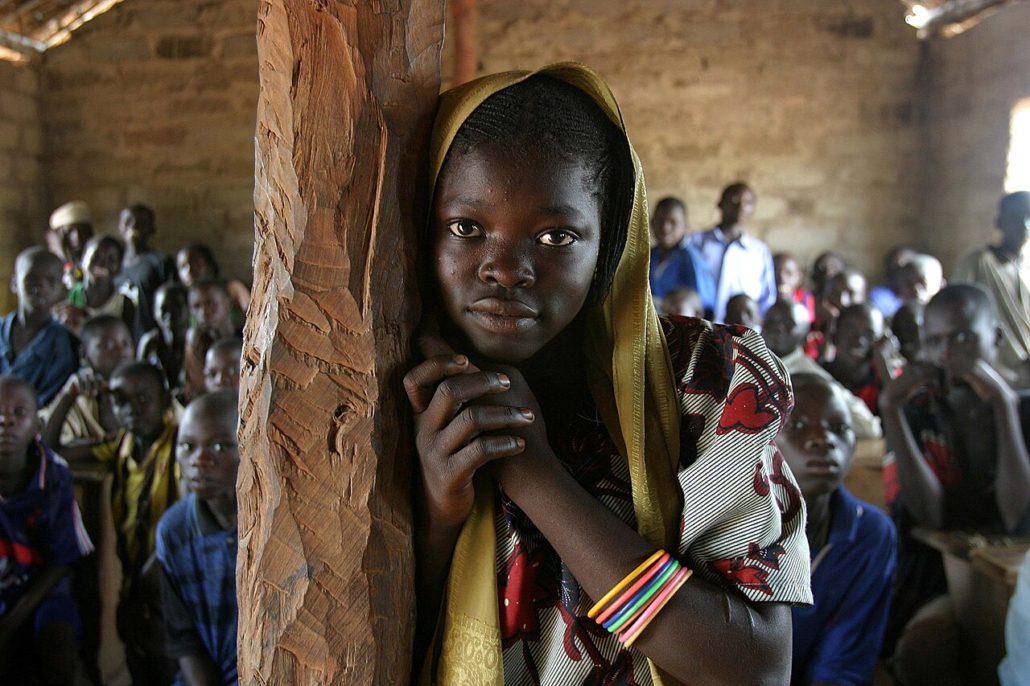
How The Philippine Red Cross Helps Typhoon Victims In Nov. 2025, the Philippine Red Cross (PRC) delivered medical aid to hundreds of families across the country that Typhoon Tino and Super Typhoon Uwan left devastated.

Philippine Red Cross

The Philippine Red Cross is a humanitarian organization that has existed since 1899 and has been officially active since 1947. Since its beginnings, PRC has been dedicated to supporting citizens who have endured tragic events and disasters across the Philippines. From emergency care to raising donations, PRC is committed to helping the vulnerable.

Following the destruction of Typhoon Tino and Super Typhoon Uwan, PRC delivered medical aid and support to thousands of victims in highly affected communities. Hundreds of staff and volunteers from PRC supplied families with emergency services such as first aid, disease prevention, welfare assistance, sanitation and more.

Typhoon Tino

Typhoon Kalmaegi, or Typhoon Tino, affected the country from Nov. 2 to Nov. 6. In just four days, it left a trail of destruction across eight regions. Islands in the Visayas were among the most highly affected areas. As of Nov. 11, the National Disaster Risk Reduction and Management Council (NDRRMC) reported about:

  •  232 deaths
  •  112 missing
  •  523 injured
  •  1.2 million families affected
  • 5.4 million individuals affected
  • 270,000 damaged homes
  • 42,000 destroyed homes

Cebu was the most affected area, recording many casualties due to severe, abundant flooding, landslides and vigorous winds. The storm left hundreds of thousands of families displaced after homes and farms were ruined.

On Nov. 4, following Typhoon Tino, PRC delivered health services to the highest affected areas through first aid stations to assist the sick and injured. The organization held disease prevention and hygiene promotion sessions for 620 people, raising awareness to protect the health of citizens. PRC also responded to an emergency childbirth.

Aside from medical resources, PRC extended welfare support as it set up welfare desks to provide emotional and psychological first aid. Volunteers also provided 1,642 hot meals to families affected by Typhoon Tino.

The chairman and CEO of PRC, Richard Gordon, expressed his faith in PRC’s volunteers to help and support those affected by Typhoon Tino.

“Every person reached by our staff and volunteers is someone who is given hope and care in the midst of disaster,” Gordon shared. “The Philippine Red Cross remains committed to responding swiftly wherever there is a call for help.”

Typhoon Uwan

Just days after Typhoon Tino left the Philippines, Super Typhoon Fung-wong, or Uwan, hit Luzon from Nov. 8 to Nov. 10. The 16 regions affected included Catanduanes, Aurora and Isabela. NDRRMC reported about:

  •  33 deaths
  •  One missing individual
  • 52 injured
  •  2.1 million families affected
  •  7.6 million individuals affected
  •  1.5 million people evacuated
  •  270,000 damaged homes
  • 25,000 destroyed homes
  • 130 villages flooded

The destruction caused extreme flooding, intense wind and mudslides, leaving many people displaced and sheltering with loved ones or in evacuation centers.

Following the devastation from Super Typhoon Uwan, PRC gathered hundreds of volunteers to reach more victims through medical services such as first aid stations that treated hundreds of patients. The humanitarian organization sent out ambulances for medical transport and rescue operations. PRC assigned three doctors and 25 nurses to provide medical consultations, medicines and antibiotics for hundreds of people in several regions.

Volunteers transported more than 200 individuals to evacuation centers from hazardous zones. PRC also provided psychological support through welfare desks and distributed meals from food trucks, delivering 8,753 hot meals to affected families. PRC used radios to allow communication in distant areas without Wi-Fi or data.

To PRC staff and volunteers, Gordon shared his appreciation for their extensive labor and dedicated effort.

“People often think that our work is limited to handing out relief boxes, but we have been working non-stop preparing hot meals and holding meetings 24/7,” Gordon said. “Thanks to everyone’s sacrifices here, the PRC can truly be always first, always ready, and always there.”

Moving Forward

In the face of the life-threatening typhoons that devastated millions of people in November, PRC remained dedicated to immediate aid for communities in need across the Philippines. PRC reached Filipino victims in the areas most affected, despite rising water levels and powerful winds. Along with accommodating the health of hundreds of people, PRC supported the well-being of families who lost everything. The people of the Philippines faced disaster, loss and grief, but PRC’s humanitarian relief provided care and support during recovery.

– Caydie Tampac

Caydie is based in Las Vegas, NV, USA and focuses on Good News for The Borgen Project.

Photo: Wikimedia Commons
January 24, 2026
https://borgenproject.org/wp-content/uploads/borgen-project-logo.svg 0 0 Precious Sheidu https://borgenproject.org/wp-content/uploads/borgen-project-logo.svg Precious Sheidu2026-01-24 07:30:342026-01-24 02:46:00How the Philippine Red Cross Helps Typhoon Victims
Global Poverty, Humanitarian Aid, Natural Disaster

Sikh Humanitarian Organizations Rebuilding Punjab

Rebuilding PunjabLate August and September 2025 saw the North Indian and Pakistani regions of Punjab hit with some of the worst floods in decades. Although the worst of these floods has passed, the damage left behind has pushed many who call these places their home deeper into poverty and ruin. Nearly 70% of the province was underwater after severe breaches in the Ravi and Sutlej rivers. In addition to the projected $6 billion to $10 billion in economic damages, at least 842 people died, more than 1.2 million were displaced and 4 million were impacted nationally.

With agricultural communities forming most of Punjab’s population, whatever affects farmers affects the entire region. Geographically, Punjab has always lived with a water-heavy existence defined by monsoon seasons. Punjab, literally “land of the five rivers,” has always embraced these conditions. Yet what once supported life now contributes to devastation. Every flood deepens poverty and erodes hope for those already living on the edge of survival. As the waters recede, one truth stays clear: if Punjab’s farmers cannot feed themselves, the survival of the wider population rests on fragile ground.

Poverty here is not evident only in rupees but in diminished worth, fractured families and futures placed on hold. Yet through the murky waters, people found hope in the form of seva, or selfless service, a key motto of the Sikh faith that guides the Sikh humanitarian organizations rebuilding Punjab after the floods, such as Global Sikhs, Khalsa Aid and United Sikhs. Each organization plays a unique role that extends far beyond immediate help. Their work presents rebuilding Punjab as a testament to the power of community, religious service and international cooperation. Here, Sikh faith-based charities show that seva is not only a spiritual ideal but also a practical, life-changing force in times of crisis.

The Principle of Seva in Action: Tackling Poverty

Guru Nanak Dev Ji says,
“Do Seva and service in this world and find a seat in the court of God.”
ਵਿਚਿ ਦੁਨੀਆ ਸੇਵ ਕਮਾਈਐ ॥
ਤਾ ਦਰਗਹ ਬੈਸਣੁ ਪਾਈਐ ॥
(Sri Rag M-1, 26)

This philosophy of service sits at the heart of the Sikh community and shapes the work of the charities rebuilding Punjab after the floods’ destruction. Seva, rooted in the teachings of the Sikh Gurus, calls for selfless and unconditional service performed without seeking praise or reward. Sikhs see it as a way of honoring the divine by serving humanity and fulfilling a moral obligation.

This custom turned into a lifeline in the wake of the floods. Volunteers (or sevadars) of all ages, from local villagers to Sikhs in the diaspora, put seva into action by delivering aid, rebuilding livelihoods and reminding communities that solidarity stays stronger than anguish even during turbulent times.

In the aftermath, one of the greatest challenges was helping communities rise from the deeper poverty the catastrophe created. Families who once depended on modest harvests now faced barren granaries and empty farms. The disaster erased even the most basic security in places where poverty already ran deep, leaving parents wondering how they would afford their next meal or whether they needed to send their children overseas to survive.

Impact of the Floods

For many farmers, the human toll defies measurement. After days of relentless monsoon rains, countless families awoke to shattered livelihoods. In talks with The Guardian, Amritsar-based farmer Parmpreet Singh described his reality: “The crops are ruined, and even our homes are in danger of collapsing.”

His family — including his two young daughters and his elderly mother — currently lives on the roof of their home to stay above the water. Singh fears he may need to sell his land and abandon farming after seven hectares of crops were destroyed. Livestock farmers, who depend on only two or three buffaloes, face similar devastation. The shortage of fodder and the soaring cost of silage have pushed their financial stability to a breaking point.

Abad Khan, a small farmer from central Punjab, told Dawn News, “These families were already struggling, and now they are facing a level of poverty almost impossible to escape.” More than 2.2 million hectares of crops — from vegetables to rice and wheat — have been wiped out. In just one week, the price of wheat flour rose by 25%. The scale of economic and social hardship has made recovery daunting, but Sikh organizations have responded by turning seva into focused and sustained action.

Khalsa Aid

Khalsa Aid mobilized its volunteers within hours of the first flood warnings and reached the affected districts before most organizations. Their teams have worked across Gurdaspur, Kapurthala, Ferozepur and Abohar since mid-August, evacuating livestock — often a rural family’s main source of income — and rescuing stranded residents. Alongside these emergency actions, Khalsa Aid supplies clean drinking water, medical assistance, ration bags and crucial fodder for animals suffering after prolonged exposure to stagnant floodwater.

The charity installed industrial dewatering devices in Abohar, where floodwaters persisted long after the rains ended. This equipment helped recover more than 1,000 acres of submerged farmland. To help farmers restore their fields, restart agricultural work and prevent long-term economic collapse, Khalsa Aid’s teams continue to work directly with the communities.

Global Sikhs

Global Sikhs has taken on the equally important responsibility of long-term rehabilitation. Through their Sanjha Sahara Project, volunteers work in 25 severely affected villages to help families rebuild their lives from the ground up. Their approach recognizes that restoring livelihoods is as essential to Punjab’s recovery as clearing water or distributing aid.

They support soil restoration, repair damaged irrigation channels and replace lost livestock, a vital resource for rural households whose earnings depend on a few buffaloes or goats. Global Sikhs also help families rebuild homes damaged by weeks of flooding to ensure children, the elderly and vulnerable people stay safe.

UNITED SIKHS

Sevadars for UNITED SIKHS mobilized across the region and worked tirelessly to evacuate residents from submerged homes, relocate families to safer areas and set up relief camps in villages such as Dhera Ghara and Nihala. They provided medical care, food and clean water to households cut off by flooding. UNITED SIKHS also partnered with local health officials to distribute chlorine tablets and teach safe water practices to prevent the rise of skin infections and waterborne illnesses as stagnant floodwaters lingered. At the same time, the organization addressed severe shortages of cattle fodder caused by flooded fields and blocked roads to help farmers keep their livestock alive.

Rebuilding Punjab: Looking Ahead

These are only some of the organizations rebuilding Punjab. Although the damage devastated countless families, livelihoods and communities, the active service of these charities and the seva they embody brings hope back into people’s lives and provides practical solutions that lay the foundations for long-term recovery. In a glistening and rich culture, the harmony of community and faith shines brighter than ever.

– Prubleen Bhogal

Prubleen is based in London, UK and focuses on Good News and Politics for The Borgen Project.

Photo: Flickr

December 31, 2025
https://borgenproject.org/wp-content/uploads/borgen-project-logo.svg 0 0 Precious Sheidu https://borgenproject.org/wp-content/uploads/borgen-project-logo.svg Precious Sheidu2025-12-31 07:30:052025-12-21 01:07:26Sikh Humanitarian Organizations Rebuilding Punjab
Page 2 of 34‹1234›»

Get Smarter

  • Global Poverty 101
  • Global Poverty… The Good News
  • Global Poverty & U.S. Jobs
  • Global Poverty and National Security
  • Innovative Solutions to Poverty
  • Global Poverty & Aid FAQ’s
Search Search

Take Action

  • Call Congress
  • Email Congress
  • Donate
  • 30 Ways to Help
  • Volunteer Ops
  • Internships
  • Courses & Certificates
  • The Podcast
Borgen Project

“The Borgen Project is an incredible nonprofit organization that is addressing poverty and hunger and working towards ending them.”

-The Huffington Post

Inside The Borgen Project

  • Contact
  • About
  • Financials
  • President
  • Board of Directors
  • Board of Advisors

International Links

  • UK Email Parliament
  • UK Donate
  • Canada Email Parliament

Get Smarter

  • Global Poverty 101
  • Global Poverty… The Good News
  • Global Poverty & U.S. Jobs
  • Global Poverty and National Security
  • Innovative Solutions to Poverty
  • Global Poverty & Aid FAQ’s

Ways to Help

  • Call Congress
  • Email Congress
  • Donate
  • 30 Ways to Help
  • Volunteer Ops
  • Internships
  • Courses & Certificates
  • The Podcast
Scroll to top Scroll to top Scroll to top