Fund for Armenian Relief: Impacting Refugees in 2026
 The changing climate is a persistent issue that is becoming increasingly relevant as severe weather events reach cities around the world. With the consensus that extreme storms are an isolated issue instead of an international one, damage affecting unhoused and refugee communities in 2025 highlighted the importance of nonprofit organizations in the absence of assistance from local governments. Generating more support for displaced persons and the unhoused community begins with sharing stories that evoke relatability and enhance overall understanding of the issue.
Ongoing Advocacy
On Nov. 11, 2025, climate reporter Sabrina Shankman shared insight on the best way to educate people about the significance of climate change at the “Climate Is Every Story” panel series designed for Boston College faculty and students. Shankman said storytelling is the key to proper advocacy, not data points.
Similarly, Neil McCullagh, executive director of the Carroll School of Management’s Joseph E. Corcoran Center for Real Estate and Urban Action and BC ’91, highlighted the effectiveness of Habitat for Humanity’s human-focused narrative. Specifically, he discussed how the partnership between Habitat for Humanity and a faith-based organization provided 13 housing units that improved the lives of struggling families. Initiatives like this are powerful and help communities visualize the bigger picture and give their support.
Relief Efforts
Habitat for Humanity is a global organization based in Atlanta, Georgia, that provides housing assistance. Habitat for Humanity works with communities around the globe, serving about 70 countries. In 2025, research revealed that inadequate access to housing is a global issue, with 1.8 billion people worldwide unable to find affordable housing.
The organization continues to operate with the philosophy that “a world where everyone has a decent place to live” is possible. Its programs aid populations suffering from poverty, economic disadvantages and other challenges. There are similar nonprofit projects that provide items usually inaccessible to low-income individuals. Habitat for Humanity ReStore offers used household items at affordable prices. Proceeds from these items help the organization collaborate with local families to provide accessible housing for low-income individuals.
Volunteers from the Global Village program improve the lives of communities internationally by building houses in countries including Guatemala, Honduras, Kenya, Malawi and Romania. Other nonprofit projects have provided people in Brazil with a water tank as a response to a disaster in the region.
Global Village volunteers also responded to the risk of natural disasters in Cambodia by building water towers while providing homes for displaced persons in the Dominican Republic. These programs are creating momentum toward housing equity in underdeveloped countries. Relief efforts are giving people a fresh start. Mobilizing volunteers is one of the most effective methods to advocate for change. Still, innovative and sustainable solutions are needed to address fluctuating levels of support for services.
Forced Displacement and Hunger
A variety of challenges affect refugees, but one of the greatest trials they face is hunger. Currently, refugees receive most assistance from nongovernmental organizations.
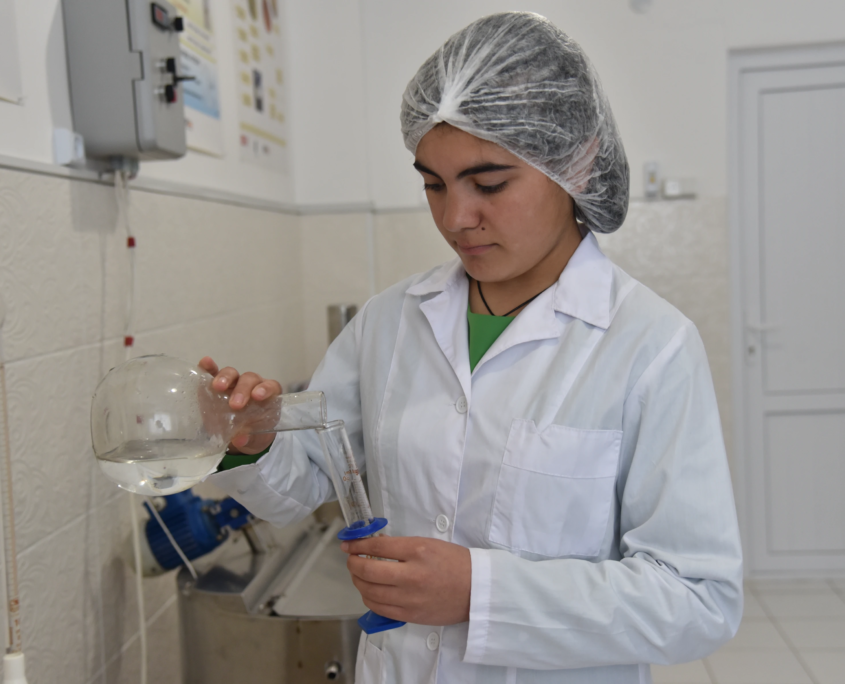
Sustainable living practices empower refugees to find nourishment through natural resources. Educating displaced persons on agricultural practices equips them with tools to avoid hunger and improve individual economic circumstances. A significant level of impact has been achieved through targeted programs. In particular, nonprofit projects like FAR’s Support for Artsakh’s Displaced Project teach students horticulture and gardening skills. For example, 15-year-old student Nanar Markosyan learned horticulture and gardening through this program, which prepared her to attend the National Agrarian University to pursue greenhouse management.
Sustainable farming approaches, such as tending soil or caring for livestock, promote self-reliance and resilience. Programs like these help prevent reliance on third-party food sources that may not always be available.
This approach can also be seen in the Fund for Armenian Relief’s malnutrition treatment programs established by a local NGO aiming to end malnutrition. The “Breakthroughs in Child Nutrition and Development for Healthy Generations” program was established in September 2020 to provide nutrition assistance to preschoolers and kindergarteners. As a result, 354 children received nutrition assistance in Ijevan, Tavush marz, Armenia. Focusing on successful programs like these helps ensure that child hunger is reduced or eliminated.
Fund for Armenian Relief
Fund for Armenian Relief (FAR) assists refugees fleeing life-threatening circumstances. FAR also provides food assistance and humanitarian support to help vulnerable communities in Armenia. The organization was created after the devastating earthquake in 1988, when the Armenian diaspora in the U.S. provided food and supplies. After the disaster, FAR identified the need for additional forms of assistance, which led to resilience-centered initiatives. Currently, the organization operates soup kitchens, assists vulnerable and abused children and supplies clean water. What began as a mission to help refugees rebuild their lives after the 1988 earthquake has evolved into a multifaceted nonprofit organization offering services related to health care, education, economic development, child protection and social services.
The Borgen Project spoke with Bree Carriglio, executive director of Fund for Armenian Relief, regarding the organization’s progress and goals for refugee assistance in 2026. Carriglio described progress made toward supporting displaced populations. When discussing food insecurity among children, Carriglio said, “FAR is always working to identify different ways we can provide nourishment to our most vulnerable populations. Our soup kitchens, old age home and child malnutrition programs in kindergartens are just a few ways we do this, and every year we evaluate how we can improve the nutritional values of our menus and reach more people.”
Carriglio noted that hunger was a major issue among displaced populations after a nine-month blockade prior to fleeing. Following the displacement between 2023 and 2024 resulting from conflict between Armenia and Azerbaijan, FAR provided immediate aid to 14,000 families during the first six months.
Nutrition Deficits
FAR aims to assess specific nutrition deficits in children through its malnutrition program this year. In 2026, the organization anticipates progress in its food aid programs and plans to identify opportunities to expand nutrition assistance through program evaluations. Looking ahead, Carriglio emphasized that continued efforts to support displaced refugees are essential to expanding FAR’s mission. She said the key to rebuilding lives is to “make sure they have not only the physical resources to do that but also the psychosocial support and other resources to address the emotional toll this type of trauma can have on individuals.”
FAR’s nonprofit projects continue to show progress. Because the organization has no political affiliation, funding relies heavily on donors. In some cases, FAR has partnered with the Armenian government to administer programs that demonstrate measurable outcomes. FAR has also participated in advocacy efforts to raise awareness about forced displacement and food insecurity among refugee populations. Carriglio said, “During the last crisis, we raised awareness by reaching out to the diaspora and sharing both firsthand accounts of the crisis and how we were mobilizing to help, which focused on both immediate assistance in the form of humanitarian aid and implementing strategies to help displaced individuals rebuild their lives.”
However, these resources are not sufficient to sustain every program. Budget cuts created funding gaps, forcing FAR to end a workforce program for vulnerable populations, including veterans reentering the workforce. Monetary aid remains the most effective form of support because food can be purchased within Armenia and distributed without delay.
The Path Forward
The conflict that caused nearly 100,000 refugees to flee Artsakh and cross the Armenian border is one of many challenges displaced persons have endured.
Fund for Armenian Relief has the ability to adapt to change and its mission to provide humanitarian support continues to transform the lives of vulnerable children, including those facing challenges beyond food insecurity. Other nonprofit projects, such as Habitat for Humanity’s Global Village program, have secured housing and supplied clean water internationally.
Investing in programs that support vulnerable communities serves as both immediate relief and a long-term strategy for mitigation. Raising awareness and building strategic partnerships can help reduce the challenges faced by populations struggling to meet basic needs worldwide.
– Lala McCullough
Lala is based in Brentwood, CA, USA and focuses on Good News for The Borgen Project.
Photo: farusa
