The Liberation of Port-au-Prince: Humanitarian Aid in Haiti
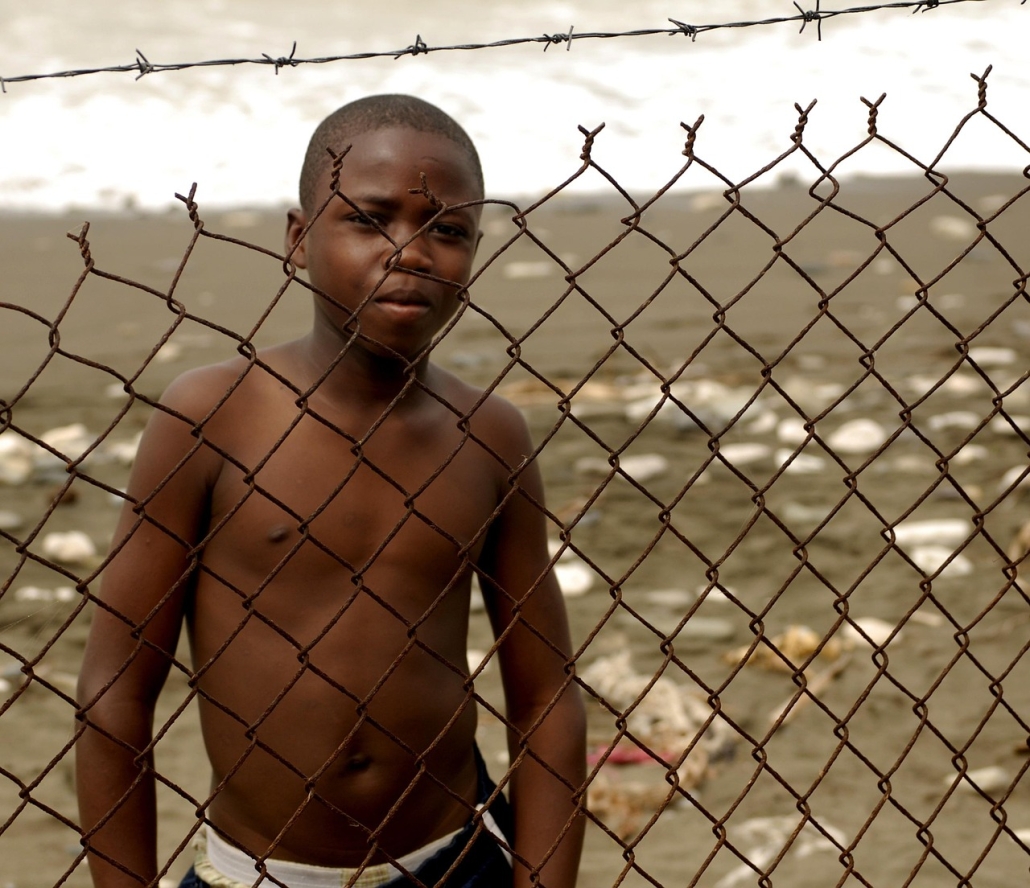 For the first time in years, Port‑au‑Prince is experiencing a fragile, but meaningful, shift. Neighborhoods long held under the control of armed gangs have been partially liberated, allowing residents to move with a freedom that had become almost unimaginable. After years of escalating violence, mass displacement and the near‑collapse of essential services, the liberation of Port-au-Prince represents more than a tactical gain. It offers a rare opening for humanitarian aid agencies that have struggled to reach communities in Haiti, trapped behind shifting frontlines.
Background
The scale of Haiti’s crisis is difficult to overstate. According to the U.N. Human Rights Office (OHCHR), gangs controlled up to 90% of Port‑au‑Prince as recently as 2025. They restricted movement, blocked trade routes and subjected civilians to extortion, kidnapping and sexual violence.
The U.N.’s March 2026 report on gang expansion documents 5,519 people killed and 2,608 injured between March 2025 and January 2026, with women and girls disproportionately targeted. The collapse of policing and justice institutions left entire neighborhoods effectively under siege, governed by armed groups whose authority rested on fear.
The Liberation of Port-au-Prince
However, recent security operations have begun to change this landscape. The Haitian National Police, supported by international partners including the U.N. Integrated Office in Haiti (BINUH) and contributors to the U.N.-mandated Multinational Security Support Mission, have regained limited control of several key routes and districts. U.N. experts describe this moment as a “glimmer of hope,” noting that police are now more visible and mobile in areas that had been inaccessible for months.
This assessment is echoed in the U.N.’s broader human rights reporting, which frames the current moment as a rare but important opening for stabilization. For residents, the change is immediate and tangible. They can now cross neighborhood boundaries without paying extortion fees, as well as reach markets and health centers that were previously blocked off by gang violence.
Humanitarian Aid in Haiti
This shift has profound implications for humanitarian access, with Haiti’s situation being among the most severe in the world. According to the U.N. Humanitarian Action for Children, more than 6.4 million people are expected to require assistance in 2026, including 1.4 million internally displaced people. Furthermore, only 10%–11% of health facilities within Port-au-Prince with inpatient capacity are operating normally.
Humanitarian aid agencies were unable to reach gang-controlled zones in Haiti, forcing them to rely solely on remote support or limited airlifts. The partial liberation of Port‑au‑Prince has opened a narrow yet vital corridor for humanitarian work. Mobile health clinics have begun reaching displaced people sheltering in schools and makeshift camps.
The Need for Sustained International Support
The liberation of territory has also revealed the depth of trauma endured by children. A joint OHCHR–BINUH report found that at least 26 gangs in the capital are involved in child trafficking using boys for extortion and armed operations, while subjecting girls to sexual slavery. More than 500,000 children live in gang‑controlled areas and many have been misidentified as perpetrators, executed by police or vigilante groups.
Even with improved access, Haiti’s humanitarian system is under severe strain. U.N. humanitarian assessments warn that gender‑based violence services face significant funding gaps and many displacement sites lack basic management structures. Food assistance pipelines risk interruption and children with acute malnutrition may remain untreated if funding shortfalls continue.
Without sustained international support, the gains from recent security improvements could quickly erode. The broader political context also remains uncertain, as Haiti has not held national elections since 2016. Additionally, the assassination of President Jovenel Moïse in 2021 left the country without an elected head of state.
Governance institutions remain weak and accountability for human rights violations, whether committed by gangs or the police, remains rare. OHCHR’s report describes the situation as a “severe deterioration” in human rights conditions, driven by gang expansion, institutional collapse and systemic impunity.
As humanitarian aid access improves in Haiti, agencies stress the need for reintegration programs, safe spaces, school‑based protection systems and cash‑transfer schemes that reduce the economic pressures driving recruitment.
Concluding Thoughts
The liberation of parts of Port‑au‑Prince is best understood not as a turning point, but as an opening. It offers a chance to scale up emergency assistance, rebuild essential services and strengthen protection for women and children. However, it also underscores the need for predictable funding and long‑term support for Haitian institutions working to restore the rule of law.
For Haitians, the hope is that this moment marks the beginning of a broader recovery, one in which safety and opportunity replace fear and displacement.
– Max Kenway
Max is based in London, UK and focuses on Technology and Politics for The Borgen Project.
Photo: Pixabay
