Factors Impacting COVID-19 in Africa
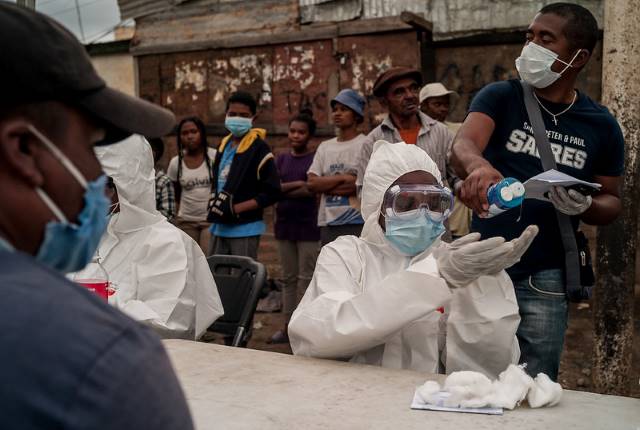 In 2021, COVID-19 is still rampaging across the globe, and despite efforts from the wealthiest nations, it has yet to drop down to non-pandemic status. Africa, a continent with a population of more than one billion, has reported 1.5 million cases and only 46,000 deaths as of November 2020. The smaller fatality numbers across Africa can be attributed to several different factors that are impacting COVID-19 in Africa.
Fast Action
The first case of COVID-19 in Africa was reported on February 14, 2020, in Egypt. Other countries across the continent immediately took action fearing that the virus would severely affect at-risk communities such as the elderly and those who are immune-compromised. Protocols such as frequent hand washing, avoiding physical touch-based greeting, social distancing and face masks were implemented right away.
Countries such as Lesotho acted before a single case was reported, going into a three-week lockdown on March 18, 2020, along with surrounding countries. A few days after lifting the lockdown, Lesotho announced its first confirmed COVID-19 case. However, despite the country having a population of more than two million people, as of October 2020, only 1,700 cases and 40 total deaths were reported in Lesotho.
Public Cooperation
Public support has contributed to the lower case numbers across Africa, impacting COVID-19 in Africa overall. More populated countries such as South Africa reported the highest number of COVID-19 cases at more than one million while Western Sahara reported only 10 cases.
According to polls taken in August 2020, almost 70% of adults completely adhered to washing their hands and wearing face masks in public and roughly 60% adhered to avoiding handshakes and public gatherings. Furthermore, roughly 45% of adults avoided places of worship.
Lockdown restrictions came at a huge cost across the continent as a reported 2.2 million jobs were lost in South Africa during the first half of 2020. Many countries across the continent were forced to reopen their economies despite high cases. According to a PERC report, six in 10 citizens felt it was necessary for the economies to reopen.
Reports suggest that African citizens continue to see COVID-19 as a serious threat, but the economy remains an equally important factor. Citizens generally agreed to continue to adhere to the restrictions in order to keep cases down while allowing the economy to reopen.
A Younger Population
Africa is home to the largest population of young people in the world, with a median age of 19. The young population is a major contributing factor as to why fatalities from the virus have stayed low. This is due to the vast majority of the population not being in the at-risk range. The World Health Organization reports that 91% of COVID-19 cases in sub-Saharan Africa affected people below the age of 60 and more than 80% of those infected were asymptomatic.
The elderly form only 3% of the population across Africa while continents such as Asia, North America and Europe have the largest population of elderly in the world. Many African countries also do not have many retirement homes, which are superspreaders for the disease. The elderly across Africa move from cities where they worked back to rural areas when they retire. These rural areas are less populated and allow for better social distancing practices, making the spread of the virus less rapid.
Transportation also contributes to fewer cases. With no well-developed transportation system to transport those in and out of the city, the virus has not been able to spread as significantly in comparison to places such as the U.K. with major transportation lines that lead to the rapid spread of viruses such as COVID-19.
The Road Ahead
Many have speculated that Africa’s low case numbers could be attributed to African immunity. The above reasons show that Africa has in fact successfully managed the COVID-19 pandemic due to fast and early action to curb the spread of the virus, adherence to public health measures and a younger population.
– Claire Olmstead
Photo: Flickr
